Top 13 Natural Monuments around Brünzow
Best natural monuments around Brünzow are found within the diverse landscapes of Mecklenburg-Vorpommern. This region offers access to numerous lakes, the Baltic Sea coast, and extensive natural areas. Brünzow serves as a base for exploring the surrounding forests, meadows, and waterways, which are ideal for outdoor activities. The area provides opportunities to experience protected landscapes and observe diverse ecosystems.
Best natural monuments around Brünzow
- The most popular natural monuments is Wrangelsburg Castle, a castle with an English landscape park.…
Last updated: May 11, 2026
Wrangelsburg Castle
Highlight • Castle
Translated by Google •
Tip by

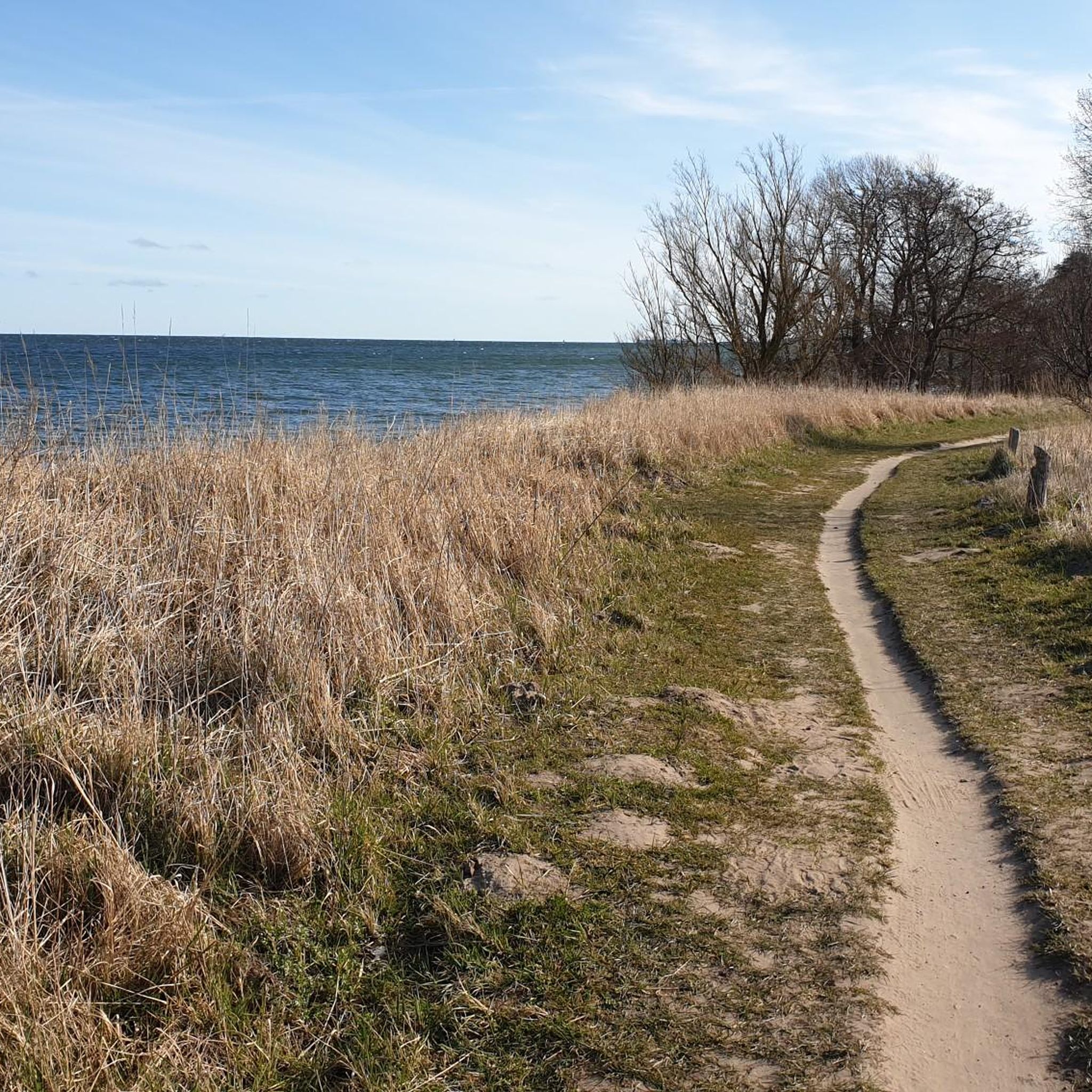
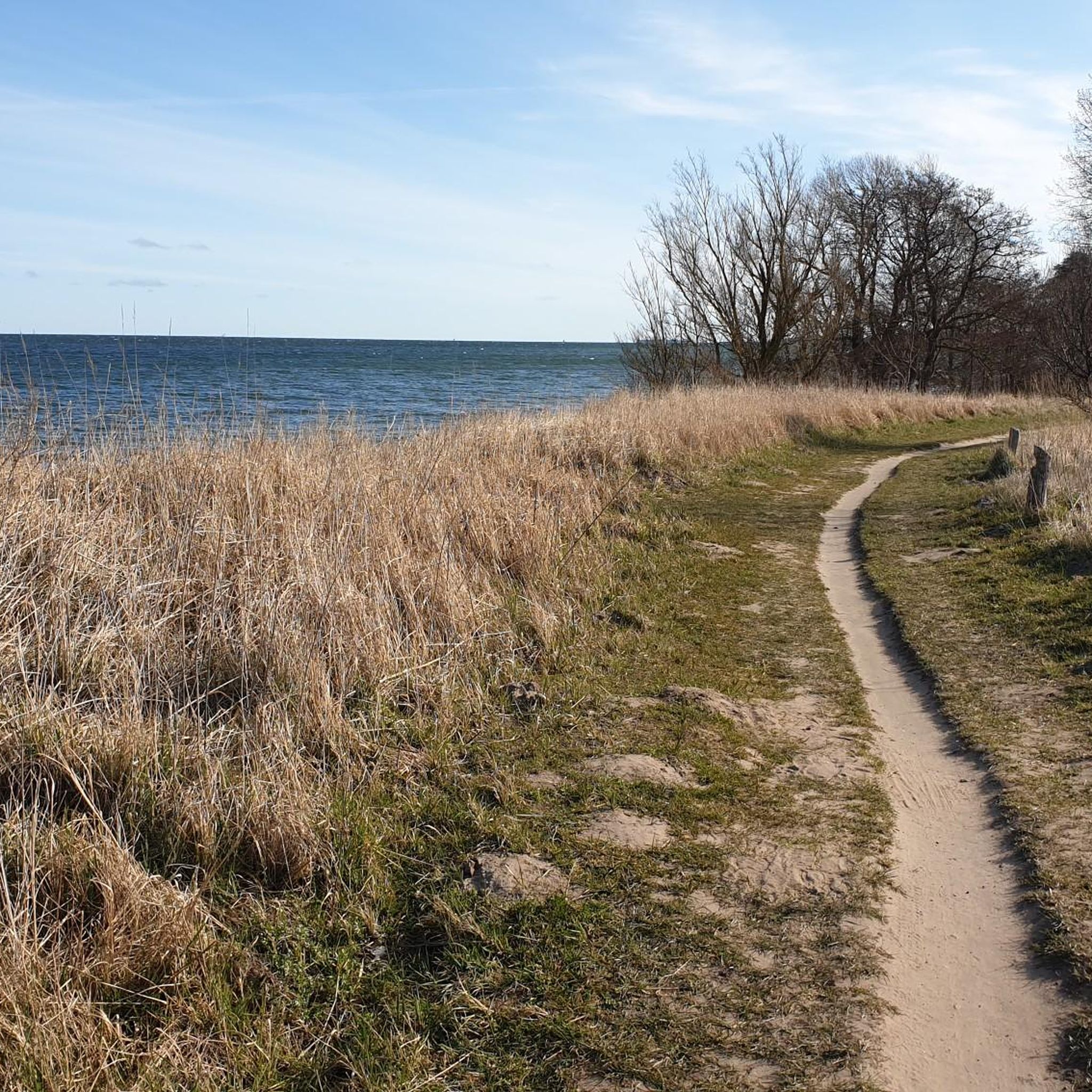
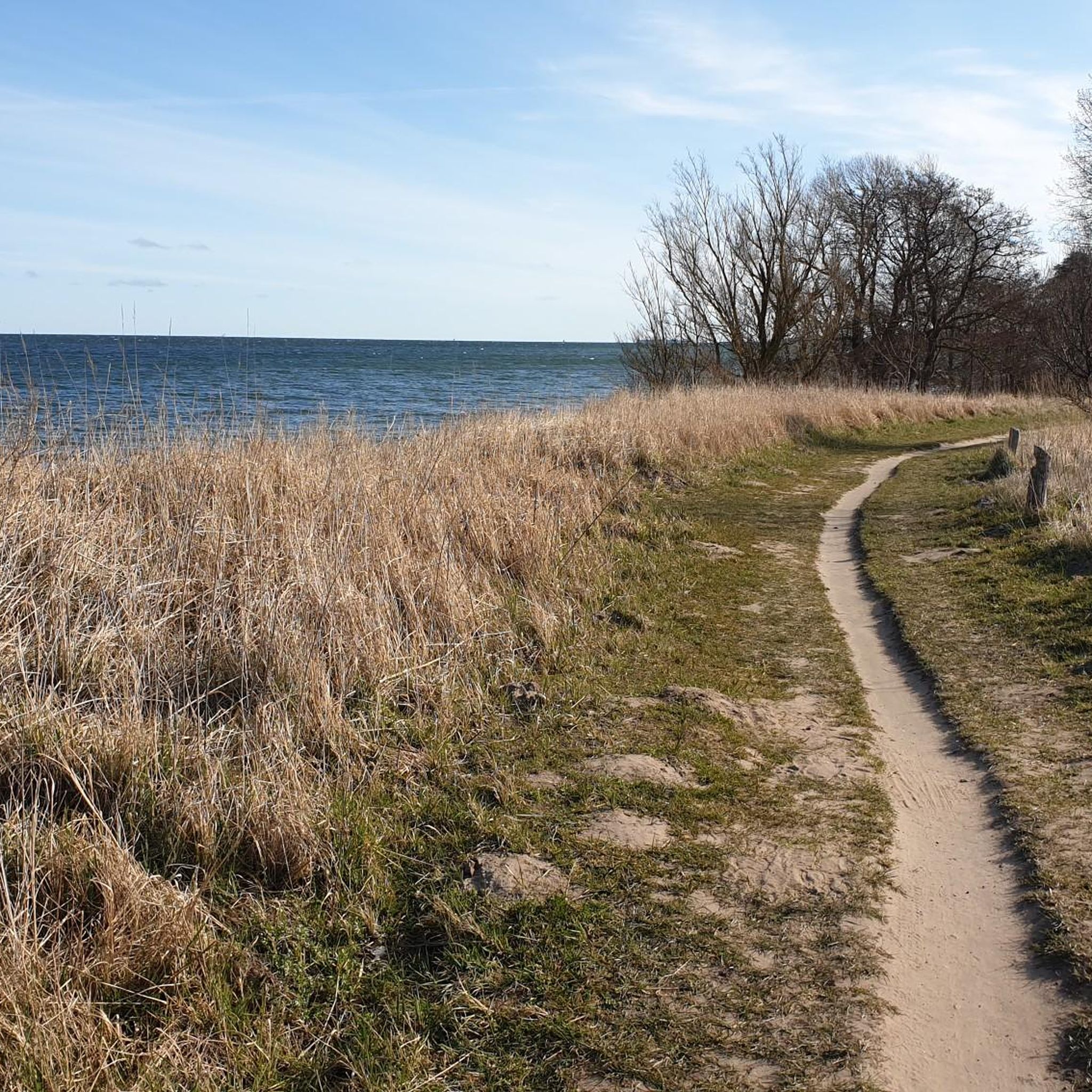
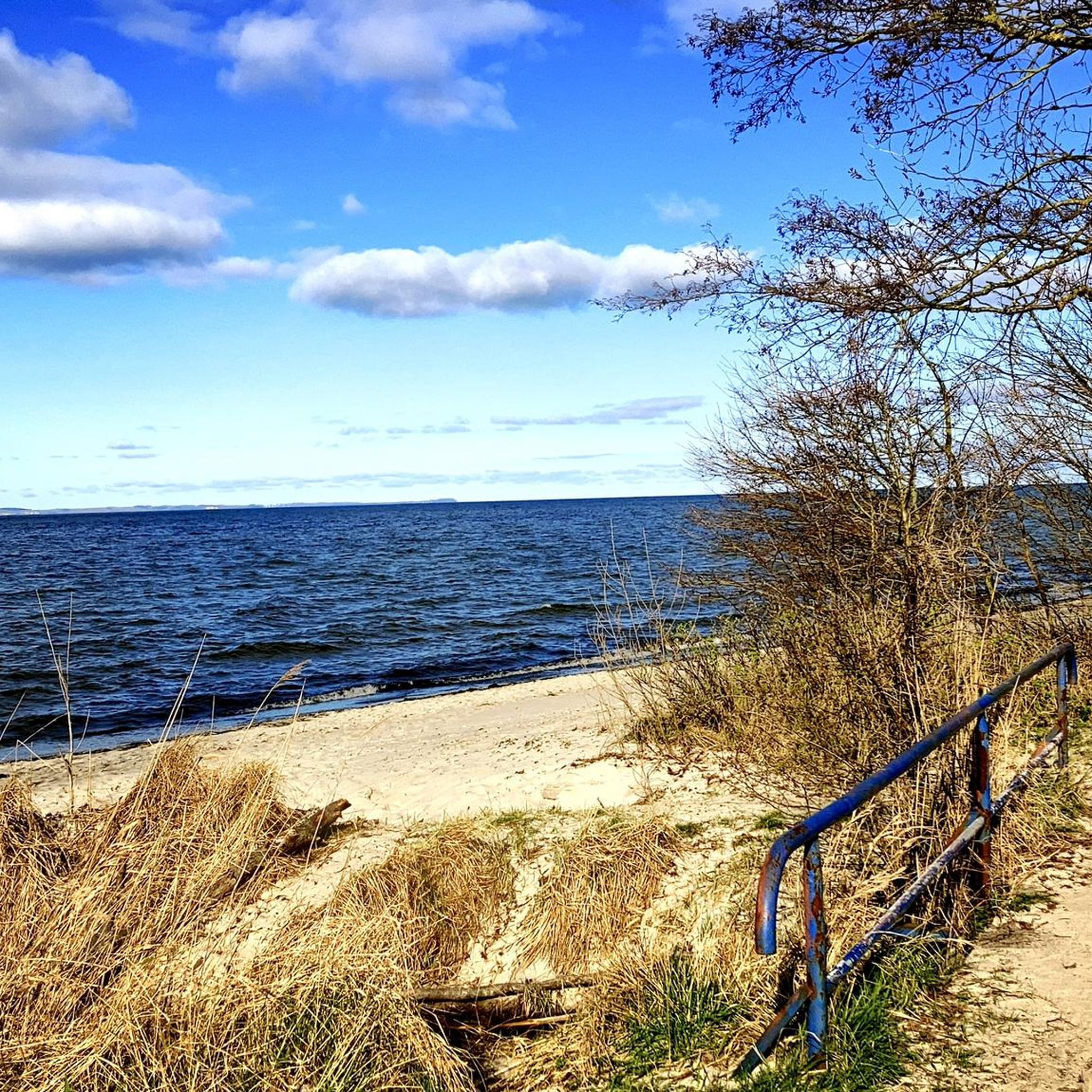
The Sleeping Trees
Highlight • Beach
Translated by Google •
Tip by

Sign up now to discover places like this
Get recommendations on the best single tracks, peaks, & plenty of other exciting outdoor places.
Sign up for free
Hill for wild bees
Highlight • Natural Monument
The hill was pushed up …
Translated by Google •
Tip by

Arboretum of the University of Greifswald
Highlight • Natural
From April to October | 9:00 a.m. to 6:00 p.m.
From November to April, the arboretum remains closed!
But a visit is definitely worthwhile.
Translated by Google •
Tip by

Schnitzelweg Protective Forest Lubmin
Highlight • Forest
Translated by Google •
Tip by

Sign up for free to discover even more natural monuments around Brünzow.
Sign up for free
Already have an account?
Start today with a free account
Your next adventure awaits.
Login or Signup
Tips from the Community

The arboretum was established at its current location in 1934 after the expanding city became too confined to the botanical garden, and there was no room for a collection of trees and shrubs at its new location. Today, the arboretum boasts a remarkable number of fascinating trees and shrubs and invites visitors to enjoy relaxing strolls.
0
0

Unfortunately, the arboretum is not open year-round. From April to October | 9:00 a.m. to 6:00 p.m. From November to April, the arboretum remains closed! But a visit is definitely worthwhile.
2
0

Wrangelsburg Castle is a manor house in Wrangelsburg in the Vorpommern-Greifswald district. It was built in 1880 and has been privately owned since 2017.
0
0

A very well-maintained facility with so many different plants and trees. There's much to see and learn.
1
1

The current castle was built in 1878. The previous building was converted into a baroque castle in 1652 by Carl Gustav Wrangel, the Swedish general governor of Pomerania. In 1945 it was expropriated and occupied by the Soviet military administration. Today it is in private hands.
5
0

For several years now, there has been a refuge here for the important little helpers in the landscape of fields and meadows: the wild bees. The hill was pushed up by the agricultural company and is kept clear by the kindergarten group in Guest, because these bees and bumblebees don't like vegetation. They prefer full sun and sand so that they can build breeding tubes and their eggs can develop well. They are therefore typical open land species and live in lean grassland, ruderal areas and fallow land with a corresponding supply of wild flowers. Until 2023, they were able to visit plenty of flowers on the lean meadow or fallow land here. In spring and early summer, on sunny days, you're sure to find a few sand bees to observe. On the other side of the path you can find wild flowers. More information on the board at the other end of the path just before the edge of town. More information about wild bees, including in gardens and parks: https://de.wikipedia.org/wiki/Sandbienen https://www.deutschland-summt.de/wildbienenarten.html
0
0

The castle is private and not accessible, but walking (not cycling) is allowed on the park paths - it's worth it. A very well-kept facility.
0
0

Behind the castle is a very beautiful lake.
0
0
Frequently Asked Questions
What types of natural monuments can I explore around Brünzow?
The region around Brünzow, part of Mecklenburg-Vorpommern, offers a diverse range of natural attractions. You can find unique coastal features like The Sleeping Trees, extensive forests such as the Schnitzelweg Protective Forest Lubmin, and specialized botanical collections like the Arboretum of the University of Greifswald. The area is also characterized by numerous lakes and access to the Baltic Sea coast.
Are there any family-friendly natural monuments near Brünzow?
Yes, several natural monuments around Brünzow are suitable for families. The English landscape park at Wrangelsburg Castle offers beautiful areas to linger. The Sleeping Trees beach provides a unique and fairytale-like experience for all ages. Additionally, the Arboretum of the University of Greifswald is a well-maintained facility with diverse plants and trees, perfect for relaxing strolls with children. The Hill for wild bees is also a great educational spot for families.
What is the best time of year to visit the natural monuments around Brünzow?
The natural monuments around Brünzow are particularly beautiful in summer when the forests, meadows, and waterways are green and in bloom, offering ideal conditions for outdoor activities. The Arboretum of the University of Greifswald is open from April to October, making spring and autumn also excellent times to enjoy its diverse plant collection.
Are there hiking opportunities near Brünzow's natural monuments?
Absolutely. The region around Brünzow provides ample opportunities for hiking. You can explore trails like the 'Lanken Nature Reserve – View of the Greifswalder Bodden loop' or the 'Beach Access in Gahlkow – Kitesurf Beach Baltic Sea loop'. For more detailed routes and options, you can refer to the Hiking around Brünzow guide.
Can I cycle to or around the natural monuments?
Yes, cycling is a popular way to explore the area. The Baltic Sea Coast Cycle Route (D-Route 2) offers breathtaking views, and there are various paths through the landscape of Mecklenburg-Vorpommern. Specific routes like the 'Lubmin Pier – Lubmin beach path loop' are available. Find more cycling tours in the Cycling around Brünzow guide.
What unique natural features can I observe at the coast near Brünzow?
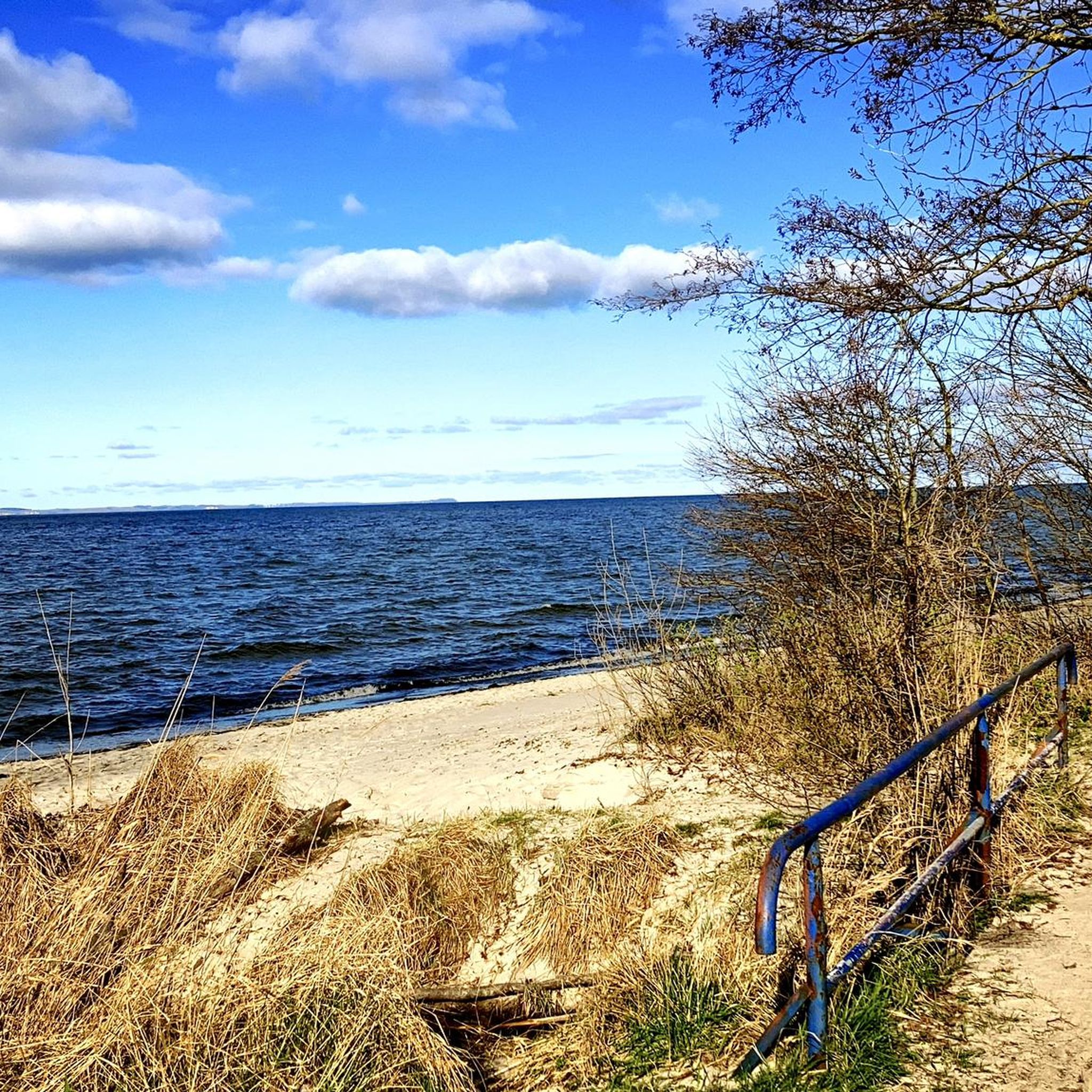
Near Brünzow, the Baltic Sea coast offers distinctive natural features. A must-see is The Sleeping Trees, a beach where old 'giants' (trees) lie, creating a unique and impressive coastal landscape. The wider coast also features cliffs and white sandy beaches.
Are there any protected natural areas or wildlife habitats worth visiting?
While Brünzow itself is a small village, the broader Mecklenburg-Vorpommern region is home to several national parks and biosphere reserves, such as Müritz National Park and the Western Pomerania Lagoon Area National Park. These areas feature extensive moorlands, ancient forests, and diverse ecosystems, offering unique opportunities for wildlife observation. Closer to Brünzow, the Hill for wild bees provides a refuge for important pollinators.
Is parking available at the natural monuments?
Parking information varies by location. For instance, Wrangelsburg Castle, which includes an English landscape park, has parking available. It's advisable to check specific details for each natural monument you plan to visit.
What is the significance of the Schnitzelweg Protective Forest Lubmin?
The Schnitzelweg Protective Forest Lubmin is an 83-hectare forest area officially designated as a protective forest. It plays a crucial role in binding dust and retaining noise from the neighboring industrial area, highlighting its environmental importance for the town of Lubmin. In protective forests, certain activities like clearing are restricted to preserve their ecological functions.
What makes the Arboretum of the University of Greifswald special?
The Arboretum of the University of Greifswald is a very well-maintained facility established in 1934. It boasts a remarkable number of fascinating trees and shrubs, offering visitors relaxing strolls and opportunities to learn about diverse plant species. It's a significant botanical collection in the region.
Are there any historical sites combined with natural beauty?
Yes, Wrangelsburg Castle is a notable example. While the current castle was built in 1878, its history dates back to a baroque conversion in 1652. It features an English landscape park along the southern shore of the castle lake, blending historical architecture with natural beauty, with some areas open to the public.
Most popular routes around Brünzow
Most popular attractions around Brünzow

Get inspired with the komoot mobile app


Explore more
Extend your search for the best caves by checking out these guides of the top ones around Brünzow:
