Top 20 Natural Monuments around Königsmoos
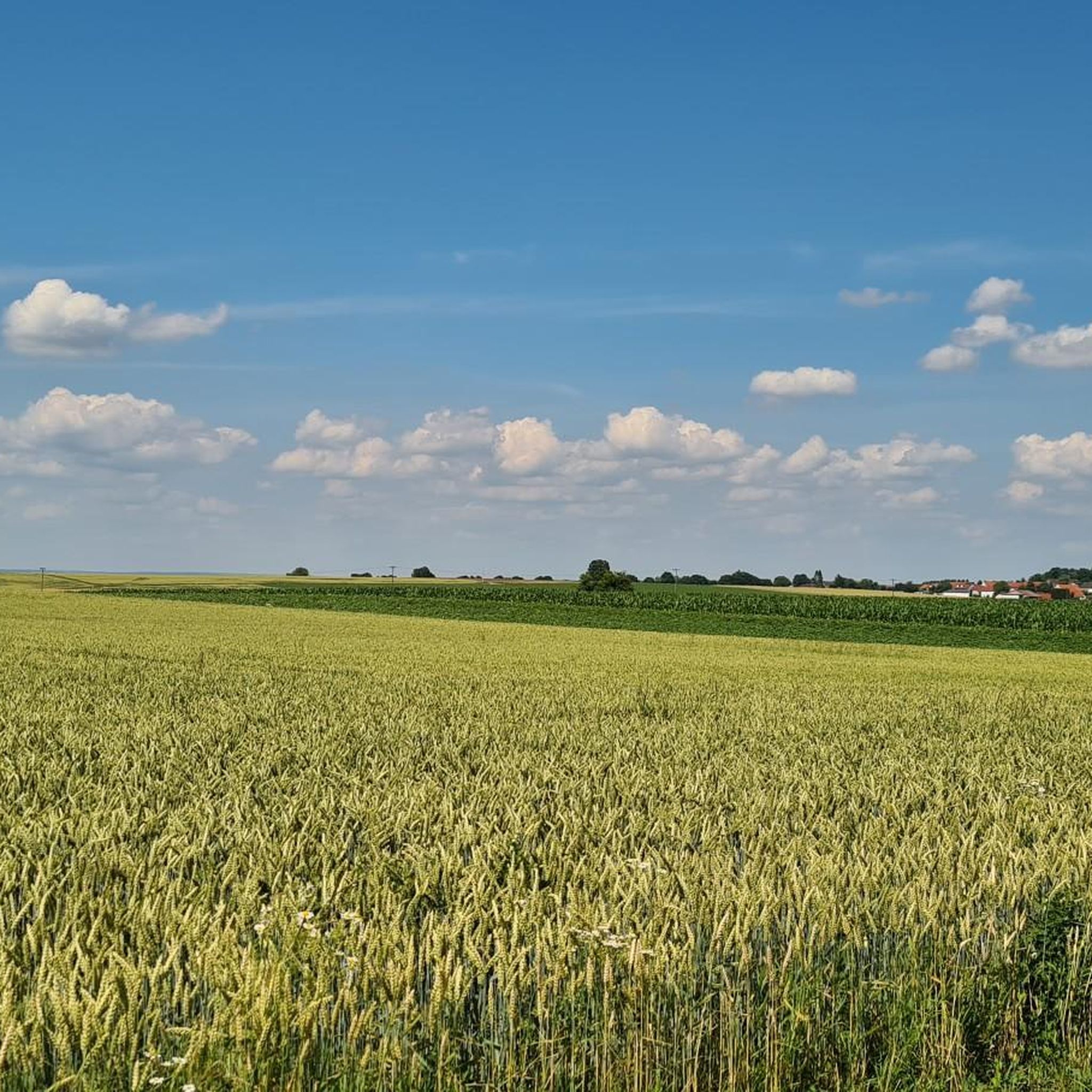
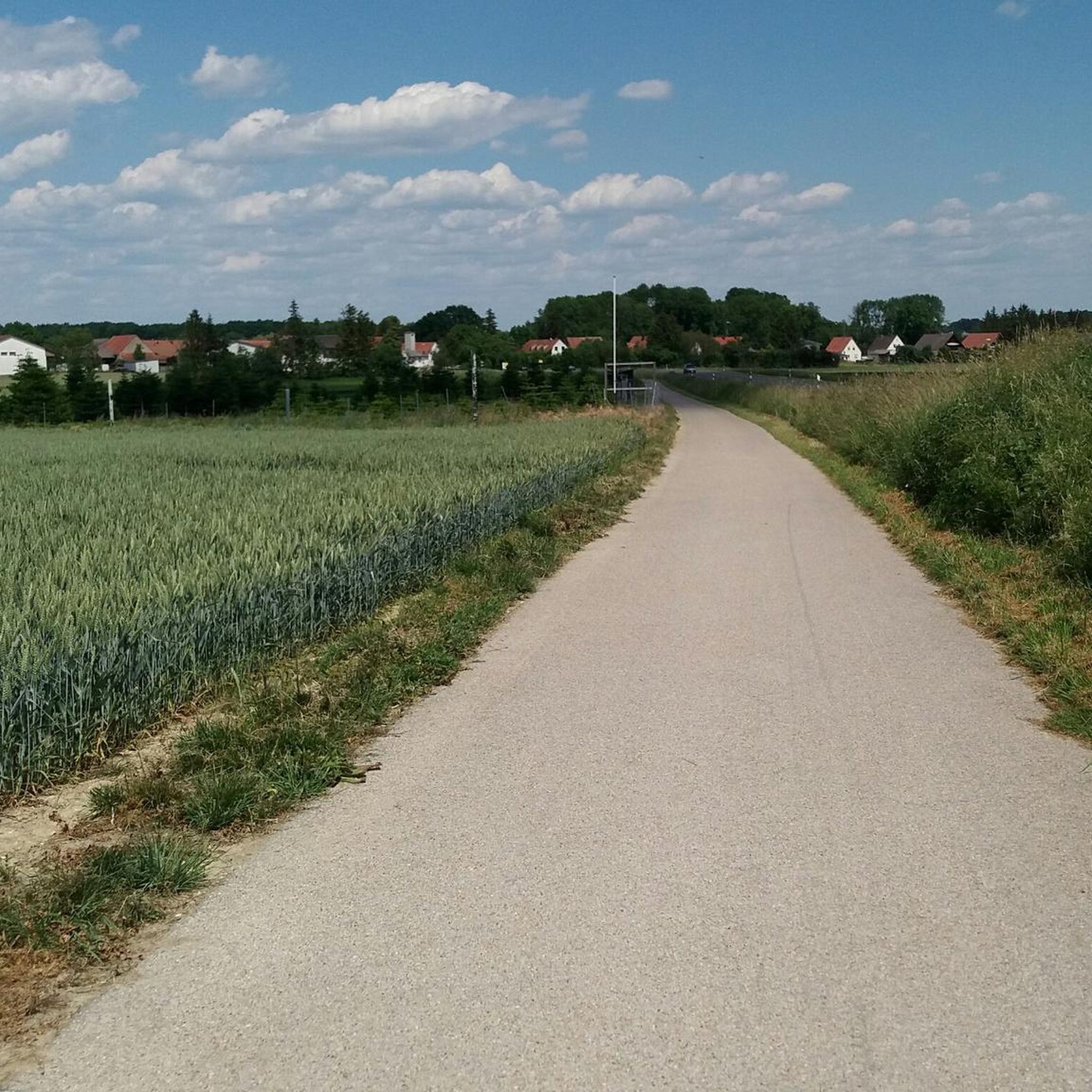
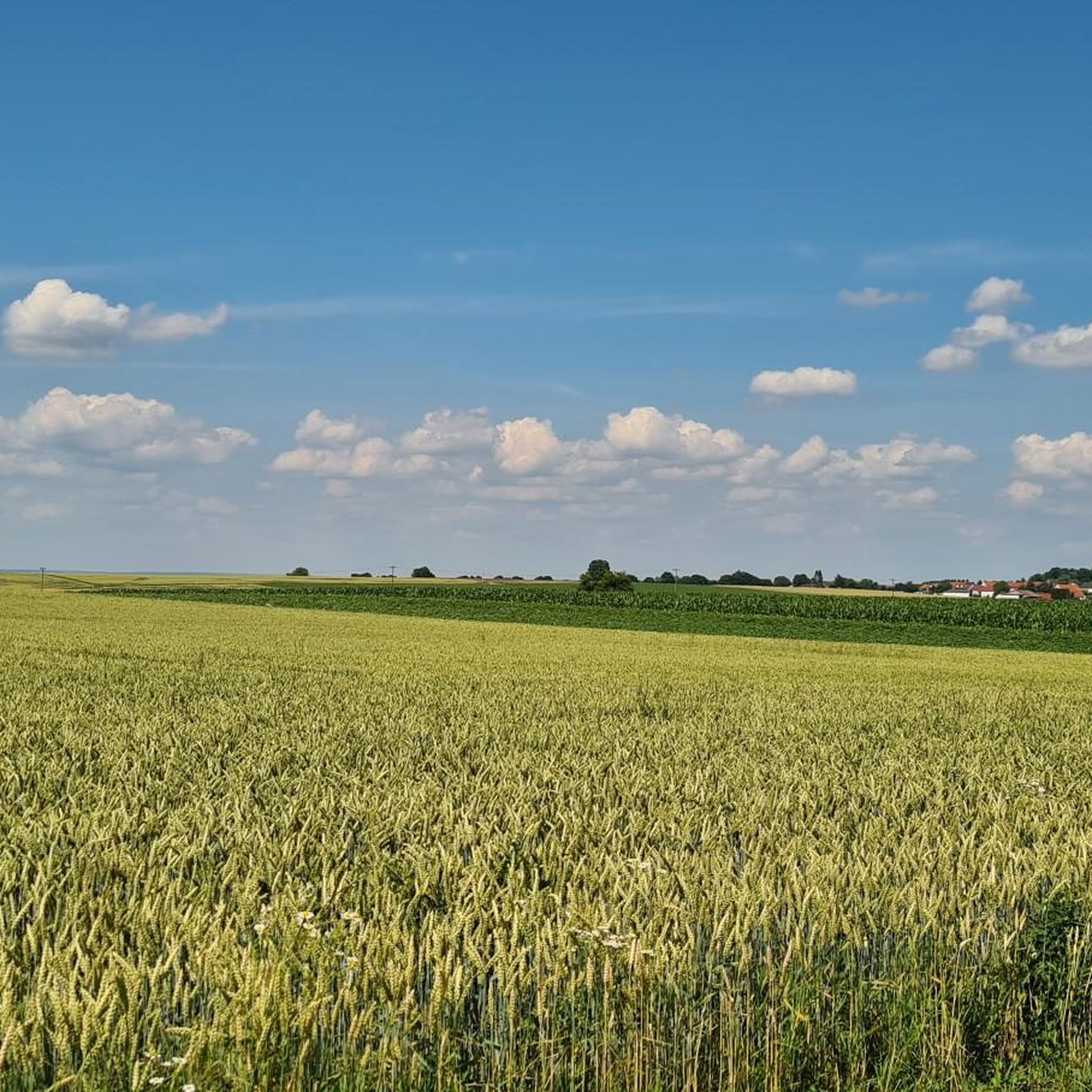
Best natural monuments around Königsmoos are found within a landscape characterized by diverse natural features and accessible paths. Situated between the Danube and Lech rivers, the region offers a harmonious natural setting. The area is known for its picturesque lakes and trails with minimal elevation gain, making it suitable for various activity levels. This location provides a variety of natural attractions for outdoor enthusiasts.
Best natural monuments around Königsmoos
- The most popular natural monuments is Silbersee, a lake that…
Last updated: August 18, 2026
Silbersee
Highlight • Lake
Translated by Google •
Tip by

Bluteiche Near Gollingkreut
Highlight • Natural Monument
Translated by Google •
Tip by

Sign up now to discover places like this
Get recommendations on the best single tracks, peaks, & plenty of other exciting outdoor places.
Sign up for free
Thousand-Year-Old Oak
Highlight • Natural Monument
Translated by Google •
Tip by

Old black poplar
Highlight • Natural Monument
Translated by Google •
Tip by

Urdonautalsteig Hiking Trail
Highlight • Trail
Altmühl and Danube
Between the Altmühl and the Danube, the demanding hiker will find a lovable landscape that the Urdonautalsteig has been opening up over …
Translated by Google •
Tip by

Sign up for free to discover even more natural monuments around Königsmoos.
Sign up for free
Already have an account?
Start today with a free account
Your next adventure awaits.
Login or Signup
Tips from the Community

A true natural monument: This ancient oak tree has survived many storms and wars. With its imposing trunk and gnarled branches, it is a silent witness to history—and a perfect place to pause and marvel. The "wooden mother," as this natural monument is also known, has been determined to be 400 years old through tree-ring drilling.
0
0

This oak tree is an official natural monument, and given its condition, there are real concerns about its future…
1
0

The **black poplar** (scientific name: **Populus nigra**), also known as **Saar tree**, is a remarkable plant species in the poplar genus in the willow family (Salicaceae). Here are some interesting facts about the black poplar: ### Characteristics - **Height**: It can grow up to **35 meters** tall. - **Crown**: The crown is very tall, domed, and has spreading, strong branches. Mature trees can develop a multi-segmented crown. - **Bark**: The bark is dark, which gives the species its name. ### Distribution - The black poplar is widespread in **Eurasia** and **North Africa** and is a characteristic tree species of river floodplains. ### Ecological importance - This tree species was originally widespread but is now critically endangered. It plays an important role in its ecosystem, especially in riverine landscapes. ### Uses - Black poplar wood species are often used in the furniture industry and for other wood products. The black poplar is not only a beautiful tree, but also ecologically and economically important!
0
0

Black poplars impress as old trees with their strong, gnarled growth.
5
0
An impressive tree, black poplars impress as old trees with their strong, gnarled growth.
5
0

A true natural monument that has already caused a lot of problems.
1
0

A huge, gnarled poplar (probably) that makes more of an impression on me than the 1000-year-old oak tree in Gerolfing
1
0

Very distinctive tree on the Danube. The tree offers many insects a habitat and is also a way marker. The poplar has an imposing trunk - around 2 meters in diameter. It comes close to the path. Further upstream is an old silver poplar.
1
0
Frequently Asked Questions
What kind of natural features can I discover around Königsmoos?
The Königsmoos area is rich in diverse natural features. You can explore picturesque lakes like Silbersee, known for its unique turquoise-milky waters. The landscape also features ancient, impressive trees such as the Thousand-Year-Old Oak and the Old black poplar. Additionally, the region is characterized by accessible paths and its location between the Danube and Lech rivers, offering a harmonious natural setting.
Are there family-friendly natural monuments in the Königsmoos area?
Yes, several natural monuments around Königsmoos are well-suited for families. The Silbersee, with its small sandy beach, is a popular spot. The Thousand-Year-Old Oak and the Old black poplar are also considered family-friendly, offering impressive sights for all ages. The region's generally accessible paths with minimal elevation gain make it easy for families to explore.
What unique natural attractions can I find in Königsmoos?
Beyond traditional natural monuments, Königsmoos is home to the unique Königsmooser Pflanzenlabyrinth. This classical round labyrinth features paths lined with thematic circles of ornamental perennials, medicinal herbs, and symbolic plants, offering a tranquil and educational experience focused on botany and symbolism.
What outdoor activities can I do near the natural monuments in Königsmoos?
The Königsmoos area is ideal for various outdoor activities. You can enjoy hiking on accessible trails, explore the landscape by cycling, or tackle mountain biking trails. The region's diverse landscape, including lakes and forests, provides a beautiful backdrop for these activities.
Are there hiking trails near these natural monuments?
Absolutely. The Königsmoos area offers numerous hiking opportunities. You can find a variety of trails, including moderate options like the 'Three Castles Tour' or easier routes such as the 'Hiking loop from Rohrenfeld'. For more details and routes, explore the hiking guide for Königsmoos.
What is the best time of year to visit the natural monuments in Königsmoos?
The Königsmoos area, with its lakes and plant labyrinth, is generally enjoyable from spring through autumn when the flora is vibrant and the weather is pleasant for outdoor activities. The Königsmooser Pflanzenlabyrinth, in particular, showcases colorful blooms throughout the year, making it appealing across seasons. Accessible paths also make it suitable for various conditions.
Are there any historical sites among the natural monuments?
Yes, the Moat of Fort Rosenschwaig is a notable example. While now a natural habitat for beavers and waterfowl, it is an 'other_man_made' feature with historical significance, standing on an artificial island. It offers a unique blend of natural beauty and historical context.
What do visitors enjoy most about the natural monuments in Königsmoos?
Visitors frequently commend the tranquil and unique atmosphere of places like the Silbersee, often described as mysterious with its turquoise-milky waters. The impressive size and history of ancient trees like the Thousand-Year-Old Oak also leave a lasting impression. The overall accessible and harmonious natural setting is highly appreciated.
How accessible are the paths around the natural monuments in Königsmoos?
The Königsmoos region is known for its generally accessible paths with minimal elevation gain. This makes many of the natural monuments and surrounding trails suitable for a wide range of activity levels, including families and those seeking easier walks.
Can I find any long-distance trails that include natural monuments in the area?
Yes, the Urdonautalsteig Hiking Trail is a significant route that traverses the landscape between the Altmühl and Danube. This demanding trail, approximately 60 kilometers long, leads through a distinctive landscape featuring rugged rock formations, juniper heaths, and alluvial forests, offering a comprehensive experience of the region's natural beauty.
Are there any natural monuments that offer viewpoints?
Many natural monuments in the Königsmoos area provide excellent viewpoints. The Silbersee offers scenic views of its unique waters, and both the Thousand-Year-Old Oak and the Old black poplar stand as impressive natural landmarks. The Urdonautalsteig Hiking Trail also features numerous viewpoints along its course.
What is the topography like around the natural monuments in Königsmoos?
The topography around Königsmoos is generally characterized by a harmonious natural setting with minimal elevation gain. It features picturesque lakes, forests, and accessible paths. Geographically, it lies between the Danube and Lech rivers, with the broader area encompassing parts of the Donaumoos and Lech Valley nature reserves, contributing to a varied and inviting landscape.
Most popular routes around Königsmoos
Most popular attractions around Königsmoos

Get inspired with the komoot mobile app


Explore more
Extend your search for the best caves by checking out these guides of the top ones around Königsmoos:
