Top 18 Natural Monuments around Haag in Oberbayern
Best natural monuments around Haag in Oberbayern are situated within the scenic landscape of Upper Bavaria. The region features diverse natural attractions, including ancient trees, unique geological formations, and riverine environments. These natural features provide opportunities for outdoor exploration and offer insights into the area's natural history. The area offers a variety of natural monuments for visitors to discover.
Best natural monuments around Haag in Oberbayern
- The most popular natural monument is Steep Banks of the Inn River, a…
Last updated: October 11, 2026
Müllner Bründl Spring
Highlight • Natural Monument
Translated by Google •
Tip by

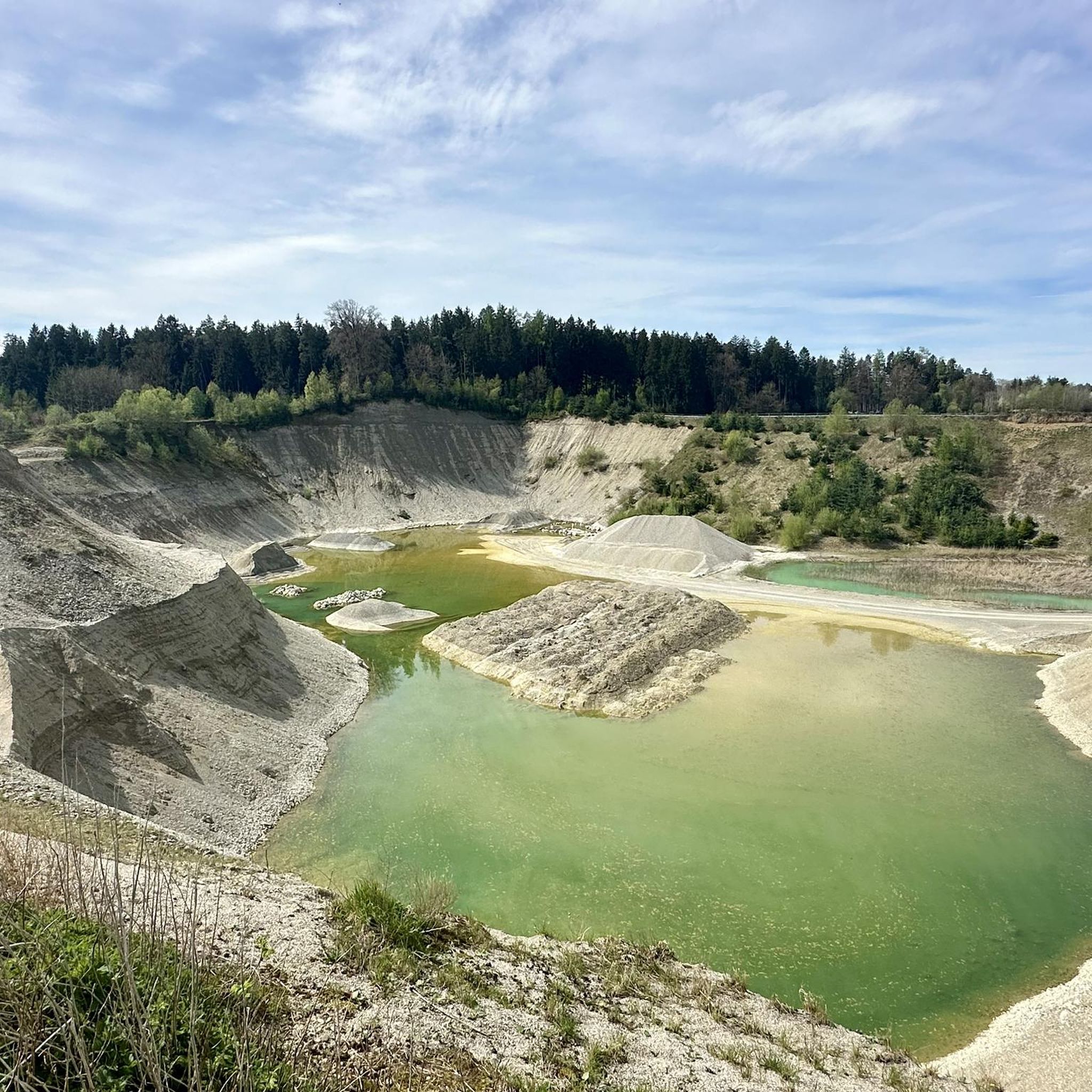
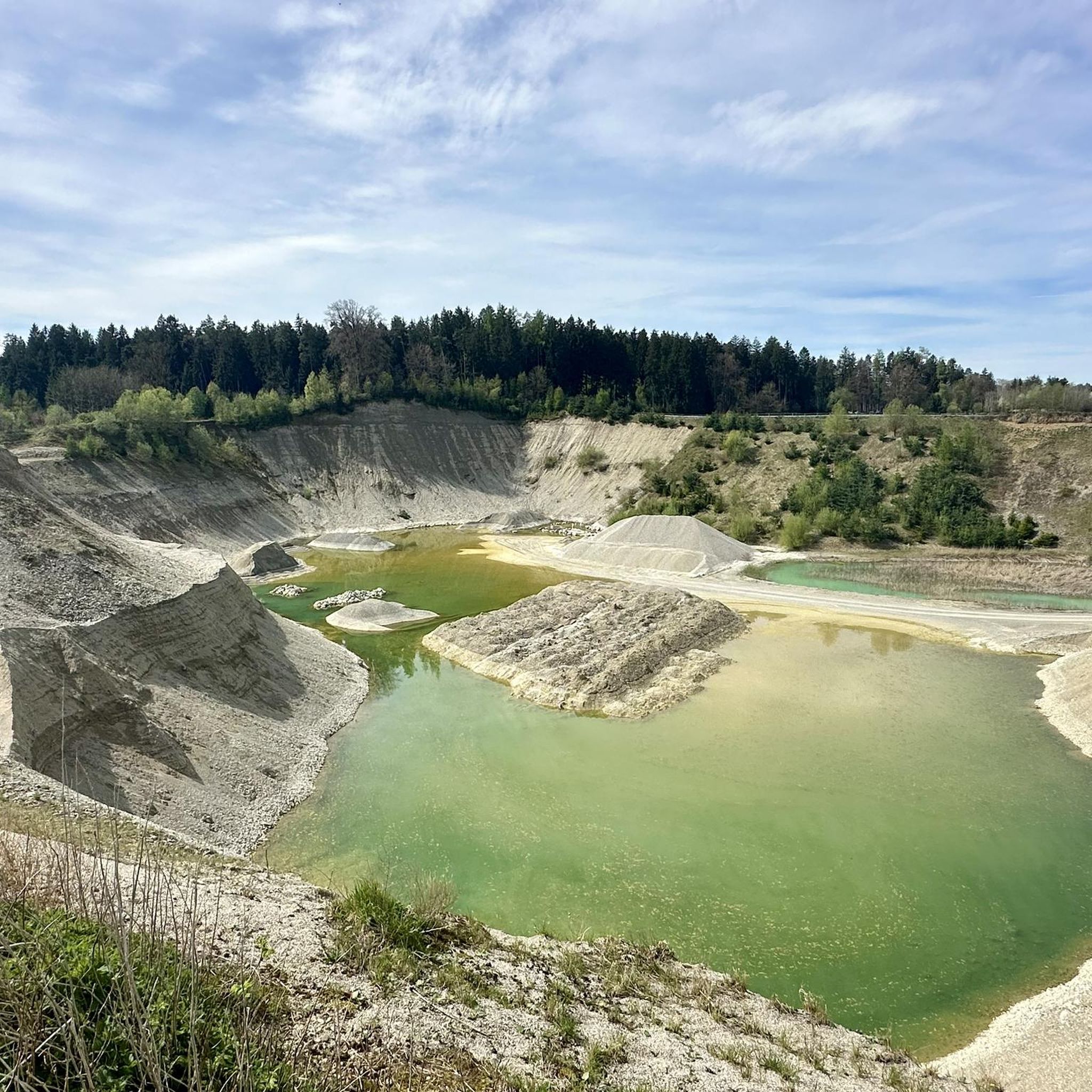
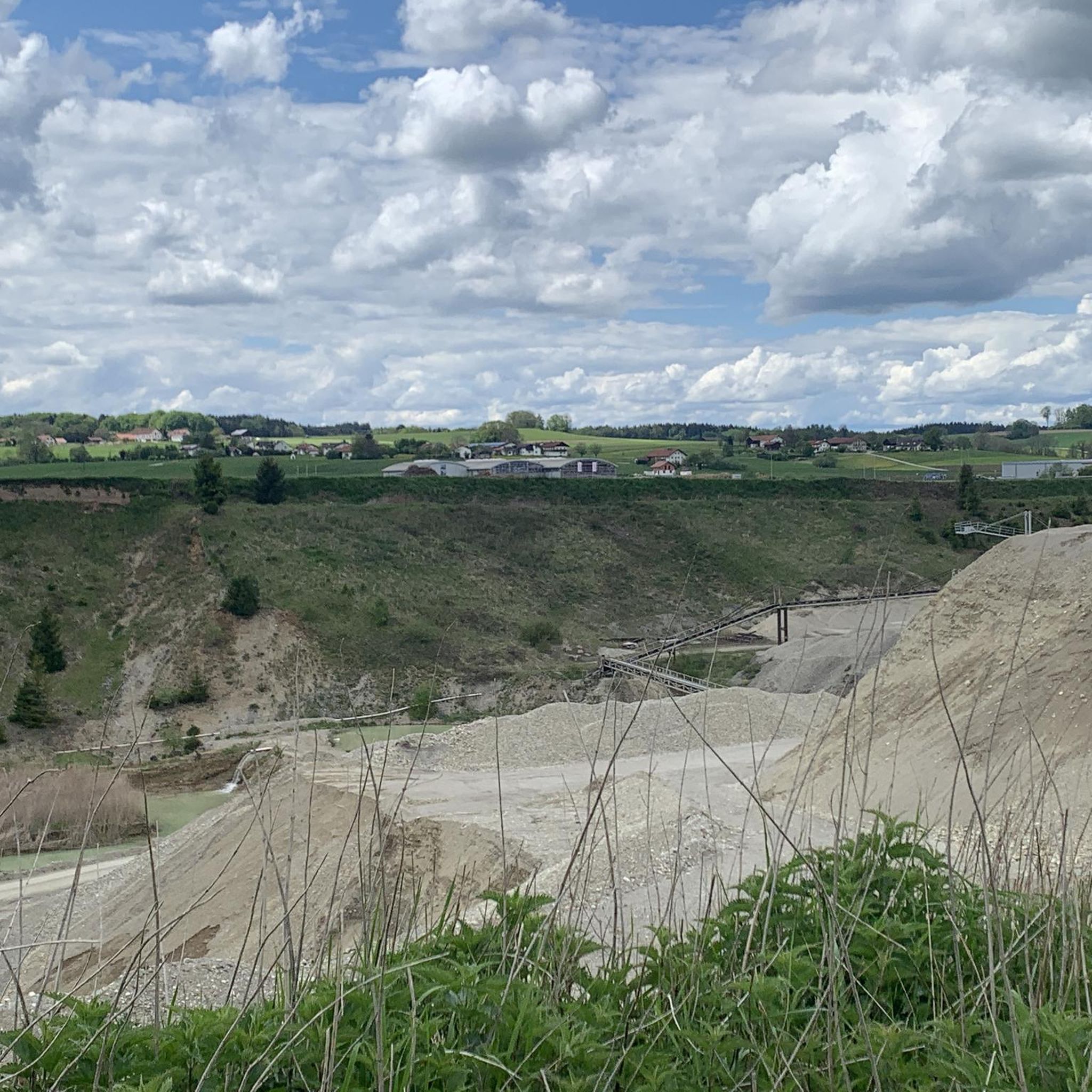
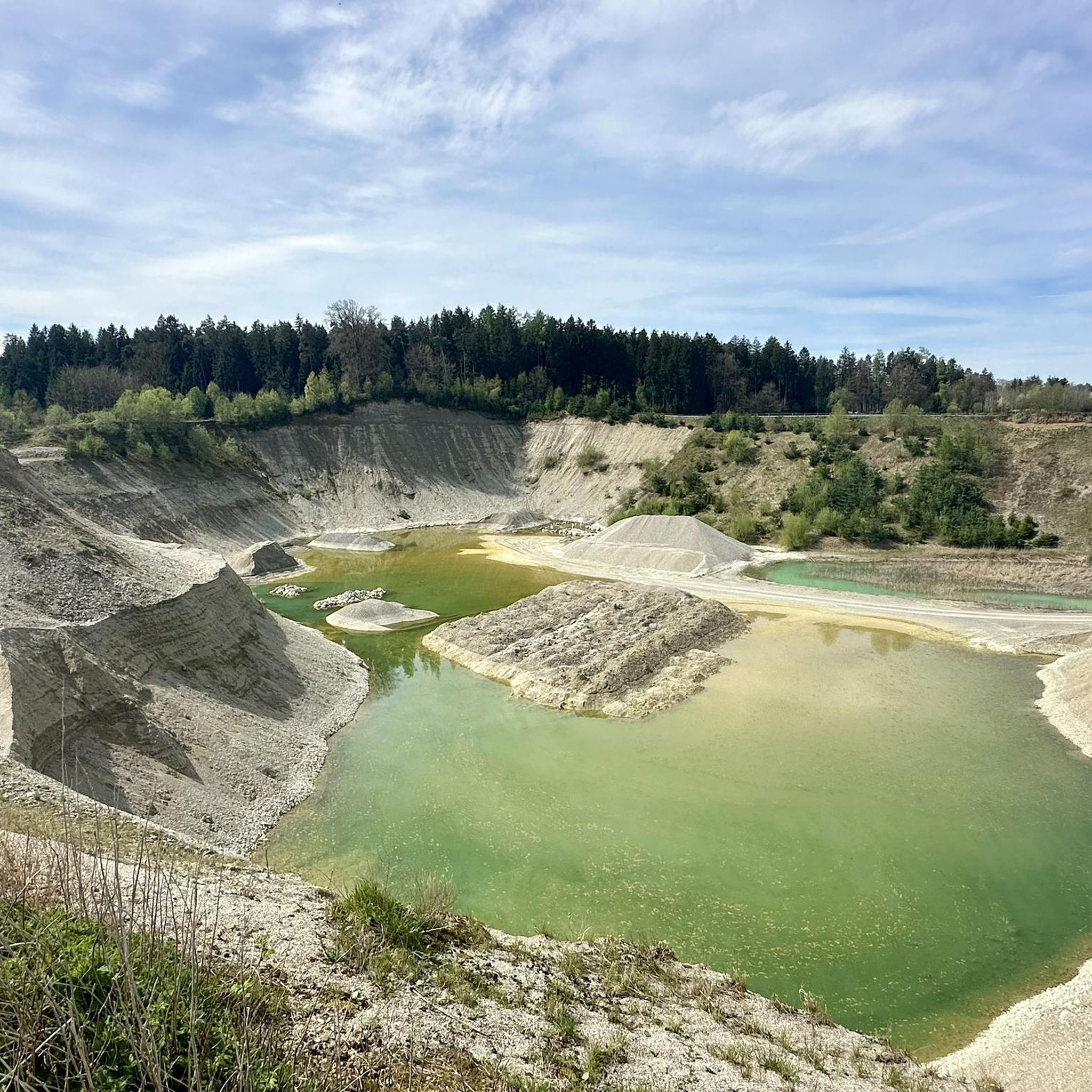
Kettle hole
Highlight • Natural Monument
Blocks of ice that break away from the glacier tongue during melting and remain there are called dead ice.
Translated by Google •
Tip by

Sign up now to discover places like this
Get recommendations on the best single tracks, peaks, & plenty of other exciting outdoor places.
Steep Banks of the Inn River
Highlight • Natural Monument
Translated by Google •
Tip by

Kesselsee Boathouse
Highlight • Lake
Translated by Google •
Tip by

Ancient Lime (Linden) Tree of Pemmering
Highlight • Natural Monument
Translated by Google •
Tip by

Sign up for free to discover even more natural monuments around Haag in Oberbayern.
Already have an account?
Start today with a free account
Your next adventure awaits.
Popular around Haag in Oberbayern
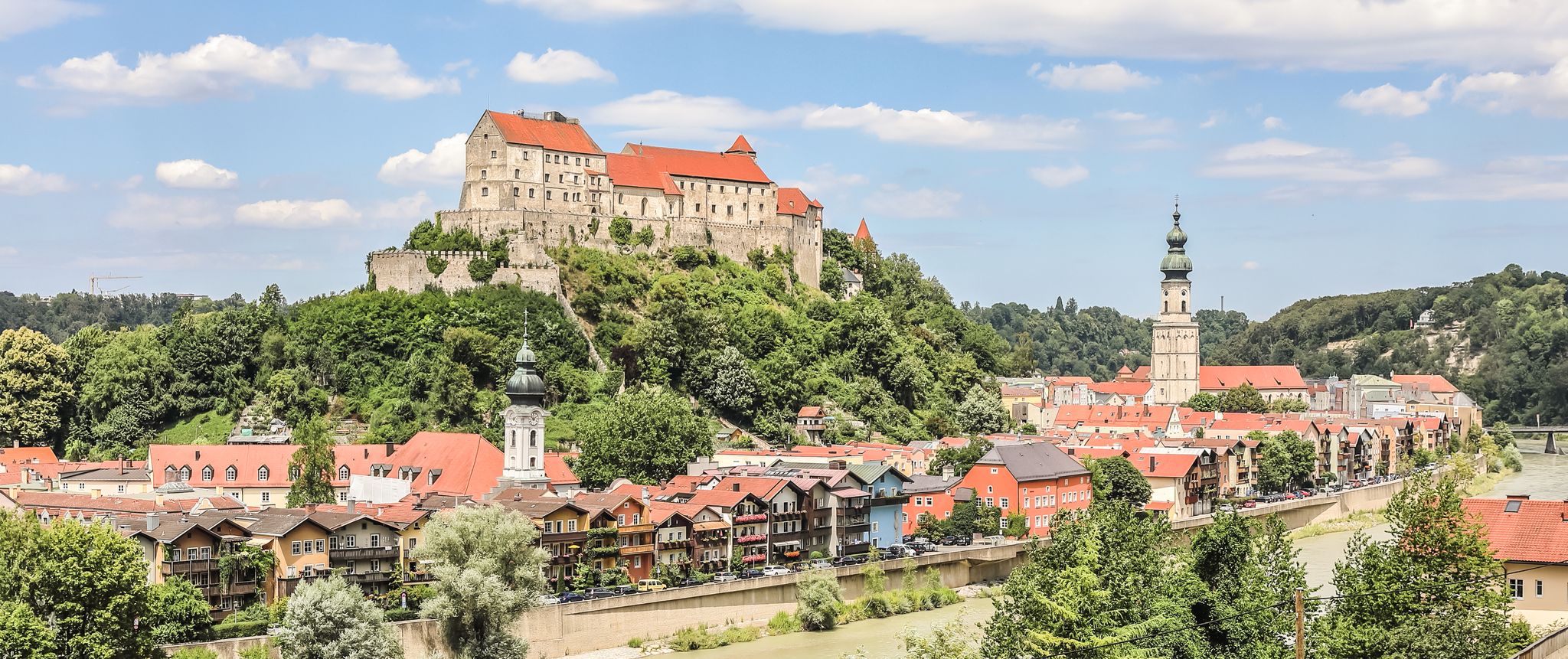
Top 10 cycling routes around Inn-Salzach in Bavaria
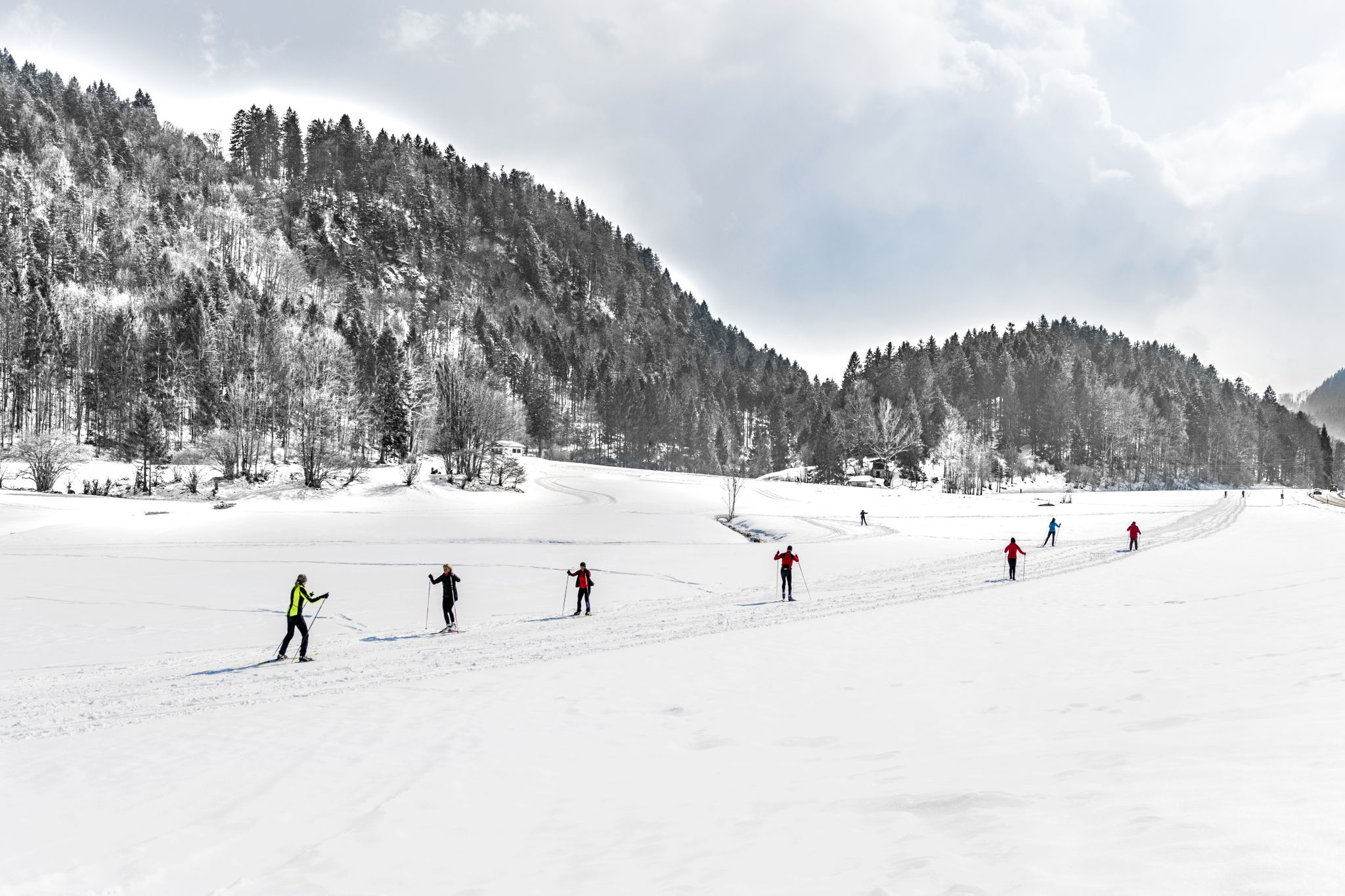
Alpenpanorama und Winterwald: Langlaufen in Oberbayern
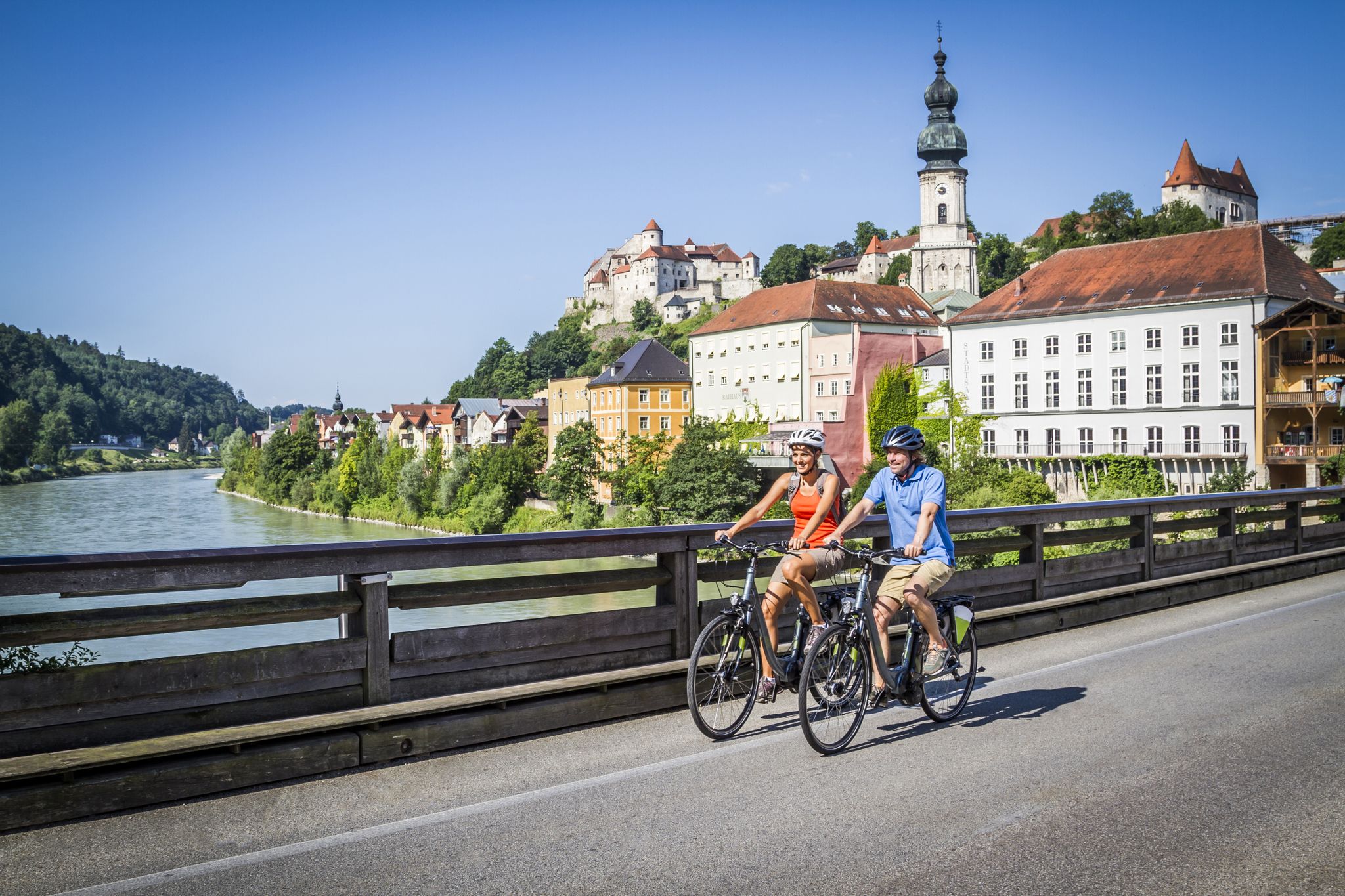
RadReiseRegion Inn-Salzach – unsere 24 Thementouren
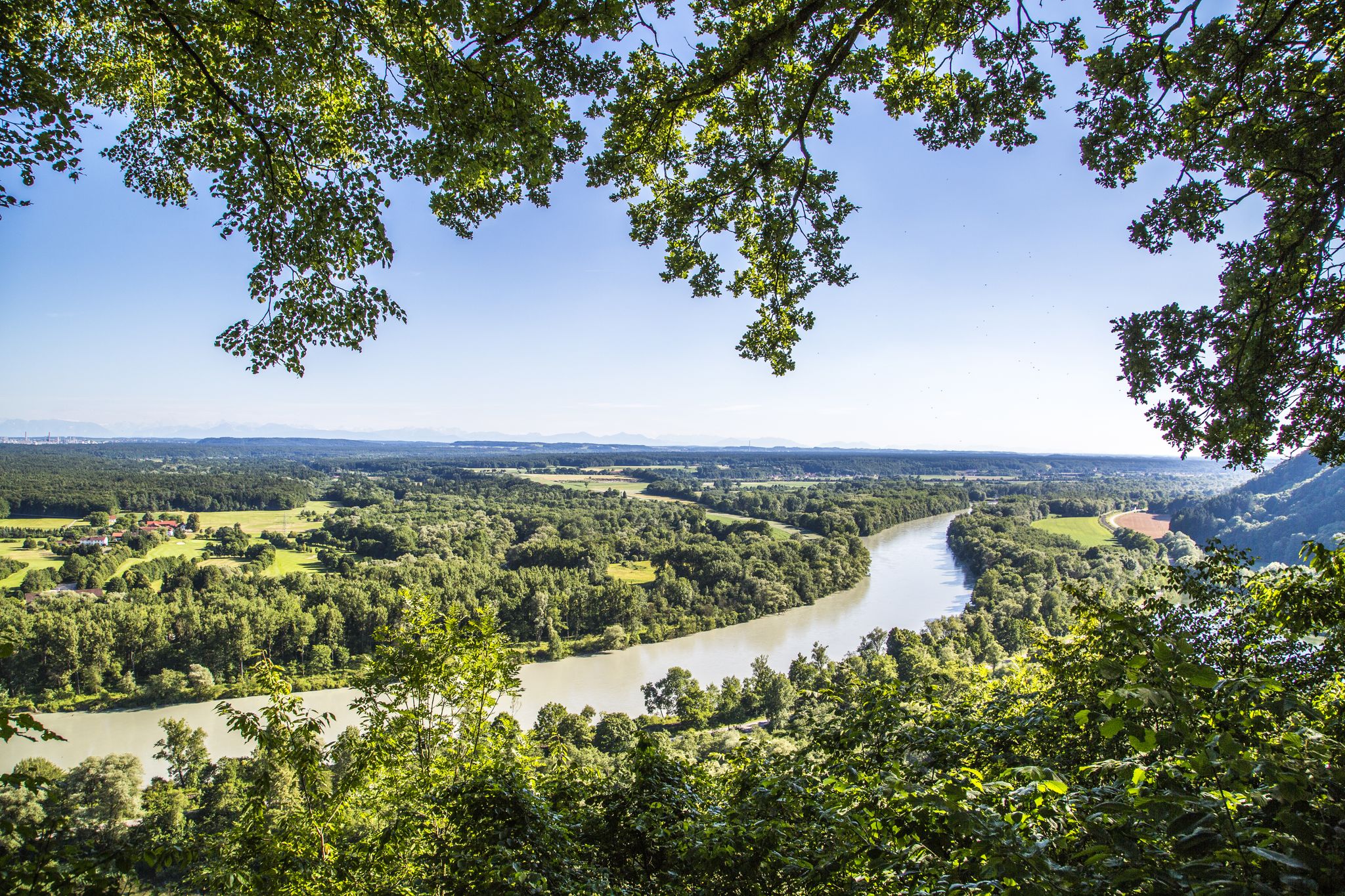
Noch mehr RadReiseRegion Inn-Salzach erfahren
Cycling around Haag in Oberbayern
Hiking around Haag in Oberbayern
MTB Trails around Haag in Oberbayern
Road Cycling Routes around Haag in Oberbayern

Gravel biking around Haag in Oberbayern
Running Trails around Haag in Oberbayern
Other adventures around Haag in Oberbayern


Tips from the Community

An ideal circular route along the Inn River. A classic walk.
0
0

A dead-ice basin is a dry, swampy, or water-filled depression formed by the melting of dead ice. Blocks of ice that break away from the glacier tongue during melting and remain there are called dead ice. Dead-ice basins in which a water-retaining layer has developed, or whose steep slopes sometimes extend below the groundwater level, are water-filled, swampy, or boggy. Their funnel shape allowed rain and meltwater to collect. These small bodies of water have experienced varying degrees of siltation and moor development, even within the same basin. The range of vegetation formations is very broad. It ranges from small reed beds to large sedge marshes, small sedge marshes, quaking grasslands, floating leaf and aquatic vegetation, transitional bogs, and even black alder swamps. Source: https://www.toteiskessel.de/uber-toteiskessel/was-ist-ein-toteiskessel/
0
0

Beautiful hiking trail along the sculpture trail with beautiful views
1
0

A really nice view to the other side.
2
2
Beautiful hiking trail, partly directly along the Inn with a view of the steep slopes.
3
0

According to legend, after the Battle of Hohenlinden on December 3, 1800, a mounted soldier fled from the victorious French into the forest. On the swampy forest floor, horse and rider threatened to sink, but were miraculously saved. A spring gushed out where the wildly kicking horse hit solid ground. The rider wrote down the story of his rescue and deposited it in a hollow log in the clearing. The water from the spring has been considered healing ever since.
3
1

There is a hiking trail with plenty of seating on the Inn around Wasserburg. From here you can admire the steep slopes on the opposite side and you can also come to the water.
7
4

There are at least 5 signs along the forest path indicating that access to the lake is not permitted. But you often get a glimpse of it through the trees.
2
0
Frequently Asked Questions
What unique natural features can I explore around Haag in Oberbayern?
The region offers a variety of natural features, including ancient trees, unique geological formations, and riverine environments. You can explore the dramatic Steep Banks of the Inn River, which provide scenic views and hiking opportunities. Another interesting feature is a Kettle hole, a geological depression formed by melting ice, offering insights into the area's natural history.
Are there any natural monuments with historical significance in the area?
Yes, several natural monuments carry historical significance. The Müllner Bründl Spring is a tranquil spot with a small forest chapel, where the spring water is traditionally believed to possess healing properties, linked to local legends from the Napoleonic era. Additionally, the Ancient Lime (Linden) Tree of Pemmering is estimated to be around 350 years old, having stood since before Napoleonic troops were in the area in 1800.
What kind of outdoor activities can I do near the natural monuments?
The natural monuments are often integrated into various outdoor activity routes. You can find numerous MTB trails, cycling routes, and running trails that pass by or lead to these sites. For example, the area around the Steep Banks of the Inn River is excellent for hiking, offering expansive views.
Are there family-friendly natural monuments to visit?
Yes, the Müllner Bründl Spring is considered family-friendly, offering pleasant hiking trails through forests. The Ancient Lime (Linden) Tree of Pemmering is also a great spot for families to visit, offering a glimpse of a venerable natural specimen.
What do visitors enjoy most about the natural monuments in Haag in Oberbayern?
Visitors frequently appreciate the tranquility and natural beauty of these sites. The Müllner Bründl Spring is often described as a 'nice quiet place for a little break' and a 'peaceful place.' The ancient trees, like the Ancient Lime (Linden) Tree of Pemmering, are admired for their age and the stories they could tell.
Can I find hiking trails that offer scenic views of the natural monuments?
Absolutely. The Steep Banks of the Inn River feature hiking trails directly alongside the river, providing expansive views of the dramatic slopes and flowing water. Many routes in the region are designed to showcase these natural landmarks.
Is there a lake or water body designated as a natural monument?
Yes, the Kesselsee Boathouse area is designated as a natural monument. The lake and its surroundings are under nature conservation, offering glimpses of special flora and fauna from designated trails. Bathing is prohibited to protect the ecosystem.
Are there any regulations or permits required to visit the natural monuments?
Generally, no specific permits are required for visiting the natural monuments themselves. However, areas like the Kesselsee Boathouse are nature conservation areas, meaning access to the lake itself is restricted, and visitors should stay on designated paths to protect the special flora and fauna.
What is the best time of year to visit the natural monuments around Haag in Oberbayern?
While the natural monuments can be enjoyed year-round, spring and autumn offer particularly pleasant conditions for hiking and exploring, with mild temperatures and vibrant natural colors. Summer is also popular for outdoor activities, while winter can provide a serene, snow-covered landscape, though some trails might be less accessible.
Are the natural monuments accessible by public transport or do I need a car?
Accessibility varies by monument. While some locations might be reachable via local bus services or a combination of train and bus, having a car often provides more flexibility to visit multiple sites and access trailheads. It's advisable to check local public transport schedules for specific destinations.
Are there any dog-friendly trails near the natural monuments?
Many hiking trails in the region are dog-friendly, allowing you to explore the natural monuments with your canine companion. It is always recommended to keep dogs on a leash, especially in nature conservation areas or near wildlife, and to clean up after them to preserve the natural environment for everyone.
Most popular routes around Haag in Oberbayern
Most popular attractions around Haag in Oberbayern

Get inspired with the komoot mobile app


Explore more
Extend your search for the best caves by checking out these guides of the top ones around Haag in Oberbayern:
