Top 20 Natural Monuments around Grafrath
Best natural monuments around Grafrath feature diverse ecosystems and unique natural features within its landscape. The area is characterized by extensive forest gardens, significant wetland areas, and picturesque ponds. These natural settings offer opportunities for environmental education and outdoor recreation. Grafrath's natural monuments provide varied scenery for visitors to explore.
Best natural monuments around Grafrath
- The most popular natural monuments is Bacherner Moos Boardwalk, a trail that offers access to a diverse wetland ecosystem. This area is noted for…
Last updated: July 8, 2026
Bacherner Moos Boardwalk
Highlight (Segment) • Trail
Showing Translation
Tip by

St. Vitus Chapel at Zellhof
Highlight • Religious Site
The small pond in front of it is also very beautiful.👍😉
Zellhof is a part of the municipality of Schöngeising in the Upper Bavarian district of Fürstenfeldbruck.
The …
Translated by Google •
Tip by

Sign up now to discover places like this
Get recommendations on the best single tracks, peaks, & plenty of other exciting outdoor places.
Sign up for free
Widdersberger Pond
Highlight • Lake
Translated by Google •
Tip by

Haspelmoor
Highlight (Segment) • Natural
Translated by Google •
Tip by

Europe Chapel Jaudesberg
Highlight • Religious Site
Tipp.👏🤙👍🏼
Translated by Google •
Tip by
Sign up for free to discover even more natural monuments around Grafrath.
Sign up for free
Already have an account?
Start today with a free account
Your next adventure awaits.
Login or Signup
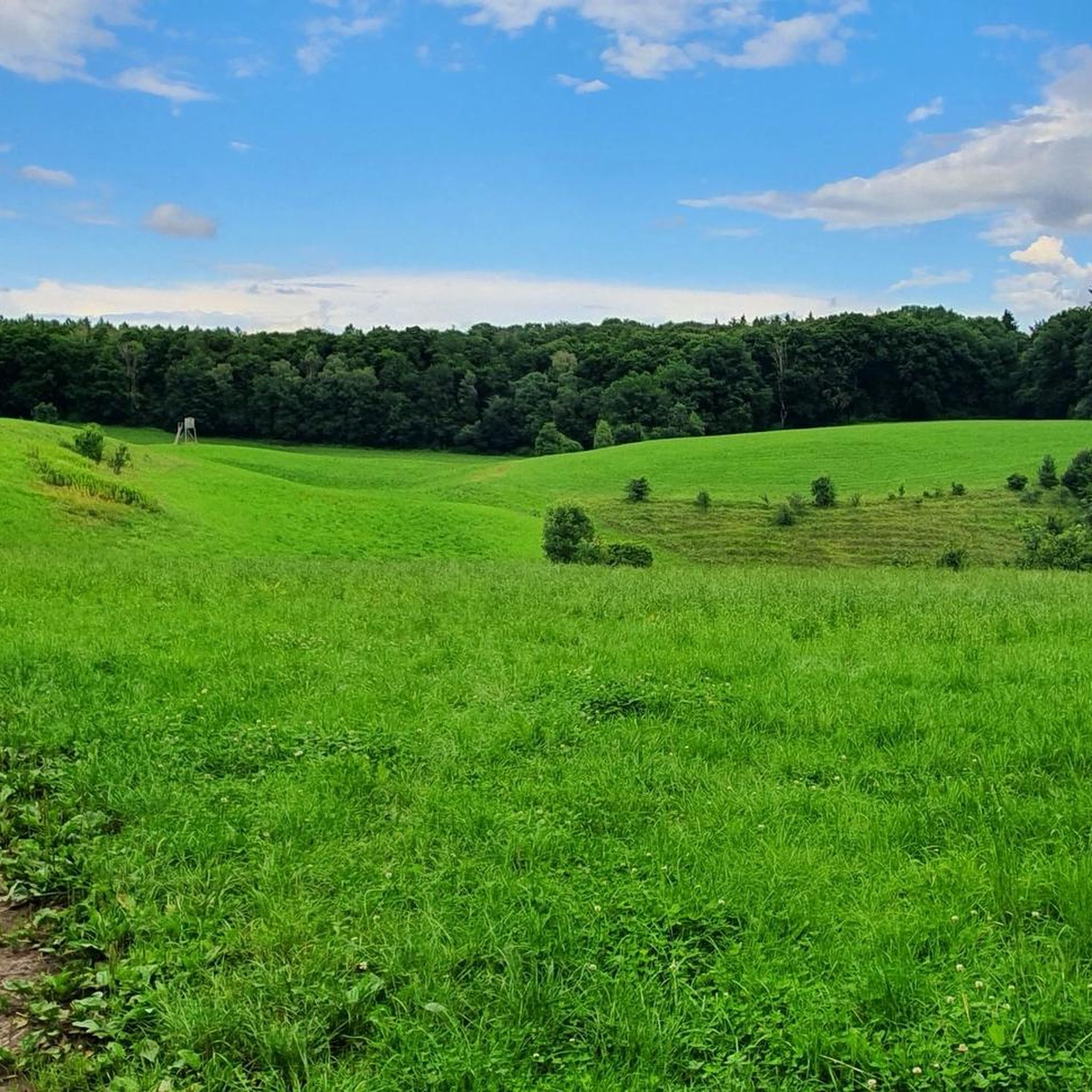
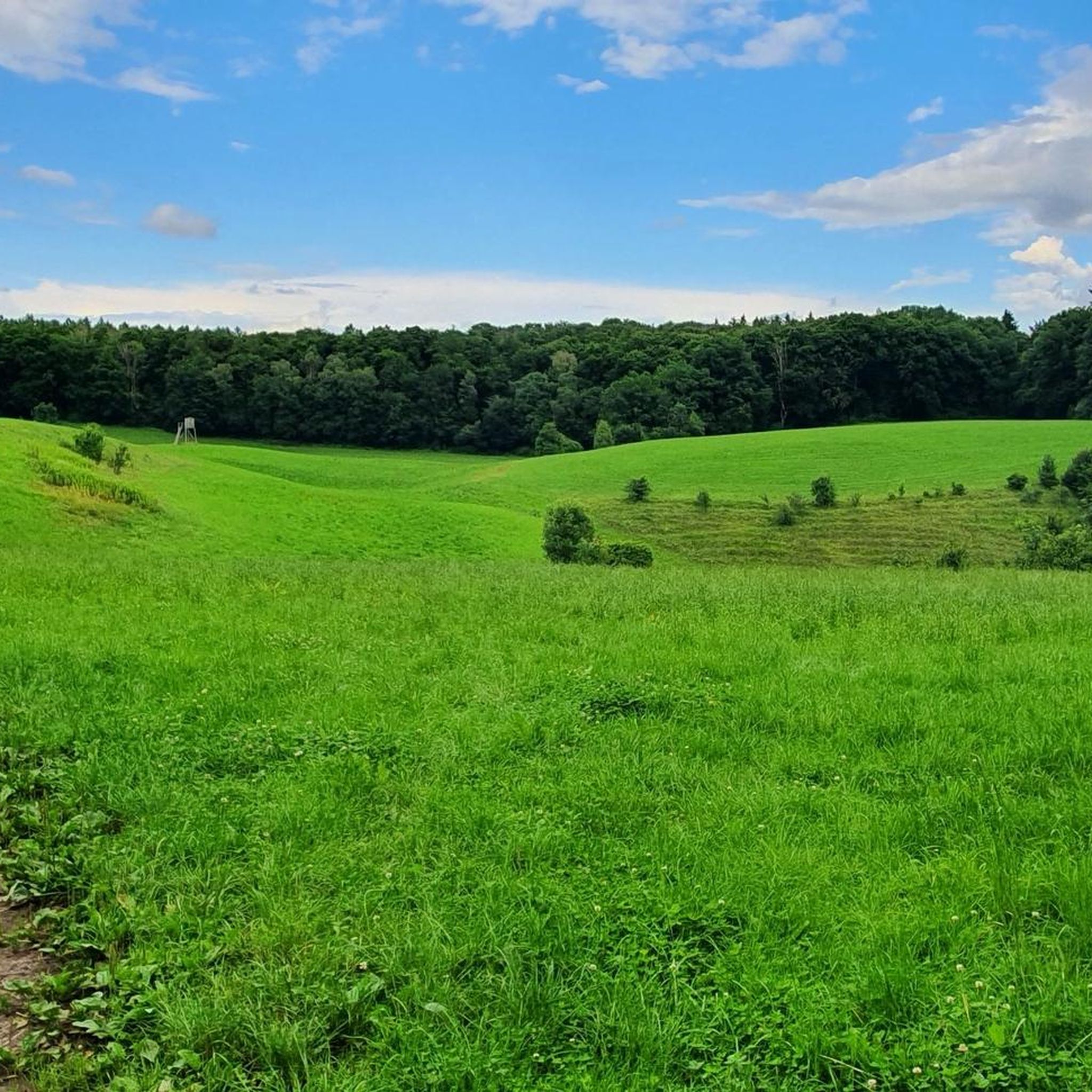
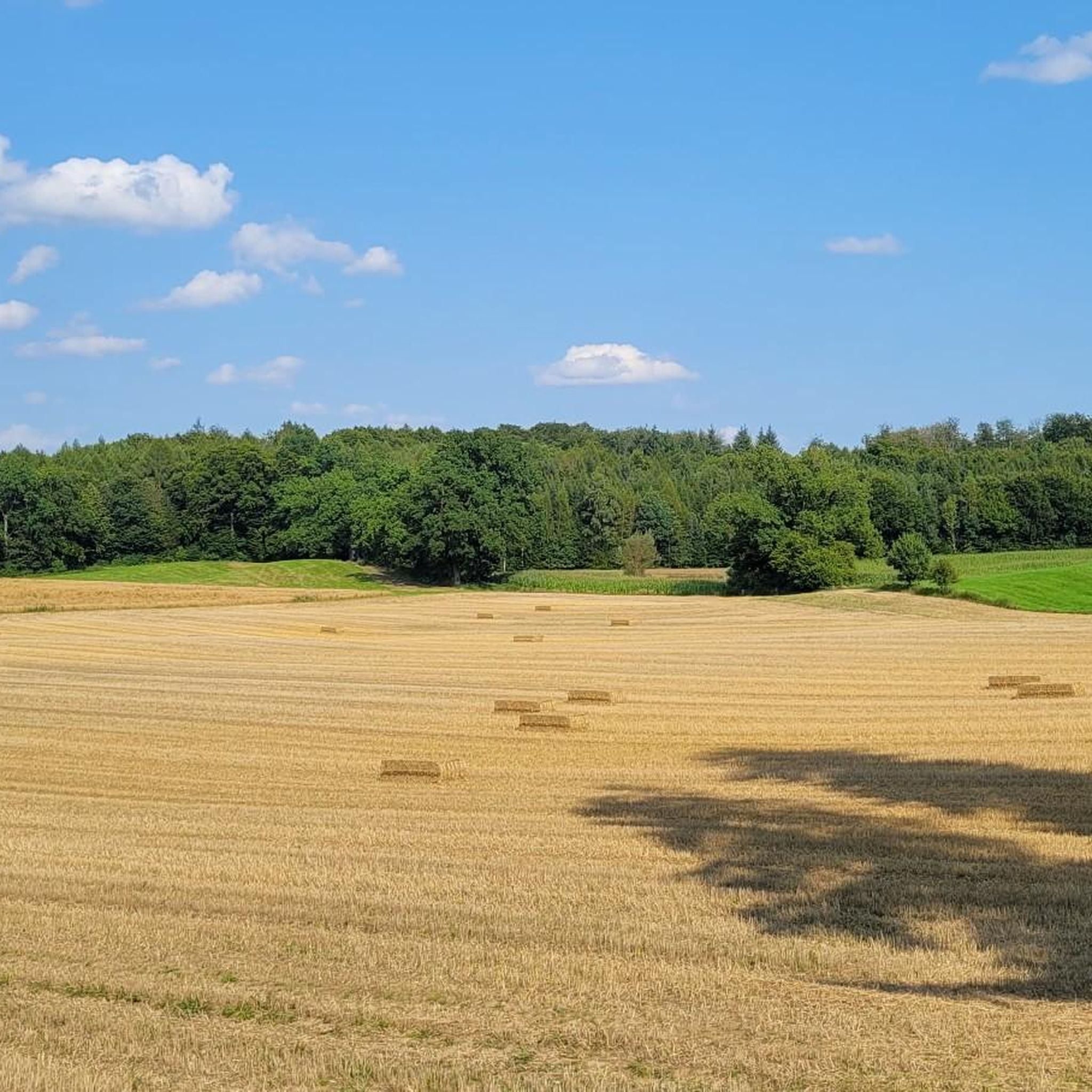
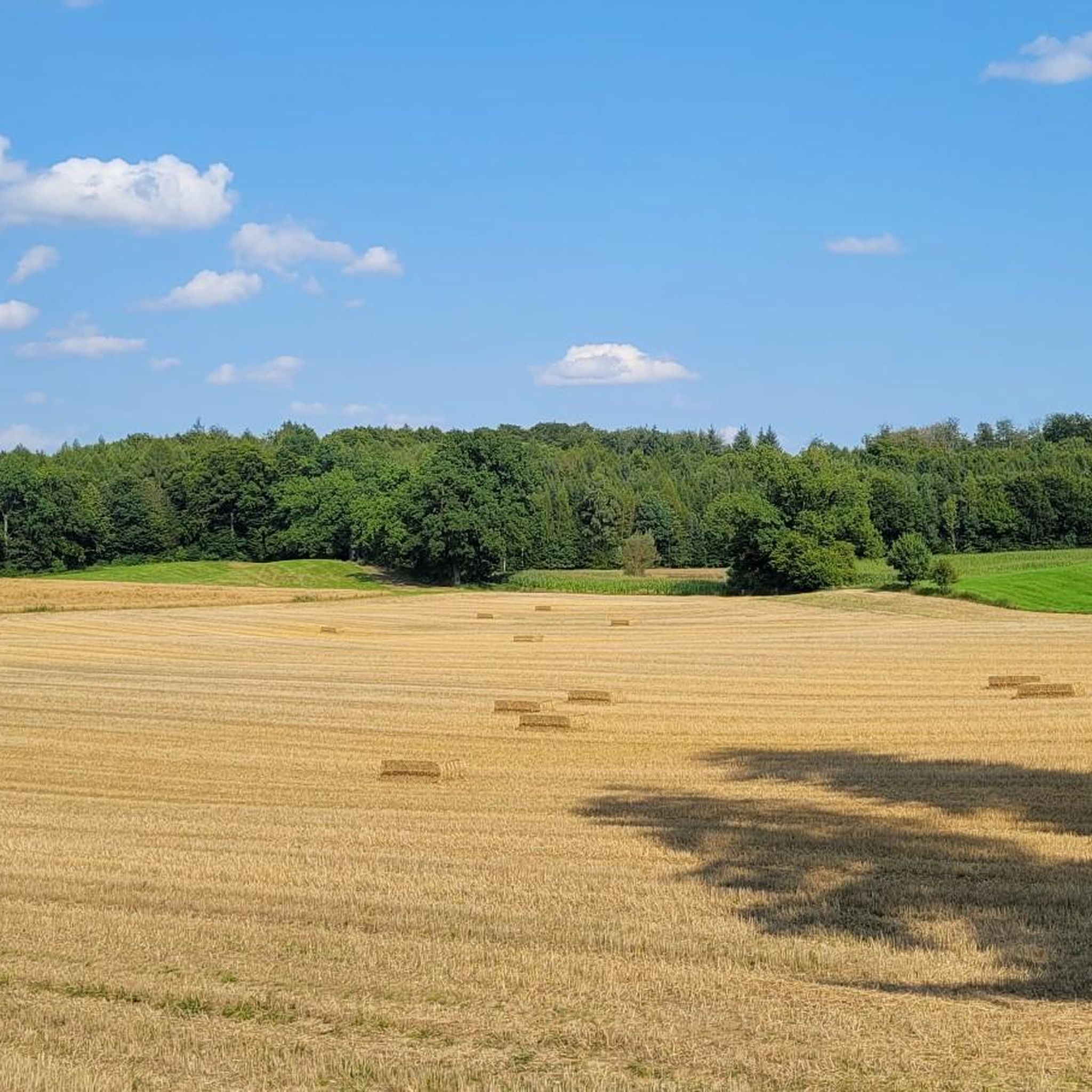

Tips from the Community


The bench in my photo is nicely hidden behind a tree and bush, but you still have a good view of the pond, and you can certainly enjoy the tranquility of the forest if you're not in the middle of a run. (Or you can just take a break until the horseflies eat you up... 😕)
0
0

Wikipedia (Widdersberger Weiher, 2024-12-10): https://de.m.wikipedia.org/wiki/Widdersberger_Weiher
3
0

The rail parts and sleepers used are from the former peat railway. The meMOORial is reminiscent of intensive peat mining as heating or insulating material and for locomotive lighting.
4
0


Beautiful wooden walkway through the Bacherner Moos
7
1
Frequently Asked Questions
What are the most popular natural monuments around Grafrath?
The most popular natural monuments include the Bacherner Moos Boardwalk, which offers access to a diverse wetland ecosystem. Visitors also highly rate Haspelmoor, a significant moor landscape, and Widdersberger Pond, known for its scenic views.
What kind of natural features can I expect to see in Grafrath?
Grafrath's natural monuments showcase diverse ecosystems. You can explore extensive forest gardens with unique tree species, significant wetland areas like the Bacherner Moos with its open raised bogs and fens, and picturesque ponds such as the Widdersberger Weiher. The region is rich in moors, forests, and lakes.
Are there family-friendly natural monuments around Grafrath?
Yes, several natural monuments are suitable for families. The Widdersberger Pond is a picturesque spot ideal for walks. The Haspelmoor – Red Bog also offers a lot to discover for families, including small animals in the water. The Forstlicher Versuchsgarten Grafrath (Welt.Erlebnis.Wald) with its Walderlebniszentrum Grafrath is specifically focused on environmental education and forest pedagogy, making it excellent for children.
What outdoor activities can I do near these natural monuments?
The area around Grafrath offers various outdoor activities. You can enjoy hiking, cycling, and running on numerous trails. For hiking, consider routes like the 'Sunderburg Castle Site – Amper Riverside loop' or the 'Forest Experience Center Grafrath – Wooden Xylophone loop'. Cyclists can explore routes such as 'St. Vitus Chapel (Zellhof) – St. Vitus Chapel at Zellhof loop'. Runners might enjoy the 'Teufelstein Unteralting – Krugweiher Unteralting loop'. You can find more details on these activities in the hiking guide, cycling guide, and running guide for Grafrath.
Are there any historical or cultural sites near Grafrath's natural monuments?
Yes, while primarily natural, some sites have historical significance. The Europe Chapel Jaudesberg offers not only beautiful views but is also a historical site. Additionally, hiking routes in the Grafrath area can lead to natural monuments like the Teufelsstein (Devil's Stone) and the Krugholz with its pond, which are often part of broader trails with local lore.
What makes the Forstlicher Versuchsgarten Grafrath special?
The Forstlicher Versuchsgarten Grafrath, also known as Welt.Erlebnis.Wald, is a unique forest garden established in 1881. It houses over 200 foreign tree species from Europe, America, and Asia, including a 130-year-old mammoth tree. Since 2000, it has focused on environmental education through the Walderlebniszentrum Grafrath, offering an immersive experience in diverse arboreal landscapes.
What do visitors enjoy most about the natural monuments in Grafrath?
Visitors frequently praise the diverse and unique natural landscapes. Many appreciate the tranquility and beauty of places like the Widdersberger Pond for its views and the Bacherner Moos Boardwalk for its rich biodiversity. The opportunity to explore primeval forest paths through moors, like in Haspelmoor, is also highly valued.
Is the Bacherner Moos Boardwalk suitable for all visitors?
The Bacherner Moos Boardwalk provides access to a valuable wetland ecosystem. While it's a beautifully landscaped path, some visitors note that the way can be narrow and very popular on nice days. It's primarily designed for walkers to experience the unique flora and fauna of the moors.
What is the best time of year to visit Grafrath's natural monuments?
The natural monuments around Grafrath can be enjoyed throughout the year, each season offering a different charm. Spring brings blooming flora, summer allows for pleasant walks and longer days, and autumn showcases vibrant foliage. Even in winter, the landscapes can be beautiful, though some paths, especially in moor areas like Haspelmoor, might be difficult to navigate if covered in snow.
Are there opportunities for wildlife observation?
Yes, areas like the Bacherner Moos are described as an 'Eldorado' for nature lovers due to their rich biodiversity, including open raised and transitional bogs, fens, and reed beds. The Haspelmoor – Red Bog is also noted for its wildlife, with visitors encouraged to look out for small animals in the water. These wetland ecosystems provide habitats for various species.
Are there any natural monuments that offer scenic viewpoints?
Absolutely. The Widdersberger Pond is specifically highlighted for its beautiful views. Additionally, the Europe Chapel Jaudesberg offers a very nice view of the mountains and a nearby lake, making it a great spot for a break and enjoying the scenery.
Can I bring my dog to the natural monuments?
While specific regulations vary by location, many natural areas in Germany are generally dog-friendly, provided dogs are kept on a leash and owners clean up after them. For specific natural monuments, it's always best to check local signage or official websites for any restrictions, especially in sensitive nature reserve areas like parts of the Haspelmoor or Bacherner Moos, to protect wildlife.
Most popular routes around Grafrath
Most popular attractions around Grafrath

Get inspired with the komoot mobile app


Explore more
Extend your search for the best caves by checking out these guides of the top ones around Grafrath:
