Top 20 Natural Monuments around Juist
Natural monuments around Juist offer a diverse range of natural features within the UNESCO World Heritage Site of the Wadden Sea. This East Frisian island is characterized by its dynamic coastal landscapes, including expansive tidal flats and evolving dune systems. Visitors can explore unique ecosystems and observe local wildlife. The island's natural environment provides opportunities for tranquility and appreciation of its distinct geography.
Best natural monuments around Juist
- The most popular natural monuments is Hammer Lake, a lake that…
Last updated: May 28, 2026
Walter-Großmann-Dune Observation Platform
Highlight • Viewpoint
Translated by Google •
Tip by

Lower Saxony Wadden Sea National Park (Norderney Dunes)
Highlight • Natural Monument
Translated by Google •
Tip by

Sign up now to discover places like this
Get recommendations on the best single tracks, peaks, & plenty of other exciting outdoor places.
Sign up for free
White Dune Norderney
Highlight • Natural Monument
Translated by Google •
Tip by

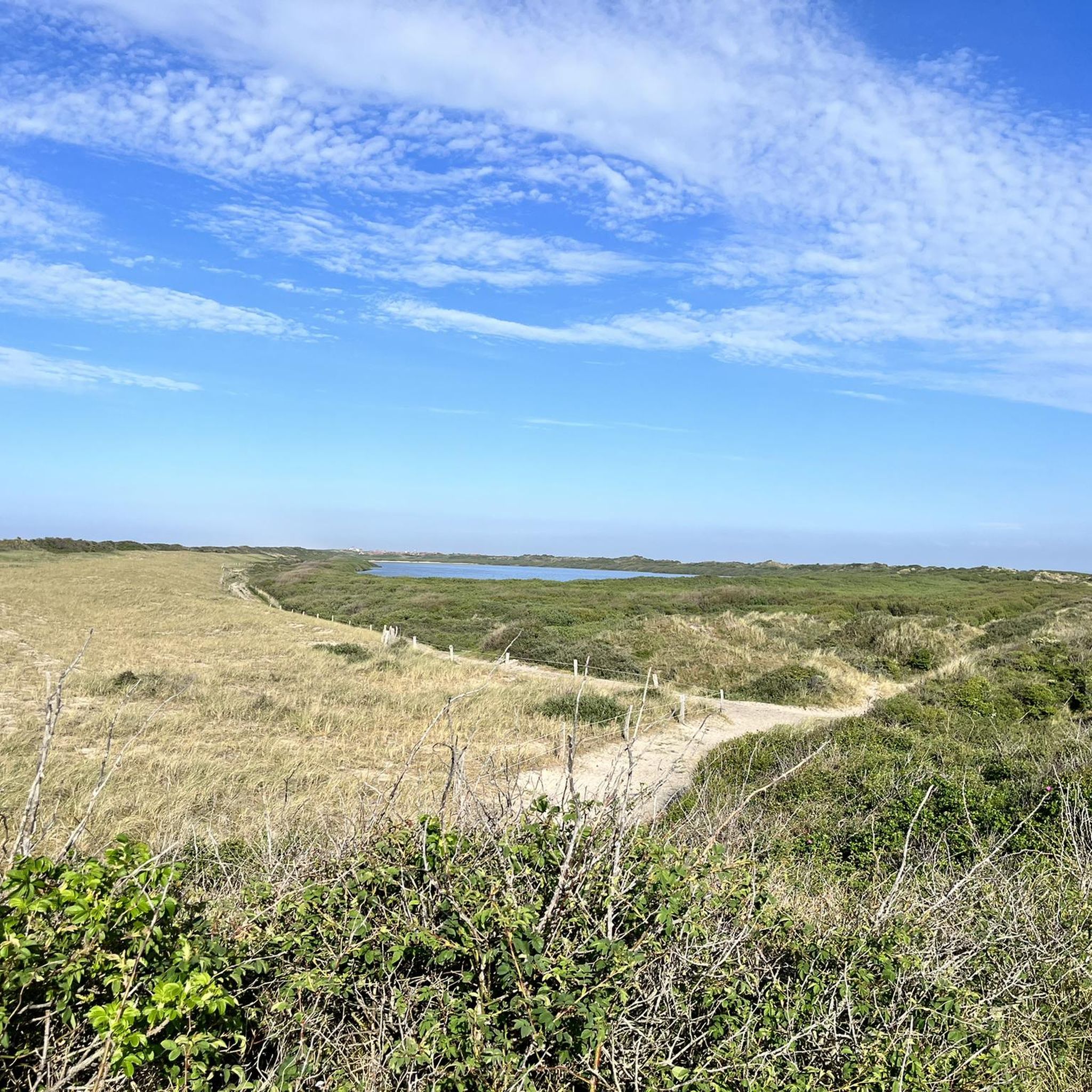
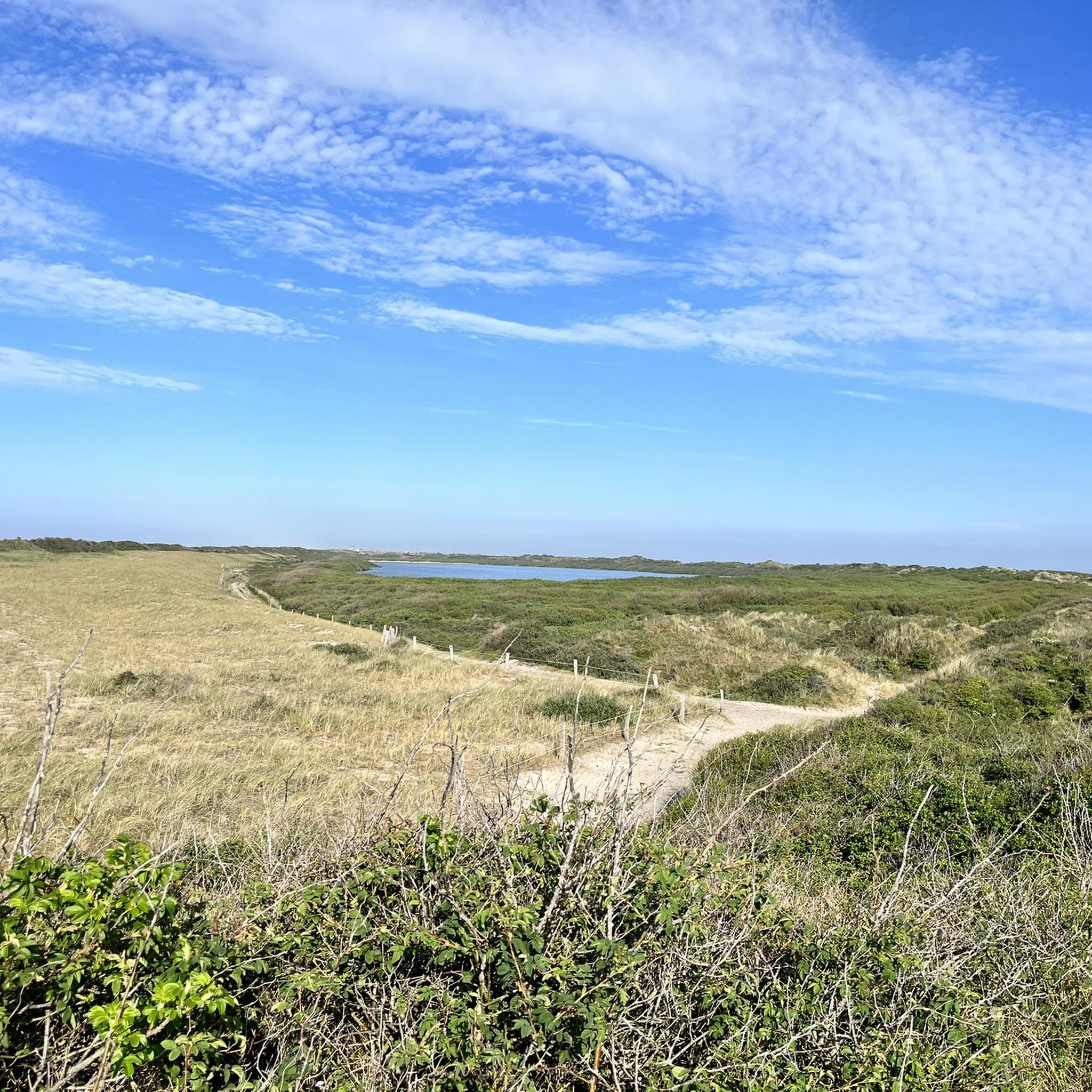
Hammer Lake
Highlight • Lake
Translated by Google •
Tip by

Otto Leege Trail
Highlight (Segment) • Trail
Translated by Google •
Tip by

Sign up for free to discover even more natural monuments around Juist.
Sign up for free
Already have an account?
Start today with a free account
Your next adventure awaits.
Login or Signup
Other adventures around Juist

Tips from the Community

Great natural landscape.
1
0

A very beautiful landscape.
1
0

Since its designation as a World Heritage Site in 2009, Norderney has increasingly committed itself to nature conservation to preserve its pristine natural beauty for future generations. The island thus offers a habitat where environmental awareness and appreciation for natural resources can be experienced in a practical way.
3
0

Lower Saxony Wadden Sea National Park "Nature vacations" like a king: Stately buildings and parks still bear witness to the fact that King George V of Hanover chose the idyllic island as his summer residence in 1836. 150 years later, modern-day rulers placed this natural paradise under the protection of the Lower Saxony Wadden Sea National Park. Like all East Frisian Islands, Norderney also has a turbulent past. Wind and waves transport the sand that created the islands. They not only deposit it there, but also repeatedly carry it away. Therefore, the western ends of the islands, in particular, are secured with protective structures to protect the island villages; construction on Norderney began as early as 1857. In the east of the island, however, you can observe the free play of nature, which conjures up a fascinating, constantly changing landscape. See: https://www.stadt-norderney.de/bauen-umwelt/natio
5
0

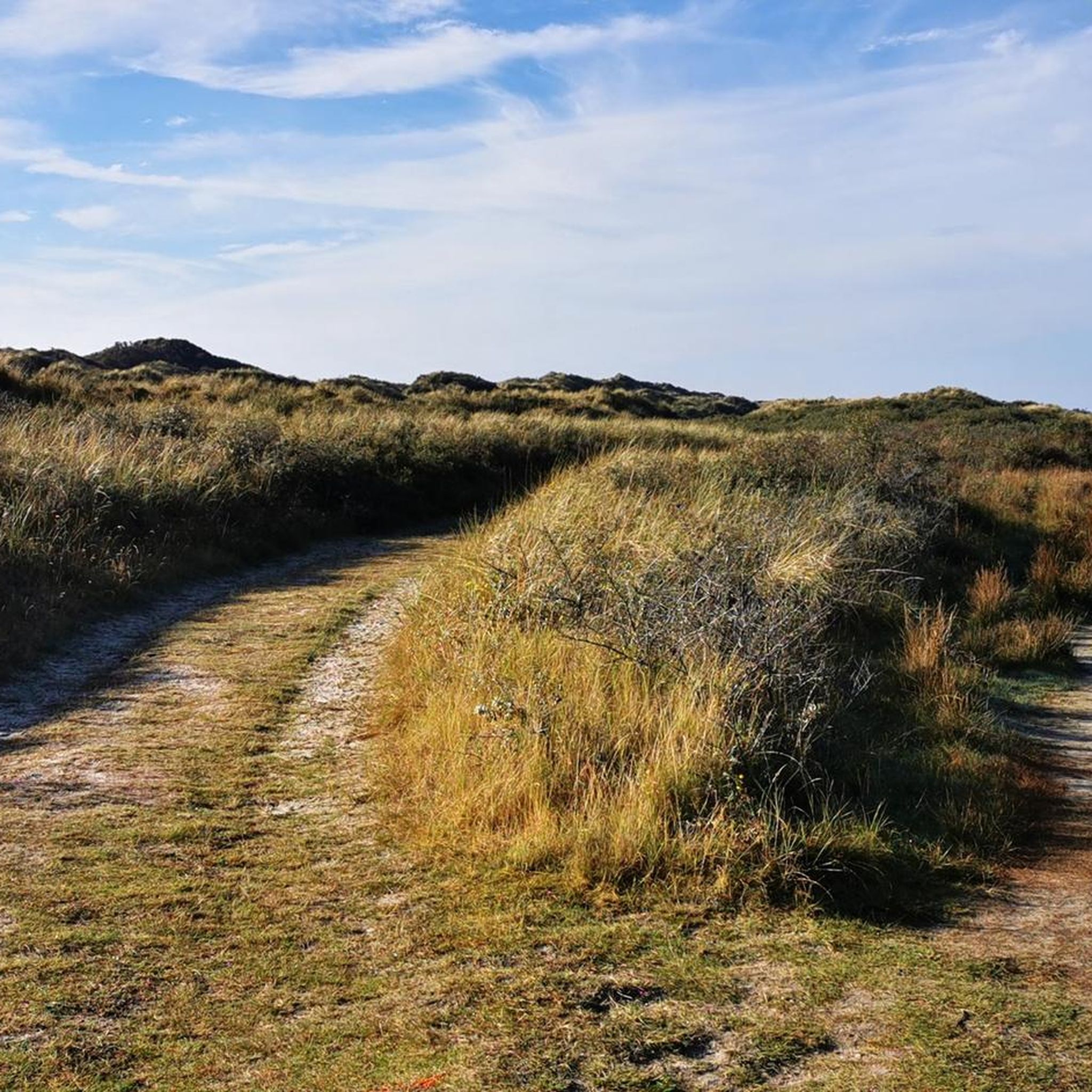
Very beautiful paths through the dunes
3
0

Today we explored the sugar trail with our lecturer and looked at the grey and brown dunes that develop from the white dunes
2
3

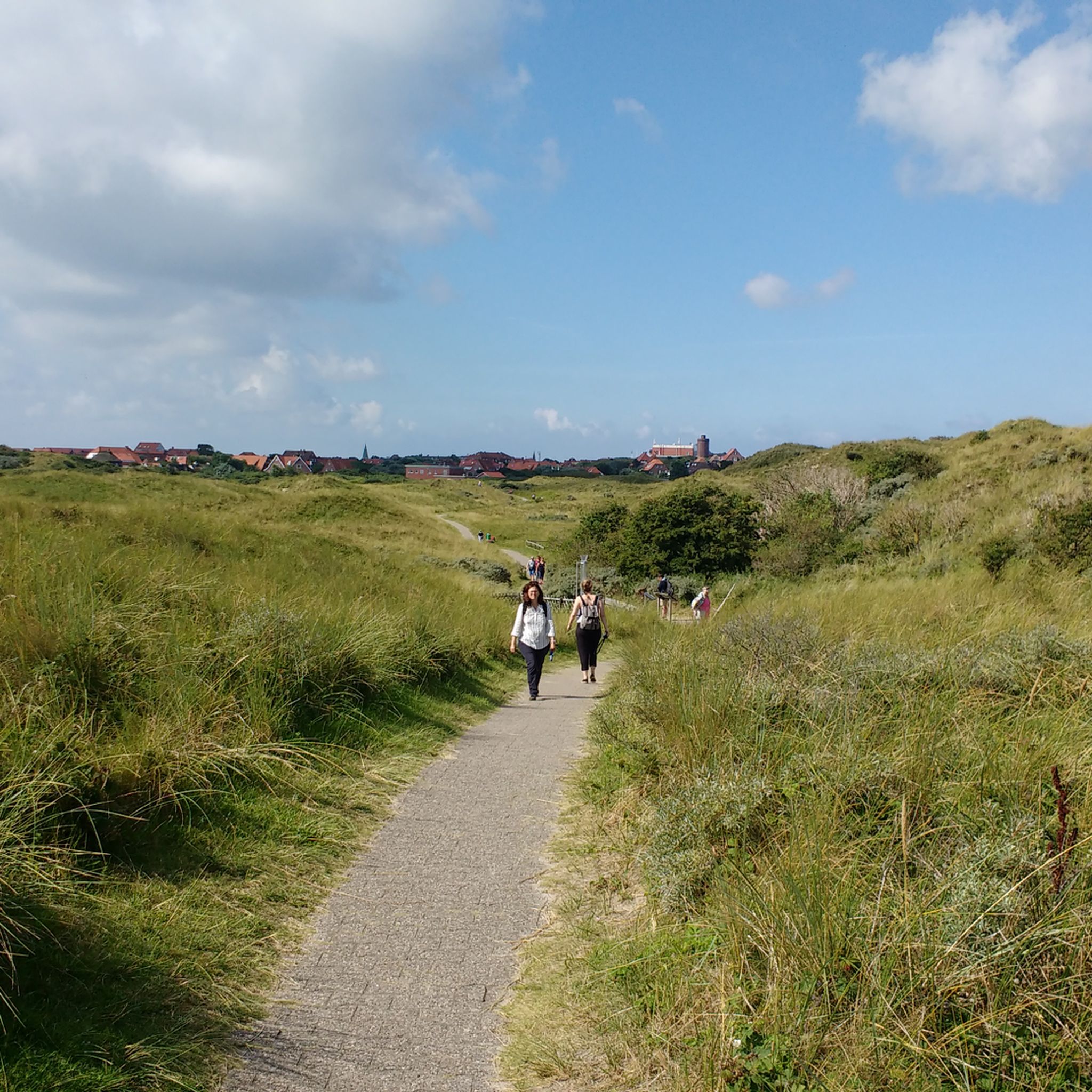
Beautiful paved path through the dunes.
2
0

Impressive wall of sand, kilometers long ↔️😯👌🏼 Great photo location 📸 At first I thought...it would be on the coast of England 😯🙈
4
0
Frequently Asked Questions
What unique natural features can I explore on Juist?
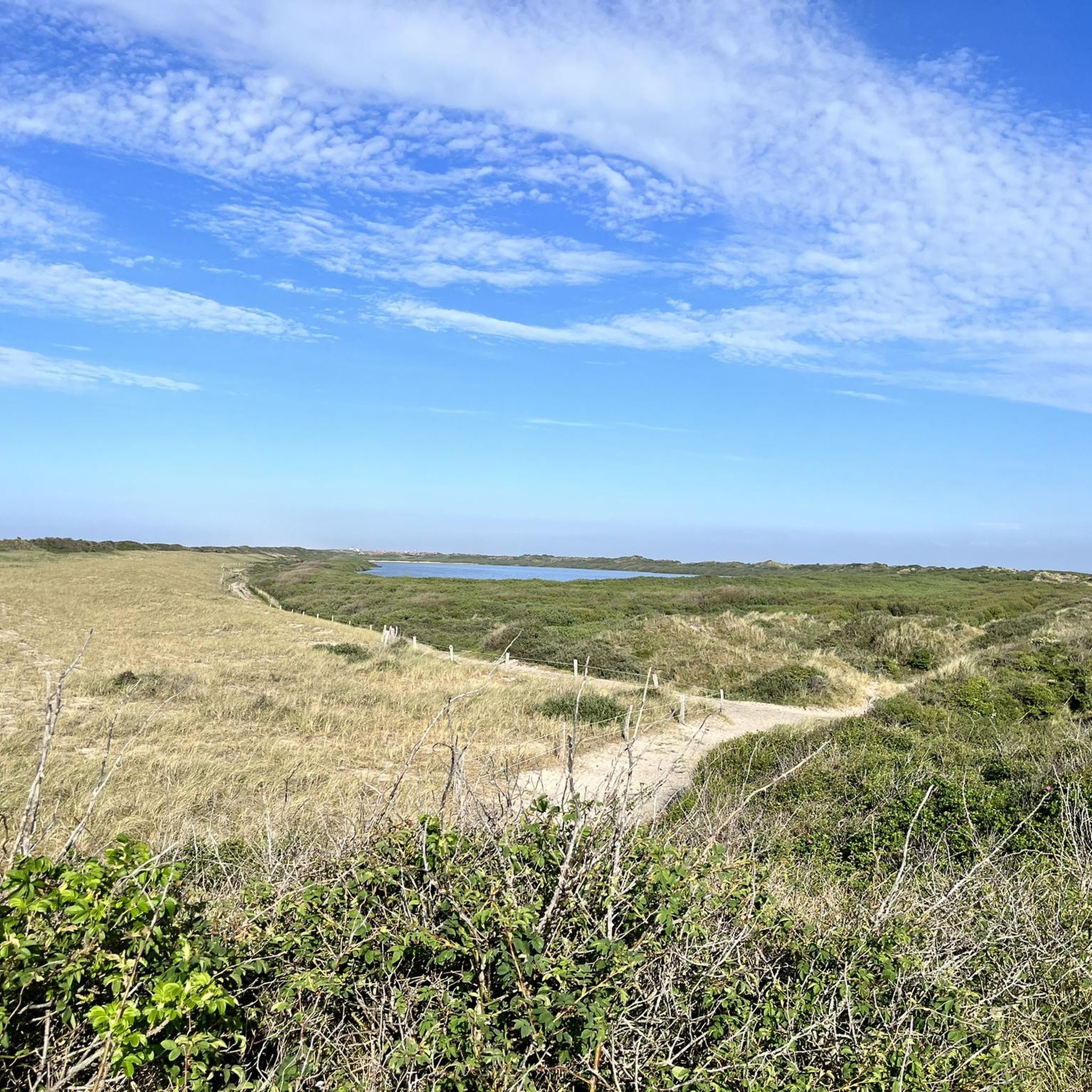
Juist, known as 'Töwerland' or 'Magic Land,' offers a diverse range of natural features. You can explore the expansive Wadden Sea, a UNESCO World Heritage Site with dynamic tidal flats. The island also features the constantly evolving dune landscape of the Bill Reef at its western tip, and the serene Hammer Lake, the largest freshwater lake on the East Frisian Islands, surrounded by a unique 'enchanted forest'.
Are there any prominent viewpoints to experience Juist's natural beauty?
Yes, Juist offers several excellent viewpoints. The Walter-Großmann-Dune Observation Platform provides a fantastic panoramic view of the surrounding dune landscape and the Wadden Sea. You can also find magnificent views from the Lower Saxony Wadden Sea National Park (Norderney Dunes) and the White Dune Norderney. The Otto Leege Trail also features viewing platforms.
What is the largest freshwater lake on the East Frisian Islands, and what makes it special?
The largest freshwater lake on the East Frisian Islands is Hammer Lake on Juist. It was formed after the Petri flood in 1651 when seawater breached the dunes and later transformed into a freshwater lake. It's unique for its surrounding 'enchanted forest,' planted by local conservationist Otto Leege, which includes distinctive species like black alder and Carpathian birch not found on other East Frisian islands.
Can I observe wildlife at Juist's natural monuments?
Absolutely. The Wadden Sea is a crucial stopover and breeding ground for numerous bird species and teems with marine life. The Kalfamer, the 'youngest part of the island,' is a prime location for birdwatching, especially for nesting seagulls. Hammer Lake is a rich biotope for various animal and plant species, and the Otto Leege Trail allows visitors to observe wildlife such as deer.
Are there family-friendly natural monuments or trails on Juist?
Yes, several natural monuments on Juist are suitable for families. The Walter-Großmann-Dune Observation Platform, Lower Saxony Wadden Sea National Park (Norderney Dunes), and White Dune Norderney are all categorized as family-friendly. The Otto Leege Trail is an educational and sensory journey through diverse landscapes, making it engaging for children.
What kind of trails or paths can I find to explore Juist's natural monuments?
Juist offers various paths for exploration. The Otto Leege Trail is a nature path with interactive elements. There's also a hiking trail that circles Hammer Lake, leading through the unique Juister wood. Additionally, the island's wide sandy beaches and picturesque dune landscapes provide ample space for long walks and quiet contemplation.
What outdoor activities are available near Juist's natural monuments?
Beyond exploring the natural monuments themselves, Juist offers various outdoor activities. You can find numerous MTB Trails, Running Trails, and Road Cycling Routes around the island. These routes often pass by or offer views of the natural monuments, allowing you to combine active exploration with scenic beauty.
Is Juist known for any unique geological formations or dynamic landscapes?
Yes, Juist is particularly known for its dynamic landscapes. The Wadden Sea is a globally important tidal flat ecosystem, constantly shaped by ebb and flow. The Bill Reef at the island's western tip is a constantly evolving dune landscape, frequently changing its appearance due to wind and waves. The island's extensive beaches and dunes also serve as a natural defense against storm surges, showcasing the powerful interplay of nature.
When is the best time of year to visit Juist for its natural monuments?
The best time to visit Juist largely depends on your interests. The Wadden Sea is dynamic year-round, but bird migration seasons (spring and autumn) offer spectacular birdwatching opportunities. Warmer months are ideal for enjoying the beaches and longer walks, while the quieter off-season can provide a more tranquil experience of the island's raw nature.
Are dogs allowed on trails around Juist's natural monuments?
When exploring natural monuments on Juist, dogs are generally allowed but must be kept on a leash. For example, the hiking trail around Hammer Lake explicitly states that dogs must be kept on a leash, as is the case everywhere on the island.
What do visitors enjoy most about Juist's natural monuments?
Visitors frequently praise the tranquility and unspoiled nature of Juist. Many appreciate the unique experience of mudflat hikes in the Wadden Sea, the peaceful atmosphere around Hammer Lake, and the stunning panoramic views from spots like the Walter-Großmann-Dune Observation Platform. The educational and interactive elements of the Otto Leege Trail are also highly valued.
Are there circular walks available around Juist's natural monuments?
Yes, there are opportunities for circular walks. For instance, a marked hiking trail leads all around Hammer Lake, offering a pleasant loop through the unique Juister wood. Many of the island's paths through the dunes and along the beaches can also be combined to create circular routes.
Most popular attractions around Juist

Get inspired with the komoot mobile app


Explore more
Extend your search for the best caves by checking out these guides of the top ones around Juist:
