Top 20 Natural Monuments around Thaden
Best natural monuments around Thaden offer diverse natural features for exploration. The region is characterized by its varied landscape, including ancient forests, lakes, and historical geological formations. These sites provide opportunities for outdoor exploration and observation of natural and historical elements. Visitors can discover a range of natural monuments, from ancient trees to unique water bodies.
Best natural monuments around Thaden
- The most popular natural monuments is Exposed roots of the ancient beech in the Gieselau Valley, a natural…
Last updated: June 24, 2026
Exposed roots of the ancient beech in the Gieselau Valley
Highlight • Natural Monument
Translated by Google •
Tip by

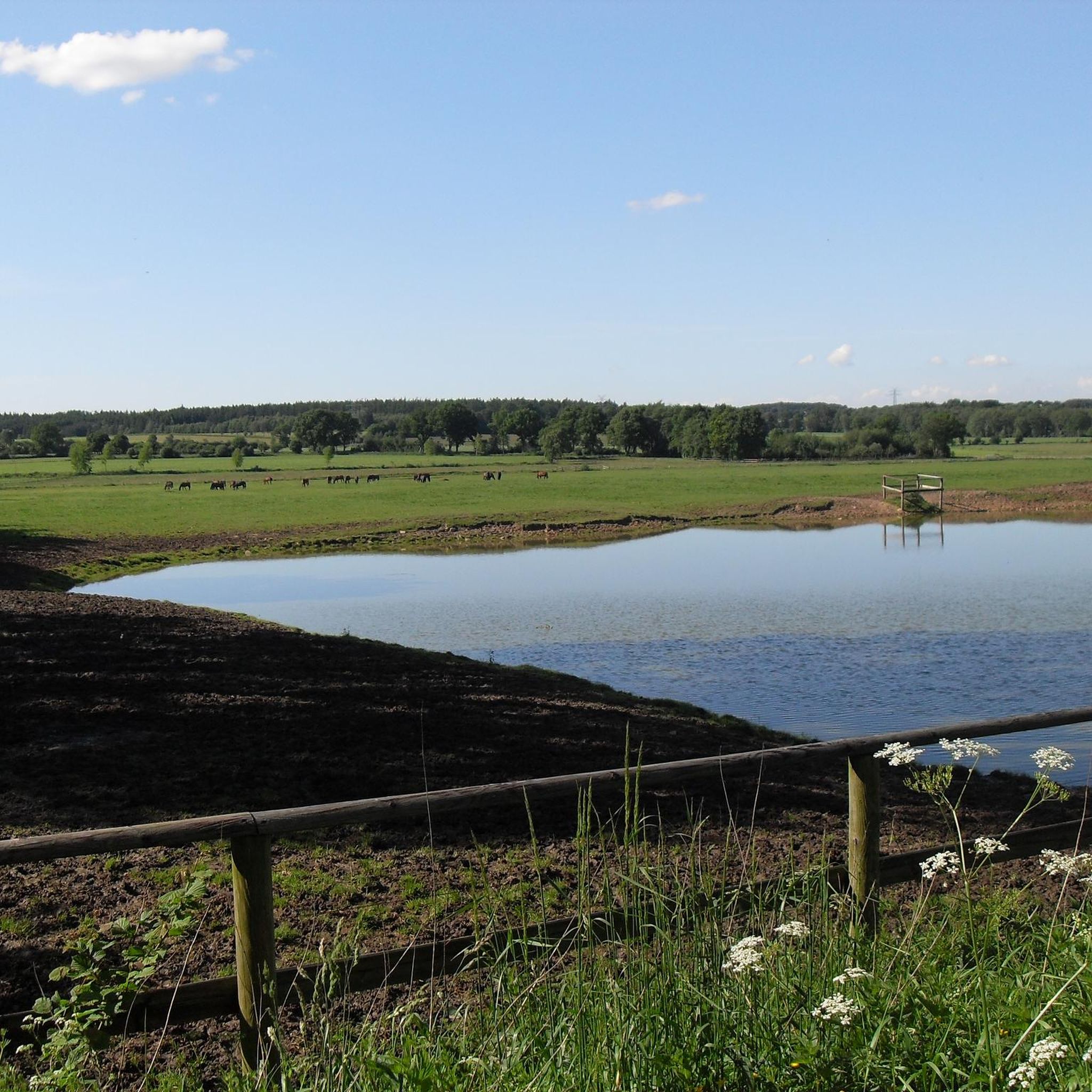
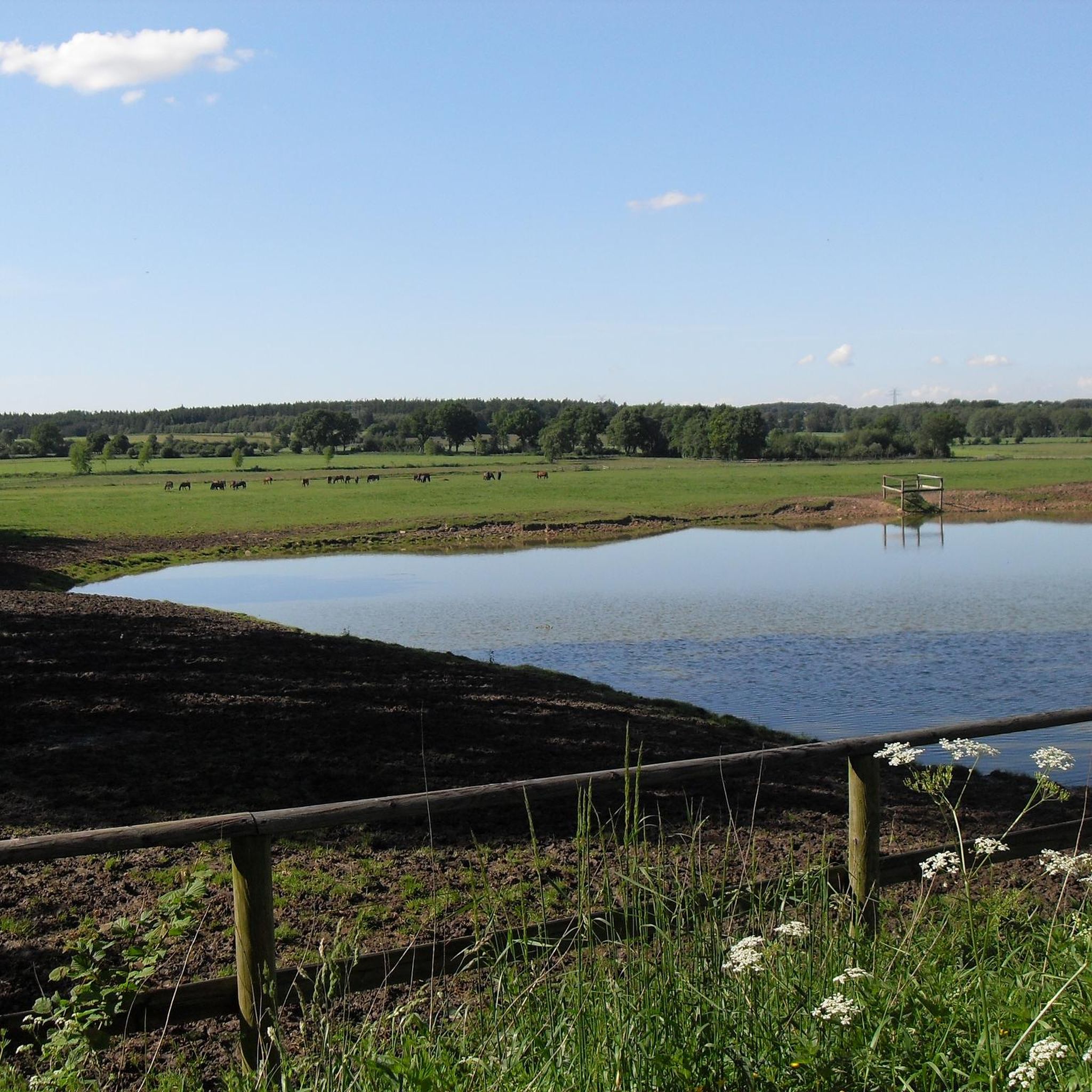
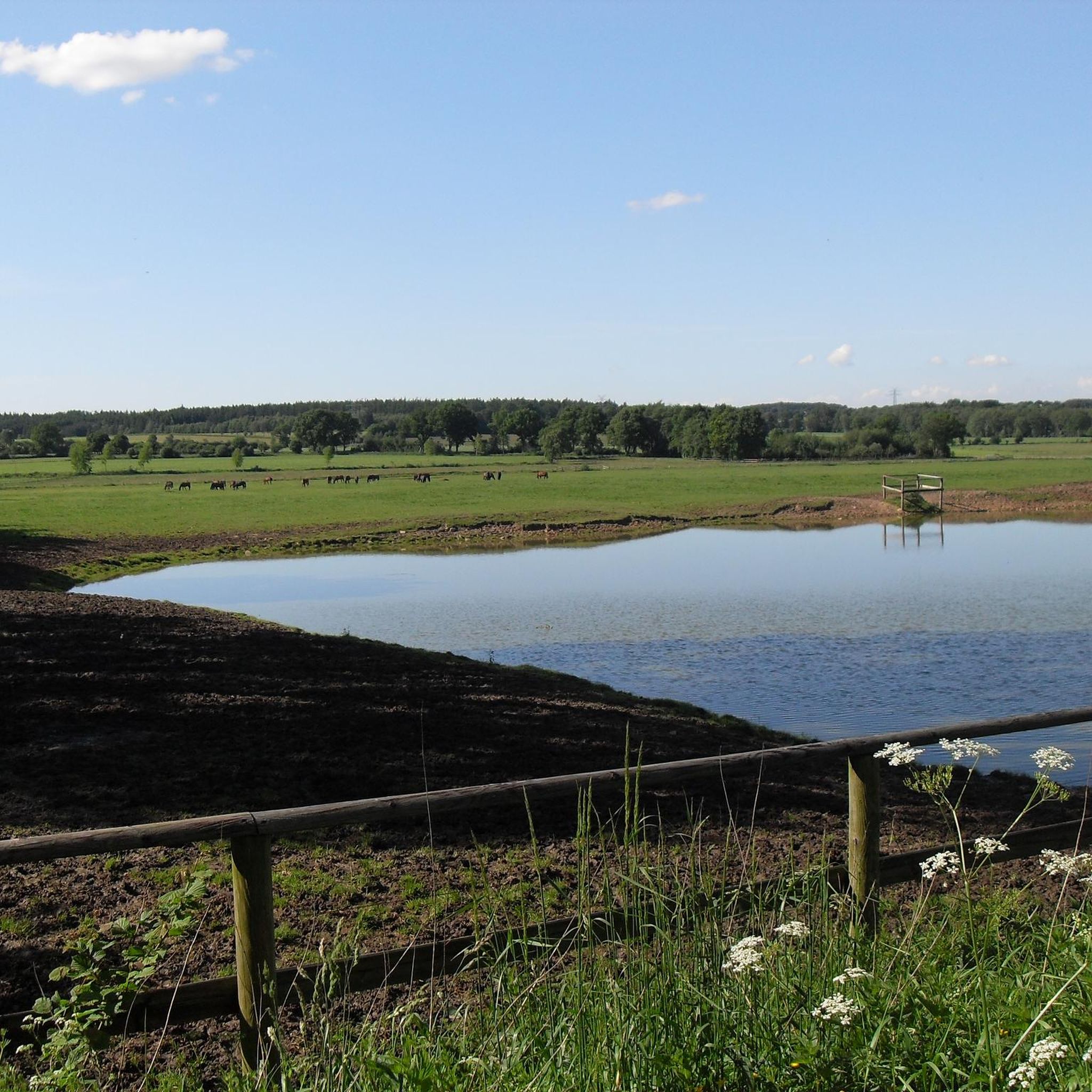
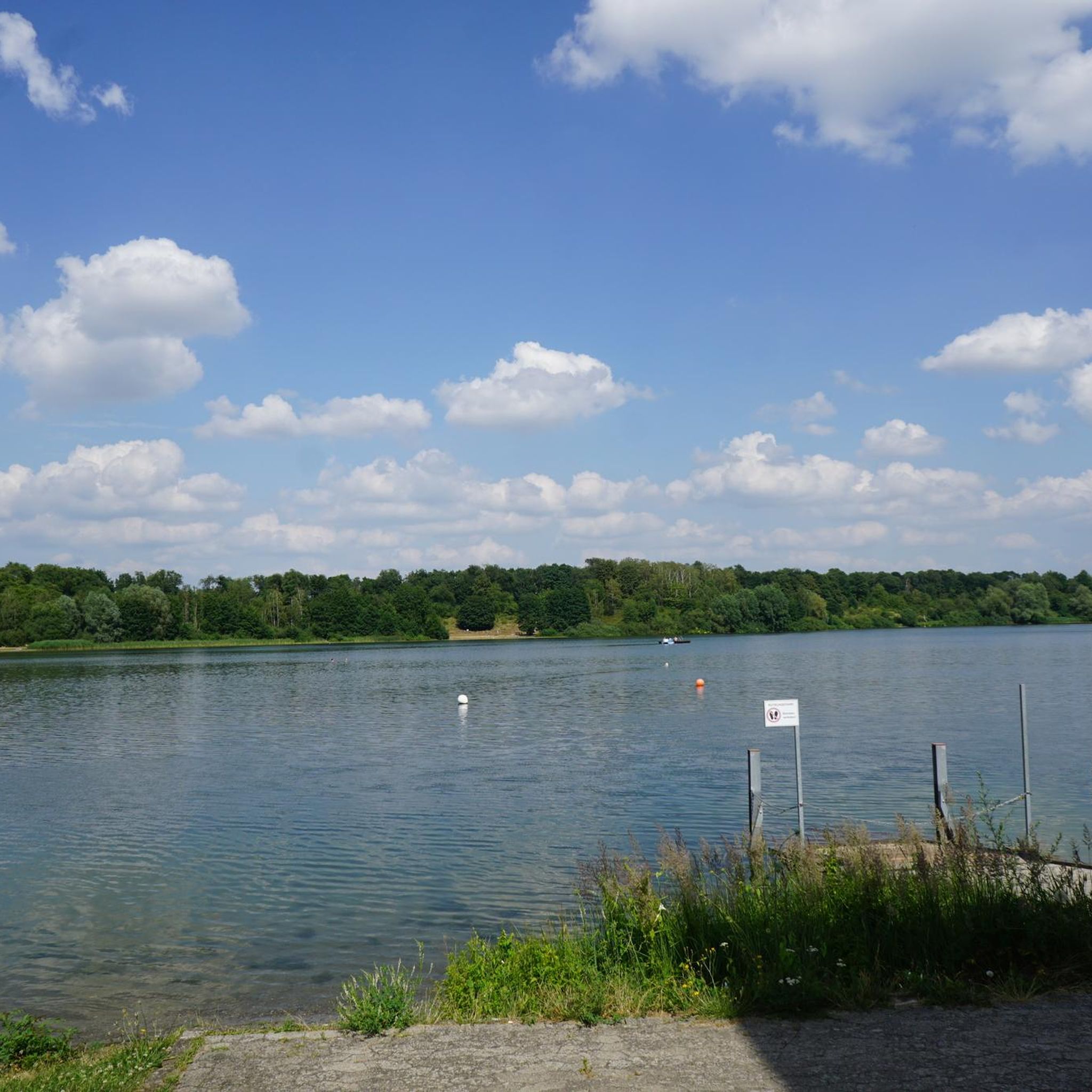
Muldsberg Clay Pit Lake
Highlight • Lake
The mining in the …
Translated by Google •
Tip by

Sign up now to discover places like this
Get recommendations on the best single tracks, peaks, & plenty of other exciting outdoor places.
Sign up for free
Brutkamp Megalithic Tomb
Highlight • Historical Site
Legends and legends loom around the Burtkamp - just because of the size of the capstone. …
Translated by Google •
Tip by

Old Oak of Schafstedt
Highlight • Natural Monument
Translated by Google •
Tip by

Kaaksburg Ringfort
Highlight • Historical Site
Translated by Google •
Tip by

Sign up for free to discover even more natural monuments around Thaden.
Sign up for free
Already have an account?
Start today with a free account
Your next adventure awaits.
Login or Signup
Tips from the Community

The ring wall castle 'Kaaksburg' dates back to the 8th or 9th century. Its oldest known documentary mention dates from 1560-1576. The oval ring wall with a diameter of 80 or 100 m and a height of around 5 m was raised from dark earth, while the ground in the surrounding area is sandy, which is why it was assumed that the material came from the Bekau, which flows past in the southeast. At that time, the Bekau was navigable at least as far as the castle and was influenced by the tides until it was embanked; the area around the castle was still swampy and marshy at that time and was occasionally flooded. It was therefore assumed that the castle was built in this strategically favorable position to control the waterway. According to a folk legend, it once served as a base for pirates - sometimes Klaus Störtebeker is mentioned. While the country road between Itzehoe and Schenefeld used to bypass the ring wall to the east, today's L 127 runs right through the ring. https://de.wikipedia.org/wiki/Kaaksburg
1
0

Really a very interesting root system
1
0

It's always impressive how the trees with such fascinating root systems can hold their own above ground in wind and weather 🌳...
1
0

This stone grave is the one shown in the coat of arms of Albersdorf.
2
0

Neolithic megalithic tomb This megalithic tomb from the Neolithic period (from 3400 BC) was examined in detail in 1908. It was completely preserved, ceramics and flint tools were found as grave goods. What is special about this grave are the different representations in one of the three large capstones, most of which look like small bowls - hence the name. But there are also hands (in pairs), a foot, a circle around one of the bowls and shallow grooves.
1
0

The Kaaksburg was a Saxon ring wall that was built around the year 800. It had a diameter of 80 m and 4 m high earth walls. The castle complex was intended to secure a trade route across the Bekau. Today, a wide street runs through the middle of the castle complex and cuts the ring wall in two. Right next to the castle is a rest area with a snack bar.
0
0
The burial site at Brutkamp is a dolmen with only one capstone. With a weight of 23 tons, this capstone is the heaviest in Schleswig-Holstein. The pentagonal shape of this dolmen is also unusual.
2
0

200 year old beech
2
0
Frequently Asked Questions
What are some of the most popular natural monuments around Thaden?
Visitors frequently enjoy the Exposed roots of the ancient beech in the Gieselau Valley, a unique natural monument featuring the roots of a more than 200-year-old beech tree. Another favorite is the Muldsberg Clay Pit Lake, a lake formed in a former clay mining pit that is now a developing biotope with a 5-kilometer circular route. The historical Brutkamp Megalithic Tomb, known for its massive capstone, is also highly appreciated.
Are there family-friendly natural monuments to visit around Thaden?
Yes, several natural monuments in the Thaden area are suitable for families. The Exposed roots of the ancient beech in the Gieselau Valley is a popular spot for children to discover. The Muldsberg Clay Pit Lake offers a pleasant 5-kilometer circular route, perfect for a family stroll. Additionally, the Brutkamp Megalithic Tomb and Krinkberg Bronze Age Burial Mounds offer interesting historical insights for all ages.
What historical or geological features can be found among Thaden's natural monuments?
Thaden is rich in both historical and geological features. You can explore the Brutkamp Megalithic Tomb, a large stone grave with the heaviest capstone in Schleswig-Holstein, weighing approximately 23 tons. The Krinkberg Bronze Age Burial Mounds are another significant archaeological monument. Geologically, the Muldsberg Clay Pit Lake is fascinating, as it formed in a former clay mining pit and is now a developing biotope.
What outdoor activities can I enjoy near the natural monuments in Thaden?
The area around Thaden offers various outdoor activities. You can find numerous routes for gravel biking, mountain biking, and road cycling. For example, there are easy to moderate gravel biking routes, challenging MTB trails, and scenic road cycling routes. Many of these routes pass by or are close to the natural monuments, offering a great way to combine sightseeing with active exploration.
Are there any ancient trees or unique forest features to see?
Yes, Thaden is known for its ancient trees. The Exposed roots of the ancient beech in the Gieselau Valley is a prime example, showcasing the impressive root system of a 200-year-old beech. Another significant tree is the Old Oak of Schafstedt, which is nearly 400 years old and the oldest tree in the Dithmarschen district, boasting a circumference of 5.90 meters.
When is the best time to visit the natural monuments around Thaden?
The natural monuments around Thaden can be enjoyed in various seasons. The circular hiking trail through the Gieselau valley, which features the Exposed roots of the ancient beech, is beautiful year-round. Similarly, the Muldsberg Clay Pit Lake offers wonderful hiking opportunities in every season, with constantly changing natural scenery. Spring and autumn often provide pleasant temperatures for outdoor activities and vibrant natural colors.
What do visitors enjoy most about the natural monuments in Thaden?
Visitors particularly enjoy the diverse natural features and the sense of discovery. The Exposed roots of the ancient beech are a popular place of discovery, especially for children. The tranquility and evolving nature of the Muldsberg Clay Pit Lake, with its cormorant population, are also highly valued. The historical significance and local legends surrounding sites like the Brutkamp Megalithic Tomb also captivate many visitors.
Are there any lakes or water bodies that are considered natural monuments?
Yes, the Muldsberg Clay Pit Lake is a notable natural monument. This lake was formed in a former clay mining pit and has been developing into a significant biotope and recreational area since artificial dewatering ceased in 2004. It features a five-kilometer circular route with resting places, making it ideal for nature lovers.
Can I find viewpoints or scenic spots among Thaden's natural monuments?
While not explicitly designated as viewpoints, many natural monuments offer scenic perspectives. The circular trail around the Muldsberg Clay Pit Lake provides changing views of the water and its surrounding developing biotope. The setting of the Exposed roots of the ancient beech in the Gieselau Valley, nestled within a beautiful circular hiking trail, also offers picturesque natural scenery.
Are there any lesser-known natural gems worth exploring around Thaden?
Beyond the most popular sites, the Krinkberg Bronze Age Burial Mounds offer a quieter, yet historically rich, experience. These archaeological monuments provide a glimpse into the region's ancient past. The Old Oak of Schafstedt, while impressive in its age and size, might also be considered a serene natural gem for those seeking a peaceful encounter with nature's longevity.
What kind of trails are available for exploring these natural monuments?
The natural monuments around Thaden are often integrated into walking and cycling trails. For instance, the Exposed roots of the ancient beech are part of a beautiful circular hiking trail through the Gieselau valley. The Muldsberg Clay Pit Lake features a dedicated five-kilometer circular route. For more extensive adventures, you can find various gravel biking, mountain biking, and road cycling routes that traverse the wider region, often passing by these natural sites.
Most popular attractions around Thaden

Get inspired with the komoot mobile app


Explore more
Extend your search for the best caves by checking out these guides of the top ones around Thaden:
