Top 20 Natural Monuments around Fockbek
Best natural monuments around Fockbek include diverse landscapes such as moorlands, lakes, and unique geological formations. The region is characterized by its tranquil natural features, offering opportunities for nature observation and outdoor activities. Visitors can explore preserved ecosystems and significant natural areas that provide a retreat into the local environment. These natural monuments contribute to the area's appeal for those seeking natural beauty and recreation.
Best natural monuments around Fockbek
- The most popular natural monuments is Observation Platform at Fockbeker…
Last updated: June 24, 2026
Hohner Lake
Highlight • Lake
Translated by Google •
Tip by

Sorgwohld Inland Dunes
Highlight • Natural Monument
Translated by Google •
Tip by

Sign up now to discover places like this
Get recommendations on the best single tracks, peaks, & plenty of other exciting outdoor places.
Sign up for free
Wildes Moor Viewpoint
Highlight • Viewpoint
Translated by Google •
Tip by
Bistensee
Highlight • Lake
Translated by Google •
Tip by

Observation Platform at Fockbeker Moor
Highlight • Viewpoint
Definitely bring binoculars.
Showing Translation
Tip by
Sign up for free to discover even more natural monuments around Fockbek.
Sign up for free
Already have an account?
Start today with a free account
Your next adventure awaits.
Login or Signup
Other adventures around Fockbek

Tips from the Community


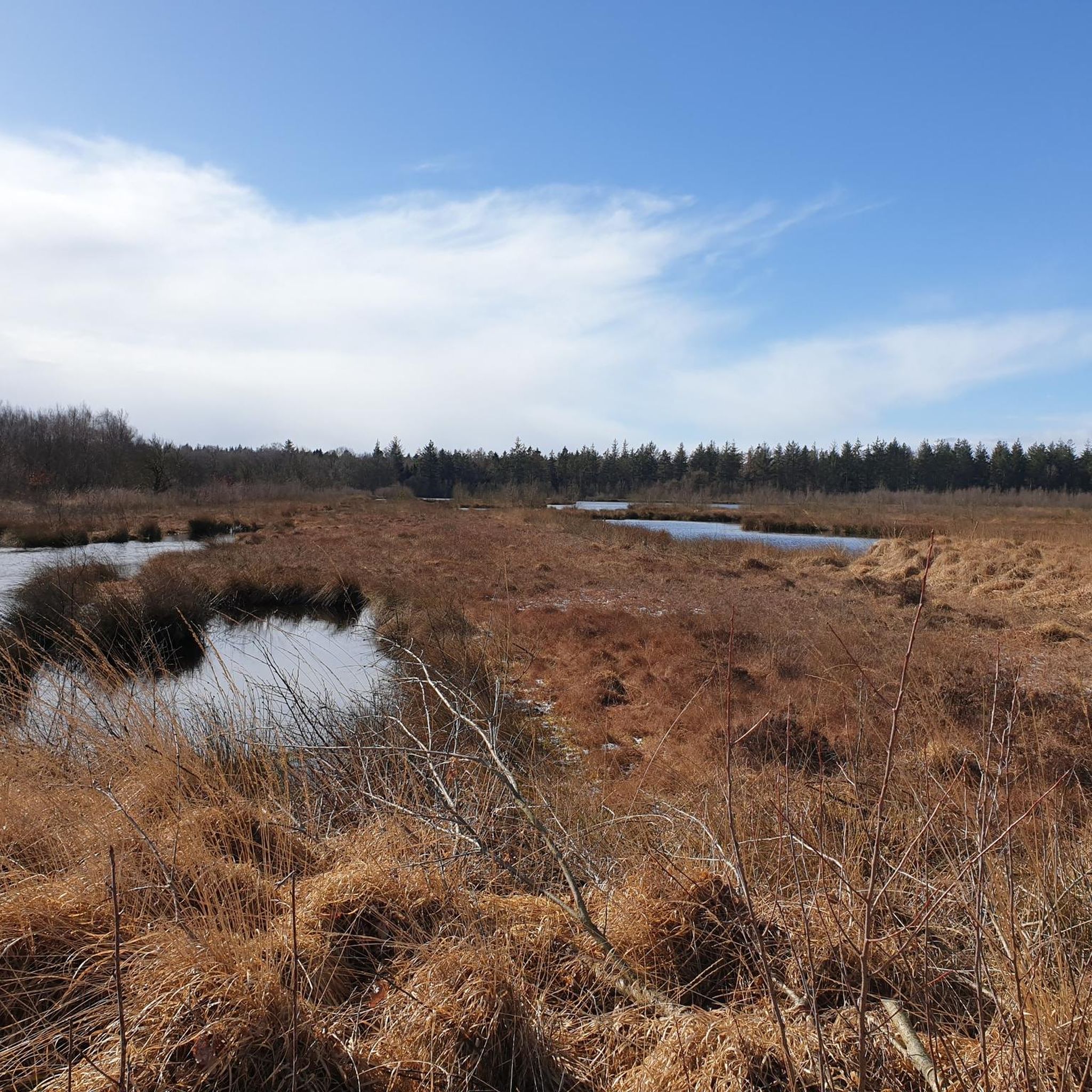
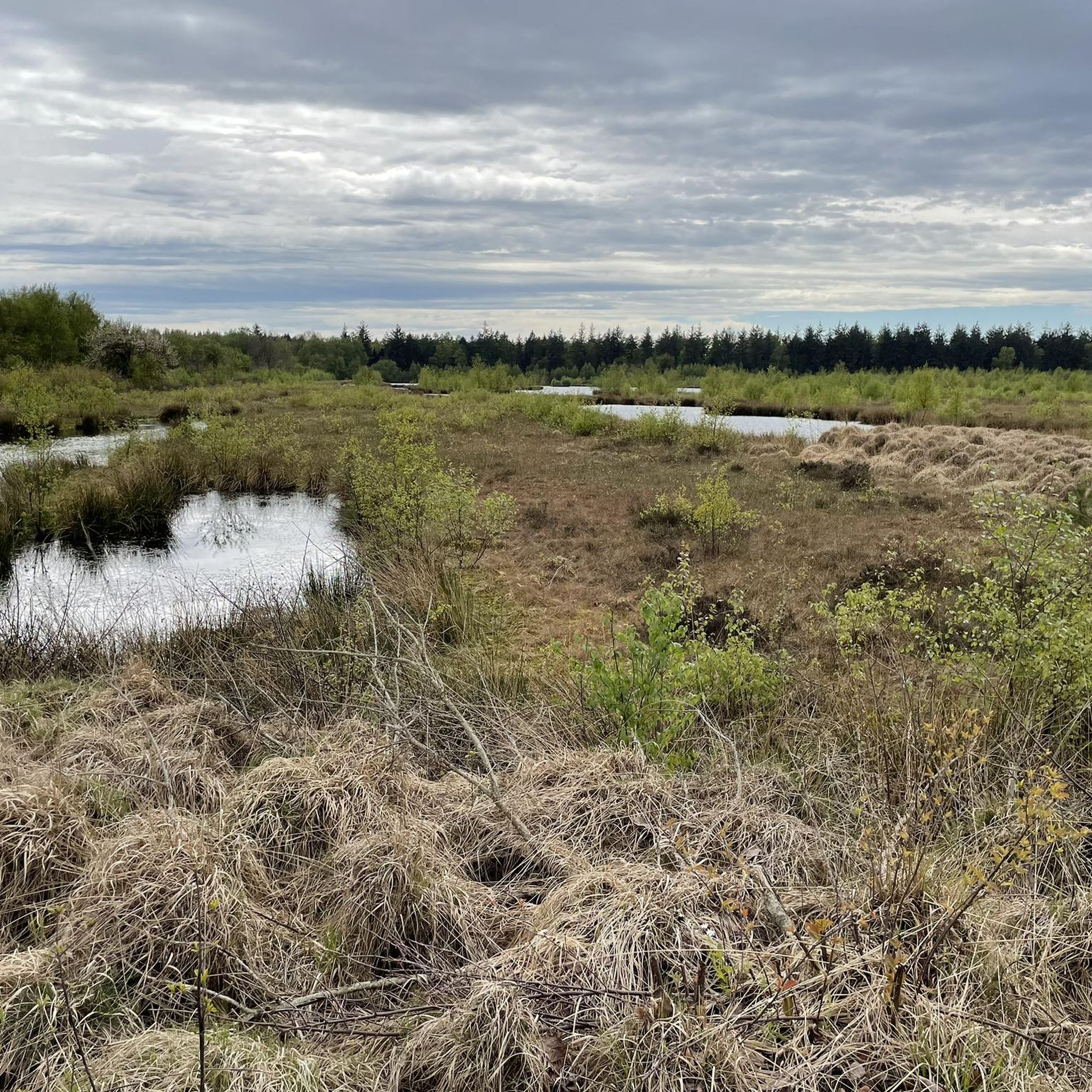
From the "Wildes Moor" viewing hill, a sweeping view opens up over the almost treeless raised moor and green landscape, interspersed with renaturalized bodies of water. The atmosphere is particularly mystical in the morning with ground mist and the rising sun. A circular trail allows you to experience the unique flora and fauna: patches of cotton grass and sphagnum moss, bracken, and moor grass alternate, providing habitat for approximately 50 breeding bird species and various dragonflies and grasshoppers.
3
0

Beautiful hike in August when the heather is in bloom.
0
0

Beautiful in August!
0
0

From the slightly elevated viewing platform, the Fockbek Moor and its inhabitants can be discovered.
0
0
The view from the observation windows onto the Fockbeker Moor is significantly restricted in late summer due to vegetation. Definitely bring binoculars.
5
0

Just enjoy and do nothing
2
0

The Sorgwohlder inland dunes near Owschlag have been a nature reserve along the Sorge lowlands since 1936. It extends from Sorgwohld in a northeasterly direction. The dunes were formed in the late and post-glacial periods around 12,000 years ago. A constant ice wind blew the sand from the erosion edges, created by meltwater that had severely eroded the Owschlager Sander in Sorgetal, into mighty dunes. Today it can be assumed that parts of the Sorgwohlde inland dunes have been almost devoid of vegetation since the Ice Age. Humans have cultivated this landscape through grazing and farming since around 1000 AD. fundamentally shaped. The farmers in the sandy areas used the soil removed by pests to litter the stables and then fertilize their one-sidedly cultivated fields. Plowing and removing heather and other ground litter removed nutrients from the soil. This meant that the heather was always able to sprout new crops and germinate its sun-loving seeds better. The Ochsenweg also had an influence on the area. At Sorgwohld he crossed the worry. Large storage areas had to be available at such water points. The cattle kept churning up the ground. The Sorgwohlder inland dunes with their heaths and silver grass and lichen meadows, which are unique to Schleswig-Holstein and are home to a number of insects and spider species that are threatened with extinction. You can find further detailed information about the Sorgwohlder inland dunes here: http://www.owschlag.info/BUND/binnenduenen.htm
3
0
Frequently Asked Questions
What unique natural features can I explore around Fockbek?
Fockbek and its surroundings offer diverse natural features. You can discover extensive moorlands like the Observation Platform at Fockbeker Moor, which provides excellent birdwatching opportunities. The region also features unique geological formations such as the Sorgwohld Inland Dunes, formed by ice winds around 12,000 years ago, and renatured raised bogs like the Wildes Moor Viewpoint.
Are there any significant moorlands to visit near Fockbek?
Yes, the region is known for its tranquil moorlands. The Fockbek Moor is a prominent natural feature, offering a peaceful retreat and opportunities for nature observation. You can visit the Observation Platform at Fockbeker Moor for views and birdwatching. Another significant area is the Wildes Moor Viewpoint, which overlooks a renatured raised bog with extensive moor and grassland.
What kind of geological formations can be found in the natural monuments around Fockbek?
The natural monuments around Fockbek showcase interesting geological history. The Sorgwohld Inland Dunes are a prime example, formed at the end of the Late Ice Age by strong ice winds. Additionally, lakes like Bistensee were formed during the Vistula Ice Age, with moraines reaching heights of up to 72 meters.
Are there any lakes that are considered natural monuments in the Fockbek area?
Absolutely. Hohner Lake is considered the last remaining shallow-water geest lake and is part of a diverse nature reserve, home to endangered species like the white-tailed eagle. Another notable lake is Bistensee, which offers a serene rural idyll and is known for its unique watershed, draining into the North Sea while the nearby Wittensee flows to the Baltic Sea.
What outdoor activities are available near Fockbek's natural monuments?
The natural monuments around Fockbek provide excellent opportunities for outdoor activities. You can enjoy hiking, cycling, and nature observation. For hiking, consider routes like the 'Moor Path in Fockbeker Moor' or exploring the 'Fockbeker Moor Nature Reserve'. Cyclists can find numerous routes, including those along the Kiel Canal. For more detailed route information, you can explore the Hiking around Fockbek guide or the Cycling around Fockbek guide.
Are there specific hiking trails suitable for different difficulty levels?
Yes, the area offers trails for various fitness levels. For instance, the 'Fockbeker Moor Nature Reserve loop' is an easy hike suitable for many. The circular route through the Wildes Moor Viewpoint is also a great option. For more challenging routes, some trails connecting the Fockbeker Moor Nature Reserve to the Sorgwohld Inland Dunes are rated as difficult. You can find more details in the Hiking around Fockbek guide.
Can I observe wildlife or birds at these natural sites?
Yes, many natural monuments in the Fockbek area are excellent for wildlife and bird observation. The Observation Platform at Fockbeker Moor is specifically designed for birdwatching. Hohner Lake is home to the white-tailed eagle and other endangered species. The Wildes Moor Viewpoint also provides a habitat for various birds and smooth snakes.
Are the natural monuments around Fockbek suitable for families?
Many natural monuments in the Fockbek area are family-friendly. Locations like Hohner Lake, Sorgwohld Inland Dunes, Wildes Moor Viewpoint, Bistensee, and the Observation Platform at Fockbeker Moor are all categorized as suitable for families, offering easy access and engaging natural environments for children to explore.
What is the best time of year to visit the natural monuments around Fockbek?
The best time to visit depends on what you wish to experience. For observing the heather bloom at the Sorgwohld Inland Dunes, late summer (typically August to early September) is ideal. Spring and early summer are excellent for birdwatching in the moorlands. Generally, the warmer months offer pleasant conditions for hiking and cycling, though the serene atmosphere of the moorlands can be enjoyed year-round.
Where can I find refreshments or accommodation near the natural monuments?
While specific cafes or accommodations are not directly part of the natural monuments, the town of Fockbek and nearby communities offer various options. The region around the Kiel Canal also has numerous spots to rest and enjoy views, often with cafes or restaurants nearby. For specific recommendations, it's advisable to check local listings in Fockbek or Rendsburg.
What are the parking options for visiting natural monuments in Fockbek?
Parking is generally available near the main access points for natural monuments. For instance, areas like the Fockbek Moor and the Kiel Canal have designated parking spots for visitors. For more remote locations or specific trailheads, it's recommended to check local signage or online maps for the most convenient parking facilities.
Are there accessible natural monuments for visitors with mobility considerations?
While specific accessibility details for all sites are not provided, many viewpoints and paths in the region are generally flat and well-maintained, such as those around the Fockbek Moor or along the Kiel Canal. However, some trails, especially in moorland or dune areas, might have uneven terrain. It's always best to check specific trail conditions if mobility is a concern.
Most popular routes around Fockbek
Most popular attractions around Fockbek

Get inspired with the komoot mobile app


Explore more
Extend your search for the best caves by checking out these guides of the top ones around Fockbek:
