Top 20 Natural Monuments around Schacht-Audorf
Best natural monuments around Schacht-Audorf offer diverse natural landscapes and recreational opportunities. The region features a blend of natural attractions, including lakes, inland dunes, and viewpoints. These sites provide opportunities for observing nature and engaging in outdoor activities. Schacht-Audorf's surroundings are characterized by their natural beauty and varied terrain.
Best natural monuments around Schacht-Audorf
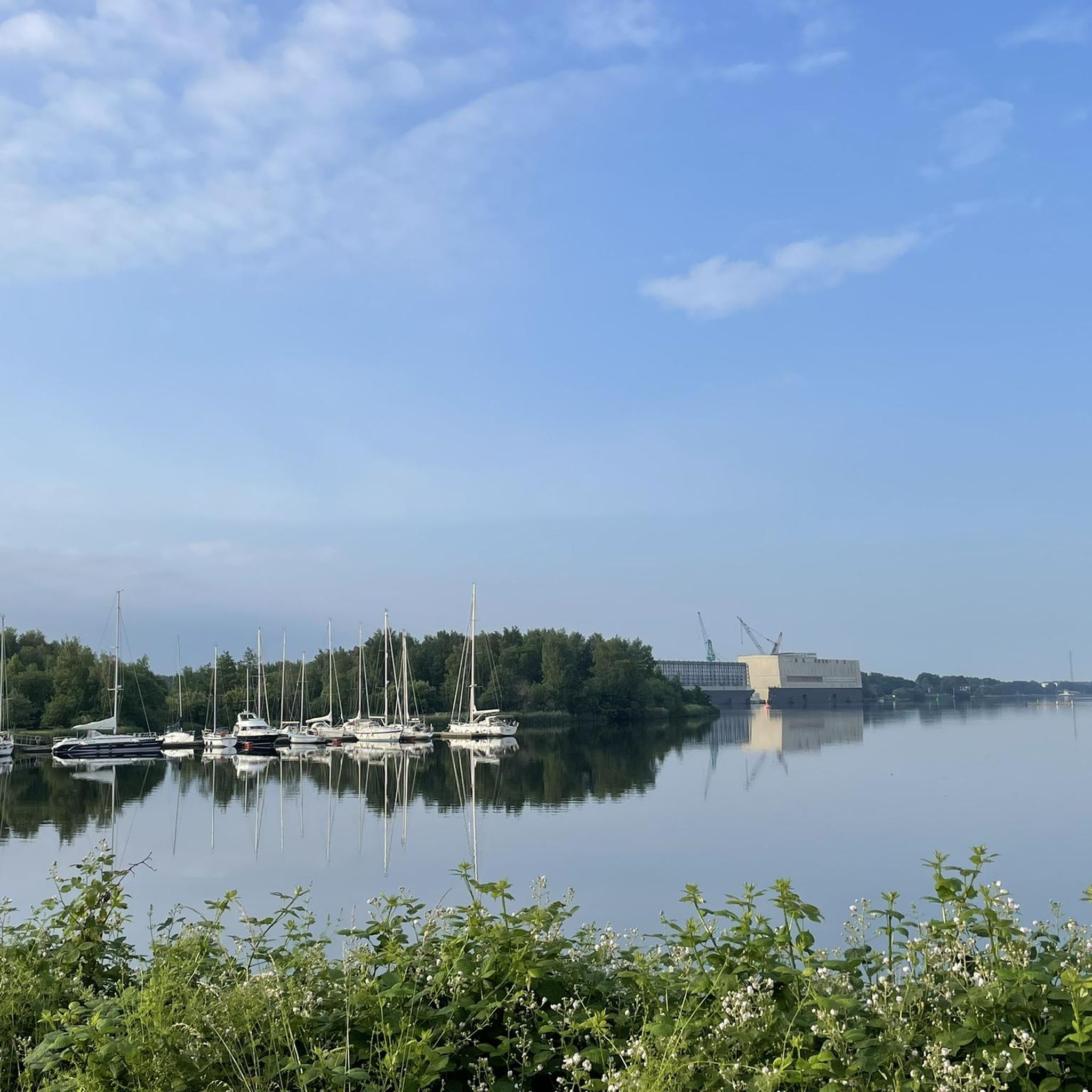
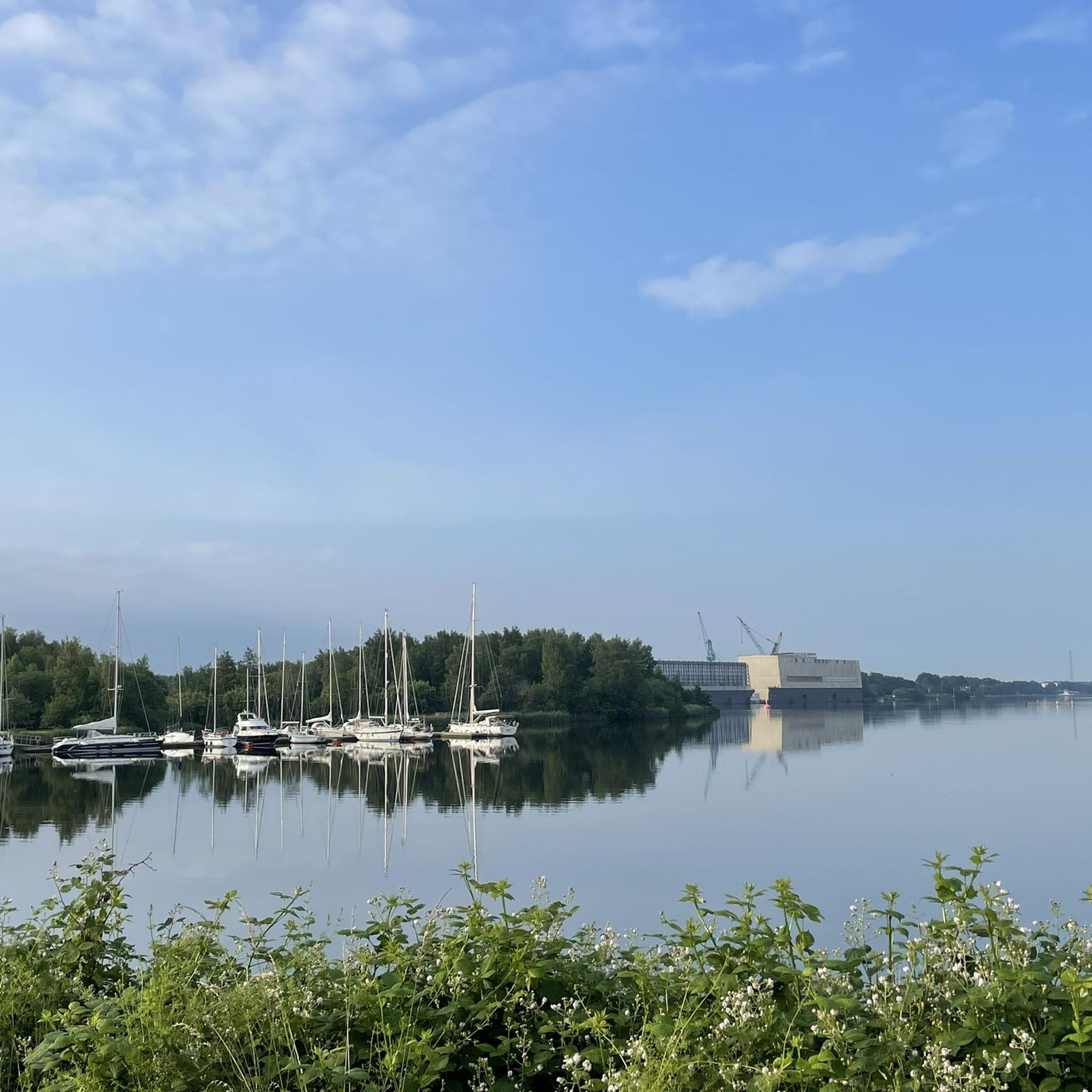
- The most popular natural monuments is Rümland Pond, a lake that offers beautiful, varied hiking trails through deciduous forest. The paths are suitable even when…
Last updated: July 8, 2026
Rümland Pond
Highlight • Lake
Translated by Google •
Tip by

Sorgwohld Inland Dunes
Highlight • Natural Monument
Translated by Google •
Tip by

Sign up now to discover places like this
Get recommendations on the best single tracks, peaks, & plenty of other exciting outdoor places.
Sign up for free
Sorgwohld Inland Dunes Nature Reserve
Highlight • Natural Monument
Translated by Google •
Tip by
Wildes Moor Viewpoint
Highlight • Viewpoint
Translated by Google •
Tip by

Methorst Pond
Highlight • Lake
Translated by Google •
Tip by
Sign up for free to discover even more natural monuments around Schacht-Audorf.
Sign up for free
Already have an account?
Start today with a free account
Your next adventure awaits.
Login or Signup
Tips from the Community

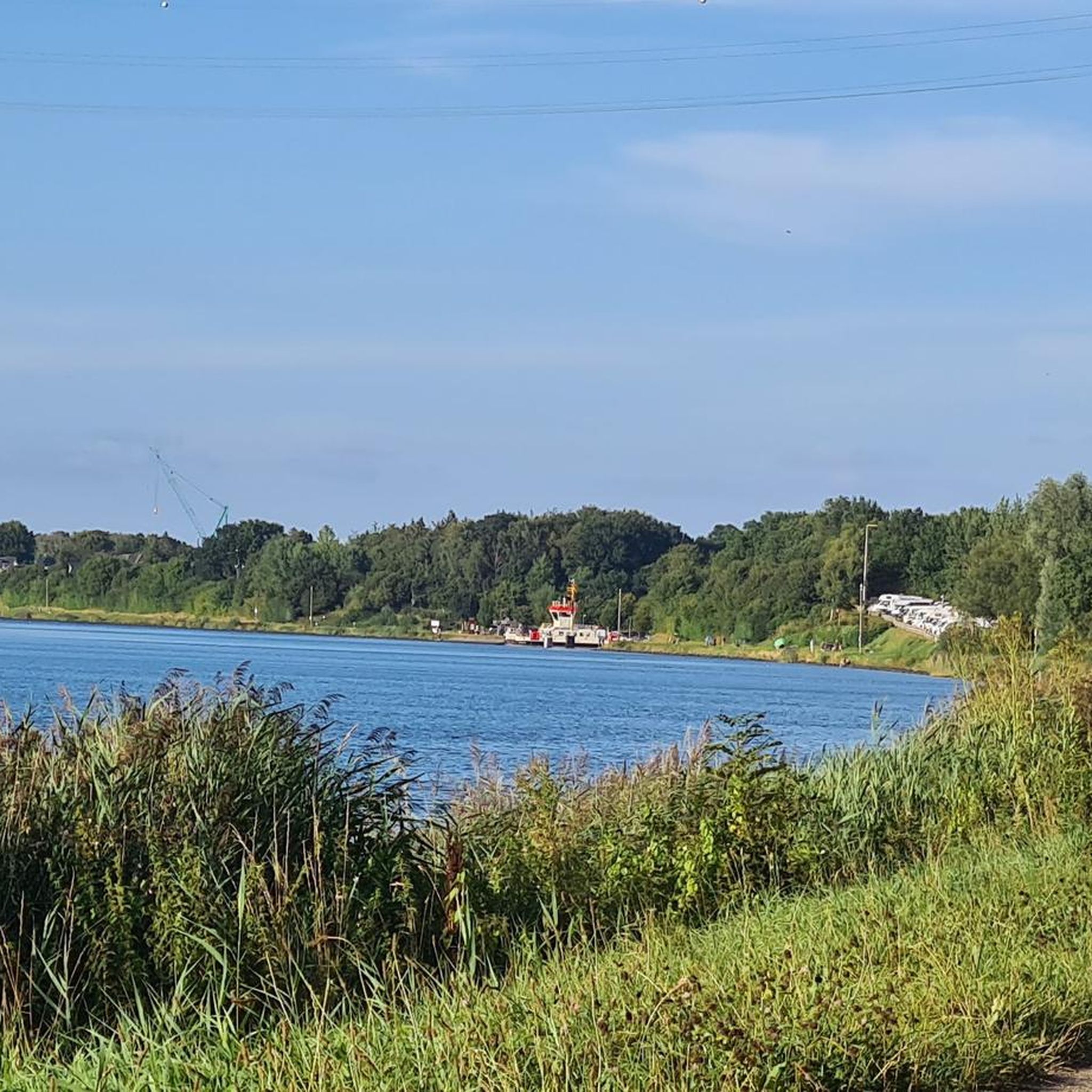
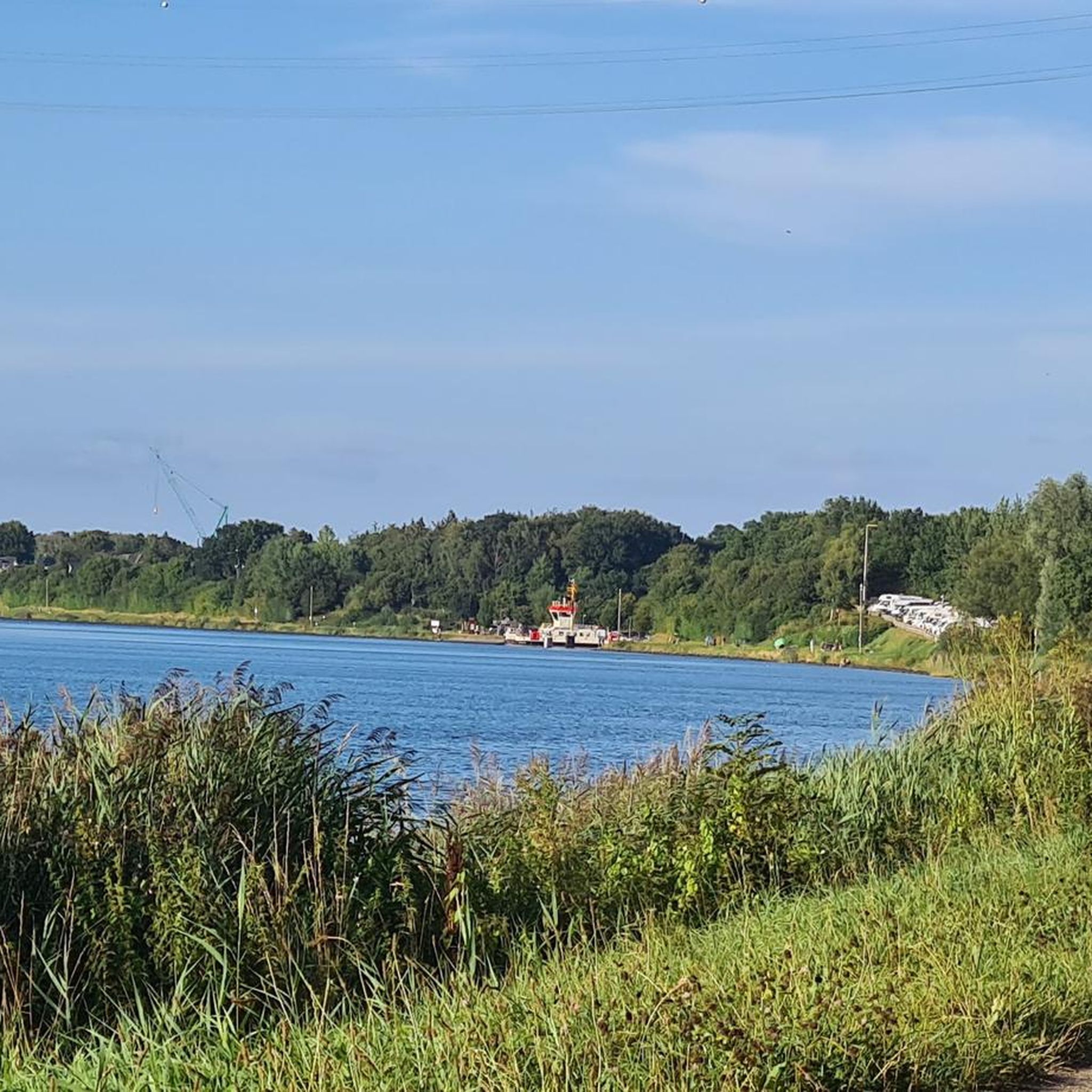
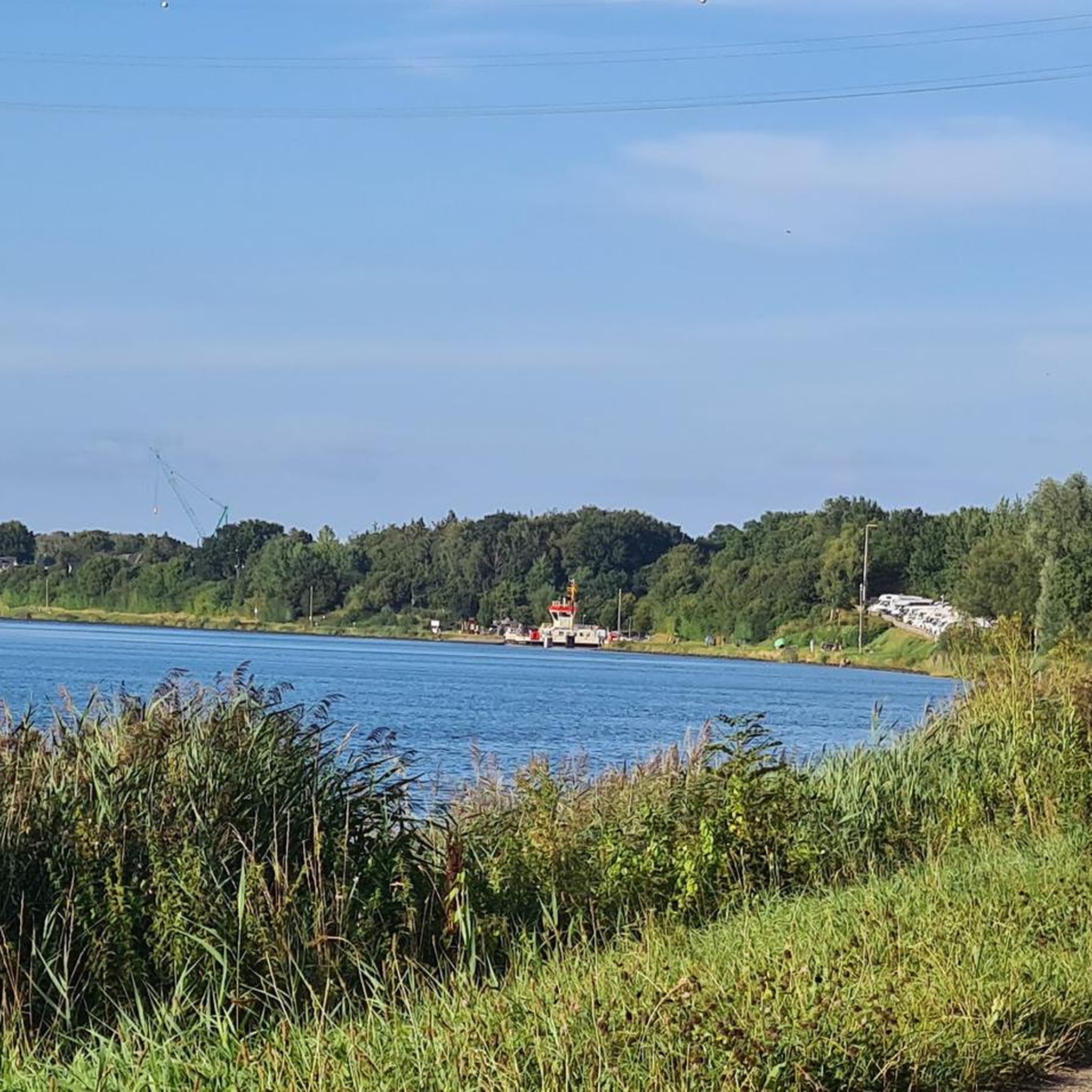
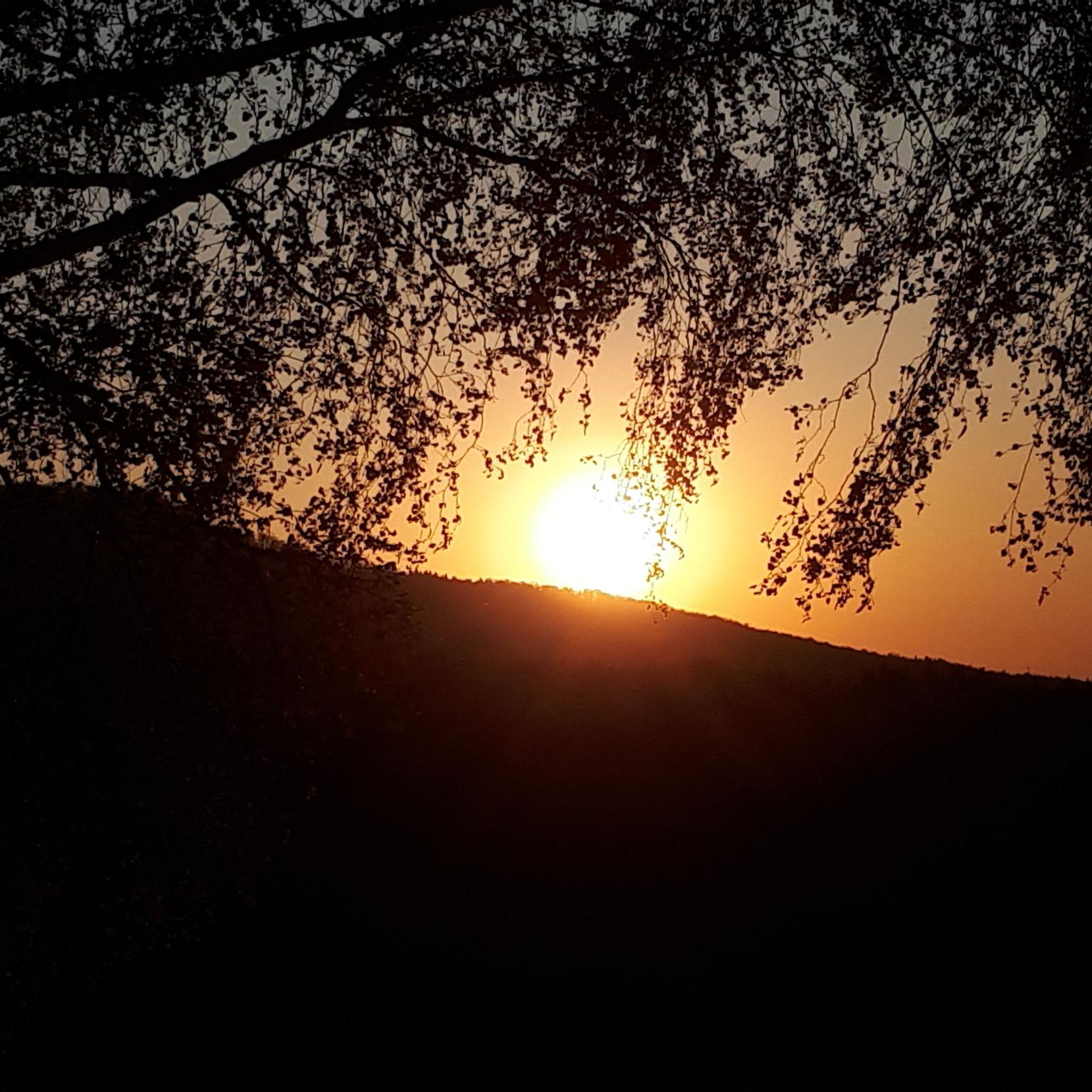
From the "Wildes Moor" viewing hill, a sweeping view opens up over the almost treeless raised moor and green landscape, interspersed with renaturalized bodies of water. The atmosphere is particularly mystical in the morning with ground mist and the rising sun. A circular trail allows you to experience the unique flora and fauna: patches of cotton grass and sphagnum moss, bracken, and moor grass alternate, providing habitat for approximately 50 breeding bird species and various dragonflies and grasshoppers.
3
0

Beautiful hike in August when the heather is in bloom.
0
0

Beautiful in August!
0
0

The Sorgwohld dunes near Owschlag have been a nature reserve (identification number 11) along the Sorgeniederung since 1936. The dunes were formed during the late and postglacial periods, approximately 12,000 years ago.
2
0
What is striking is the massive occurrence of reeds in the wide bank zone.
5
1

The Sorgwohlder inland dunes near Owschlag have been a nature reserve along the Sorge lowlands since 1936. It extends from Sorgwohld in a northeasterly direction. The dunes were formed in the late and post-glacial periods around 12,000 years ago. A constant ice wind blew the sand from the erosion edges, created by meltwater that had severely eroded the Owschlager Sander in Sorgetal, into mighty dunes. Today it can be assumed that parts of the Sorgwohlde inland dunes have been almost devoid of vegetation since the Ice Age. Humans have cultivated this landscape through grazing and farming since around 1000 AD. fundamentally shaped. The farmers in the sandy areas used the soil removed by pests to litter the stables and then fertilize their one-sidedly cultivated fields. Plowing and removing heather and other ground litter removed nutrients from the soil. This meant that the heather was always able to sprout new crops and germinate its sun-loving seeds better. The Ochsenweg also had an influence on the area. At Sorgwohld he crossed the worry. Large storage areas had to be available at such water points. The cattle kept churning up the ground. The Sorgwohlder inland dunes with their heaths and silver grass and lichen meadows, which are unique to Schleswig-Holstein and are home to a number of insects and spider species that are threatened with extinction. You can find further detailed information about the Sorgwohlder inland dunes here: http://www.owschlag.info/BUND/binnenduenen.htm
3
0
The inland dunes of Sorgwohld were formed at the end of the Late Ice Age around 12k years ago when sand from the Owschlager Sanders was blown together to form mighty dunes by strong ice winds. So today we can enjoy the common heather here in the middle of the sand dunes. Tip: plan your visit to the heather blossom from 08.08.-09.09.
5
0
The inland dunes of Sorgwohld were formed at the end of the Late Ice Age around 12k years ago when sand from the Owschlager Sanders was blown together to form mighty dunes by strong ice winds. So today we can enjoy the common heather here in the middle of the sand dunes. Tip: heather blossom 08.08.-09.09.
5
0
Frequently Asked Questions
What unique natural features can I explore around Schacht-Audorf?
The region offers a diverse range of natural features. You can visit the Sorgwohld Inland Dunes, a natural monument formed around 12,000 years ago where you can observe common heather. Another unique spot is the Wildes Moor Viewpoint, offering wide views over an almost tree-free conservation area that is home to various birds and smooth snakes.
Are there family-friendly natural monuments in the Schacht-Audorf area?
Yes, several natural monuments are suitable for families. Both Rümland Pond and Methorst Pond offer pleasant environments for walks and observing nature. The Sorgwohld Inland Dunes and the Wildes Moor Viewpoint are also considered family-friendly, providing interesting sights and easy exploration.
What kind of outdoor activities can I do near the natural monuments?
The area around Schacht-Audorf is excellent for various outdoor activities. You can find numerous cycling routes, such as those listed in the Cycling around Schacht-Audorf guide, which includes paths along the Kiel Canal. For mountain biking, explore trails like the 'Rümland Pond – Rümlandteich loop' found in the MTB Trails around Schacht-Audorf guide. Many natural monuments, like Rümland Pond, also offer beautiful hiking trails.
Where can I find scenic viewpoints to enjoy the natural landscape?
For breathtaking views, visit the Wildes Moor Viewpoint, which provides expansive vistas over the conservation area. Additionally, the 'Aussichtspunkt Schacht-Audorf Nobiskrug' offers stunning views of the Kiel Canal and passing ships, complete with seating and a picnic area. The Sande Bathing Area at Wittensee also provides wonderful views over the lake.
Are there any historical sites combined with natural beauty in the area?
Yes, the Emkendorf Estate is a notable example. While primarily a historical site, it features beautifully landscaped grounds accessible via a linden-lined avenue, offering a blend of cultural heritage and natural charm. The estate also hosts events, such as those part of the Schleswig-Holstein Music Festival.
What is the best time of year to visit the natural monuments around Schacht-Audorf?
The natural monuments can be enjoyed throughout the year. For instance, the Sorgwohld Inland Dunes are particularly beautiful during the heather blossom, which typically occurs from August to September. The Wildes Moor Viewpoint offers a fascinating play of light in the early morning hours, especially when ground fog is present over the dammed water areas.
Can I observe wildlife at the natural monuments?
Yes, several locations are excellent for wildlife observation. Methorst Pond is known as an oasis for waterfowl, where you can observe many different species. The Wildes Moor Viewpoint is part of a conservation area that provides a habitat for various birds and even smooth snakes.
Are there opportunities for swimming or picnicking near the natural attractions?
Yes, the Sande Bathing Area at Wittensee is described as a perfect spot for a picnic or a swimming break, offering a serene natural escape. Additionally, the 'Aussichtspunkt Schacht-Audorf Nobiskrug' along the Kiel Canal features a small picnic area, ideal for relaxing and enjoying the scenery.
What do visitors particularly enjoy about the natural monuments in this region?
Visitors appreciate the diverse natural landscapes and the opportunities for recreation. The varied hiking trails through deciduous forests at Rümland Pond are highly rated, even when wet. The unique geological formation of the Sorgwohld Inland Dunes and the panoramic views from the Wildes Moor Viewpoint are also popular highlights.
Are there any natural monuments that are particularly good for a quiet, serene experience?
For a serene experience, Rümland Pond is highly recommended. Its nature reserve offers beautiful, varied hiking trails through deciduous forest, providing a peaceful environment. The Sande Bathing Area at Wittensee also offers a serene natural escape with wonderful views.
Can I experience the Kiel Canal as part of a natural outing?
While the Kiel Canal is man-made, the areas around it offer significant natural vistas. The 'Aussichtspunkt Schacht-Audorf Nobiskrug' provides breathtaking views of the canal and passing ships. You can also experience the canal by taking the regular, free-of-charge canal ferries, which offer unique perspectives on the waterway and the surrounding landscape. For more information on the viewpoint, you can visit sh-tourismus.de.
Most popular routes around Schacht-Audorf
Most popular attractions around Schacht-Audorf

Get inspired with the komoot mobile app


Explore more
Extend your search for the best caves by checking out these guides of the top ones around Schacht-Audorf:
