Top 20 Natural Monuments around Sankt Goarshausen
Best natural monuments around Sankt Goarshausen are found within the Upper Middle Rhine Valley, a UNESCO World Heritage site known for its dramatic natural landscapes. The region is characterized by the Rhine River winding through a narrow gorge, flanked by steep cliffs and rock formations. Sankt Goarshausen is notably home to the Loreley Rock, a prominent slate formation rising above the Rhine. This area offers a combination of natural grandeur and historical significance.
Best natural monuments around Sankt Goarshausen
- The…
Last updated: August 18, 2026
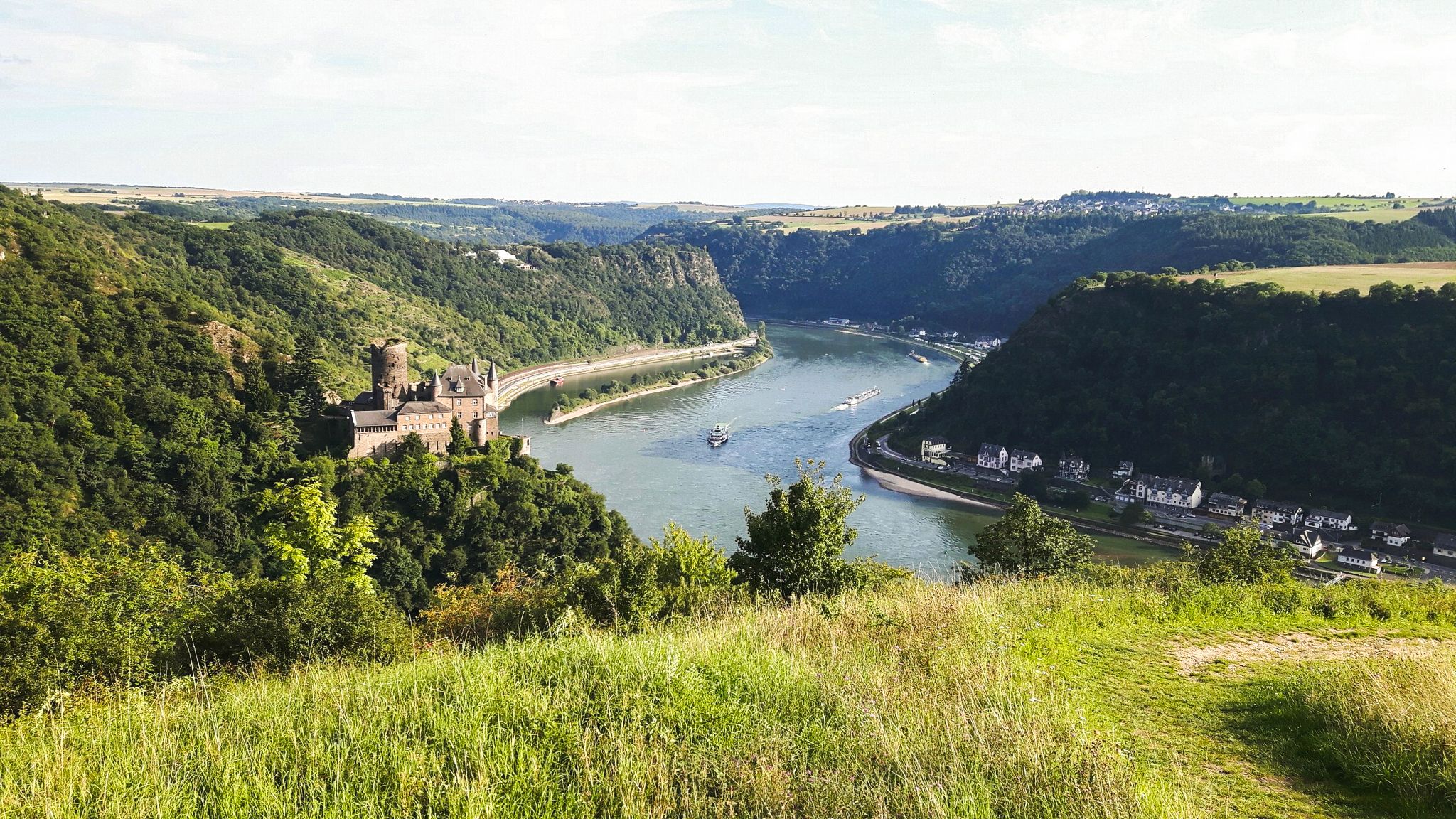
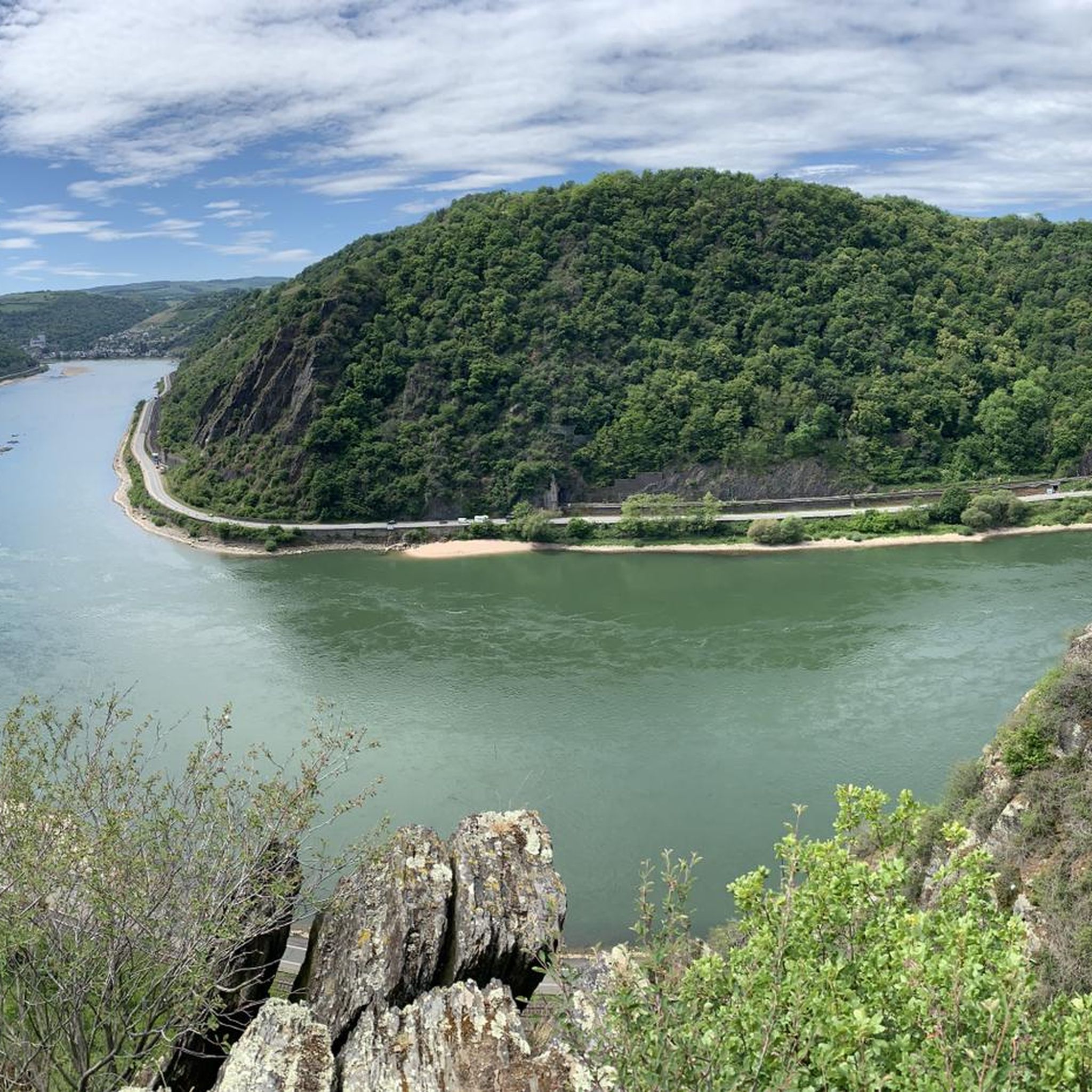
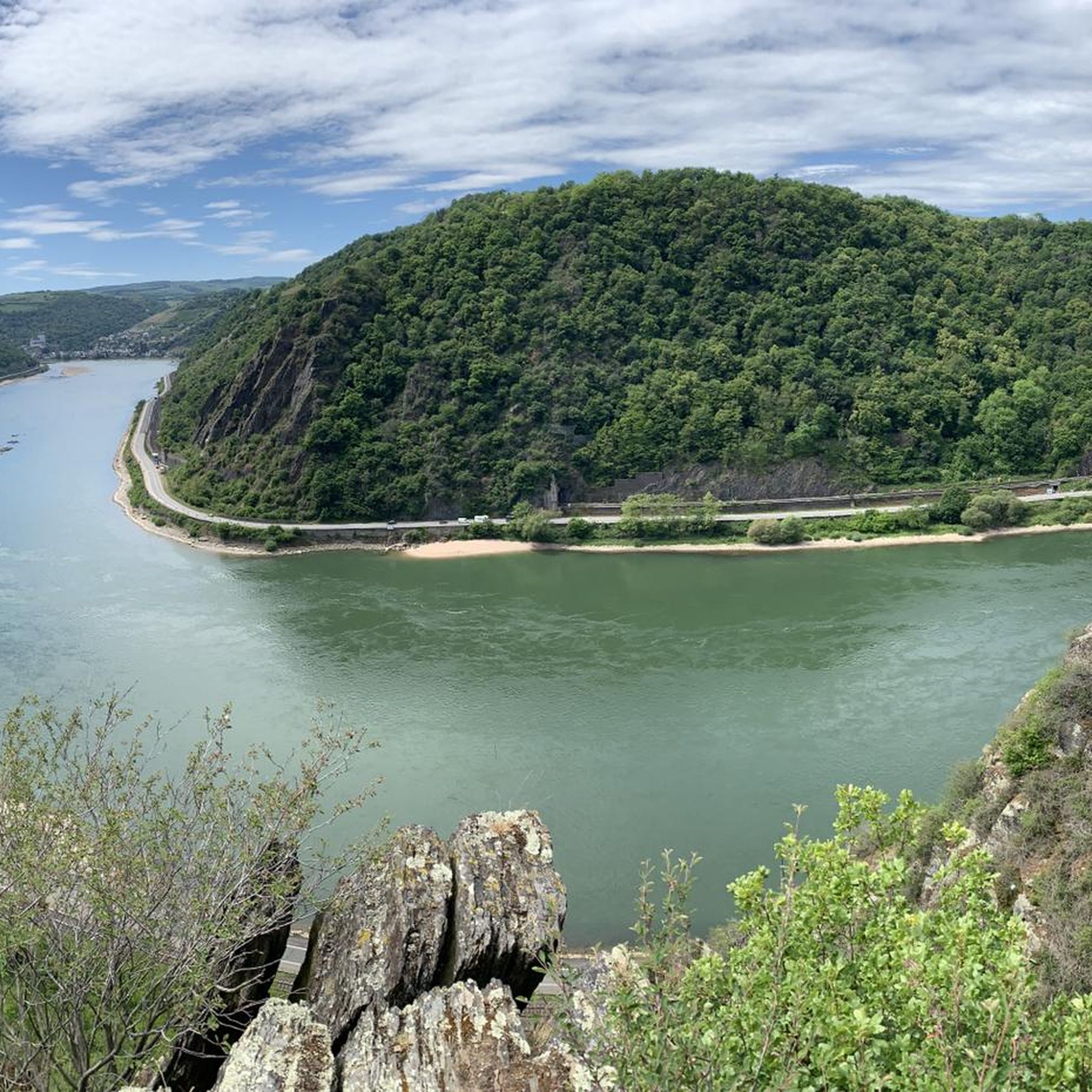
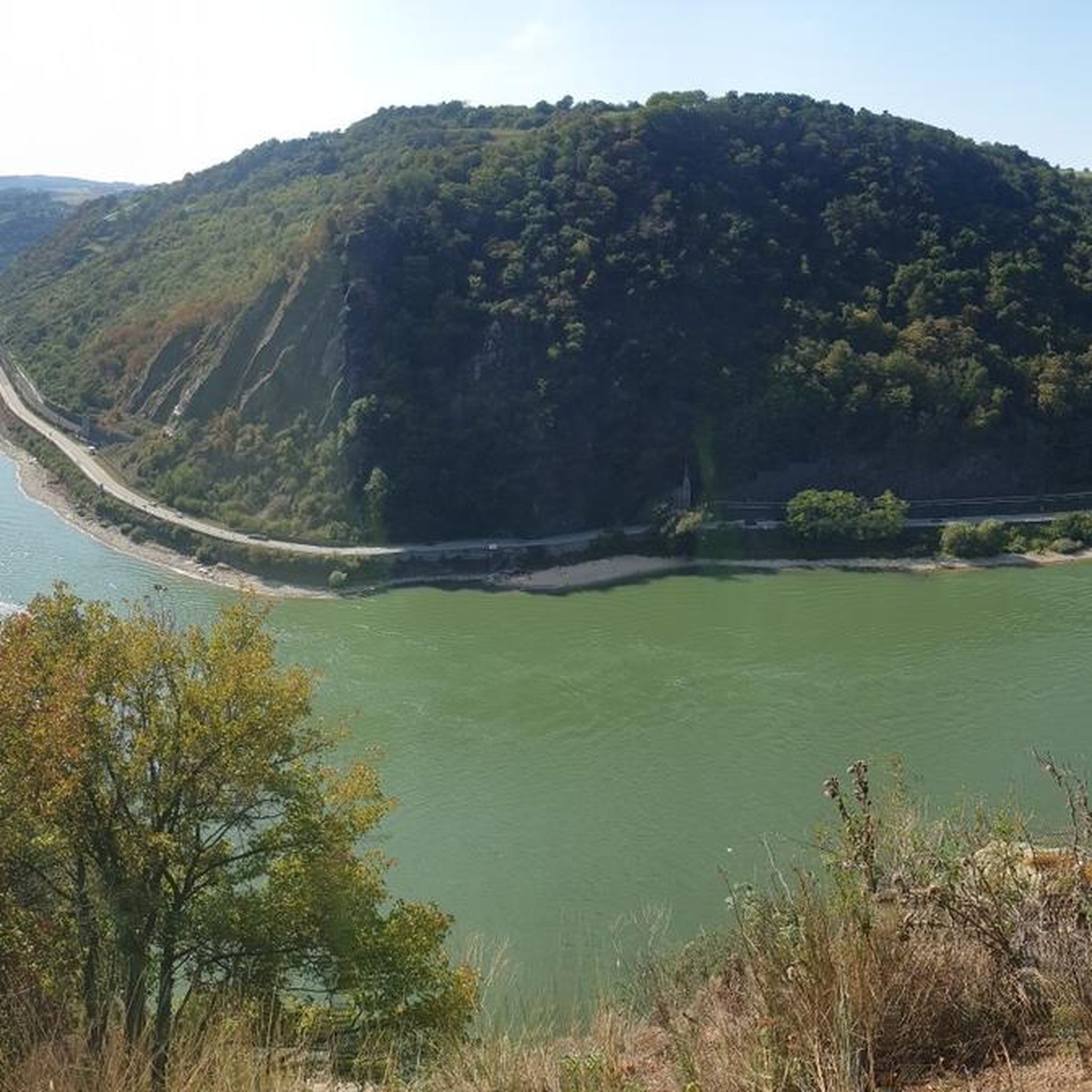
View of the Loreley Rock
Highlight • Viewpoint
Translated by Google •
Tip by

Loreley Statue on the Rhine
Highlight • Monument
Translated by Google •
Tip by

Sign up now to discover places like this
Get recommendations on the best single tracks, peaks, & plenty of other exciting outdoor places.
Sign up for free
Nollig Castle Ruins
Highlight • Castle
Translated by Google •
Tip by

Spitzenstein Observation Tower
Highlight • Viewpoint
History / wing telegraph
Optical telegraphy for the transmission of messages according to the Chappe system. The French technician Claude Chappe developed at the time of the …
Translated by Google •
Tip by

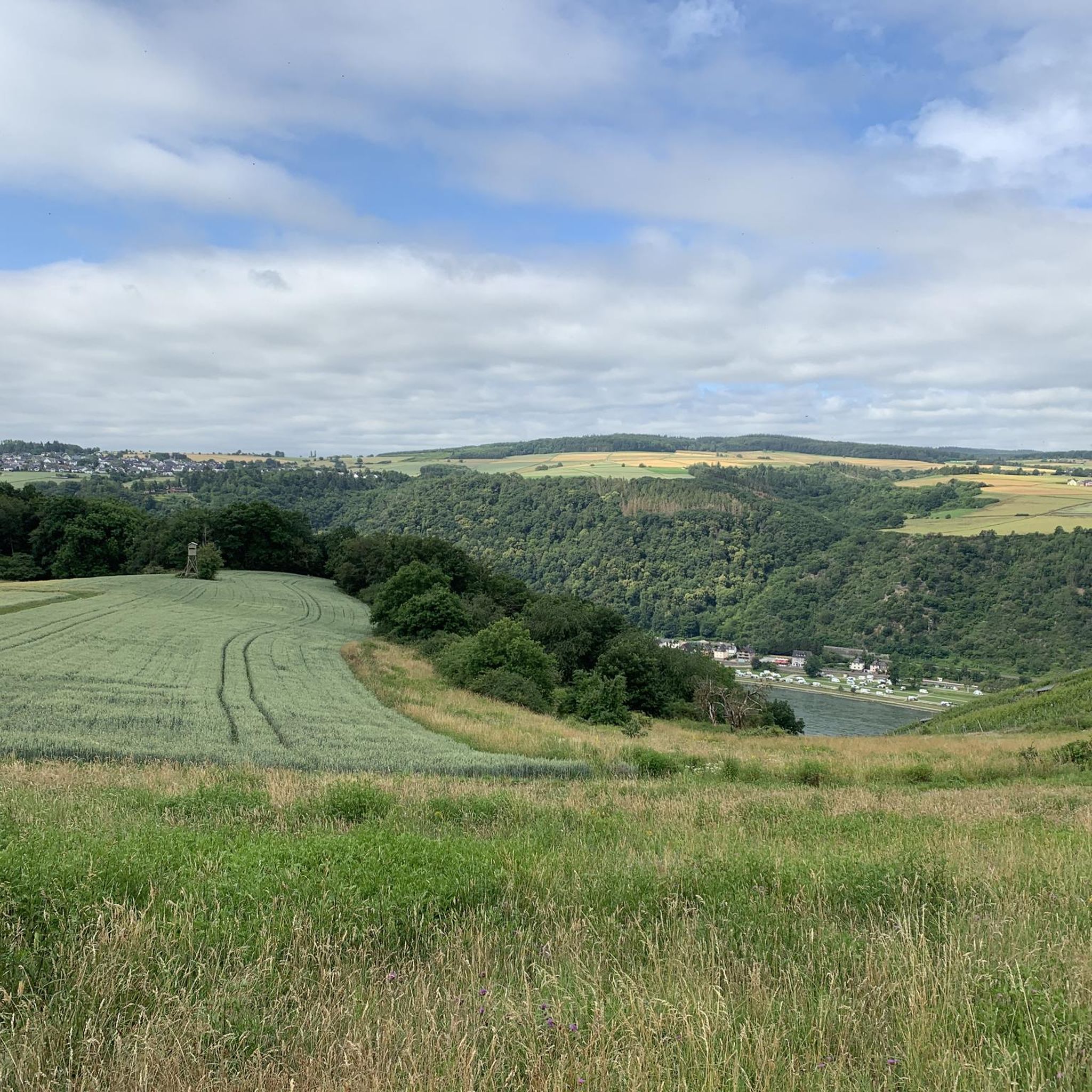
View of Lorch, the Rhine, and Lorcher Werth Island
Highlight • Viewpoint
Translated by Google •
Tip by

Sign up for free to discover even more natural monuments around Sankt Goarshausen.
Sign up for free
Already have an account?
Start today with a free account
Your next adventure awaits.
Login or Signup
Popular around Sankt Goarshausen
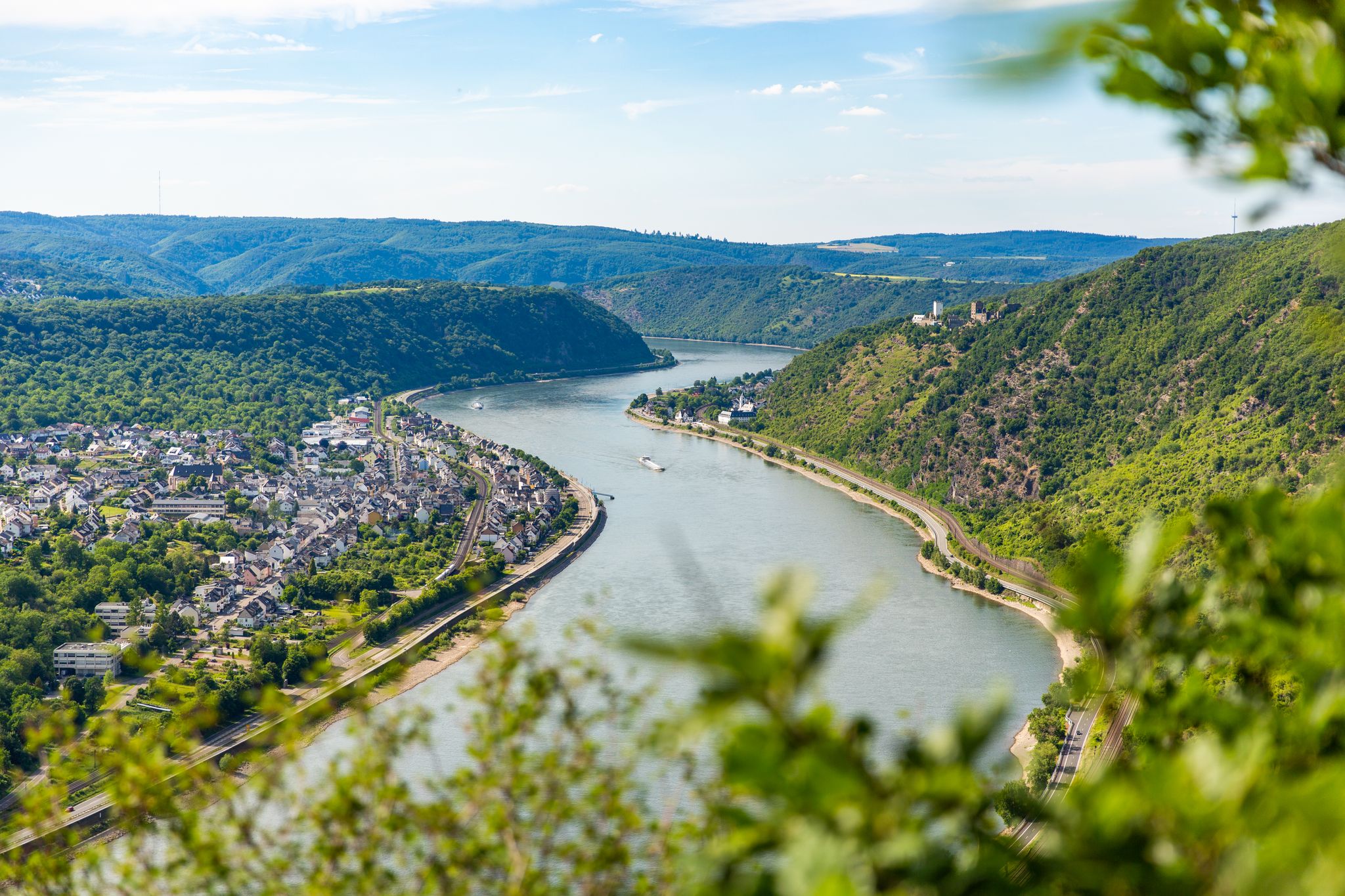
Rheinsteig Trail – The 21 stages along the Rhine
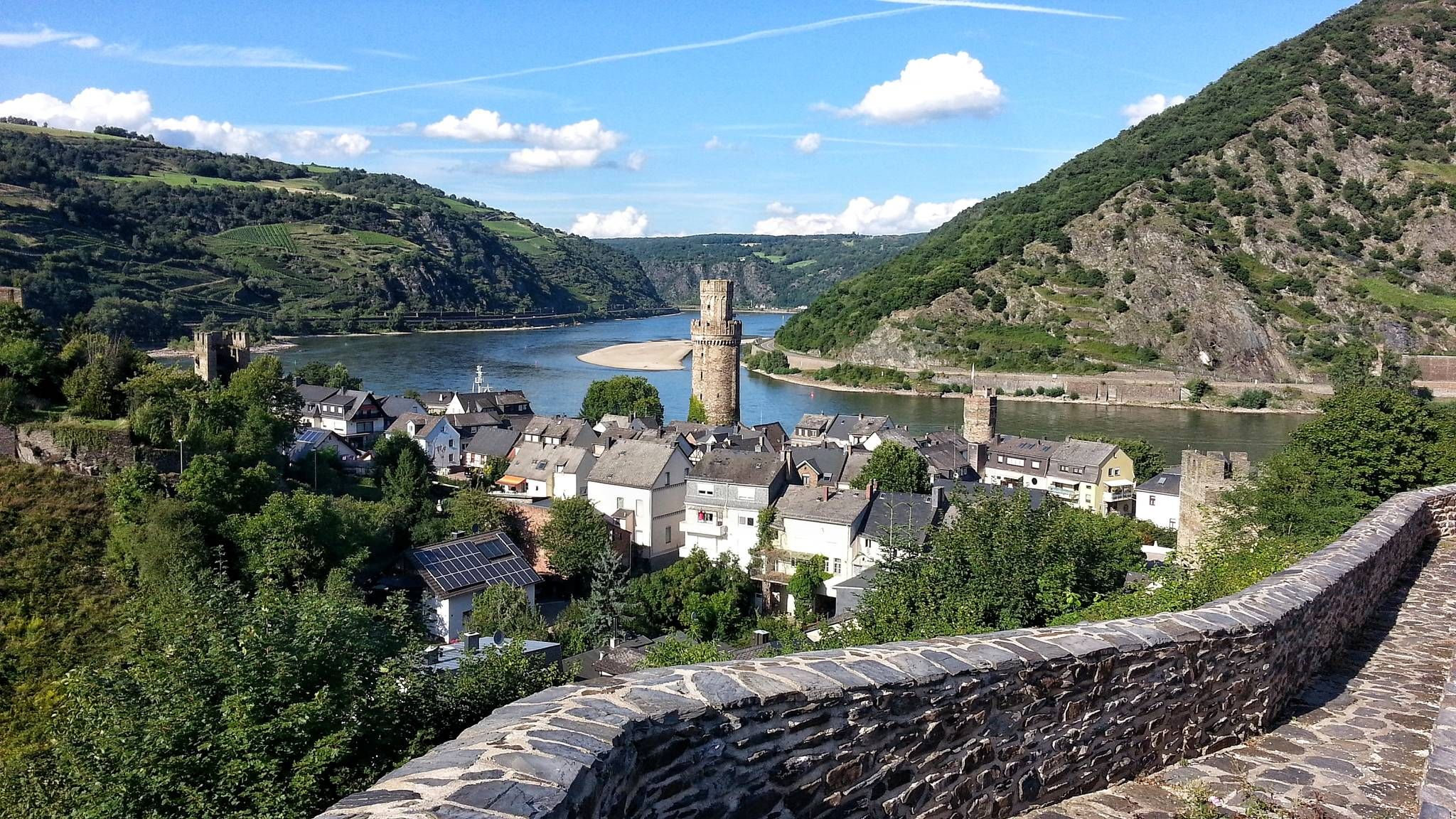
Up and down along the Rhine – adventure on the Rheinsteig
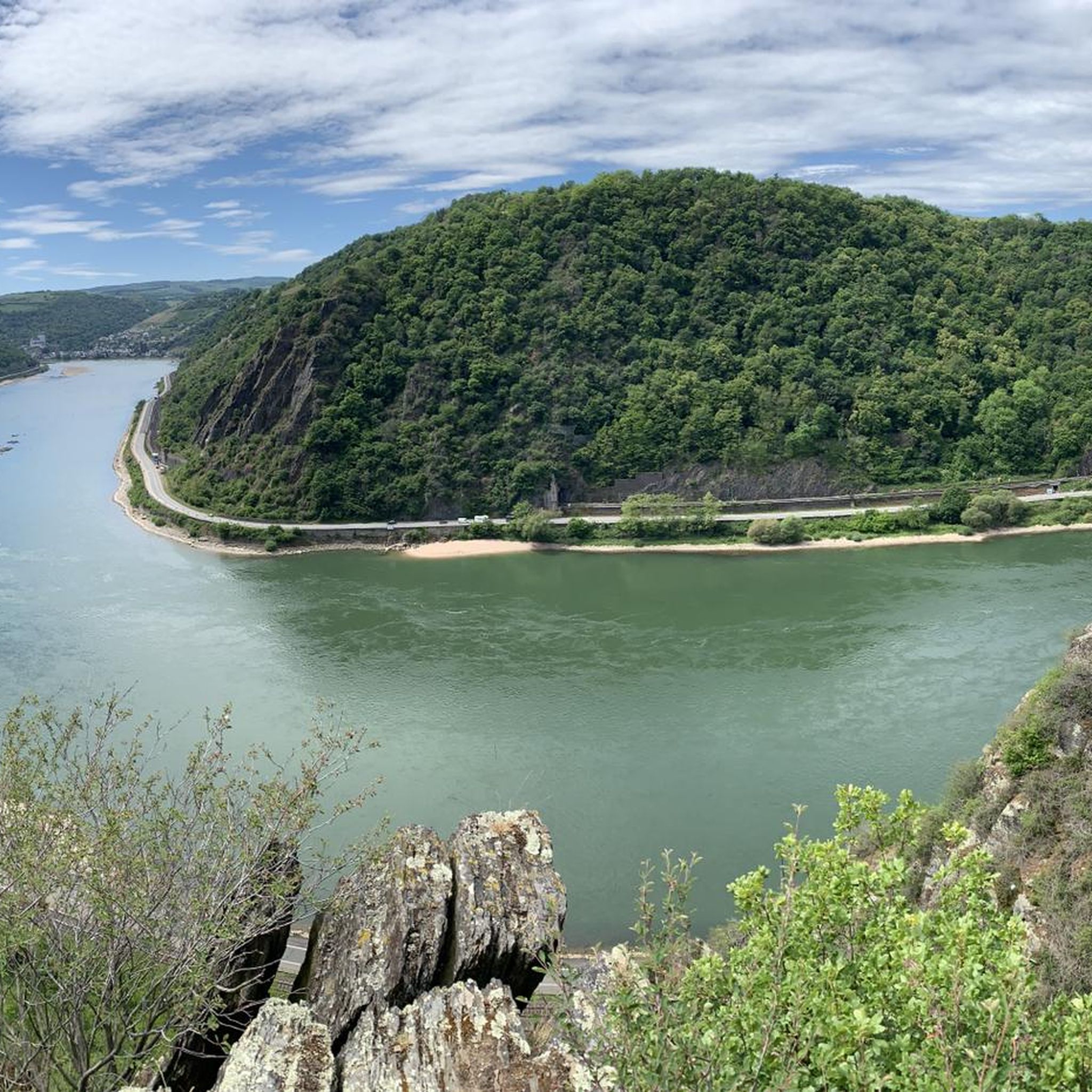
The enchanting Rhine – Day hikes in the Upper Middle Rhine Valley
Hiking around Sankt Goarshausen
Running Trails around Sankt Goarshausen
Cycling around Sankt Goarshausen
Road Cycling Routes around Sankt Goarshausen
MTB Trails around Sankt Goarshausen

Gravel biking around Sankt Goarshausen
Other adventures around Sankt Goarshausen


Tips from the Community

Well chosen spot for the wine view. Located directly below the ruins, there is a great view of the Rhine Valley. Ascent and descent via the Rheinsteig should only be undertaken in dry weather and/or by experienced hikers. Otherwise, please follow the diversion.
9
0

The wing telegraph has been broken for some time and can no longer be adjusted.
6
1

Willi and Ernst also visited the tower: https://youtu.be/rucqpJBsFV8?si=FuZ2WGdvcd_k7GS3.
2
1

Beautiful view of the Rhine Valley, the surrounding vineyards and Lorch am Rhein with the island of Lorcher Werth. Picnic table and viewing bench invite you to take a rest. Really really great!! :-)
8
1

Beautiful view of the Rhine Valley, the surrounding vineyards and Lorch am Rhein with the island of Lorcher Werth. Picnic table and viewing bench invite you to take a rest.
7
1

The descent from here Lorch is not easy.
7
0

From here you have a great view
6
0

Beautiful view of the Rhine
8
0
Frequently Asked Questions
What are the most popular natural monuments to visit around Sankt Goarshausen?
The region offers several highly-rated natural monuments. Among the most popular are the View of the Loreley Rock, which provides panoramic views of the Rhine bends, and the Felsenkanzel Viewpoint Overlooking the Rhine and the Loreley, offering extensive vistas towards Oberwesel. Visitors also frequently enjoy the Spitzenstein Observation Tower for its modern design and excellent views.
Are there family-friendly natural monuments in the Sankt Goarshausen area?
Yes, several natural monuments are suitable for families. The View of the Loreley Rock and the Loreley Statue on the Rhine are both marked as family-friendly. The Loreley plateau itself features a cultural and landscape park, making it an engaging spot for all ages. The Spitzenstein Observation Tower also welcomes families, offering an interesting historical element with its wing telegraph replica.
What kind of natural features can I expect to see around Sankt Goarshausen?
Sankt Goarshausen is situated within the Upper Middle Rhine Valley, a UNESCO World Heritage site. You'll encounter dramatic slate rock formations, such as the iconic Loreley Rock, steep cliffs, and the winding Rhine River. The landscape is characterized by its narrow gorge, offering numerous scenic viewpoints and river vistas. The region also features terraced vineyards and lush natural surroundings.
What historical or cultural sites are integrated with the natural monuments?
The natural monuments in Sankt Goarshausen are often intertwined with history and culture. The Loreley Rock is steeped in German folklore and romanticism, famously associated with a siren. At its base, you'll find the Loreley Statue on the Rhine. The Loreley plateau also hosts a cultural and landscape park. Additionally, the Nollig Castle Ruins, a former watchtower from around 1300, is considered a natural monument due to its integration with the landscape and offers historical context to the region's past.
Are there hiking trails near these natural monuments?
Absolutely. The region is excellent for hiking. You can find numerous trails, including sections of the famous Rheinsteig trail. For specific routes, consider the 'Loreley Statue – Loreley Statue on the Rhine loop from St. Goarshausen' or the 'Spitzenstein Observation Tower – View of the Loreley Rock loop from St. Goarshausen'. You can explore more hiking options on the Hiking around Sankt Goarshausen guide page.
What other outdoor activities can I do near the natural monuments?
Beyond hiking, the area around Sankt Goarshausen is popular for cycling. There are various routes for touring bicycles and road cycling. For instance, you could try the 'View of Katz Castle – View of the Loreley Rock loop from St. Goarshausen' for an easy cycling tour. Discover more cycling routes on the Cycling around Sankt Goarshausen guide page or the Road Cycling Routes around Sankt Goarshausen guide page. Boat trips on the Rhine also offer a unique perspective of the Loreley and surrounding castles.
What is the best time to visit the natural monuments in Sankt Goarshausen?
The Upper Middle Rhine Valley is beautiful year-round, but spring and autumn offer particularly pleasant weather for outdoor activities like hiking and cycling, with vibrant foliage or blooming landscapes. Summer is also popular, especially for boat trips on the Rhine. Winter can provide a unique, serene experience, though some services might be limited.
What do visitors enjoy most about the natural monuments in Sankt Goarshausen?
Visitors consistently praise the breathtaking panoramic views, especially from spots like the View of the Loreley Rock and the Felsenkanzel Viewpoint. The combination of natural grandeur, the dramatic Rhine Gorge, and the rich historical and legendary context of the Loreley makes for a deeply impressive experience. The area's romantic atmosphere and the opportunity to explore castles and charming towns also contribute to its appeal.
Is public transport available to reach the natural monuments?
Sankt Goarshausen is accessible by public transport, including train services along the Rhine. From the town, local buses or walking paths can lead to various natural monuments and viewpoints. For instance, the Loreley plateau is generally accessible, and boat trips on the Rhine offer direct views of the Loreley Rock from the river.
Are there any natural monuments that are particularly good for photography?
Many spots offer fantastic photo opportunities. The View of the Loreley Rock is a prime location for capturing the iconic Rhine bends and surrounding castles. The Felsenkanzel Viewpoint also provides stunning vistas along the Rhine. Even the Nollig Castle Ruins, though privately owned, is noted as a beautiful photo motif against the dramatic landscape.
What is the geological significance of the Loreley Rock?
The Loreley Rock is a steep slate rock formation, rising approximately 132 meters (433 feet) above the Rhine River. It's part of the geological structure of the Middle Rhine Valley, which is characterized by its dramatic cliffs and narrow river gorge carved through ancient slate. The rock's position at a historically dangerous and narrow bend in the Rhine, with strong currents, highlights the powerful natural forces that shaped this landscape.
Most popular routes around Sankt Goarshausen
Most popular attractions around Sankt Goarshausen

Get inspired with the komoot mobile app


Explore more
Extend your search for the best caves by checking out these guides of the top ones around Sankt Goarshausen:
