Top 20 Natural Monuments around Geyer
Best natural monuments around Geyer offer a diverse landscape shaped by geological history and human activity. The region features significant rock formations, deep gorges, and historical mining sites, providing a unique blend of natural beauty and cultural heritage. These natural features provide opportunities for exploration and appreciation of the Erzgebirge region's character. The area is known for its dramatic geological formations and preserved natural spectacles.
Best natural monuments around Geyer
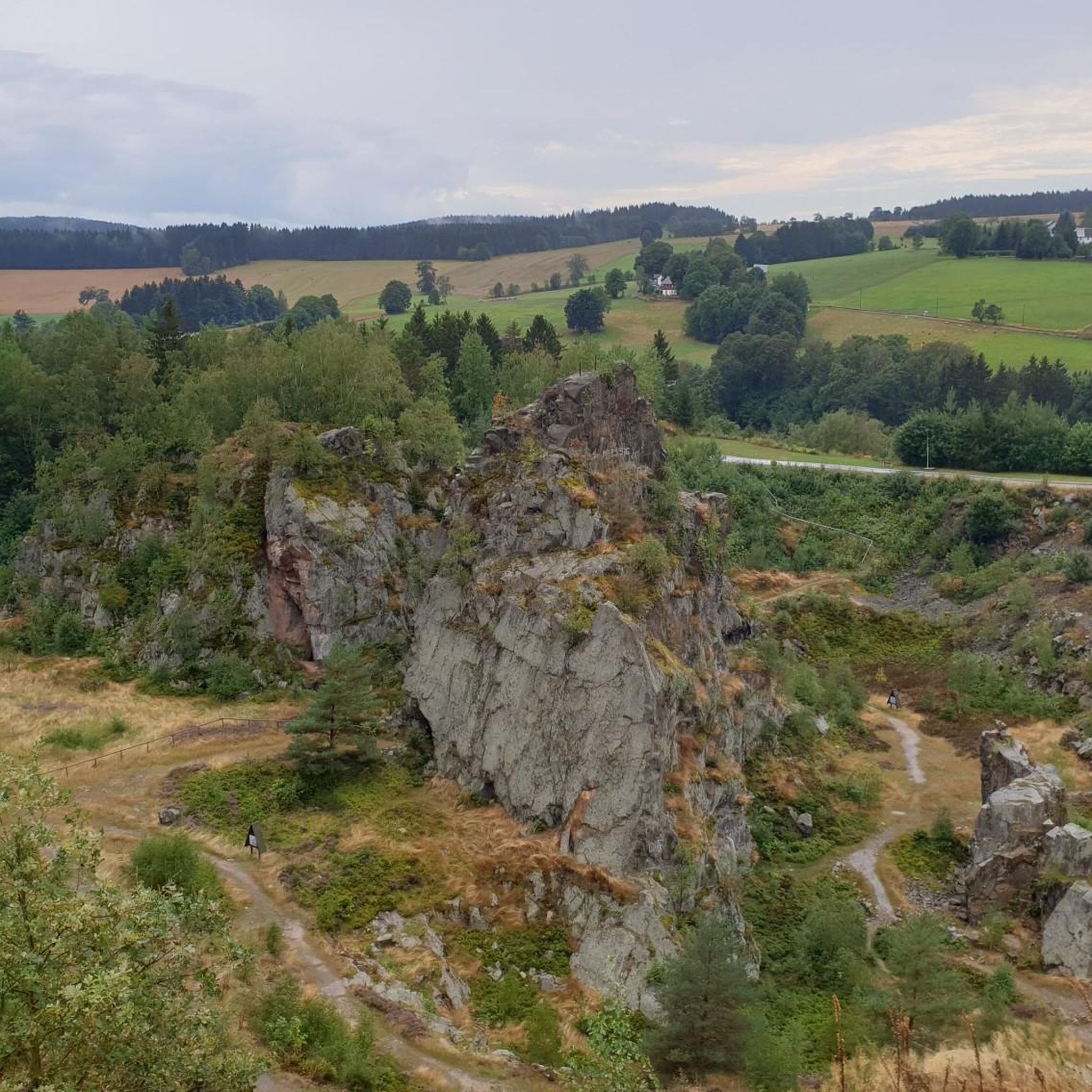
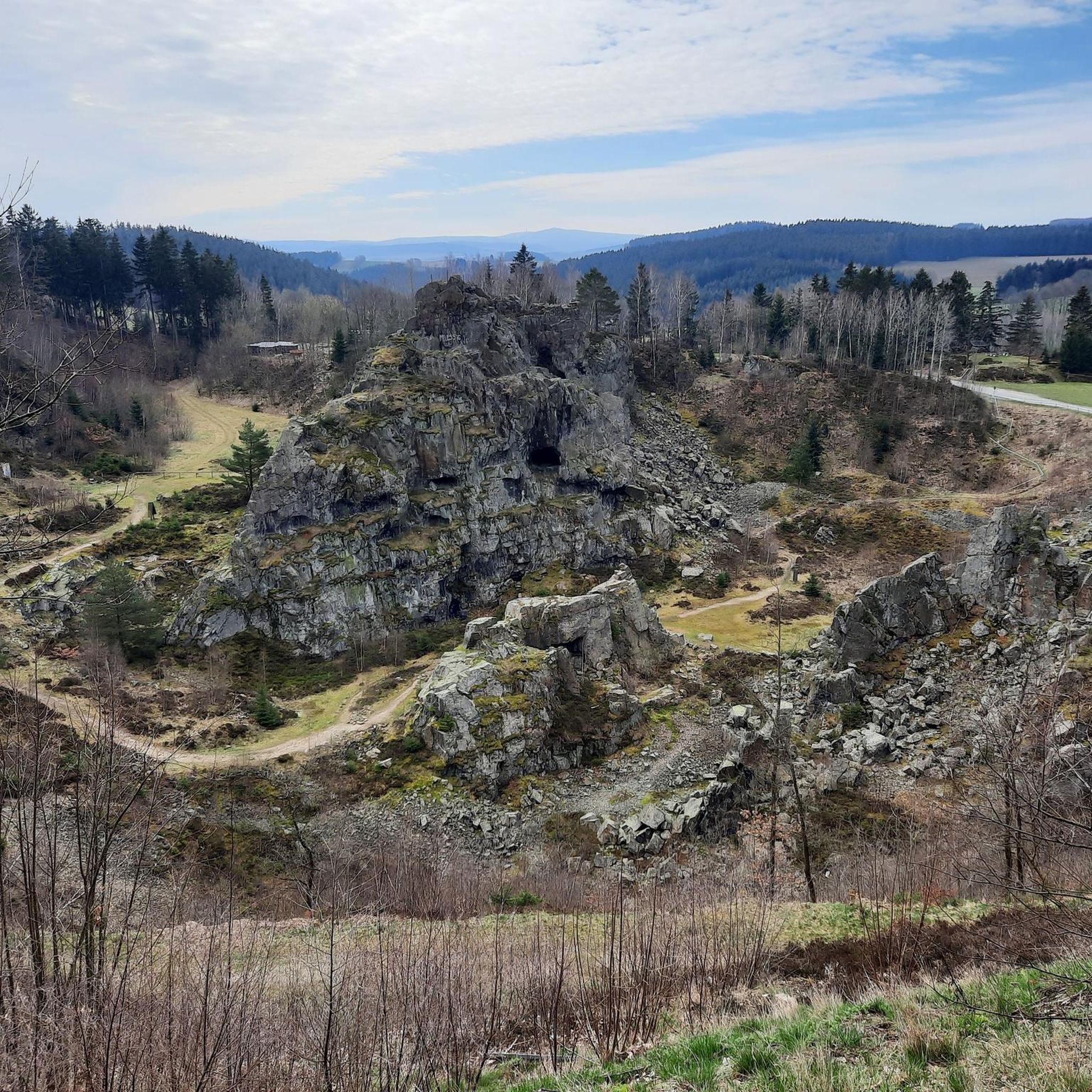
- The most popular natural monuments is Wolkensteiner Schweiz Viewpoint, a viewpoint that offers impressive views into a deep valley. This area features exposed gneiss rock formations, resulting from the erosion of the Zschopau river.
- Another must-see spot is Greifensteine Observation Rock, a natural monument and viewpoint. This rock formation reaches approximately 731 meters above sea level and provides panoramic views of the Erzgebirge peaks and surrounding valleys.
- Visitors also love Bridge Cliff, a viewpoint offering views into the Zschopautal valley. This location is noted for its scenic beauty, especially during autumn.
- Geyer is known for its significant rock formations, deep gorges, and historical mining-related natural monuments. The area offers a variety of natural monuments to see and explore, from dramatic viewpoints to unique geological features.
- The natural monuments around Geyer are appreciated by the komoot community, with more than 2200 upvotes and over 2100 photos shared by visitors.
Last updated: June 24, 2026
Greifensteine Observation Rock
Highlight • Natural Monument
Translated by Google •
Tip by

Bridge Cliff
Highlight • Viewpoint
Translated by Google •
Tip by

Sign up now to discover places like this
Get recommendations on the best single tracks, peaks, & plenty of other exciting outdoor places.
Sign up for free
Wolkensteiner Schweiz Viewpoint
Highlight • Viewpoint
Translated by Google •
Tip by

Wolf Gorge (Wolkenstein Gorge)
Highlight • Gorge
Translated by Google •
Tip by

Stollberg Reservoir (Querenbach Reservoir)
Highlight • Lake
Translated by Google •
Tip by

Sign up for free to discover even more natural monuments around Geyer.
Sign up for free
Already have an account?
Start today with a free account
Your next adventure awaits.
Login or Signup


Tips from the Community

The rock massif between Wolkenstein and Floßplatz, the "Wolkenstein Switzerland", is a great place for hiking with small scrambles and wonderful views, but there are also many opportunities for climbing here 🙃.
16
0

The origin of such a notch could be a geological fault with rock material that is more susceptible to erosion.
5
2
The path through the Wolfsschlucht leads down to the river. This is also where the via ferrata starts.
24
2
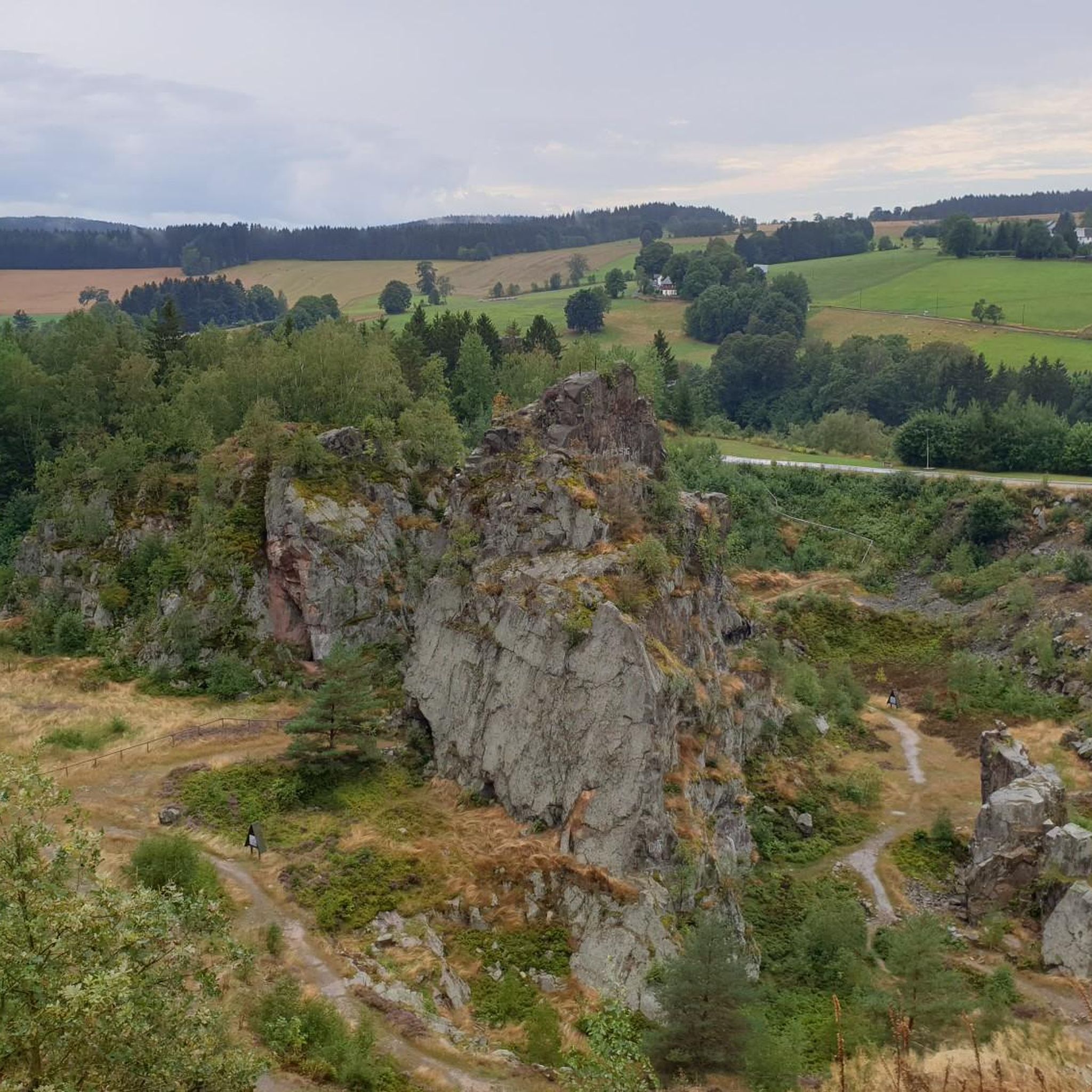
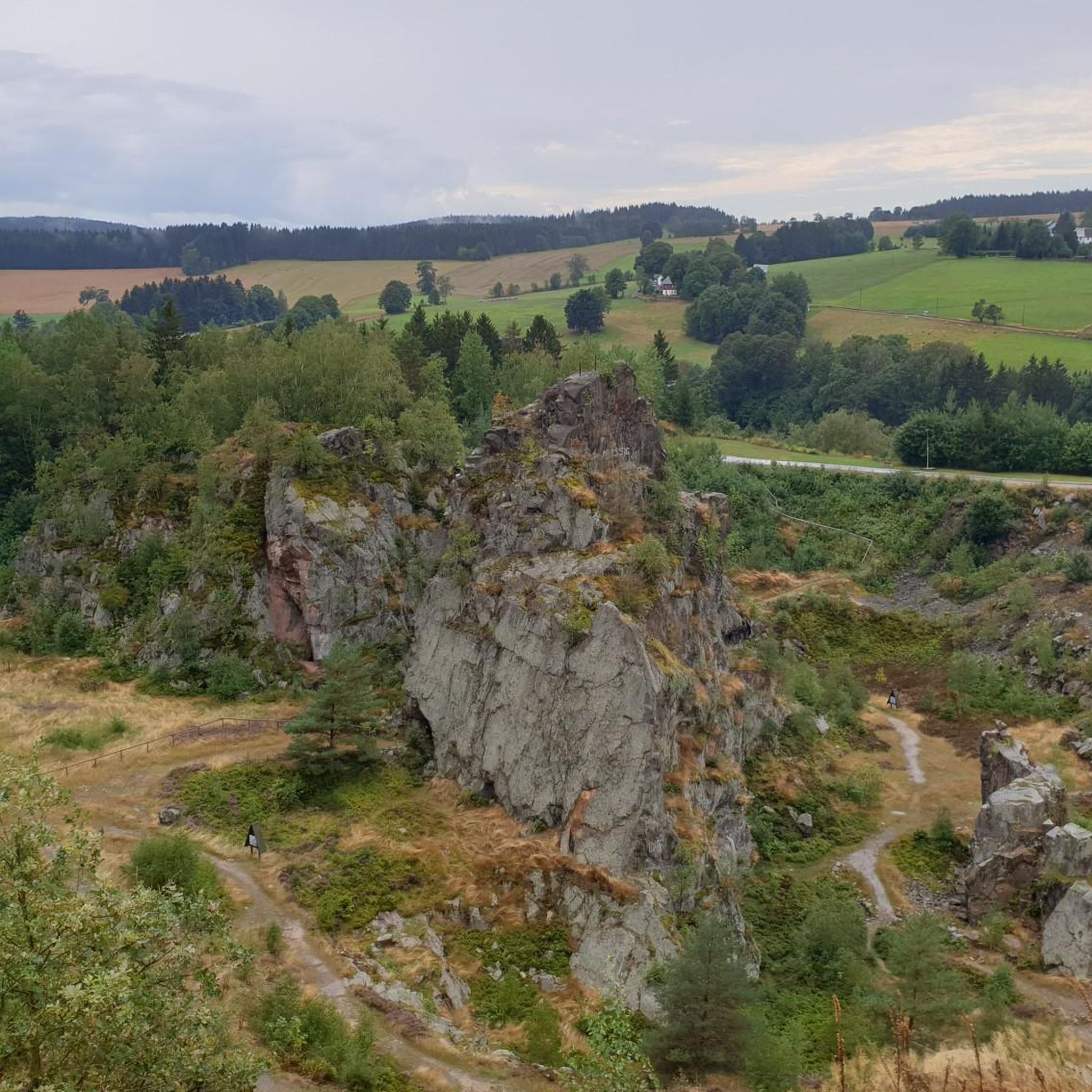
The deep valley with exposed gneiss is the result of the erosion of the Zschopau, which rises on the Fichtelberg and has been flowing in a northerly direction with a greater gradient since the uplift of the Ore Mountains block in the Tertiary period, and flows into the Freiberg Mulde near Döbeln. Steep, often bizarre rock faces are created on steep slopes by the increased flow speed. The most impressive formation is probably an overhanging cliff.
31
1
The sign is located at the access point to the impressive bridge cliff.
32
1
The deep valley with exposed gneiss is the result of the erosion of the Zschopau, which rises on the Fichtelberg and has been flowing in a northerly direction with a greater gradient since the uplift of the Ore Mountains block in the Tertiary period, and flows into the Freiberg Mulde near Döbeln. Steep, often bizarre rock faces are created on steep slopes by the increased flow speed. The most impressive formation is probably an overhanging cliff.
9
0

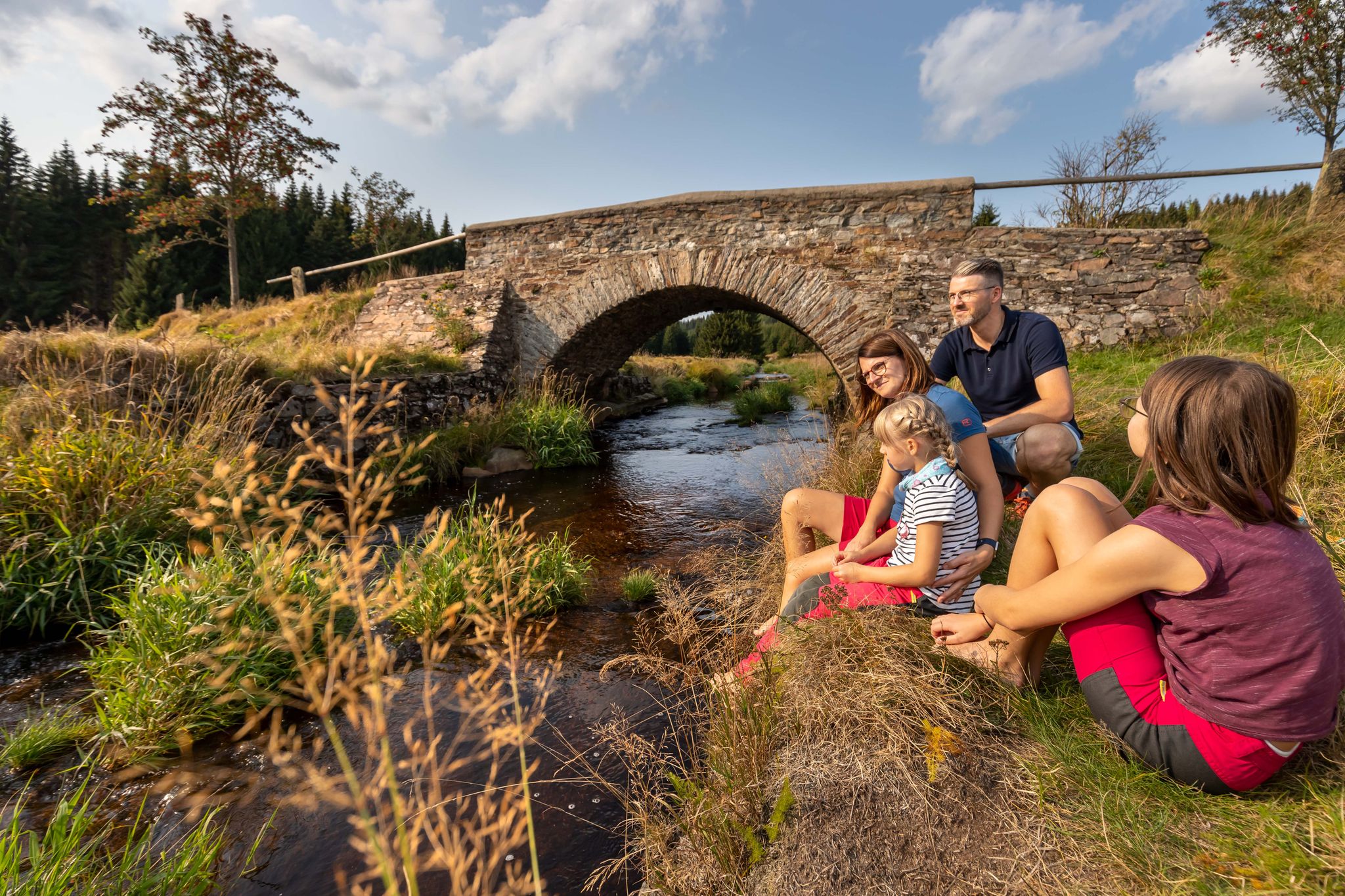
The Stollberg Dam (also called the Querenbach Dam or Querenbach Dam) was built between 1949 and 1954 in the Ore Mountains near Stollberg. The Querenbach Dam supplies Stollberg in Saxony and its surroundings with drinking water and provides flood protection. The water is extracted via a so-called extraction tower in the reservoir.
2
1
An absolute highlight of Wolkenstein Switzerland 🤩
27
1
Frequently Asked Questions
What unique natural features can I explore around Geyer?
Geyer and its surroundings offer a diverse landscape. You can explore the dramatic Geyersche Binge, a massive mining sinkhole with a distinctive rock massif called the 'Knauer' at its center. Other highlights include the impressive rock formations of Greifensteine Observation Rock, which provides panoramic views, and the deep valley views from Wolkensteiner Schweiz Viewpoint, shaped by the Zschopau river's erosion.
Do the natural monuments in Geyer have historical significance?
Yes, many natural monuments in the region are deeply intertwined with history. The Geyersche Binge is a direct result of historical mining operations, specifically the fire-setting technique, leading to its dramatic collapses in the 18th and 19th centuries. The Stollberg Reservoir and the nearby Greifenbachstauweiher also have historical roots, with the latter's dam dating back to the late 14th century, built to support mining activities.
Are there any significant rock formations to see near Geyer?
Absolutely. The Greifensteine Observation Rock is a prominent rock formation and nature reserve, reaching approximately 731 meters above sea level, offering extensive views. Another notable formation is the Bridge Cliff, which provides a breathtaking view into the Zschopautal valley. The Wolkensteiner Schweiz Viewpoint also features exposed gneiss rock formations.
Where can I find water-related natural monuments or recreation areas?
The Stollberg Reservoir (also known as Querenbach Reservoir) is a drinking water dam with good access to the water, making its circumnavigation a rewarding experience. Nearby, at the foot of the Greifensteine, lies the Greifenbachstauweiher, a popular recreation area with a sandy beach and excellent water quality, ideal for relaxation and water activities.
Are there family-friendly natural monuments or activities around Geyer?
Yes, several spots are suitable for families. The Greifenbachstauweiher offers a sandy beach and clean water for swimming and relaxation. The Stollberg Reservoir is also considered family-friendly, with opportunities for walking around the lake. The Bridge Cliff is categorized as family-friendly, and the Wolf Gorge even features a family-friendly via ferrata.
What outdoor activities can I do near these natural monuments?
The region around Geyer offers various outdoor activities. You can find numerous road cycling routes, such as the 'Between Dörfel and Schlettau – Zschopautal Cycle Path loop from Geyer'. For mountain biking, there are trails like the 'Röhrgraben Divider – Geyrischer Teich loop from Sender Geyer'. General cycling routes are also available, including the 'Kneipp Pool with Shelter – Café Annabella Incense Cone loop from Geyer'. You can explore more options on the Road Cycling Routes around Geyer, MTB Trails around Geyer, and Cycling around Geyer guide pages.
Are there hiking trails near the natural monuments?
Yes, the area is excellent for hiking. Many natural monuments, such as the Greifensteine Observation Rock and Wolkensteiner Schweiz Viewpoint, are accessible via trails. The Wolf Gorge has a path leading down to the river, and the Stollberg Reservoir offers a scenic circumnavigation. The region is known for its diverse hiking opportunities, often combining natural beauty with historical insights.
What do visitors enjoy most about the natural monuments around Geyer?
Visitors frequently praise the breathtaking views, especially from spots like Greifensteine Observation Rock and Bridge Cliff. The unique geological formations, such as the exposed gneiss at Wolkensteiner Schweiz Viewpoint, are also highly appreciated. Many find the combination of natural beauty and the historical context of mining, particularly at the Geyersche Binge, to be a compelling experience.
Is the Geyersche Binge accessible to visitors?
The Geyersche Binge is a designated nature reserve and a significant landmark of Geyer. While you can witness its impressive scale and dramatic geological changes, direct access into the deepest parts might be restricted due to safety and preservation efforts. There are viewpoints and paths around the rim that allow visitors to appreciate this unique historical mining sinkhole.
What is the best time to visit the natural monuments for scenic views?
While beautiful year-round, autumn is particularly recommended for scenic views, especially at locations like Bridge Cliff, when the foliage displays vibrant colors. Clear days offer the best panoramic views from elevated points like Greifensteine Observation Rock. Spring and summer also provide lush greenery and pleasant weather for exploration.
Are there any hidden gems among the natural attractions in Geyer?
Beyond the well-known sites, the region holds smaller, equally charming spots. The Wolf Gorge, for instance, offers a path through a natural setting down to the river, providing a more secluded experience. Exploring the various trails can often lead to unexpected viewpoints or tranquil forest clearings that are less frequented.
Most popular attractions around Geyer

Get inspired with the komoot mobile app


Explore more
Extend your search for the best caves by checking out these guides of the top ones around Geyer:
