Top 20 Natural Monuments around Eiterfeld
Best natural monuments around Eiterfeld are found within the landscape between the Rhön and Vogelsberg low mountain ranges in East Hesse. This region offers insights into the area's geology, flora, and history. These sites provide opportunities for hiking and nature observation. Eiterfeld's natural monuments include distinctive basalt formations, ancient trees, and diverse nature reserves.
Best natural monuments around Eiterfeld
- The most popular natural monuments is Soisberg Observation Tower, a viewpoint and summit that offers panoramic views. The ascent to…
Last updated: June 24, 2026
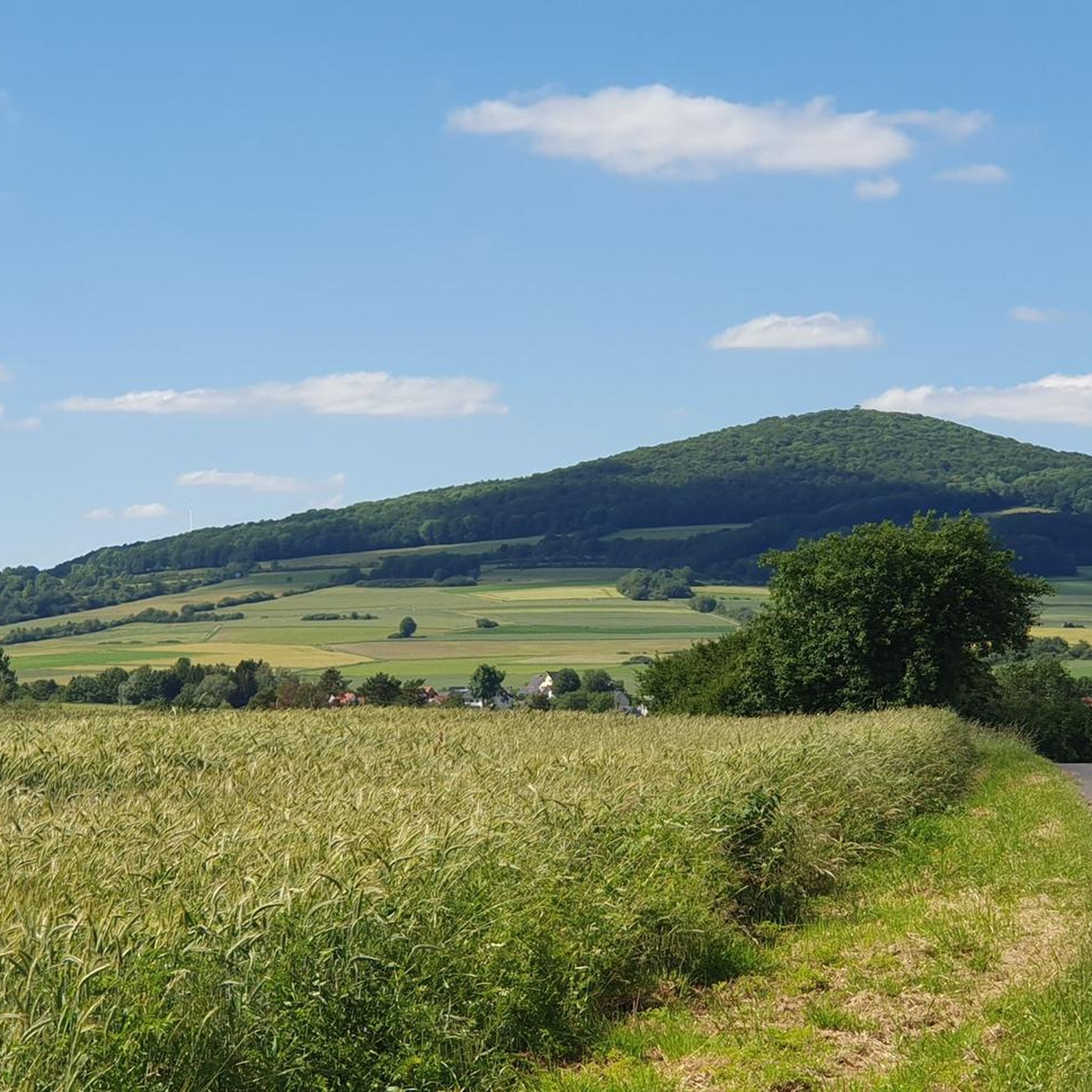
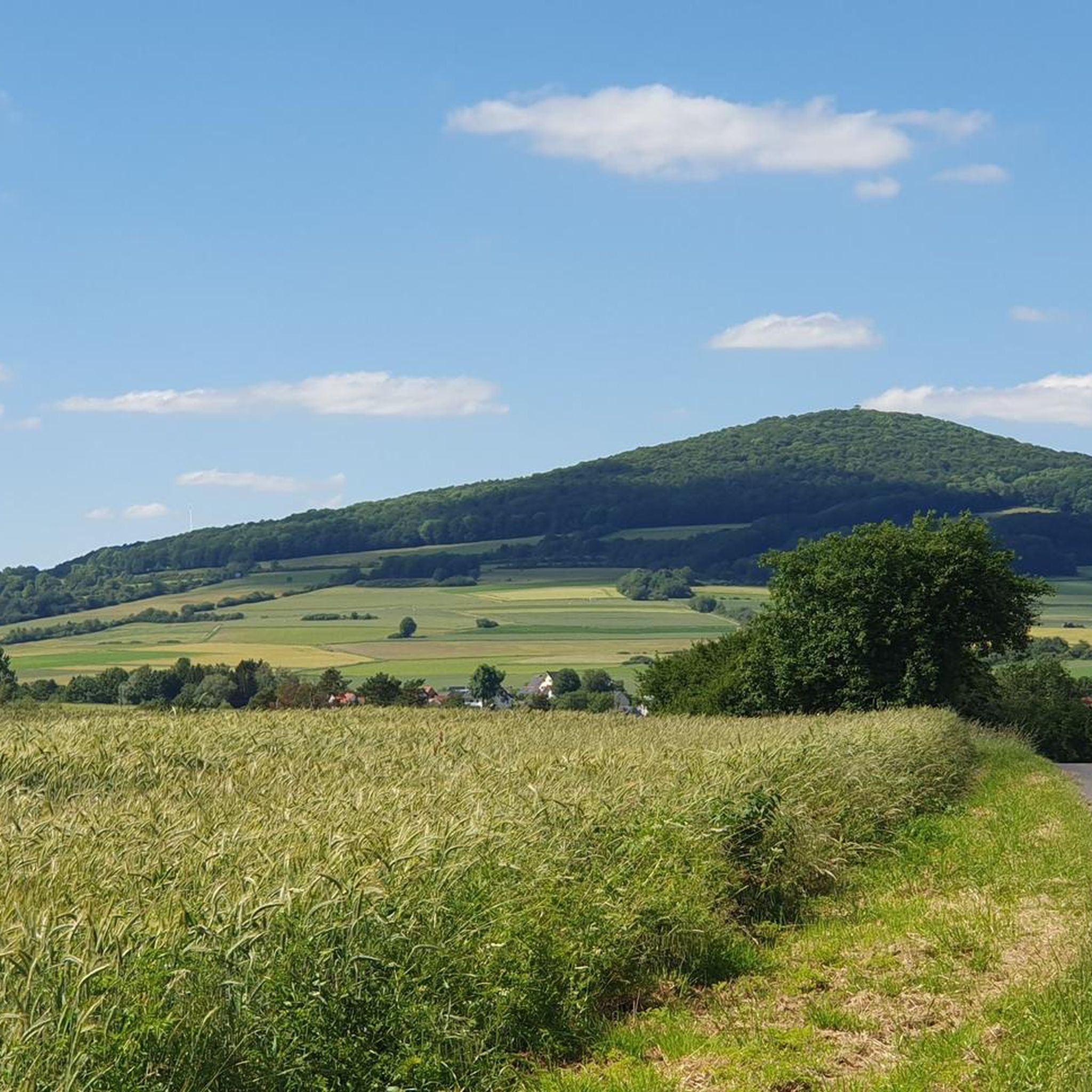
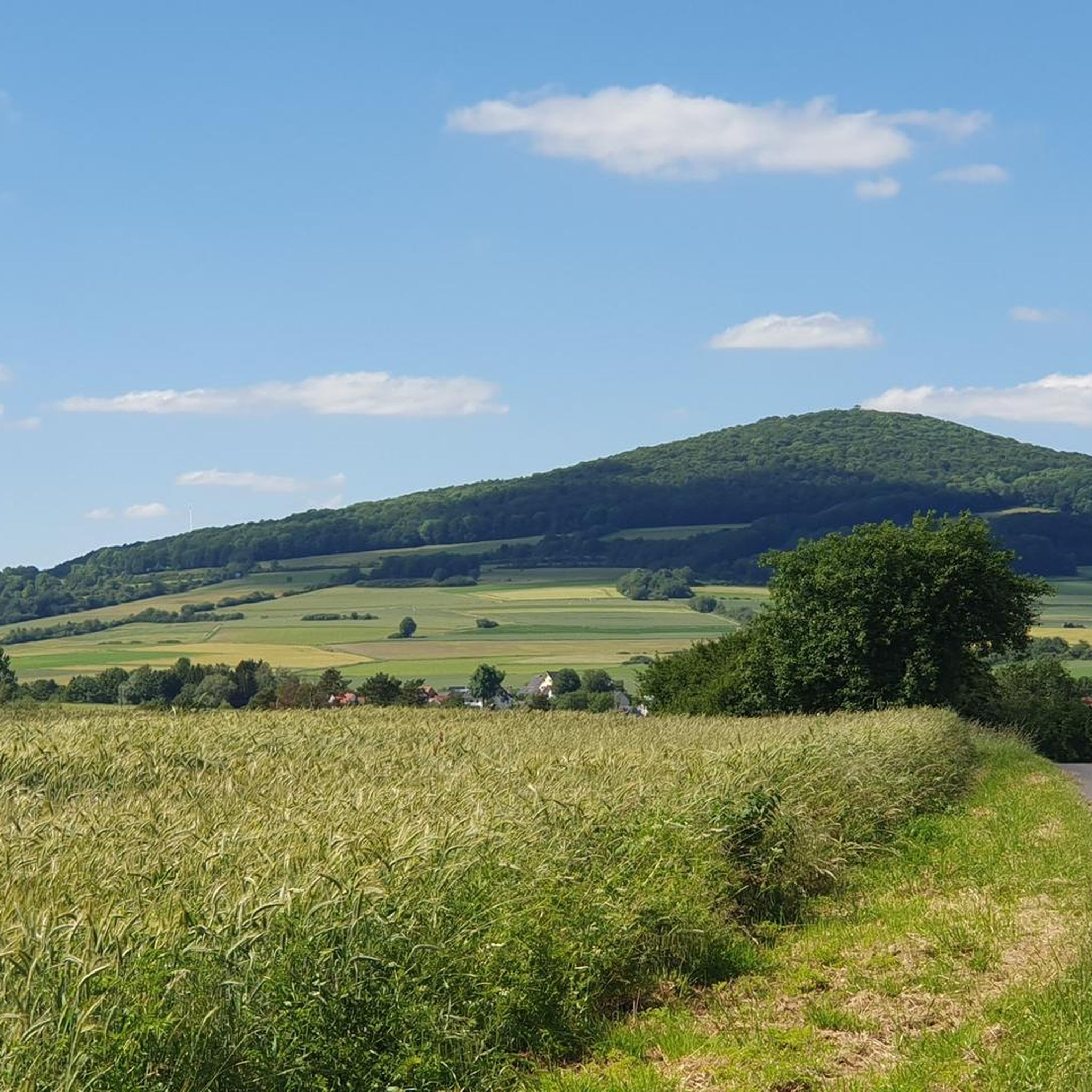
Öchsenberg Summit and Celtic Cross
Highlight • Summit
Translated by Google •
Tip by

Ulmenstein Basalt Lake
Highlight • Lake
Translated by Google •
Tip by

Sign up now to discover places like this
Get recommendations on the best single tracks, peaks, & plenty of other exciting outdoor places.
Sign up for free
Bad Hersfeld Spa House
Highlight • Monument
Translated by Google •
Tip by

Soisberg Observation Tower
Highlight • Viewpoint
Translated by Google •
Tip by

Schenklengsfeld Lime Tree
Highlight • Natural Monument
Translated by Google •
Tip by

Sign up for free to discover even more natural monuments around Eiterfeld.
Sign up for free
Already have an account?
Start today with a free account
Your next adventure awaits.
Login or Signup
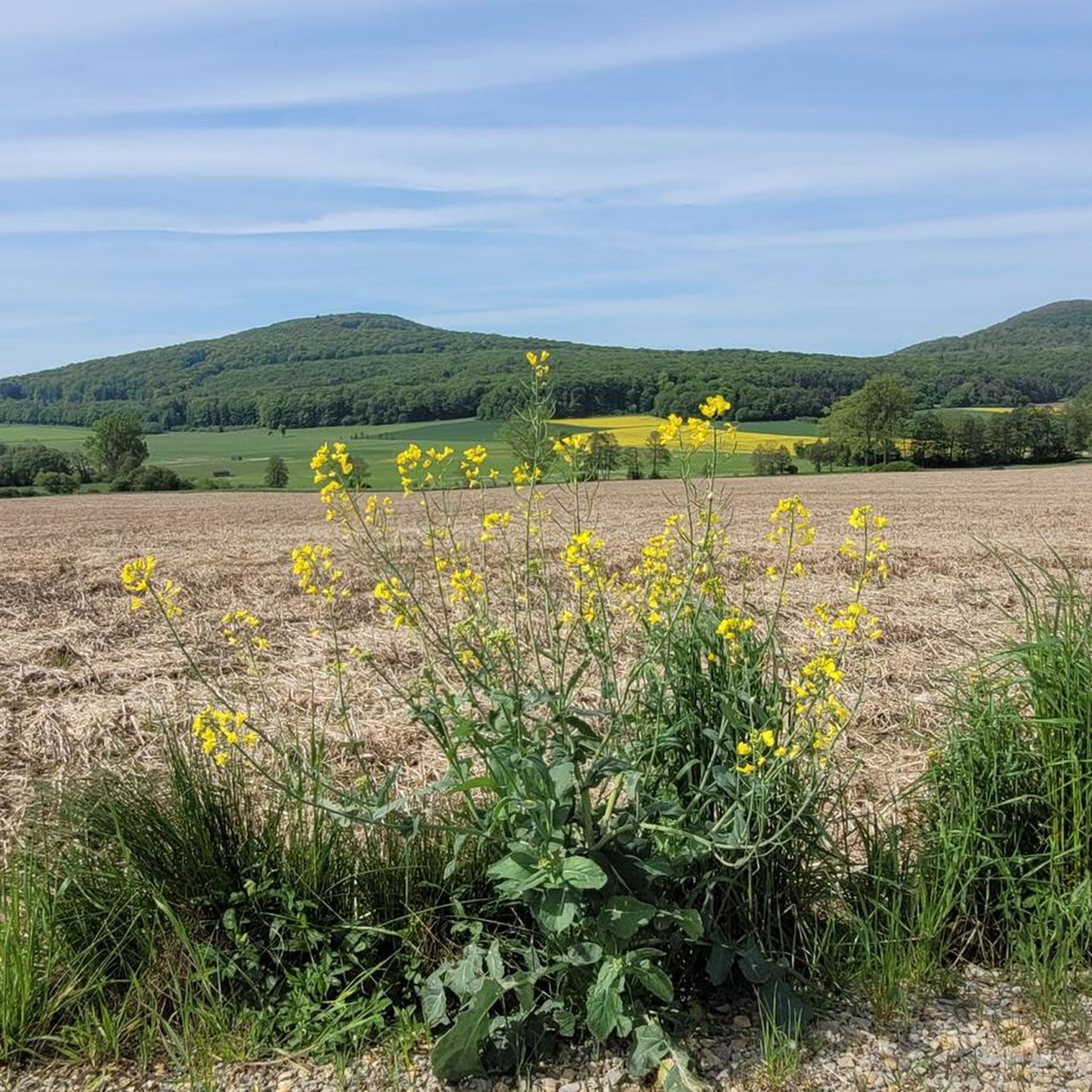
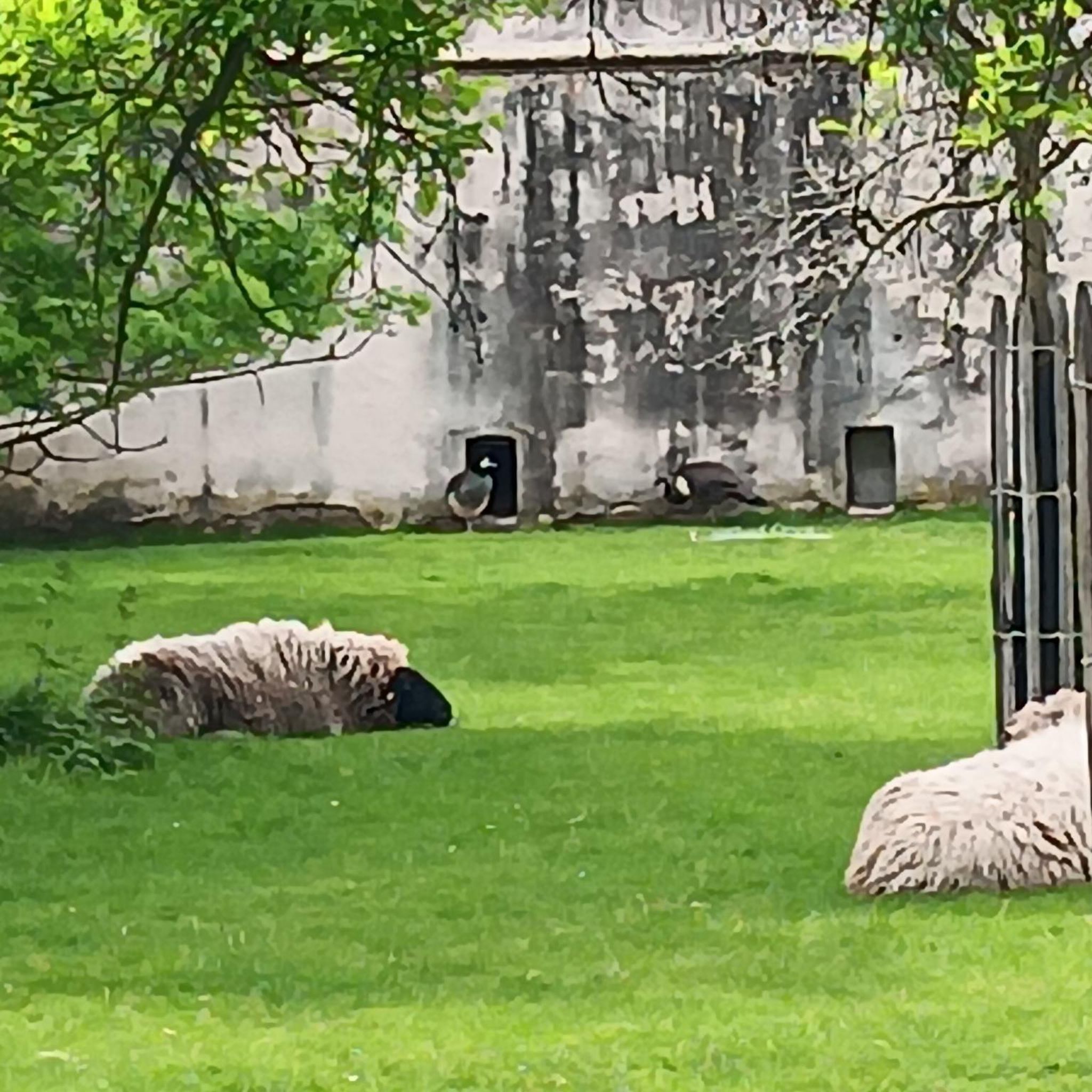
Tips from the Community

A very idyllic spot. Benches and a shelter invite you to take a long rest.
1
0

Basalt used to be mined here. Now it's a lovely place to relax, have a picnic or rest. There's plenty of parking with tables.
5
0

A paradise for those seeking peace and quiet, nature lovers and mountain lake enthusiasts. The basalt lake "Ulmenstein" lies between Hofaschenbach and Mackenzell and is up to 15 metres deep. You can walk around the lake on hiking trails. On the south side there is a barbecue area with seating, a fire pit, a barbecue hut, a shelter and a beautiful view of the lake. A shelter for hikers and cyclists has been built on the north side. In recent years, the Mackenzeller brass choir "Tonica" has given many concerts here at Ulmenstein. Up until 1908, a 70-metre-high basalt dome stood out where the lake is today. This was gradually dismantled and transported on rails via Mackenzell to Nüst and then on to Holland. Up to 270 miners were employed here at the time. After the 70 meters above ground had been removed, the miners set to work up to 30 meters underground to bring basalt columns to light. Around 1928, water broke in and further mining was no longer possible or profitable. Over the decades, today's basalt lake developed in the depths of the quarry due to springs and fissure water. Source: RhönTravel
3
0

Simply beautiful, the perfect place for a long break :)
2
0

Very well-maintained and varied with rest areas
4
0

The spa park, which was laid out in 1906, was completely renovated in 2006/2007 and completed in May 2008.
4
0

This old linden tree is always worth a visit.
5
0
Glad you got the gem
6
0
Frequently Asked Questions
What are some of the most popular natural monuments around Eiterfeld?
Visitors frequently enjoy the Soisberg Observation Tower, which offers panoramic views from its summit. Another highly regarded spot is the Öchsenberg Summit and Celtic Cross, a basalt mountain within the Rhön Biosphere Reserve. The Ulmenstein Basalt Lake is also a favorite for relaxation and hiking.
What unique geological features can I explore in the Eiterfeld region?
The Eiterfeld region is characterized by its distinctive basalt formations, a result of ancient volcanic activity. The Öchsenberg is a prominent basalt mountain, and the Lichtberg, part of the 'Hessisches Kegelspiel,' showcases impressive conical basalt peaks and hexagonal basalt columns. The Ulmenstein Basalt Lake is another site where basalt was once mined, now a tranquil natural monument.
Are there family-friendly natural monuments around Eiterfeld?
Yes, several natural monuments are suitable for families. The Ulmenstein Basalt Lake is ideal for picnicking and light hiking. The Soisberg Observation Tower is also considered family-friendly, with accessible routes to the summit. Additionally, the Schenklengsfeld Lime Tree offers a shady, historically significant spot for all ages.
What historical natural monuments can I visit in the Eiterfeld area?
The Schenklengsfeld Lime Tree is a significant historical natural monument, estimated to be around 1,200 years old and considered one of Germany's oldest trees. It served as a court lime tree and remains a central symbol of the community. The Standorfsberg Nature Reserve also holds historical significance due to its proximity to the former inner-German border.
What outdoor activities can I do near the natural monuments in Eiterfeld?
The area around Eiterfeld offers diverse outdoor activities. You can find numerous routes for mountain biking, running, and cycling. For example, there are MTB trails like the 'Klausmarbach Viaduct – Hessian Kegelspiel loop'. Running trails include the 'Schloss Buchenau loop', and cycling routes like the 'Solztal Cycle Path' are popular.
Are there hiking trails associated with Eiterfeld's natural monuments?
Yes, many natural monuments are integrated into hiking routes. The Öchsenberg Summit and Celtic Cross is a highlight along the 'Celtic Path' hiking route. The Soisberg Observation Tower is easily reachable via various hiking paths, including a circular route from Ufhausen. The Ulmenstein Basalt Lake is also a popular spot for hikers.
What is the best time to visit the natural monuments in Eiterfeld?
The natural monuments around Eiterfeld are beautiful year-round, but spring and summer are particularly vibrant. The Standorfsberg Nature Reserve, for instance, is known for its rare plant species that flourish during these seasons. For hiking and enjoying panoramic views, clear days in spring, summer, and autumn are ideal.
Are there accessible natural monuments in Eiterfeld for visitors with mobility needs?
The Bad Hersfeld Spa House and its surrounding spa park are noted as wheelchair accessible, offering a well-kept environment with drinking springs. While not a rugged natural monument, it provides an accessible natural setting to enjoy.
Where can I find parking when visiting natural monuments in Eiterfeld?
Parking is generally available near popular natural monuments. For the Ulmenstein Basalt Lake, there are dedicated parking spaces with tables. When visiting the Soisberg Observation Tower, you can find parking in villages like Soislieden (in the village or at the cemetery) or Ufhausen (in the center or at the DGH).
What do visitors enjoy most about the natural monuments in Eiterfeld?
Visitors consistently praise the stunning panoramic views, especially from spots like the Soisberg Observation Tower and Öchsenberg Summit. The geological significance of the basalt formations and the rich biodiversity, including rare plants, are also highly appreciated. Many enjoy the tranquility and the opportunity for relaxation and picnicking at places like the Ulmenstein Basalt Lake.
Can I find routes for cycling near Eiterfeld's natural monuments?
Yes, the Eiterfeld area is well-suited for cycling. You can explore various cycling routes, including loops along the Solztal Cycle Path or routes connecting to landmarks like the Klausmarbach Viaduct. These routes often pass through or near the picturesque landscapes where natural monuments are located.
Are dogs allowed on trails around Eiterfeld's natural monuments?
While specific rules can vary by location, generally, dogs are welcome on trails around Eiterfeld's natural monuments, especially if kept on a leash. It's always a good idea to be mindful of local regulations, especially in nature reserves like Standorfsberg, to protect the local flora and fauna.
Most popular routes around Eiterfeld
Most popular attractions around Eiterfeld

Get inspired with the komoot mobile app


Explore more
Extend your search for the best caves by checking out these guides of the top ones around Eiterfeld:
