Top 20 Natural Monuments around Zierenberg
Best natural monuments around Zierenberg are found in a region characterized by its geological wonders and historical significance, nestled within the district of Kassel. The area features ancient volcanic remnants and diverse landscapes, offering a blend of natural beauty and cultural heritage. Visitors can explore striking basalt formations and elevated viewpoints that provide extensive vistas. This makes Zierenberg a notable destination for experiencing natural features and outdoor activities.
Best natural monuments around Zierenberg
- The most popular natural monuments is Helfensteine…
Last updated: May 11, 2026
Hercules Monument, Wilhelmshöhe Mountain Park
Highlight • Monument
Translated by Google •
Tip by

Neptune Basin and the Cascades, Bergpark Wilhelmshöhe
Highlight • Monument
Translated by Google •
Tip by

Sign up now to discover places like this
Get recommendations on the best single tracks, peaks, & plenty of other exciting outdoor places.
Sign up for free
View of Kassel from the Bergpark Wilhelmshöhe
Highlight • Viewpoint
Translated by Google •
Tip by

Helfensteine
Highlight • Natural Monument
Translated by Google •
Tip by

Hoher Dörnberg
Highlight • Summit
Translated by Google •
Tip by

Sign up for free to discover even more natural monuments around Zierenberg.
Sign up for free
Already have an account?
Start today with a free account
Your next adventure awaits.
Login or Signup
Popular around Zierenberg
Habichtswaldsteig through Northern Hesse – Hiking where goshawks fly
The National Natural Landscapes in Hessen
Hiking around Zierenberg
Cycling around Zierenberg
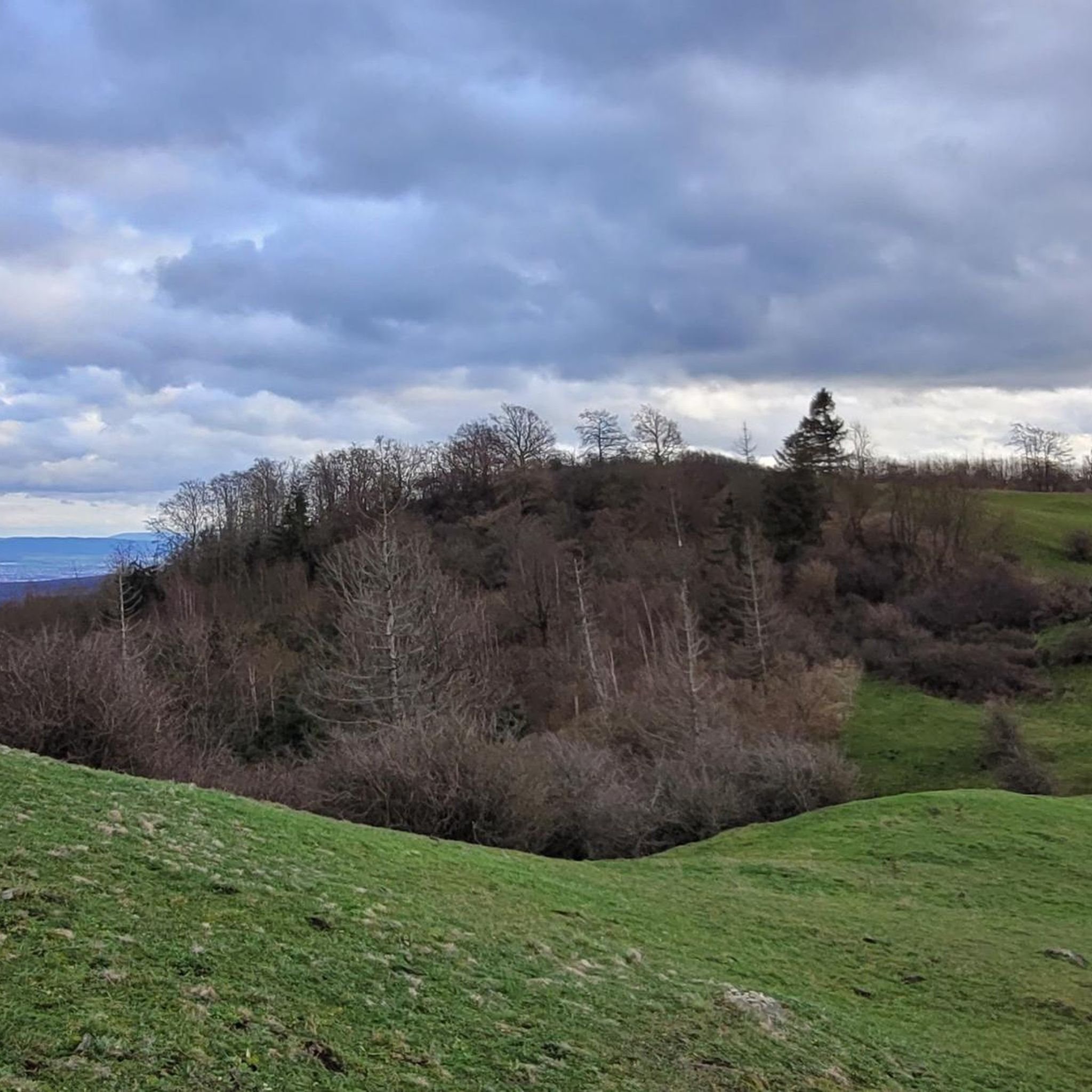
Running Trails around Zierenberg
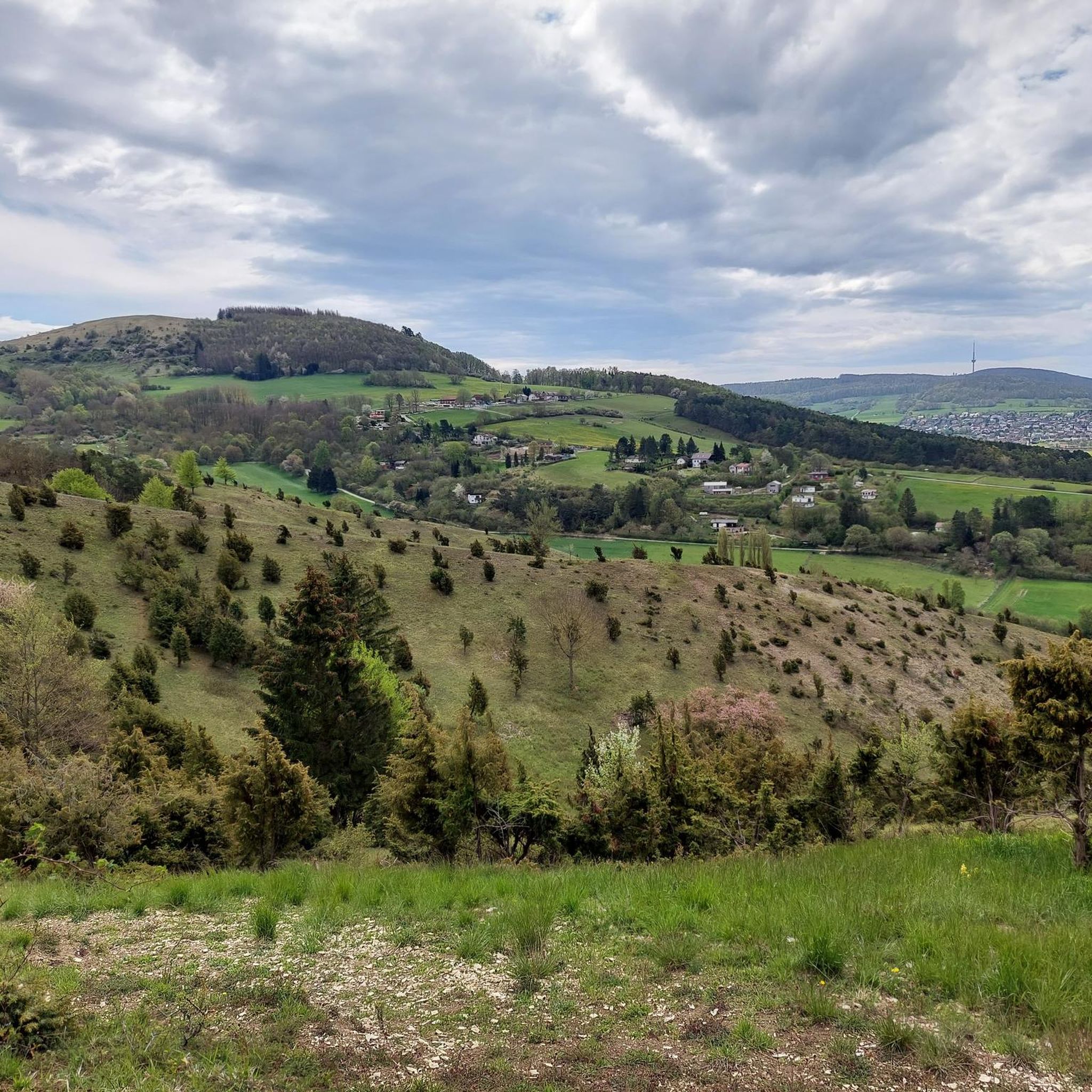
Road Cycling Routes around Zierenberg
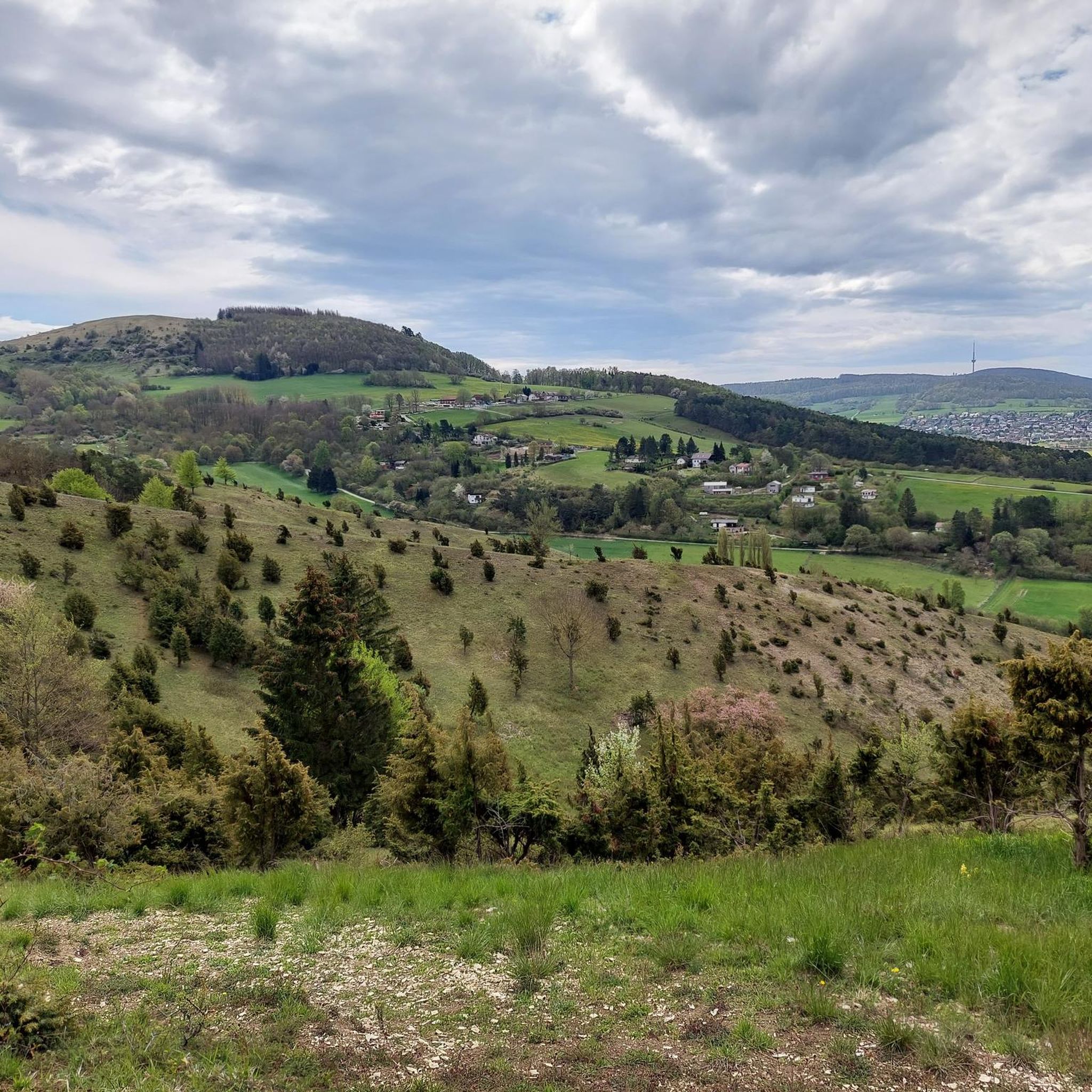
MTB Trails around Zierenberg
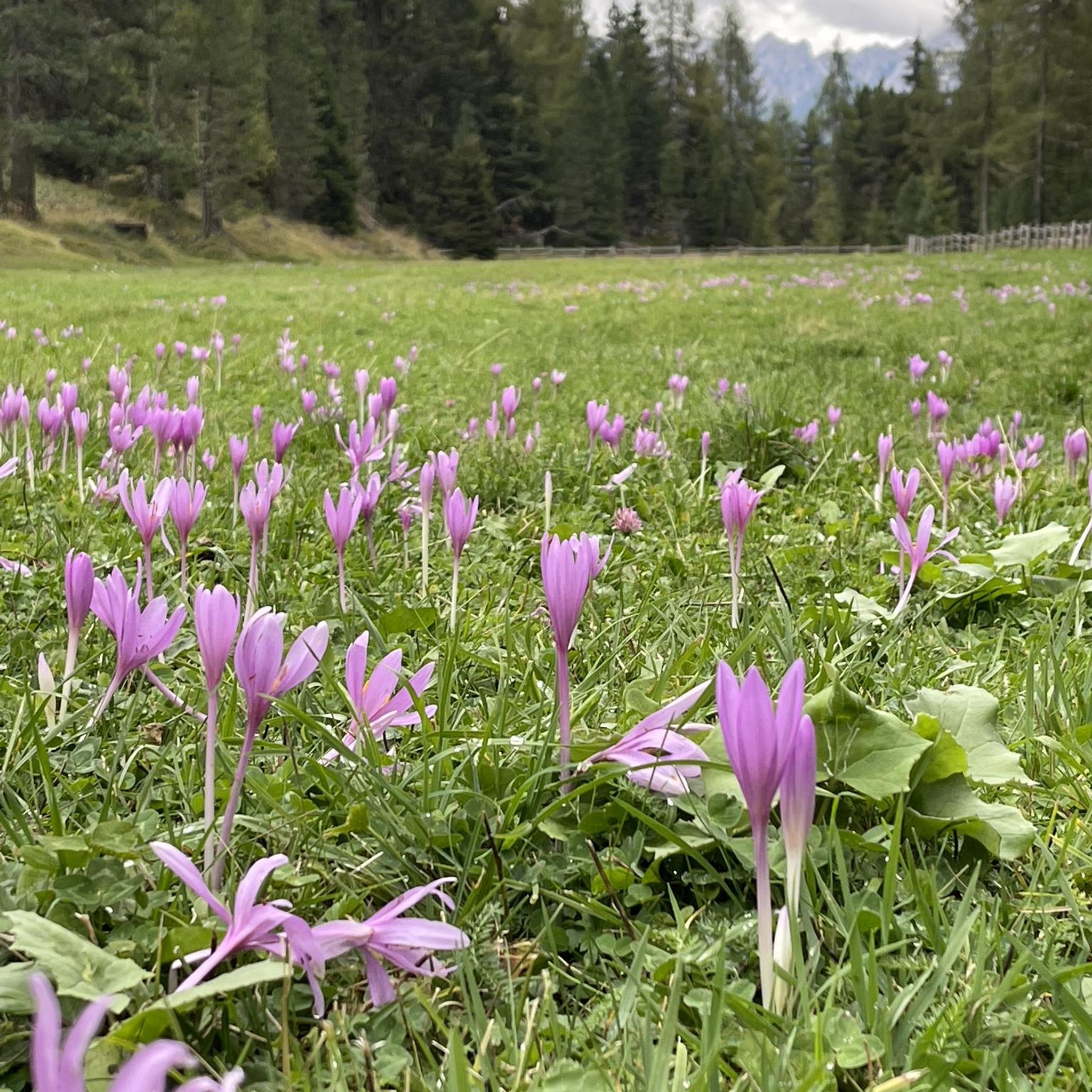
Gravel biking around Zierenberg
Mountain Hikes around Zierenberg


Tips from the Community

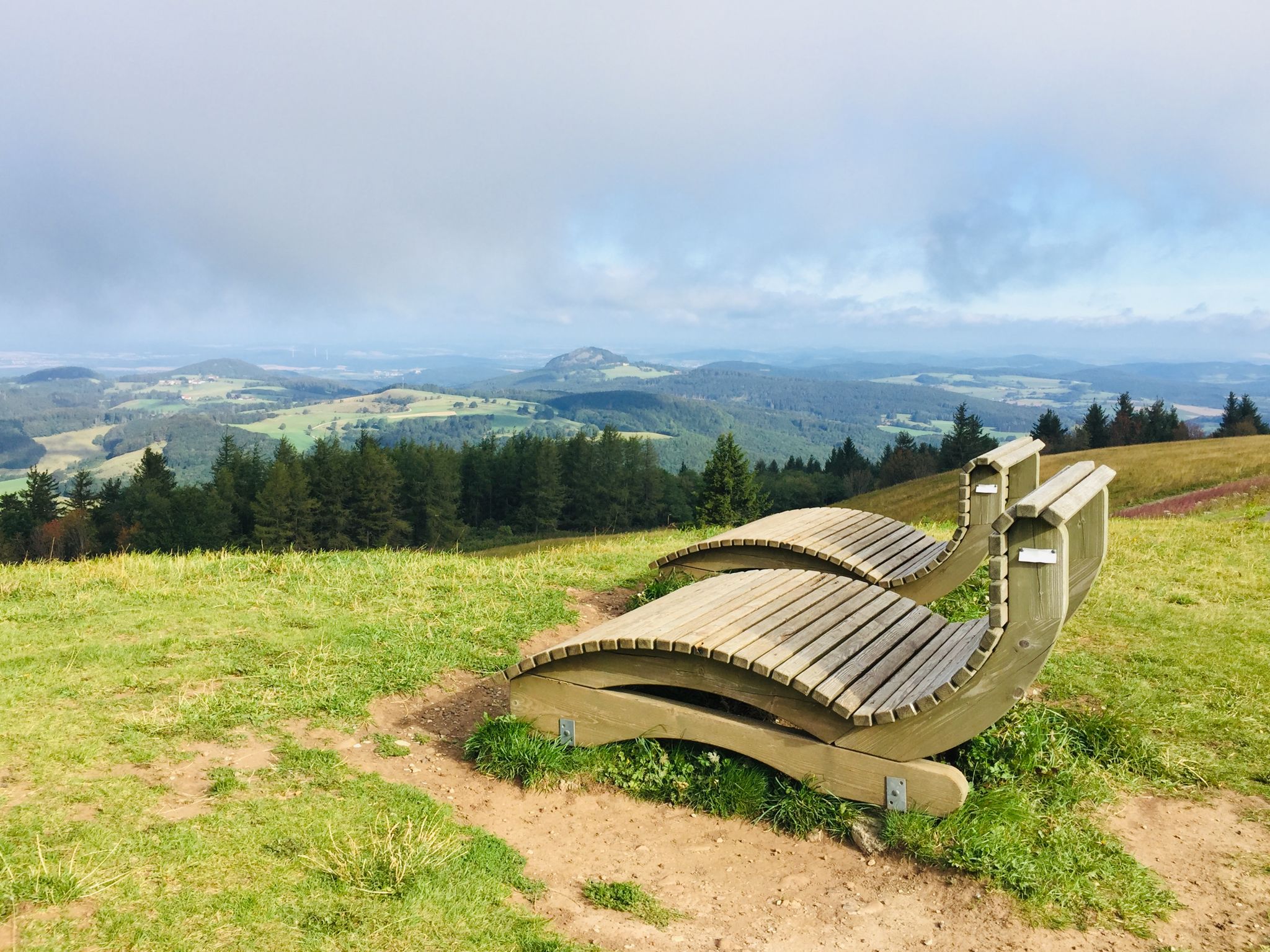
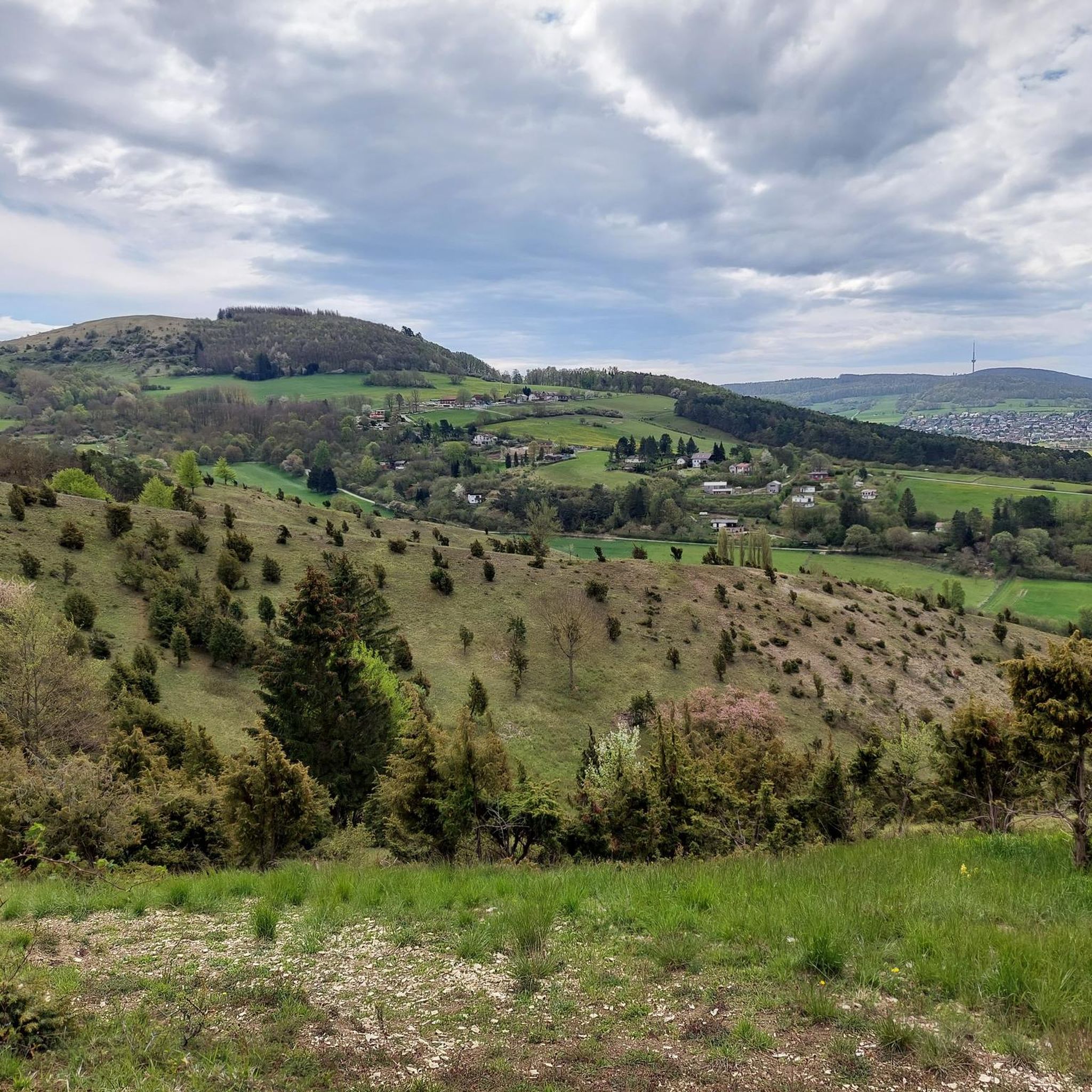
With its striking shape, the Hoher Dörnberg is the landmark of the Habichtswald Nature Park, where archaeological finds confirm settlement during the Ice Age. Its geology and cultural history, as well as its unique flora and fauna, have long attracted many people. Species-rich juniper heaths, the treeless plateau, and the striking Helfensteine rocks offer a diverse range of hiking opportunities.
4
1

The Hohe Dörnberg was selected in 2020 by the Presidium for Geosciences and Geotechnologies and certified with the title "National Geotope"! This award has been presented since 2006. There are a total of 77 significant geotopes in Germany, ten of which are in Hesse. – The Hoher Dörnberg is one of them! He is thus in a row with the "Chalk Cliffs on Rügen" or the "Grube Messel". Source: https://www.naturpark-habichtswald.de/media/attractions/doernberggebiet#/article/d63cc544-5258-4cb6-80bd-4bedddd3edbf
13
1

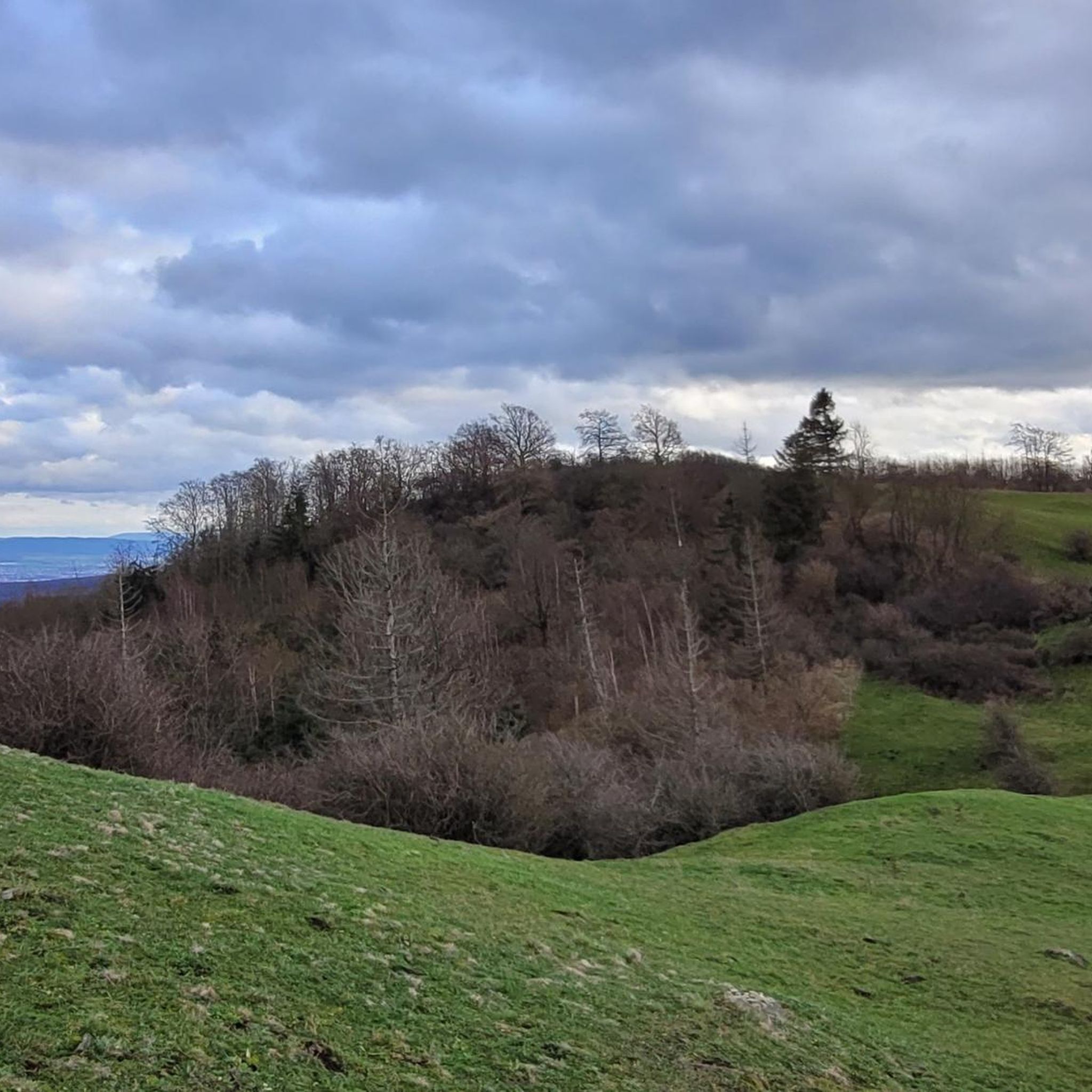
Here you enter a place steeped in history: finds from prehistoric times prove a settlement as early as the Neolithic Age. The oldest pottery sherds found here date from the 6th and 5th centuries BC. The ramparts on the largest rock of the Helfenstein, with an artificial ditch about 100 meters long from the 12th/13th century, indicate a former high medieval castle.
14
1

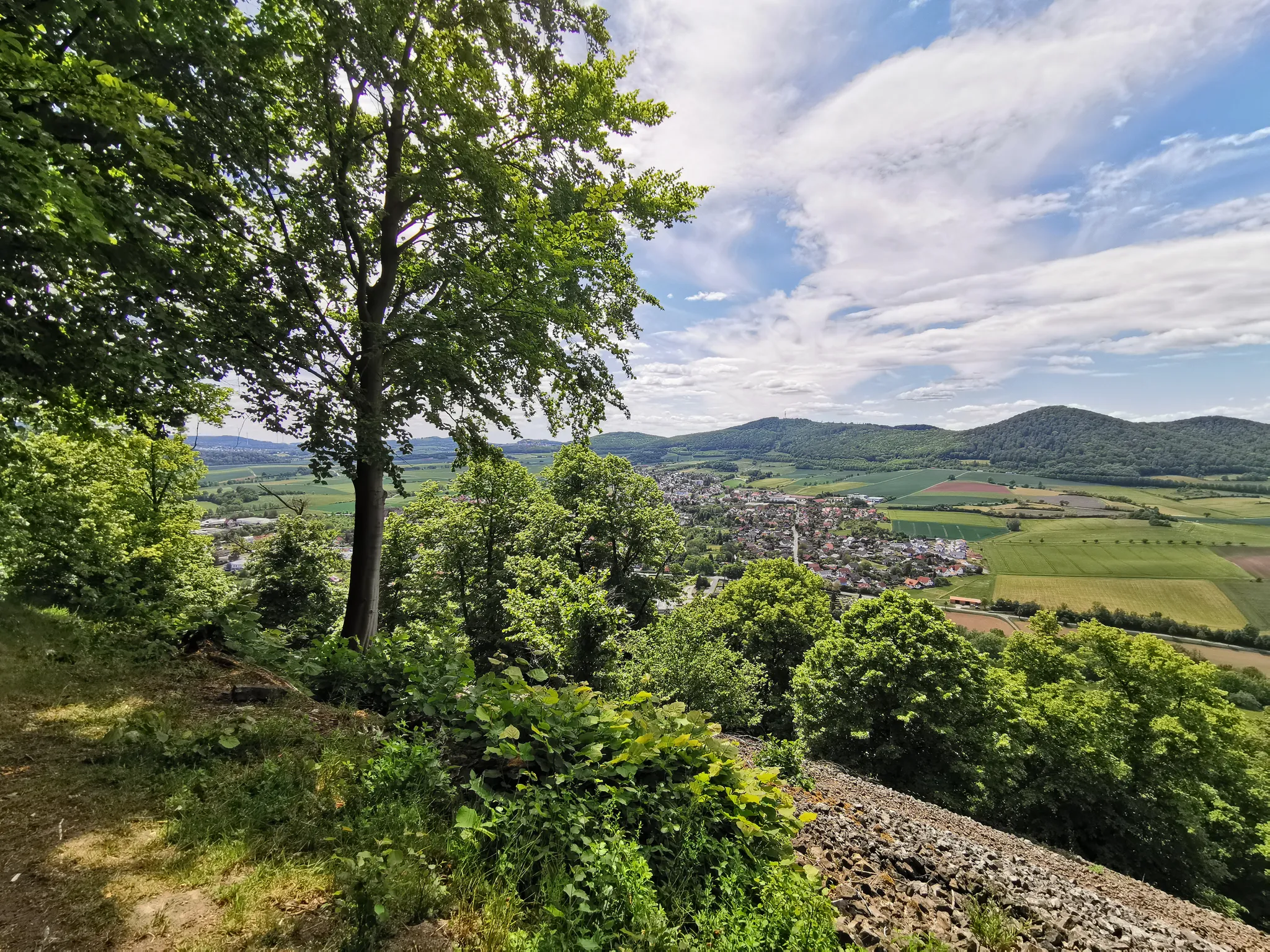
Easy to hike mountain peak with a great view. The summit tour is to be embedded in a beautiful circular hike. Flyers for the possible path constellations are available in the nature park center at the Helfensteinen. The stamping point for the summiteers of North Hesse is also located near the summit.
9
1

The water bubbles over the cascades, the Steinhöfer waterfall, the Devil's Bridge and falls over the aqueduct and the Peneus cascades down to the castle pond. Here the water pressure causes the "Great Fountain" to shoot up over 50 meters. This spectacle is the conclusion and highlight of the water games. Always on Wednesdays, Sundays and on public holidays at certain times.
25
1

The statue, which is considered a landmark of the city of Kassel, is located at the top of a pyramid that stands on the octagon, the giant castle. Today, the name "Hercules" not only stands for the statue, but for the entire building, which is also the starting point for the summer water games in the mountain park. The octagon and the Hercules go back to different construction phases. Since June 23, 2013, the Hercules - as part of the Bergpark Wilhelmshöhe - has been on the UNESCO World Heritage List as an example of absolutist architecture.
20
1

In 1696, Landgrave Carl von Hessen-Kassel decided to create a mountain park directly behind his Weißenstein hunting lodge, which was to be on a par with the gardens of Versailles. The Huguenot inventor Denis Papin was to develop a steam-powered fountain for this purpose, as he was one of the developers of the first steam engine. Since there were repeated setbacks, Papin was no longer financed and Gottfried Wilhelm Leibniz declined due to lack of interest. Instead, a 60 m long model for a mountain park was designed with the Italian architect Guerniero, of which only a third was ultimately realized. From 1701, the expansion for the elaborate water features began, which only took place 13 years later for the first time. Instead of using steam power, the fountains now worked exclusively with the water pressure from a higher pond. The water covers a height difference of 320 m over a 2 km flow distance. The finale is a 50 m high fountain, which shoots up solely due to the water pressure. With these impressive water features, Landgrave Carl wanted to express the power of his county on the one hand, and the power of man over nature. Over 130 years, his successors expanded the mountain park. Only when the county was abolished by Prussia did the expansion come to an end, but Prussian rulers such as Kaiser Wilhelm II also liked to stay in Kassel, where they used the Bergpark. The site was preserved and still functions as it did more than 300 years ago. A visit to the mountain park is a must! If you want to hike the entire park, you should be able to walk well and plan enough time and a few meters of altitude. The always new views and numerous sights are worth all the effort. Even without the water games, which take place every Wednesday and Sunday, the mountain park is a unique attraction. Those who are not good on foot should at least enjoy the incredible view of Kassel in front of the Hercules.
22
2

You have a great view of Kassel. For 6 euros you can go up the Herkukes.
20
1
Frequently Asked Questions
What geological features can I explore around Zierenberg?
The region around Zierenberg is characterized by its unique geological history, primarily featuring ancient volcanic remnants. You can explore striking basalt formations, such as the Helfensteine, which are dramatic basalt columns formed millions of years ago. The Hoher Dörnberg, a landmark of the Habichtswald Nature Park, is also recognized as a "National Geotope" due to its significant geology.
Are there natural monuments with historical significance in the Zierenberg area?
Yes, several natural monuments in the Zierenberg area also boast rich historical contexts. The Helfensteine, for instance, have archaeological finds indicating human settlement as early as the Neolithic Age. Additionally, the Neptune Basin and the Cascades, part of Bergpark Wilhelmshöhe, are historical sites with impressive water features and structures dating back centuries.
Which natural monuments offer the best panoramic views?
For extensive panoramic views, the Helfensteine provide vistas across the Habichtswald towards the distant Hercules Monument in Kassel. The Hoher Dörnberg summit also offers wonderful views of the Warmetal and surrounding low mountain ranges.
Are there family-friendly natural monuments to visit near Zierenberg?
Many natural monuments in the region are suitable for families. The area around the Helfensteine features narrow paths between basalt rocks, offering light climbing opportunities that can be enjoyable for children. The Höllenteich, with its bridge and historical context, is also considered family-friendly.
What kind of hiking opportunities are available near Zierenberg's natural monuments?
The area around Zierenberg offers diverse hiking opportunities. The Helfensteine are crisscrossed by numerous trails, including sections of the premium Habichtswaldsteig and the 'Alpenpfad'. For more options, you can explore various running and hiking trails listed in the Running Trails around Zierenberg guide, such as the 'Sphinx at Dörnberg – Dörnberg Juniper Heath loop'.
Can I bring my dog to the natural monuments around Zierenberg?
Generally, dogs are welcome on trails and in natural areas around Zierenberg, provided they are kept on a leash and owners clean up after them. Specific rules may apply in nature reserves or protected areas, so it's always advisable to check local signage. Many hiking routes, like those around the Hoher Dörnberg, are popular with dog walkers.
What is the best time of year to visit the natural monuments in Zierenberg?
The natural monuments around Zierenberg can be enjoyed year-round. Spring and autumn offer pleasant temperatures for hiking and vibrant natural colors. Summer is ideal for longer excursions, though some areas might be busier. Winter provides a unique, tranquil experience, especially with snow, but some paths might be challenging. The water features at Neptune Basin and the Cascades operate at specific times, usually from May to October.
Are there any unique natural features besides basalt formations?
Beyond the prominent basalt formations, the region boasts other unique natural features. The Hoher Dörnberg is known for its species-rich juniper heaths and treeless plateau. The 'Basaltfelsen mit Buchenbestand „Heiliger Hain“' near Burghasungen combines basalt rock with an established beech forest, offering a distinct interplay of geology and woodland.
What do visitors particularly enjoy about the natural monuments in Zierenberg?
Visitors frequently praise the stunning views and the sense of history. The Helfensteine are appreciated for their imposing rock formations and the opportunity to watch gliders. The Neptune Basin and the Cascades are described as 'very impressive' and 'a bit crazy to build something like this,' highlighting their unique engineering and beauty.
Are there cycling routes near the natural monuments?
Yes, the Zierenberg area offers various cycling routes that pass by or are close to natural monuments. You can find options for touring bicycles and mountain bikes. For example, the 'Bärenbergturm Observation Tower – Alpine Path Below the Helfensteine, Dörnberg loop' is a challenging mountain bike trail. Explore more routes in the Cycling around Zierenberg and MTB Trails around Zierenberg guides.
Where can I find parking when visiting the natural monuments?
While specific parking details for every monument are not always available, popular sites like the Helfensteine and Hoher Dörnberg, being part of the Habichtswald Nature Park, typically have designated parking areas nearby to accommodate visitors accessing hiking trails and viewpoints. It's recommended to check local maps or navigation apps for the closest parking to your chosen destination.
Most popular routes around Zierenberg
Most popular attractions around Zierenberg

Get inspired with the komoot mobile app


Explore more
Extend your search for the best caves by checking out these guides of the top ones around Zierenberg:
