Top 20 Natural Monuments around Nienbüttel
Best natural monuments around Nienbüttel offer a diverse range of natural and historical sites within the Steinburg district. The region features unique geological formations, protected natural habitats, and ancient historical landmarks. These sites provide insights into the area's natural processes and past human activity. Visitors can explore a variety of landscapes, from low-lying areas to renatured wetlands and ancient burial grounds.
Best natural monuments around Nienbüttel
- The most popular natural monuments is Lowest Point in Germany, a natural monument…
Last updated: October 11, 2026
Lowest Point in Germany
Highlight • Natural Monument
Translated by Google •
Tip by

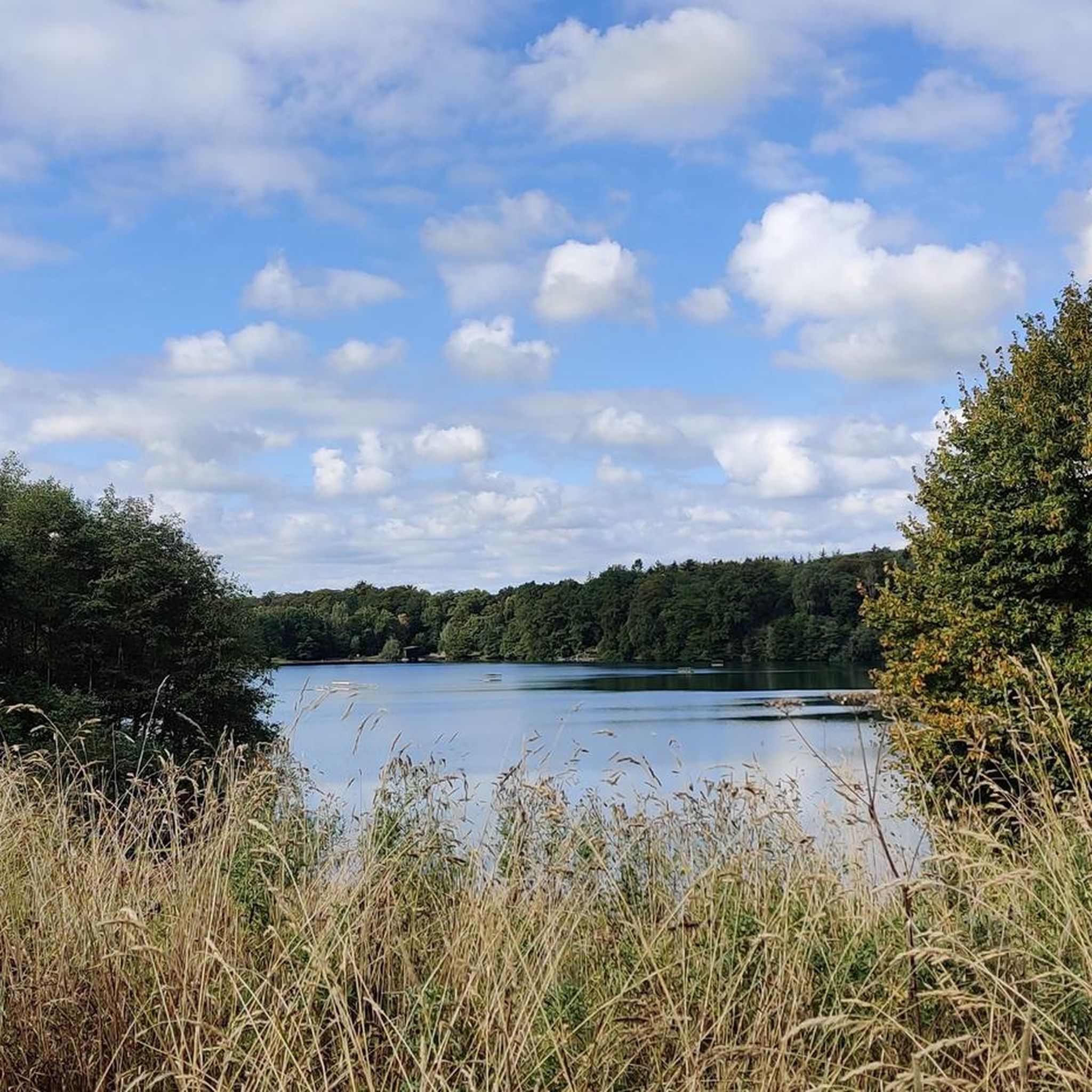
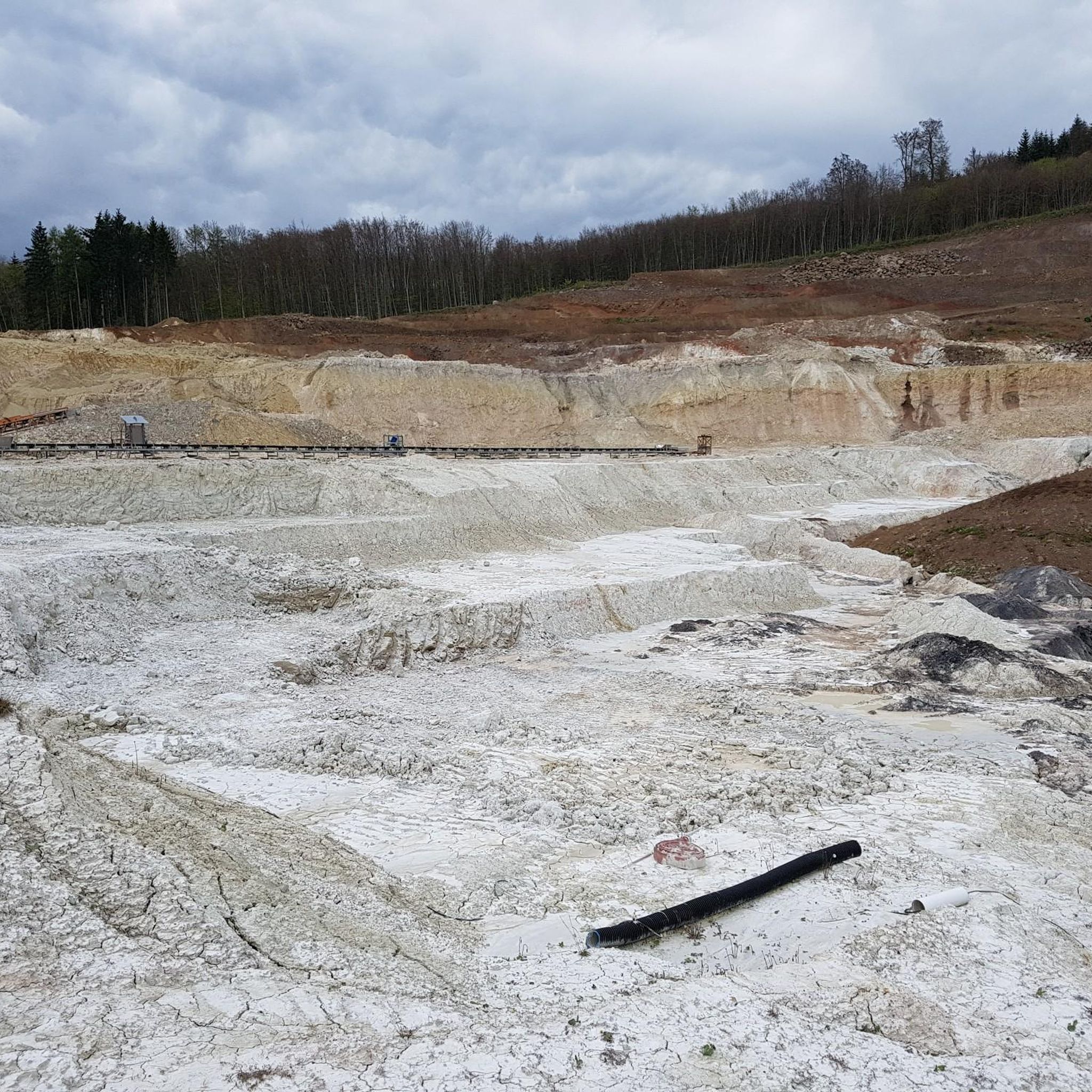
Muldsberg Clay Pit Lake
Highlight • Lake
The mining in the …
Translated by Google •
Tip by

Sign up now to discover places like this
Get recommendations on the best single tracks, peaks, & plenty of other exciting outdoor places.
Herrenmoor Nature Reserve near Kleve
Highlight • Natural Monument
Translated by Google •
Tip by

Old Oak of Schafstedt
Highlight • Natural Monument
Translated by Google •
Tip by

Kaaksburg Ringfort
Highlight • Historical Site
Translated by Google •
Tip by

Sign up for free to discover even more natural monuments around Nienbüttel.
Already have an account?
Start today with a free account
Your next adventure awaits.
Tips from the Community


The ring wall castle 'Kaaksburg' dates back to the 8th or 9th century. Its oldest known documentary mention dates from 1560-1576. The oval ring wall with a diameter of 80 or 100 m and a height of around 5 m was raised from dark earth, while the ground in the surrounding area is sandy, which is why it was assumed that the material came from the Bekau, which flows past in the southeast. At that time, the Bekau was navigable at least as far as the castle and was influenced by the tides until it was embanked; the area around the castle was still swampy and marshy at that time and was occasionally flooded. It was therefore assumed that the castle was built in this strategically favorable position to control the waterway. According to a folk legend, it once served as a base for pirates - sometimes Klaus Störtebeker is mentioned. While the country road between Itzehoe and Schenefeld used to bypass the ring wall to the east, today's L 127 runs right through the ring. https://de.wikipedia.org/wiki/Kaaksburg
1
0

Very clean place with shelter and guest book
3
0

Very nice view, with a bad route
0
0

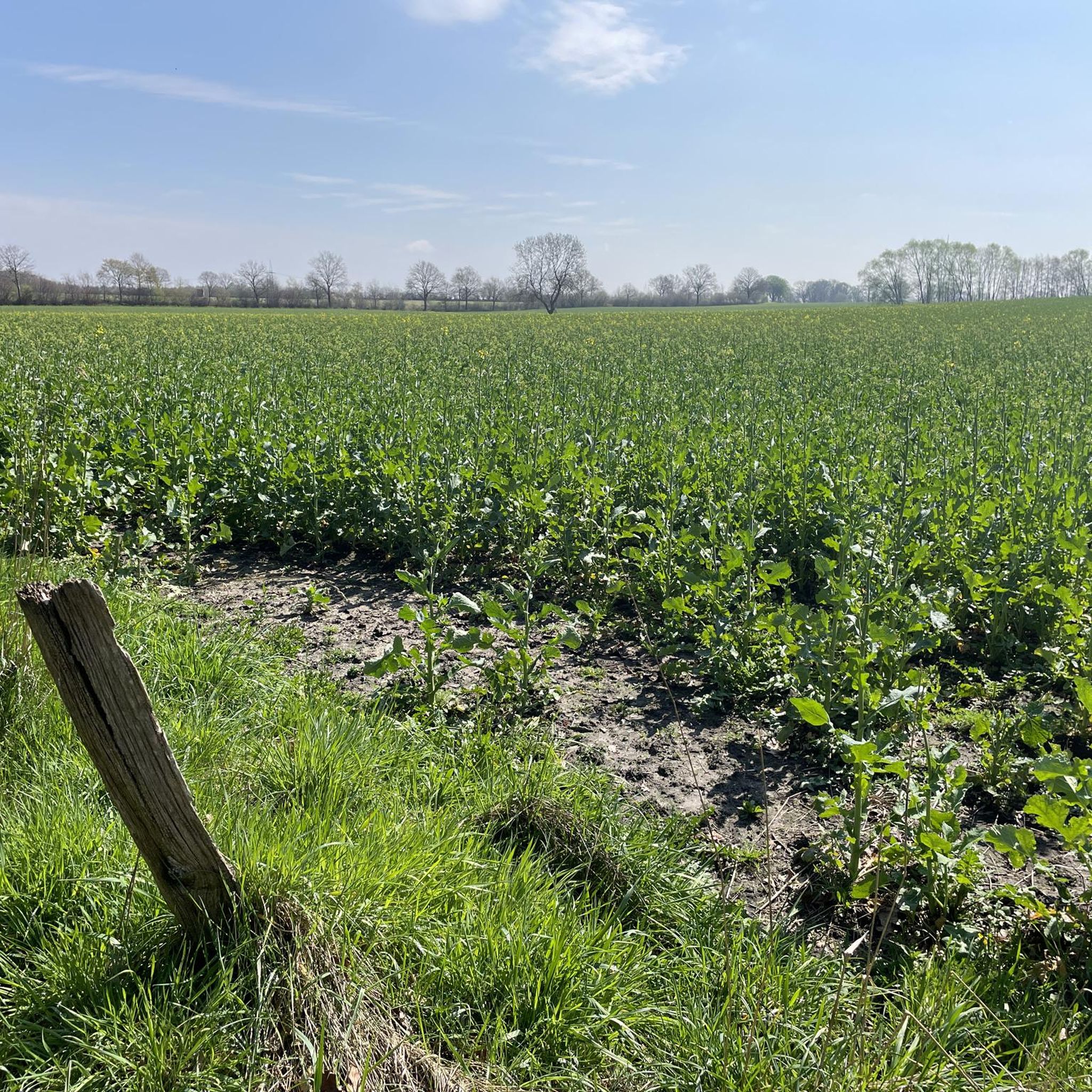
Who can claim that they were once below sea level? Great highlight!
2
0

The “Herrenmoor near Kleve” can be circumnavigated on foot from Nuttelner Vierth on municipal paths. Some of the paths are also accessible by bike. Unfortunately, the railway bridge from Kleve "Achtern Barg" to Nuttelner Vierth/Nuttelner Heide Hügel was dismantled and no replacement was made for cost reasons. This slowly beginning moor development can now be experienced by the visitor on the Nutteln moor side, where a small oak plank path leads into the moor grassland areas. https://www.steinburg.de/kreisverwaltung/information-der-fachaemter/amt-fuer-umweltschutz/naturschutz/schutzgebiete-u-schuetzte-objects/nreservate/herrenmoor-bei-kleve.html
5
1

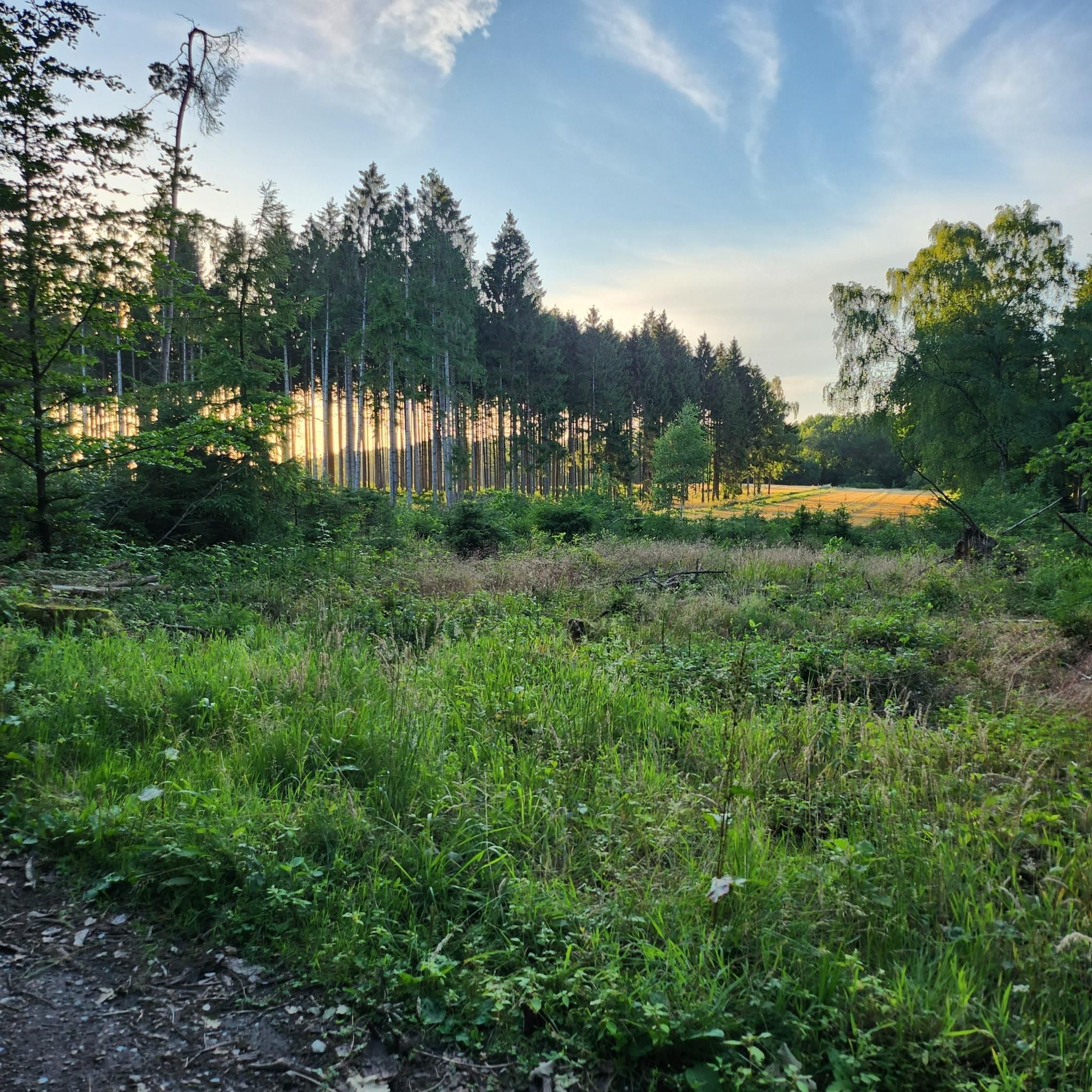
short break and the view over the Herrenmoor, which is being renatured.
3
0

The Kaaksburg was a Saxon ring wall that was built around the year 800. It had a diameter of 80 m and 4 m high earth walls. The castle complex was intended to secure a trade route across the Bekau. Today, a wide street runs through the middle of the castle complex and cuts the ring wall in two. Right next to the castle is a rest area with a snack bar.
0
0
Frequently Asked Questions
What are some unique natural monuments to explore around Nienbüttel?
Beyond the well-known sites, you can discover the fascinating Lowest Point in Germany, which is 3.54 meters below sea level and highlights the elemental forces of the Elbe. Another unique spot is the Kimber Spring in Nindorf, an artesian well discovered during oil drilling, known for its iron-rich water and historical significance in supplying local communities.
Are there any natural monuments with historical significance in the area?
Yes, the Krinkberg Bronze Age Burial Mounds in Pöschendorf offer a tangible connection to ancient history. These mounds, originally surrounded by a wall, have yielded numerous prehistoric objects and provide insight into Bronze Age burial practices and later historical uses, potentially as a tower hill castle or meeting place.
Where can I find protected natural habitats with diverse wildlife?
The Herrenmoor Nature Reserve near Kleve is a significant natural space, especially worth visiting in winter (February/March) when pygmy swans use the lake-like polder areas as a resting place. This renatured wetland provides a vital habitat for many species, offering excellent opportunities for birdwatching.
Are there family-friendly natural monuments suitable for children?
Absolutely. The Muldsberg Clay Pit Lake is being developed as a biotope and for local recreation, featuring a five-kilometer circular route that is great for families. The Lowest Point in Germany and the Lowest Point in Schleswig-Holstein are also considered family-friendly, offering an educational and unique experience.
What kind of outdoor activities can I do near these natural monuments?
The region around Nienbüttel offers various outdoor activities. You can find numerous MTB trails, running trails, and road cycling routes. For instance, the Muldsberg Clay Pit Lake has a five-kilometer circular route perfect for walking or light jogging.
What is the best time to visit the natural monuments around Nienbüttel?
The best time to visit depends on your interest. For birdwatching, particularly pygmy swans, the Herrenmoor Nature Reserve near Kleve is most rewarding in winter (February/March). Generally, spring and summer offer pleasant weather for exploring the circular routes and natural landscapes, while autumn provides beautiful foliage.
Are there any natural monuments that are easily accessible or wheelchair-friendly?
The Lowest Point in Germany is noted as wheelchair accessible, making it an inclusive destination. Many of the natural monuments are located near roads or have established paths, but it's always advisable to check specific site conditions for full accessibility details.
What do visitors enjoy most about the natural monuments in this region?
Visitors appreciate the unique blend of natural beauty and historical significance. The Lowest Point in Germany is often described as visually impressive despite its subtle appearance, offering a profound sense of place. The renatured areas like Herrenmoor Nature Reserve are valued for their diverse habitats and opportunities for wildlife observation.
Can I find trails for hiking or walking around these natural monuments?
Yes, several natural monuments offer walking opportunities. The Muldsberg Clay Pit Lake features a five-kilometer circular route. Additionally, the running trails around Nienbüttel often pass by or near these natural sites, providing options for various distances and difficulties.
What kind of geological features can I observe?
The region is home to unique geological features such as the Lowest Point in Germany, a significant depression below sea level. The Kimber Spring is another geological marvel, an artesian well where water flows naturally to the surface due to underground pressure, showcasing a rare natural phenomenon.
Are there any natural monuments that are particularly good for nature photography?
The Herrenmoor Nature Reserve near Kleve, with its diverse birdlife and renatured wetlands, offers excellent opportunities for nature photography, especially during the migration seasons. The evolving landscape of the Muldsberg Clay Pit Lake also provides interesting subjects as it transforms into a vibrant biotope.
Most popular routes around Nienbüttel
Most popular attractions around Nienbüttel

Get inspired with the komoot mobile app


Explore more
Extend your search for the best caves by checking out these guides of the top ones around Nienbüttel:
