Top 20 Natural Monuments around Kollmar
Best natural monuments around Kollmar offer a diverse landscape along the Elbe River in Germany's Steinburg district. The area features significant geological formations, extensive marshlands, and riverside paths. Kollmar is situated directly on the Elbe, providing opportunities for exploring its unique natural environment. This region is ideal for those interested in geological history, riverine ecosystems, and tranquil walks.
Best natural monuments around Kollmar
- The most popular natural monuments is Liether Chalk Pit Nature Reserve, a natural monument that is…
Last updated: June 24, 2026
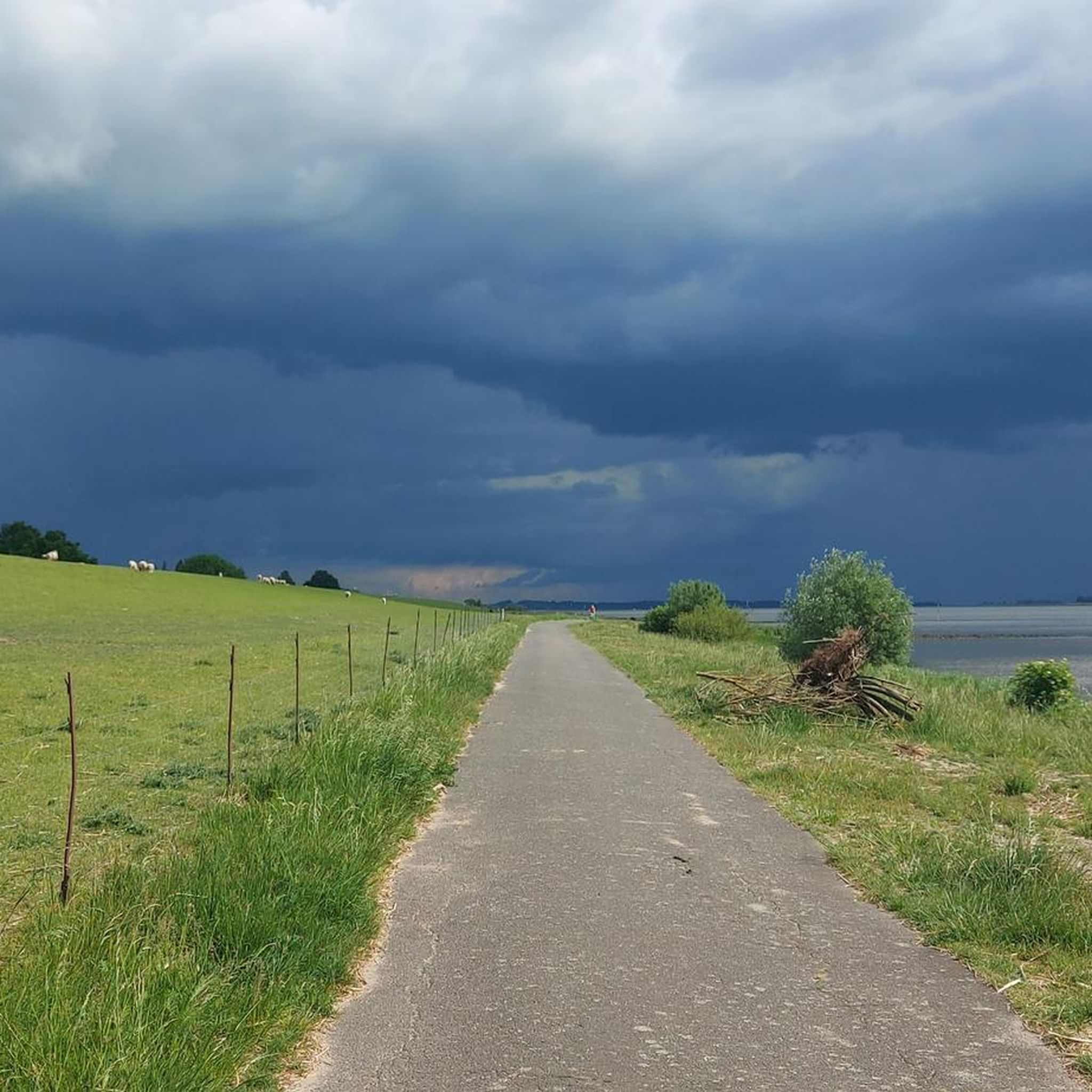
Elbdeich Nature Reserve and Riverside Path
Highlight (Segment) • Trail
Translated by Google •
Tip by

Liether Chalk Pit Nature Reserve
Highlight • Natural Monument
Translated by Google •
Tip by

Sign up now to discover places like this
Get recommendations on the best single tracks, peaks, & plenty of other exciting outdoor places.
Sign up for free
Liether Limestone Quarry
Highlight • Natural Monument
Translated by Google •
Tip by
Stör Estuary
Highlight • River
Translated by Google •
Tip by

Historic Deep Drilling World Record Monument (1872–1878)
Highlight • Monument
Translated by Google •
Tip by
Sign up for free to discover even more natural monuments around Kollmar.
Sign up for free
Already have an account?
Start today with a free account
Your next adventure awaits.
Login or Signup
Popular around Kollmar
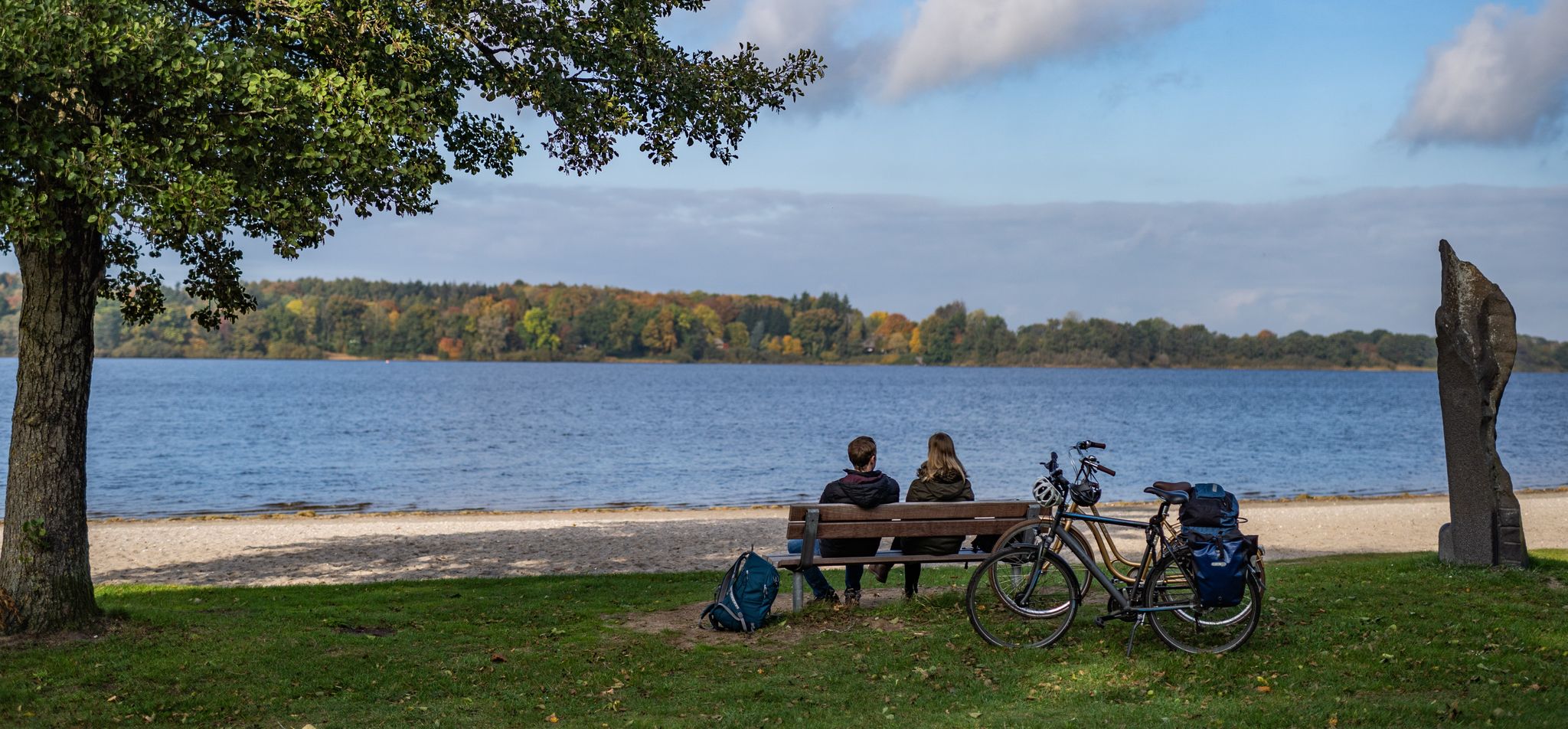
Rides in southern Binnenland — Germany’s Schleswig-Holstein
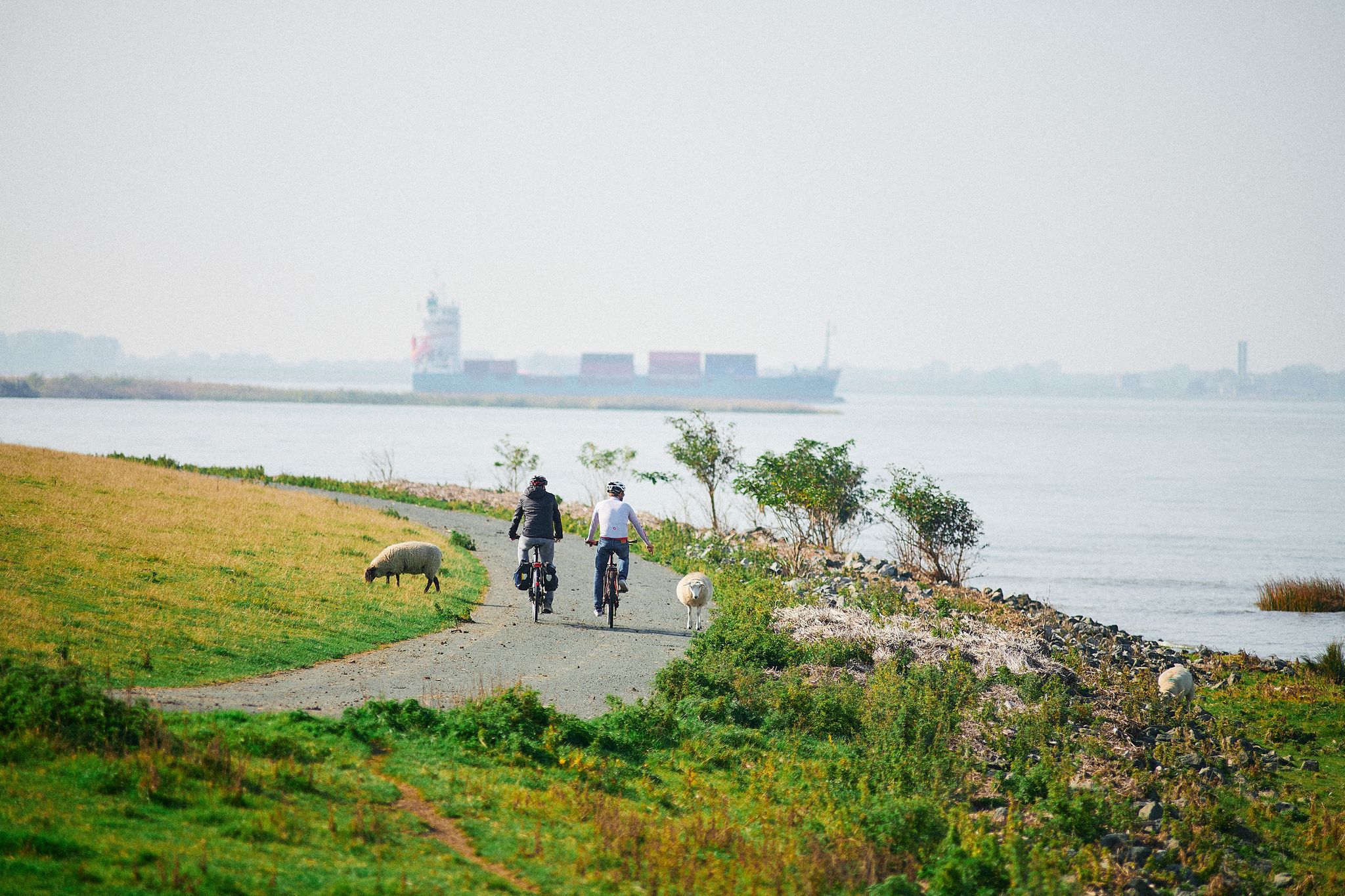
On the Happiness Routes – cycling around Glückstadt
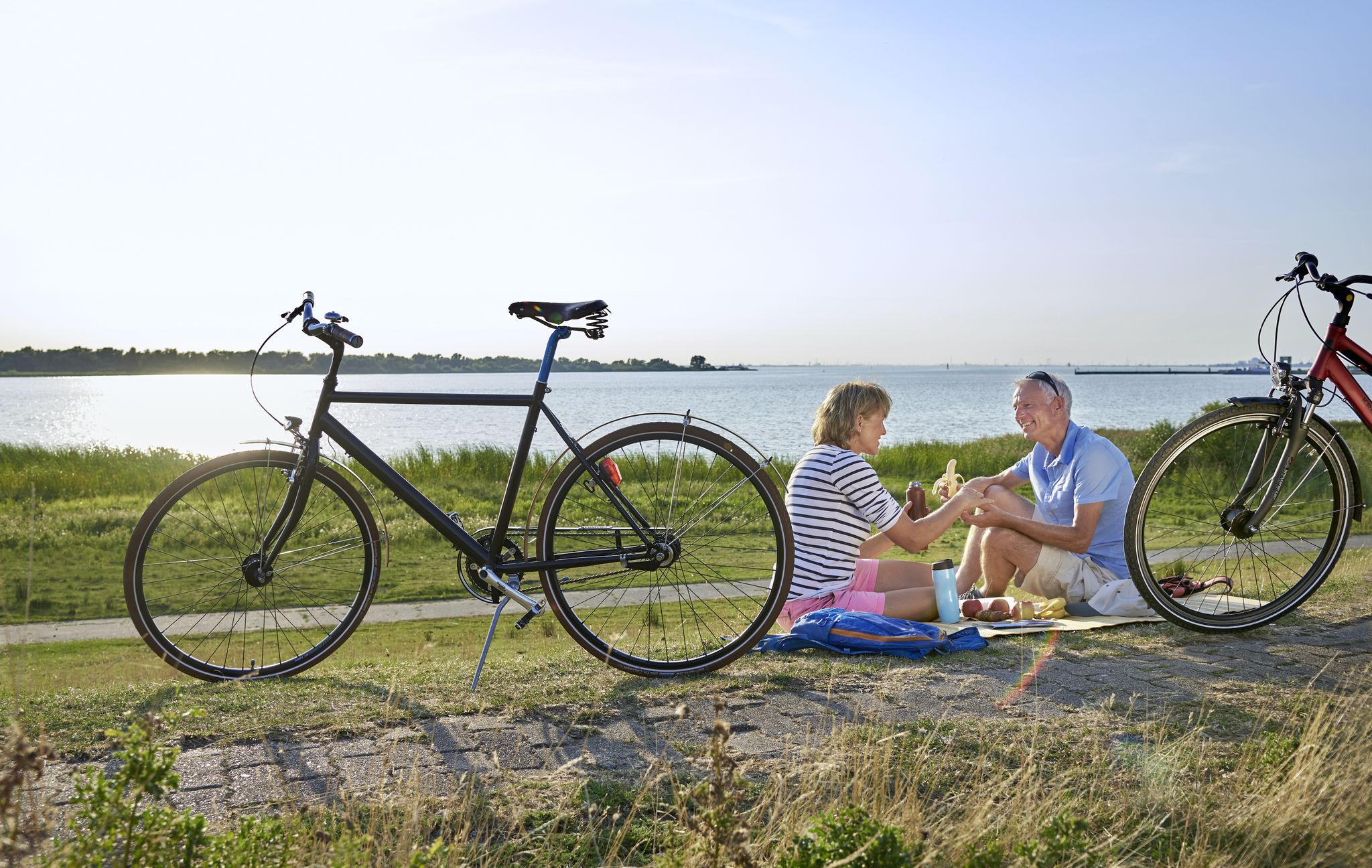
Ride into the horizon – a cycling adventure through Steinburg in Holstein
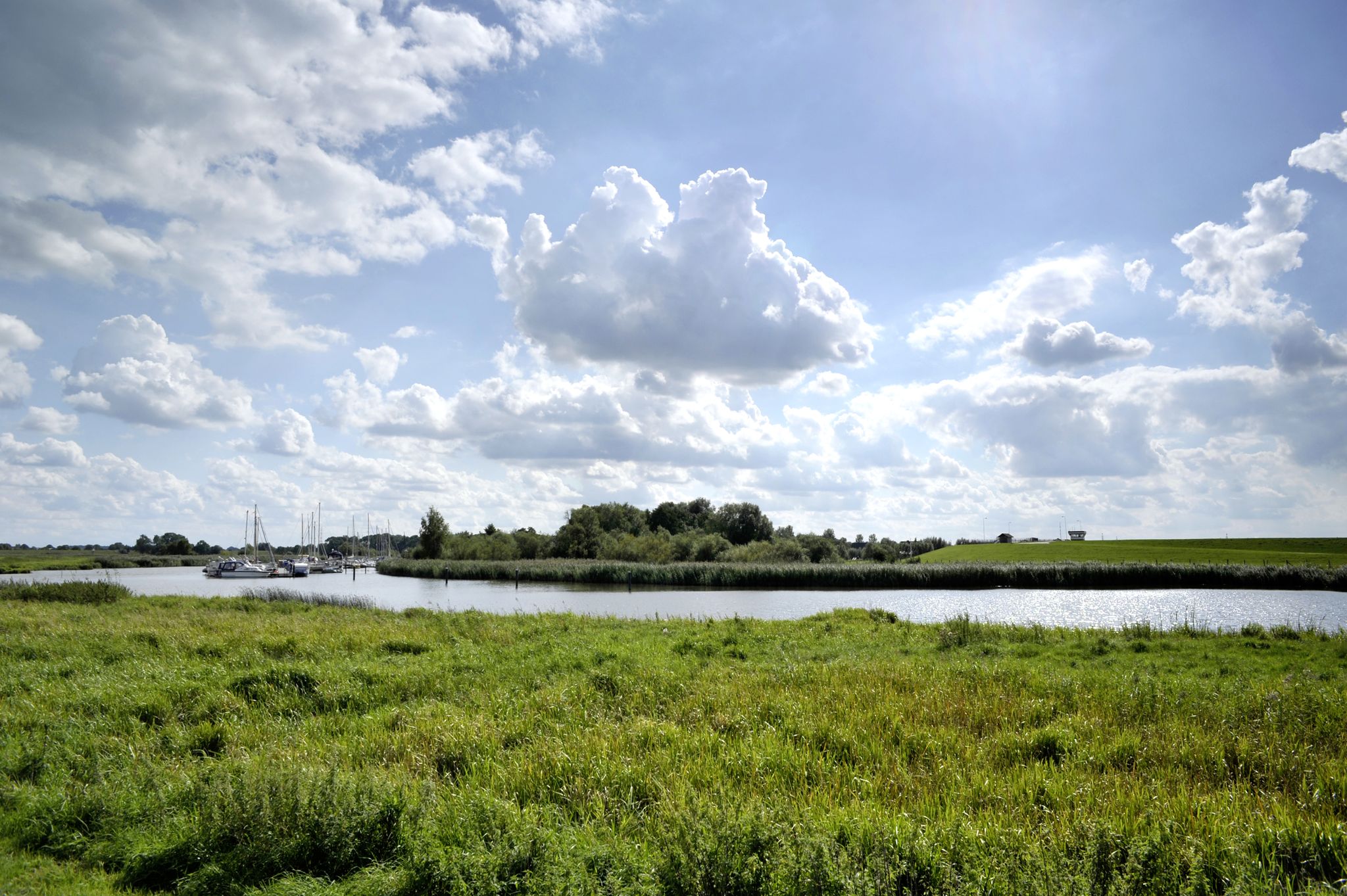
Frühling in Holstein – die schönsten Touren am Wasser entlang
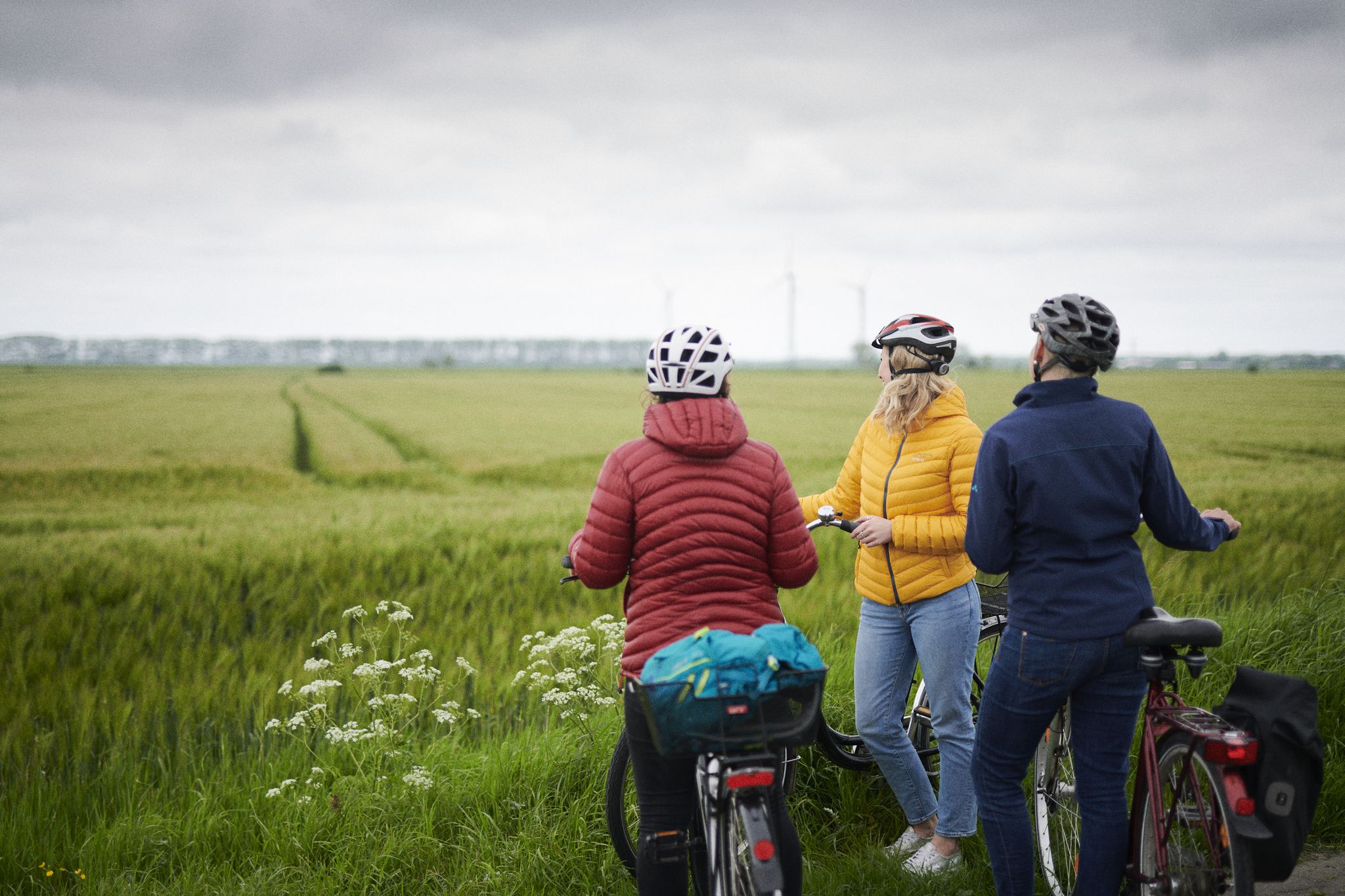
Mini-Radreiseregion Glückstadt
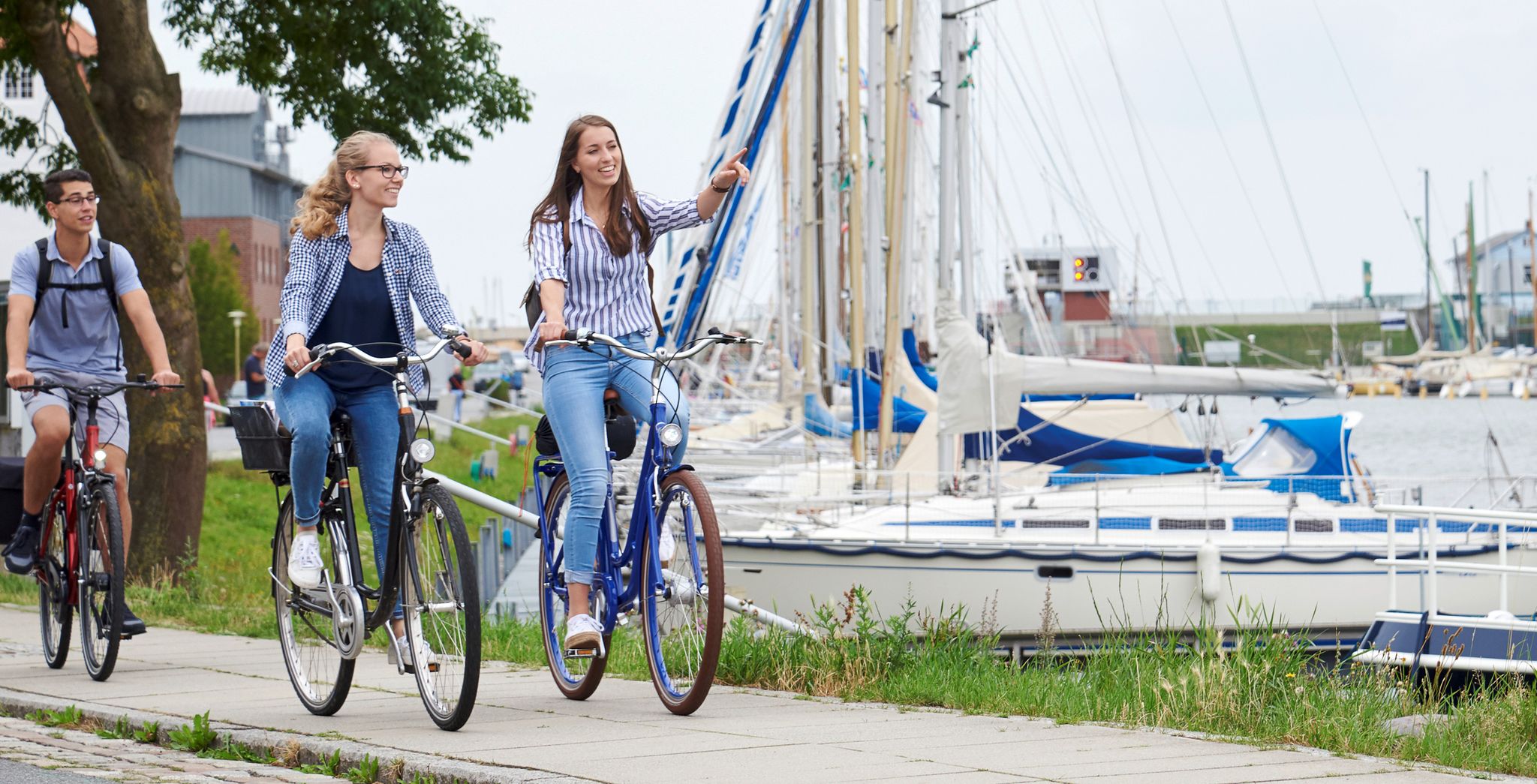
Radfahren rund um Glückstadt, Kollmar & Krempermarsch
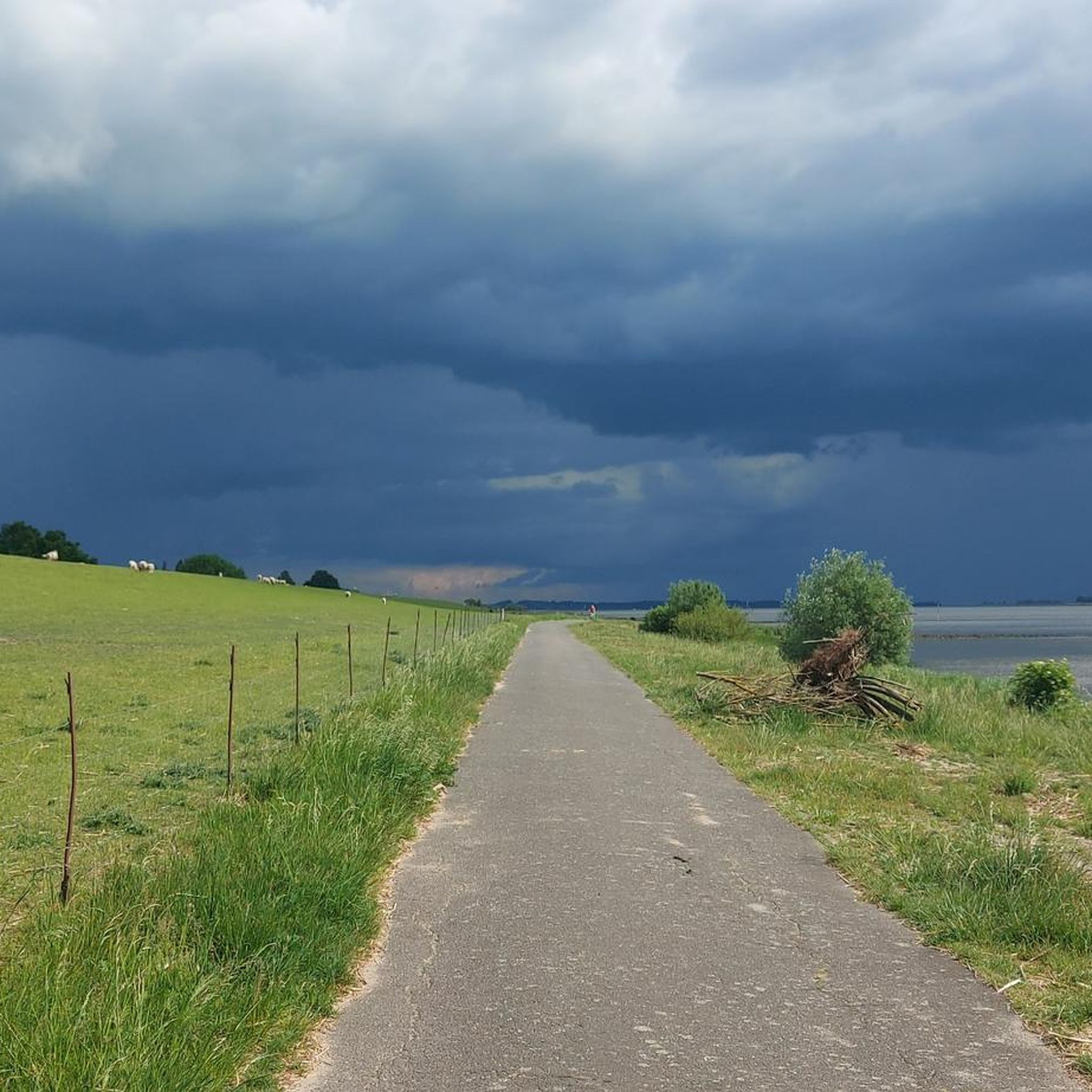
Cycling around Kollmar
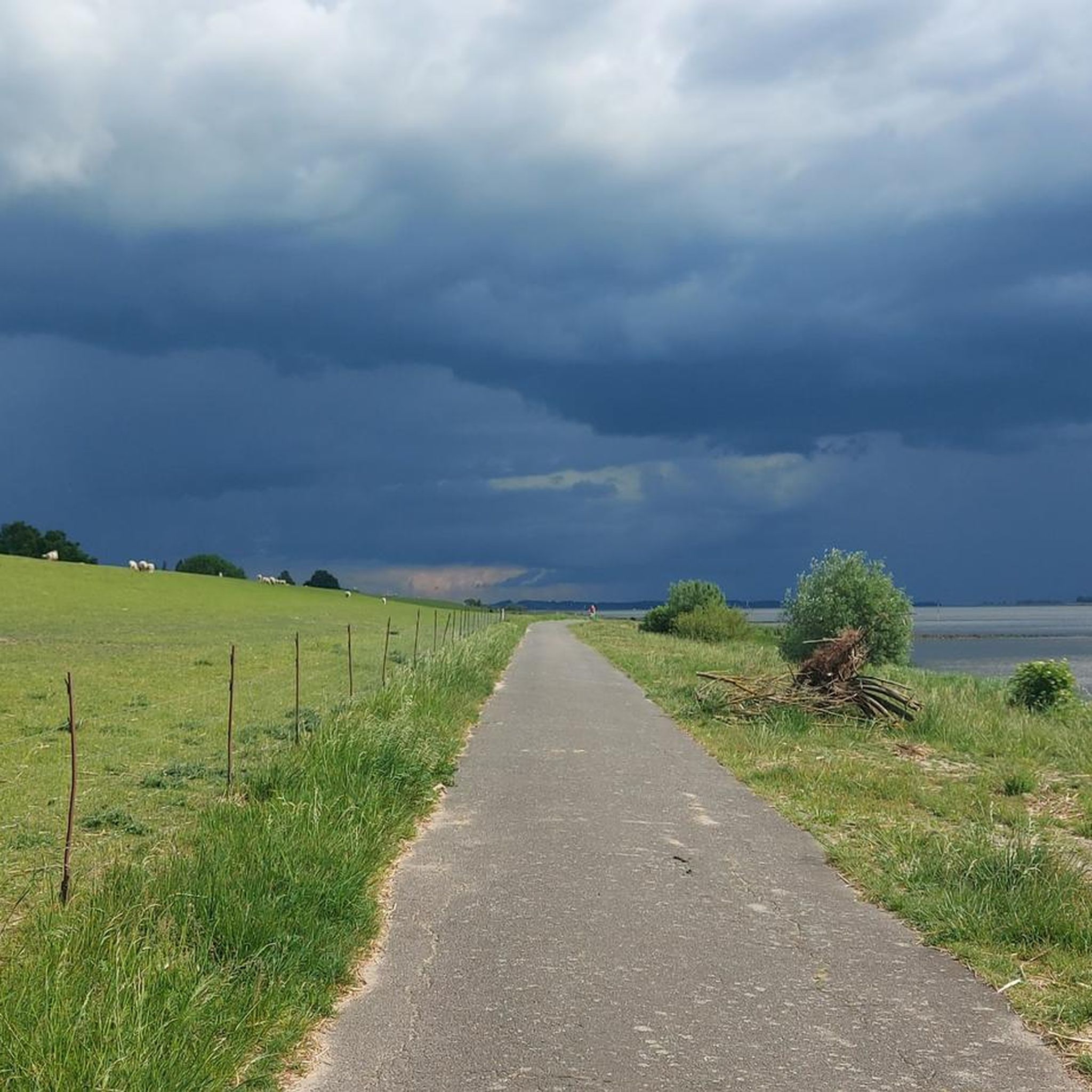
Hiking around Kollmar
Road Cycling Routes around Kollmar
MTB Trails around Kollmar
Other adventures around Kollmar


Tips from the Community

The Liether Kalkgrube is a former open-cast mine where limestone was mined. The Kalkgrube is geologically very interesting because the oldest rock layers in northern Germany come to the surface here. These layers were formed around 250 million years ago, in the Permian period. They consist mainly of limestone, claystone and sandstone.
1
1
The Liether Kalkgrube is a former open-cast mine where limestone was mined. The Kalkgrube is geologically very interesting because the oldest rock layers in northern Germany come to the surface here. These layers were formed around 250 million years ago, in the Permian period. They consist mainly of limestone, claystone and sandstone.
2
1

The Liether Kalkgrube is located in the district of Pinneberg, east of the town of Klein Nordende. It is a former open-cast mine that was closed in 1986. The area was designated a nature reserve in 1991 and was awarded a "National Geotop" in 2006. (Source: Wikipedia)
1
0

The Stör estuary in Schleswig-Holstein is a scenic area where the Stör flows into the Elbe. The Stör is a major tributary of the Elbe and stretches approximately 85 kilometers from its source near Neumünster to its mouth near Wewelsfleth. The region around the Stör estuary offers numerous recreational opportunities and nature experiences. One of the main attractions is the Stör Barrage, which serves to protect the inland areas from flooding and storm surges. The barrage, built in the 1970s, regulates the water level of the Stör and protects the adjacent marshlands. For nature lovers and outdoor enthusiasts, there are numerous cycling and hiking trails along the Stör and its estuary. The Elbe Cycle Path and the Monks' Path lead directly through this region and offer magnificent views of the river landscape and passing ships on the Elbe.
1
0

Impressive nature reserve which is definitely worth a visit.
2
0

The Liether Kalkgrube is a wonderful biotope!
3
0
There is a very nice atmosphere here.
2
0
You can cycle for kilometers here.
2
0
Frequently Asked Questions
What unique geological features can I explore around Kollmar?
The most significant geological feature is the Liether Chalk Pit Nature Reserve. This site is Schleswig-Holstein's sole national geotope, offering a 35-meter deep cross-section of a salt dome and exposing the oldest geological rock layers of the North German lowlands. It's a fascinating place to observe geological history.
Are there family-friendly natural monuments in the Kollmar area?
Yes, several natural monuments are suitable for families. The Elbdeich Nature Reserve and Riverside Path is great for walks with views of the river and ships, and children might enjoy seeing the sheep that graze there. The Liether Chalk Pit Nature Reserve also offers accessible paths and viewpoints, making it an interesting educational outing for all ages.
What kind of wildlife can I expect to see near Kollmar's natural monuments?
The marshland landscape and the Elbe River area are rich in wildlife. Along the Elbdeich Nature Reserve and Riverside Path, you can enjoy birdwatching, as numerous species are native to the area. The Liether Chalk Pit Nature Reserve is also a habitat for rare plants and animals, and you might spot sheep grazing near the dikes.
Are there any historical natural monuments or sites of historical significance near Kollmar?
While primarily natural, the area does feature the Historic Deep Drilling World Record Monument (1872–1878). This man-made monument commemorates a significant historical achievement in drilling and is located near the Liether Kalkgrube, adding a historical layer to your natural exploration.
What are the best options for hiking or walking near Kollmar's natural monuments?
You can enjoy tranquil walks along the Elbdeich Nature Reserve and Riverside Path, offering stunning views of the Elbe River. For a different experience, the "Klevhang" nature reserve provides well-signposted paths through forests and past small ponds. The Liether Chalk Pit Nature Reserve also has a 2.7 km circular route with panoramic views.
What outdoor activities can I do near the natural monuments around Kollmar?
Beyond exploring the natural monuments themselves, the region offers various outdoor activities. You can find numerous running trails, including moderate loops like the 'Binnenhafen Glückstadt – Bridge House Glückstadt loop'. For cyclists, there are road cycling routes and gravel biking routes, many of which are easy to moderate and offer scenic views of the Elbe and surrounding landscapes.
Is the Liether Chalk Pit Nature Reserve accessible year-round?
Yes, the Liether Chalk Pit Nature Reserve is publicly accessible all year round as a local recreation area. Visitors should note the general rules for nature reserves. The starting point for activities is typically the parking lot in the pit entrance area.
What are the best viewpoints to experience the natural beauty around Kollmar?
The Elbdeich Nature Reserve and Riverside Path offers excellent views of the Elbe River and passing ships. At the Liether Chalk Pit Nature Reserve, there are several viewpoints above the lime pit providing panoramic vistas into the unique geological formation. The "Klevhang" nature reserve also features trails with beautiful viewpoints of the surrounding marshland and forests.
What makes the Elbe River and its dikes a significant natural feature near Kollmar?
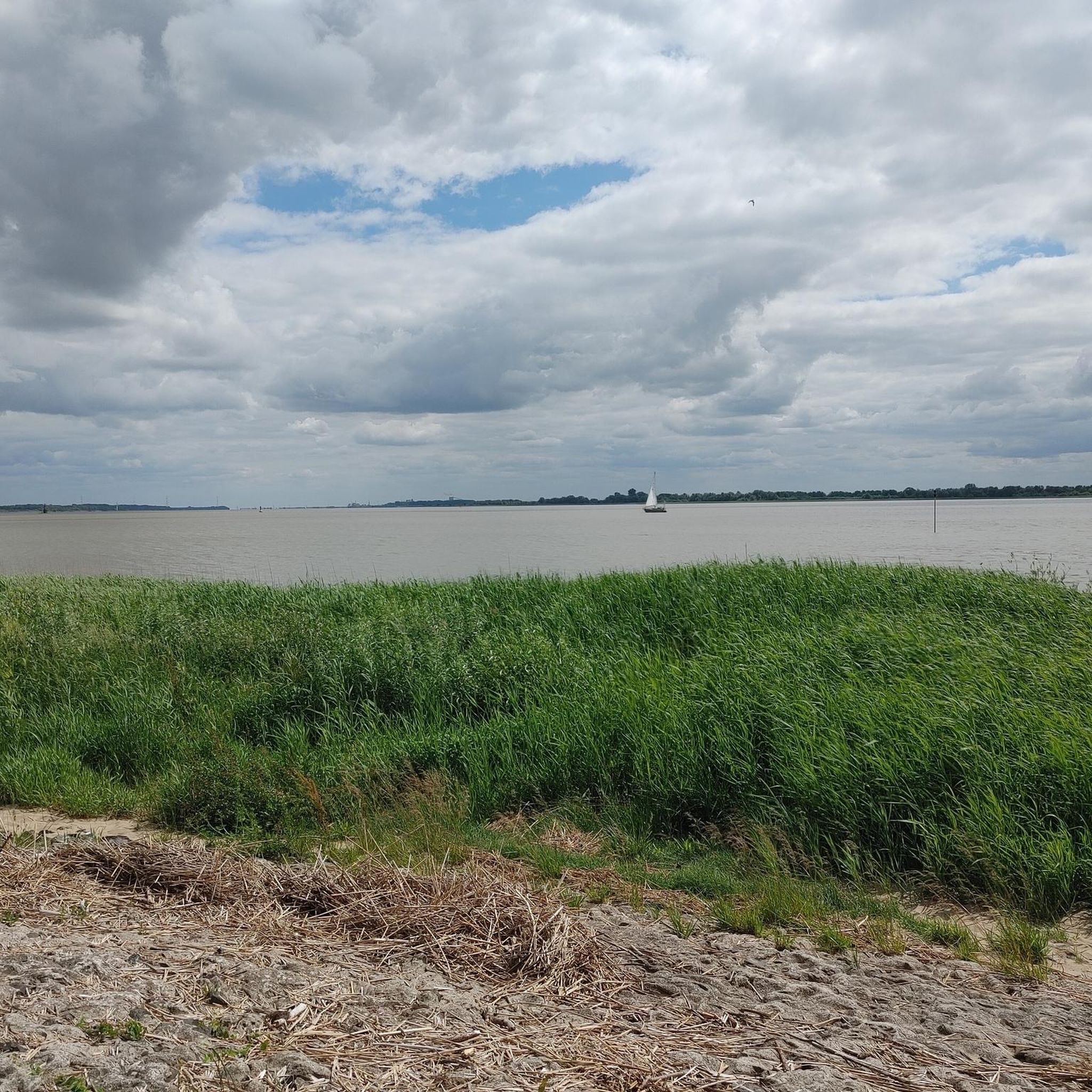
The Elbe River is central to Kollmar's natural landscape. The extensive dike system along the river, particularly the Elbdeich Nature Reserve and Riverside Path, provides not only flood protection but also a unique recreational space. It offers stunning views, opportunities for birdwatching, and a chance to observe the ships traversing the river, making it a peaceful and scenic experience.
Are there any specific nature reserves to explore beyond the main natural monuments?
Yes, in addition to the Liether Chalk Pit Nature Reserve and the Elbdeich Nature Reserve, the "Klevhang" nature reserve is another notable area. It features well-signposted paths through dense forests and past small ponds, offering diverse ecosystems and opportunities to discover varied plant and animal life.
What do visitors particularly enjoy about the natural monuments around Kollmar?
Visitors appreciate the diverse natural beauty, from the unique geological insights at the Liether Chalk Pit Nature Reserve to the serene riverside walks along the Elbdeich Nature Reserve and Riverside Path. Many highlight the peaceful atmosphere, the opportunities for birdwatching, and the impressive views of the Elbe River and its marshlands.
Most popular routes around Kollmar
Most popular attractions around Kollmar

Get inspired with the komoot mobile app


Explore more
Extend your search for the best caves by checking out these guides of the top ones around Kollmar:
