Top 20 Natural Monuments around Horneburg
Best natural monuments around Horneburg are found in a region characterized by diverse natural attractions, including its proximity to the Lüneburg Heath Nature Park. The landscape features expansive heathlands, significant springs, and unique river valleys. Visitors can explore a variety of natural environments, from forests to open heath, offering opportunities for outdoor activities. The area provides access to protected natural areas and geological formations.
Best natural monuments around Horneburg
- The most popular natural monuments is Neukloster Lake, a lake…
Last updated: June 24, 2026
In the Schwingetal
Highlight • Trail
Translated by Google •
Tip by

Este Bridge in the Unteres Estetal Nature Reserve
Highlight • Bridge
Translated by Google •
Tip by

Sign up now to discover places like this
Get recommendations on the best single tracks, peaks, & plenty of other exciting outdoor places.
Sign up for free
Stream at Neuklosterholz
Highlight • River
Translated by Google •
Tip by

Haseldorfer Binnenelbe and Elbe Foreland Nature Reserve
Highlight • Natural
Translated by Google •
Tip by

Neukloster Lake
Highlight • Lake
Translated by Google •
Tip by
Sign up for free to discover even more natural monuments around Horneburg.
Sign up for free
Already have an account?
Start today with a free account
Your next adventure awaits.
Login or Signup
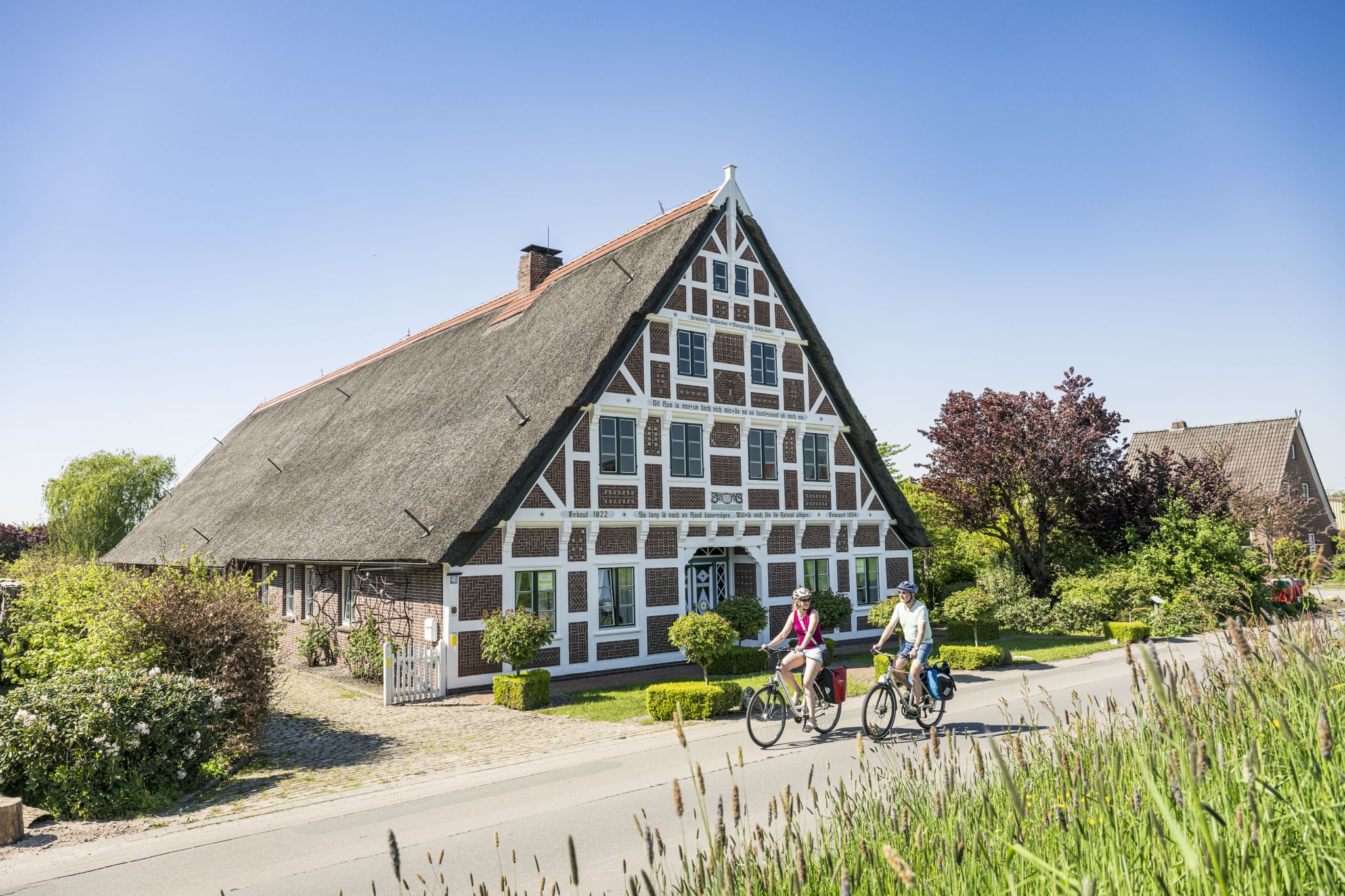
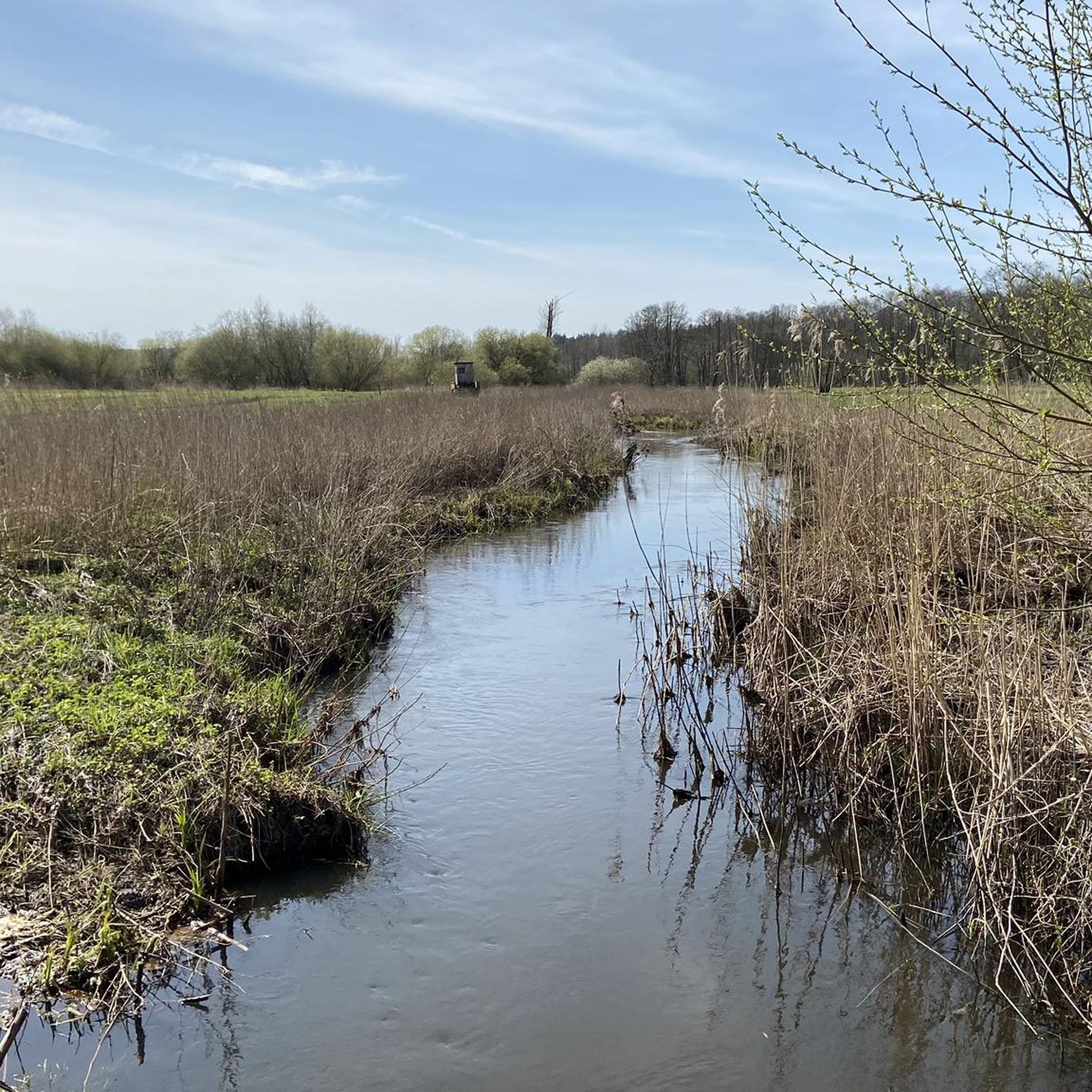
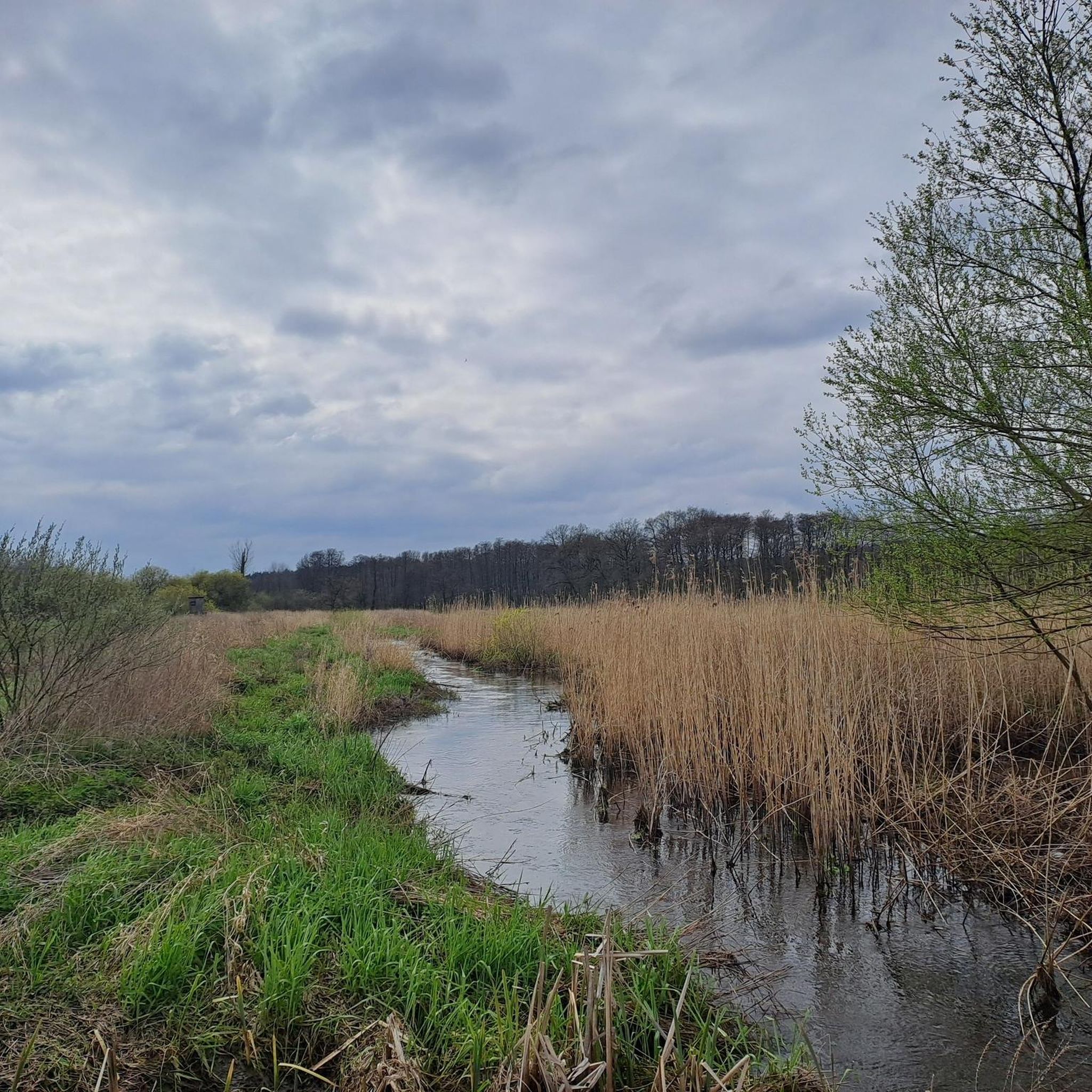
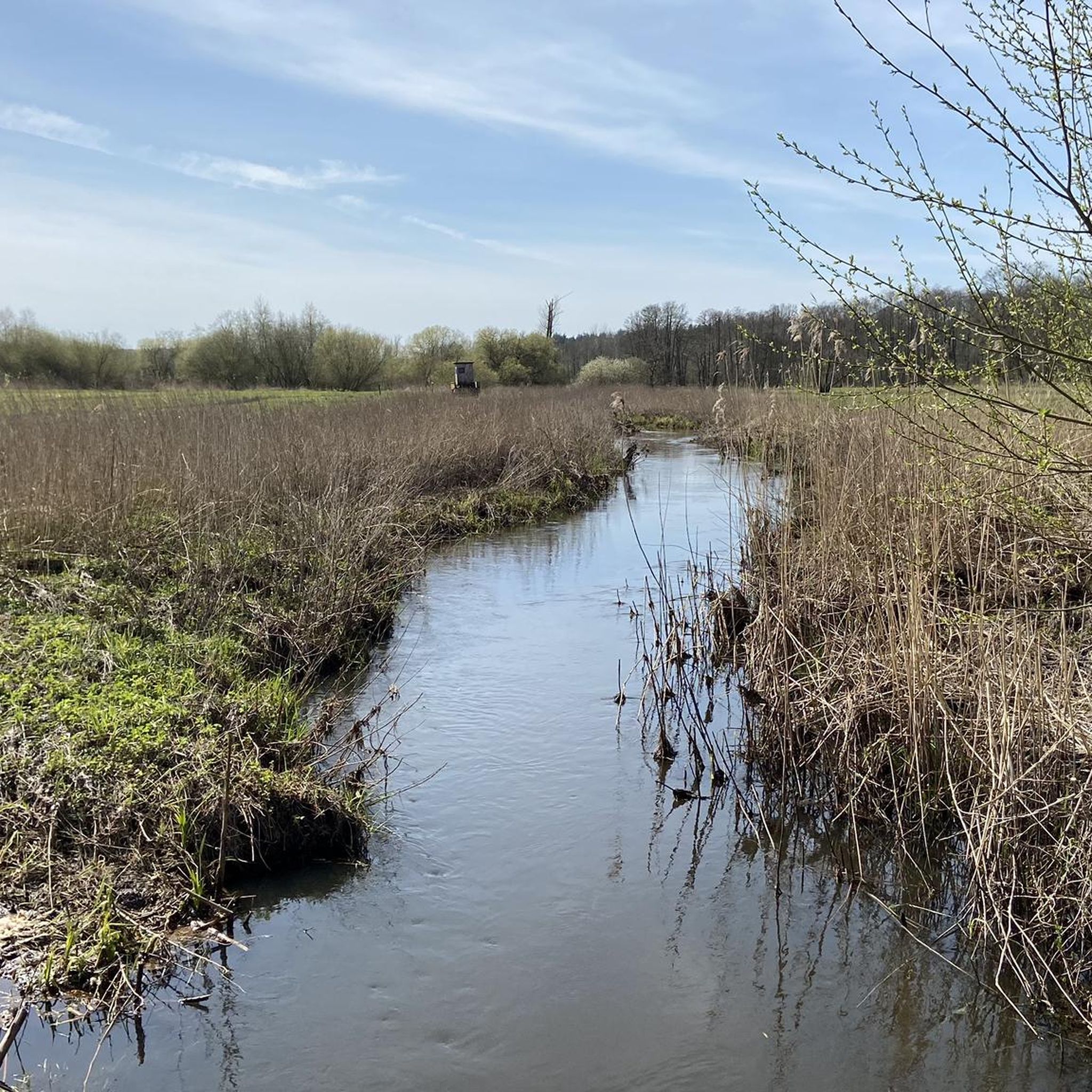
Other adventures around Horneburg

Tips from the Community

It is very beautiful here, come and see 😉.
1
0
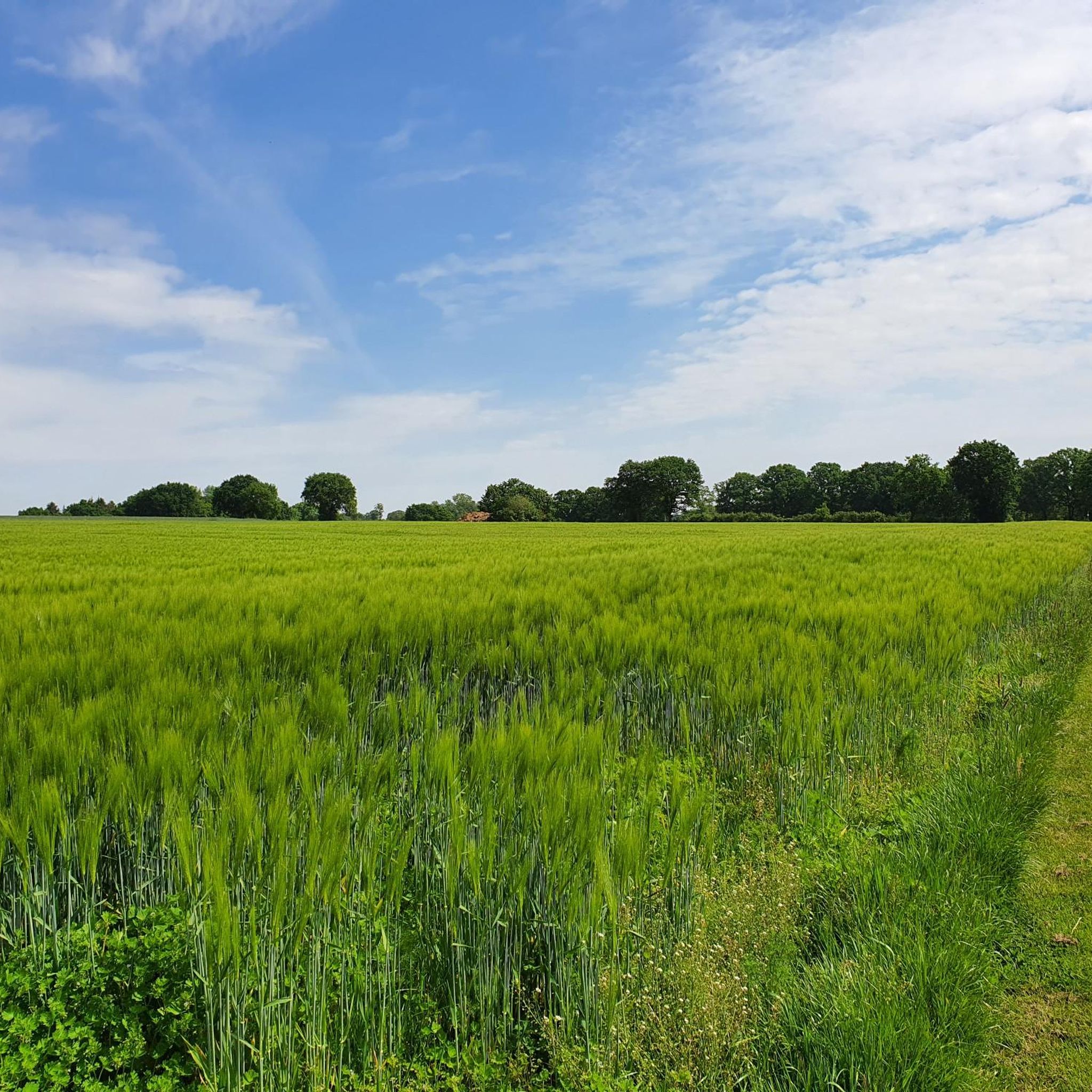
The Schwingetal stretches across a wide, beautiful landscape. Great cycling and hiking trails lead along here amidst beautiful nature.
2
0
The Neukloster Forest is a beech forest with trees up to approximately 200 years old. Originally used by the monastery for which it is named, it is home to several, sometimes rare, animal and plant species. A short hike of about 4.5 km through the Neukloster Forest is wonderful. From the Pfingstmarktplatz parking lot, the W4 hiking trail leads into the forest, passing historical and archaeological treasures such as burial mounds and wayside crosses. Follow the signs to the Friedwald parking lot and turn left there to return to the Pfingstmarktplatz parking lot.
2
0
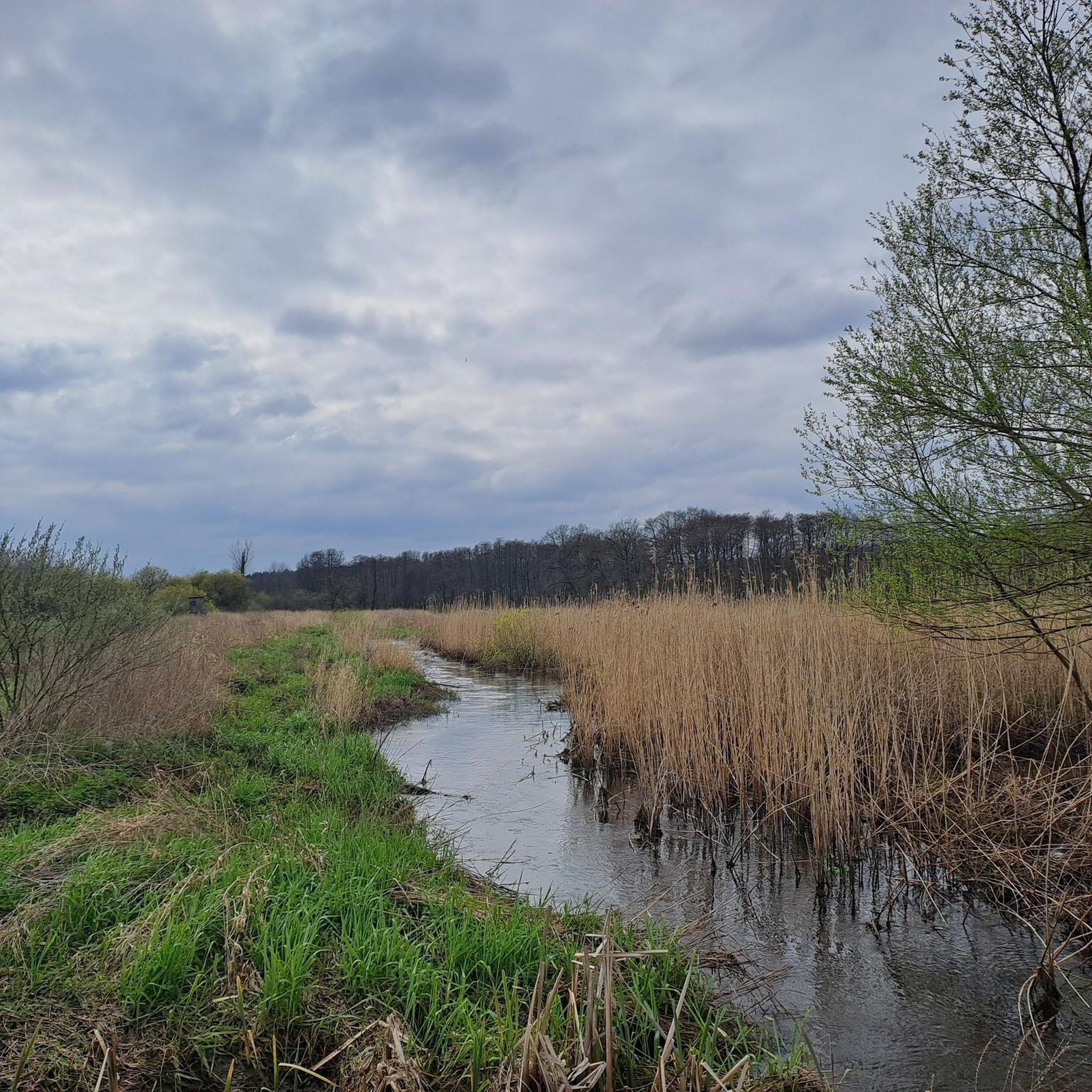
We had a very nice hike, albeit with at least four obstacles. The forestry office really needs to come and clear the surrounding trees from the trails. It was just barely manageable. Otherwise, it's absolutely beautiful here. We saw lots of mushrooms, even a red fly agaric. There's a lovely little stream that meanders through the entire forest.
5
0
We had a very nice hike, albeit with at least four obstacles. The forestry office really needs to come and clear the surrounding trees from the trails. It was just barely manageable. Otherwise, it's absolutely beautiful here. We saw lots of mushrooms, even a red fly agaric. There's a lovely little stream that meanders through the entire forest.
5
0
We had a very nice hike, albeit with at least four obstacles. The forestry office really needs to come and clear the surrounding trees from the trails. It was just barely manageable. Otherwise, it's absolutely beautiful here. We saw lots of mushrooms, even a red fly agaric.
5
0
We had a very nice hike, though there were at least four obstacles. The forestry office really needs to come and clear the surrounding trees from the trails. It was just barely manageable. Otherwise, it's absolutely beautiful here. We saw lots of mushrooms, even a red fly agaric.
7
0
Frequently Asked Questions
What unique natural features can I discover around Horneburg?
The region around Horneburg, particularly within the nearby Lüneburg Heath Nature Park, offers diverse natural features. You can explore vast heathlands, especially stunning during the purple bloom in August and September. Other notable features include the Neukloster Lake, the second strongest spring in Lower Saxony, the Schwindebach Spring, and the unique Büsenbachtal where a stream disappears and reappears. You can also find geological remnants like glacial erratics scattered throughout the landscape.
Are there specific natural monuments suitable for families near Horneburg?
Yes, several natural monuments around Horneburg are family-friendly. The Neukloster Lake offers a beautiful natural idyll with a hiking trail of approximately 12-14 km. The Stream at Neuklosterholz, meandering through the forest, is also ideal for family walks. Additionally, the Schwingetal, a landscape conservation area along the Schwinge river, provides easy paths suitable for all ages.
What kind of wildlife can I spot at the natural monuments?
The natural monuments around Horneburg, especially in the Lüneburg Heath Nature Park, are home to unique wildlife. You can often see Heidschnucke sheep, which are crucial for maintaining the heath landscape, particularly in areas like Büsenbachtal. The Schwingetal is populated by migratory birds, such as Barnacle geese, especially in autumn. The Neukloster Lake is inhabited by various aquatic animals.
What is the best time of year to visit the natural monuments around Horneburg?
The best time to visit depends on what you wish to experience. For the iconic purple bloom of the heathlands, August and September are ideal. Spring offers fresh greenery and blooming wildflowers, while autumn provides vibrant foliage and opportunities to observe migratory birds in areas like the Schwingetal. The natural beauty can be appreciated year-round, with each season offering a different charm.
Are there hiking or cycling routes near these natural monuments?
Yes, the area around Horneburg offers numerous routes for outdoor activities. For hiking, you can explore trails around Neukloster Lake or through the Neukloster Forest near the Stream at Neuklosterholz. For cycling, you can find various routes in the region, including those listed in the Cycling around Horneburg guide. There are also MTB Trails and Running Trails available.
Can I bring my dog to the natural monuments and trails?
Many natural areas and trails in the Lüneburg Heath Nature Park and around Horneburg are dog-friendly. However, it's always recommended to keep dogs on a leash, especially in nature reserves, to protect wildlife and maintain the natural environment. Please look for specific signage at each location regarding dog regulations.
What are some notable viewpoints to experience the natural beauty?
For impressive views, the heathlands themselves offer expansive vistas, particularly from elevated spots like "Auf dem Töps" in the Lüneburg Heath, which provides views towards Hamburg. The Neukloster Lake is also considered a viewpoint, offering serene natural scenery. The Haseldorfer Binnenelbe and Elbe Foreland Nature Reserve provides distant views across the Elbe.
Are there any geological formations worth seeing?
Yes, the region features significant geological formations, primarily glacial erratics. These large boulders, transported and deposited by glaciers during the ice age, can be found scattered throughout the Lüneburg Heath Nature Park. Areas like Steingrund, Heimbusch, and near Egestorf are known for these striking natural features, offering a glimpse into the region's ancient geological past.
What do visitors enjoy most about the natural monuments around Horneburg?
Visitors frequently praise the tranquil and idyllic atmosphere. The Neukloster Lake is loved for its natural idyll and opportunities for relaxation. The Stream at Neuklosterholz is described as very idyllic and beautiful. The Schwingetal is appreciated for its beautiful area with large meadows and opportunities for nature observations, especially during sunrise, sunset, or a foggy morning.
Are there any natural monuments that involve water features?
Absolutely. The region is rich in water-related natural monuments. The Neukloster Lake is a prominent example, offering a natural idyll with aquatic life. The Stream at Neuklosterholz meanders beautifully through the forest. The Schwindebach Spring is notable as the second strongest spring in Lower Saxony, with water visibly emerging from the ground. The Büsenbachtal also features a stream that mysteriously seeps underground and reappears.
How accessible are the natural monuments for people with mobility challenges?
While many natural trails can be uneven, some areas may offer more accessible paths. For example, the Este Bridge in the Unteres Estetal Nature Reserve is part of a well-tended area. When planning your visit, it's advisable to check specific trail conditions or look for designated accessible routes within the Lüneburg Heath Nature Park for the most comfortable experience.
Are there any forest natural monuments to explore?
Yes, the region features several forest areas that are considered natural monuments or are part of larger natural reserves. The Stream at Neuklosterholz flows through the Neukloster Forest, offering an idyllic setting for walks. The Brunsberg Nature Reserve, located south of Buchholz, encompasses approximately 50 hectares of forest, providing opportunities to explore diverse forest ecosystems alongside the open heathlands.
Most popular routes around Horneburg
Most popular attractions around Horneburg

Get inspired with the komoot mobile app


Explore more
Extend your search for the best caves by checking out these guides of the top ones around Horneburg:
