Top 20 Natural Monuments around Oelsnitz
Best natural monuments around Oelsnitz are located in two distinct towns, Oelsnitz/Vogtl. and Oelsnitz/Erzgeb., both within the Erzgebirge/Vogtland Nature Park. This region features diverse landscapes, including forests, fields, and unique geological formations. The area provides opportunities for hiking and experiencing natural heritage.
Best natural monuments around Oelsnitz
- The most popular natural monuments is Tripoint Bavaria–Saxony–Czech Republic, a historical site and natural monument that marks the border point of Bavaria, Saxony, and the Czech Republic. This location offers natural surroundings…
Last updated: May 11, 2026
Tripoint Bavaria–Saxony–Czech Republic
Highlight • Monument
Until …
Translated by Google •
Tip by

Lochstein
Highlight • Natural Monument
Translated by Google •
Tip by

Sign up now to discover places like this
Get recommendations on the best single tracks, peaks, & plenty of other exciting outdoor places.
Sign up for free
Wendelstein
Highlight • Natural Monument
Adventure in a small space
wonderful nature experience
Translated by Google •
Tip by

Werda Dam (Geigenbach Dam)
Highlight • Monument
Translated by Google •
Tip by

Pirk Dam
Highlight • Lake
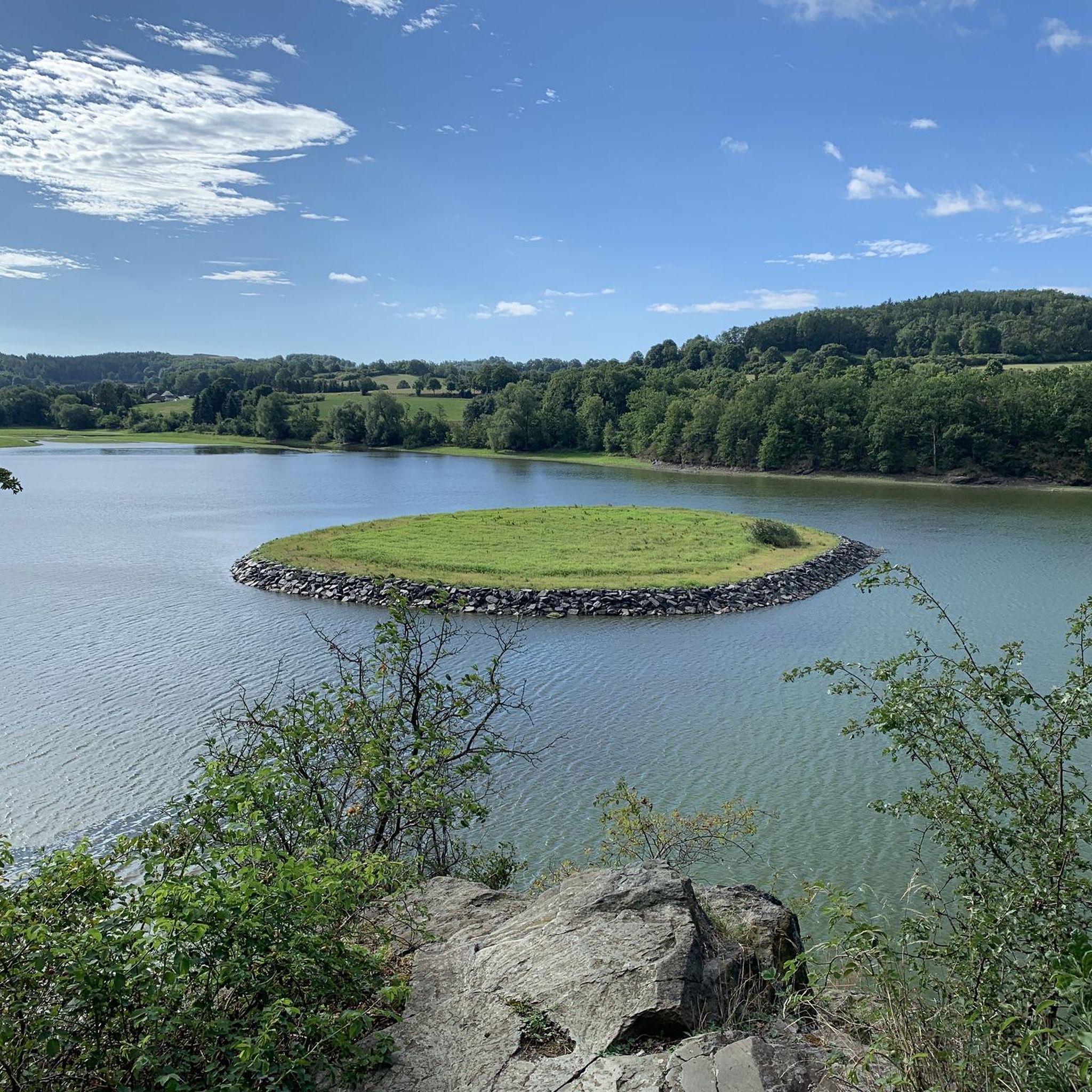
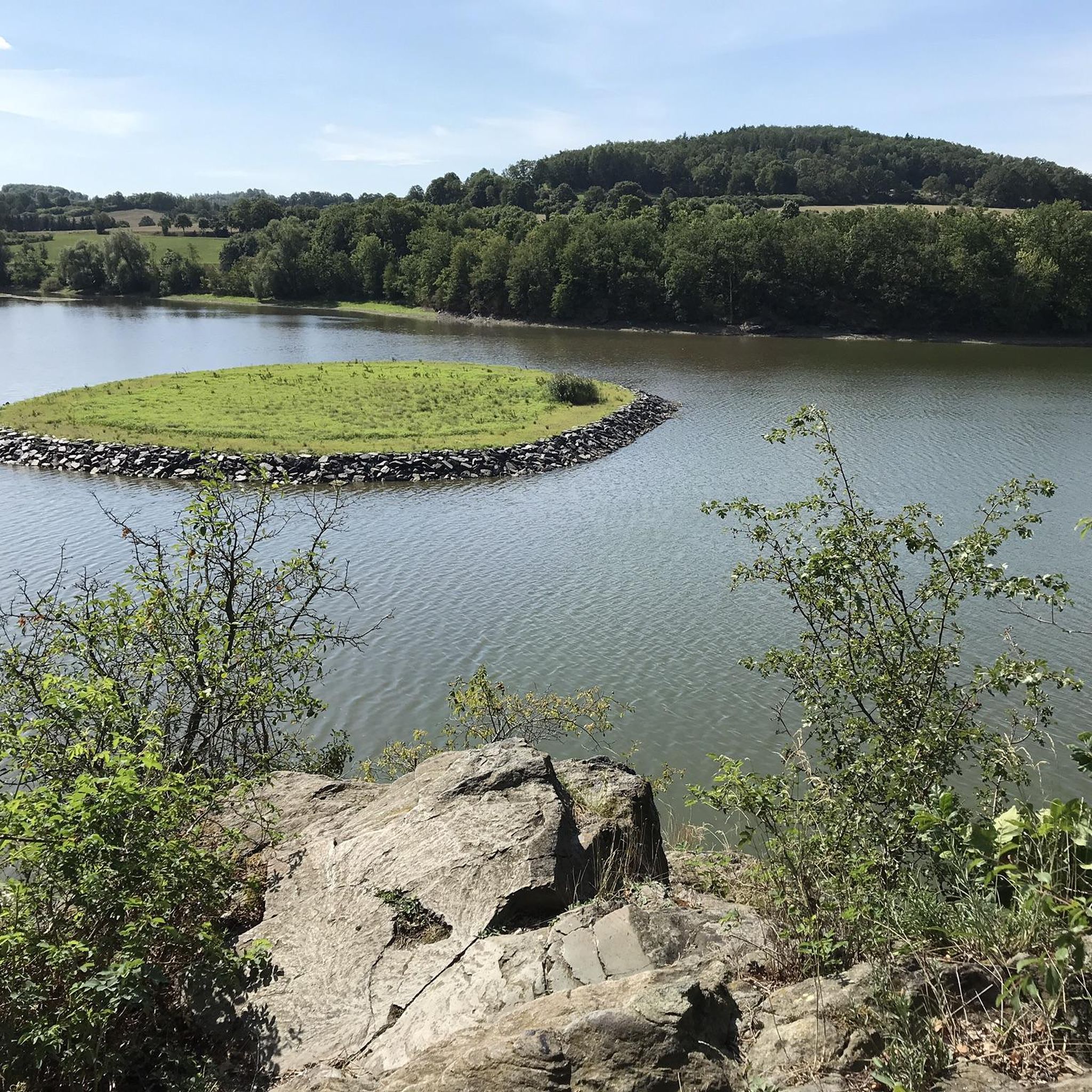
The Pirk Dam is located in the Vogtland near the town of Taltitz near Oelsnitz. The A72 Hof motorway towards Chemnitz runs directly past the dam. Construction work …
Translated by Google •
Tip by

Sign up for free to discover even more natural monuments around Oelsnitz.
Sign up for free
Already have an account?
Start today with a free account
Your next adventure awaits.
Login or Signup
Popular around Oelsnitz
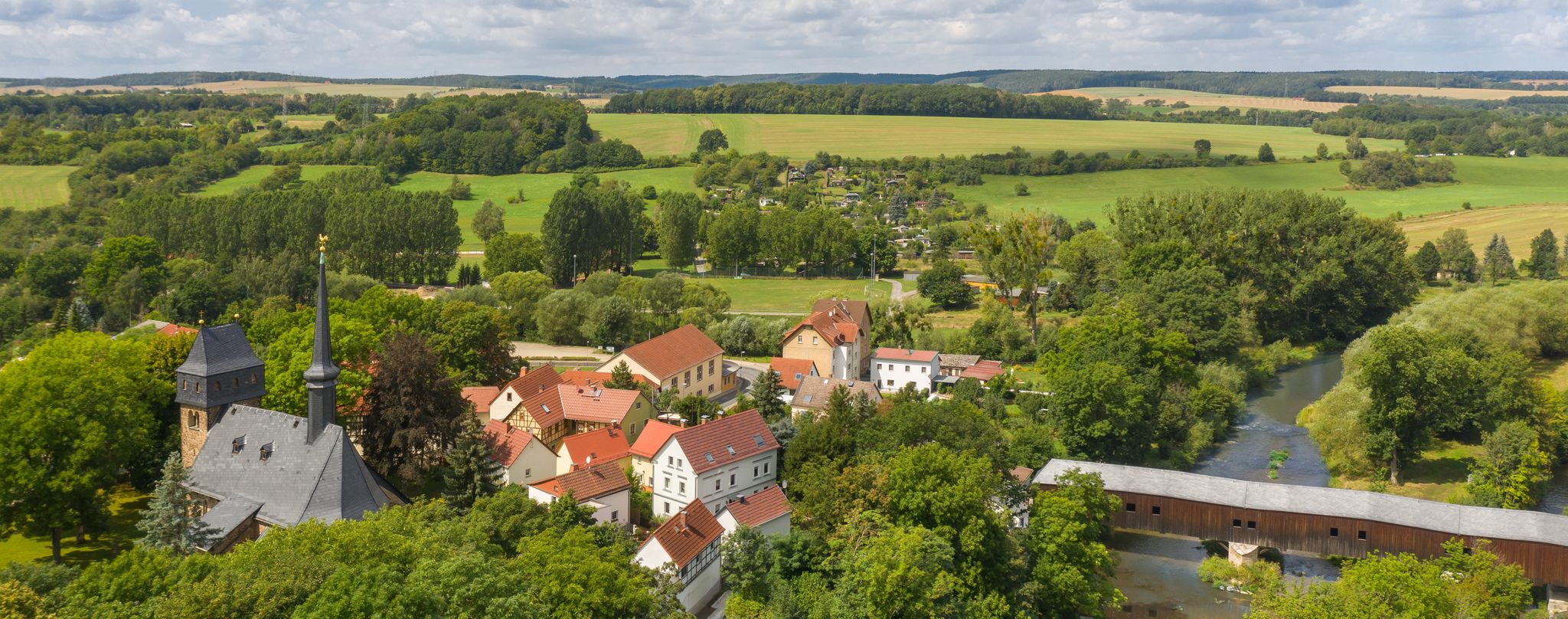
Hiking and biking on the trail of the Reeves – Vogtland Culture Trail
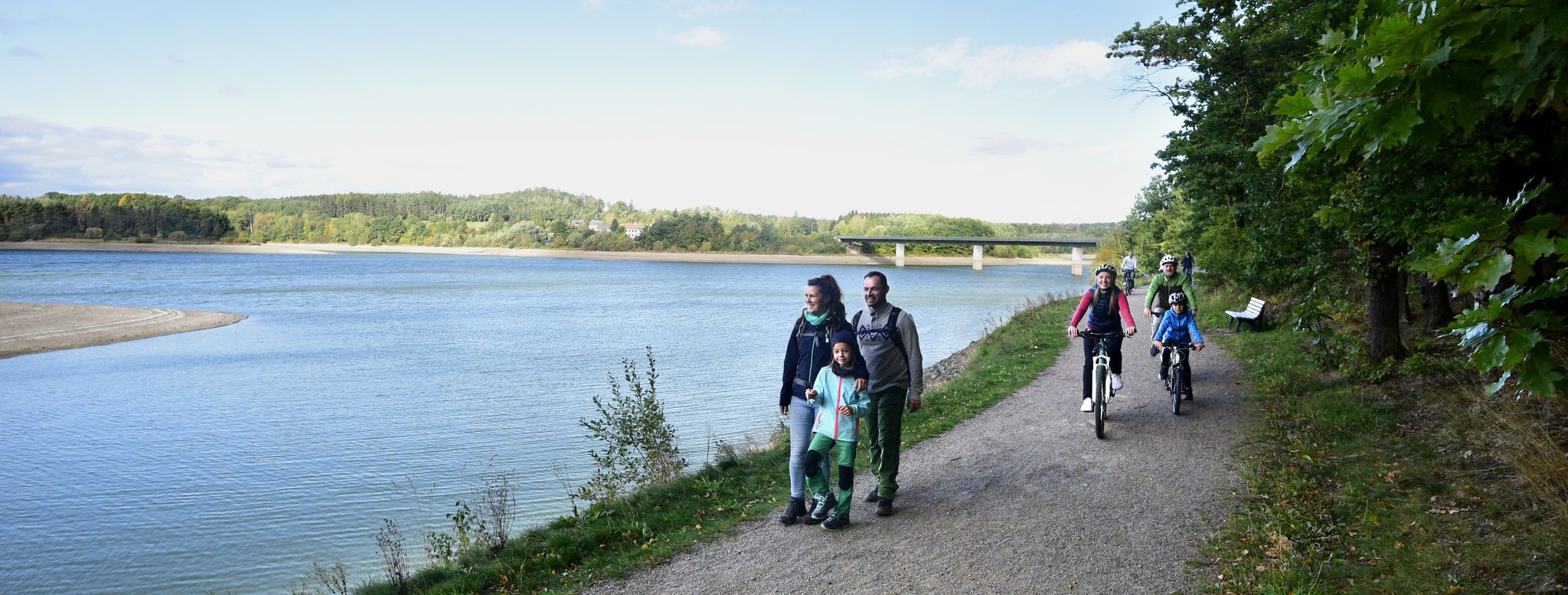
Family fun on foot and bike — explore Germany’s Vogtland
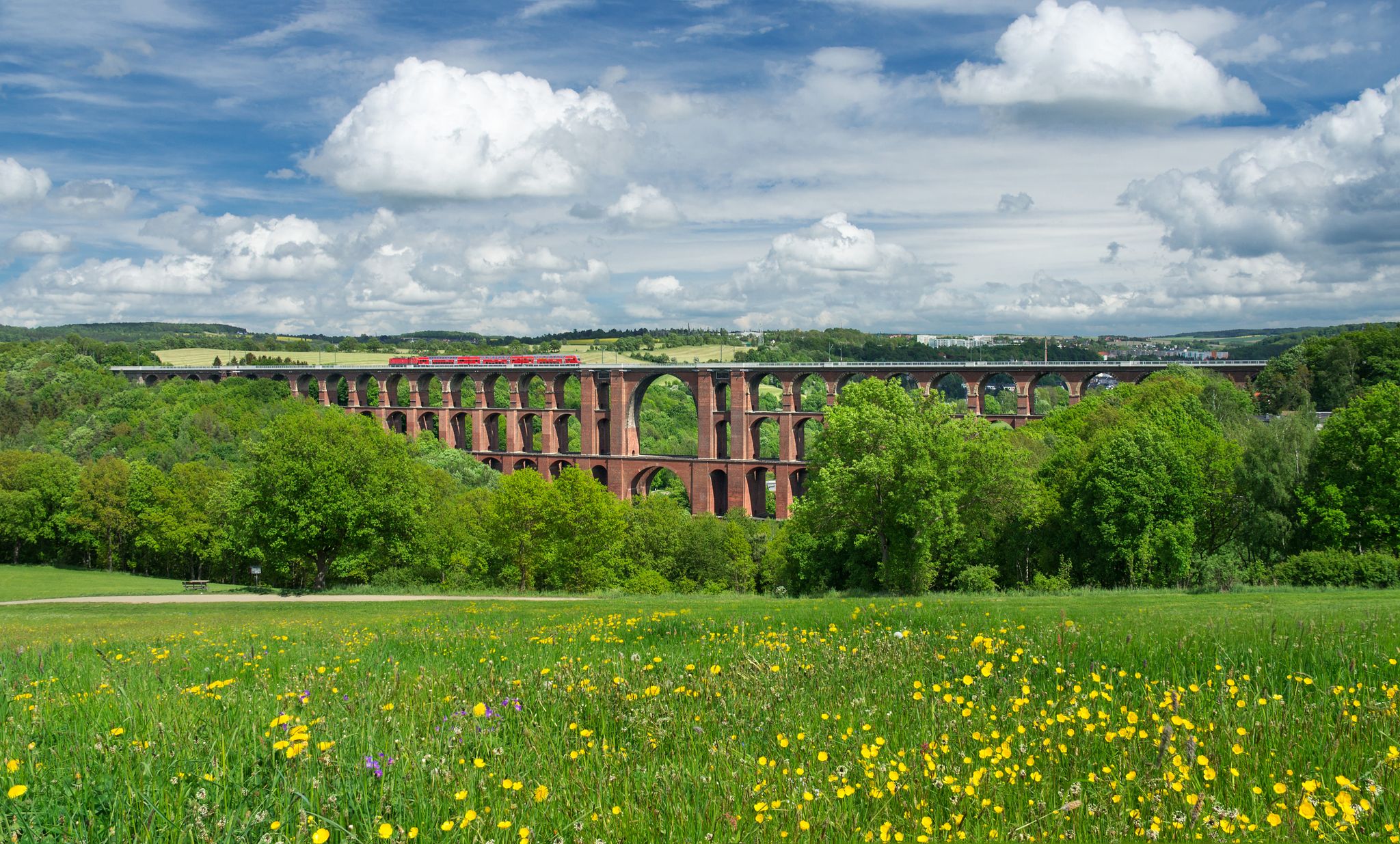
Experience nature’s symphony – Vogtland Panorama Trail
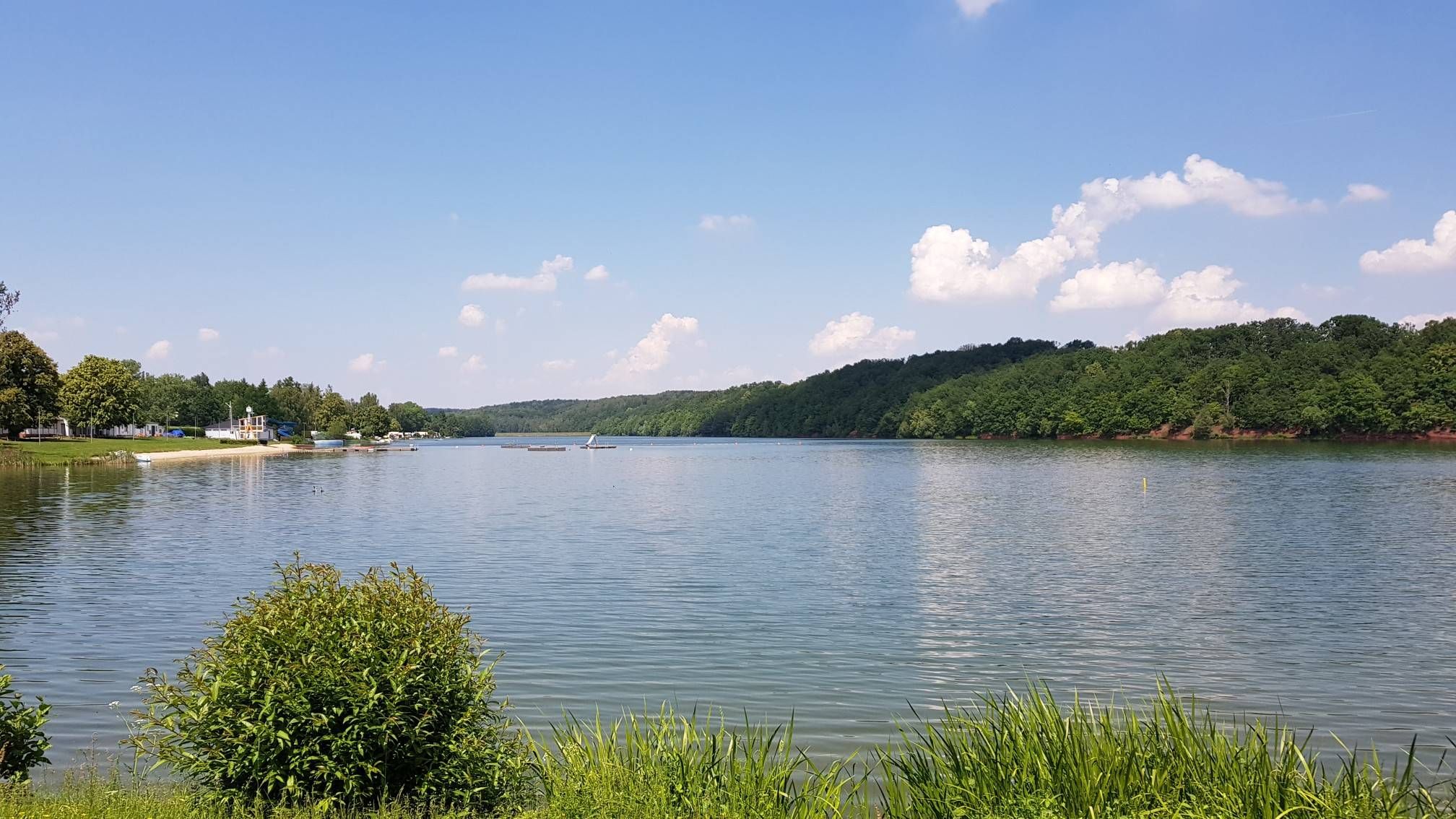
The best swimming lakes in Saxony
Cycling around Oelsnitz
Hiking around Oelsnitz
MTB Trails around Oelsnitz
Running Trails around Oelsnitz
Road Cycling Routes around Oelsnitz
Gravel biking around Oelsnitz
Other adventures around Oelsnitz


Tips from the Community

The Wendelstein (734 m) is part of a long chain of rocky cliffs that jut sharply out of the earth. This striking rock formation begins at the "Hoher Stein" (Czech Republic), continues via the "Alter Söll" (Schöneck), the "Rehhübel," "Rinnelstein," "Großer Affenstein," "Kleiner Affenstein," "Genesenstein," "Wendelstein," and "Schwarzer Stein" (all Grünbach) to the "Bendelstein" near Auerbach. The Wendelstein, like all the others, is composed of greywacke quartzite. This is a dark gray, mostly highly consolidated sandstone composed of feldspar, chlorite, and mica, with a high proportion of slate and quartzite. About 500 million years ago, the Vogtland region was covered by a shallow sea. Sand and mud settled on the bottom, which subsequently solidified into sandstone and slate, the sedimentary rock, due to climate change and landslide. Forced upwards under enormous heat and pressure, phyllite and quartzite were formed. (https://www.gruenbach.de/freizeit_aktiv)
0
0
A striking viewpoint on the trail from Falkenstein to Grünbach. The Lochstein is a popular destination for both locals and visitors. A covered seating area sponsored by the town's residents always invites you to take a break, which is also greatly appreciated by hikers on Felsenweg 3b from Werda. Located in the Vogtland Geo-Environmental Park, the Lochstein is a greywacker quartzite rock – an impressive rock that can be climbed with a view of the Falkenstein town area. However, when climbing, the "Lochstein" is primarily for more experienced climbers because it has been left in its almost pristine state, which is why it is advisable to have a pair of slings, friends, or nuts handy. But even without this challenge, the Lochstein is simply beautiful in any season. (https://www.vogtland-tourismus.de/mobile/de/poi/aussichtspunkt/lochstein-bei-falkenstein-vogtland/23502738 )
0
0
The Wendelstein has been protected as a geological natural monument since November 5, 1938. A triangulation column dated 1864 was erected on the highest part of the rock, representing a second-order survey point in the course of the historic Saxon national survey. The Wendelstein is 734 m above sea level and is part of a long chain of rocky cliffs that jut steeply out of the earth. This striking rock formation begins at the "Hoher Stein" (Czech Republic), continues via the "Alter Söll" (Schöneck), the "Rehhübel," "Rinnelstein," the "Großer Affenstein" and "Kleiner Affenstein," the "Genesenstein," "Wendelstein," and the "Schwarzer Stein" (all Grünbach) to the "Bendelstein" near Auerbach. (https://www.gruenbach.de/freizeit_aktiv/gehenswertes_rund_um_gruenbach-muldenberg/wendelstein/index.php)
0
0

beautiful hiking trail through the forest
0
0

There is a small hut and a few benches here. Ideal for a short rest.
0
0

Beautiful rock. It's worth a detour.
0
0

At the top of the Wendelstein there is a historic triangulation column and a summit cross.
0
0

To get there you should be sure-footed. I would advise against climbing when it is wet.
3
0
Frequently Asked Questions
What types of natural monuments can I explore around Oelsnitz?
The region around Oelsnitz, encompassing both Oelsnitz/Vogtl. and Oelsnitz/Erzgeb., offers a diverse range of natural monuments. You can find impressive rock formations like Lochstein and Wendelstein, as well as significant water bodies such as the Werda Dam (Geigenbach Dam). The area also features historical natural sites like the Tripoint Bavaria–Saxony–Czech Republic.
Are there family-friendly natural monuments in the Oelsnitz area?
Yes, several natural monuments are suitable for families. The Tripoint Bavaria–Saxony–Czech Republic is a historical site with natural surroundings that families can enjoy. The Werda Dam (Geigenbach Dam) offers scenic views and is considered family-friendly. Additionally, the Poppenstein Rock Formation is a popular climbing spot that can be enjoyed by children and adults alike.
What are some notable rock formations to visit near Oelsnitz?
Oelsnitz is known for its unique rock formations. You can visit Lochstein, which rises like a rocky pyramid and has a resting area. Another impressive site is Wendelstein, offering a bizarre and wonderful nature experience, though it requires sure-footedness. The Poppenstein Rock Formation is also a popular climbing rock.
What outdoor activities can I do near the natural monuments around Oelsnitz?
The region offers various outdoor activities, especially hiking and cycling. For running, you can explore routes around the Pirk Reservoir and Pirk Dam, with options ranging from moderate to difficult, such as the 13.7 km 'Pirk Reservoir – Pirk Dam loop from Taltitz'. Mountain biking is also popular, with trails like the 36.8 km 'Pirk Reservoir – Bench with a view of Pirk Dam loop from Oelsnitz (Vogtl)'. For gravel biking, there are routes like the 46.8 km 'Elstertal Bridge (Pirk) – White Elster in Weischlitz loop from Plauen Mitte'. You can find more details on these activities in the Running Trails around Oelsnitz, MTB Trails around Oelsnitz, and Gravel biking around Oelsnitz guides.
Are there any historical natural monuments in the area?
Yes, the Tripoint Bavaria–Saxony–Czech Republic is a significant historical natural monument. It marks the border point of Bavaria, Saxony, and the Czech Republic, and historically was part of the Iron Curtain. You'll find information panels and boundary stones, including one from 1844, making it a place of both natural beauty and historical reflection.
What is the best time of year to visit the natural monuments around Oelsnitz?
The region, particularly Oelsnitz/Vogtl., is a popular destination for hiking enthusiasts in spring and autumn. These seasons offer pleasant temperatures and beautiful scenery, making them ideal for exploring the natural monuments and the broader Erzgebirge/Vogtland Nature Park.
What do visitors particularly enjoy about the natural monuments in Oelsnitz?
Visitors appreciate the diverse natural beauty and the opportunities for exploration. Many enjoy the scenic views from places like the Werda Dam and the unique geological features of rock formations such as Lochstein. The historical significance of sites like the Tripoint Bavaria–Saxony–Czech Republic also adds to the appeal, offering both natural surroundings and a glimpse into the past.
Can I find natural lakes or reservoirs in the Oelsnitz area?
Yes, the region features notable water bodies. The Werda Dam (Geigenbach Dam) is a significant man-made monument that offers beautiful views of the lake and its surrounding landscape. In Oelsnitz/Vogtl., the Kleiner Kranichsee (Small Crane Lake) is a natural lake with a scenic circular path, providing breathtaking views of clear water and nature.
Are there viewpoints among the natural monuments?
Many natural monuments in the Oelsnitz area offer excellent viewpoints. The Tripoint Bavaria–Saxony–Czech Republic, Lochstein, Wendelstein, Werda Dam, and Poppenstein Rock Formation are all highlighted as offering great views of the surrounding landscapes.
What is the Erzgebirge/Vogtland Nature Park and its relevance to Oelsnitz?
Both Oelsnitz/Vogtl. and Oelsnitz/Erzgeb. are located within the extensive Erzgebirge/Vogtland Nature Park, which is Germany's longest. This nature park covers 1,495 km² and includes 228 area natural monuments (FNDs), along with nature reserves and protected landscapes. It offers a variety of hiking trails through diverse environments, including deep forests, wide fields, and charming villages, making it central to the region's natural heritage.
Are there any natural monuments suitable for climbing?
Yes, the Poppenstein Rock Formation is described as an ideal climbing rock for both children and professionals. Additionally, Wendelstein is a challenging climb, though it's advised to avoid when wet.
Can I find places to rest at the natural monuments?
Yes, some natural monuments offer designated resting areas. For instance, at the foot of Lochstein, there is a group of seats and a covered break area, inviting visitors to take a pause and enjoy the surroundings.
Most popular routes around Oelsnitz
Most popular attractions around Oelsnitz

Get inspired with the komoot mobile app


Explore more
Extend your search for the best caves by checking out these guides of the top ones around Oelsnitz:
