Top 20 Natural Monuments around Ellerhoop
Best natural monuments around Ellerhoop include diverse natural attractions. The region features Schleswig-Holstein's largest raised bog, the Himmelmoor, alongside the Ellerhoop-Thiensen Arboretum, a botanical garden with extensive plant collections. Ellerhoop's landscape offers a mix of re-naturalized moor environments and cultivated botanical spaces. These areas provide opportunities to explore unique ecosystems and varied flora.
Best natural monuments around Ellerhoop
- The most popular natural monuments is Himmelmoor Nature Reserve, an other natural area and moor. It is Schleswig-Holstein's largest raised bog,…
Last updated: October 11, 2026
Himmelmoor Nature Reserve
Highlight • Natural
Translated by Google •
Tip by

Kleiner Knust Viewing Platform (Himmelmoor)
Highlight • Viewpoint
Translated by Google •
Tip by

Sign up now to discover places like this
Get recommendations on the best single tracks, peaks, & plenty of other exciting outdoor places.
View over the Himmelmoor
Highlight • Viewpoint
Translated by Google •
Tip by

Viewpoint in Himmelmoor
Highlight • Viewpoint
Translated by Google •
Tip by
Uetersen Rosarium
Highlight • Natural
Translated by Google •
Tip by

Sign up for free to discover even more natural monuments around Ellerhoop.
Already have an account?
Start today with a free account
Your next adventure awaits.



Tips from the Community

According to a 1919 contract, peat extraction, which began around 1780, was to continue until the moor had completely disappeared. However, extraction was discontinued in 2018. The gradual renaturation and rewetting of the Himmelmoor had already begun. The "Himmelmoor Friends' Association" was founded in December 2005.
12
0

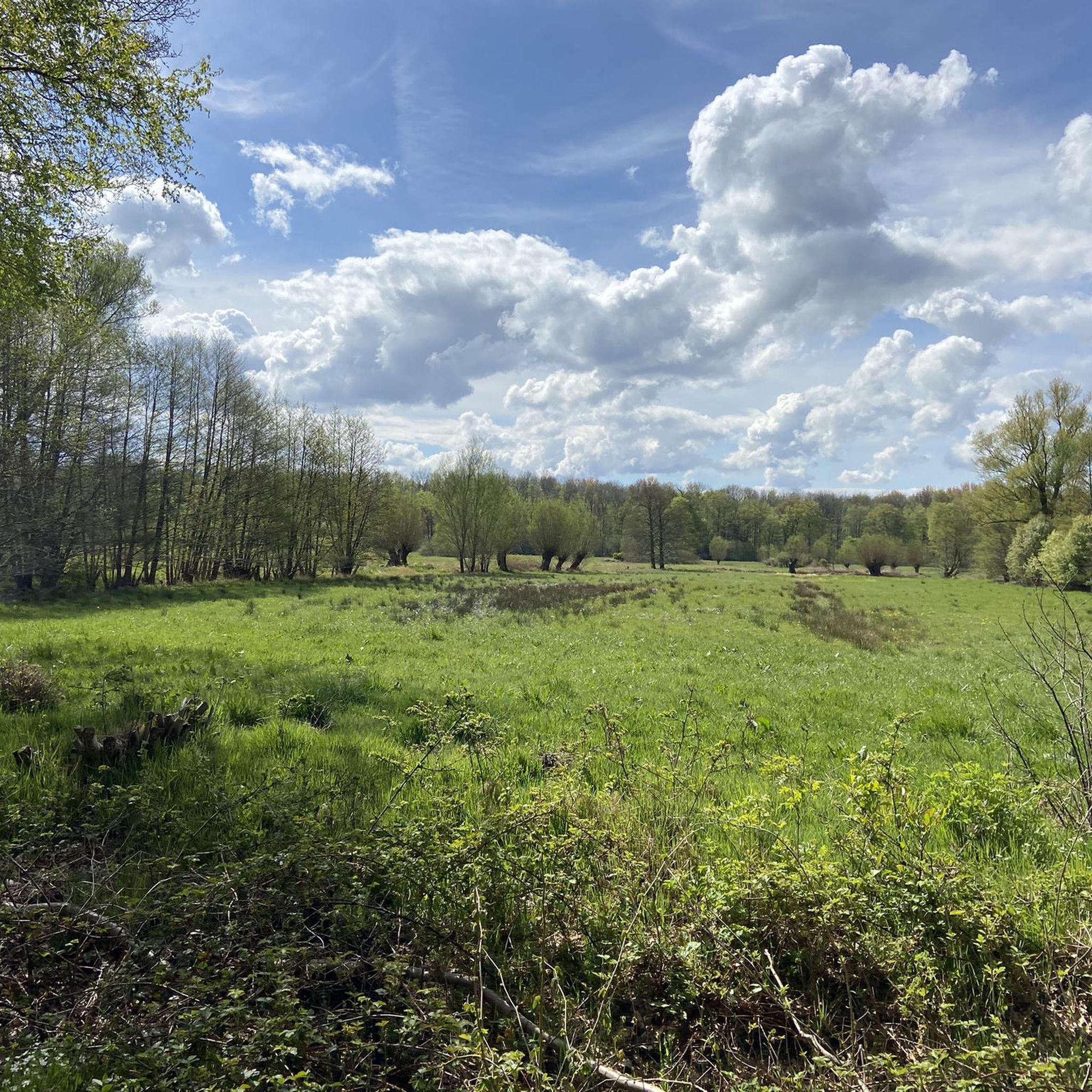
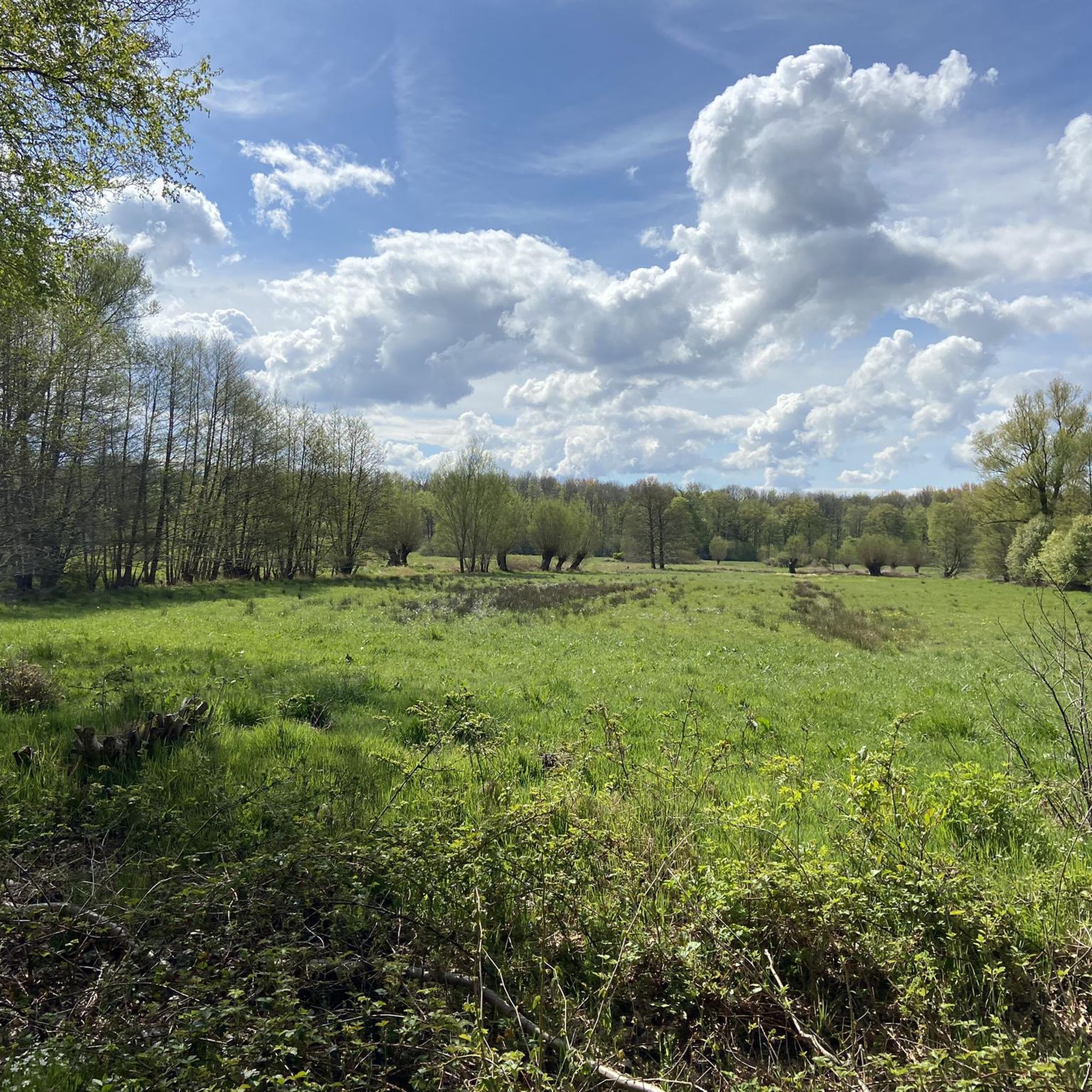
Visitors can explore Schleswig-Holstein's largest raised bog on a nearly four-kilometer-long nature trail. It leads over soft peat soil, through birch forests, and along a boardwalk. Information boards along the trail provide information about the extraordinary flora and fauna. At three different locations, vantage points offer a beautiful view of the moor lake and the former peat mining areas.
9
0
You also regularly cross the tracks of the peat railway when you go for a walk. Incidentally, trips with the Lorenbahn are offered on certain dates. That must be a great experience too.
13
1
The third viewing platform is at the northern end of Nulldamm in an area called Kleiner Knust. Here you have the best view over the moor.
8
0
The third viewing platform is at the northern end of Nulldamm in an area called Kleiner Knust.
9
0
3 worthwhile viewing platforms are located directly on the moor nature trail. On a walk you pass them almost automatically. Thanks to the benches, they are also very suitable for a short hiking break.
10
0

This wonderful rose garden, spanning approximately seven hectares and boasting around 900 varieties of roses, is located right next to the town hall. As it's a public park, you can admire the magnificent roses and let their fragrance enchant you at any time. And if you like, you can treat yourself to a relaxing break on the lovely terrace of the Parkhotel Rosarium, enjoying the stunning view of the park.
4
0

The tracks of the peat railway run here. It is maintained and looked after by a working group and there is even the opportunity to take part in public train rides. A ride offers a different perspective of the moor area, but the rails are also a nice photo motif.
11
1
Frequently Asked Questions
What unique natural features can I explore around Ellerhoop?
The region offers diverse natural features. You can explore Schleswig-Holstein's largest raised bog at Himmelmoor Nature Reserve, a re-naturalized moor environment with specialized flora and fauna. The Ellerhoop-Thiensen Arboretum showcases over 4,000 plant species in various themed gardens. Additionally, the Liether Chalk Pit Nature Reserve provides a unique geological insight with its exposed ancient rock layers.
Are there family-friendly natural monuments in the Ellerhoop area?
Yes, several natural monuments are suitable for families. The Ellerhoop-Thiensen Arboretum is a great choice, offering diverse themed gardens and educational exhibits that appeal to all ages. The Liether Chalk Pit Nature Reserve also features a 2.7 km circular route with panoramic views, making it an engaging outdoor experience for families.
What is the best time of year to visit the natural monuments around Ellerhoop?
The best time to visit depends on what you wish to see. The Ellerhoop-Thiensen Arboretum offers blooms year-round, from early spring flowers in March to vibrant Indian Summer colors in October. The Himmelmoor is particularly scenic when cotton grass blooms in summer, creating a unique photogenic environment. Generally, spring through autumn provides pleasant weather for exploring.
Are there hiking or walking trails available at these natural monuments?
Yes, both the Himmelmoor and Liether Chalk Pit offer dedicated trails. The Himmelmoor Nature Reserve features a nearly four-kilometer-long nature trail that leads over soft peat soil and through birch forests. The Liether Chalk Pit Nature Reserve has a 2.7 km circular route with viewpoints. For more extensive hiking options, you can explore various running trails around Ellerhoop that pass through natural areas.
Can I bring my dog to the natural monuments?
While specific rules for each monument may vary, many natural areas in the region are dog-friendly. For instance, Wolnysee (See an den Funktürmen), a nearby lake, is a favored spot for dog walking. When visiting nature reserves like Himmelmoor or Liether Chalk Pit, it's generally recommended to keep dogs on a leash to protect wildlife and maintain the natural environment.
What kind of wildlife can I expect to see in the Himmelmoor Nature Reserve?
The Himmelmoor Nature Reserve is a refuge for numerous protected animals and plants due to its unique nutrient-poor and acidic conditions. You might spot diverse birds like snipes, curlews, and cranes in wet areas, or marsh tits and owls in wooded sections. Dragonflies, reptiles such as smooth snakes and adders, and amphibians like natterjack toads also thrive here.
Are there any historical aspects to the natural monuments around Ellerhoop?
Yes, some natural monuments have significant historical context. The Himmelmoor Nature Reserve was an industrial peat mining site for over 250 years, and you can even take a ride on the historical peat railway, which runs on old tracks, offering insights into its industrial past. The Liether Chalk Pit Nature Reserve is a former mining pit that is now a protected national geotope, showcasing the oldest geological rock layers of the North German lowlands.
What facilities are available at the Ellerhoop-Thiensen Arboretum?
The Ellerhoop-Thiensen Arboretum is well-equipped for visitors. It features educational exhibits, themed gardens, and is designed for public recreation and education. While specific details on cafes or restaurants within the arboretum are not provided, it is a popular destination for garden enthusiasts and those seeking relaxation, suggesting visitor amenities are available.
Are there viewpoints to enjoy scenic vistas at these natural monuments?
Yes, several locations offer scenic views. In the Himmelmoor Nature Reserve, three observation points provide beautiful views over the moor lake and the former peat mining areas. The Liether Chalk Pit Nature Reserve also has several viewpoints above the pit, offering panoramic perspectives into this unique geological formation.
What kind of cycling routes are available near Ellerhoop's natural monuments?
The area around Ellerhoop offers various cycling opportunities. You can find easy cycling routes like the 'Schäferweg – Am Goldenen Stern loop' or the 'Krückau fish ladder – Rantzau Watermill loop'. For more options, explore the Cycling around Ellerhoop guide, which includes routes passing through scenic natural landscapes.
Is the Uetersen Rosarium considered a natural monument?
The Uetersen Rosarium is a magnificent rose garden spanning approximately seven hectares with around 900 varieties of roses. While it is a beautiful public park and a significant botanical attraction, it is more accurately described as a cultivated garden rather than a natural monument in the same vein as a wild bog or geological formation.
What makes the Ellerhoop-Thiensen Arboretum unique?
The Ellerhoop-Thiensen Arboretum is unique for its blend of nature, history, and science. It features over 4,000 plant species, including Germany's largest collection of shrub peonies. Visitors can explore diverse themed gardens, educational exhibits detailing the development history of trees, and even a replica of a herbivorous dinosaur, making it a comprehensive botanical experience.
Most popular routes around Ellerhoop
Most popular attractions around Ellerhoop

Get inspired with the komoot mobile app


Explore more
Extend your search for the best caves by checking out these guides of the top ones around Ellerhoop:
