Top 20 Natural Monuments around Pronstorf
Best natural monuments around Pronstorf are found within the broader Segeberg district, a region characterized by its diverse natural landscape. The area features significant lakes, rivers, and unique geological formations. This part of Schleswig-Holstein offers various natural features, including protected habitats and striking landforms, providing opportunities for outdoor exploration.
Best natural monuments around Pronstorf
- The most popular natural monuments is Kalkberg, Bad Segeberg, a natural monument that is a 91-meter-high gypsum mountain. It offers panoramic views of Bad Segeberg…
Last updated: October 11, 2026
Kalkberg, Bad Segeberg
Highlight • Natural Monument
The view in good weather is fantastic.
And it is the only rock mountain in the big circle! The next one should be in the Harz …
Translated by Google •
Tip by

Herrenteich Reinfeld
Highlight • Lake
Translated by Google •
Tip by

Sign up now to discover places like this
Get recommendations on the best single tracks, peaks, & plenty of other exciting outdoor places.
Lake Ihl
Highlight • Lake
Showing Translation
Tip by

Fischhuser Bridge over the Herrenteich, Reinfeld
Highlight • Bridge
Translated by Google •
Tip by

Rönne estuary and stone bridge at Großer Segeberger See
Highlight • Bridge
Translated by Google •
Tip by

Sign up for free to discover even more natural monuments around Pronstorf.
Already have an account?
Start today with a free account
Your next adventure awaits.

Tips from the Community

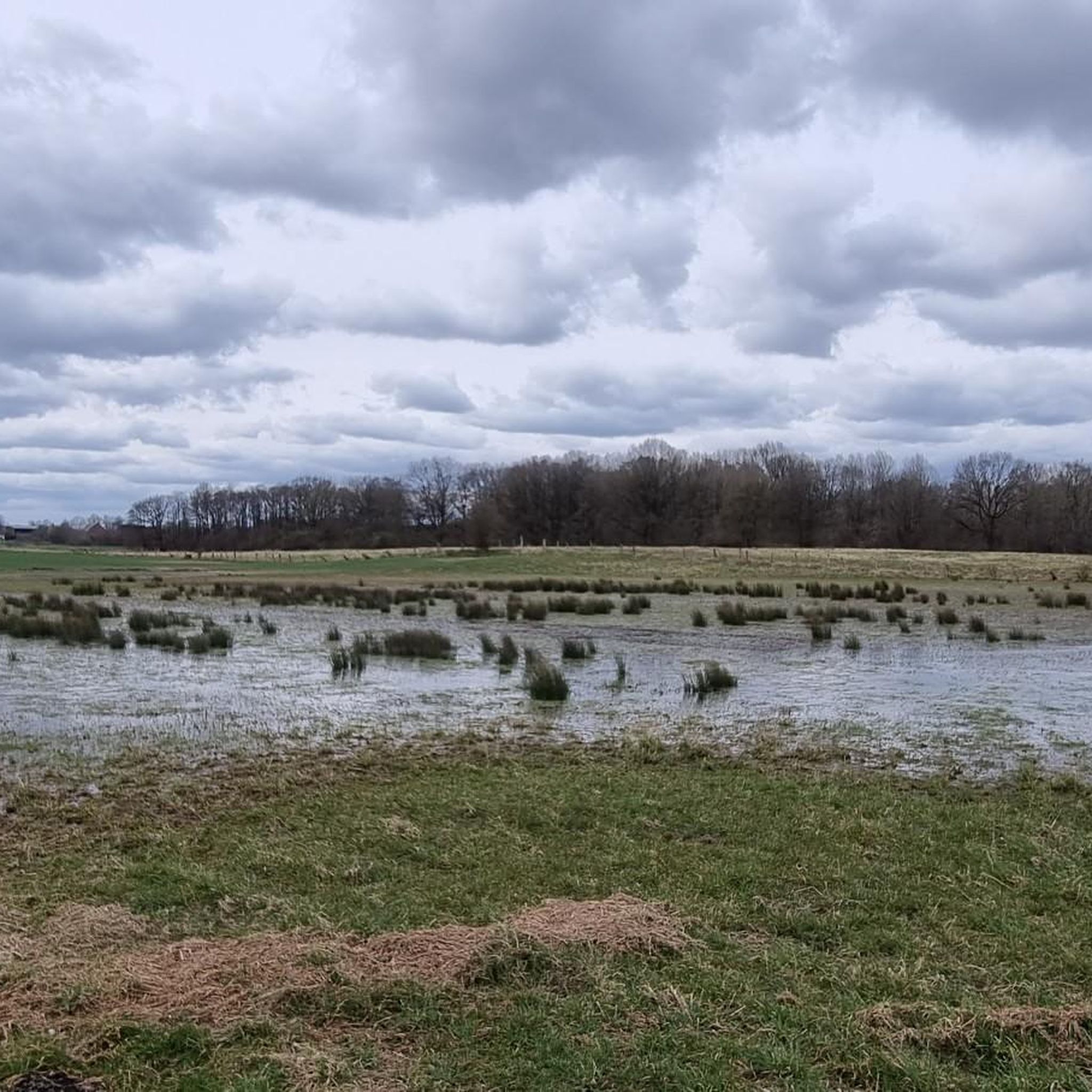
The Herrenteich Pond is located in the heart of the carp town of Reinfeld. It was artificially created in the 12th century by Cistercian monks as a reservoir for the Heilsau River for fish farming. Carp are still bred here today. A four-kilometer circular trail around the Lower Herrenteich invites you to discover this special ecosystem. 16 stations along the adventure trail offer fun and a nature experience in one, sharpening your awareness of the special features of this natural area. In summer, you can enjoy the cool water at the lido. See: https://tourismus-stormarn.de/de/naturerlebnis/herrenteich-reinfeld-5
2
0
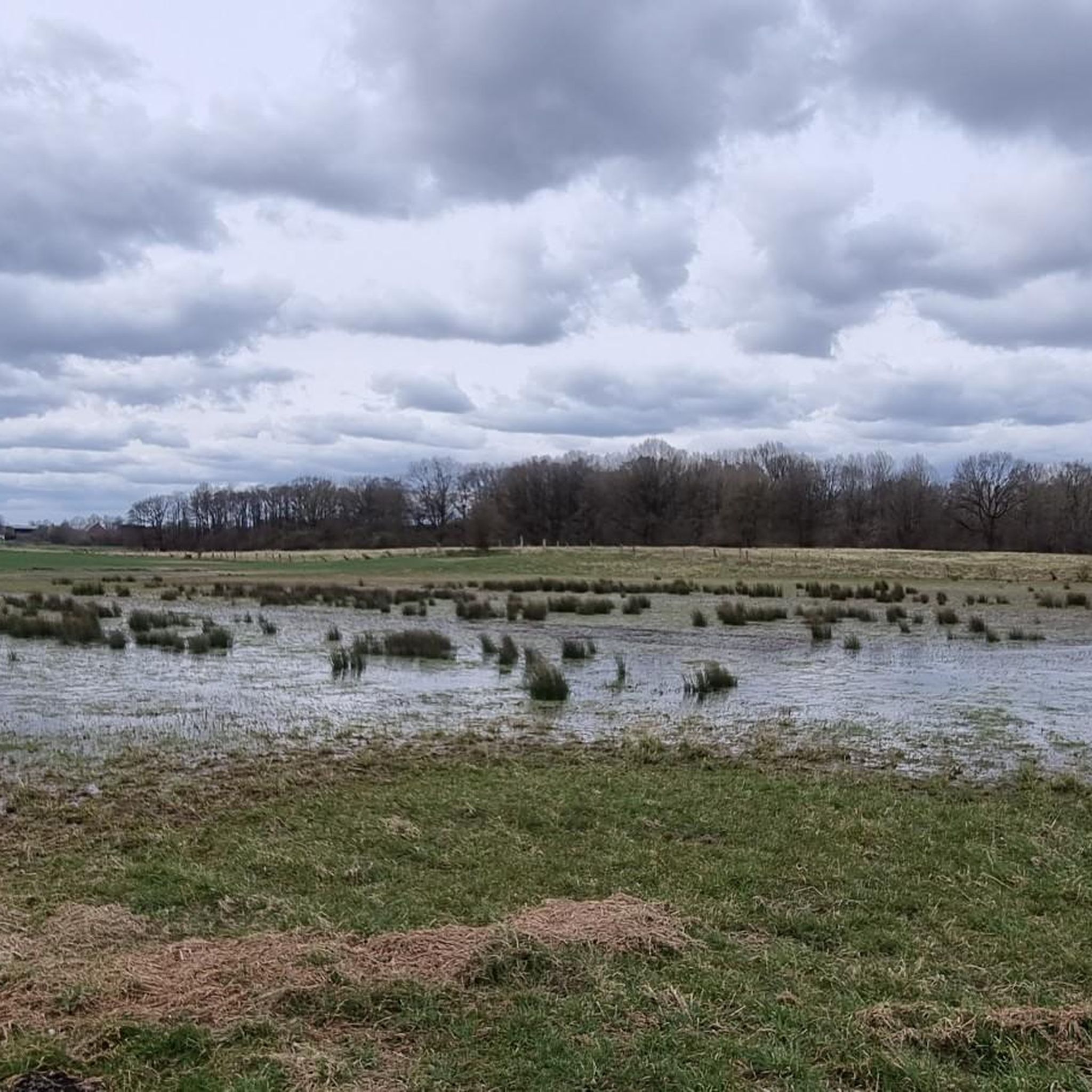
The Herrenteich in Reinfeld is a popular tourist destination. The approximately 55-hectare body of water is divided into the upper and lower Herrenteich. The upper Herrenteich remains a recognized nature reserve. The lower Herrenteich is home to, among other things, a hiking trail and an outdoor pool in the summer. Due to melting snow, the Herrenteich flooded in early March 2010. A temporary dam erected at the time due to construction work threatened to no longer hold the water masses. A breach of the dam would have flooded the entire hinterland. The Hamburg/Lübeck railway embankment would also have been affected. See: https://www.thw-badoldesloe.de/aktuelles/aktuelle-meldungen/artikel/vor-10-jahren-hochwassereinsatz-am-herrenteich-fachgruppen-wasserschadenpumpen-verhindern-stauwe
2
1
The 3.7 km long trail leads along the partially wooded shore of the Herrenteich lake. The east and west banks are connected by a bridge at the "Fischhuser Damm"—north of this bridge begins the "Oberer Herrenteich" nature reserve. See: https://reinfeld-aktiv.de/tag/reinfeld/page/6/
4
1

Enjoy this 8.5-kilometer circular trail near Bad Segeberg, Schleswig-Holstein. The route is generally classified as moderate and can be ...
14
1

The Ihlsee is located in the northwestern part of the town of Bad Segeberg, on the northern edge of the Kleinniendorf district, and is part of the designated Ihlsee and Ihlwald nature reserve. The formation of the lake has not been fully investigated. Either the depression formed after the Ice Age due to dead ice, or it originated as a sinkhole through the collapse of a cave in the Segeberg salt dome. Today, the lake has an area of approximately 29 hectares and extends 450 m in a north-south direction and approximately 850 m in a west-east direction; the shoreline length is 2.25 km. Along with the Bültsee and the Garrensee, the lake is one of the few nutrient-poor lakes in Schleswig-Holstein. The lake lies in a depression and has no inflow. It is fed only by groundwater and inflowing surface water (precipitation). North of the bathing area is the outflow, which connects the lake with the Großer Segeberger See. The lake can be circumnavigated, but there is no path directly along the shore. On the eastern shore, there is a bathing area that has existed for decades; the bathing water quality is regularly monitored and has been rated very good to good in recent years. A residential area is located on the northern shore. On the western and southern sides, the Ihlwald, a swamp forest, determines the shoreline strip. From 1911 to 1961, there was a train station at the Ihlsee for the Kiel–Segeberg narrow-gauge railway, the tracks of which were removed as early as 1962. The Ihlsee was designated a nature reserve in 1950 due to its special characteristics. The lake is a particularly nutrient-poor body of water, which results in a rare flora. Today, the lake is part of the Ihlsee and Ihlwald nature reserve and, since 2006, part of the Natura 2000 protected area network. https://de.wikipedia.org/wiki/Ihlsee
3
0

Nice walk around the pond! With lots of cozy spots.
5
0

This is the bridge at Fischhuser Damm. The name suggests that a dam must once have connected the banks of the Herrenteich pond here. In 1960, pioneers from the Eutin riot police erected the first wooden bridge, which was recently replaced by a new steel structure. The "Oberer Herrenteich" nature reserve lies to the north of the bridge.
3
0

It should read: Reinfeld - Herrenteich. Reinbeck is wrong, Reinbek is in the south of Stormarn, near Hamburg
2
0
Frequently Asked Questions
What unique geological features can I explore near Pronstorf?
The most striking geological feature is the Kalkberg, Bad Segeberg, a 91-meter-high gypsum mountain. It was once taller before gypsum mining reduced its height. Its caves are a significant winter roost for up to 30,000 bats, and guided tours are available in the summer. The origin of Lake Ihl is also debated, possibly formed by dead ice or a sinkhole from the Segeberg salt dome.
Are there family-friendly natural monuments to visit around Pronstorf?
Yes, several natural monuments are suitable for families. The Kalkberg, Bad Segeberg offers panoramic views and bat cave tours in summer. Herrenteich Reinfeld has a pleasant hiking trail around the lake, with a detour to the Fasanerie. Lake Ihl, with its clear waters, is also a good spot for nature walks and swimming in summer.
What kind of outdoor activities can I do near these natural monuments?
The region around Pronstorf offers diverse outdoor activities. You can enjoy running on trails like the 'Running loop from Strenglin' or 'Alte Ziegelei loop from Pronstorf'. For cycling, consider routes such as 'Avenue to Gut Rohlstorf – Lake Warder loop from Pronstorf'. Mountain biking enthusiasts can explore trails like 'Klein Rönnau Watermill – View of Großer Segeberger Lake loop from Pronstorf'. You can find more details on these activities in the Running Trails around Pronstorf, MTB Trails around Pronstorf, and Cycling around Pronstorf guides.
Where can I find scenic viewpoints of the natural landscape?
For breathtaking panoramic views, ascend the Kalkberg, Bad Segeberg. From its summit, you can see Bad Segeberg, the Großer Segeberger See, and even Lübeck's church spires on clear days. The hiking trail around Herrenteich Reinfeld also offers picturesque views of the lake. Additionally, the Rönne estuary and stone bridge at Großer Segeberger See provides beautiful lake views.
What is the best time of year to visit the natural monuments around Pronstorf?
The warmer months, from spring to autumn, are generally ideal for outdoor activities like hiking, cycling, and enjoying the lakes. Summer is perfect for swimming in Lake Ihl and taking guided tours of the bat caves at Kalkberg. The Herrenteich is particularly scenic in autumn when it is drained for carp farming, offering a unique landscape.
Are there any natural monuments suitable for wildlife spotting?
Yes, the region is rich in biodiversity. The Trave River and its surroundings are designated as a 'flora and fauna habitat' and are home to diverse flora and fauna, including rare and endangered animal species. The caves of Kalkberg, Bad Segeberg, are a significant winter roost for up to 30,000 bats, making it an excellent spot for bat observation during specific times.
Can I find circular walking trails around the natural monuments?
Absolutely. A popular circular trail encircles the Herrenteich Reinfeld, offering scenic views and opportunities for breaks. The Großer Segeberger See, adjacent to the Kalkberg, also features a well-maintained 7.5 km circular trail that is popular for walking and offers beautiful views. You can also walk around Lake Ihl, though the path may not always be directly along the shore.
What is the significance of the Trave River in this region?
The Trave River is a vital natural landscape in the broader region, flowing through Schleswig-Holstein. The area surrounding the Trave is designated as a 'flora and fauna habitat' by the European Union, highlighting its conservation importance. It supports diverse flora and fauna and is popular for hiking, cycling, canoeing, and fishing. The German Friends of Nature recognized the Trave as its German Riverscape of the Year for 2016/17.
Are there any lakes with unique ecological importance?
Yes, Lake Ihl is recognized as one of Schleswig-Holstein's most important nutrient-poor lakes, characterized by a unique ecosystem and protected forest areas. It is part of the Ihlsee and Ihlwald nature reserve and has been part of the Natura 2000 protected area network since 2006. The lake is fed only by groundwater and surface water, contributing to its unusually clear water.
What do visitors particularly enjoy about the natural monuments near Pronstorf?
Visitors frequently praise the stunning views, especially from the Kalkberg, which offers panoramic vistas of Bad Segeberg and the lake. The peaceful and relaxing atmosphere of the walking trails, such as those around Herrenteich Reinfeld, is also highly appreciated. Many enjoy the diverse natural settings, from forests and meadows to the clear waters of the lakes.
Is there public transport access to the natural monuments?
While Pronstorf itself is a smaller municipality, the major natural attractions like the Kalkberg and Großer Segeberger See are located in Bad Segeberg, which is well-connected by public transport. For detailed information on reaching Bad Segeberg, you can visit the official tourism website for the region: sh-tourismus.de.
Can I find cafes or places to rest near the natural monuments?
Yes, particularly around the more developed natural monuments. Near Herrenteich Reinfeld, there are cafes directly by the lake where you can stop after a walk. The town of Bad Segeberg, home to the Kalkberg and Großer Segeberger See, also offers various dining options and amenities along its lakeside promenade.
Most popular routes around Pronstorf
Most popular attractions around Pronstorf

Get inspired with the komoot mobile app


Explore more
Extend your search for the best caves by checking out these guides of the top ones around Pronstorf:
