Top 20 Natural Monuments around Stipsdorf
Natural monuments around Stipsdorf are found in Schleswig-Holstein, Germany, a region characterized by its picturesque natural beauty. The area features unique geological formations like the Kalkberg, expansive lakes such as the Großer Segeberger See, and tranquil nature reserves. This diverse landscape offers varied opportunities for outdoor exploration and appreciating natural features. The surrounding area, particularly Bad Segeberg, boasts significant natural landmarks.
Best natural monuments around Stipsdorf
- The most popular natural monument is Kalkberg, Bad Segeberg, a natural monument that…
Last updated: May 11, 2026
Kalkberg, Bad Segeberg
Highlight • Natural Monument
The view in good weather is fantastic.
And it is the only rock mountain in the big circle! The next one should be in the Harz …
Translated by Google •
Tip by

Lake Ihl
Highlight • Lake
Translated by Google •
Tip by

Sign up now to discover places like this
Get recommendations on the best single tracks, peaks, & plenty of other exciting outdoor places.
Sign up for free
Wittenborn Heath Nature Reserve
Highlight • Natural Monument
Translated by Google •
Tip by

Tarbeker Moor
Highlight • Natural
Translated by Google •
Tip by

Rönne estuary and stone bridge at Großer Segeberger See
Highlight • Bridge
Translated by Google •
Tip by

Sign up for free to discover even more natural monuments around Stipsdorf.
Sign up for free
Already have an account?
Start today with a free account
Your next adventure awaits.
Login or Signup
Tips from the Community

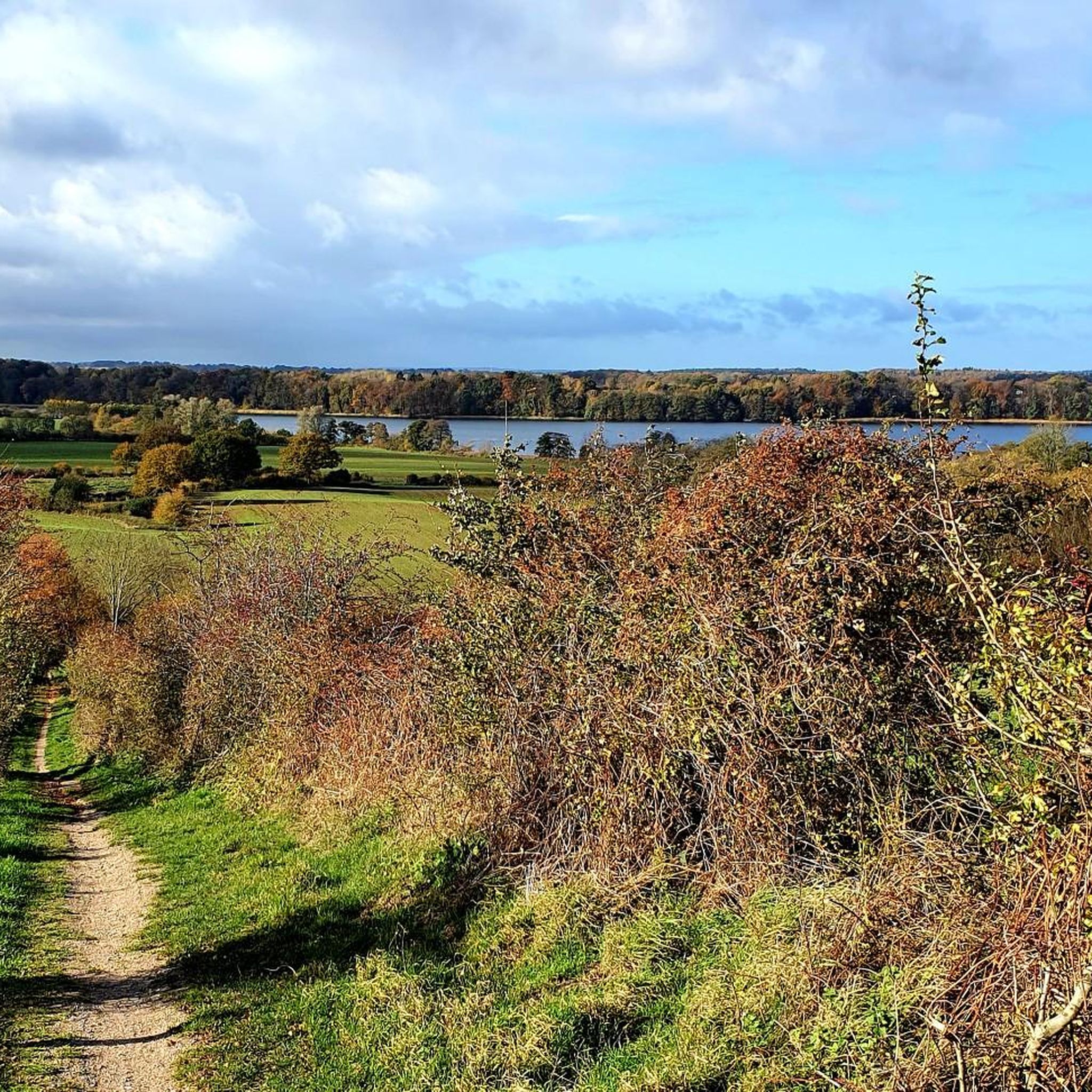
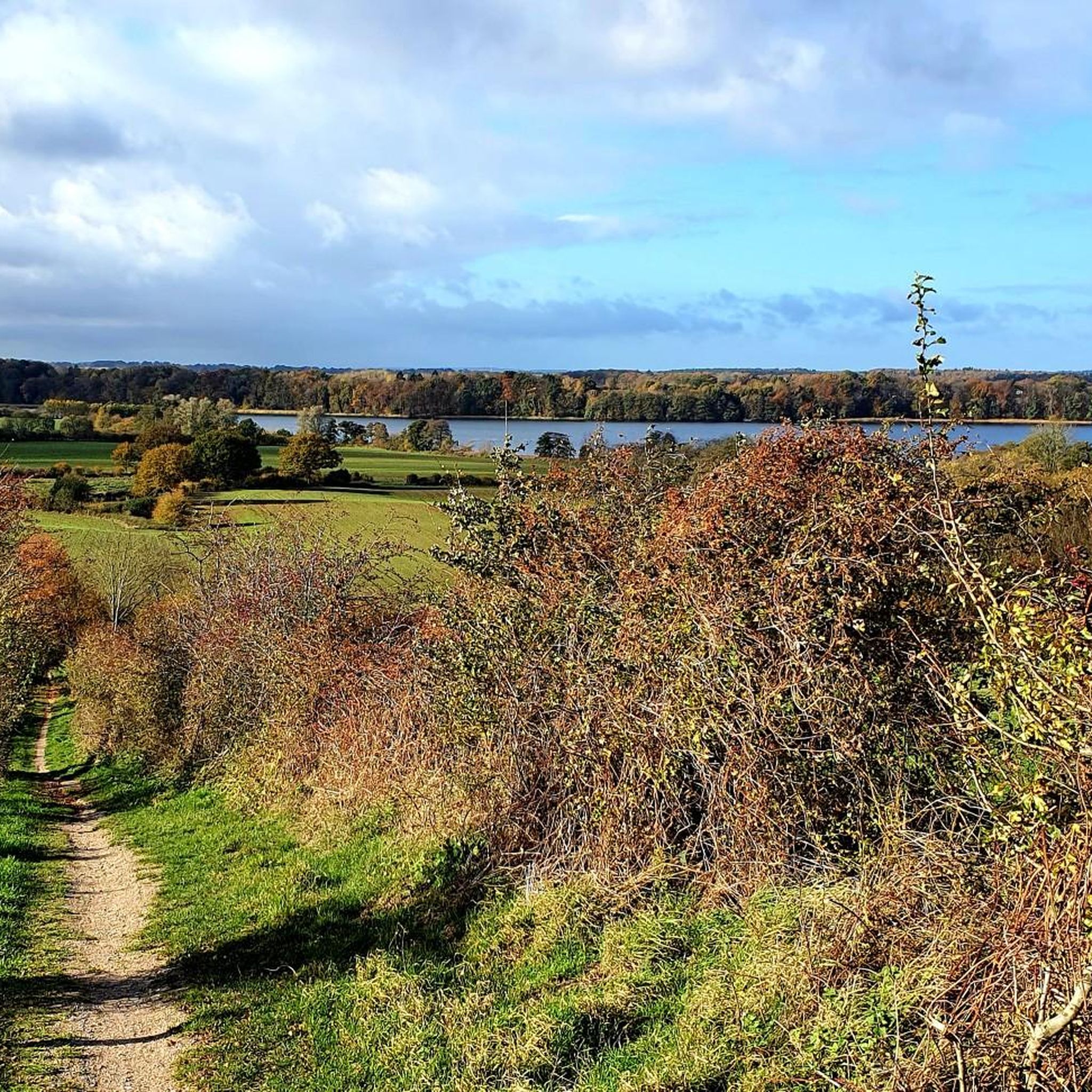
As part of the Holstein Switzerland Nature Park, the Tarbek Moor with its special charm is a popular excursion destination that gives you a variety of impressions. With its diverse composition of ponds and vegetation-free peat banks, it offers undisturbed insights into a mysterious-looking habitat. A moor birch forest borders dark ponds surrounded by snakeroot, dead birch trees in water-filled peat pits rise picturesquely into the sky and fields of waving cotton grass are reminiscent of images from Nordic legends. In the 131-hectare area, which was previously used as a peat extraction area, remnants of this use can still be seen today and carefree cycling and hiking from the Tarbek Moor to the Ihlsee in Bad Segeberg is possible both along former routes that have been preserved to this day and along the railway embankment that connected Bad Segeberg, Bornhöved and Kiel until 1960. https://www.blunkerbach-sh.de/tarbeker-moor
3
0

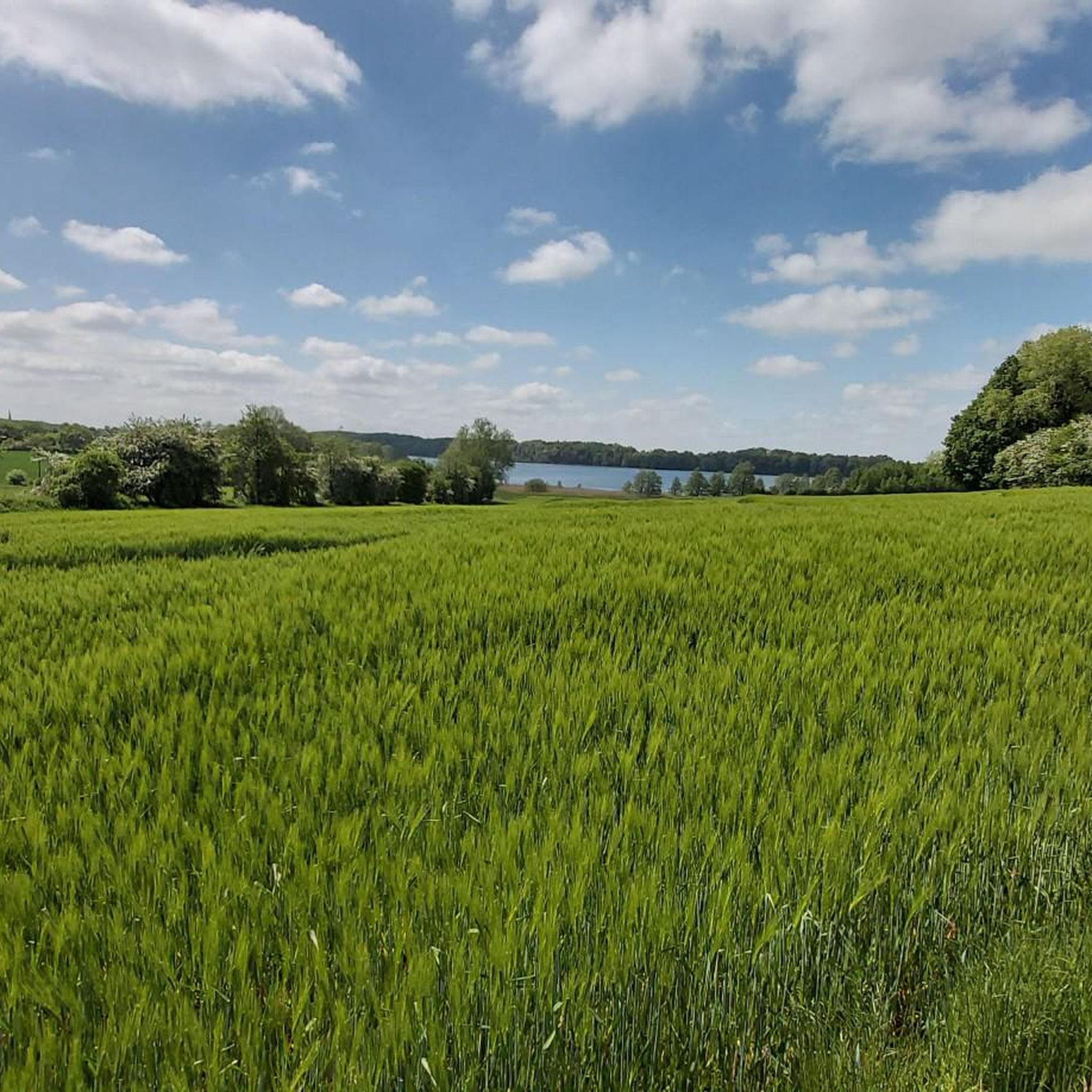
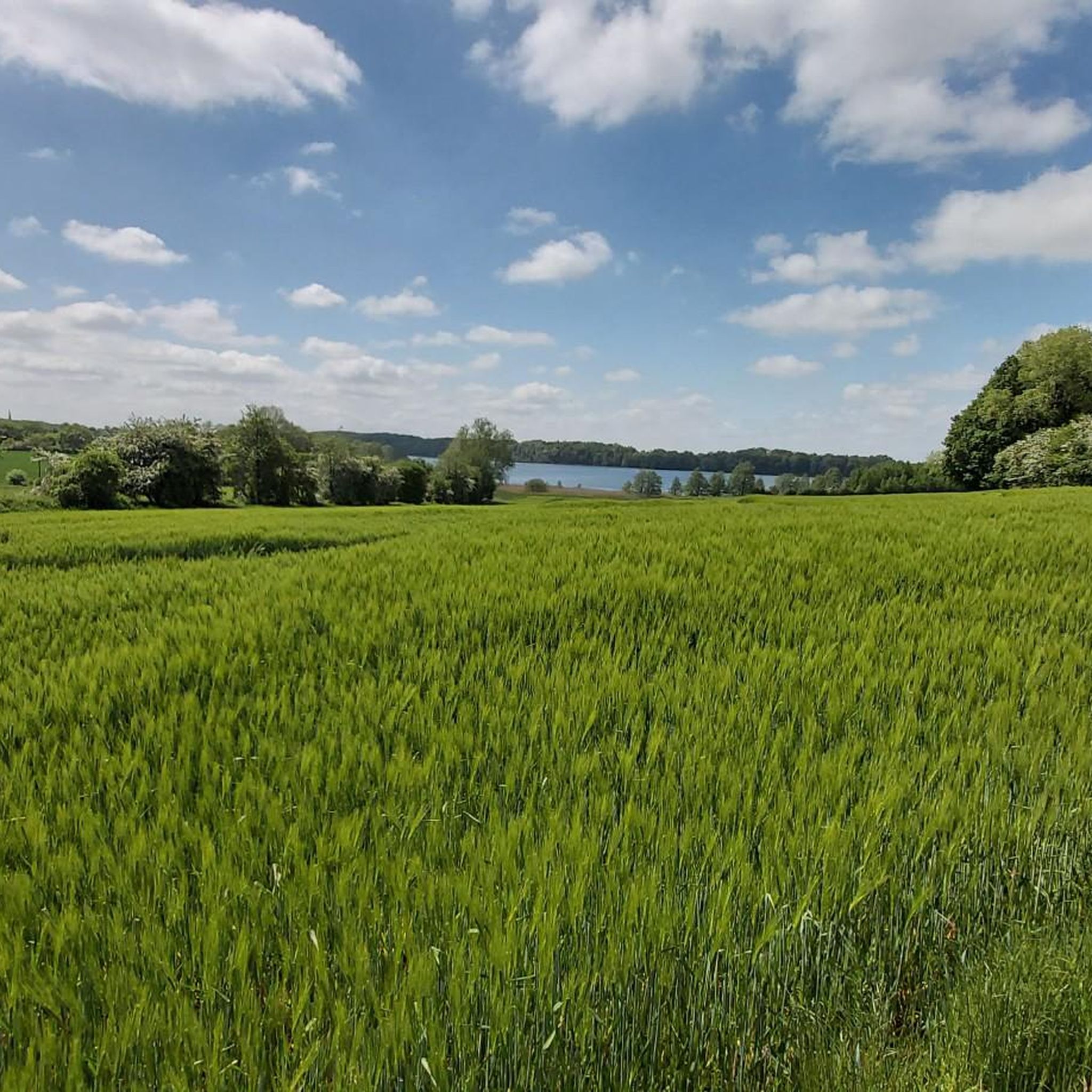
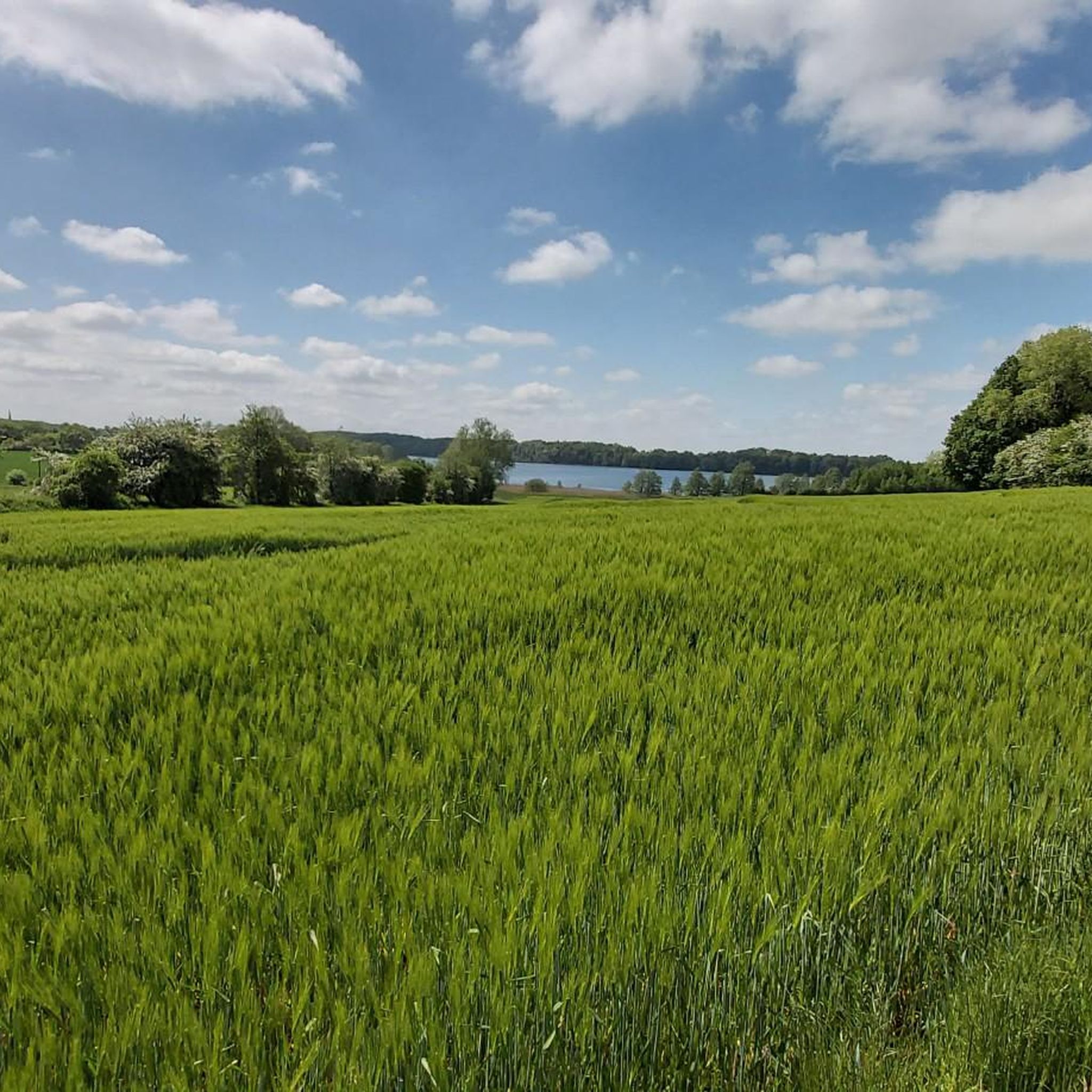
The Wittenborner Heide nature reserve remained nutrient-poor and unfertilized due to its previous use as a military training area. This resulted in a diverse landscape of heathland, moors and sparse forests that provide a habitat for many species. You can hike through a very beautiful landscape that is always worth a visit.
3
0

Enjoy this 8.5-kilometer circular trail near Bad Segeberg, Schleswig-Holstein. The route is generally classified as moderate and can be ...
11
1
The Ihlsee is located in the northwestern part of the district town of Bad Segeberg on the northern edge of the Kleinniendorf district and is part of the designated Ihlsee and Ihlwald nature reserve. The origin of the lake has not been fully investigated. Either the depression was formed after the Ice Age due to dead ice or it was created as a sinkhole by the collapse of a cave in the Segeberg salt dome. Today the lake has an area of around 29 hectares and stretches 450 m from north to south and around 850 m from west to east; the shore is 2.25 km long. Along with the Bültsee and the Garrensee, the lake is one of the few nutrient-poor lakes in Schleswig-Holstein. The lake is located in a depression and has no inflow. It is fed only by groundwater and inflowing surface water (precipitation). To the north of the bathing area is the outflow that connects the lake to the Great Segeberg Lake. The lake can be walked around, but there is no path along the lake. There is a bathing area on the eastern shore that has existed for decades. The bathing water quality is regularly monitored and in recent years has been rated as very good to good. There is a residential area on the northern shore. On the western and southern sides, the Ihlwald, a swamp forest, dominates the shoreline. From 1911 to 1961, there was a Kiel-Segeberg narrow-gauge railway station at Ihlsee, the tracks of which were removed in 1962. The Ihlsee was declared a nature reserve in 1950 because of its special features. The lake is a particularly nutrient-poor body of water, which gives rise to rare flora. Today, the lake is part of the Ihlsee and Ihlwald nature reserve and has been part of the Natura 2000 protected area network since 2006. https://de.wikipedia.org/wiki/Ihlsee
2
0

The Tarbek Moor can be walked around in 1 hour. ... if it didn't offer so many beautiful moments to pause and take a break.
4
0

Beautiful swimming area.🏊♂️ for humans and animals.
1
0
Tip: The evening Karl May events end with fireworks.
7
0
Concerts take place in the Kalkbergarena: e.g. we visited Kro.
6
0
Frequently Asked Questions
What unique geological formations can I explore around Stipsdorf?
The most prominent unique geological formation is the Kalkberg in Bad Segeberg. This rock mountain, primarily composed of anhydrite or gypsum, is unique in the region and offers fantastic views from its summit. It also features a cave system, making it a significant natural wonder for those interested in geology.
Are there nature reserves for wildlife observation near Stipsdorf?
Yes, several nature reserves offer opportunities for wildlife observation. The Wittenborn Heath Nature Reserve, a former training area, is excellent for relaxing walks through beautiful forest and heather. The Tarbeker Moor is known for its diverse flora and fauna, including cranes and otters. Additionally, Lake Ihl is part of the Ihlsee and Ihlwald nature reserve, a nutrient-poor body of water supporting rare flora.
What natural monuments are suitable for families with children?
Many natural monuments around Stipsdorf are family-friendly. The Kalkberg in Bad Segeberg offers an interesting geological experience and views. The Wittenborn Heath Nature Reserve and Tarbeker Moor provide pleasant walking environments. The area around Lake Ihl, with its bathing area, is also a great option for families.
Where can I find scenic viewpoints of the landscape?
For panoramic views, the summit of the Kalkberg in Bad Segeberg offers a fantastic perspective of the surrounding area, including the Großer Segeberger See. You can also find beautiful lake views from the stone bridge at the Rönne estuary at Großer Segeberger See.
What outdoor activities can I do near these natural monuments?
The region around Stipsdorf offers a variety of outdoor activities. You can enjoy hiking, running, and road cycling. For detailed routes, explore the guides for Hiking around Stipsdorf, Running Trails around Stipsdorf, and Road Cycling Routes around Stipsdorf.
Are there opportunities for swimming in the lakes?
Yes, the region offers excellent swimming opportunities. The Großer Segeberger See has excellent water quality for swimming in designated areas. Additionally, Lake Ihl features a bathing area on its eastern shore, with water quality regularly monitored and rated as very good to good.
What is the best time of year to visit the natural monuments around Stipsdorf?
The natural monuments around Stipsdorf are beautiful year-round, but each season offers a different experience. Spring and autumn are ideal for hiking and nature observation due to mild temperatures and vibrant colors. Summer is perfect for swimming in the lakes and enjoying longer days. Even in winter, a crisp walk through the heath or forest can be very rewarding.
Are there dog-friendly trails or areas within the natural monuments?
While specific regulations can vary, many natural areas around Stipsdorf, such as the Wittenborn Heath Nature Reserve and Tarbeker Moor, are generally suitable for walks with dogs, provided they are kept on a leash to protect wildlife and other visitors. Always check local signage for specific rules in nature reserves.
What kind of flora and fauna can I expect to see?
The diverse landscapes around Stipsdorf support a rich variety of flora and fauna. In areas like the Tarbeker Moor, you might spot cranes, otters, and various dragonflies. The nutrient-poor Lake Ihl is home to rare aquatic flora, and the surrounding forests and heathlands provide habitats for many bird species and small mammals.
Are there any historical aspects associated with these natural sites?
Yes, some natural sites have historical significance. The Kalkberg in Bad Segeberg has a long history of gypsum mining, which altered its height and mass. Near the Rönne estuary at Großer Segeberger See, you can find a stone bridge and learn about the historical watermill in Klein Rönnau, which has been operating since 1342.
How accessible are the natural monuments for visitors?
Accessibility varies by location. Many trails around the lakes and through nature reserves like the Wittenborn Heath Nature Reserve are generally well-maintained for walking. However, the ascent to the summit of the Kalkberg involves some elevation. It's advisable to check specific trail conditions if you have mobility concerns.
Can I find circular hiking routes around the natural monuments?
Yes, the region is well-suited for circular hikes. For instance, there are circular routes around the Großer Segeberger See that offer beautiful views and opportunities to immerse yourself in nature. The Rönne estuary and stone bridge at Großer Segeberger See is part of an 8.5-kilometer circular trail. The Tarbeker Moor can also be walked around in about an hour.
Most popular routes around Stipsdorf
Most popular attractions around Stipsdorf

Get inspired with the komoot mobile app


Explore more
Extend your search for the best caves by checking out these guides of the top ones around Stipsdorf:
