Top 20 Natural Monuments around Bad Segeberg
Natural monuments around Bad Segeberg feature a landscape shaped by unique geological formations and diverse ecosystems. The region is characterized by its gypsum karst topography, notably the Segeberger Kalkberg, and several protected natural areas. These sites offer opportunities to observe rare flora and fauna within a varied natural environment. Bad Segeberg provides a setting for exploring significant natural features in Schleswig-Holstein.
Best natural monuments around Bad Segeberg
- The most popular natural monument is Kalkberg, Bad Segeberg, a natural monument…
Last updated: August 18, 2026
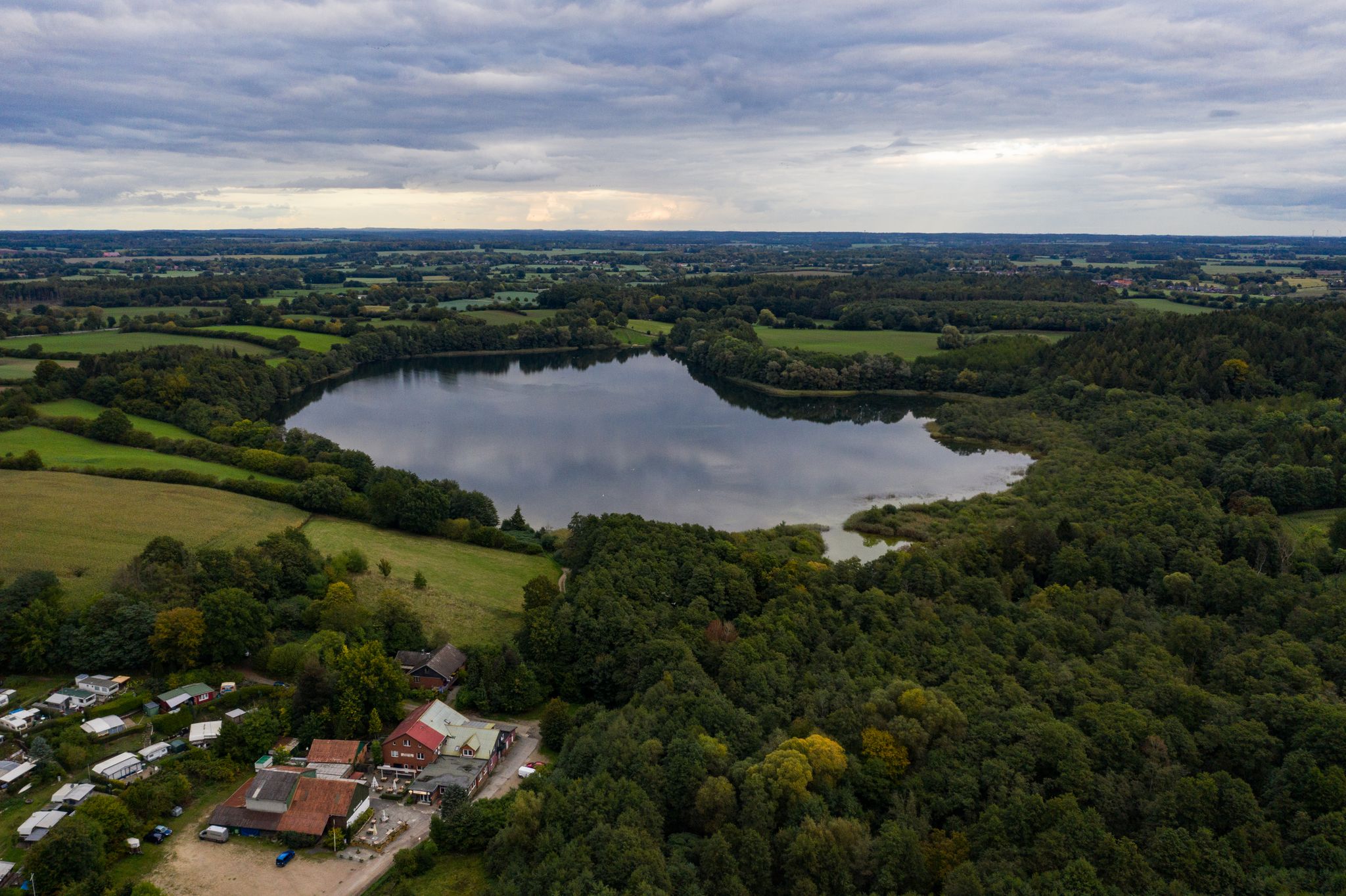
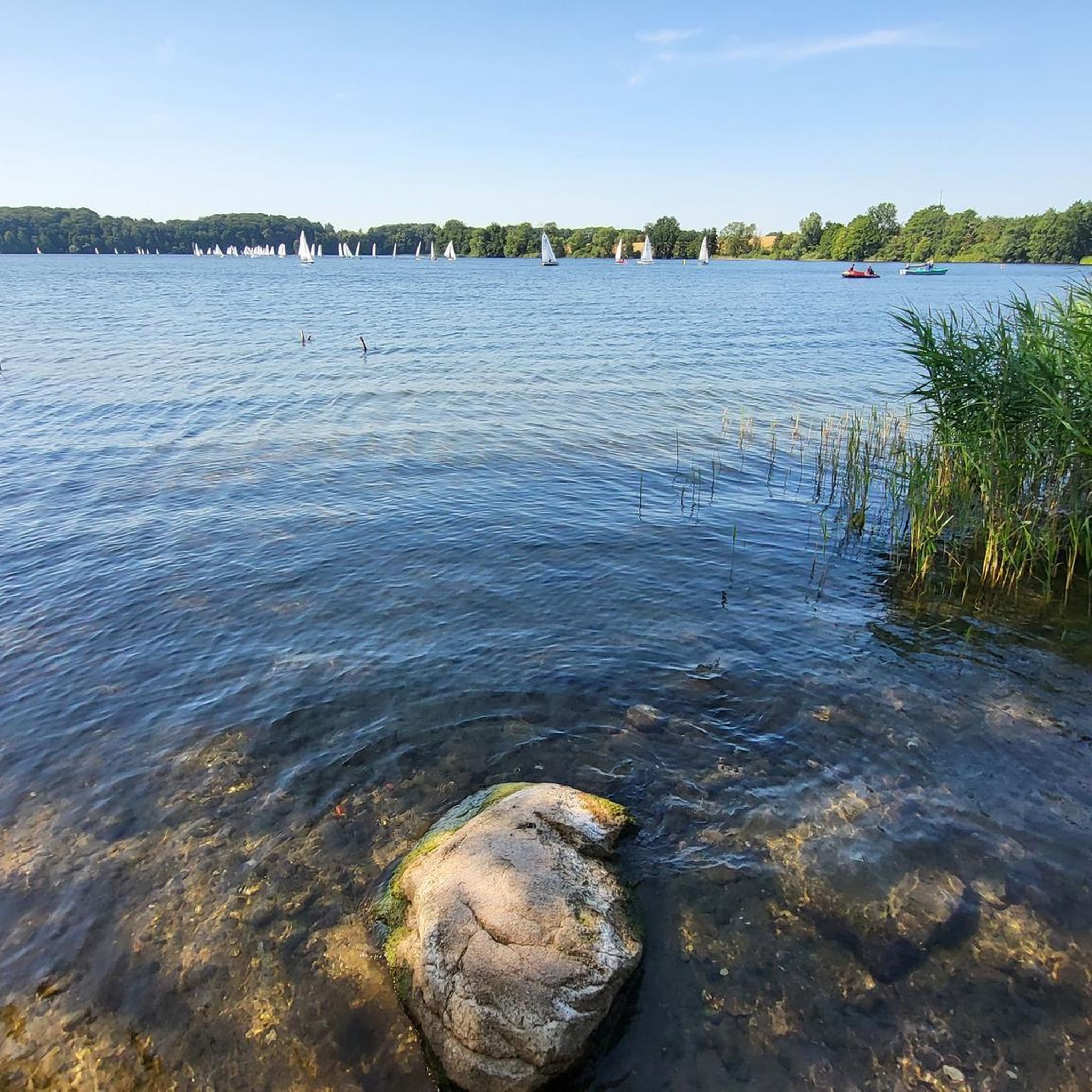
Great Segeberg Lake
Highlight • Lake
After a salt dome with gypsum or anhydrite rock rose to the surface due …
Translated by Google •
Tip by

View of Großer Segeberger Lake
Highlight • Viewpoint
Translated by Google •
Tip by

Sign up now to discover places like this
Get recommendations on the best single tracks, peaks, & plenty of other exciting outdoor places.
Sign up for free
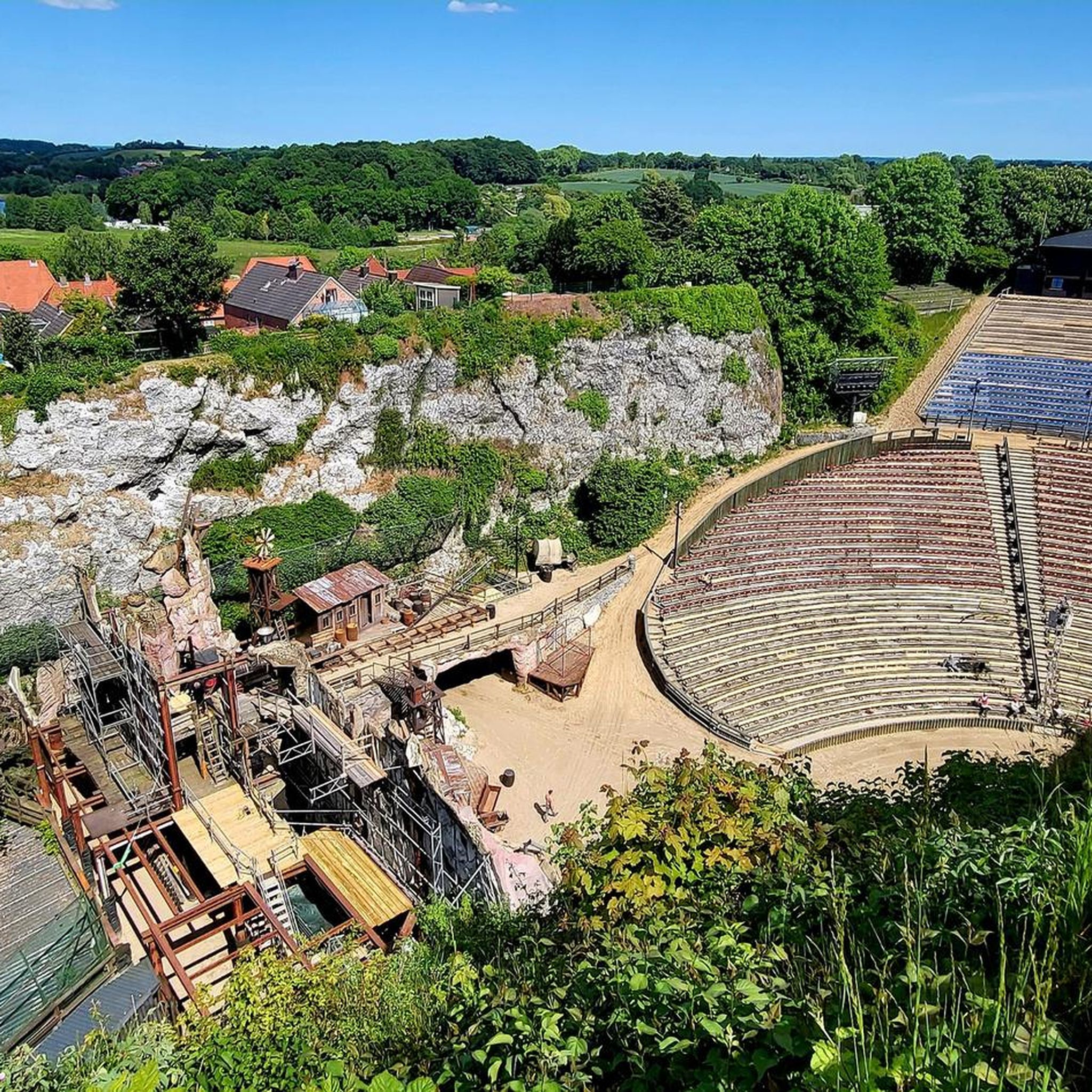
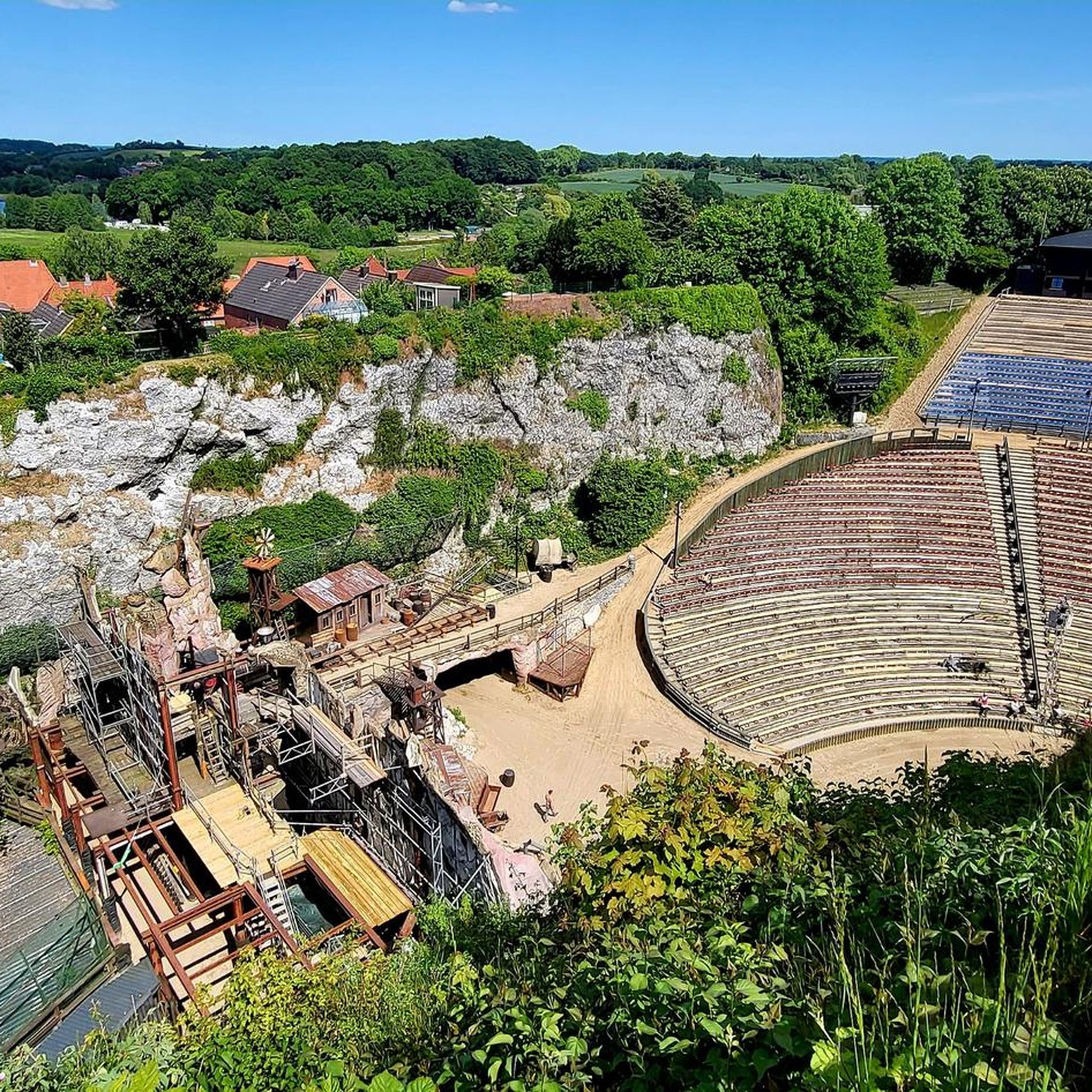
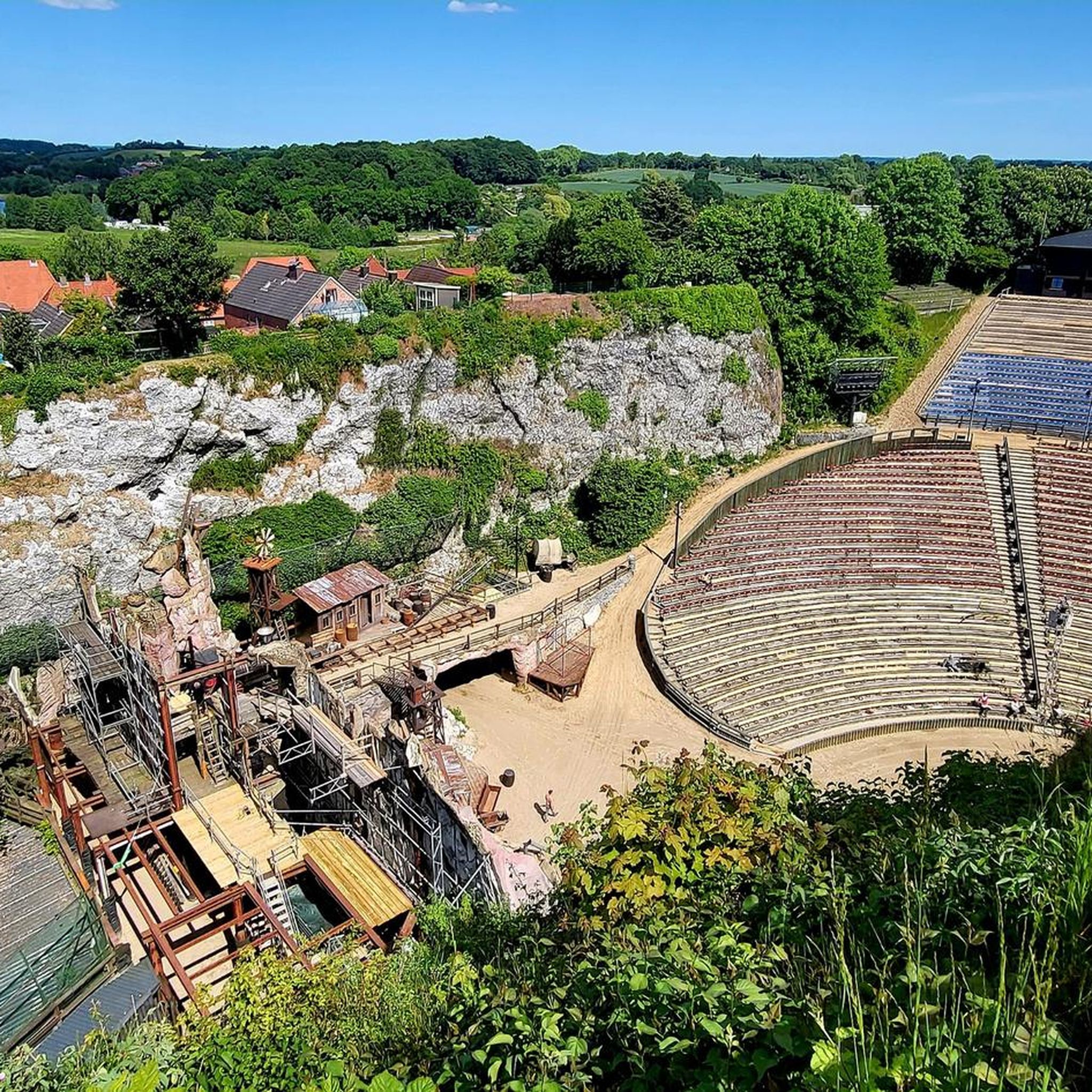
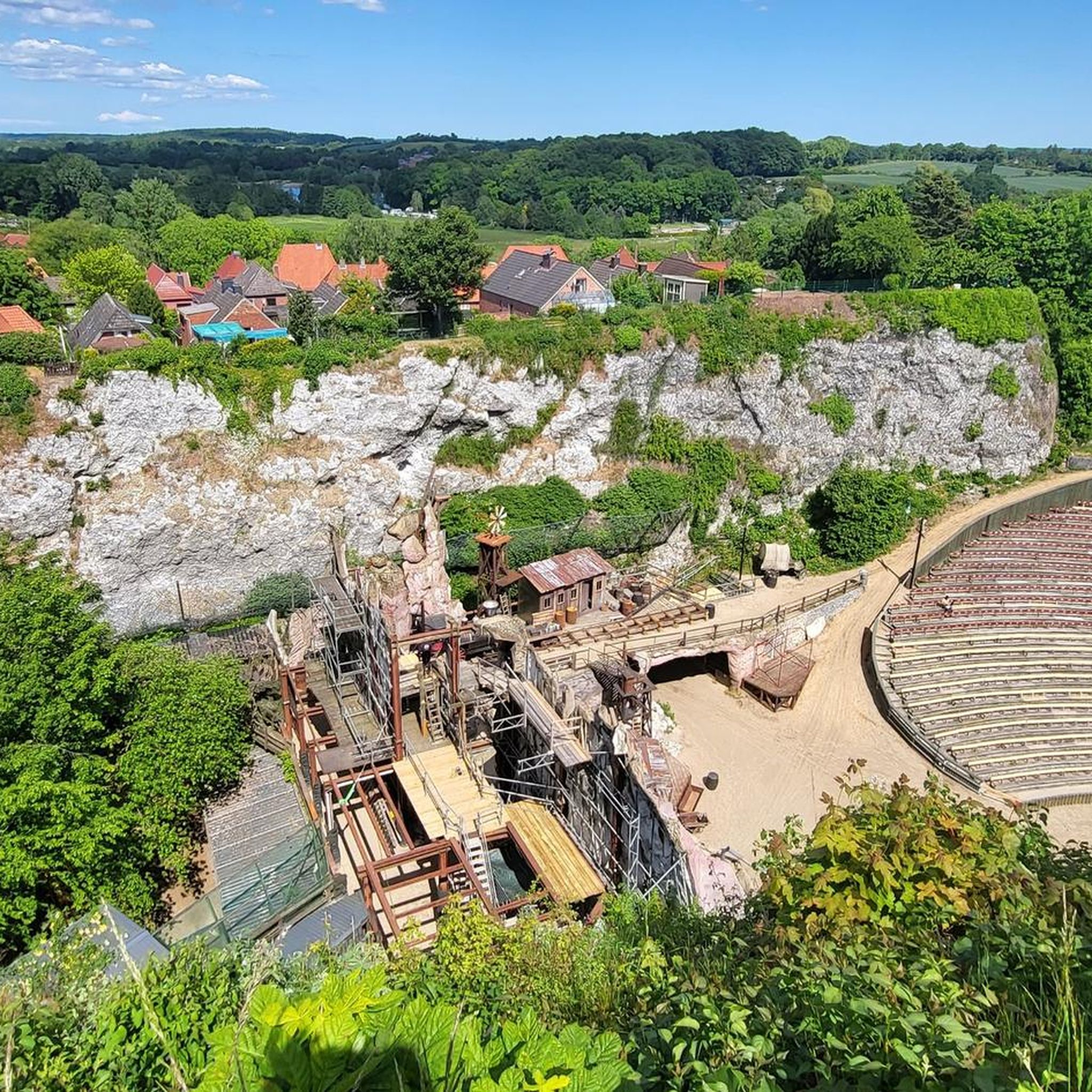
Kalkberg, Bad Segeberg
Highlight • Natural Monument
The view in good weather is fantastic.
And it is the only rock mountain in the big circle! The next one should be in the Harz …
Translated by Google •
Tip by

North Shore swimming spot, Großer Segeberger See
Highlight • Beach
Translated by Google •
Tip by

Lake Ihl
Highlight • Lake
Showing Translation
Tip by
Sign up for free to discover even more natural monuments around Bad Segeberg.
Sign up for free
Already have an account?
Start today with a free account
Your next adventure awaits.
Login or Signup
Popular around Bad Segeberg
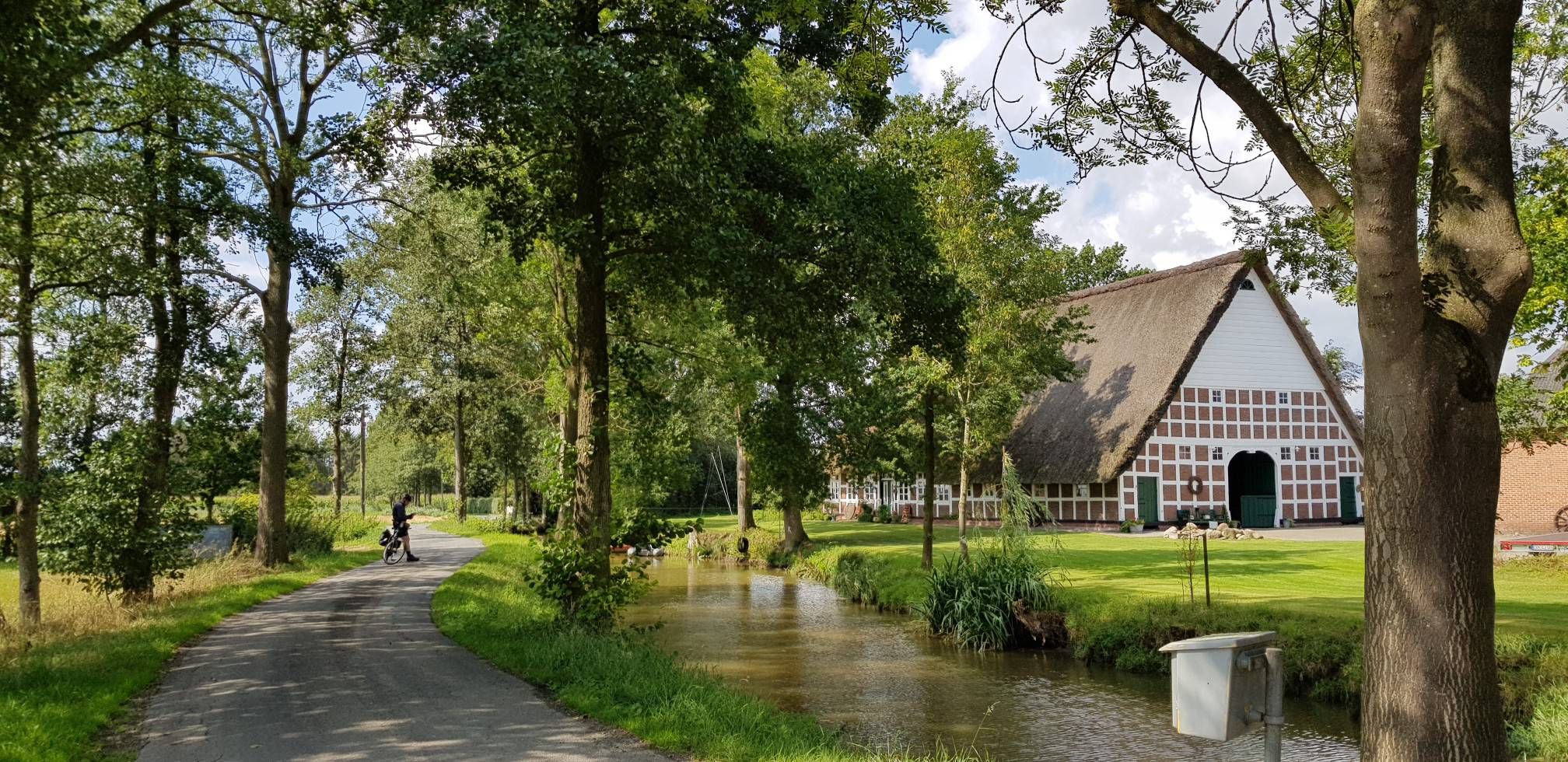
The Monks' Trail – From Bremen to the Baltic Sea
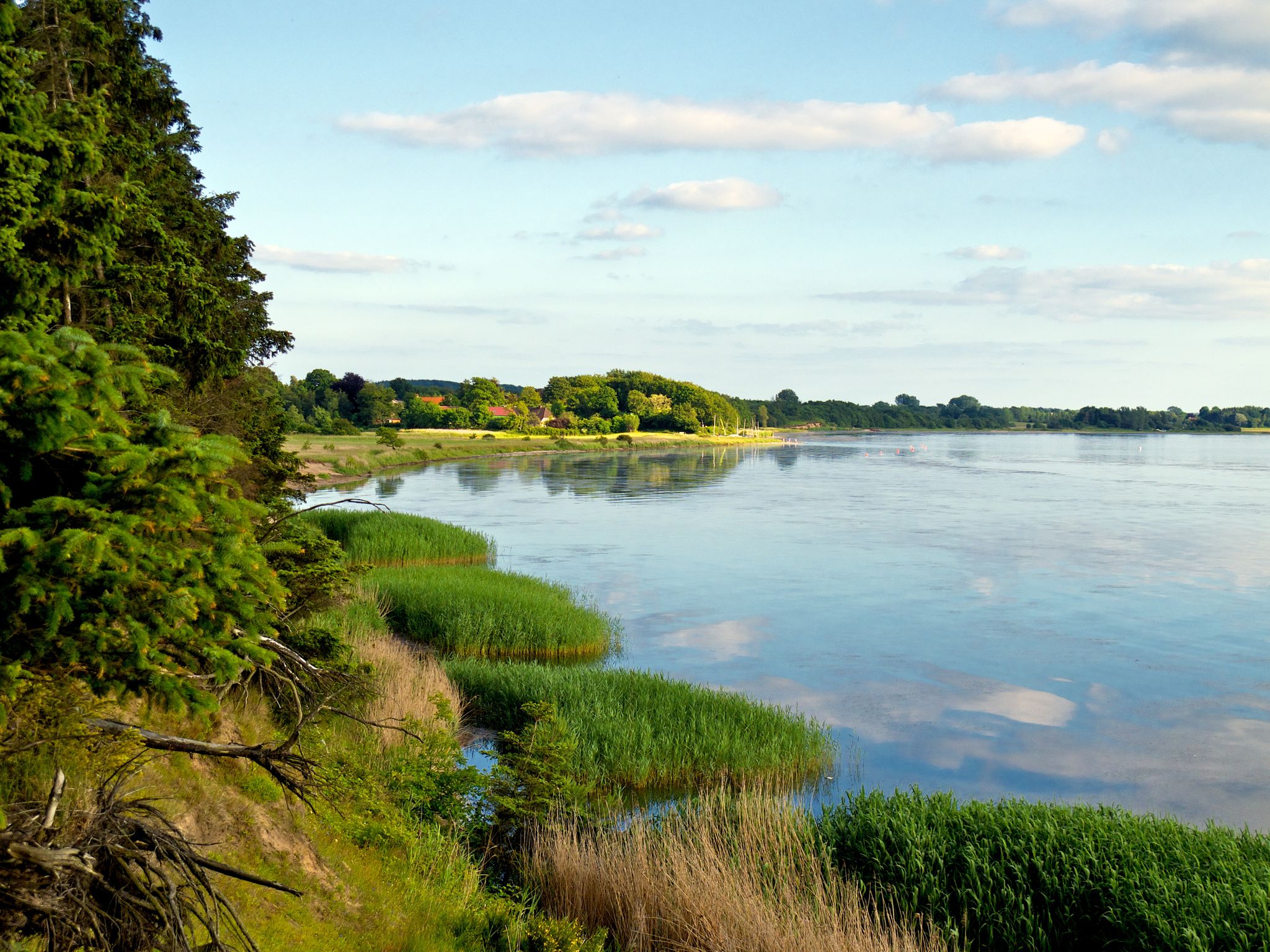
Germany’s blossoming inland — marsh, lakes and fjords in spring
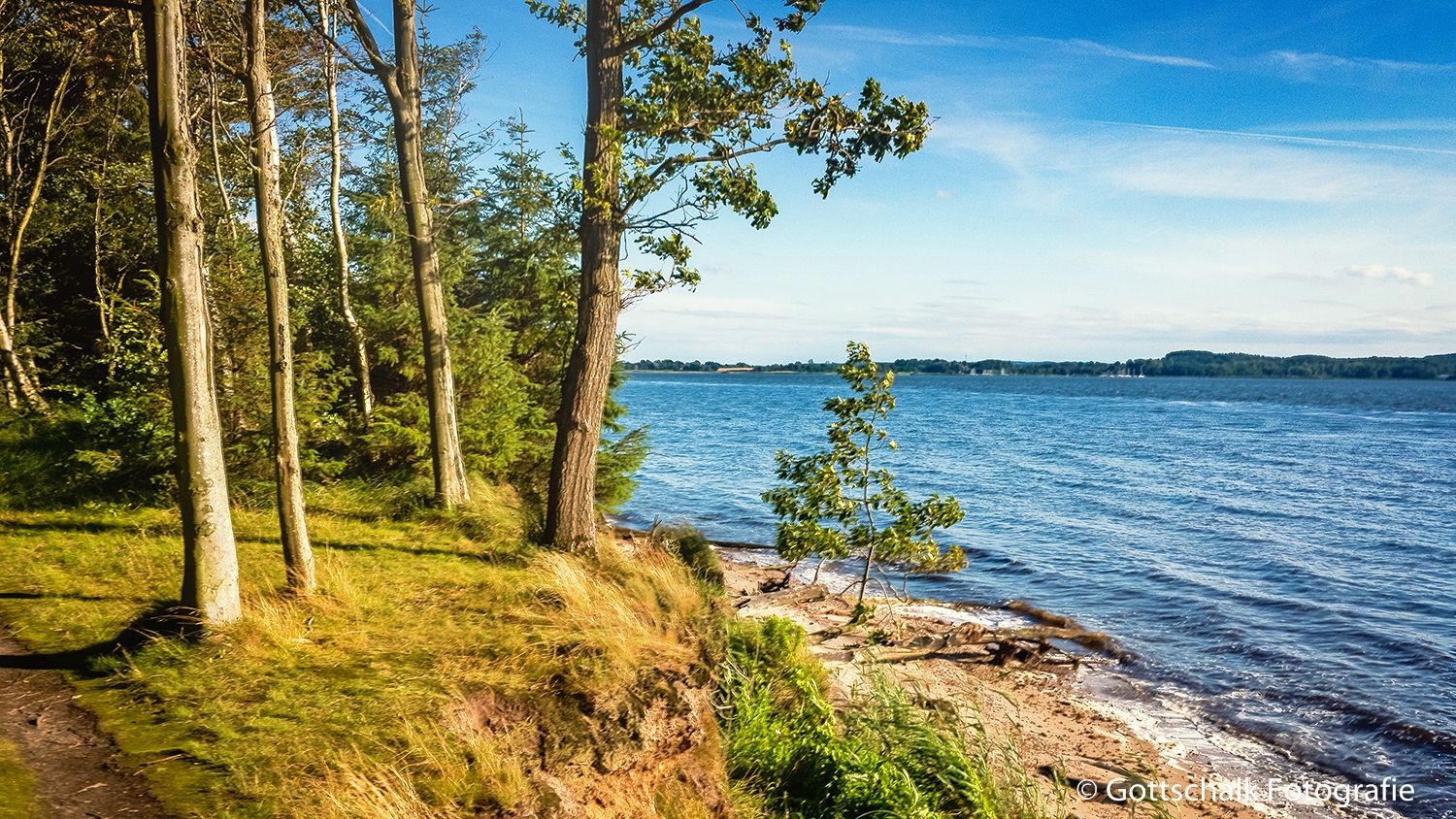
Germany’s golden inland – hike marsh, lakes and fjords in autumn
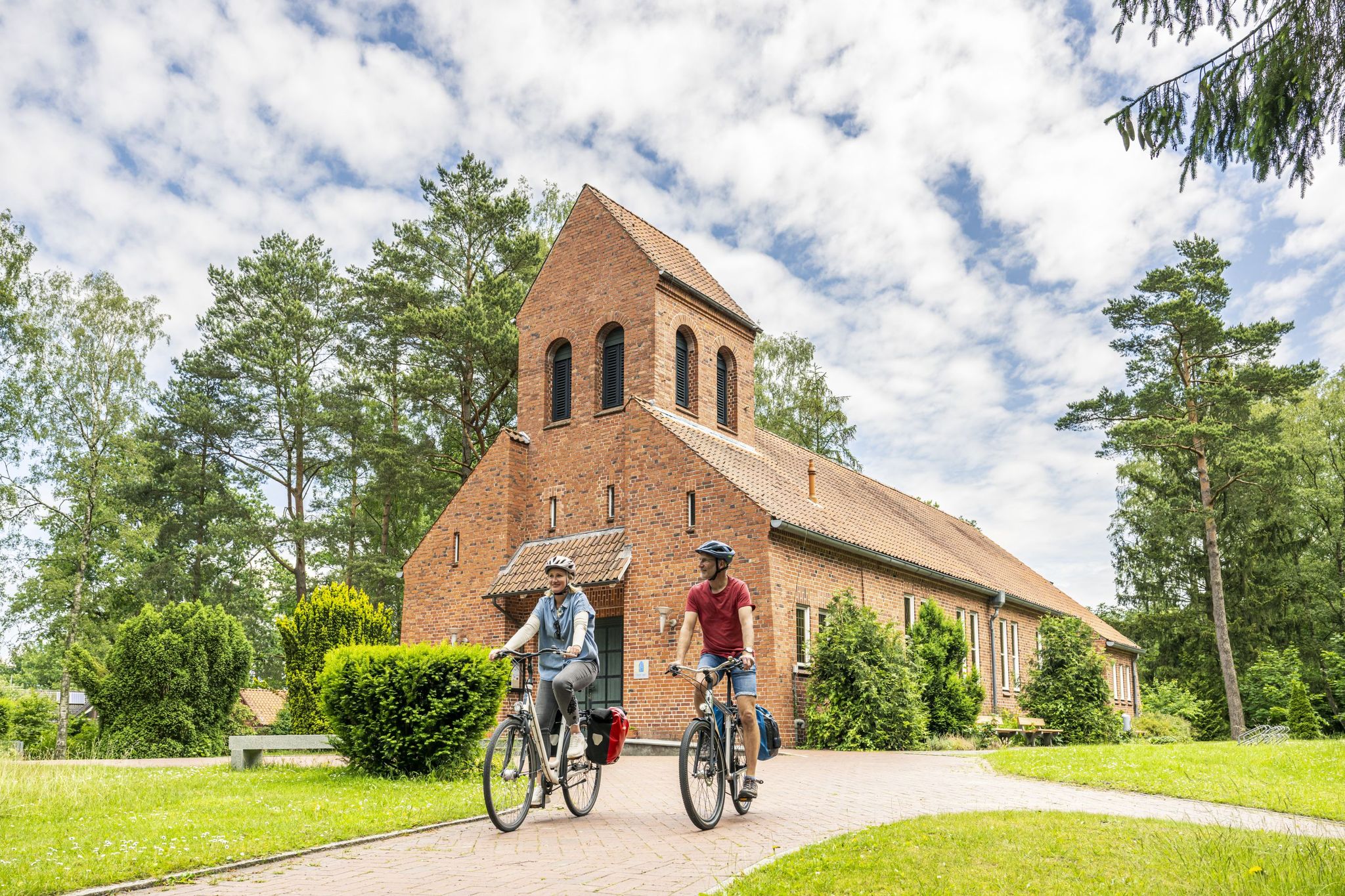
Mönchsweg – Radeln auf den Spuren der Mönche in Schleswig-Holstein
Wandern im Kreis Segeberg und Mittelholstein
Hiking around Bad Segeberg
Cycling around Bad Segeberg
Road Cycling Routes around Bad Segeberg
Running Trails around Bad Segeberg
MTB Trails around Bad Segeberg
Other adventures around Bad Segeberg


Tips from the Community

A particularly beautiful place with a good view of the lake
13
1
A beautiful place The view of the lake is particularly beautiful here 👍🥾🥾
10
1

If you walk around Lake Segeberg, you will always be able to enjoy a beautiful view of the large lake with its trees and bushes, even in summer 😊...
4
0

The Ihlsee is located in the northwestern part of the town of Bad Segeberg, on the northern edge of the Kleinniendorf district, and is part of the designated Ihlsee and Ihlwald nature reserve. The formation of the lake has not been fully investigated. Either the depression formed after the Ice Age due to dead ice, or it originated as a sinkhole through the collapse of a cave in the Segeberg salt dome. Today, the lake has an area of approximately 29 hectares and extends 450 m in a north-south direction and approximately 850 m in a west-east direction; the shoreline length is 2.25 km. Along with the Bültsee and the Garrensee, the lake is one of the few nutrient-poor lakes in Schleswig-Holstein. The lake lies in a depression and has no inflow. It is fed only by groundwater and inflowing surface water (precipitation). North of the bathing area is the outflow, which connects the lake with the Großer Segeberger See. The lake can be circumnavigated, but there is no path directly along the shore. On the eastern shore, there is a bathing area that has existed for decades; the bathing water quality is regularly monitored and has been rated very good to good in recent years. A residential area is located on the northern shore. On the western and southern sides, the Ihlwald, a swamp forest, determines the shoreline strip. From 1911 to 1961, there was a train station at the Ihlsee for the Kiel–Segeberg narrow-gauge railway, the tracks of which were removed as early as 1962. The Ihlsee was designated a nature reserve in 1950 due to its special characteristics. The lake is a particularly nutrient-poor body of water, which results in a rare flora. Today, the lake is part of the Ihlsee and Ihlwald nature reserve and, since 2006, part of the Natura 2000 protected area network. https://de.wikipedia.org/wiki/Ihlsee
3
0

The Segeberger See is so beautiful and the possibilities to spend directly on the shore are particularly inviting.
10
0
You have an absolutely fantastic view of Lake Segeberg from the highest point in the city - namely from the Kalkberg 😊... In addition there is the 360°C all-round view of Bad Segeberg for free 😃...
4
1

Tip: The evening Karl May events end with fireworks.
7
0
Tip: The 91 m high limestone mountain is not made of lime (calcium carbonate) but of gypsum (calcium sulphate).
7
0
Frequently Asked Questions
What are the most popular natural monuments around Bad Segeberg?
The most popular natural monument is the Kalkberg, Bad Segeberg, a 91-meter-high gypsum mountain known for its unique geology, panoramic views, and extensive bat caves. Visitors also highly appreciate Lake Ihl, a nutrient-poor lake within a nature reserve, and the Wittenborn Heath Nature Reserve, which offers diverse landscapes including forest and heathland.
What makes the Segeberger Kalkberg unique?
The Kalkberg is geologically unique because it's primarily composed of gypsum and anhydrite, not chalk, and is continually uplifted by an underlying rock salt dome. It's one of the few elevations in Schleswig-Holstein not formed by glacial activity. Beneath it lies a vast cave system, one of Europe's most significant bat habitats, providing winter quarters for around 30,000 bats. You can also enjoy panoramic views from its summit.
Can I visit the bat caves at Kalkberg?
Yes, the Kalkberg caves are accessible for guided tours during the summer months. These caves are a vital winter habitat for around 30,000 bats of nine different species. For an interactive experience, the Noctalis Bat Centre, located directly at the Kalkberg, offers exhibitions where you can learn about bats and observe living tropical bats.
What is special about the Ihlsee and Ihlwald Nature Reserve?
The Ihlsee is one of Schleswig-Holstein's most important nutrient-poor lakes, supporting rare and critically endangered plant species. The surrounding Ihlwald (forest) is allowed to develop naturally, providing habitat for various bird species. The area is a protected nature reserve and a Flora-Fauna-Habitat (FFH) area, making it an exceptional site for observing rare flora and fauna.
Are there hiking trails near the natural monuments around Bad Segeberg?
Yes, there are several hiking opportunities. For example, the Ihlsee offers a tranquil 3-kilometer circular path. You can find more easy hikes, including loops around the Great Segeberg Lake and the Ihlwald Nature Reserve, by exploring the Easy hikes around Bad Segeberg guide.
Can I go cycling near the natural monuments?
Absolutely! The region around Bad Segeberg offers various cycling routes. You can find options for road cycling in the Road Cycling Routes around Bad Segeberg guide, and for gravel biking, check out the Gravel biking around Bad Segeberg guide. These guides include routes that pass by or near several natural attractions.
Are the natural monuments around Bad Segeberg family-friendly?
Many natural monuments in the area are family-friendly. The Kalkberg offers an accessible path to the summit and the educational Noctalis Bat Centre. The Ihlsee has a pleasant circular path suitable for families. The Wittenborn Heath Nature Reserve and Tarbeker Moor also provide opportunities for relaxing walks in nature.
What kind of wildlife can I spot in the natural monuments?
The region is rich in wildlife. The Kalkberg caves are a major bat sanctuary. At the Ihlsee and Ihlwald Nature Reserve, you can observe rare plant species and various bird species, including woodpeckers. The Tarbeker Moor is known for dragonflies, cranes, otters, and even sea eagles.
Is there a good place for panoramic views?
Yes, the summit of the Kalkberg, Bad Segeberg offers extensive panoramic views across the Schleswig-Holstein hills. On clear days, you can even see the church towers of Lübeck in the distance.
Are there any other significant natural areas to explore besides Kalkberg and Ihlsee?
Beyond the prominent Kalkberg and Ihlsee, you can explore the Wittenborn Heath Nature Reserve, a 294-hectare area with diverse forest and heathland. Another notable site is the Tarbeker Moor, a beautiful moorland known for its unique flora and fauna, including cranes and otters.
What is the best time of year to visit the natural monuments in Bad Segeberg?
The best time to visit largely depends on your interests. Summer months are ideal for guided tours of the Kalkberg caves and enjoying the panoramic views. Spring and autumn offer beautiful scenery for hiking and wildlife spotting, especially for rare plants at the Ihlsee or migratory birds at Tarbeker Moor. The Noctalis Bat Centre is open year-round for indoor exploration.
Are there any natural monuments that are particularly good for a relaxing walk?
For a tranquil and relaxing walk, the Ihlsee and Ihlwald Nature Reserve is an excellent choice, offering a peaceful 3-kilometer circular path through diverse natural landscapes. The Tarbeker Moor also provides a serene environment for a leisurely stroll, often taking about an hour to walk around.
Most popular routes around Bad Segeberg
Most popular attractions around Bad Segeberg

Get inspired with the komoot mobile app


Explore more
Extend your search for the best caves by checking out these guides of the top ones around Bad Segeberg:
