Top 20 Natural Monuments around Hasenmoor
Natural monuments around Hasenmoor are characterized by significant natural protected areas, particularly its moorland landscapes and ongoing ecological restoration efforts. The region, located in Schleswig-Holstein, offers opportunities to experience vital ecosystems. Key areas include the Königsmoor Nature Reserve and the nearby Kaltenkirchener Heide. These sites provide diverse natural environments, from re-wetted moors to former military training grounds transformed into natural heritage sites.
Best natural monuments around Hasenmoor
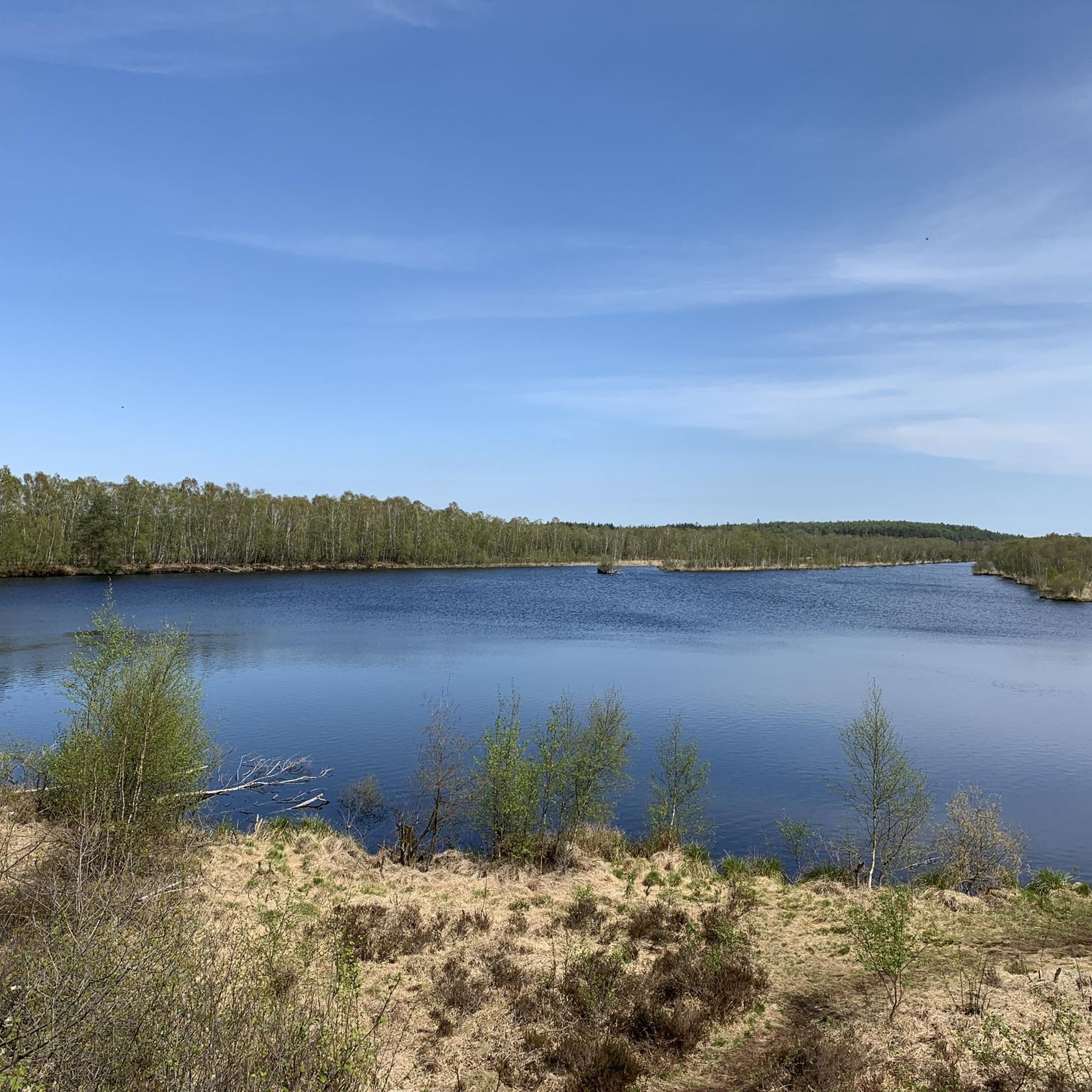
- The most popular natural monuments is Hasenmoor Observation Tower, a viewpoint that…
Last updated: June 24, 2026
Kaltenkirchener Heide East Entrance
Highlight • Natural Monument
Translated by Google •
Tip by

Wittenborn Heath Nature Reserve
Highlight • Natural Monument
Translated by Google •
Tip by

Sign up now to discover places like this
Get recommendations on the best single tracks, peaks, & plenty of other exciting outdoor places.
Sign up for free
Hasenmoor Observation Tower
Highlight • Viewpoint
Translated by Google •
Tip by

Gesundbrunnen Bad Bramstedt
Highlight • Natural Monument
Translated by Google •
Tip by
Kaltenkirchener Heide Nature Reserve
Highlight • Natural Monument
Translated by Google •
Tip by

Sign up for free to discover even more natural monuments around Hasenmoor.
Sign up for free
Already have an account?
Start today with a free account
Your next adventure awaits.
Login or Signup

Tips from the Community

A beautiful, naturally preserved area.
0
0

After the years 1681, the spring disappeared at some point and was rediscovered in 1761. The Majesty of Denmark, Norway and Schleswig-Holstein was informed that a guard should be set up to maintain order here, as the number of people seeking help at the Gesundbrunnen was too great.
0
0

The Wittenborner Heide nature reserve remained nutrient-poor and unfertilized due to its previous use as a military training area. This resulted in a diverse landscape of heathland, moors and sparse forests that provide a habitat for many species. You can hike through a very beautiful landscape that is always worth a visit.
3
0

A quiet place that invites you to linger. Information board with the history of the fountain and the spa town of Bad Bramstedt.
0
0

I'm 10 years younger ... GREAT ....
0
0

The Kaltenkirchen Heath is also called "the bloody soil of Kaltenkirchen". West and east of what was then Reichsstrasse 4, today's Bundesstrasse 4, stood the Kaltenkirchen military complex with countless buildings. Accommodation for the pilots and the staff at the Kaltenkirchen airfield, including a staff building, a flight control building and a medical unit, there are said to have been over 50 buildings on both sides of the B4 federal highway. As the war drew to an inevitable end, the Wehrmacht set up a concentration camp in Springhirsch in two areas east of the federal highway 4 and a prisoner of war camp about 1 kilometer to the south. Heavy physical forced labour, with the well-known malnutrition, soon led to the deaths of over 1000 hostages of National Socialism in both camps. For pointless construction work at the Kaltenkirchen airfield, which did not delay Germany's capitulation and the end of the war for a second. After the war, the buildings and barracks were inhabited by refugees. After that, however, all the buildings were demolished over the years, although the barracks of the Kaltenkirchen concentration camp were still standing in the 1960s. Oh yes, the entire Kaltenkirchen Heath is actually a single cemetery at the same time. Many concentration camp prisoners and prisoners of war who died doing forced labor were very often buried right on the spot in the middle of the site. Not all of the deceased lie in the burial ground in Moorkaten, as one might assume.
2
0

Mega interesting place to come down and switch off.
1
0

An airfield was to be built here in the 1960s. How glad am I that it didn't come to that because of the many protests. Today we can enjoy the beautiful landscape
2
0
Frequently Asked Questions
What are the main natural features to explore around Hasenmoor?
The region around Hasenmoor is characterized by its significant natural protected areas, particularly its moorland landscapes and ongoing ecological restoration efforts. You can explore re-wetted moors, diverse heathlands, and forests. Key areas include the Königsmoor Nature Reserve, known for its wild moorland, and the Kaltenkirchener Heide East Entrance, which features rare dry grasslands and heaths.
Which natural monuments offer the best views around Hasenmoor?
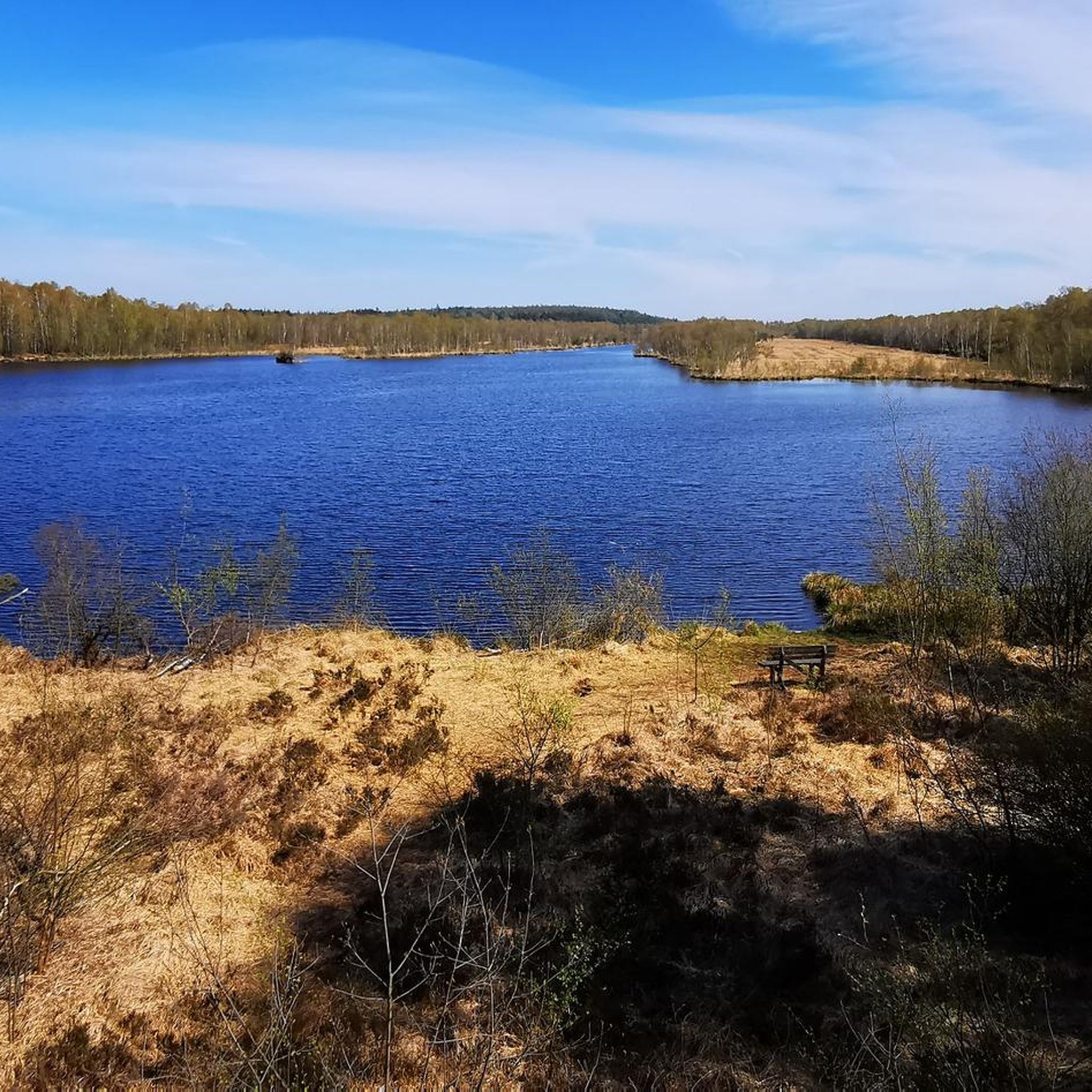
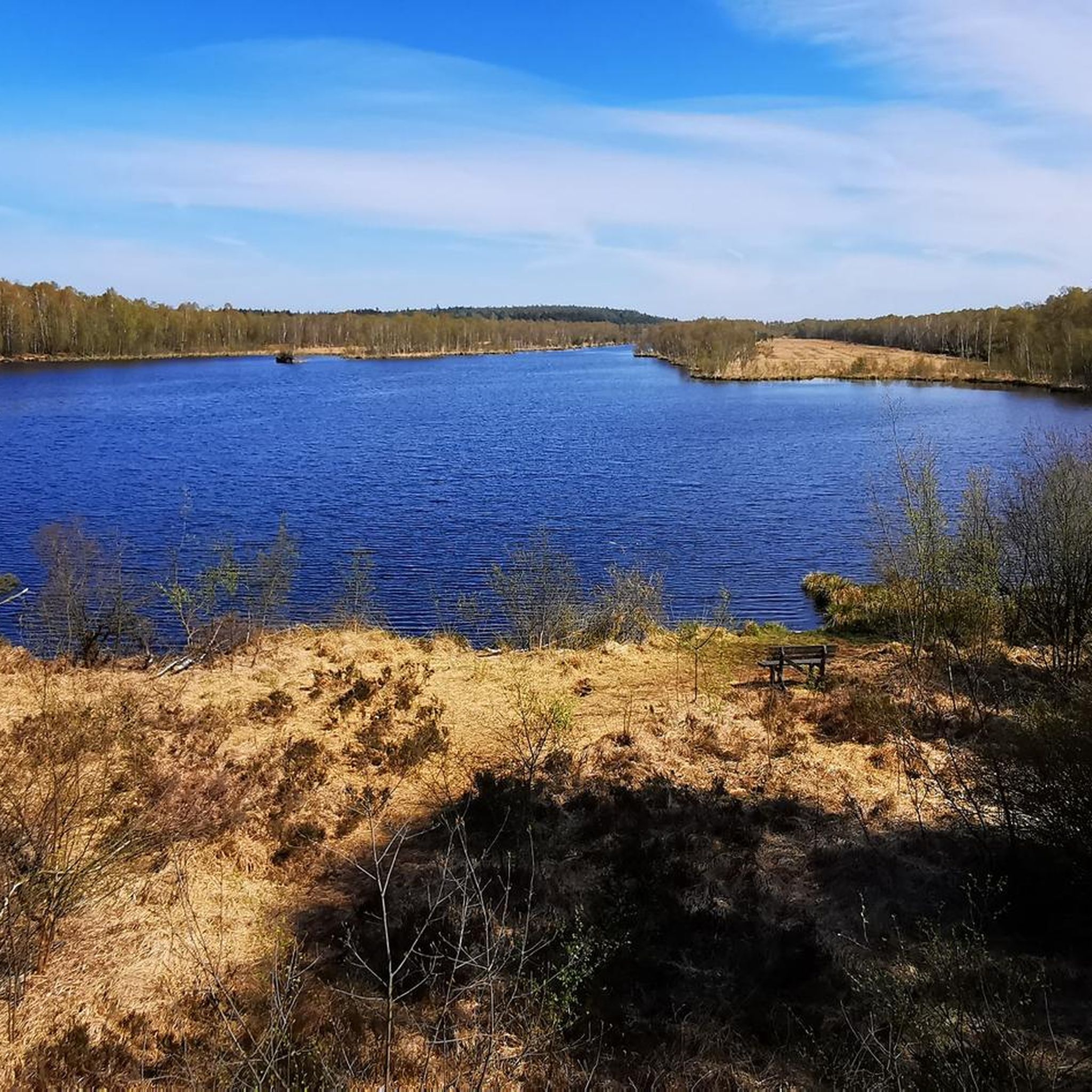
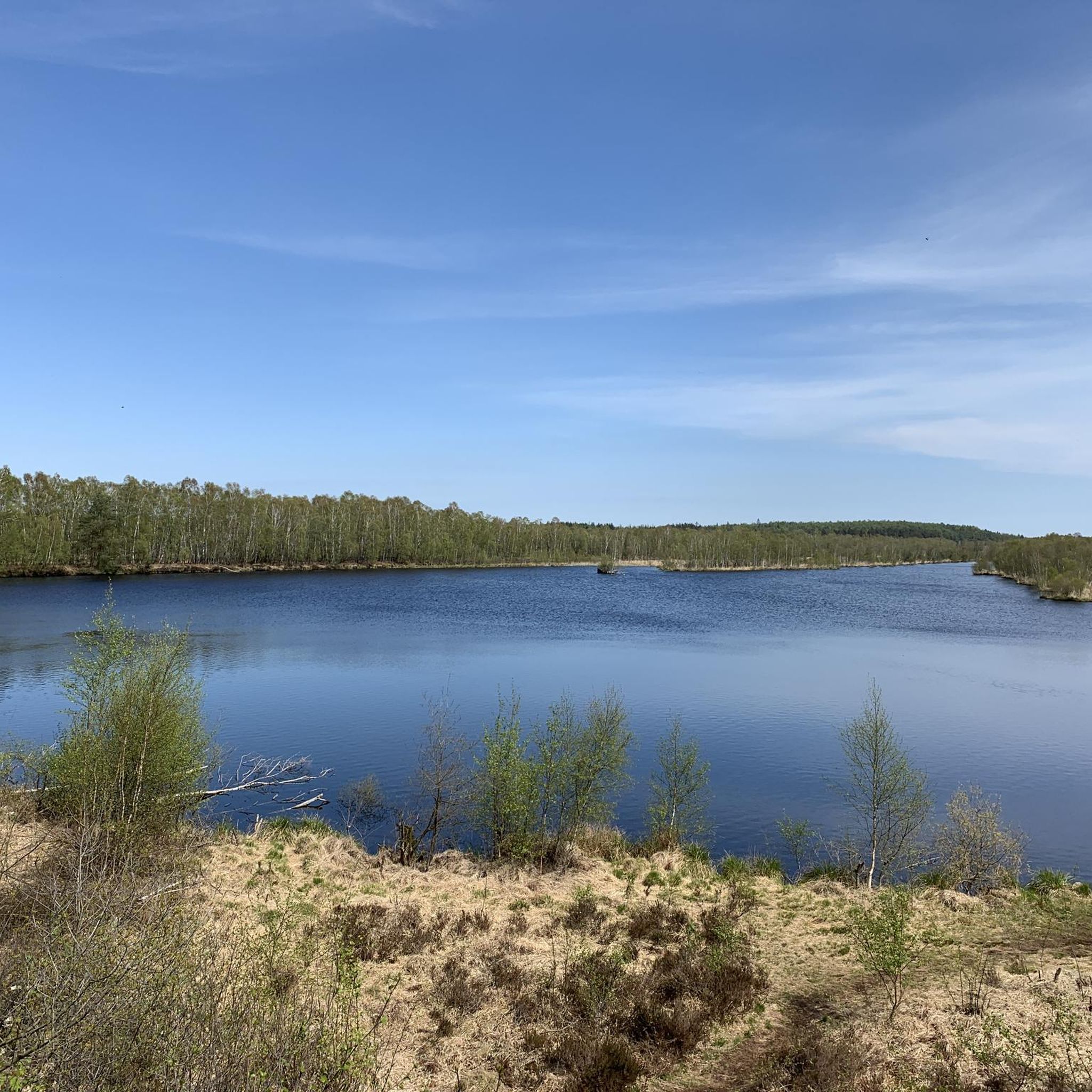
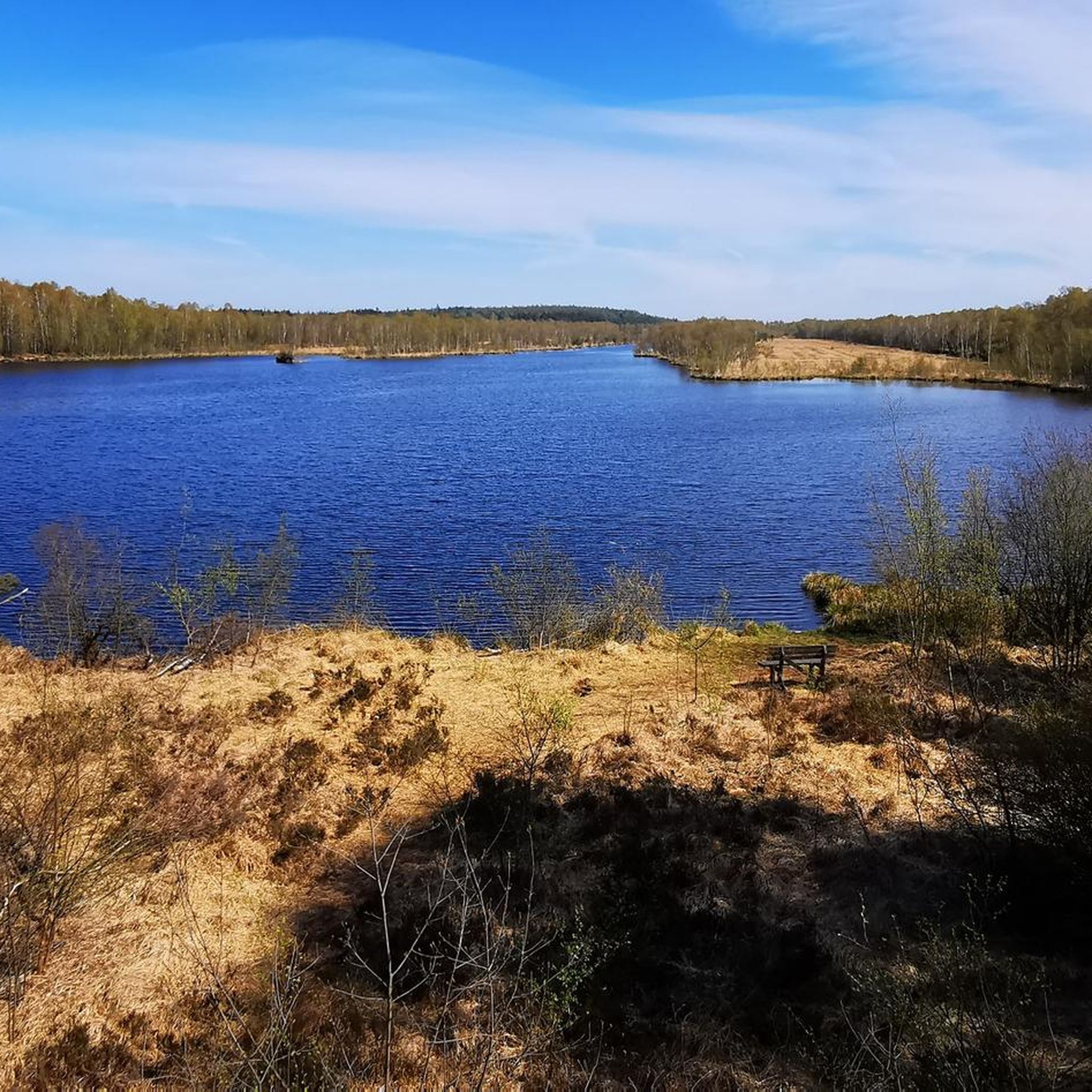
For panoramic views, the Hasenmoor Observation Tower is highly recommended. It provides a grand view of the water surface of the re-peat-mined moor, offering a quiet spot to observe nature. The Königsmoor Nature Reserve also features strategic birdwatching benches for observing the landscape and its inhabitants.
Are there any natural monuments with historical significance in the area?
Yes, several sites have historical significance. The Kaltenkirchener Heide East Entrance and the Wittenborn Heath Nature Reserve are both former military training grounds that have been transformed into natural paradises. Additionally, the Gesundbrunnen Bad Bramstedt marks the site of Bad Bramstedt's first healing spring, discovered in 1681, which is the origin of the spa town.
What kind of wildlife can be observed in the natural monuments around Hasenmoor?
The re-naturalization efforts in the moorland areas, such as Königsmoor, create vital habitats for diverse wildlife. You might spot adders, moor and grass frogs, various insects, and bats. Birdwatchers can look out for sea eagles, eagle owls, and cranes. The Kaltenkirchener Heide East Entrance is also home to rare and endangered plants and animals, with up to 20 plant species from the Red List of Schleswig-Holstein.
Are there opportunities for hiking or walking near these natural monuments?
Absolutely. The natural monuments around Hasenmoor offer extensive opportunities for hiking and walking. The Königsmoor Nature Reserve has hiking loops, and the Kaltenkirchener Heide East Entrance provides a unique environment for walks. For more specific routes, you can explore various running trails around Hasenmoor, many of which pass through or near these natural areas.
Can I go cycling or gravel biking in the area?
Yes, the region is suitable for cycling and gravel biking. The Kaltenkirchener Heide East Entrance offers beautiful natural paths. For dedicated routes, consider exploring the cycling routes around Hasenmoor or the gravel biking options around Hasenmoor, which include routes like the 'Wittenborner Heath – EBOE Trail Gravel Path loop'.
Are the natural monuments around Hasenmoor suitable for families?
Many of the natural monuments are family-friendly. The Kaltenkirchener Heide East Entrance and Wittenborn Heath Nature Reserve are great for exploring diverse landscapes. The Gesundbrunnen Bad Bramstedt also offers a nice idyllic resting place for a break during family outings.
Are dogs allowed on the trails in the natural monuments?
While many natural areas in Schleswig-Holstein are dog-friendly, specific rules, especially regarding leashes, can vary within nature reserves like Königsmoor or FFH areas. It is generally advisable to keep dogs on a leash to protect wildlife and ensure a pleasant experience for all visitors. Look for local signage for precise regulations.
What is the best time of year to visit the natural monuments around Hasenmoor?
The natural monuments offer different appeals throughout the year. Spring and summer are ideal for observing diverse flora and fauna, especially in the moorlands and heaths. Autumn brings beautiful colors to the forested areas. The Hasenmoor Observation Tower can be visited year-round for quiet contemplation of the landscape.
How can I reach the natural monuments around Hasenmoor by public transport?
Public transport options to specific natural monuments can be limited, as many are in remote natural settings. It's best to research local bus routes to the nearest villages or towns, such as Hasenmoor municipality or Kaltenkirchen, and then plan to walk or cycle the remaining distance. Parking is often available at key entry points for those traveling by car.
Are there amenities like cafes or accommodation near the natural monuments?
While the natural monuments themselves are often remote, you can find amenities in the nearby municipalities. Hasenmoor municipality and surrounding towns like Bad Bramstedt or Kaltenkirchen offer cafes, pubs, and accommodation options. It's recommended to plan your visits to the natural areas with these services in mind, as they are not typically found directly within the reserves.
What do visitors particularly enjoy about the natural monuments around Hasenmoor?
Visitors appreciate the opportunity to experience vital and often wild ecosystems. The quiet and remote nature of places like the Hasenmoor Observation Tower is often highlighted. The transformation of former military grounds into natural paradises, such as the Kaltenkirchener Heide East Entrance, is also a significant draw, showcasing successful conservation efforts and rich biodiversity.
Most popular routes around Hasenmoor
Most popular attractions around Hasenmoor

Get inspired with the komoot mobile app


Explore more
Extend your search for the best caves by checking out these guides of the top ones around Hasenmoor:
