Top 20 Natural Monuments around Bühnsdorf
Natural monuments around Bühnsdorf benefit from the region's diverse natural landscape in Schleswig-Holstein. The area is characterized by significant natural features, including extensive moors and large lakes. These natural attractions offer opportunities to observe rare ecosystems and geological formations. The vicinity provides various settings for outdoor activities, from tranquil nature observation to active recreation.
Best natural monuments around Bühnsdorf
- The most popular natural monuments is Kalkberg, Bad Segeberg, a natural monument and viewpoint that offers panoramic views of Bad…
Last updated: July 8, 2026
Brenner Moor Nature Reserve
Highlight • Natural
Translated by Google •
Tip by

Brenner Moor Nature Reserve
Highlight • Natural
Translated by Google •
Tip by

Sign up now to discover places like this
Get recommendations on the best single tracks, peaks, & plenty of other exciting outdoor places.
Sign up for free
Kalkberg, Bad Segeberg
Highlight • Natural Monument
The view in good weather is fantastic.
And it is the only rock mountain in the big circle! The next one should be in the Harz …
Translated by Google •
Tip by

Herrenteich Reinfeld
Highlight • Lake
Translated by Google •
Tip by

Lake Ihl
Highlight • Lake
Translated by Google •
Tip by

Sign up for free to discover even more natural monuments around Bühnsdorf.
Sign up for free
Already have an account?
Start today with a free account
Your next adventure awaits.
Login or Signup
Tips from the Community

The Herrenteich Pond is located in the heart of the carp town of Reinfeld. It was artificially created in the 12th century by Cistercian monks as a reservoir for the Heilsau River for fish farming. Carp are still bred here today. A four-kilometer circular trail around the Lower Herrenteich invites you to discover this special ecosystem. 16 stations along the adventure trail offer fun and a nature experience in one, sharpening your awareness of the special features of this natural area. In summer, you can enjoy the cool water at the lido. See: https://tourismus-stormarn.de/de/naturerlebnis/herrenteich-reinfeld-5
2
0
The Herrenteich in Reinfeld is a popular tourist destination. The approximately 55-hectare body of water is divided into the upper and lower Herrenteich. The upper Herrenteich remains a recognized nature reserve. The lower Herrenteich is home to, among other things, a hiking trail and an outdoor pool in the summer. Due to melting snow, the Herrenteich flooded in early March 2010. A temporary dam erected at the time due to construction work threatened to no longer hold the water masses. A breach of the dam would have flooded the entire hinterland. The Hamburg/Lübeck railway embankment would also have been affected. See: https://www.thw-badoldesloe.de/aktuelles/aktuelle-meldungen/artikel/vor-10-jahren-hochwassereinsatz-am-herrenteich-fachgruppen-wasserschadenpumpen-verhindern-stauwe
2
1

The Ihlsee is located in the northwestern part of the district town of Bad Segeberg on the northern edge of the Kleinniendorf district and is part of the designated Ihlsee and Ihlwald nature reserve. The origin of the lake has not been fully investigated. Either the depression was formed after the Ice Age due to dead ice or it was created as a sinkhole by the collapse of a cave in the Segeberg salt dome. Today the lake has an area of around 29 hectares and stretches 450 m from north to south and around 850 m from west to east; the shore is 2.25 km long. Along with the Bültsee and the Garrensee, the lake is one of the few nutrient-poor lakes in Schleswig-Holstein. The lake is located in a depression and has no inflow. It is fed only by groundwater and inflowing surface water (precipitation). To the north of the bathing area is the outflow that connects the lake to the Great Segeberg Lake. The lake can be walked around, but there is no path along the lake. There is a bathing area on the eastern shore that has existed for decades. The bathing water quality is regularly monitored and in recent years has been rated as very good to good. There is a residential area on the northern shore. On the western and southern sides, the Ihlwald, a swamp forest, dominates the shoreline. From 1911 to 1961, there was a Kiel-Segeberg narrow-gauge railway station at Ihlsee, the tracks of which were removed in 1962. The Ihlsee was declared a nature reserve in 1950 because of its special features. The lake is a particularly nutrient-poor body of water, which gives rise to rare flora. Today, the lake is part of the Ihlsee and Ihlwald nature reserve and has been part of the Natura 2000 protected area network since 2006. https://de.wikipedia.org/wiki/Ihlsee
2
0

Nice walk around the pond! With lots of cozy spots.
5
0

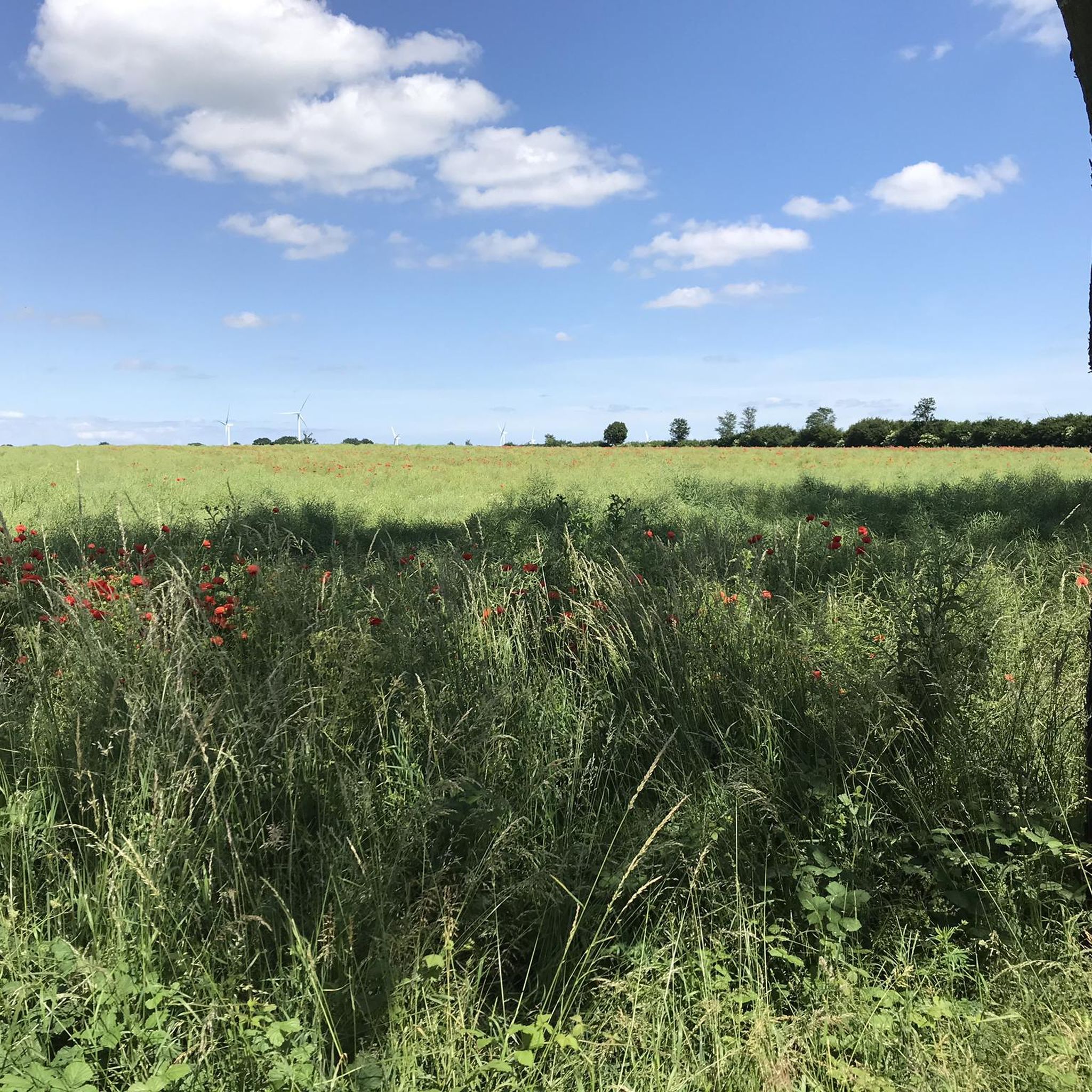
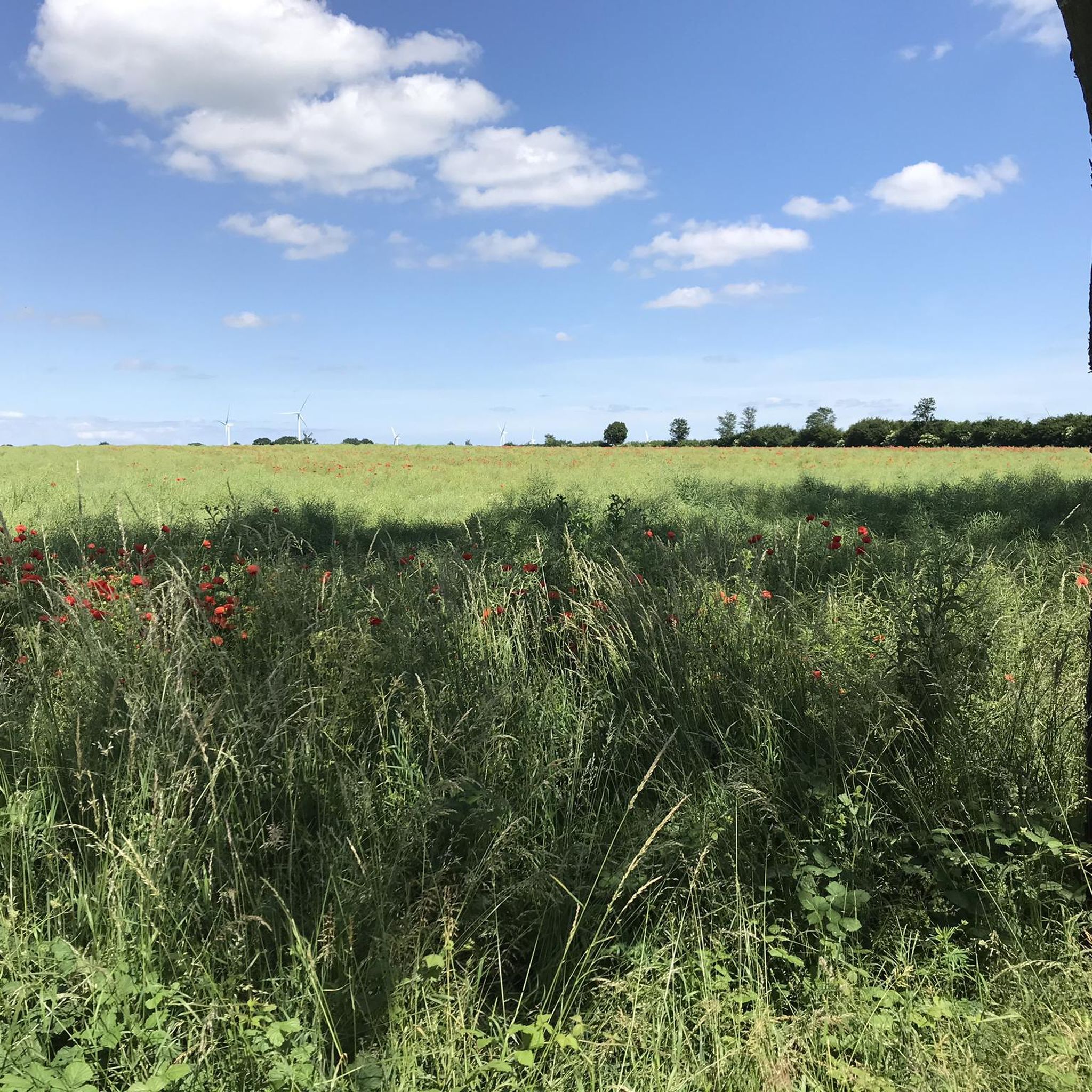
The Brenner Moor is the largest salt marsh in inland Schleswig-Holstein. The salinity of the salt springs partially reaches that of the North Sea. A jewel of nature but very busy on weekends. Still a real highlight. The crossing is only possible thanks to the laid planks. However, cycling is prohibited
8
0
The Brenner Moor is the largest inland salt marsh in Schleswig-Holstein. It is located in the district of Stormarn in the town of Bad Oldesloe in the Trave lowlands and has been declared a nature reserve. What is special about the Brenner Moor are the brine springs that rise from a depth of approx. 500 meters and have their origin in a salt band that presumably stretches from Segeberg via Tralau and Bad Oldesloe to Lübeck. The plant communities and the animal world of the Brenner Moor are shaped in a special way by the unique occurrence of salt springs inland. The salty environment attracts plants that are otherwise only found near the coast, e.g. B. rush (Juncus gerardii) and beach trident (Triglochin maritima). In some places the water has a salinity that corresponds to that of the North Sea. In less saline parts of the nature reserve, reed beds, among other things, grow. https://metropolregion.hamburg.de/kulturlandschaften/4471072/brenner-moor/
14
3

It should read: Reinfeld - Herrenteich. Reinbeck is wrong, Reinbek is in the south of Stormarn, near Hamburg
2
0

The Herrenteich is located in the heart of the carp town of Reinfeld. It was artificially created in the 12th century by the Cistercian monks as a reservoir for the Heilsau for fish farming. Carp are still bred here today.
3
0
Frequently Asked Questions
What unique natural features can I explore around Bühnsdorf?
The region around Bühnsdorf offers a diverse range of natural features. You can explore the unique inland salt marsh moor at Brenner Moor Nature Reserve, characterized by extensive reeds and diverse birdlife. The Kalkberg, Bad Segeberg, is a gypsum mountain with caves, offering a unique geological formation. Additionally, the Großer Segeberger See and Lake Ihl are notable for their distinct geological origins as collapse sinkholes.
Are there family-friendly natural monuments near Bühnsdorf?
Yes, several natural monuments are suitable for families. The Brenner Moor Nature Reserve features a 6-kilometer boardwalk trail, making it easy for children to explore the unique moor landscape. The Kalkberg, Bad Segeberg, with its panoramic views and associated caves, can also be an exciting destination for families. Herrenteich Reinfeld offers a relaxing environment for walks around the lake.
What outdoor activities can I do near these natural monuments?
The natural monuments around Bühnsdorf are excellent starting points for various outdoor activities. You can enjoy gravel biking with routes like the 'Great Segeberg Lake – View of the Großer Segeberger See loop' or explore running trails such as the 'Running loop from Bühnsdorf'. For mountain biking enthusiasts, there are trails like 'View of Großer Segeberger Lake – Klüthsee Swimming Area loop'. Find more details on these activities in our dedicated guides for gravel biking, running, and MTB trails around Bühnsdorf.
Are there specific hiking trails to explore the natural monuments?
Absolutely. The Brenner Moor Nature Reserve is well-known for its 6-kilometer boardwalk trail that allows visitors to traverse the moor and observe its unique flora and fauna. The Großer Segeberger See also has paths along its shore suitable for walking. For more hiking options, consider routes like 'Trave Crossing – Trail along the Beste loop' or 'View of the Ihlsee – Bridge over the Young Trave loop' found in our gravel biking guide, which often include sections suitable for hiking.
What is the best time of year to visit the natural monuments around Bühnsdorf?
The natural monuments around Bühnsdorf can be enjoyed throughout the year, but each season offers a different experience. Spring and summer are ideal for birdwatching and enjoying lush greenery, especially at Brenner Moor Nature Reserve. Autumn brings beautiful colors to the surrounding forests and reflections on the lakes. Evenings at Brenner Moor are particularly scenic for sunsets. For specific events or conditions, it's always good to check local information closer to your visit.
Can I bring my dog to the natural monuments?
While many natural areas in Germany are dog-friendly, it's important to keep dogs on a leash, especially in nature reserves, to protect wildlife. For specific natural monuments like Brenner Moor Nature Reserve, it's recommended to check local signage or regulations regarding dogs, as sensitive ecosystems may have restrictions. Generally, paths around lakes like Großer Segeberger See or Herrenteich Reinfeld are suitable for walks with leashed dogs.
Are there any natural monuments with historical significance?
Yes, the Kalkberg, Bad Segeberg, holds historical significance not only for its geological formation but also for its past gypsum mining activities that shaped its current appearance. Additionally, the area around Herrenteich Reinfeld has historical ties, with a refuge on an island that hints at past uses and stories.
Where can I find panoramic views of the natural landscape?
For breathtaking panoramic views, the Kalkberg, Bad Segeberg, is highly recommended. From its summit, you can enjoy a 360-degree vista of Bad Segeberg and the expansive Großer Segeberger See. The paths around Großer Segeberger See also offer beautiful scenic views of the lake and its surroundings.
What makes the Brenner Moor Nature Reserve special?
The Brenner Moor Nature Reserve is special because it is the largest inland salt marsh moor in Schleswig-Holstein. Its unique ecosystem supports a diverse range of rare bird and plant species amidst extensive reeds and water bodies. The meandering Trave River flows through it, and a 6-kilometer boardwalk allows for tranquil exploration and observation of this rare natural habitat.
What is the geological origin of Großer Segeberger See?
The Großer Segeberger See has a fascinating geological origin. It formed due to the rise of a salt dome composed of gypsum and anhydrite rock close to the surface. During the thawing of permafrost after the ice age, groundwater dissolved the underlying rock salt and gypsum, creating cavities. The subsequent collapse of overlying rock and sediment layers formed the depressions that filled with water, creating the lake and its smaller neighbor, the Klüthsee.
Are there accessible trails for all visitors?
The Brenner Moor Nature Reserve features a well-maintained 6-kilometer boardwalk trail, which makes a significant portion of the moor accessible for visitors. While specific wheelchair accessibility details for all areas are not provided, boardwalks generally offer a more even and stable surface for a wider range of visitors.
What do visitors particularly enjoy about the natural monuments in this region?
Visitors frequently praise the tranquil environment and unique natural beauty. The Brenner Moor Nature Reserve is loved for its beautiful moor landscape, diverse birdlife, and the peaceful experience of walking on the boardwalks. The Kalkberg, Bad Segeberg, is appreciated for its fantastic views, especially in good weather, and its unique geological character. The relaxing walks and scenic views around Herrenteich Reinfeld are also highly rated.
What kind of wildlife can I spot in the natural monuments?
The natural monuments around Bühnsdorf are rich in wildlife, particularly in the Brenner Moor Nature Reserve. This area is known for its diverse bird species and unique plant life, characteristic of an inland salt marsh moor. You can observe various birds, insects, and specialized flora. The surrounding forests and lakes also provide habitats for other local wildlife.
Most popular routes around Bühnsdorf
Most popular attractions around Bühnsdorf

Get inspired with the komoot mobile app


Explore more
Extend your search for the best caves by checking out these guides of the top ones around Bühnsdorf:
