Top 20 Natural Monuments around Bebensee
Best natural monuments around Bebensee are found within a landscape of rolling hills, fields, and numerous lakes. The region provides a tranquil setting with diverse natural features and recreational opportunities. Visitors can explore various ecosystems, including moorlands, forests, and unique geological formations. The area offers opportunities for outdoor activities such as hiking, cycling, and enjoying lakeside environments.
Best natural monuments around Bebensee
- The most popular natural monument is Kalkberg, Bad Segeberg, a natural monument that offers panoramic views of…
Last updated: June 24, 2026
Brenner Moor Nature Reserve
Highlight • Natural
Translated by Google •
Tip by

Brenner Moor Nature Reserve
Highlight • Natural
Translated by Google •
Tip by

Sign up now to discover places like this
Get recommendations on the best single tracks, peaks, & plenty of other exciting outdoor places.
Sign up for free
Kalkberg, Bad Segeberg
Highlight • Natural Monument
The view in good weather is fantastic.
And it is the only rock mountain in the big circle! The next one should be in the Harz …
Translated by Google •
Tip by

Lake Ihl
Highlight • Lake
Translated by Google •
Tip by

Wittenborn Heath Nature Reserve
Highlight • Natural Monument
Translated by Google •
Tip by

Sign up for free to discover even more natural monuments around Bebensee.
Sign up for free
Already have an account?
Start today with a free account
Your next adventure awaits.
Login or Signup
Tips from the Community

A beautiful, naturally preserved area.
0
0

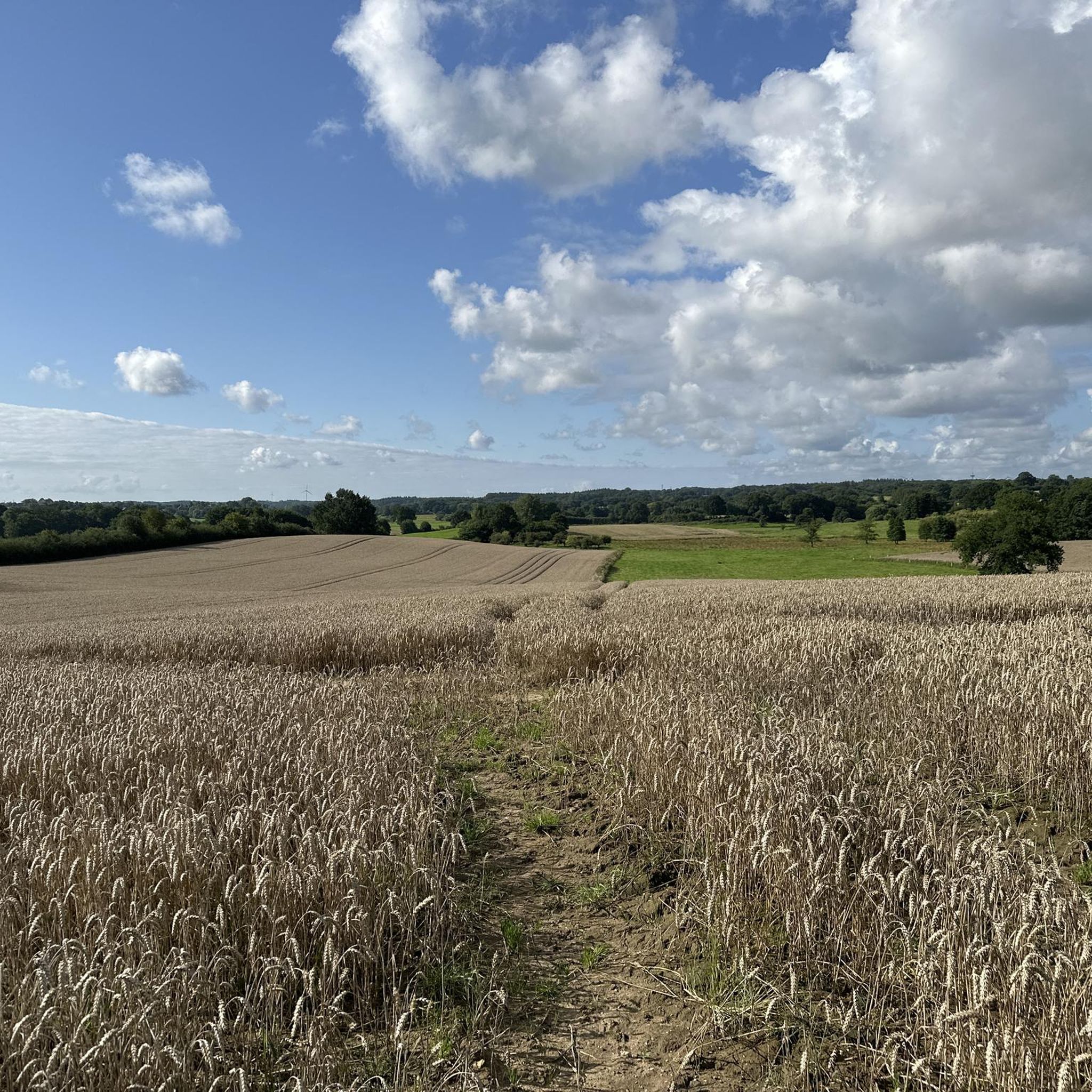
The Wittenborner Heide nature reserve remained nutrient-poor and unfertilized due to its previous use as a military training area. This resulted in a diverse landscape of heathland, moors and sparse forests that provide a habitat for many species. You can hike through a very beautiful landscape that is always worth a visit.
3
0

The Ihlsee is located in the northwestern part of the district town of Bad Segeberg on the northern edge of the Kleinniendorf district and is part of the designated Ihlsee and Ihlwald nature reserve. The origin of the lake has not been fully investigated. Either the depression was formed after the Ice Age due to dead ice or it was created as a sinkhole by the collapse of a cave in the Segeberg salt dome. Today the lake has an area of around 29 hectares and stretches 450 m from north to south and around 850 m from west to east; the shore is 2.25 km long. Along with the Bültsee and the Garrensee, the lake is one of the few nutrient-poor lakes in Schleswig-Holstein. The lake is located in a depression and has no inflow. It is fed only by groundwater and inflowing surface water (precipitation). To the north of the bathing area is the outflow that connects the lake to the Great Segeberg Lake. The lake can be walked around, but there is no path along the lake. There is a bathing area on the eastern shore that has existed for decades. The bathing water quality is regularly monitored and in recent years has been rated as very good to good. There is a residential area on the northern shore. On the western and southern sides, the Ihlwald, a swamp forest, dominates the shoreline. From 1911 to 1961, there was a Kiel-Segeberg narrow-gauge railway station at Ihlsee, the tracks of which were removed in 1962. The Ihlsee was declared a nature reserve in 1950 because of its special features. The lake is a particularly nutrient-poor body of water, which gives rise to rare flora. Today, the lake is part of the Ihlsee and Ihlwald nature reserve and has been part of the Natura 2000 protected area network since 2006. https://de.wikipedia.org/wiki/Ihlsee
2
0

The Brenner Moor is the largest salt marsh in inland Schleswig-Holstein. The salinity of the salt springs partially reaches that of the North Sea. A jewel of nature but very busy on weekends. Still a real highlight. The crossing is only possible thanks to the laid planks. However, cycling is prohibited
8
0
The Brenner Moor is the largest inland salt marsh in Schleswig-Holstein. It is located in the district of Stormarn in the town of Bad Oldesloe in the Trave lowlands and has been declared a nature reserve. What is special about the Brenner Moor are the brine springs that rise from a depth of approx. 500 meters and have their origin in a salt band that presumably stretches from Segeberg via Tralau and Bad Oldesloe to Lübeck. The plant communities and the animal world of the Brenner Moor are shaped in a special way by the unique occurrence of salt springs inland. The salty environment attracts plants that are otherwise only found near the coast, e.g. B. rush (Juncus gerardii) and beach trident (Triglochin maritima). In some places the water has a salinity that corresponds to that of the North Sea. In less saline parts of the nature reserve, reed beds, among other things, grow. https://metropolregion.hamburg.de/kulturlandschaften/4471072/brenner-moor/
14
3

Tip: The evening Karl May events end with fireworks.
7
0
Tip: The 91 m high limestone mountain is not made of lime (calcium carbonate) but of gypsum (calcium sulphate).
7
0

Great moor and beautiful boardwalk! Tip: 🅿️ at the Kleingartenverein
6
1
Frequently Asked Questions
What are the most notable natural monuments to visit around Bebensee?
The region around Bebensee offers several distinct natural monuments. Among the most popular are Kalkberg, Bad Segeberg, known for its unique geological composition and panoramic views. Another must-see is Brenner Moor Nature Reserve, where you can explore a moor landscape via boardwalks. Additionally, the Wittenborn Heath Nature Reserve provides a beautiful forest and heather area for relaxing walks.
Are there any natural monuments suitable for families with children?
Yes, several natural monuments around Bebensee are family-friendly. Kalkberg, Bad Segeberg, offers an engaging experience with its caves and the Noctaris bat exhibition. Both Brenner Moor Nature Reserve and Wittenborn Heath Nature Reserve are also great for families, providing easy trails and opportunities to observe nature.
What kind of natural features can I expect to see in the Bebensee area?
The Bebensee area is characterized by a diverse landscape. You'll find rolling hills, wide fields, and numerous lakes such as Neversdorfer See, Wardsee, and Ihlsee. The region also features unique ecosystems like the moor landscape of Brenner Moor Nature Reserve, and the forest and heather areas of Wittenborn Heath Nature Reserve. Geological formations like the gypsum rock of Kalkberg, Bad Segeberg, add to the natural variety.
Are there historical or cultural sites near the natural monuments?
While primarily focused on natural beauty, Kalkberg, Bad Segeberg, has historical significance as a former anhydrite/gypsum mining site and features caves. The nearby town of Bad Segeberg itself offers additional cultural points of interest, including an open-air stage at Kalkberg.
What outdoor activities can I do near these natural monuments?
The natural monuments around Bebensee are excellent starting points for various outdoor activities. You can enjoy hiking, cycling, and mountain biking on numerous trails. The many lakes in the vicinity, such as Neversdorfer See and Wardsee, also offer opportunities for swimming and boating. For detailed route information, explore the hiking, road cycling, and MTB guides for the Bebensee area.
Are there hiking trails around the natural monuments?
Yes, there are many hiking trails that allow you to explore the natural monuments. For instance, Brenner Moor Nature Reserve features highly recommended trails with boardwalks. The Wittenborn Heath Nature Reserve is also ideal for relaxing walks. You can find a variety of routes, including the 'Neversdorfer Lake Bathing Area – Mönchsweg Bench loop from Bebensee', in the hiking guide for Bebensee.
What do visitors enjoy most about the natural monuments in this region?
Visitors particularly appreciate the tranquil setting and diverse natural beauty. Many highlight the fantastic panoramic views from Kalkberg, Bad Segeberg, and the unique experience of traversing the boardwalks through the reeds and waterholes of Brenner Moor Nature Reserve. The peaceful atmosphere and opportunities for relaxing walks in areas like Wittenborn Heath Nature Reserve are also frequently praised.
When is the best time of year to visit the natural monuments around Bebensee?
The period between May and September is generally considered the best time to visit. During these months, the weather is ideal for outdoor activities like hiking, cycling, and enjoying the lakes. The natural landscapes, including forests and moorlands, are vibrant and offer pleasant conditions for exploration.
Are there any viewpoints or scenic spots in the Bebensee area?
Absolutely. Kalkberg, Bad Segeberg, offers a fantastic panoramic view of Bad Segeberg and the surrounding area, including Lake Segeberg. Many of the lakes, such as Wardsee, are also recommended for idyllic and peaceful walks, especially at sunset, providing beautiful scenic vistas.
What are some unique geological features in the Bebensee area?
The most prominent unique geological feature is Kalkberg, Bad Segeberg. This rock mountain is notable for its composition of anhydrite or gypsum, making it a rare geological formation in the region. Its origin is linked to the Segeberg salt dome, and it features fascinating caves.
Can I find any moorland areas to explore near Bebensee?
Yes, the Brenner Moor Nature Reserve is a prime example of a moor landscape near Bebensee. It offers visitors the chance to traverse boardwalks through reeds and waterholes, providing an up-close look at this distinct natural habitat and its diverse flora and fauna. The Viertmoor, located about 11 km away, is another moorland area of interest.
Are there any lakes near Bebensee suitable for swimming or boating?
Yes, several lakes in the vicinity of Bebensee are perfect for water activities. Neversdorfer See has a designated bathing spot, and Wardsee is highlighted as an excellent place for both swimming and boating. Other nearby lakes like Mozener See, Grosser Segeberger See, and Ihlsee also offer opportunities to enjoy the water and lakeside environments.
Most popular routes around Bebensee
Most popular attractions around Bebensee

Get inspired with the komoot mobile app


Explore more
Extend your search for the best caves by checking out these guides of the top ones around Bebensee:
