Top 20 Natural Monuments around Nahe
Natural monuments around Nahe offer diverse landscapes, from dramatic rock formations to expansive nature parks. The region is characterized by its geological significance, including ancient volcanic rock formations and river-carved gorges. Visitors can explore areas rich in ecological diversity, featuring unique flora and fauna adapted to specific conditions. The Nahe region provides opportunities to experience varied natural settings, combining historical elements with natural beauty.
Best natural monuments around Nahe
- The most popular natural monuments is Wittmoor Lake, a lake…
Last updated: October 25, 2026
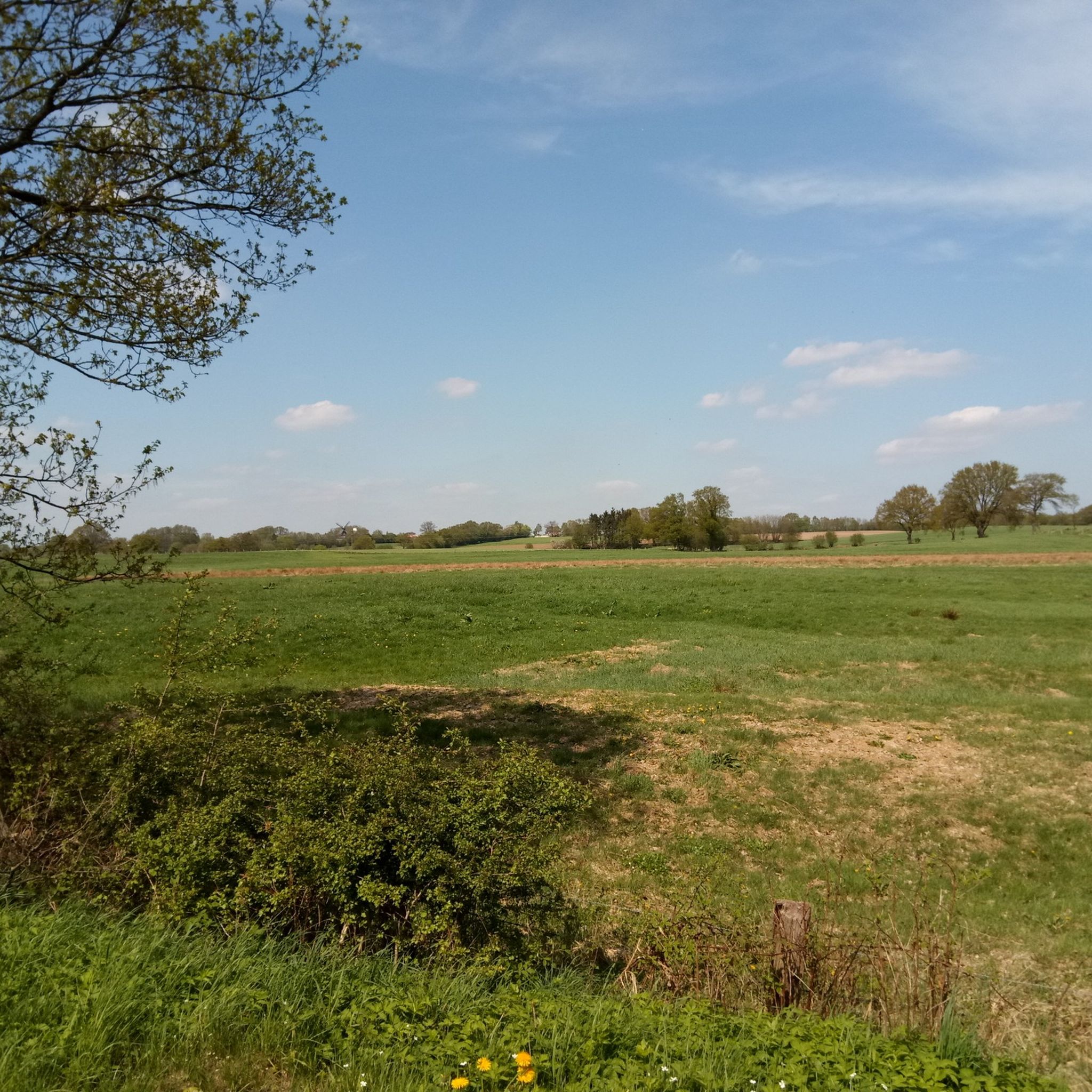
Wittmoor Lake
Highlight • Lake
Translated by Google •
Tip by

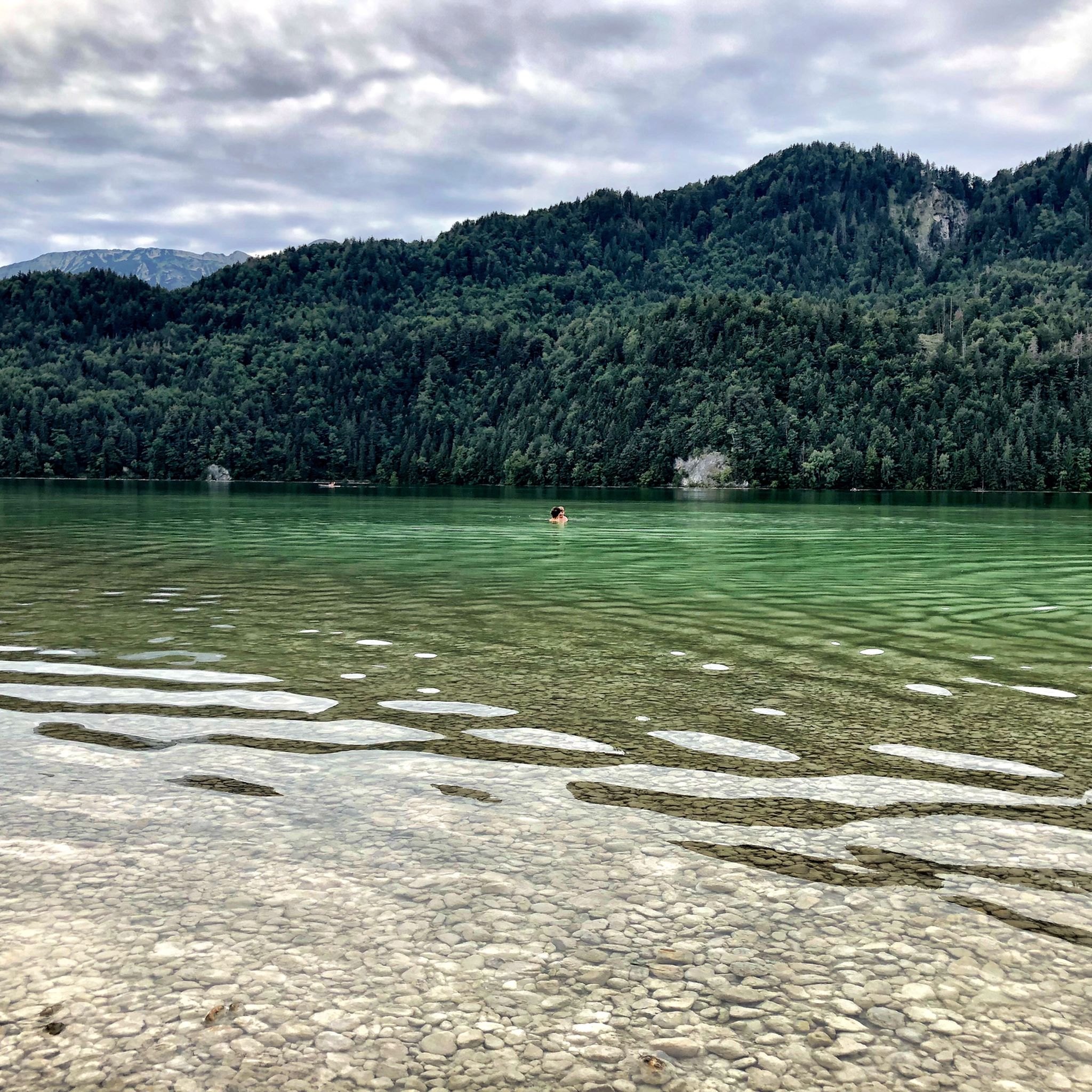
Rodenbeker Pond
Highlight • Lake
Translated by Google •
Tip by

Sign up now to discover places like this
Get recommendations on the best single tracks, peaks, & plenty of other exciting outdoor places.
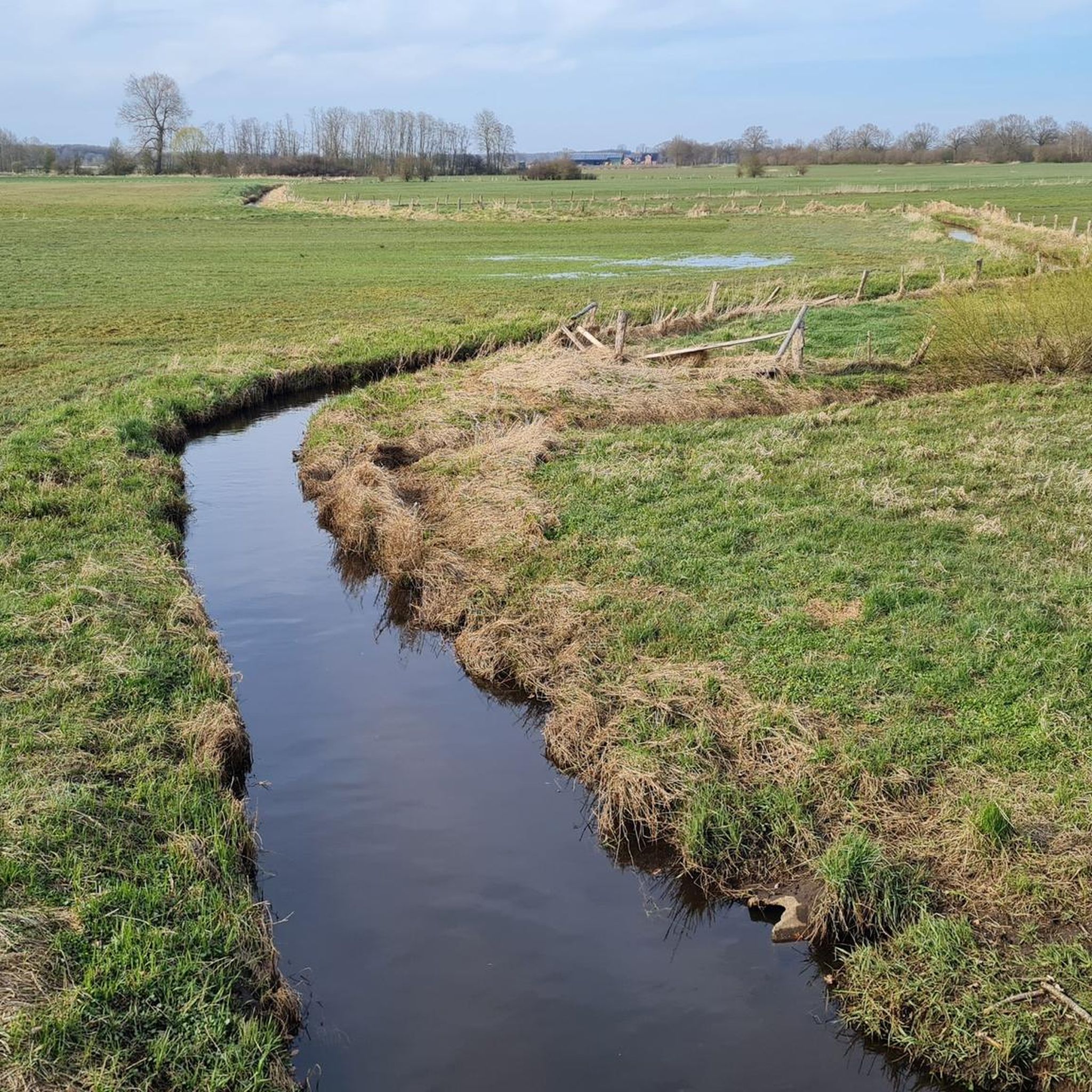
Alster Spring
Highlight • River
Translated by Google •
Tip by

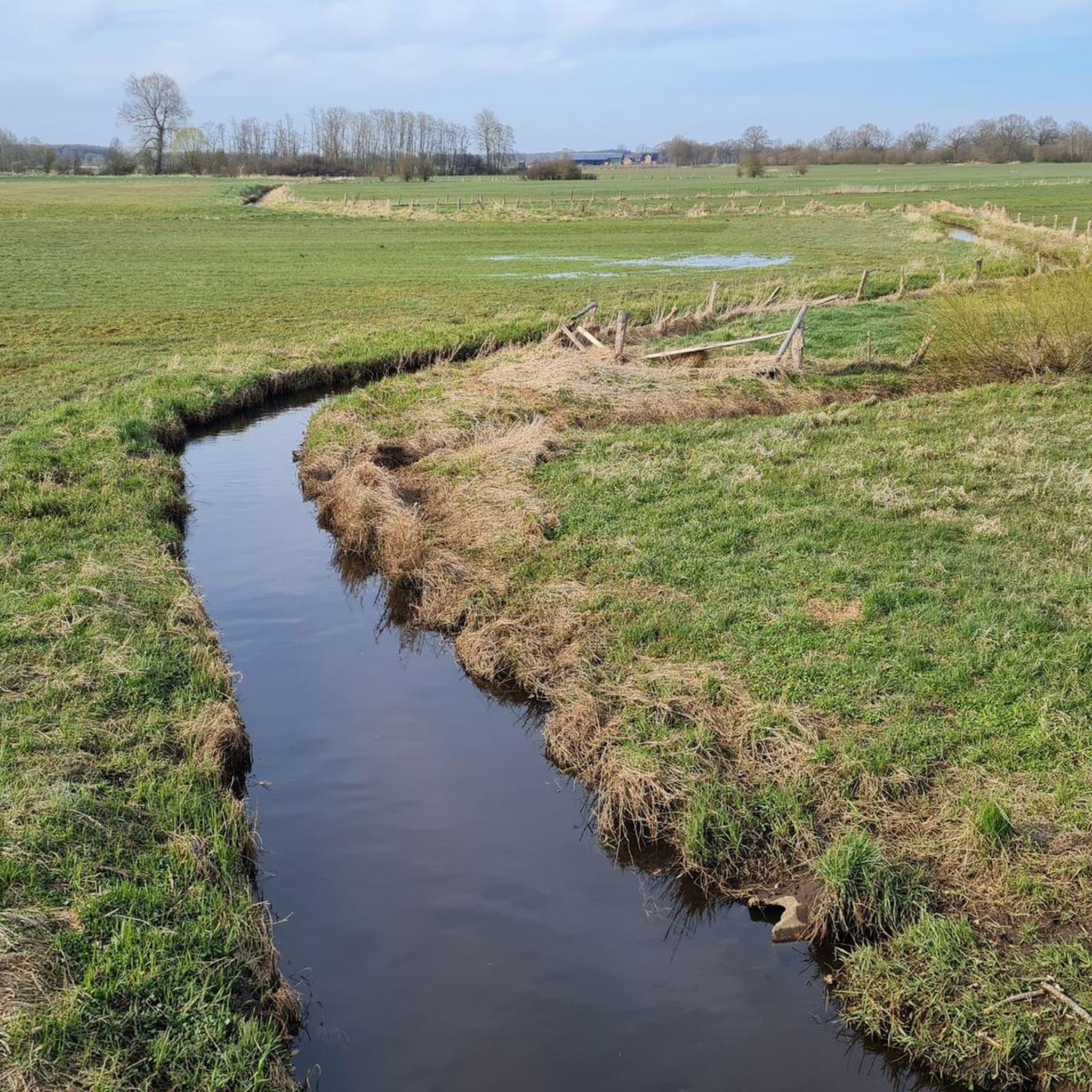
Lily Pond in the Henstedter Moor
Highlight • Lake
Translated by Google •
Tip by
Oberalster Lowlands Nature Reserve
Highlight (Segment) • Natural Monument
Translated by Google •
Tip by
Sign up for free to discover even more natural monuments around Nahe.
Already have an account?
Start today with a free account
Your next adventure awaits.

Tips from the Community

Rodenbeker Quellentag - Gasthaus Quellhof, great place to stop for refreshments with beer garden
1
0

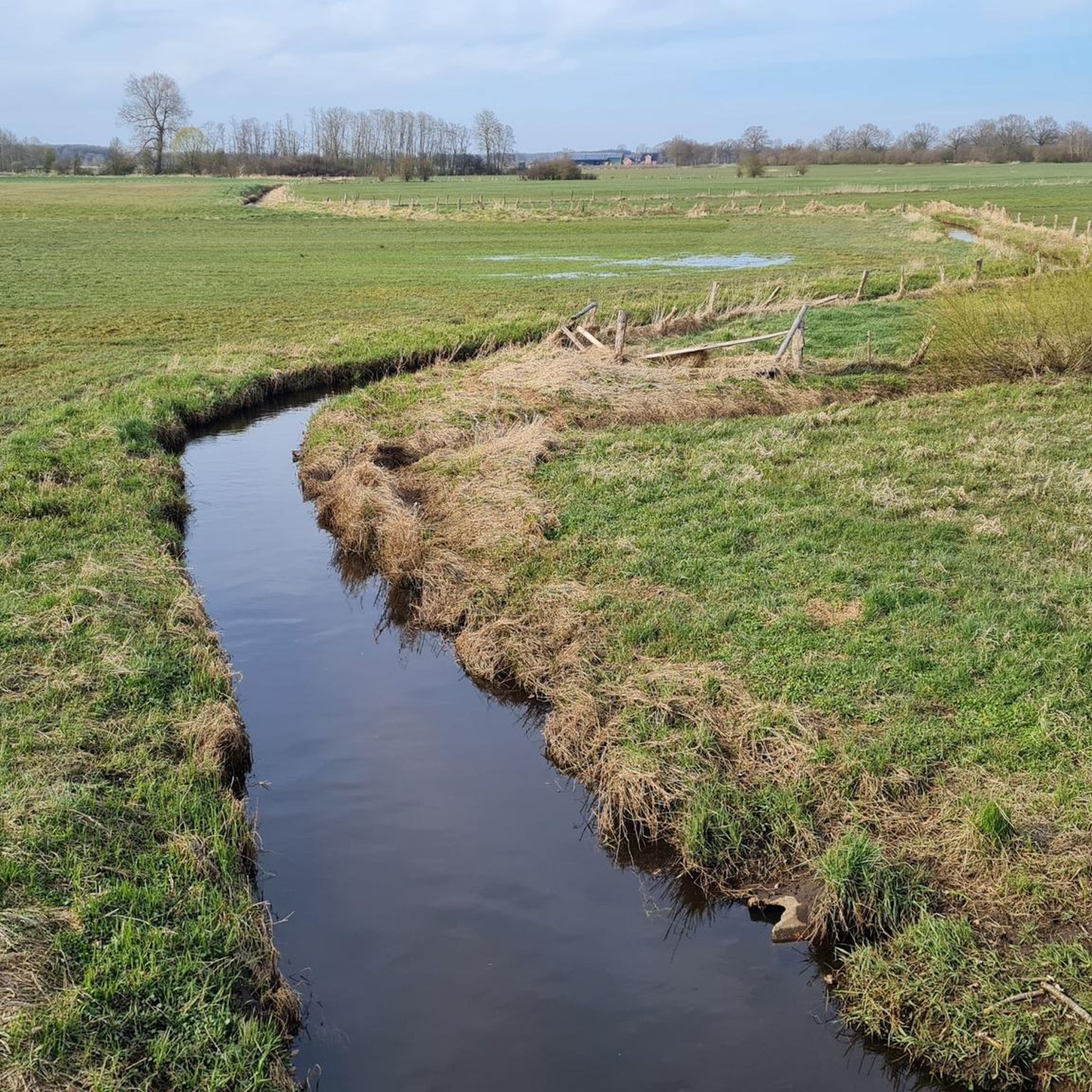
The Rodenbek is a river that flows into the Alster in the Rodenbeker Quellental nature reserve. The idyllic Rodenbeker pond along its course is managed by the Rahlstedt sports fishing association from 1934 e.V. and is the habitat of numerous fish species, such as carp, eel and perch. kulturlotse.de/ort/rodenbeker-teich-3806401676914271620
2
0

Cheerful birdsong accompanies you through the beautiful deciduous forest. The frogs are croaking in the pond.
0
0

The Rodenbeker Quellental nature reserve is an 84-hectare glacial meltwater river system in northeast Hamburg. It lies in the former edge area of the Vistula glaciation. Locally there are elevations in the form of ground moraines. The site elevation is between 15 and 20 meters above mean sea level. The site was granted protected status on January 25, 1977, originally measuring 47 hectares. On July 26, 2011, the Hamburg Senate announced an expansion by 37 hectares to 84 hectares. In the Quellental there are extensive deposits from an ice reservoir, which are now cut through by various smaller basins, small rivers. These are the Rodenbek, the Bredenbek, the Lottbek, the Mühlenbek and other small streams. All flow in an east-west direction to the Alster, a northern tributary of the Elbe. The formation of the Rodenbeker Quellental began in the Weichselian Ice Age, when the Bredenbek Glacier slowly retreated and the meltwater at the base of the glacier found its way to the Alster. The current appearance of the spring valley is also due to spring erosion. (Source: Wikipedia)
1
0

Deer, rabbits and birds can be seen in the evening.
7
0


The Rodenbeker pond is managed by the Rahlstedt sport fishing club. It is embedded in beautiful nature.
2
0

Frequently Asked Questions
What unique geological features can I expect to see among the natural monuments in the Nahe region?
The Nahe region is rich in geological diversity. You can explore the towering Rotenfels, a massive rhyolite cliff formed from volcanic rock, and the imposing porphyry rock formation of the Rheingrafenstein. The Kirner Dolomites, though not geologically true Dolomites, feature rugged quartzite rocks. The region's landscape has been shaped by ancient volcanic activity and river erosion over millions of years.
Are there any natural monuments in the Nahe region that offer challenging outdoor activities like climbing?
Yes, the Rotenfels is an extremely challenging climbing area, maintained by a section of the German Alpine Club. The Kirner Dolomites also provide popular spots for rock climbing, suitable for beginners and intermediate climbers.
What kind of wildlife and plant life can be observed at the natural monuments in Nahe?
The natural monuments in Nahe support diverse ecosystems. The Rotenfels plateau, a nature reserve, is home to peregrine falcons, emerald lizards, and rare plants like rock maple, mountain everlasting, and the 'burning bush'. The Soonwald-Nahe Nature Park features unspoiled deciduous forests, moors, and riverside meadows, providing habitats for various warmth-loving wildlife and diverse flora.
Which natural monuments in Nahe are particularly known for their panoramic views?
For stunning panoramic views, the Rotenfels offers fantastic vistas of Bad Münster am Stein-Ebernburg and the surrounding Nahe region from its ridge trails. The Rheingrafenstein also provides stunning views, especially from the western bank of the Nahe River, with hiking trails leading up to its castle ruins.
Are there family-friendly natural monuments to visit in the Nahe region?
Yes, several natural monuments in the Nahe region are suitable for families. Wittmoor Lake, Rodenbeker Pond, Alster Spring, and Lily Pond in the Henstedter Moor are all categorized as family-friendly and offer pleasant natural surroundings for all ages.
What is the best time of year to visit the natural monuments in Nahe?
The Nahe region's natural monuments can be enjoyed throughout the year, but spring and autumn are particularly beautiful. Spring brings blossoming flora, especially in areas like the Soonwald-Nahe Nature Park, while autumn offers vibrant foliage in the forests and vineyards. The unique 'burning bush' at Rotenfels is a notable sight in late spring/early summer.
How can I access the natural monuments in Nahe by public transport?
While specific public transport details for each monument vary, many areas like Bad Münster am Stein-Ebernburg (near Rotenfels and Rheingrafenstein) are accessible by regional trains and buses. For more remote locations within the Soonwald-Nahe Nature Park or the Kirner Dolomites, a combination of public transport and local hiking or cycling may be required. It's advisable to check local transport schedules for your specific destination.
Are there options for accommodation or dining near the natural monuments in Nahe?
Yes, towns like Bad Münster am Stein-Ebernburg, located near the Rotenfels and Rheingrafenstein, offer various accommodation options and dining establishments. The town of Kirn, near the Kirner Dolomites, is known for its historic beer-making tradition and provides local amenities. The wider Nahe region, with its wine-growing traditions, also features numerous guesthouses, hotels, and restaurants.
What outdoor activities, besides hiking, can I do near the natural monuments in Nahe?
Beyond hiking, the Nahe region offers a variety of outdoor activities. You can find excellent mountain biking opportunities, with routes like the 'Schlappenmoor Trail in Oberalsterniederung' or the 'Wittmoor Heath Trail' accessible from guides such as MTB Trails around Nahe. Gravel biking is also popular, with routes like the 'Nienwohlder Moor – EBOE Trail Gravel Path' available in guides like Gravel biking around Nahe. The Soonwald-Nahe Nature Park also offers cycling paths and trekking camps.
Are there historical sites or cultural elements associated with the natural monuments in Nahe?
Yes, history and nature often intertwine in the Nahe region. The Rheingrafenstein features the ruins of a castle dating back to the 11th or 12th century atop its rock formation, adding a historical dimension. You can learn more about its history at Wikipedia. The Soonwald-Nahe Nature Park also contains ancient walls, castles, palaces, and evidence of Celtic and Roman settlements, offering a glimpse into the region's past.
What do visitors enjoy most about the natural monuments in Nahe?
Visitors frequently appreciate the diverse and tranquil natural settings. Many enjoy the photogenic views, such as those at Wittmoor Lake, and the quiet environment of places like Lily Pond in the Henstedter Moor. The opportunity to explore unique geological formations, observe diverse flora and fauna, and engage in outdoor activities like hiking and climbing also draws many to the region.
Are there specific hiking trails near the natural monuments in Nahe?
Yes, numerous hiking trails are available. For instance, trails along the ridge of the Rotenfels offer panoramic views. Hiking paths lead up to the castle ruins on the Rheingrafenstein. The Kirner Dolomites provide well-marked hiking trails, including a 6-mile loop. The Soonwald-Nahe Nature Park is particularly known for its extensive network of routes, including the Soonwaldsteig Premium Hiking Trail, and you can find running trails in guides like Running Trails around Nahe.
Most popular attractions around Nahe

Get inspired with the komoot mobile app


Explore more
Extend your search for the best caves by checking out these guides of the top ones around Nahe:
