Top 20 Natural Monuments around Fußgönheim
Natural monuments around Fußgönheim, located in the Rhein-Pfalz-Kreis, present a variety of natural and historically significant sites. The region features diverse landscapes, including forests, meadows, and hills, providing opportunities for outdoor activities. These areas encompass both protected natural formations and historical attractions integrated into the natural environment. The general landscape of the Palatinate is known for its inspiring natural scenery.
Best natural monuments around Fußgönheim
- The most popular natural monuments is Limburg Monastery Ruins, a historical site that was…
Last updated: May 27, 2026
Kriemhildenstuhl Roman Quarry
Highlight • Historical Site
Many display boards provide information on site about this cultural and historical highlight.
Due to the proximity to the city and the good …
Translated by Google •
Tip by

Heidenlöcher - 9th-10th century refuge (with knight's stone no. 260)
Highlight • Historical Site
Translated by Google •
Tip by

Sign up now to discover places like this
Get recommendations on the best single tracks, peaks, & plenty of other exciting outdoor places.
Sign up for free
Limburg Monastery Ruins
Highlight • Historical Site
Translated by Google •
Tip by

Basalt Lake South Quarry (Forst, Palatinate)
Highlight • Lake
Translated by Google •
Tip by

Kaiser-Wilhelm-Höhe Viewpoint
Highlight • Viewpoint
Translated by Google •
Tip by

Sign up for free to discover even more natural monuments around Fußgönheim.
Sign up for free
Already have an account?
Start today with a free account
Your next adventure awaits.
Login or Signup

Tips from the Community

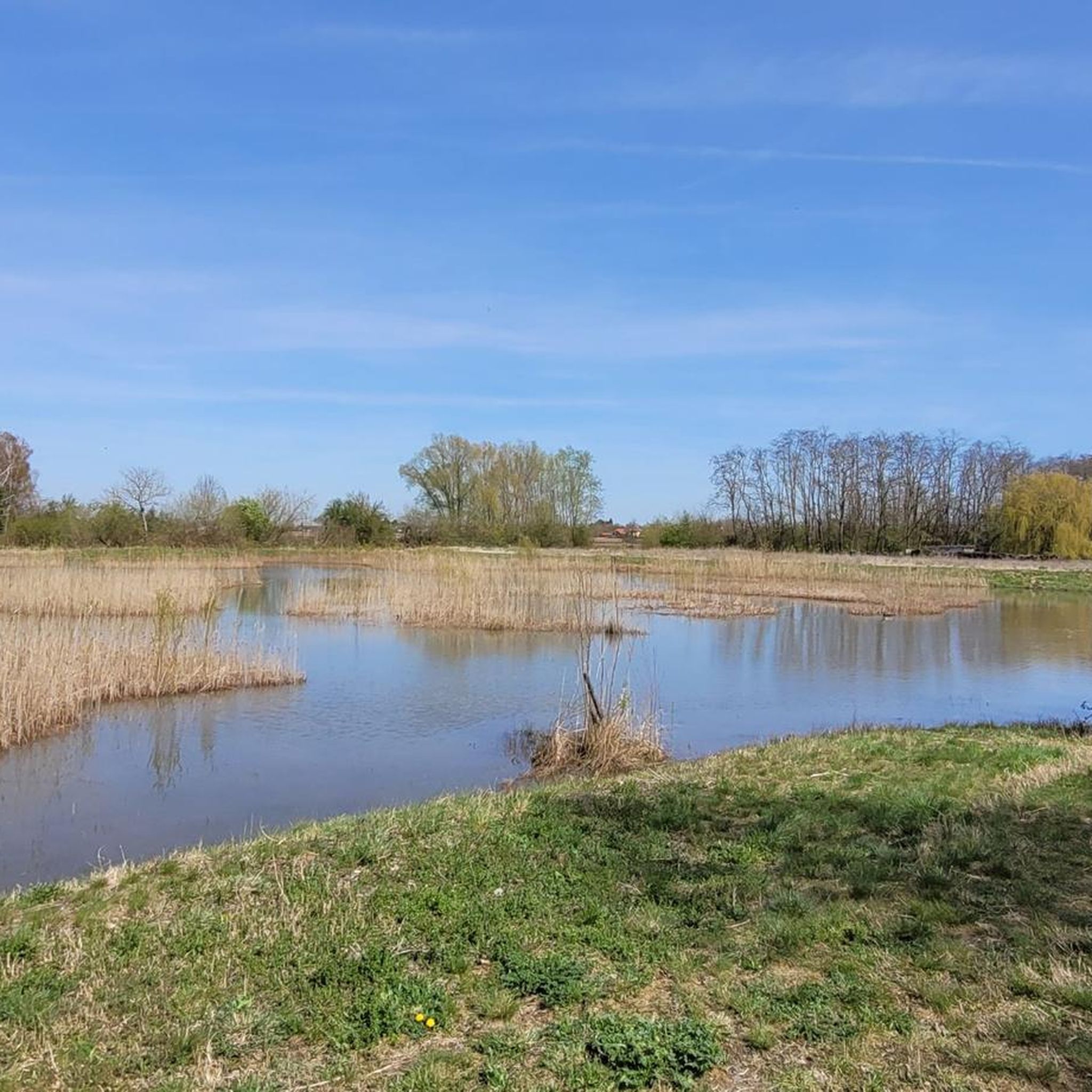
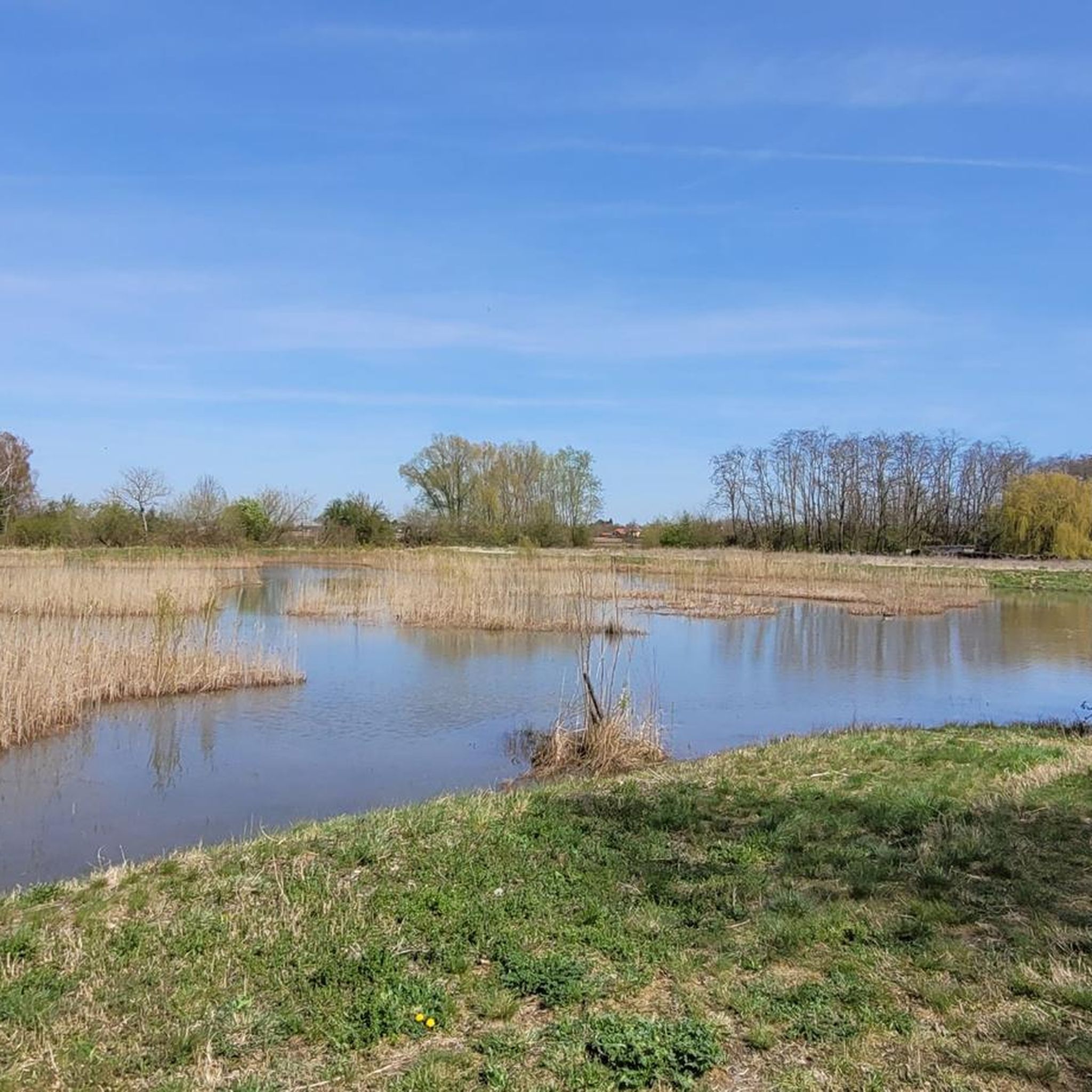
This is the smaller, more accessible lake that emerged after the basalt quarries near Forst were abandoned in the 1980s. Today it's a nature reserve, so you'd better avoid swimming here. It's definitely worth seeing.
10
0

Super nice view, great different hiking trails
17
1
A highlight for big and small
24
2

Here stands Ritterstein No. 260. It is one of over 300 Rittersteine (memorial stones) erected by the Palatinate Forest Association (PWV) and bears the inscription "Heidenlöcher – Refuge Castle 9th-10th Century." It marks the remains of a refuge castle that served as protection against the warring Normans and Hungarians. Today, the foundations of two gate structures, 65 stone houses, and a 450-meter-long curtain wall are still preserved. The inner of the two adjoining dry-stone walls served as a parapet walk. - Source: Information panels on site A little further to the right of this Ritterstein are the foundations of one of the gate structures. The refuge castle, or rather its remains, can be entered through the two gate structures. The curtain wall can be easily walked along (with minor exceptions): either on top of the wall or along its inner side – and the remains of many stone houses can be seen along the way. Without Komoot, it is easy to get lost here: Therefore, it is best to follow the "Palatinate Wine Trail" hiking signs!
12
0

you have to go up there
8
0

Great sight, easy to reach, nice view over to the Limburg monastery ruins. There is a place to rest, you should take your time. Further hiking highlights in the immediate vicinity.
8
0

The place offers a great view, also of the ruins of the Limburg monastery.
8
0
The entire facility is very exciting. A look into early history.
8
0
Frequently Asked Questions
What are some notable natural monuments to visit around Fußgönheim?
The region around Fußgönheim offers a blend of natural beauty and historical significance. Key natural monuments include the Kriemhildenstuhl Roman Quarry, known for its ancient geological formations and historical importance, and the Heidenlöcher, which features the ruins of a hilltop castle integrated into the natural landscape. Another significant site is the Limburg Monastery Ruins, offering a medieval ambiance and scenic views.
Are there any historical sites that are also considered natural monuments?
Yes, several sites around Fußgönheim beautifully combine history with natural monument status. The Kriemhildenstuhl Roman Quarry, dating back to 200 AD, is a prime example where ancient quarrying has shaped a unique natural landscape. Similarly, the Heidenlöcher, a 9th-10th century refuge castle, presents ancient fortifications within a natural setting.
What kind of natural features can I expect to see?
You can expect to see diverse natural features, from the unique geological formations of the Kriemhildenstuhl Roman Quarry to the tranquil waters of the Basalt Lake South Quarry, which is now a nature reserve. The region also features forests, meadows, and hills, characteristic of the Palatinate landscape, offering inspiring natural scenery and various viewpoints like the Kaiser-Wilhelm-Höhe Viewpoint.
What do visitors particularly enjoy about the natural monuments in this region?
Visitors appreciate the combination of historical depth and natural beauty. For instance, the Kriemhildenstuhl Roman Quarry is loved for its informative display boards and panoramic views. The Limburg Monastery Ruins are enjoyed for their medieval ambiance and the concerts and theater events held in its courtyard. The Basalt Lake South Quarry is praised as a great location for a quiet picnic with fantastic views.
Is the region around Fußgönheim suitable for family outings with natural monuments?
Yes, many natural monuments around Fußgönheim are family-friendly. Sites like the Kriemhildenstuhl Roman Quarry and the Heidenlöcher offer engaging historical exploration within natural settings. Additionally, Fußgönheim itself has a newly established Naturgarten, designed to increase biodiversity and provide a local recreational area, which is ideal for families.
Can I bring my dog to the natural monuments around Fußgönheim?
Many natural monuments in the region are dog-friendly, allowing you to enjoy the outdoors with your canine companion. For example, the Heidenlöcher is noted as a dog-friendly location where you can explore the ruins and surrounding forest.
What is the best time of year to visit the natural monuments near Fußgönheim?
The natural monuments around Fußgönheim can be enjoyed throughout the year, but spring and autumn often offer the most pleasant conditions for exploring. Spring brings blooming flora, while autumn showcases vibrant fall foliage, making for picturesque visits. Summer is also popular, especially for sites with good views, though it can be busier.
Are there parking facilities available at these natural monuments?
Parking is generally available near the natural monuments. For instance, the Kriemhildenstuhl Roman Quarry is easily accessible due to its proximity to the city, suggesting convenient parking options for day-trippers. It's advisable to check local signage upon arrival for specific parking regulations.
What outdoor activities can I do near the natural monuments around Fußgönheim?
The region offers various outdoor activities. You can find numerous running trails, including routes around Rohrlachweiher. For cyclists, there are options for gravel biking and mountain biking trails that take you through the diverse landscapes of the Palatinate.
Are there hiking trails near the natural monuments?
Yes, the natural monuments are often integrated into or located near hiking trails. For example, the Heidenlöcher can be explored along the Palatinate Wine Trail. The general landscape of the Palatinate, with its forests, meadows, and hills, provides ample opportunities for hiking, ranging from moderate to difficult routes.
Can I go cycling or mountain biking near these natural monuments?
Absolutely. The area around Fußgönheim is well-suited for cycling. You can explore gravel biking routes that offer views of castles and wine villages, or challenge yourself on MTB trails that lead through forests and past landmarks like the Bismarck Tower.
What makes the <a href="https://www.komoot.com/highlight/443623" target="_blank" rel="noopener">Kriemhildenstuhl Roman Quarry</a> a unique natural monument?
The Kriemhildenstuhl Roman Quarry is unique because it's a historical site from around 200 AD where Roman quarrying activities have created distinctive geological formations. It offers a fascinating blend of human history and natural landscape, with information boards detailing its cultural significance and providing excellent views of the surrounding area.
What can I expect to see at the <a href="https://www.komoot.com/highlight/152549" target="_blank" rel="noopener">Heidenlöcher</a>?
At the Heidenlöcher, you can explore the ruins of a 9th-10th century refuge castle. You'll find preserved foundations of gate structures, stone houses, and a curtain wall. It's a place where history is deeply embedded in the natural landscape, offering a glimpse into ancient fortifications and providing a unique hiking experience.
Most popular routes around Fußgönheim
Most popular attractions around Fußgönheim

Get inspired with the komoot mobile app


Explore more
Extend your search for the best caves by checking out these guides of the top ones around Fußgönheim:
