Top 20 Natural Monuments around Breitenbrunn/Erzgebirge
Natural monuments around Breitenbrunn/Erzgebirge are situated within the Ore Mountains, a region known for its diverse natural landscapes. This area is part of the extensive Ore Mountains/Vogtland Nature Park, which is the largest of its kind in Germany. The topography includes extensive forests, river valleys, and unique geological formations. Visitors can explore a variety of natural features that contribute to the region's protected status.
Best natural monuments around Breitenbrunn/Erzgebirge
- The most popular natural monument is Blauenthal Waterfall, a waterfall…
Last updated: May 27, 2026
Fichtelberghaus Restaurant & Hotel
Highlight • Restaurant
Translated by Google •
Tip by

Fichtelberg Peace Bell
Highlight • Monument
Translated by Google •
Tip by

Sign up now to discover places like this
Get recommendations on the best single tracks, peaks, & plenty of other exciting outdoor places.
Sign up for free
Blauenthal Waterfall
Highlight • Waterfall
"After the First World War, the owner of the Toellische paper factory had a new …
Translated by Google •
Tip by

Fichtelberg
Highlight • Summit
Translated by Google •
Tip by

Božídarské Rašeliniště Boardwalk
Highlight (Segment) • Trail
Translated by Google •
Tip by

Sign up for free to discover even more natural monuments around Breitenbrunn/Erzgebirge.
Sign up for free
Already have an account?
Start today with a free account
Your next adventure awaits.
Login or Signup
Popular around Breitenbrunn/Erzgebirge
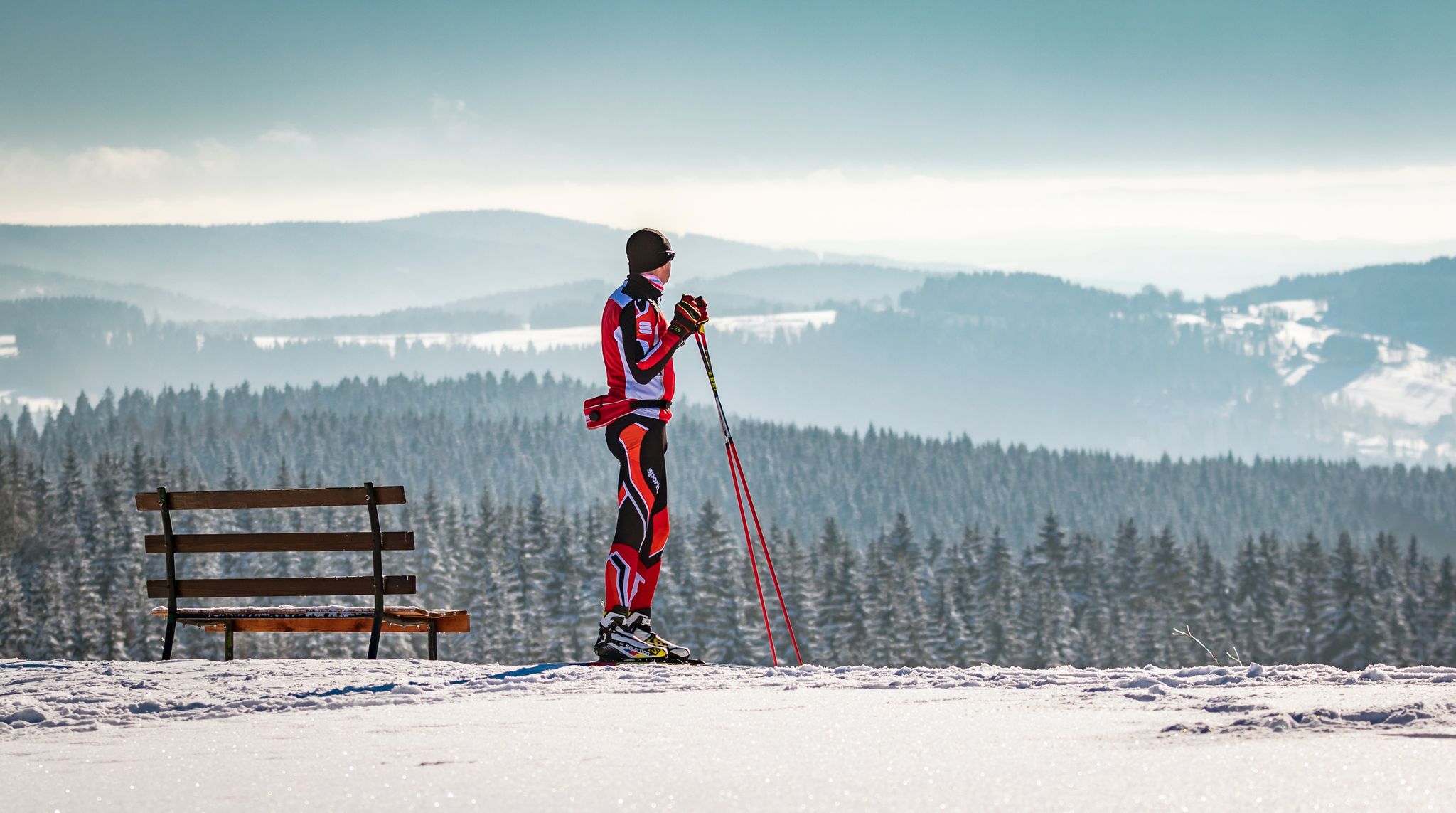
Let it flow! Cross-country skiing in the Ore Mountains
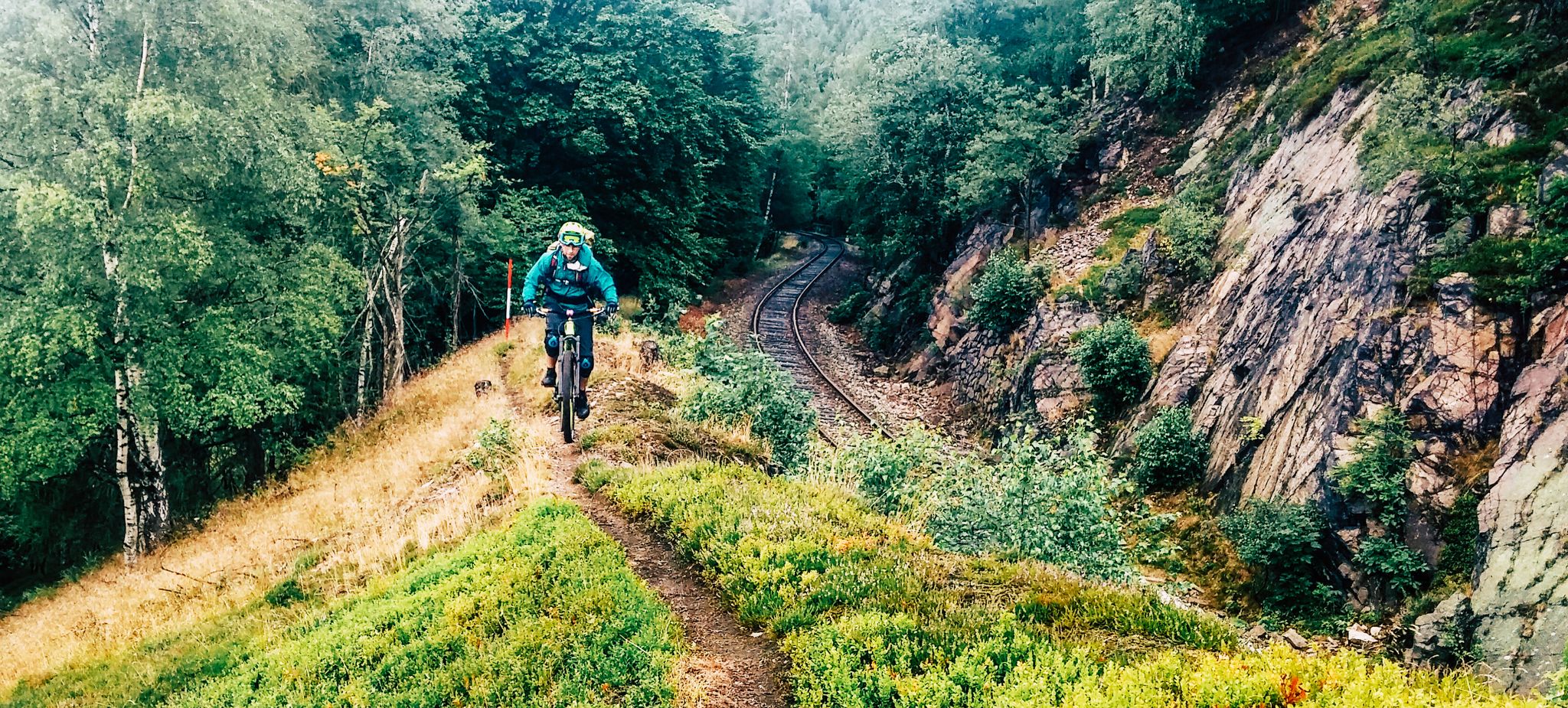
Kammweg Erzgebirge – Border adventure along the Ridgeway

The Stoneman Trail in the Ore Mountains
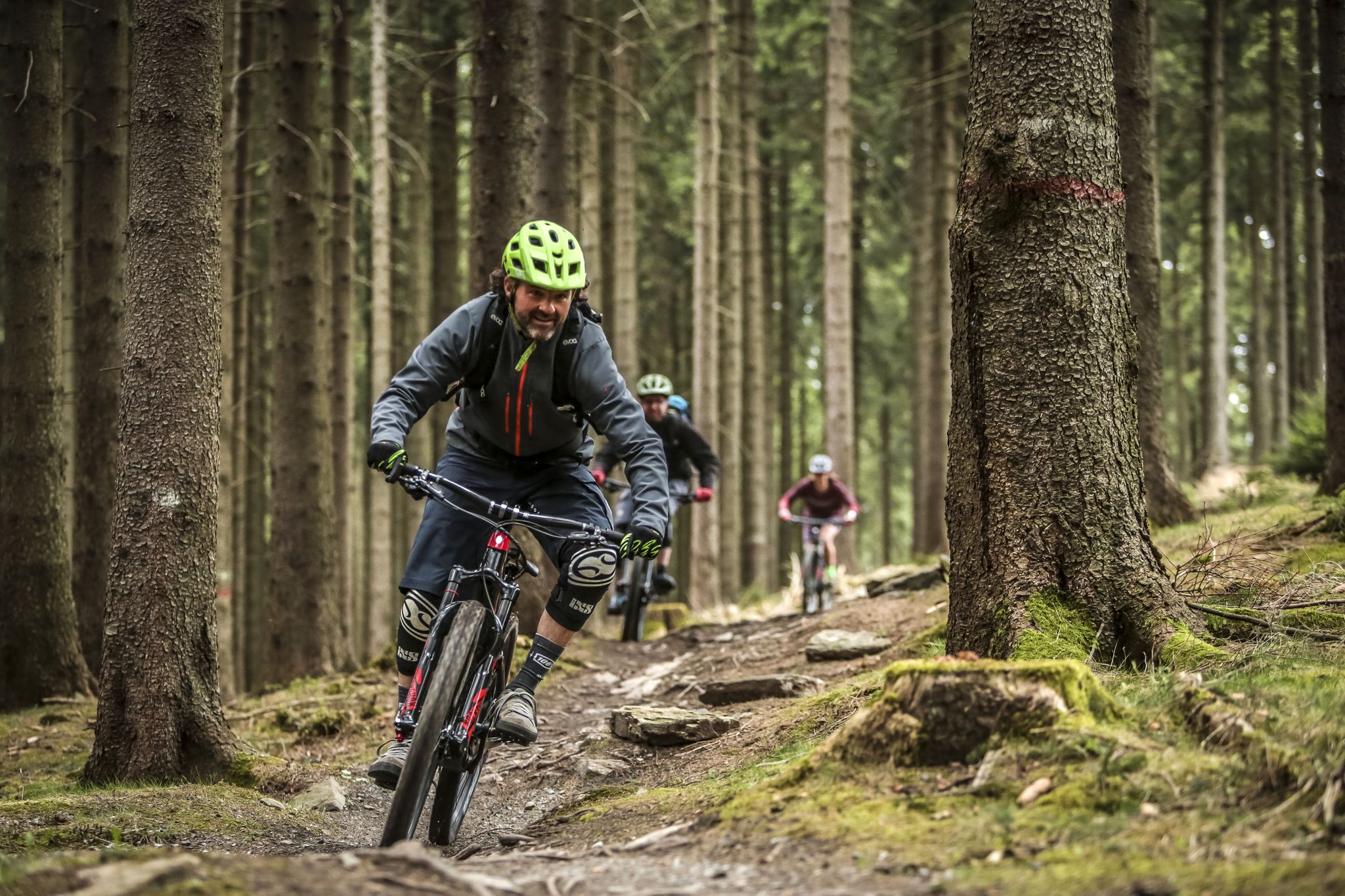
MTB adventures in Saxony
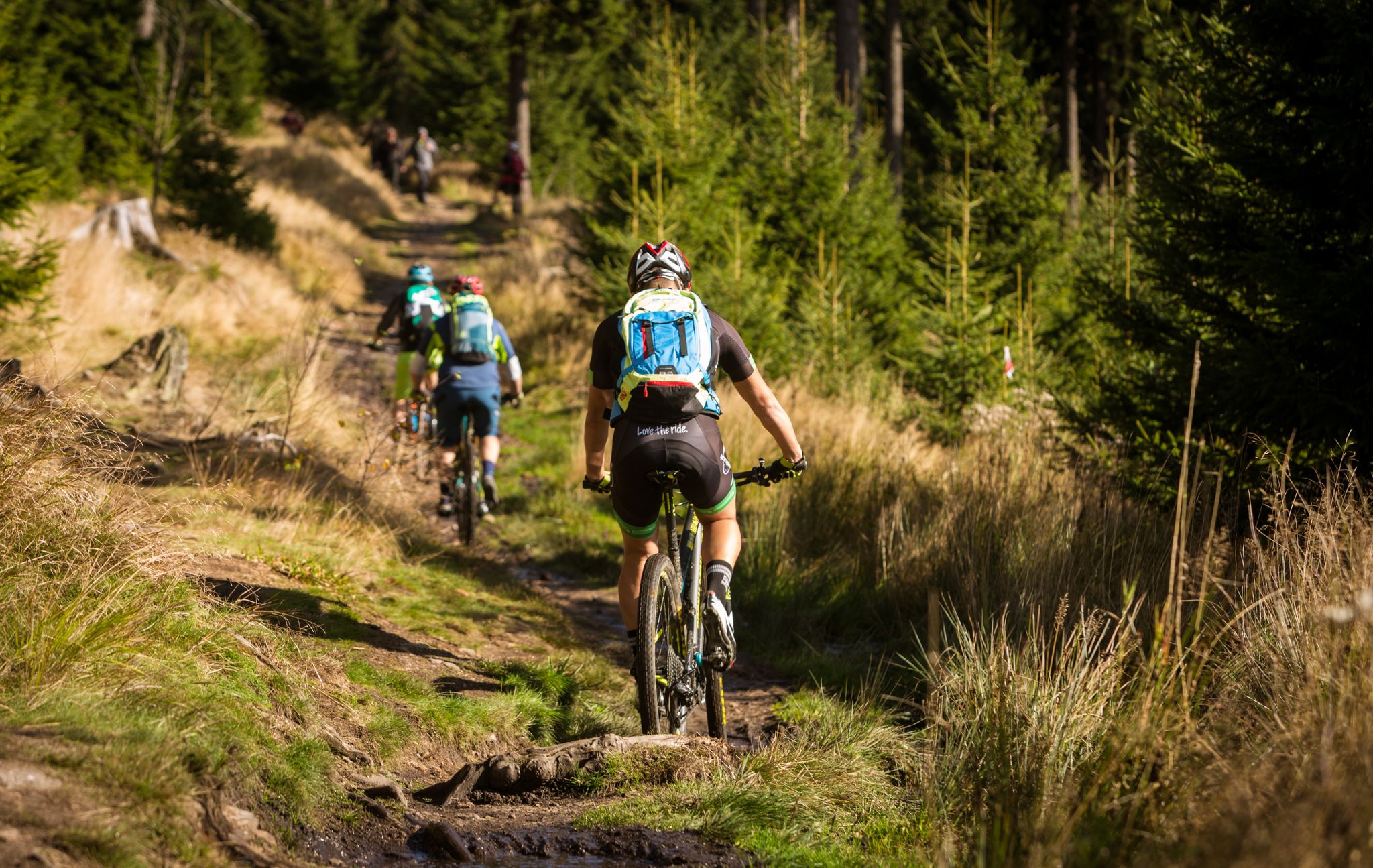
Stoneman Miriquidi MTB Gesamtstrecke (2 Tage -Silber)
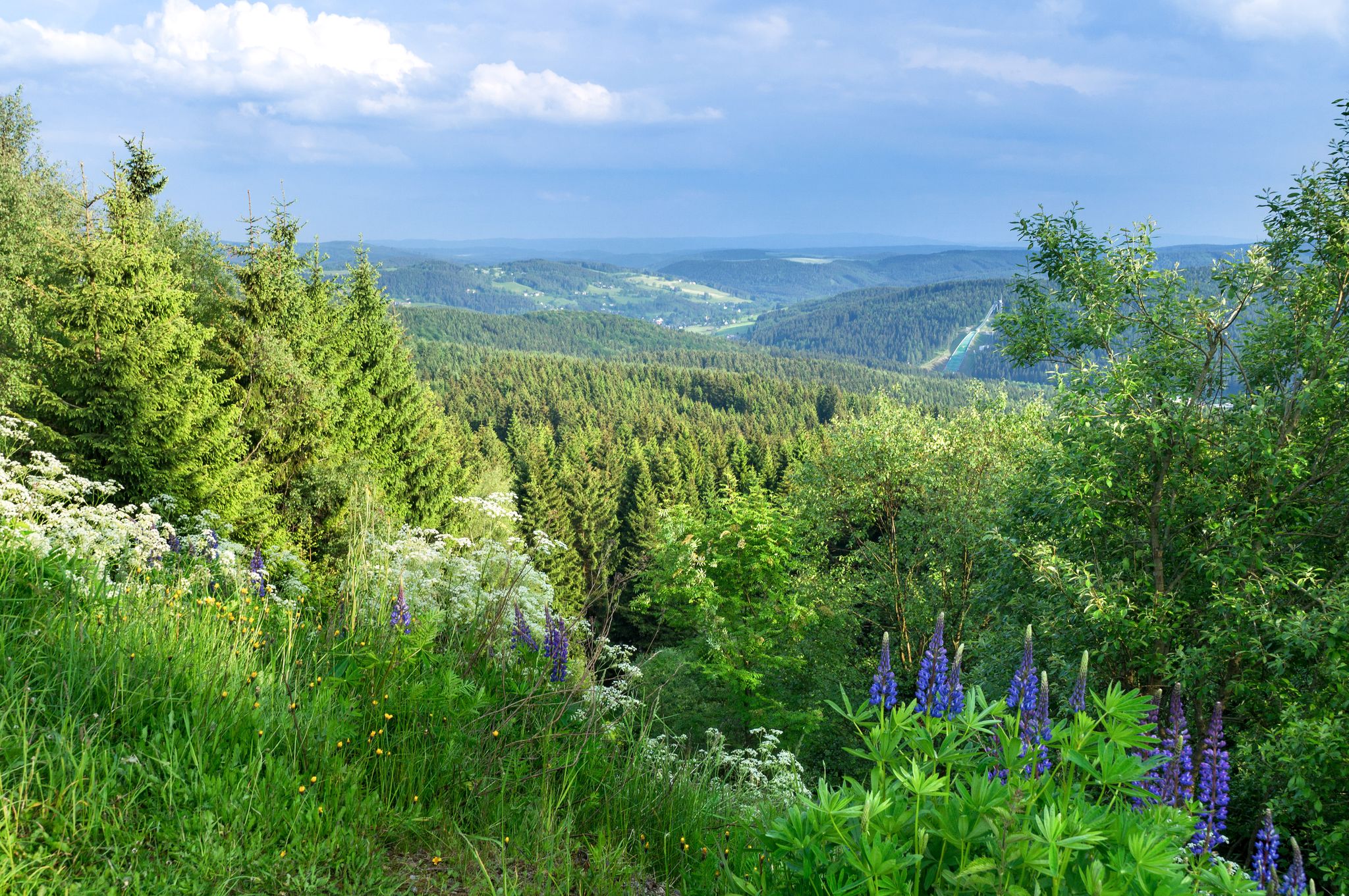
History meets nature – Erzgebirge-Vogtland Ridge Trail
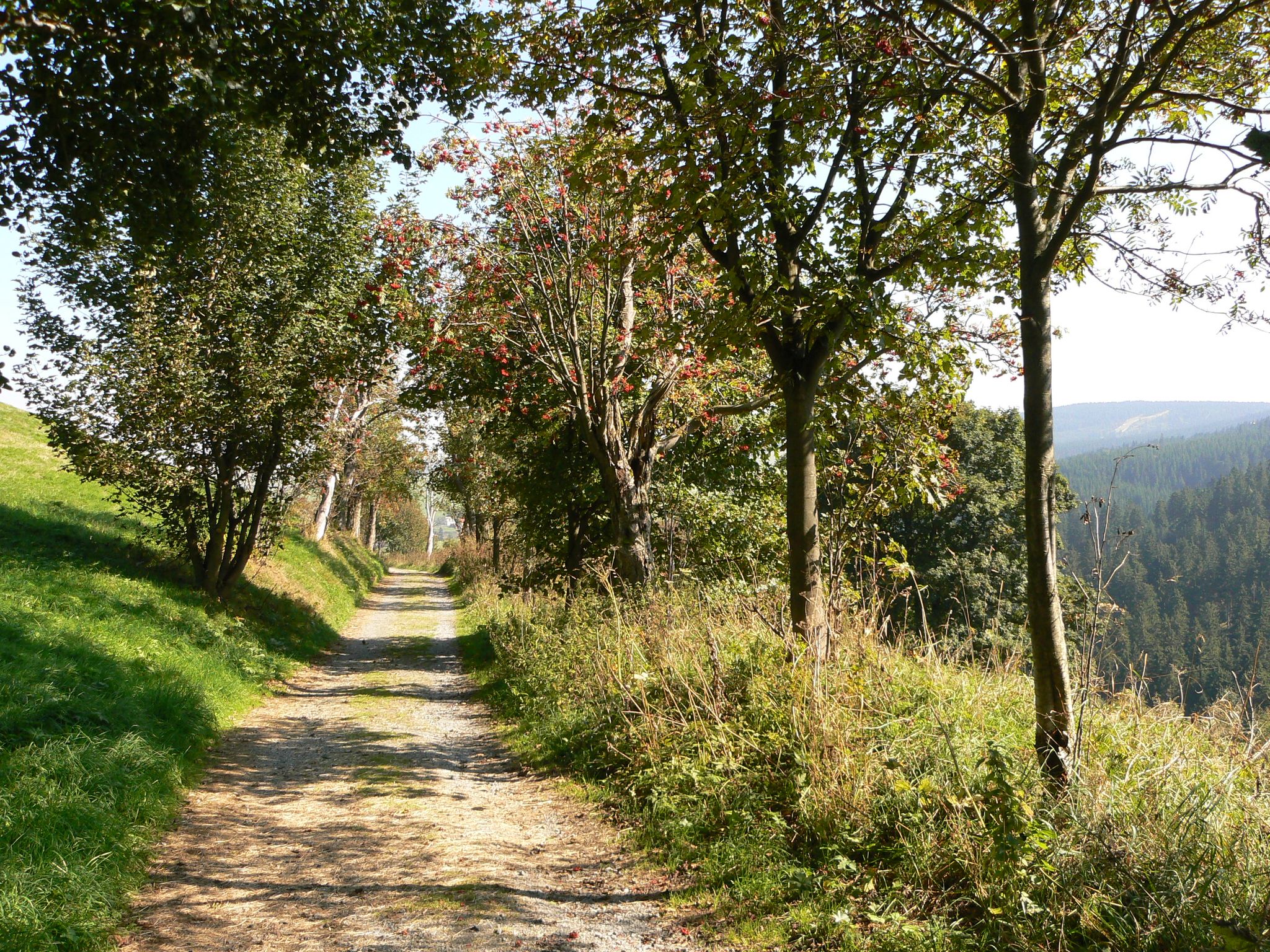
The Anton-Günther-Trail — a long weekend in the Ore Mountains

Bike parks in the heart of Germany
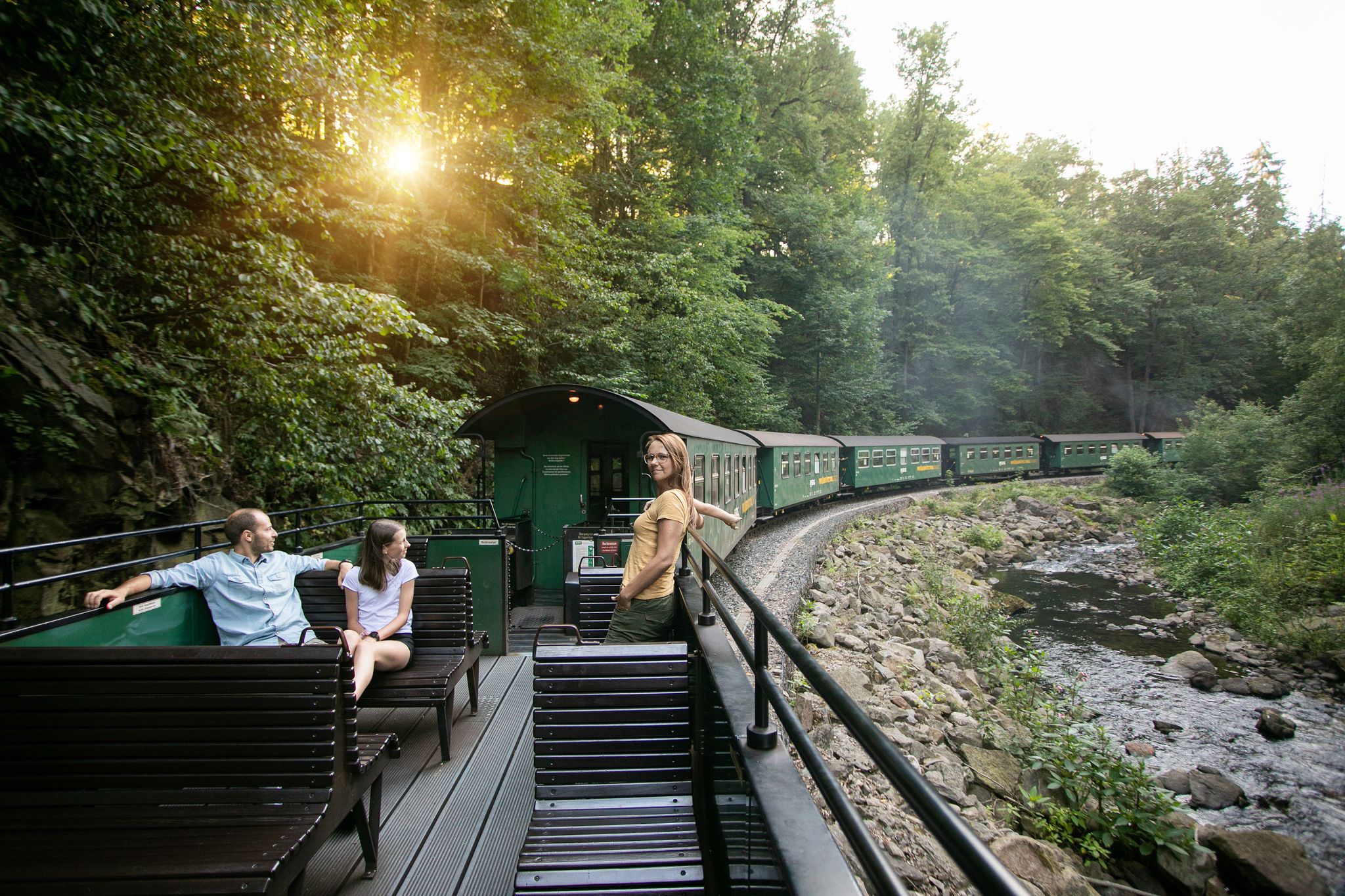
Wandertouren - Eisenbahn & Wanderstock
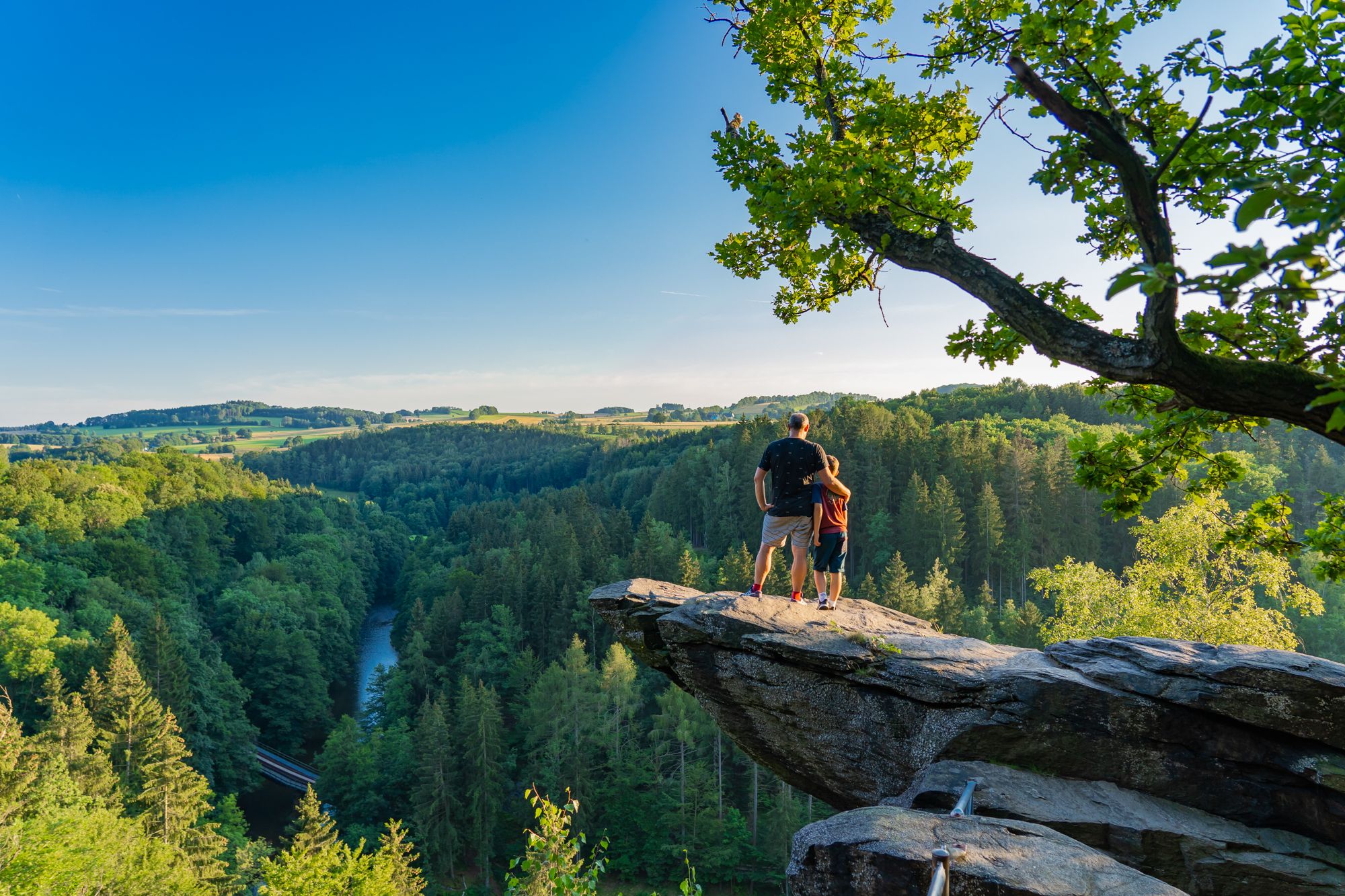
Wandertouren - Gipfelglück
Other adventures around Breitenbrunn/Erzgebirge


Tips from the Community

The Fichtelberg near Oberwiesenthal in the Erzgebirge district is, at 1214.79 m above sea level, the highest mountain in Saxony. It was also the highest mountain in East Germany (GDR). Together with the nearby Klínovec (Keilberg; 1243.7 m above sea level) on the Czech side, it forms the most important winter sports center in the Erzgebirge. Source and further information: https://de.m.wikipedia.org/wiki/Fichtelberg_(Erzgebirge)
3
0

The large peace bell on the Fichtelberg had to remain silent for six months in 2024. Stone throwing in May 2022 had so badly damaged the bell that its sound suffered. It was decided to stop ringing it and replace it with a new one. The old bell rang for the last time on Easter Monday 2024. Just in time for the mountain service on German Unity Day on October 3, the new bell was officially rung for the first time in the fall of 2024. The idea of using a peace bell to commemorate the peaceful revolution of 1989 in the GDR and German reunification in 1990 came from watchman Gerd Schlesinger and night watchman Jörg Eller from the Ore Mountains town of Schwarzenberg. The bell was also intended to be heard in neighboring Czechia and thus ring for a united Europe. The cast steel bell, already ninety years old at the time, was rung for the first time in 2010. The new bell was cast in Innsbruck by the Grassmayr company. At 2,700 kilograms, it is about 1,100 kilograms heavier than the old bell.
17
1
Since 1977, a 3.2-kilometer-long nature trail on wooden planks has led through the Božídarské rašeliniště peat bog nature reserve. It features twelve stations with information panels. The 11.61-square-kilometer area has been protected since 1965. It encompasses a series of raised bogs with spruce, pine, Scots pine, dwarf birch, heaths, and meadows. A carnivorous plant characteristic of peat bogs, the round-leaved sundew, also grows here. The largest peat bog in the Ore Mountains lies at an elevation of 940 to 1116 meters; its specific mountain climate creates challenging conditions for animals and plants.
12
1


The Fichtelberg near Oberwiesenthal in the Erzgebirge district is, at 1214.79 m above sea level, the highest mountain in Saxony. It was also the highest mountain in East Germany (GDR). Together with the nearby Klínovec (Keilberg; 1243.7 m above sea level) on the Czech side, it forms the most important winter sports center in the Erzgebirge. Source and further information: https://de.m.wikipedia.org/wiki/Fichtelberg_(Erzgebirge)
3
2

There is usually a lot going on here. It is worth visiting not only in winter.
3
1

One of the most beautiful waterfalls I know 😍. If you continue the hike to the right, you can see the waterfall from above 😊.
14
2
Frequently Asked Questions
What are some unique natural features to explore around Breitenbrunn/Erzgebirge?
Beyond the well-known peaks, you can discover unique geological formations like the Eispinge (Ice Pit), a gorge created by mining that often retains ice until late summer. The region also features the Blauenthal Waterfall, Saxony's highest waterfall, which is a man-made marvel.
Are there family-friendly natural monuments or activities in the area?
Yes, the region offers several family-friendly options. The Božídarské Rašeliniště Boardwalk is a 3.2-kilometer nature trail on wooden planks through a high moor, perfect for all ages with information panels. Additionally, the Naturlehrpfad Klughausgrund in Breitenbrunn features a small forest-water playground and an idyllic forest pond, making it ideal for families.
What are the best viewpoints to experience the natural beauty of the Ore Mountains?
For breathtaking panoramic views, consider visiting the Fichtelberg, the highest mountain in Saxony, offering vistas across the Ore Mountains and into the Bohemian Basin. The Auersberg, another prominent peak, also features an observation tower with impressive views towards the Eibenstock and Sosa dams.
What kind of hiking trails can I find near the natural monuments?
The area around Breitenbrunn/Erzgebirge offers a diverse range of hiking trails. You can find easy walks like those mentioned in the Easy hikes around Breitenbrunn/Erzgebirge guide, or more challenging routes, including mountain hikes. The Božídarské Rašeliniště Boardwalk is an accessible nature trail, while routes around the Fichtelberg offer more demanding terrain.
When is the best time to visit the natural monuments in Breitenbrunn/Erzgebirge?
The Ore Mountains offer beauty year-round. Spring and summer are ideal for hiking and exploring the lush forests and moorlands. Autumn brings vibrant foliage, while winter transforms the landscape into a snowy wonderland, perfect for winter sports around peaks like the Fichtelberg.
Are there any natural monuments that are particularly challenging to access or explore?
Some natural features, like the Eispinge (Ice Pit), are categorized as challenging due to steep sections or unique terrain. Always check the difficulty ratings for specific routes or highlights before you go.
Can I find opportunities for mountain biking or gravel biking near these natural monuments?
Yes, the region is excellent for cycling. You can find various routes for gravel biking, with options ranging from moderate to difficult. Explore the Gravel biking around Breitenbrunn/Erzgebirge guide for routes that take you through diverse landscapes, including views of dams and prominent mountains.
What is the significance of the Fichtelberg Peace Bell?
The Fichtelberg Peace Bell, located near the summit of Fichtelberg, is a monument to German unity. It rings for peace, unity, justice, and love, with its peal reaching into the neighboring Czech Republic, symbolizing a united Europe. It rings every Sunday at 4 p.m. and on additional dates during Advent, Christmas, and New Year.
What kind of wildlife can be observed in the natural areas around Breitenbrunn/Erzgebirge?
The Ore Mountains/Vogtland Nature Park, which encompasses this region, is known for its diverse natural landscapes. Areas like the Božídarské Rašeliniště Boardwalk provide information on local flora and fauna, including specific plants like the round-leaved sundew in the peat bogs. The extensive forests and river valleys are home to various animal species typical of Central European mountain regions.
Are there any circular walks available to explore the natural monuments?
Many trails in the region are designed as circular walks, allowing you to start and end at the same point. For instance, the Mountain Hikes around Breitenbrunn/Erzgebirge guide includes circular routes around the Fichtelberg, offering comprehensive exploration of the area's natural beauty.
How long should I plan for a visit to the natural monuments?
The duration of your visit depends on the specific natural monument and activity. A short visit to the Blauenthal Waterfall might take an hour, while hiking the 3.2-kilometer Božídarské Rašeliniště Boardwalk could take a couple of hours. For exploring major peaks like the Fichtelberg, plan for a half-day or full-day excursion, especially if you include hiking.
Are there cafes or places to eat near the natural monuments?
Yes, especially near popular natural monuments and trailheads. For example, the summit area of the Fichtelberg includes amenities and restaurants. In Breitenbrunn and surrounding towns, you'll find various cafes and pubs to refresh yourself after exploring.
Most popular routes around Breitenbrunn/Erzgebirge
Most popular attractions around Breitenbrunn/Erzgebirge

Get inspired with the komoot mobile app


Explore more
Extend your search for the best caves by checking out these guides of the top ones around Breitenbrunn/Erzgebirge:
