Top 20 Natural Monuments around Aue
Best natural monuments around Aue showcase the unique geological and natural beauty of the Erzgebirgskreis district in Saxony, Germany. The region features sites recognized for their scientific, natural historical, and regional significance. These natural attractions offer diverse landscapes, from geological formations to man-made water features. Visitors can explore a variety of natural monuments that highlight the area's distinct environment.
Best natural monuments around Aue
- The most popular natural monuments is Small Cascades on the Floßgrabenweg, a waterfall that was…
Last updated: September 27, 2026
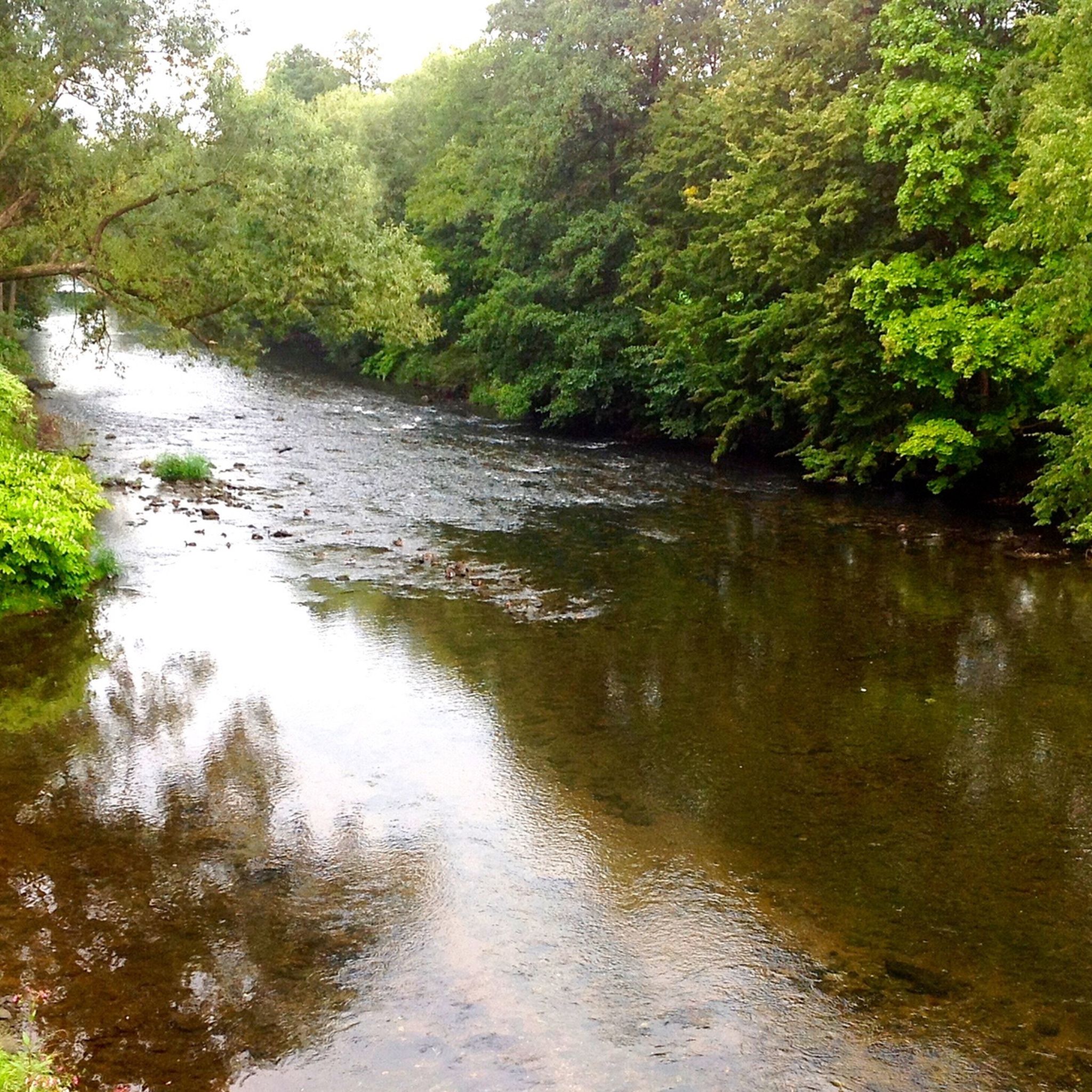
Blauenthal Waterfall
Highlight • Waterfall
"After the First World War, the owner of the Toellische paper factory had a new …
Translated by Google •
Tip by

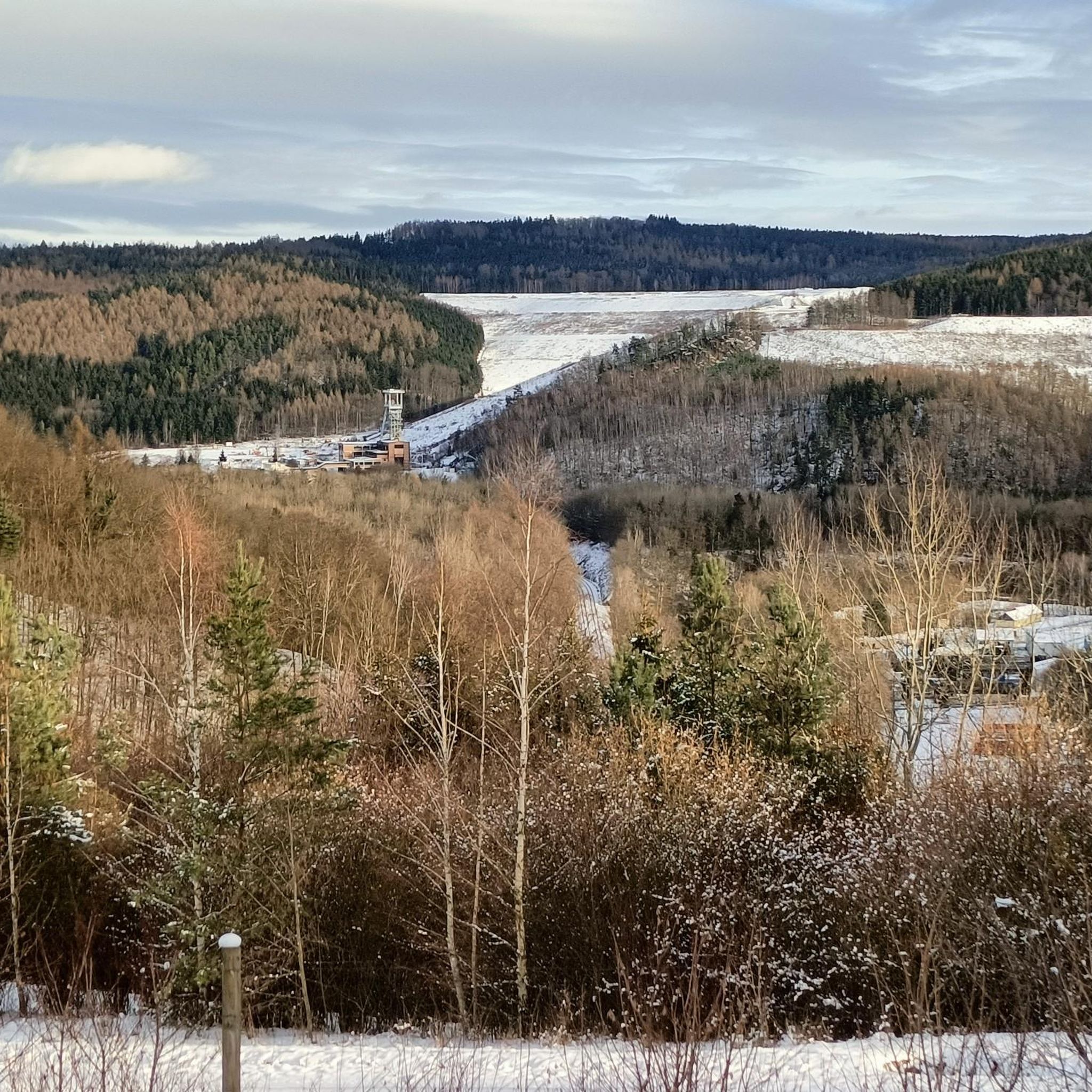
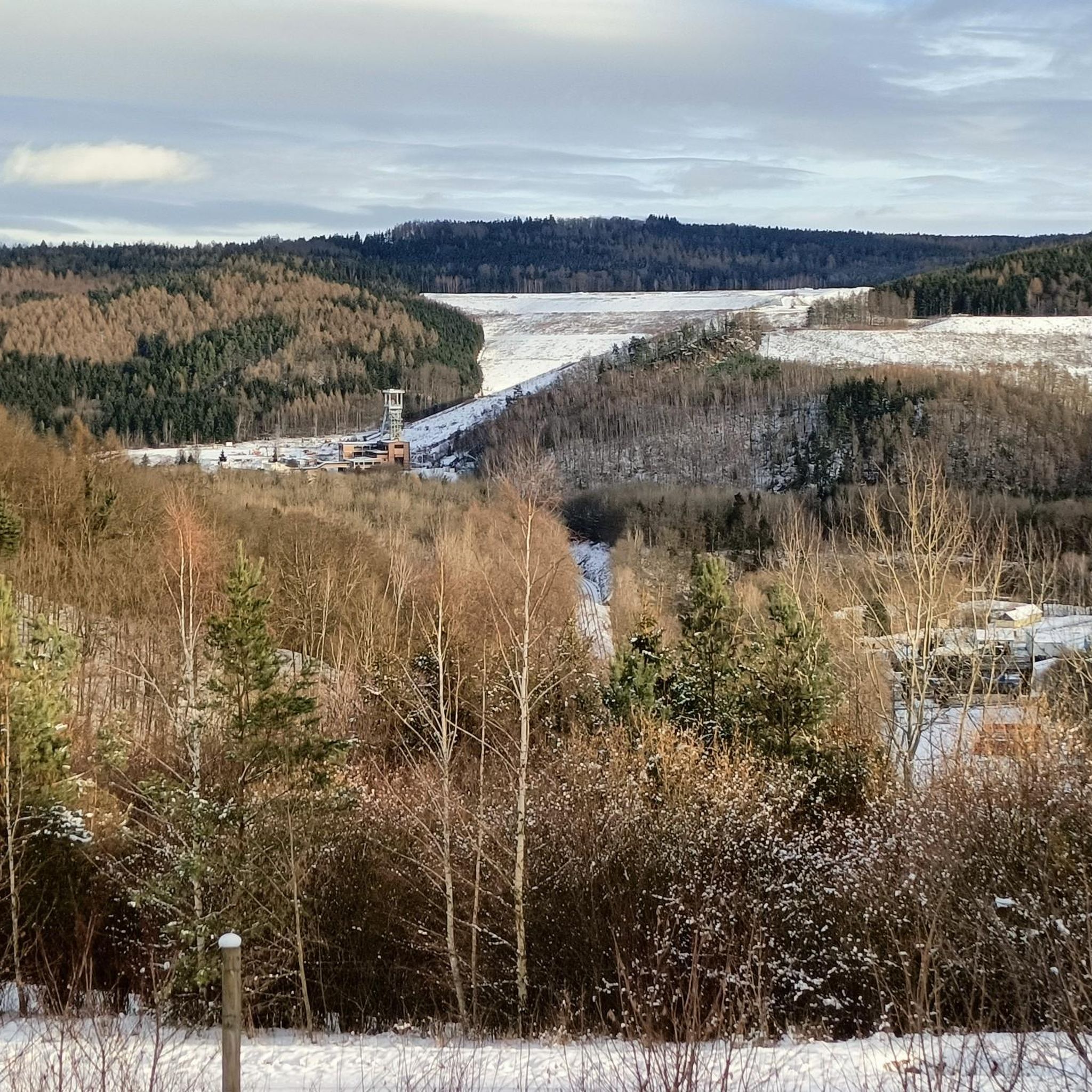
View of Sosa Dam
Highlight • Viewpoint
Translated by Google •
Tip by

Sign up now to discover places like this
Get recommendations on the best single tracks, peaks, & plenty of other exciting outdoor places.
Princes' Cave
Highlight • Cave
Translated by Google •
Tip by

Eibenstock Dam
Highlight • Monument
Translated by Google •
Tip by

Small Cascades on the Floßgrabenweg
Highlight • Waterfall
Translated by Google •
Tip by

Sign up for free to discover even more natural monuments around Aue.
Already have an account?

Other adventures around Aue


Tips from the Community

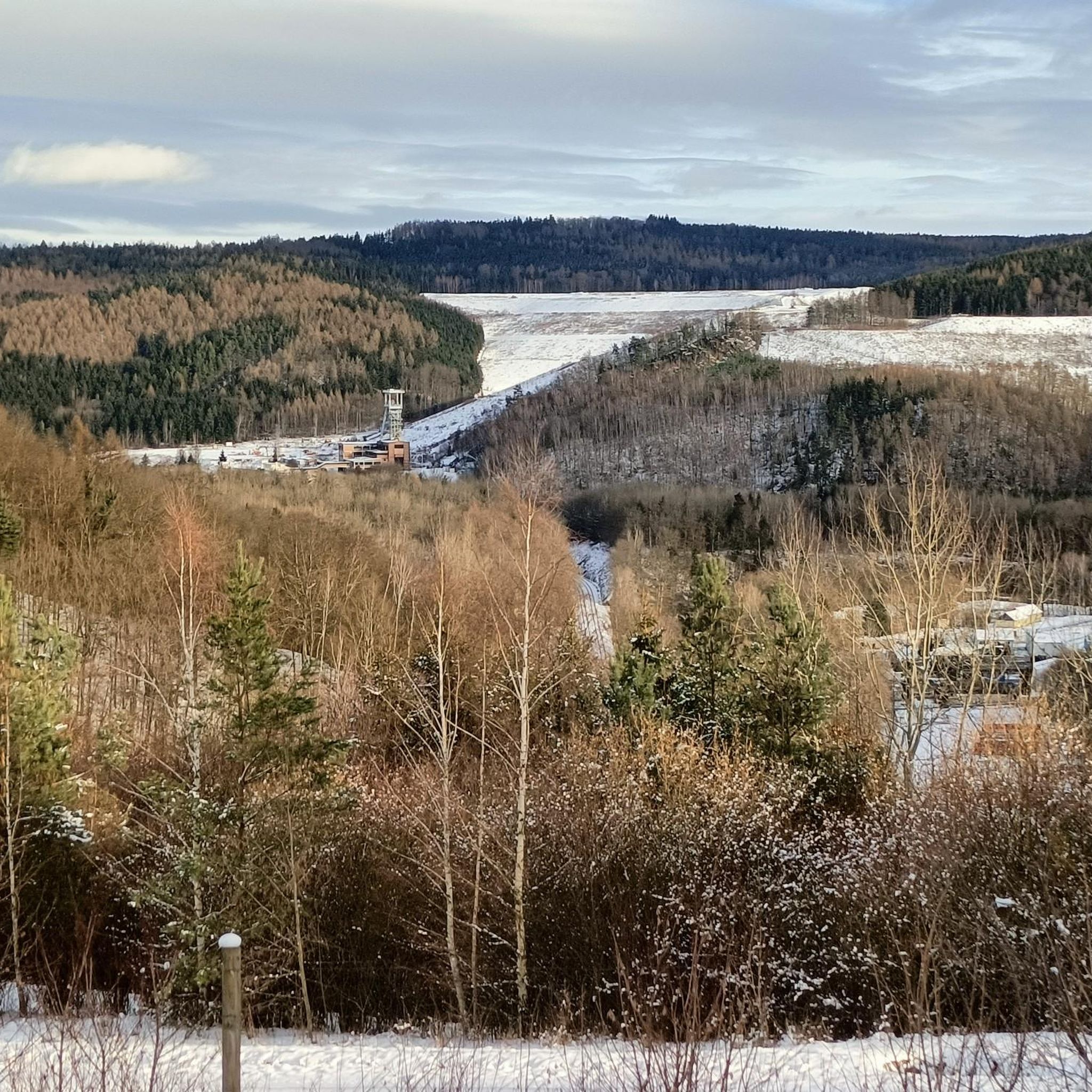
The Sosa Dam is a dam in the Free State of Saxony. It serves to supply drinking water to the western Ore Mountains and to provide flood protection. The dam was built between 1949 and 1952 in the Höllengrund valley south of Sosa, which has been part of the town of Eibenstock since 2011, in the Ore Mountains, and was finally put into operation in 1952.
4
0

a great corner, always worth a trip
1
0

The largest waterfall in Saxony and one of the highest German waterfalls outside the Alps is located in the immediate vicinity of Blauenthal. This former site of a flour and board mill was bought by Andreas Blau around 1530 and converted into a hammer mill. After the First World War, the owner of the paper factory had a new ditch dug above a steep rock face in order to use the water to drive his turbines. On Sundays and public holidays, the machines stood still and the water rushed down into the valley.
11
1


The dam was built between 1974 and 1987. The town of Muldenhammer with a few reactors and a railway line was originally located in this valley.
4
0

The Talperre Sosa barrier wall is the last quarry stone wall built in Germany. The quarry stone masonry of the dam body is made of granite. This granite was quarried in the nearby quarry. The Maxhütte in Unterwellenborn developed a special mixed binder "Sosa - special binder" for the construction of the dam wall. Source: http://www.sosa-online.de/Talsperre.html
3
0


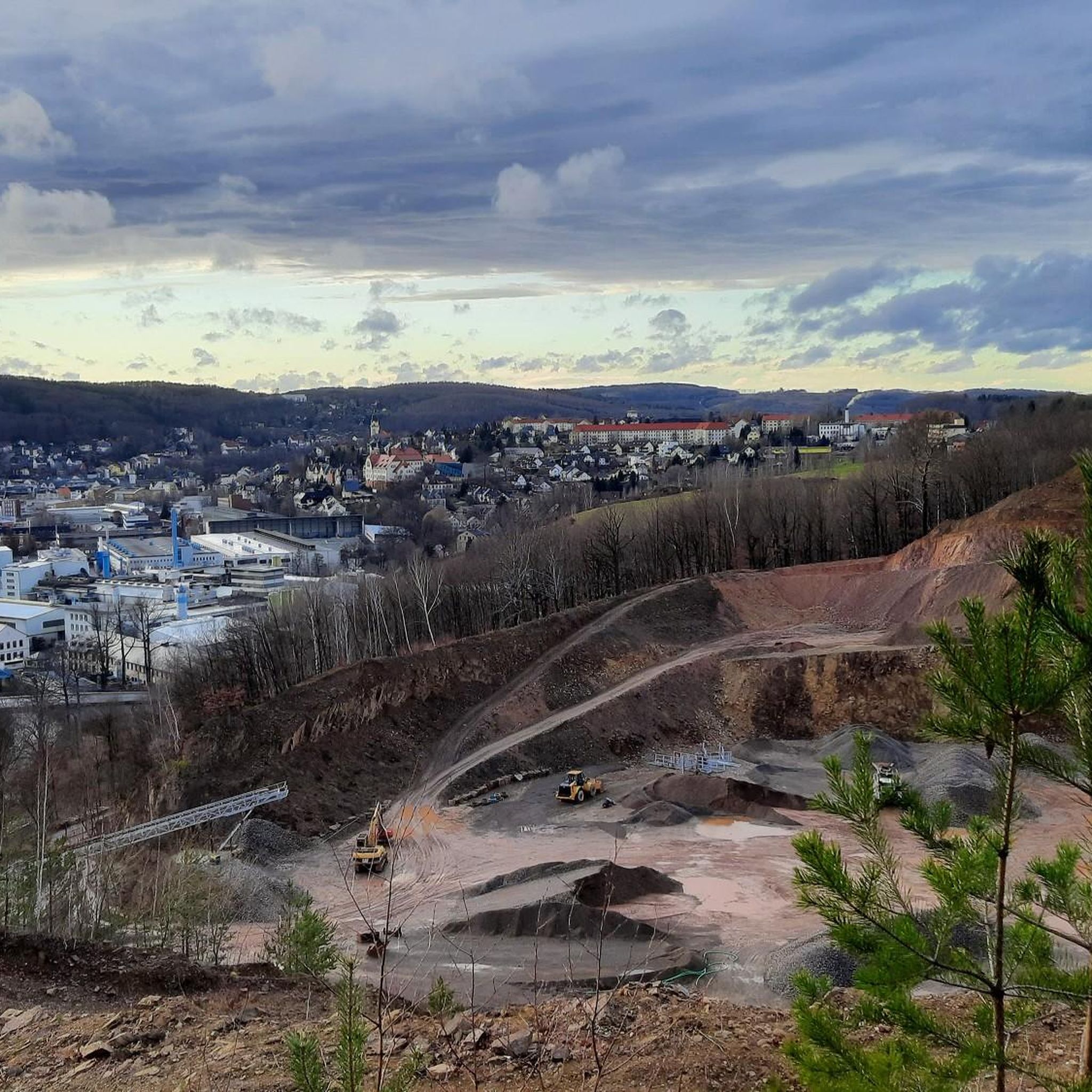
The dam is the last quarry stone wall built in Germany. The (quarried) stones required for the dam wall of the Sosa dam (construction period 1949 - 1952) came from the quarry in Sosa (today the site of the charcoal charcoal snack bar and show charcoal factory). There had been plans for dams in the Zwickauer Mulde and Kleine Bockau areas since 1908. In September 1915 it was announced in the Schönheider Wochenblatt by the Schwarzenberg Royal Authority that preparatory work was being carried out for the dams on the Zwickauer Mulde near Eibenstock and on the Kleine Bockau near Sosa. The work would affect the Neidhardtsthal, Muldenhammer, Hundshübel, Eibenstock, Schönheide, Schönheiderhammer, UnterSupportengrün, Sosa, Blauenthal and Wildenthal corridors. The dam plans before the First World War came from the city of Zwickau and were the subject of discussions by the Saxon state parliament on several occasions. The war and the subsequent period of inflation initially prevented these plans from continuing. In 1924, plans were resumed to build a series of dams in the Erzgebirge and Vogtland. However, planning for Sosa was suspended. The construction is still considered technically remarkable today given the simple means used.
3
0
Frequently Asked Questions
What are some of the most popular natural monuments to visit around Aue?
Visitors frequently enjoy the Small Cascades on the Floßgrabenweg, a unique waterfall designed for energy conversion. Another favorite is the picturesque Silberbach Reservoir, nestled in the forests between Bad Schlema and Schneeberg. The impressive Blauenthal Waterfall, Saxony's highest man-made waterfall, is also a must-see.
Are there any natural monuments with historical significance in the Aue region?
Yes, the Princes' Cave is a notable site. While not naturally formed, it is a medieval mine tunnel with a fascinating history related to the Saxon princely kidnapping. You can explore this 18-meter-long tunnel and learn about its past.
What kind of geological features can I explore in the natural monuments around Aue?
The region is rich in geological wonders. The Geotop Roter Kamm (Red Ridge) is considered the most significant geological natural monument in the Erzgebirgskreis. It's a manifestation of a deep tectonic fault, showcasing high iron and manganese ore content, and offers insight into the powerful geological forces that shaped the area's mining history.
Are there family-friendly natural monuments suitable for children?
Absolutely! The Small Cascades on the Floßgrabenweg and the serene Silberbach Reservoir are both great options for families. The Blauenthal Waterfall is also considered family-friendly, offering an impressive sight. Additionally, the Eibenstock Dam provides an interesting visit with display boards detailing its construction.
What outdoor activities can I do near the natural monuments in Aue?
The area around Aue offers diverse outdoor activities. You can find numerous routes for mountain biking, gravel biking, and road cycling. For example, explore the MTB Trails around Aue, or discover scenic paths for Gravel biking around Aue. There are also dedicated Road Cycling Routes around Aue that pass by many natural attractions.
What is the best season to visit the natural monuments around Aue?
The natural monuments around Aue can be enjoyed throughout the year. Spring and summer offer lush greenery and pleasant temperatures for hiking and cycling. Autumn provides beautiful foliage, while winter transforms the landscape into a serene, often snow-covered, wonderland, ideal for winter walks, especially around features like the waterfalls and reservoirs.
Are there any natural monuments that are easily accessible or offer circular walks?
Many natural monuments in the region are integrated into walking paths. While specific accessibility details vary, sites like the Small Cascades on the Floßgrabenweg are part of established trails. The Silberbach Reservoir is also easily reachable and offers pleasant walks around its shores. For detailed circular walks, it's best to check specific route guides on komoot.
What makes the <a href="https://www.komoot.com/highlight/1186109" target="_blank" rel="noopener">Eibenstock Dam</a> a significant natural monument?
The Eibenstock Dam, while man-made, is recognized for its impressive scale and integration into the natural landscape. It's a significant structure with a 'gigantic' presence, and visitors can learn about its construction and function through various display boards. It also features a drinking water dispenser, making it a practical stop for cyclists.
Can I find any hidden or lesser-known natural monuments in the Aue area?
Beyond the well-known sites, the region of Aue-Bad Schlema holds several other designated natural monuments, such as the Basteihang near Alberoda and the Felsklippe in Bad Schlema. These sites, though less extensively described, are recognized for their ecological or geological value and offer opportunities for quieter exploration.
What do visitors generally appreciate most about the natural monuments around Aue?
Visitors frequently praise the unique blend of natural beauty and historical significance. The impressive waterfalls, serene reservoirs, and fascinating geological formations are highly appreciated. The komoot community has shown strong engagement, with over 2800 upvotes and more than 1600 photos shared, highlighting the visual appeal and enjoyable experiences these sites offer.
Are there any natural monuments related to the region's mining history?
Yes, the region's rich mining history is intertwined with its natural environment. The Geotop Roter Kamm, for instance, is a geological feature that was crucial in the formation of various mineral deposits. The Silberbach Reservoir was also created to provide water for uranium mines, and the Princes' Cave is a medieval mine tunnel.
Are dogs allowed on trails near the natural monuments?
Generally, dogs are welcome on most public trails and in natural areas around Aue, provided they are kept on a leash and owners clean up after them. However, specific rules might apply to certain protected areas or facilities. It's always advisable to check local signage or specific highlight details for any restrictions before visiting with your dog.
Most popular routes around Aue
Most popular attractions around Aue

Get inspired with the komoot mobile app


Explore more
Extend your search for the best caves by checking out these guides of the top ones around Aue:
