Top 20 Natural Monuments around Hungen
Best natural monuments around Hungen are found in a region nestled at the northeastern edge of the Wetterau and at the foot of the western Vogelsberg foothills. This area provides picturesque natural landscapes and recreational opportunities. Hungen is characterized by its mixed forests and lake landscapes, offering various outdoor activities. The region features several natural attractions worth exploring for their scenic beauty and recreational value.
Best natural monuments around Hungen
- The most popular natural monuments is Giant sequoia near Wingershausen…
Last updated: August 18, 2026
Nidda Reservoir
Highlight • Lake
Translated by Google •
Tip by

Nidda Reservoir
Highlight • Lake
Translated by Google •
Tip by

Sign up now to discover places like this
Get recommendations on the best single tracks, peaks, & plenty of other exciting outdoor places.
Sign up for free
Nidda Reservoir (Niddastausee)
Highlight • Lake
Translated by Google •
Tip by
Giant sequoia near Wingershausen
Highlight • Natural Monument
Translated by Google •
Tip by

Wölfersheimer See
Highlight • Lake
It lies at the center of the two cycling routes (north and south) of the Wetterau Lake District. Further information:
wetterauer-seenplatte.de/pages/radfahren.php
Translated by Google •
Tip by

Sign up for free to discover even more natural monuments around Hungen.
Sign up for free
Already have an account?
Start today with a free account
Your next adventure awaits.
Login or Signup
Popular around Hungen
German Limes Cycle Path – Riding from the Rhine to the Danube
Forest, Water and Views – Western Vogelsberg's Hiking Paradise
The most popular swimming lakes in Hesse
The best swimming lakes around Frankfurt
Hiking around Hungen
Cycling around Hungen
Road Cycling Routes around Hungen
Running Trails around Hungen
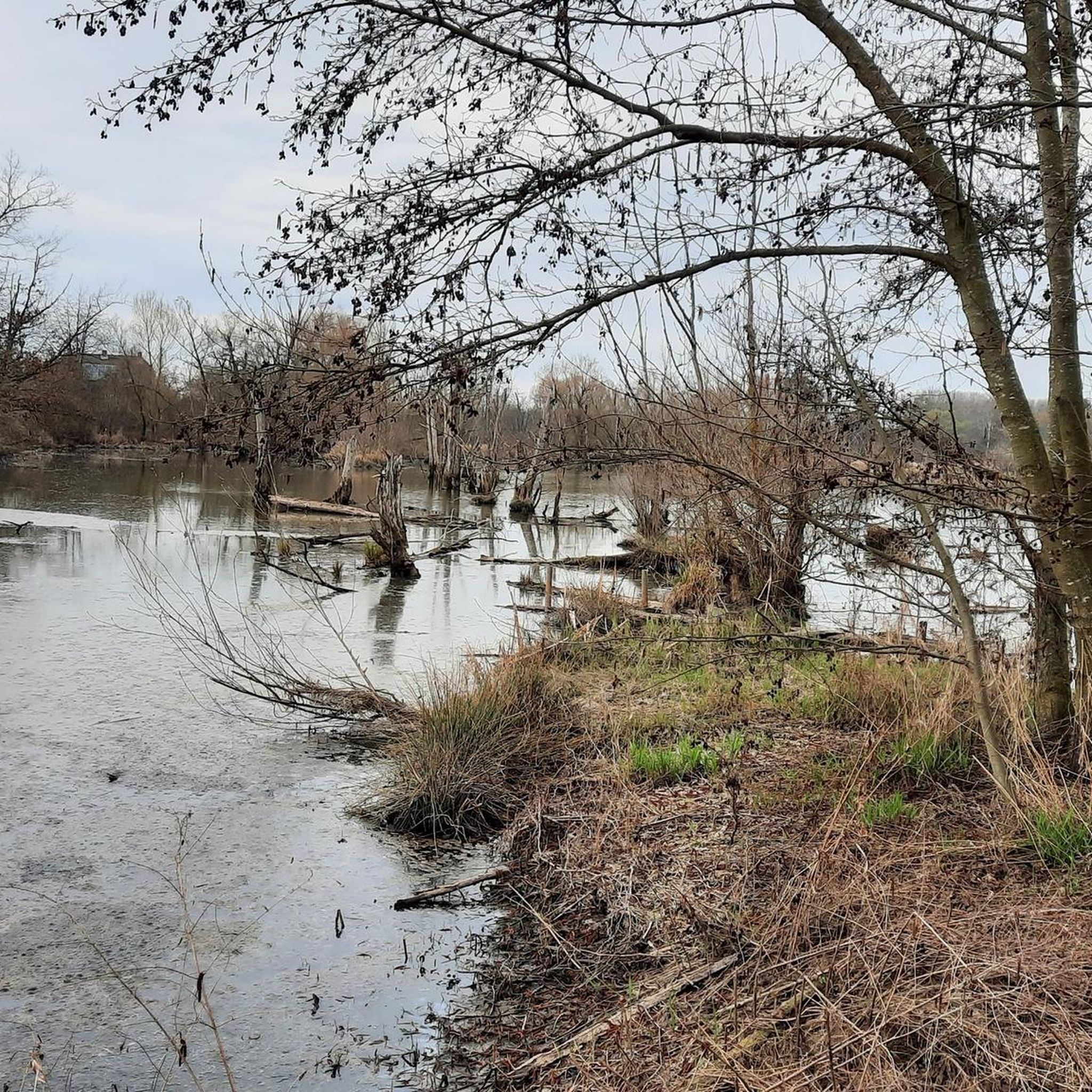
MTB Trails around Hungen
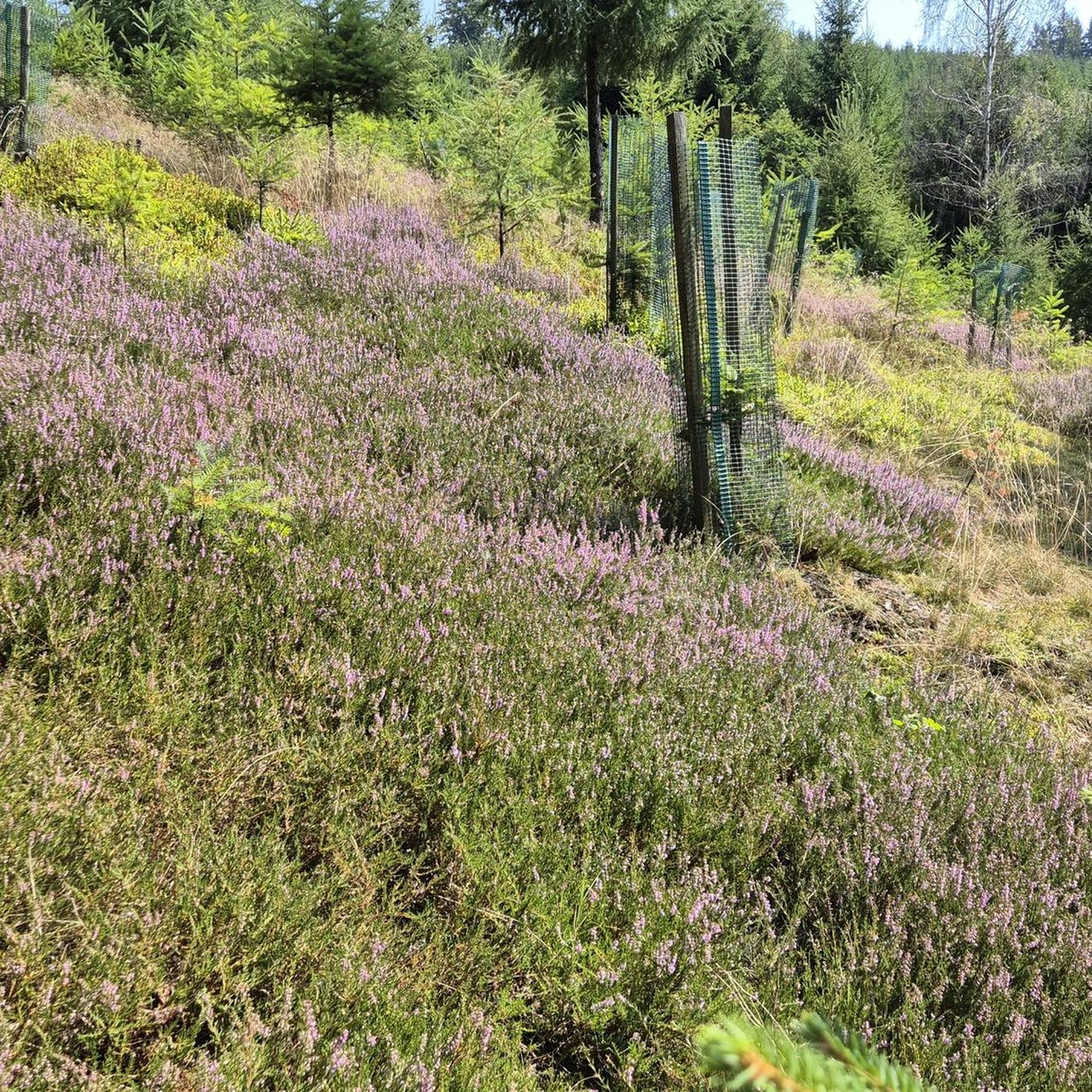
Gravel biking around Hungen
Other adventures around Hungen


Tips from the Community

Origin from the Wölfersheim opencast mine From 1937, the Braunkohlen-Schwel-Kraftwerk Hessen-Frankfurt AG (HEFRAG), a subsidiary of the Preußische Elektrizitäts AG (PREAG), operated several brown coal opencast mines in the Wetterau lignite mining area to supply the Wölfersheim opencast power plant. One of the first of these was the Wölfersheim opencast mine, right next to the power plant. After the fields there had been mined out in 1943, they were partially filled with waste and the area was recultivated. This left several remaining holes, which filled with groundwater over time. In addition to the largest, the Wölfersheimer See with 37 hectares, there are two smaller lakes a few hundred meters further east (Schwelteich in the Schwelteich nature reserve of Echzell) and to the north (Heldteich). Overall, the water areas take up less than half of the former open-cast mine.
7
0
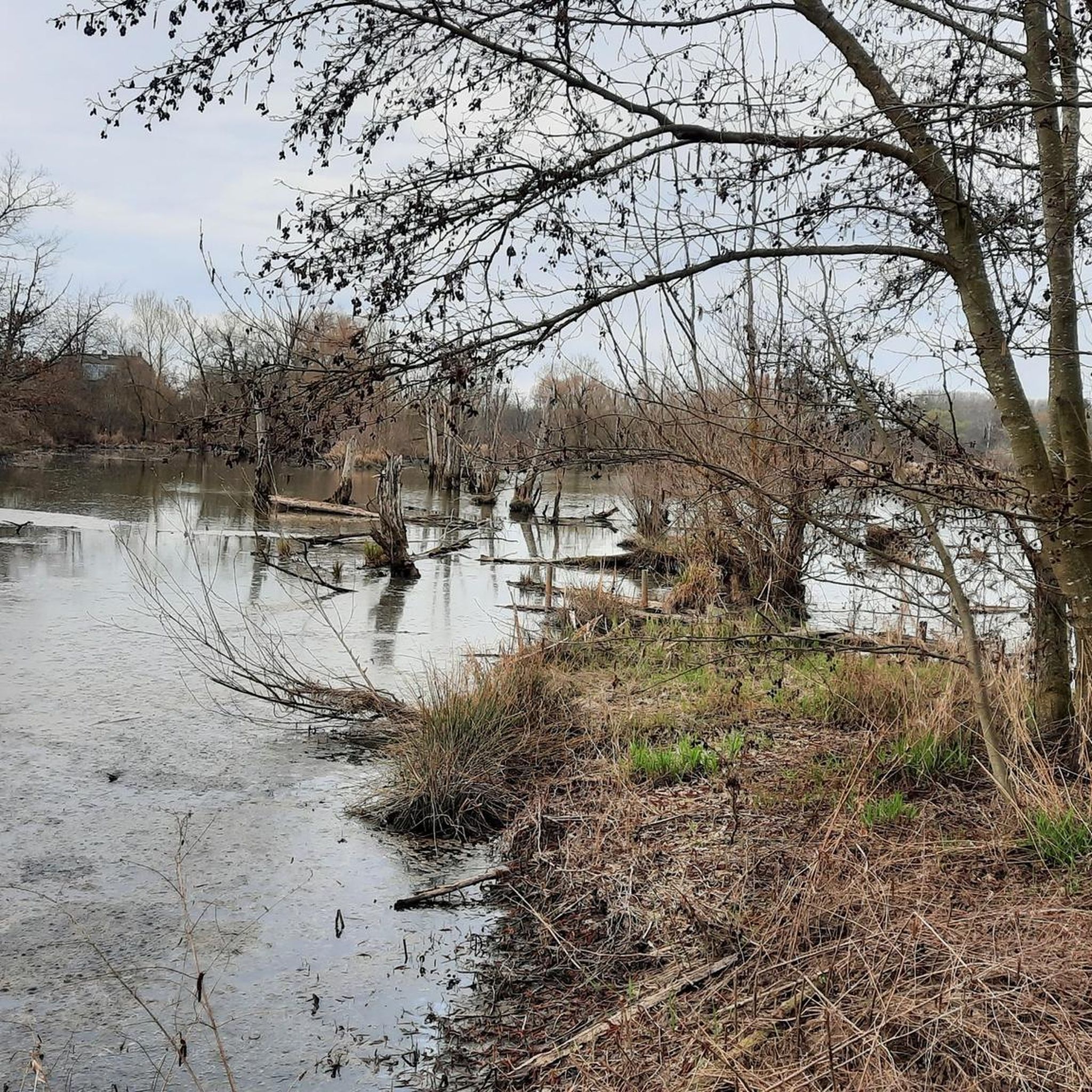
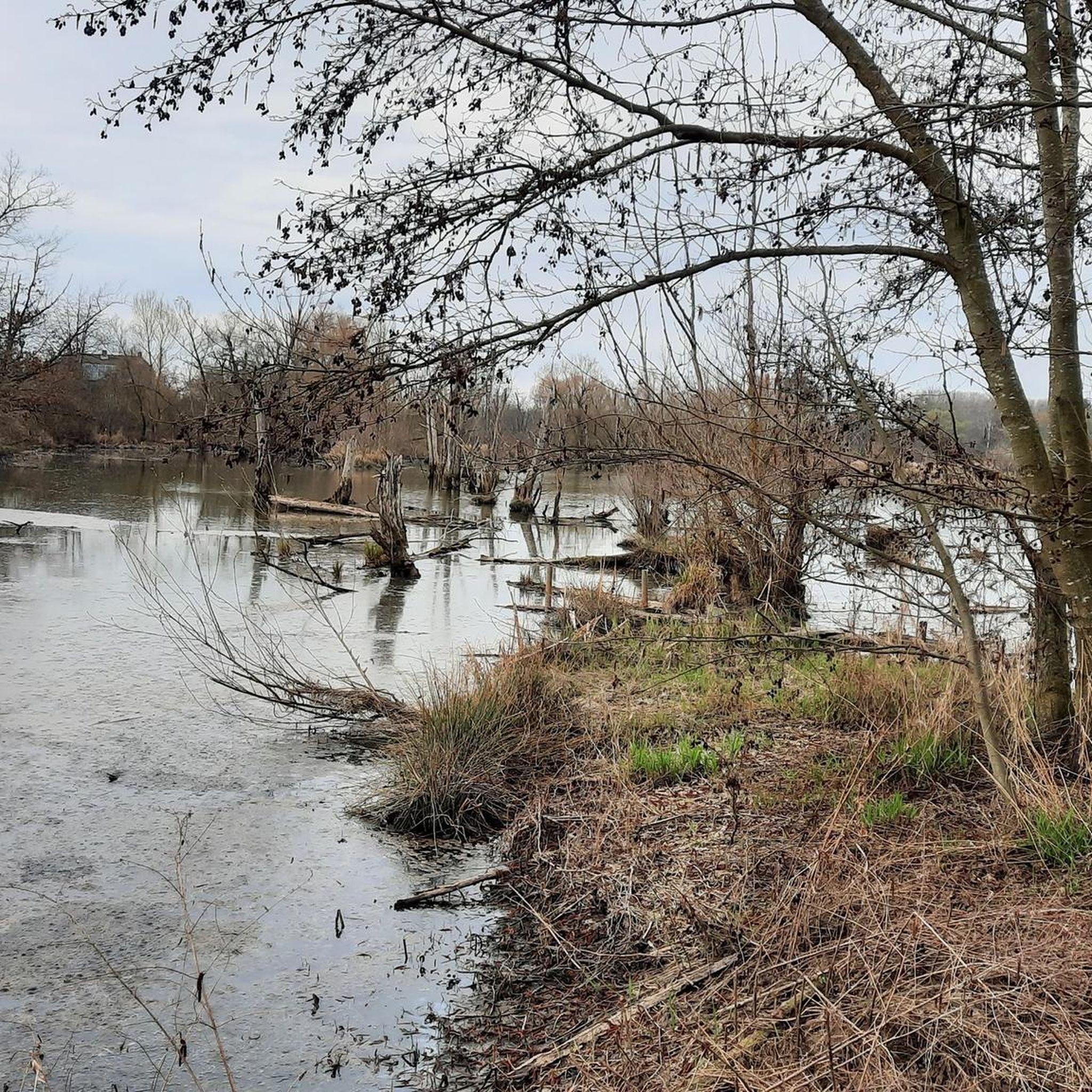
The Wölfersheimer See is a lake east of the Hesse town of Wölfersheim. At almost 40 hectares, the lake is the largest in the Wetterau. It was created as an opencast mine residue lake after the closure of the Wölfersheim lignite opencast mine. It was later used as a cooling pond for the Wölfersheim power plant. Today it serves as a natural area, as a sailing area, as a fishing area and for local recreation. Swimming is prohibited. The lake (2023) no longer contains oxygen from a depth of two and a half meters; According to the State Office for Nature Conservation, Environment and Geology, the phosphate content is 15 to 20 times higher than is acceptable for inland water.
7
0

A detour to the sequoia trees not far from the reservoir is highly recommended. They are giant sequoias from North America - the largest trees in the Vogelsberg.
7
0
The leisure lake is a popular meeting place for athletes, weekend trippers, anglers, walkers and those seeking relaxation. Boat rental, surfing and sailing school, a large children's playground and sunny meadows provide variety. The 5 kilometer long asphalted circular path around the reservoir is ideal for inline skaters, cyclists and skaters as well as for a relaxing walk. Benches and sensory loungers invite you to rest along the way.
6
0

The giant sequoia stands southwest of the town of Schotten in the Vogelsberg district in Hesse and is a natural monument. The giant sequoia (Sequoiadendron giganteum), also known as the mountain sequoia, is located north of the Schotten district of Wingershausen, about one kilometer southeast of the Nidda reservoir and west of the Vogelsberg in the Hoher Vogelsberg Nature Park. It stands 315 meters above sea level on an open area of about 100 by 60 meters, sloping to the north in the Upper Läunsbachschneise within a forest area in the former Läunsbachkamp nursery. Three other giant sequoias stand immediately north of the clearing within the forest, two of them close together at the Heller-Häuschen, a small forest house that used to belong to the old nursery of the village of Rainrod. The Sauberg nature trail, which begins and ends on the banks of the Nidda reservoir, leads past the sequoia. In the immediate vicinity there is an information board about the sequoia from the 1960s. The sequoia was planted in the spring of 1900 by the forester Schott on the occasion of the birth of his son. The young plant came from the Gießen Botanical Garden and had been bred by senior forester Walther, the head of the Griesheim forestry office near Darmstadt at the time. He had received the seeds from the plant collector Carl Albert Purpus via the Darmstadt tree nursery Appel. https://www.biologie-seite.de/Biologie/Riesenmammutbaum_bei_Schotten?utm_content=cmp-true
9
0
The giant sequoia stands southwest of the town of Schotten in the Vogelsberg district in Hesse and is a natural monument. The giant sequoia (Sequoiadendron giganteum), also known as the mountain sequoia, is located north of the Schotten district of Wingershausen, about one kilometer southeast of the Nidda reservoir and west of the Vogelsberg in the Hoher Vogelsberg Nature Park. It stands 315 meters above sea level on an approximately 100 by 60 meter large open space sloping to the north in the Obere Läunsbachschneise within a forest area in the former Läunsbachkamp nursery. The Sauberg nature trail, which begins and ends on the banks of the Nidda reservoir, leads past the sequoia. In the immediate vicinity there is an information board about the sequoia from the 1960s. The sequoia was planted in the spring of 1900 by the forester Schott to mark the birth of his son. The young plant came from the Gießen Botanical Garden and had been bred by senior forester Walther, the head of the Griesheim forestry office near Darmstadt at the time. He had received the seeds from the plant collector Carl Albert Purpus via the Darmstadt tree nursery Appel. https://www.biologie-seite.de/Biologie/Riesenmammutbaum_bei_Schotten?utm_content=cmp-true
7
0
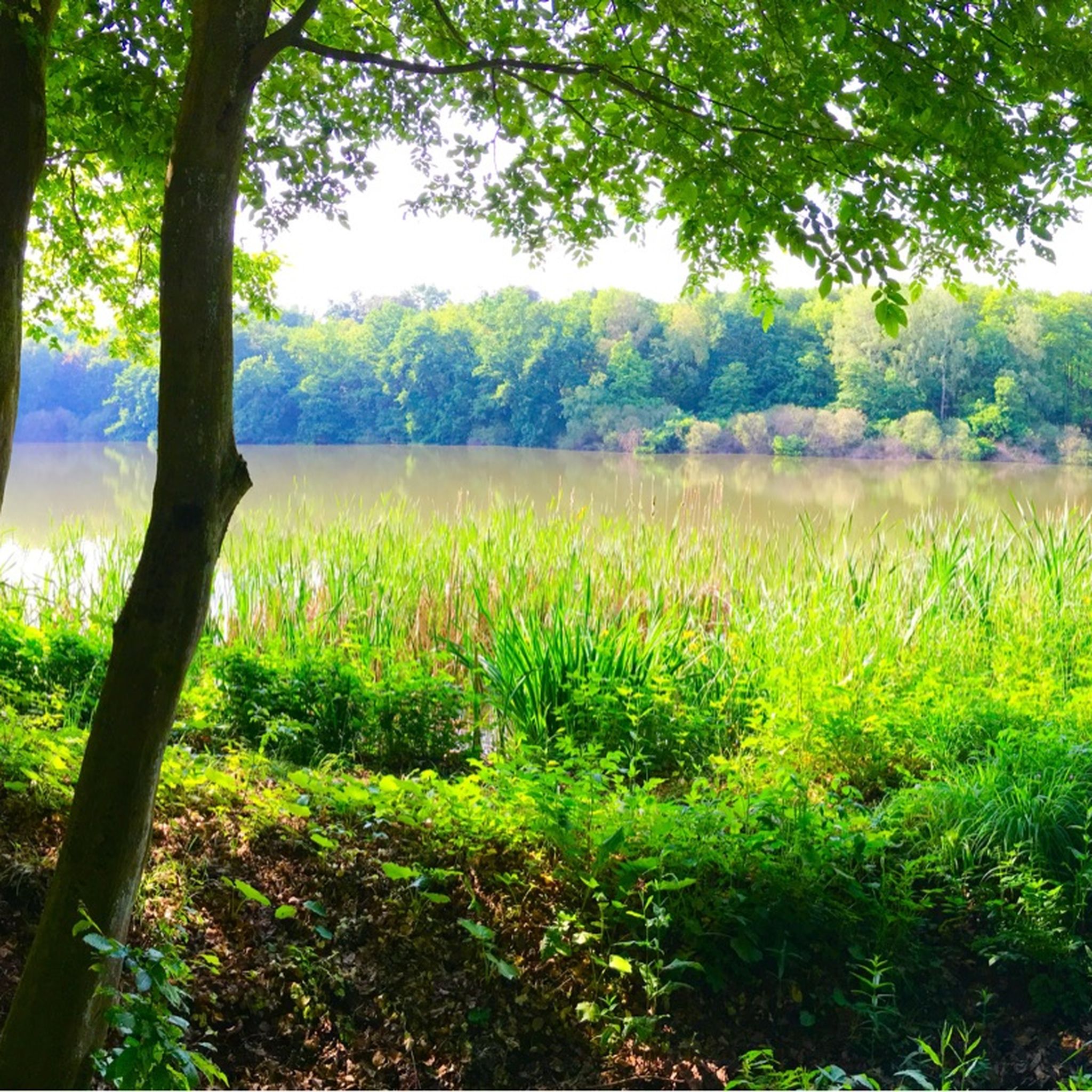
The Nidda rises at Hoherodskopf, flows through Schotten in a small stream and is stopped by the Niddatalsperre directly at the southern end of the town. The result is the 65 hectare Niddastausee and a wonderful local recreation area. Surrounded by meadows and forests, the reservoir is one of the largest lakes in Hesse. The recreational lake is a popular meeting place for athletes, weekend trippers, anglers, walkers and those looking for relaxation. Boat rentals, surfing and sailing schools, a large children's playground and sunny meadows provide variety. https://www.tourist-schotten.de/schotten/niddastausee.html
7
0
The Nidda Reservoir (Niddatalsperre) covers an area of approximately 65 hectares and is located between Schotten and Rainrod in the Nidda Valley. The reservoir is surrounded by meadows and forests and is a wonderful local recreation area. The swimming and leisure lake is a popular meeting place for athletes, weekenders, walkers, and those seeking relaxation, offering a wide range of leisure activities. Sailors and surfers enjoy their hobby here just as much as anglers and campers. The beautifully situated, year-round campsite has won several awards. A paved circular hiking trail around the lake is five kilometers long and ideal for inline skaters, cyclists, and skaters, as well as for a relaxing stroll. Benches and sensory loungers invite you to rest along the way. https://www.freizeit-mittelhessen.de/content/niddastausee.html
9
0
Frequently Asked Questions
What are some of the most popular natural monuments around Hungen?
Visitors frequently enjoy the Nidda Reservoir (Niddastausee), known for its beautiful location and easy circular hikes. Another favorite is the Wölfersheimer See, the largest lake in the region, offering opportunities to relax and enjoy nature. The impressive Giant sequoia near Wingershausen, planted in 1900, is also a highly regarded natural monument.
Are there family-friendly natural monuments around Hungen?
Yes, several natural monuments are suitable for families. The Nidda Reservoir (Niddastausee) offers easy circular routes that are great for all ages, and there's a bistro at the campsite for a break. The Wölfersheimer See also provides a relaxing environment for families to enjoy nature.
What outdoor activities can I do near Hungen's natural monuments?
The region around Hungen offers a variety of outdoor activities. You can find numerous hiking trails, including the 'Adventure trail 'in the footsteps of shepherds'' which highlights traditional landscape conservation. For cyclists, there are gravel biking routes around the lakes, and running trails like the 'Upper Knappensee – Lake Trais-Horloffer loop'.
Are there any unique trees or forests to explore?
Absolutely. The Giant sequoia near Wingershausen is a truly impressive natural monument, standing at 315 meters above sea level within a forest area. This magnificent tree was planted in 1900 and is a notable sight. Hungen is also characterized by its magnificent mixed forests, providing ample opportunities for exploration.
What lakes or water bodies can I explore in the Hungen region?
Hungen is known for its beautiful lake landscapes. The Nidda Reservoir (Niddastausee) is a popular spot for easy circular hikes. The Wölfersheimer See, formed by lignite mining, is the largest lake in the region and ideal for relaxation. Additionally, the Inheidener/Trais-Horloffer Lake offers water-based activities like swimming, sailing, and surfing.
When is the best time to visit the natural monuments around Hungen?
The natural monuments around Hungen can be enjoyed year-round. Spring and autumn offer pleasant temperatures for hiking and cycling amidst vibrant foliage. Summer is ideal for water activities at the lakes, while winter provides a serene, quiet atmosphere for forest walks, though some facilities might have reduced hours.
Are there wheelchair-accessible natural sights in Hungen?
Yes, the Nidda Reservoir features a paved circular route around the lake, making it ideal for visitors with wheels, including wheelchairs. The dam and surrounding area were renovated, providing a well-kept path for easy access.
Can I find places to eat or drink near Hungen's natural monuments?
Yes, you can. At the Nidda Reservoir (Niddastausee), there's a nice bistro at the campsite where you can take a break. Near the Wölfersheimer See, you might find options like the 'beer garden' at the football golf course for refreshments.
Are the trails around Hungen's natural monuments dog-friendly?
Many of the natural areas and trails around Hungen are generally dog-friendly, especially the mixed forests and lake landscapes. It's always recommended to keep dogs on a leash, especially in nature reserves or areas with wildlife, and to clean up after them. Specific rules may vary by location, so look for local signage.
What is the difficulty level of hiking trails around Hungen's natural monuments?
Hiking trails around Hungen offer a range of difficulties. For example, the 'Drei Teiche (Gleichniser Pond) – Three Ponds loop' is an easy 3.1 km route. Many other trails, like the 'Hungen circuit – Three Lakes Trail' or the 'Adventure trail 'in the footsteps of shepherds'', are rated as moderate, providing enjoyable experiences for most fitness levels. You can find more details on komoot's hiking guide for Hungen.
Are there any lesser-known natural spots worth visiting in Hungen?
Beyond the prominent lakes, the 'Three Ponds' (Drei Teiche) area, nestled within a relaxing forest landscape, offers tranquil scenery ideal for hiking and peaceful strolls. This area provides a quieter, more intimate connection with nature away from the more frequented spots.
Can I spot wildlife near Hungen's natural monuments?
The diverse mixed forests and lake landscapes around Hungen provide habitats for various wildlife. Visitors might spot different bird species, especially around the lakes and ponds. Forest areas could offer glimpses of deer, foxes, or smaller mammals. Early mornings or late evenings are often the best times for wildlife observation.
Most popular routes around Hungen
Most popular attractions around Hungen

Get inspired with the komoot mobile app


Explore more
Extend your search for the best caves by checking out these guides of the top ones around Hungen:
