Top 20 Natural Monuments around Zschaitz-Ottewig
Best natural monuments around Zschaitz-Ottewig offer opportunities to explore the region's natural features. The area, now part of Jahnatal, features river confluences, rock formations, and elevated viewpoints. These locations provide insights into the local geology and landscape. Visitors can find 2 natural monuments to explore.
Best natural monuments around Zschaitz-Ottewig
- The most popular natural monument is Confluence of the Zschopau and the Freiberger Mulde, a river where the Zschopau meets the Freiberger Mulde. This spot features a small meadow…
Last updated: June 24, 2026
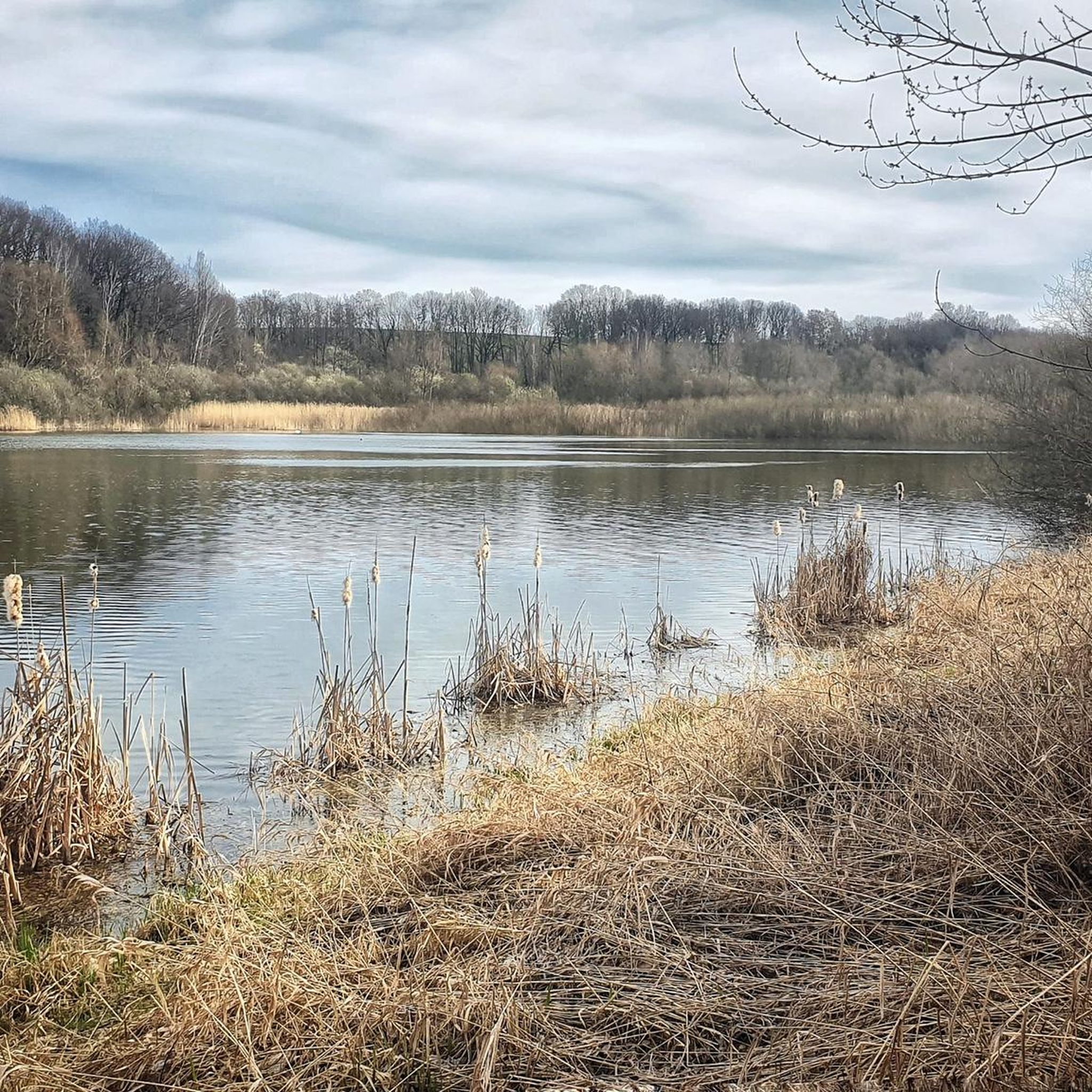
Confluence of the Zschopau and the Freiberger Mulde
Highlight • River
Translated by Google •
Tip by

Spitzstein Rock Formation
Highlight • Natural Monument
Translated by Google •
Tip by

Sign up now to discover places like this
Get recommendations on the best single tracks, peaks, & plenty of other exciting outdoor places.
Sign up for free
Wetterhöhe Summit Cross and Triangulation Station
Highlight • Summit
Translated by Google •
Tip by

Roßwein Camellia House (Kamelienhaus Wolfstal)
Highlight • Natural Monument
Translated by Google •
Tip by

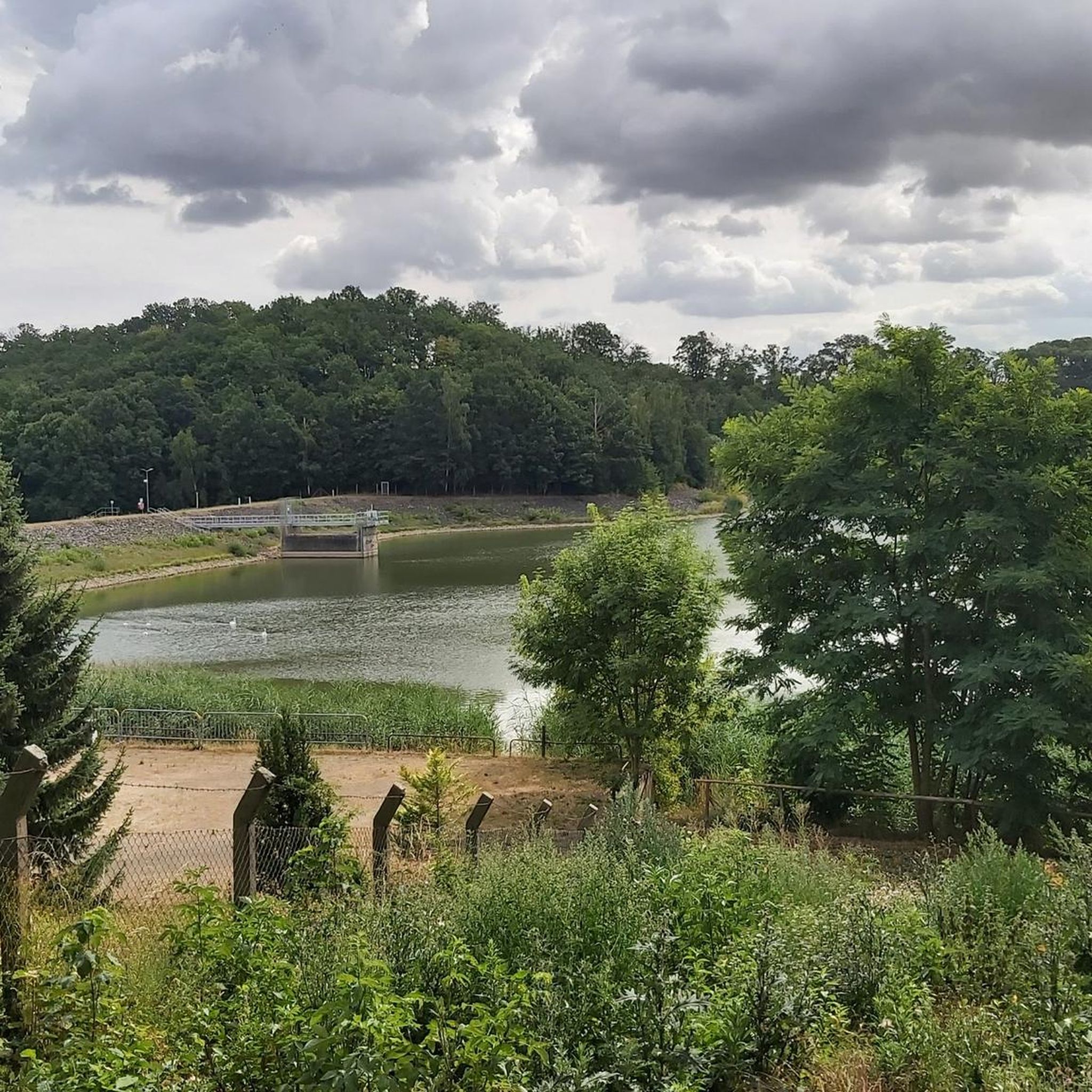
Krebsteich Pond
Highlight • Lake
Translated by Google •
Tip by

Sign up for free to discover even more natural monuments around Zschaitz-Ottewig.
Sign up for free
Already have an account?
Start today with a free account
Your next adventure awaits.
Login or Signup

Tips from the Community

Very nicely done, well worth a visit.
0
0

The confluence is where the Muldenradweg goes under the railway track.
0
1

The best panoramic view of the region. There's a covered bench here, and a bit of culture too. ✌🏻
0
0

easy to miss from the hiking/cycling path.
0
1

what a beautiful landscape
0
0

The camellia “Alba plena”, which is native to Roßwein, is the second oldest north of the Alps in Europe after the well-known Pillnitz camellia. The Roßwein camellia has been a recognized cultural monument since December 14, 2000. In 1797, Count von Einsiedel bought the property in Wolfstal and had two greenhouses built on it. Since he frequented the court of Friedrich August III and the king, like Count von Einsiedel, was a great plant lover, he will have received many botanical rarities from the Pillnitz palace gardens. The Seifersdorf Chronicle reports that as early as 1830 there were real migrations of people to the camellia blossoms in the Wolf Valley. Despite numerous changes of ownership and difficult times, committed citizens were always found who made the camellia's survival possible. From 1971 to 2000, the buildings around the greenhouse housed a children's and youth home. While the camellia house was demolished and rebuilt in 1961, further renovation took place in 1992, which included new glazing. Since the side ventilation was not reinstalled in this measure for cost reasons, this was made up for in 2003 thanks to the willingness to donate from citizens and various institutions. Since 2000, the Roßwein e.V. local association has been looking after the camellia with the help of the Roßwein city administration. The city of Roßwein's construction depot takes care of species-appropriate care and often receives instructions from experts. Over time, a good collaboration developed between the German Camellia Society and the Roßweiner Heimatverein. By joining forces, a side ventilation system could be installed for the greenhouse, which is essential for the necessary temperature and air conditions. Source:https://www.rosswein.de/tourismus/kamelie/ Opening hours: https://www.rossweiner-heimatverein.de/aktuelles-veranstaltungen/
1
0
it wants to be “climbed” from both sides😉 The descent is definitely rewarding, ride on ✌️
0
0

You can look at the stone - but that's it. Anyone expecting a view will be disappointed - there are now taller trees all around. When there are no leaves, you can still see a little through the branches.
0
0
Frequently Asked Questions
What unique natural features can I explore around Zschaitz-Ottewig?
The region offers a mix of geological formations and river landscapes. You can visit the Confluence of the Zschopau and the Freiberger Mulde, where two rivers meet, featuring a small meadow beach. Another notable spot is the Spitzstein Rock Formation, a viewing rock over 50 meters above the Freiberger Mulde.
Are there any nature reserves in the vicinity of Zschaitz-Ottewig?
Yes, the **Naturschutzgebiet "Alte Halde – Dolomitgebiet Ostrau"** is a significant nature reserve nearby. This protected area features a unique dolomite landscape with calcium-rich grasslands and rocky areas, supporting rare plant species and endangered animals like the fire salamander and kingfisher. You can also explore the Grossholz Nature Reserve, a near-natural woodland.
What kind of views can I expect from the natural monuments?
For panoramic views, the Wetterhöhe Summit Cross and Triangulation Station offers great vistas of the Saxon countryside. The Spitzstein Rock Formation also provides good views, especially during the foliage-free season.
Are there family-friendly natural monuments or activities in the area?
Many natural monuments are suitable for families. The Confluence of the Zschopau and the Freiberger Mulde with its meadow beach is a pleasant spot. The Wetterhöhe Summit Cross and Triangulation Station is also considered family-friendly, offering a nice viewpoint. Additionally, the Grossholz Nature Reserve provides easy walking paths suitable for families.
What historical or cultural sites are integrated with the natural monuments?
The Wetterhöhe Summit Cross and Triangulation Station is a technical monument from the 19th century, part of the Royal Saxon Triangulation network, offering historical context alongside its natural views. The Roßwein Camellia House (Kamelienhaus Wolfstal), home to a 200-year-old camellia, is a recognized cultural monument and a unique natural attraction.
What outdoor activities can I do near these natural monuments?
The area offers various outdoor activities. You can find easy hikes, such as the "Luther Stone at Burgberg – Circle of Linden Trees loop," which is part of the easy hikes around Zschaitz-Ottewig guide. For cycling enthusiasts, there are MTB trails and gravel biking routes available.
Are there specific hiking trails that include natural monuments?
Yes, an easy hiking trail in the area is the "Luther Stone at Burgberg – Circle of Linden Trees loop." This route incorporates the scenic Circle of Linden Trees, providing a pleasant walk. You can find more details on this and other routes in the easy hikes around Zschaitz-Ottewig guide.
What kind of wildlife can I observe in the natural monuments area?
The **Naturschutzgebiet "Alte Halde – Dolomitgebiet Ostrau"** is known for its biodiversity, providing habitats for endangered animal species such as the fire salamander and the kingfisher. Visitors are encouraged to stay on marked paths to protect this sensitive ecosystem.
What do visitors enjoy most about the natural monuments around Zschaitz-Ottewig?
Visitors appreciate the serene and picturesque spots, such as the quiet meadow beach at the Confluence of the Zschopau and the Freiberger Mulde. The Wetterhöhe Summit Cross and Triangulation Station is loved for its well-kept monument and great views of the Saxon countryside. The Spitzstein Rock Formation is a popular hiking highlight to climb.
When is the best time to visit the natural monuments in Zschaitz-Ottewig?
The natural monuments can be enjoyed throughout the year. For the best views from elevated points like the Spitzstein Rock Formation, the foliage-free season (late autumn to early spring) is ideal. The Roßwein Camellia House is a must-see in early spring when its camellias are in bloom.
Are there any unique plant species to look out for?
Yes, the **Naturschutzgebiet "Alte Halde – Dolomitgebiet Ostrau"** is home to several rare plant species due to its unique dolomite geology. Additionally, the Roßwein Camellia House features a 200-year-old camellia, which is the second oldest north of the Alps in Europe.
Most popular routes around Zschaitz-Ottewig
Most popular attractions around Zschaitz-Ottewig

Get inspired with the komoot mobile app


Explore more
Extend your search for the best caves by checking out these guides of the top ones around Zschaitz-Ottewig:
