Top 20 Natural Monuments around Weikersheim
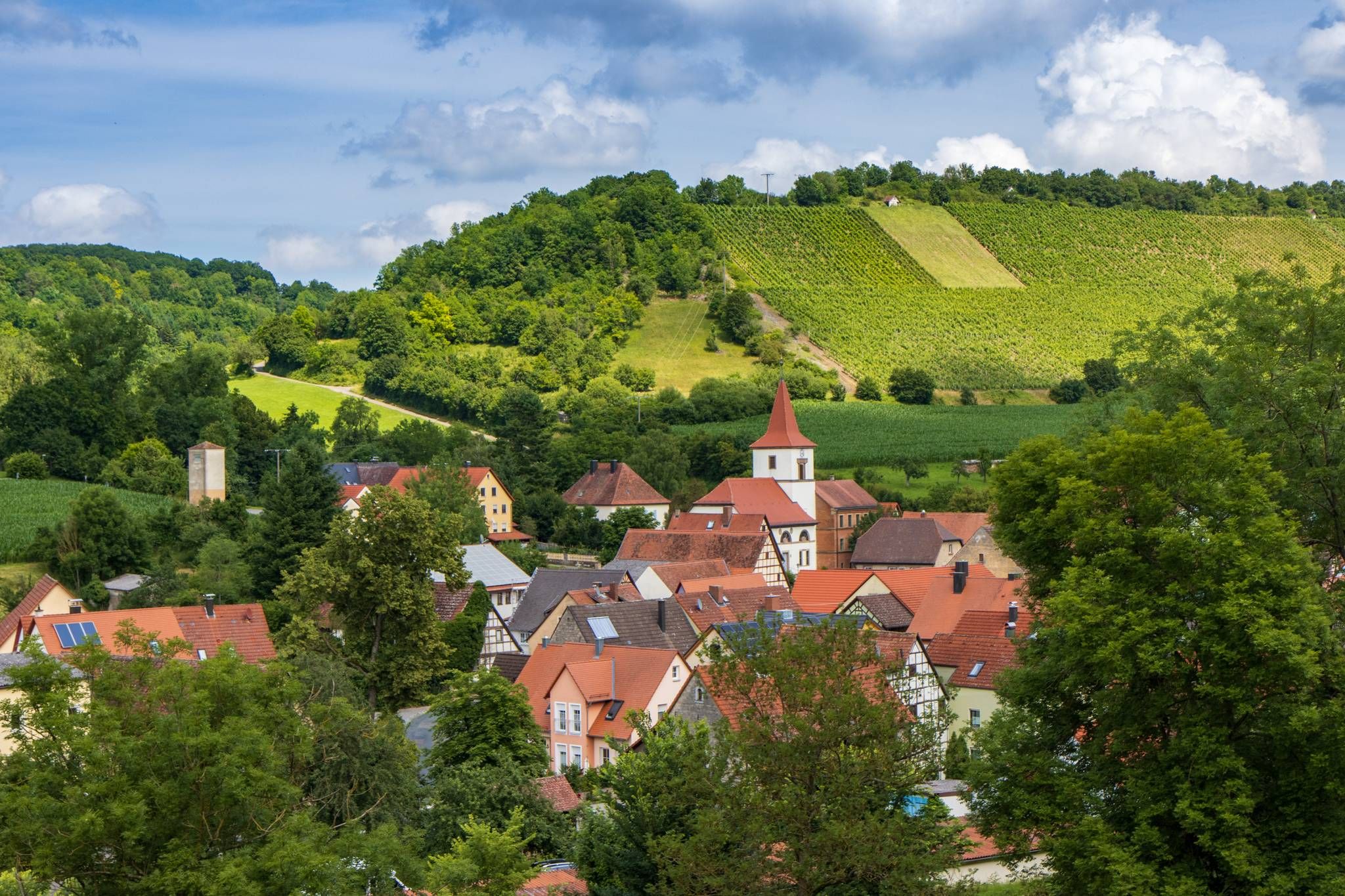
Best natural monuments around Weikersheim include diverse landscapes shaped by the Tauber River Valley and its surrounding vineyards. The region features unique geological formations like the Steinriegellandschaft, part of a larger Landscape Protection Area. Visitors can explore wooded areas, observe wildlife in places like Karlsberg Nature Park, and discover historical natural landmarks. These areas offer insights into the region's ecology and traditional land use.
Best natural monuments around Weikersheim
- The most popular natural monuments is Kunigunden Chapel on the Altenberg…
Last updated: November 21, 2026
Rose and Japanese Gardens in the Kurpark, Bad Mergentheim
Highlight • Natural
Translated by Google •
Tip by

Kunigunden Chapel on the Altenberg
Highlight • Religious Site
Showing Translation
Tip by

Sign up now to discover places like this
Get recommendations on the best single tracks, peaks, & plenty of other exciting outdoor places.
Kunigundenstein
Highlight • Natural Monument
Translated by Google •
Tip by

Karl's Spring (Karlsquelle) – Bad Mergentheim
Highlight • Natural Monument
Translated by Google •
Tip by

Wilhelmsquelle
Highlight • Natural Monument
Translated by Google •
Tip by

Sign up for free to discover even more natural monuments around Weikersheim.
Already have an account?
Start today with a free account
Your next adventure awaits.
Popular around Weikersheim
The Romantic Road – To the Pearls of Southern Germany
Germany's Main-Tauber-Franconian Radachter – two loops, one experience
The Romantic Road – 10 fabulous stages
Half-timbered houses and superb cycling tours – the best of the South

Family time on two wheels – in the 'Süden ganz oben'
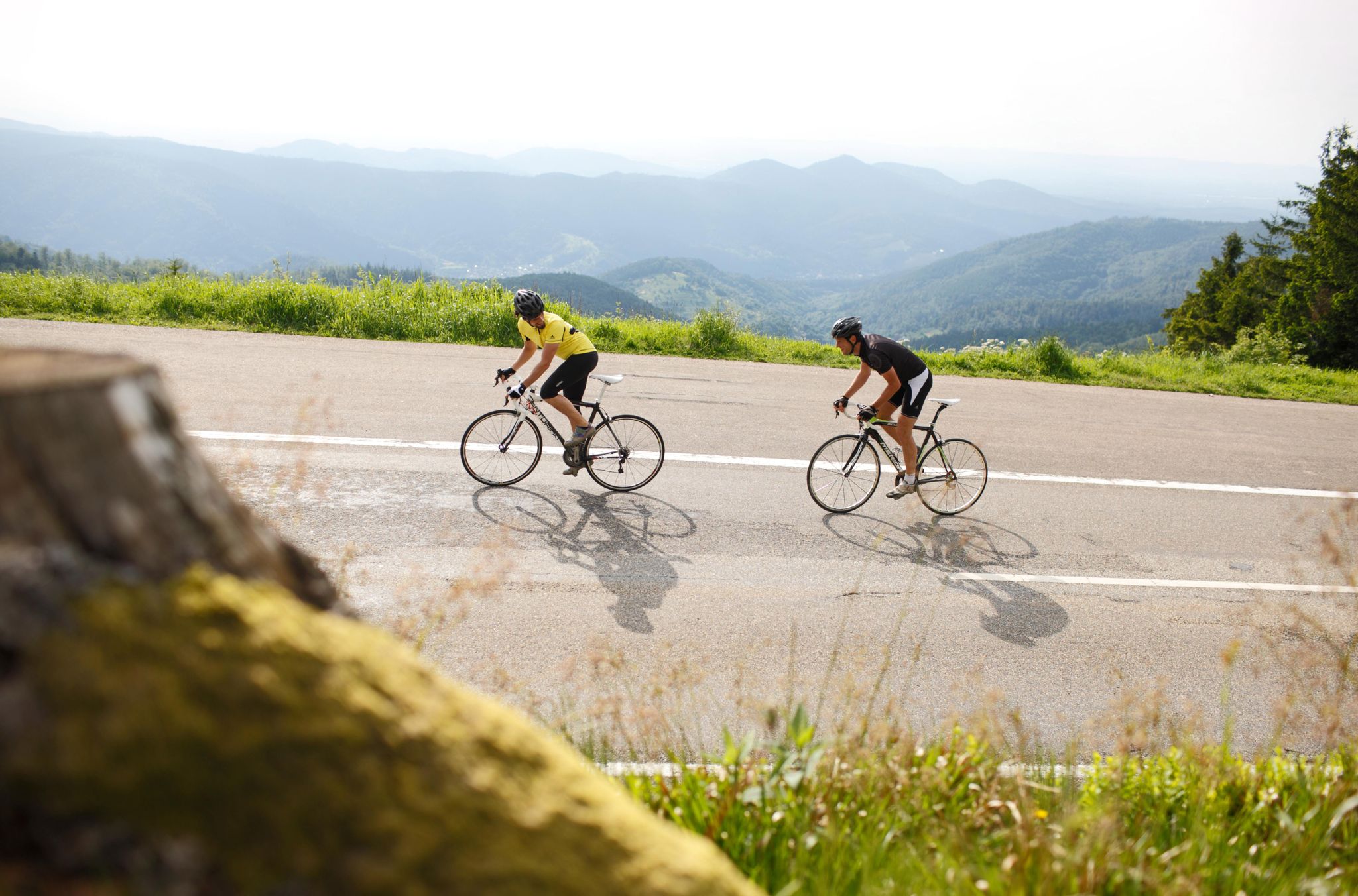
Discover Germany’s Baden-Württemberg by road bike
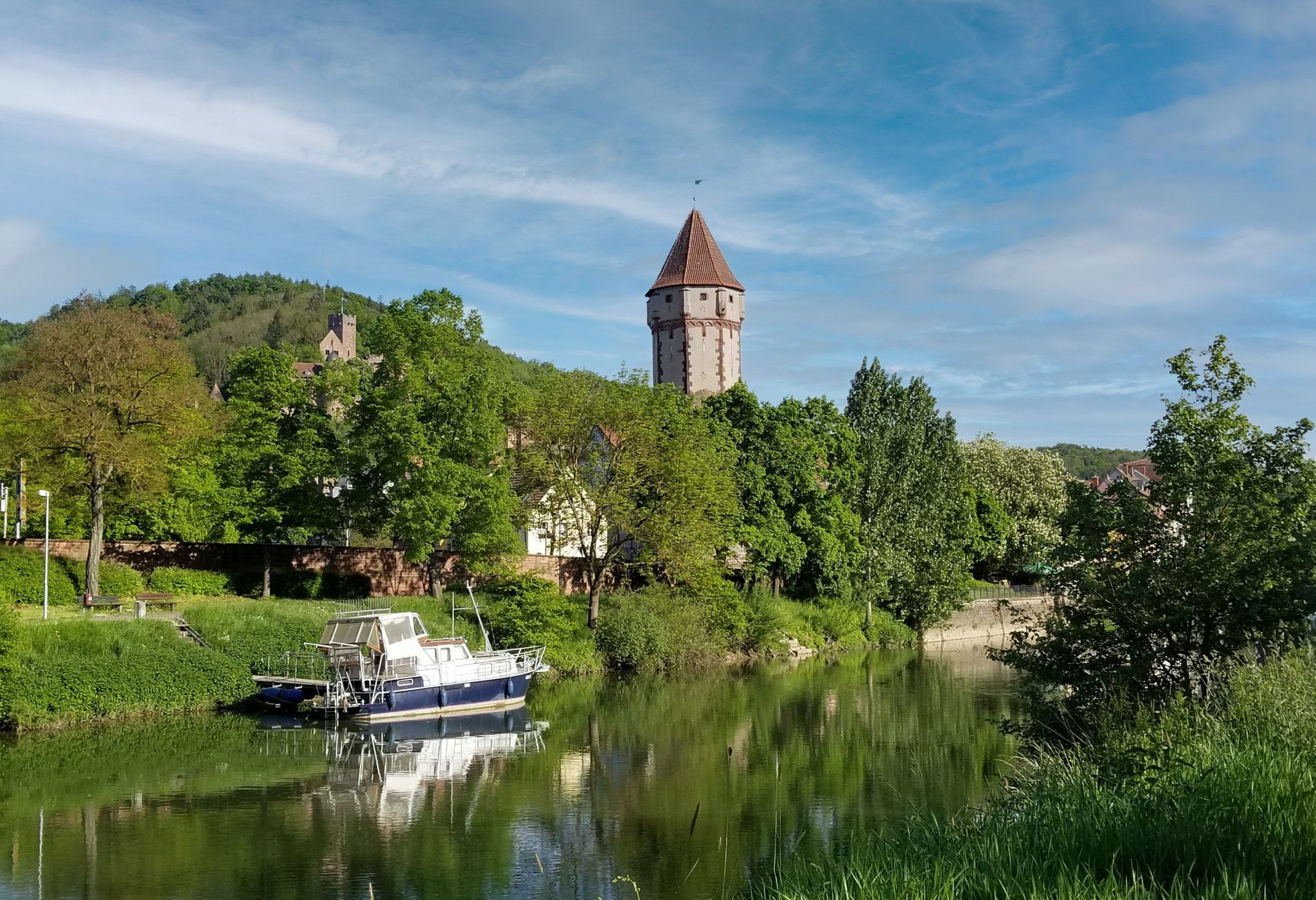
Cycling the Tauber Valley in Germany – Incredible paths & scenery
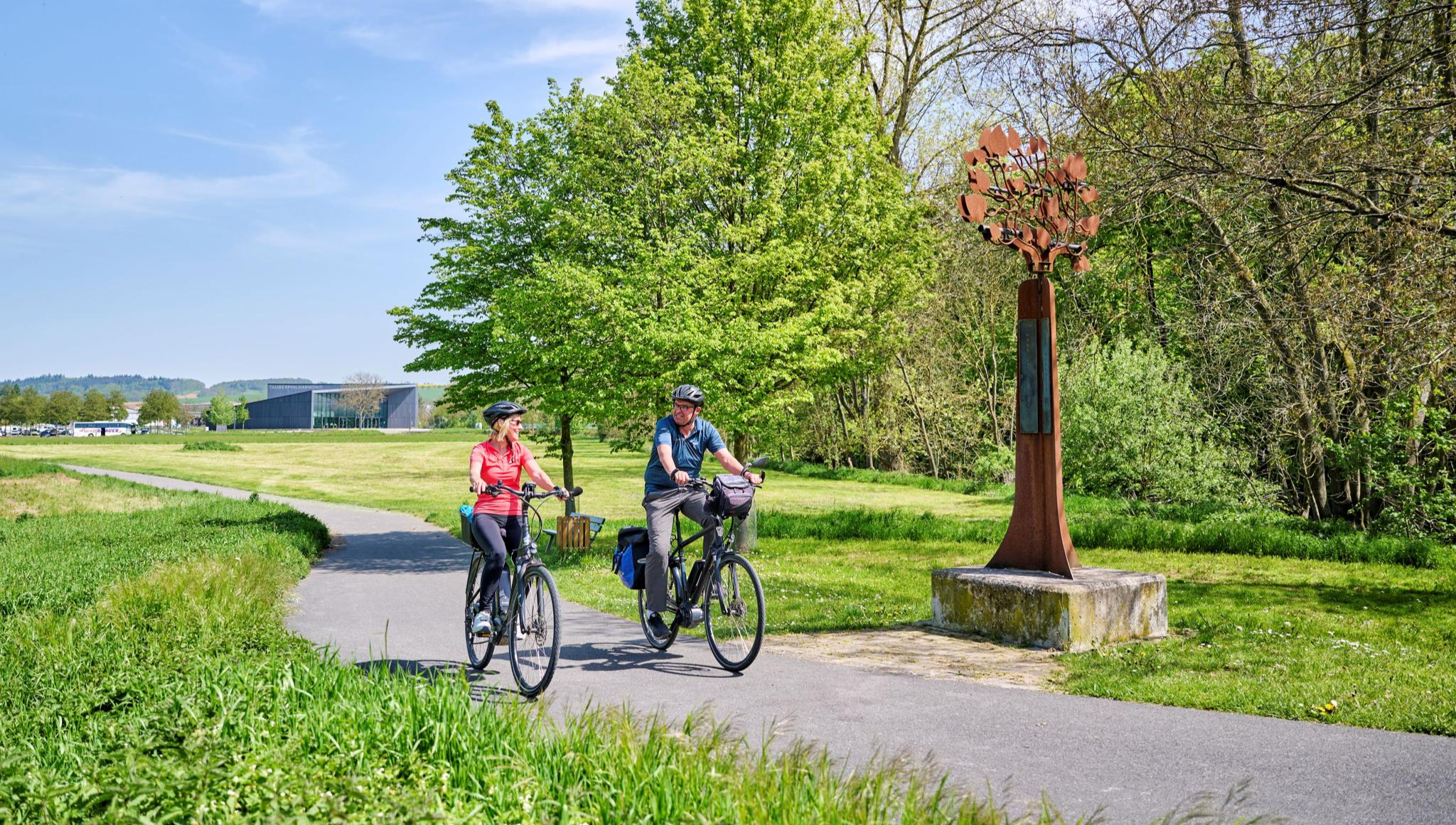
Cycling the Tauber Valley in Germany – Incredible paths & scenery
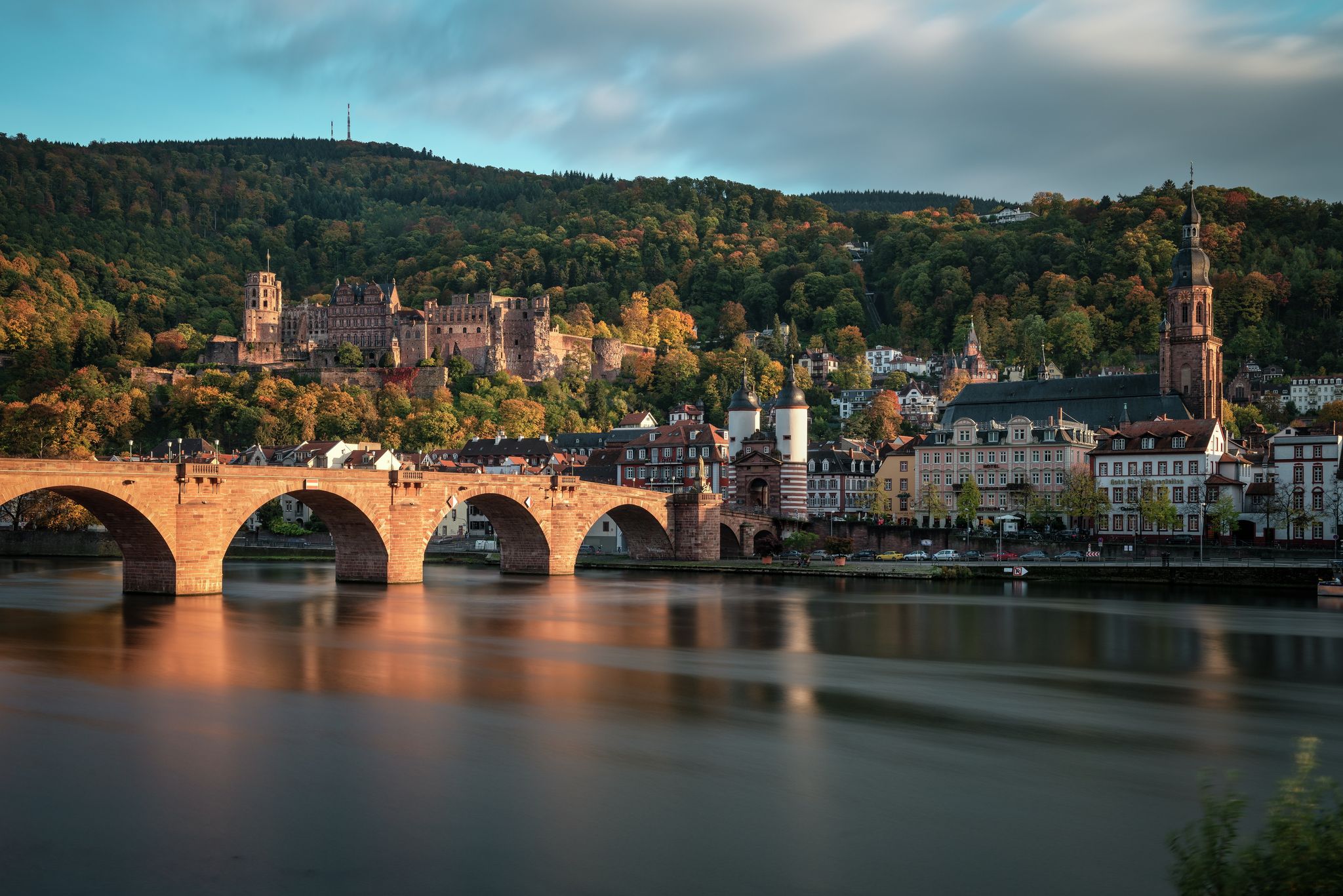
Castles, baroque architecture & gardens – discover Baden-Württemberg by bike
A 5-star cycling trip – ‘Lovely Tauber Valley: The Classic’
Other adventures around Weikersheim


Tips from the Community

Spiritual places: Places of reflection and inner peace. Cultural treasures: Impressive architecture and often beautiful works of art.
0
0

The existing bench makes it possible to take a lunch break there even on hot days.
0
0

Kunigundenlinde “Millennial” Kunigundenlinde ♁⊙ on the west side of the churchyard Right next to the chapel stands the “millennial” Kunigundenlinde, which is also named after the saint. According to the founding legend of the church, it is said to be the identical tree in which Kunigunde's veil got caught, and for this reason, the little church was built beneath it. Since the historical Kunigunde died as early as 1033, this would confirm the age of the linden tree as over 1000 years. However, the actual age of the tree is highly controversial, and very different figures can be found in the literature. A dendrological age determination of the striking tree is not possible because its trunk is completely hollow and the core of the trunk is missing. It is quite often assumed that the linden tree was planted at the same time as the chapel was built, which would at least attribute an age of 800 years to it. The linden tree itself is a large-leaved lime and a protected natural monument. Its trunk has split into four parts over the centuries of its life and is completely hollow inside. The remaining parts of the trunk shell are supported by massive iron bars. To prevent it from breaking apart under the weight of its own crown, a radical pruning is carried out approximately every 25 years – the Kunigundenlinde has already been completely topped several times during restoration work in recent decades. https://de.wikipedia.org/wiki/Kunigundenkapelle_(Burgerroth)
4
0
After her canonization in 1200, Saint Kunigunde became one of the most popular saints, especially in Franconia. According to legend, the construction of the chapel in Burgerroth goes back directly to her. She had vowed to build three churches and wanted to leave the choice of the building sites to divine providence. She let three veils fly from Bamberg Castle: where they were found, a church was to be built in each case. One of the veils was carried by the wind to the Alten Berg, where it got caught in a linden tree that still stands there today. The small church was intended to serve as a parish church for both Burgerroth and the neighboring village of Buch, but the people of Buch felt the location was too far away. They moved the building material to Buch on their own initiative, but the next day everything was back at the intended site. A carpenter is said to have even lain down on the stones in the evening and woke up the next morning on the stones at the Alten Berg. The people of Buch gave up their resistance and the chapel was built here. Kunigundenstein At a spot 150 m southeast of the chapel in the direction of the Gollach, the saint is said to have prayed and left behind her hand, knee, and foot prints. https://de.wikipedia.org/wiki/Kunigundenkapelle_(Burgerroth)
4
0
The Kunigundenkapelle, dedicated to Cunigunde of Luxembourg, who is particularly venerated in the region, was built around 1230 during the heyday of the Staufer dynasty. The likely builders are Heinrich von Hohenlohe and his son Konrad von Hohenlohe, who resided at the nearby Brauneck Castle. Extensive repairs and alterations were carried out between 1608 and 1609 under Prince-Bishop Julius Echter von Mespelbrunn. This renovation was intended to strengthen the Counter-Reformation. A stone tablet from 1614 points to this renovation. In the middle of the 18th century, during the Baroque period, the walls and ceiling were decorated with stucco. In 1762, the current main altar, depicting the Holy Family, was donated by Thomas Klee from Buch. A final renovation took place around 1900. However, regular church services were only held on St. Cunigunde's Day (March 3) and on the third Rogation Day. After the cemetery also ceased to be used in 1945, the Kunigundenkapelle lost its importance. From 1961 to 1962, excavations were carried out in the chapel, and the current state was established during the subsequent thorough restoration. https://de.wikipedia.org/wiki/Kunigundenkapelle_(Burgerroth)
4
0
The Kunigundenkapelle near the Auber district of Burgerroth is considered an important late Romanesque structure. It served as a pilgrimage church and place of worship for the villages of Buch, Burgerroth, Niedersteinach, and Burg Brauneck. https://de.wikipedia.org/wiki/Kunigundenkapelle_(Burgerroth)
4
0

The springs formed the basis for Bad Mergentheim as a spa town and international health resort. The decisive event was the discovery of salty water by a shepherd and his sheep in 1826.
0
0
Three of the four springs, Albertquelle, Karlsquelle and Wilhelmsquelle, are drinking springs based on their mineral composition, whereas the Paulsquelle, which is unsuitable for drinking, is a bathing spring.
0
0
Frequently Asked Questions
What unique natural features define the landscape around Weikersheim?
The region around Weikersheim is characterized by the unique Steinriegellandschaft (Stone Ridge Landscape) between Weikersheim and Elpersheim, which is part of a larger Landscape Protection Area. These ancient dry-stone walls create distinct microclimates and habitats. Additionally, the Tauber River Valley with its winding river and surrounding vineyards, and the wooded hills of Karlsberg Nature Park, contribute significantly to the area's natural beauty and ecological diversity.
Are there natural monuments with historical or cultural significance?
Yes, several natural monuments are intertwined with history. For example, the ancient lime tree at Kunigunden Chapel on the Altenberg is approximately 1000 years old and steeped in local legend. Another notable site is Kunigundenstein, a weathered shell limestone rock associated with the legend of Saint Kunigunde.
What kind of wildlife can I expect to see in the natural areas?
In Karlsberg Nature Park, located on a hill overlooking Weikersheim, you have the chance to observe free-roaming wild boar and deer. The diverse habitats within the Weikersheim Landscape Protection Area, including natural flowing waters and side valleys, also support a variety of plant and animal species, making it a rich area for nature observation.
Are there family-friendly natural monuments or activities?
Absolutely. The Rose and Japanese Gardens in the Kurpark, Bad Mergentheim are family-friendly and freely accessible. Another option is Karl's Spring (Karlsquelle) – Bad Mergentheim, which is set in a beautifully landscaped garden. The Karlsberg Nature Park also offers easy trails suitable for families.
What outdoor activities can I do near these natural monuments?
The region offers a variety of outdoor activities. You can explore numerous hiking trails, especially within the Karlsberg Nature Park and the broader Weikersheim Landscape Protection Area. The Tauber River Valley is perfect for cycling, with the well-developed Taubertal cycle path. For more specific routes, you can find options like easy hikes, MTB trails, and road cycling routes around Weikersheim. For example, explore easy hikes around Weikersheim or MTB trails around Weikersheim.
Are there accessible natural monuments for visitors with mobility considerations?
The Rose and Japanese Gardens in the Kurpark, Bad Mergentheim are noted as wheelchair accessible, offering a pleasant experience for visitors with mobility considerations. Many parts of the Taubertal cycle path along the river are also relatively flat and accessible.
What is the best time of year to visit the natural monuments around Weikersheim?
Spring and autumn are particularly beautiful times to visit. In spring, the landscape comes alive with blooming flowers and fresh greenery, especially in the gardens and along the river. Autumn offers stunning colors in the vineyards and wooded areas. Summer is also pleasant for outdoor activities, while winter can offer a quiet, serene experience, though some water features might not be in operation.
How long should I plan for a visit to the natural monuments?
The duration of your visit depends on the specific monument and your activity. For instance, a leisurely stroll through the Rose and Japanese Gardens might take an hour or two. Exploring the Karlsberg Nature Park or hiking to Kunigunden Chapel and Kunigundenstein could easily fill a half-day. For cycling the Taubertal path, you might plan a full day or even multiple days to enjoy the entire route.
Where can I find parking near the natural monuments?
While specific parking details for every natural monument are not available, areas like the Karlsberg Nature Park and the starting points for popular hiking and cycling routes often have designated parking. For attractions within towns like Bad Mergentheim, public parking facilities are usually available near the Kurpark or other points of interest.
Are there any grottoes or unique rock formations to explore?
Yes, the region features interesting formations. The Lourdes Grotto, Zaisenhausen, is the largest grotto complex in southern Germany, built from tuff stone. Additionally, Kunigundenstein is a striking weathered shell limestone rock formation with unique indentations.
What do visitors enjoy most about the natural monuments around Weikersheim?
Visitors frequently appreciate the blend of natural beauty with historical and cultural elements. The ancient trees, unique rock formations, and grotto complexes are highly valued. The serene atmosphere of places like the Japanese Garden and the historical significance of sites like the Kunigunden Chapel are often highlighted. The komoot community has shown strong appreciation, with these locations gathering 256 upvotes and 237 photos.
Most popular routes around Weikersheim
Most popular attractions around Weikersheim

Get inspired with the komoot mobile app


Explore more
Extend your search for the best caves by checking out these guides of the top ones around Weikersheim:
