Top 20 Natural Monuments around Assamstadt
Best natural monuments around Assamstadt are found within a natural landscape offering scenic beauty and outdoor recreational opportunities. The region's appeal lies in its broader environment, including river valleys and extensive trail networks. Visitors can explore varied landscapes ideal for hiking and cycling. This area provides a serene setting for enjoying natural tranquility.
Best natural monuments around Assamstadt
- The most popular natural monuments is Hollow Oak Shrine, a religious building and natural monument that features a centuries-old pedunculate oak with a hollow trunk. Inside, a Madonna figure is displayed, creating a special place of worship in nature.
- Another must-see spot is Ringelstaler-Weinhalde Nature Reserve, a natural monument and nature reserve. This area is a rich, structured dry slope region in the Tauber Valley, known for its diverse flora including 20 orchid species and various endangered animal species.
- Visitors also love Karl's Spring (Karlsquelle) – Bad Mergentheim, a natural monument and historical site. This healing spring, discovered in 1828, is one of the mineral-rich drinking sources in Bad Mergentheim's spa gardens.
- Assamstadt is known for natural springs, ancient trees, and nature reserves. The area offers a variety of natural monuments to see and explore, from landscaped gardens to protected ecological sites.
- The natural monuments around Assamstadt are appreciated by the komoot community, with 256 upvotes and 237 photos shared by visitors.
Last updated: April 25, 2026
Rose and Japanese Gardens in the Kurpark, Bad Mergentheim
Highlight • Natural
Translated by Google •
Tip by

Karl's Spring (Karlsquelle) – Bad Mergentheim
Highlight • Natural Monument
Translated by Google •
Tip by

Sign up now to discover places like this
Get recommendations on the best single tracks, peaks, & plenty of other exciting outdoor places.
Sign up for free
Hollow Oak Shrine
Highlight • Religious Site
Translated by Google •
Tip by

Wilhelmsquelle
Highlight • Natural Monument
Translated by Google •
Tip by

Ringelstaler-Weinhalde Nature Reserve
Highlight • Natural Monument
Größe 90,2 Hektar
Ausgewiesen 28. Nov. 2000
Das Naturschutzgebiet „Ringelstaler-Weinhalde" liegt im mittleren Taubertal.
Es umfaßt die Steillagen der westlichen Talseite einschließlich der kleinen Seitentäler zwischen dem Mehlberg in Unterbalbach und dem Birkenberg in Edelfingen.
Während die Talflanke der Tauber nach Osten bzw. Nordosten ausgerichtet ist, sind die Hanglagen der Seitentäler „Ringelstaler" und „Weinhalde" nach Südosten hin exponiert.
Das Gebiet steigt von ungefähr 205 m über N.N. an der Bahnlinie nach Bad Mergentheim bis auf 335 m über N.N. am Oberhang des „Ringelstaler" an.
…
Das Untersuchungsgebiet, das naturräumlich dem Tauberland angehört, zeichnet sich durch ein trockenes und warmes, fast kontinentales Klima aus.
Wegen der Lage im Regenschatten von Odenwald und Spessart liegen die Jahresniederschläge nur zwischen 600 und 650 mm, hiervon fallen während der Vegetationsperiode 180-200 mm.
Die mittleren Julitemperaturen liegen bei 17° C bis 18° C, die mittleren Januartemperaturen bei 0° C bis -1° C.
Das Jahresmittel beträgt 8° C bis 9° C.
Die Apfelblüte setzt in der Regel zwischen dem 5. und 10. Mai ein.
…
Vegetation, Flora und Fauna
Das NSG „Ringelstaler-Weinhalde" ist ein typisches Beispiel für ein reich strukturiertes, überdurchschnittlich gut ausgebildetes, tauberfränkisches Trockenhanggebiet.
Ein Komplex von gefährdeten Biotoptypen charakterisiert den Wert des Gebietes für den Naturschutz.
Das Biotoptypenspektrum reicht hierbei von großflächigen Magerrasen auf teilweise extrem trockenen, flachgründigen, scherbigen und schuttigen Standorten an den Oberhängen, über trockene und magere Glatthaferwiesen in großen Bereichen der Mittel- und Unterhänge bis hin zu nährstoffreicheren typischen Glatthaferwiesen und Äckern in den Tallagen und im Gewann „Theobaldsäcker".
Im Bereich der Unter- und Mittelhänge ist die Mehrzahl der Grundstücke bis heute mit Streuobstbäumen bestockt.
Weiterhin kommen wärmeliebende Säume, kleinflächige Trockenrasen, offene Felsbildungen, Steinriegel und Trockenmauern vor.
Weitere Bestandteile des eng miteinander verzahnten Biotopmosaiks in den Hanglagen sind Hecken, Gebüsche mittlerer und trockener Standorte sowie Feldgehölze.
Große Teile des Gebietes werden auch von naturnahen Laubwäldern (Seggen-Buchenwald und Waldgersten-Buchenwald) und alten Kiefern- und Fichtenaufforstungen eingenommen.
Vor allem die großflächigen Magerrasen, die aus der Sicht des Naturschutzes wertvollsten Biotope des Gebietes, zeichnen sich durch einen überwältigenden Reichtum an floristischen Kostbarkeiten aus.
Allein aus der weitbekannten Pflanzenfamilie der Orchideen sind 20 Arten für das Naturschutzgebiet gemeldet.
Hierzu gehören beispielsweise so spektakuläre und hochgradig gefährdete Arten wie der Frauenschuh (Cypripedium calceolus) und die Riemenzunge (Himanthoglossum hircinum).
Alleine fünf verschiedene Ragwurz-Arten, unter ihnen auch die in Baden-Württemberg vom Aussterben bedrohte
Kleine Spinnen-Ragwurz (Ophrys tomasinii), das Purpur-Knabenkraut (Orchis purpurea), das Stattliche Knabenkraut (Orchis mascula) und die Hundswurz (Anacamptis pyramidalis) finden sich im Naturschutzgebiet.
Die Orchideen haben ihren Verbreitungsschwerpunkt zwar in den Magerrasen des Gebietes, viele Arten sind jedoch auch in den trockenen Glatthaferwiesen und vor allem in den Randbereichen der Laubwälder zu finden.
Weitere Raritäten aus anderen Pflanzenfamilien sind
Küchenschelle (Pulsatilla vulgaris), Zarter Lein (Linum tenuifolium) und die vorwiegend in Glatthaferwiesen auftretende Oster-Luzei (Aristolochia clematis).
Daß die Riemenzunge (Himanthoglossum hircinum), die Kleine Spinnen-Ragwurz (Ophrys tomasinii) und die Spinnen-Ragwurz (Ophrys sphecodes) im Tauberland jahrzehntelang verschollen waren und erst neuerdings wieder angetroffen werden, sei an dieser Stelle ebenfalls erwähnt.
Zahlreiche weitere bemerkenswerte Arten finden sich in den wärmeliebenden Säumen und in den durch die geringe Nutzungsintensität entstandenen versaumten Bereichen der Magerrasen.
Hierzu gehören buntblühende Arten wie
die Ästige Graslilie (Anthericum ramosum), die Kalk-Aster (Aster amellus), die Berg-Kronwicke (Coronilla coronata), der Weiden-Alant (Inula salicina), der Hirsch-Haarstrang (Peucedanum cervaria), die Doldige Wucherblume (Tanacetum corymbosum) und das Berg-Leinblatt (Thesium bavarum).
Der Rauhe Alant (Inula hirta) ist insbesondere am nördlichen Oberhang im Gewann „Klinge" anzutreffen.
Sowohl in den Saumbereichen von „Weinhalde" und „Ringelstaler" als auch im Gewann „Scholleiten" ist der Purpur-Klee (Trifolium rubens) weit verbreitet.
Weitere als gefährdet eingestufte Saumarten sind der Kamm-Wachtelweizen (Melampyrum cristatum) und der in Baden-Württemberg nur am Riesrand und im Taubergebiet vorkommende Elsässer Haarstrang (Peucedanum alsaticum).
Auch unter lichten Kiefernbeständen sind die Magerrasen- und Saumarten noch anzutreffen, während sie sich in dichten Kiefern- und Fichtenaufforstungen nicht halten können.
Gebüsche, Feldhecken und Feldgehölze sind im gesamten Gebiet reichlich vorhanden und tragen wesentlich zu seiner Gliederung bei.
Die zwar nur noch in vergleichsweise geringem Umfang erhaltenen Steinriegel und Trockenmauern sowie das sich an den Oberhängen entlangziehende Felsband der Schaumkalkbank tragen als spezielle Lebensräume und Rückzugsflächen für viele sonnenhungrige Pflanzen- und Tierarten wesentlich zur Vielfalt des Gebietes bei.
Zwei Lebensraumtypen erfüllen die Kriterien der Flora-Fauna-Habitat-Richtlinie der Europäischen Gemeinschaft (Richtlinie Nr. 92/43) und haben damit auch gesamteuropäisch betrachtet eine hohe Naturschutzwertigkeit:
Die „Mageren Flachland-Mähwiesen" und die „Trespen-Schwingel-Kalktrockenrasen" (in der Würdigung Magerrasen genannt).
Letztere liegen in einer orchideenreichen Ausprägung vor und stellen damit einen prioritären Lebensraum im Sinne der Richtlinie dar.
Bisher wurde das Vorkommen von 393 Pflanzenarten im Gebiet dokumentiert; hiervon stehen 72 Arten auf der Roten Liste Baden-Württembergs, 26 Arten sind gesetzlich geschützt.
Erwartungsgemäß bieten die außergewöhnliche Vielfalt und die hohe Qualität der Biotope trockenwarmer Standorte auch einer Vielzahl hochgradig gefährdeter Tierarten ihre Lebensräume.
So werden beispielsweise von 74 im Gebiet beobachteten Tagfaltern und Widderchen 46 auf der Roten Liste geführt.
Aus der reichhaltigen Tagfalterfauna seien stellvertretend die stark gefährdeten Arten
Wegerich-Scheckenfalter (Melitaea cinxia), Esparsetten-Bläuling (Plebicula thersites) und der Segelfalter (Iphiclides podalirius), der seinen Verbreitungsschwerpunkt in Baden-Württemberg an den warmen und trockenen Hängen des Tauberlandes hat, genannt.
Weitere bemerkenswerte Arten sind beispielsweise
der Kleine Schlehen-Zipfelfalter (Satyrium acaciae), der Kreuzdorn-Zipfelfalter (Satyrium spini), der Storchschnabel-Bläuling und das Veränderliche Widderchen (Zygaena ephialtes).
Von besonderer Schutzrelevanz ist auch das Vorkommen des Randfleck-Widderchens (Zygaena fausta), einer in Baden-Württemberg stark rückläufigen Art.
Weitere im Gebiet vorkommende Besonderheiten sind aus verschiedenen Käferfamilien bekannt.
Von herausragender Bedeutung ist hierbei das Auftreten des vom Aussterben bedrohten Rothalsigen Buntkäfers (Allonyx quadrimaculatus).
Um nur einige der gefährdeten Arten zu nennen, seien außerdem
der Hellbindige Holz-Buntkäfer (Tilloidea unifasciatus), der Starkbehaarte Schmal-Prachtkäfer (Agrilus derasofasciatus), der Mattschwarze Scheibenbock (Rhopalopus femoratus), der Kleine Distelbock (Agapanthia cardui) und der Zwerg-Fallkäfer (Cryptocephalus pygmaeus) aufgeführt.
Eine der zweifellos bekanntesten heimischen Käferarten, der stark gefährdete Hirschkäfer (Lucanus cervus) kommt ebenfalls vor.
Eine Besonderheit aus der Tiergruppe der Heuschrecken ist die Westliche Beißschrecke (Platycleis albopunctata).
Außerdem zeichnet sich das Gebiet durch das Auftreten des vom Aussterben bedrohten und in Mitteleuropa nur noch an wenigen Stellen fliegenden Libellen-Schmetterlingshaftes (Ascalaphus libelloides) aus der Familie der Netzflügler aus.
Auch die Vogelwelt ist überaus artenreich.
Biotoptypen wie Streuobstwiesen, Gebüsche, Hecken und Feldgehölze stellen den Lebensraum für insgesamt 60 im Naturschutzgebiet „Ringelstaler-Weinhalde" brütende Vogelarten, darunter 10 gefährdete Arten, dar.
Besonderheiten aus avifaunistischer Sicht sind beispielsweise der Wendehals und der Neuntöter, zwei charakteristische Arten der Streuobstwiesen, sowie Hohltaube und Mittelspecht, die in den alten Buchenwäldern des Gebietes vorkommen.
(Auszug 2.lubw.baden-wuerttemberg.de/)
Tip by

Sign up for free to discover even more natural monuments around Assamstadt.
Sign up for free
Already have an account?
Start today with a free account
Your next adventure awaits.
Login or Signup
Popular around Assamstadt
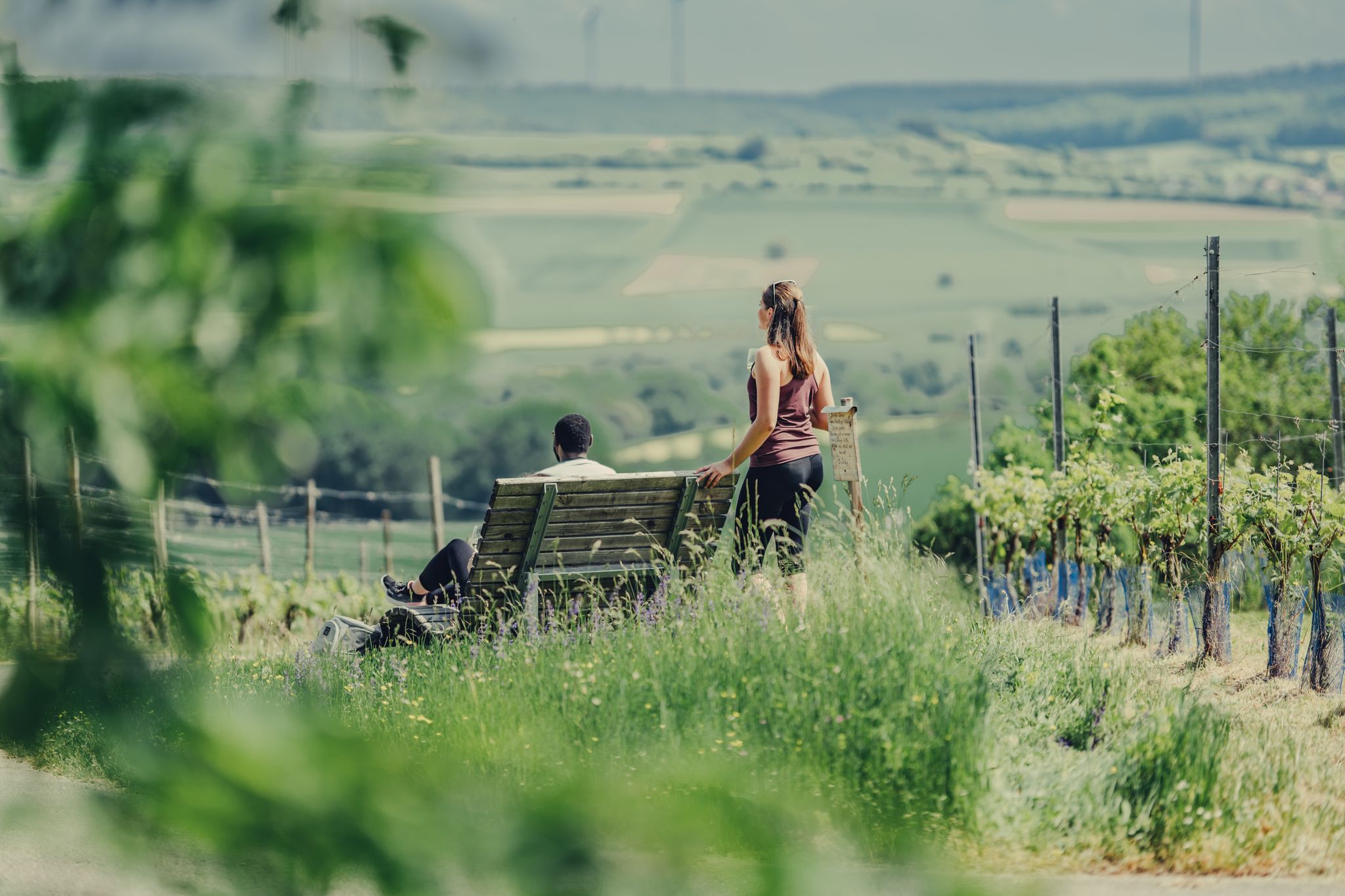
Excellent hiking in the Lovely Tauber Valley
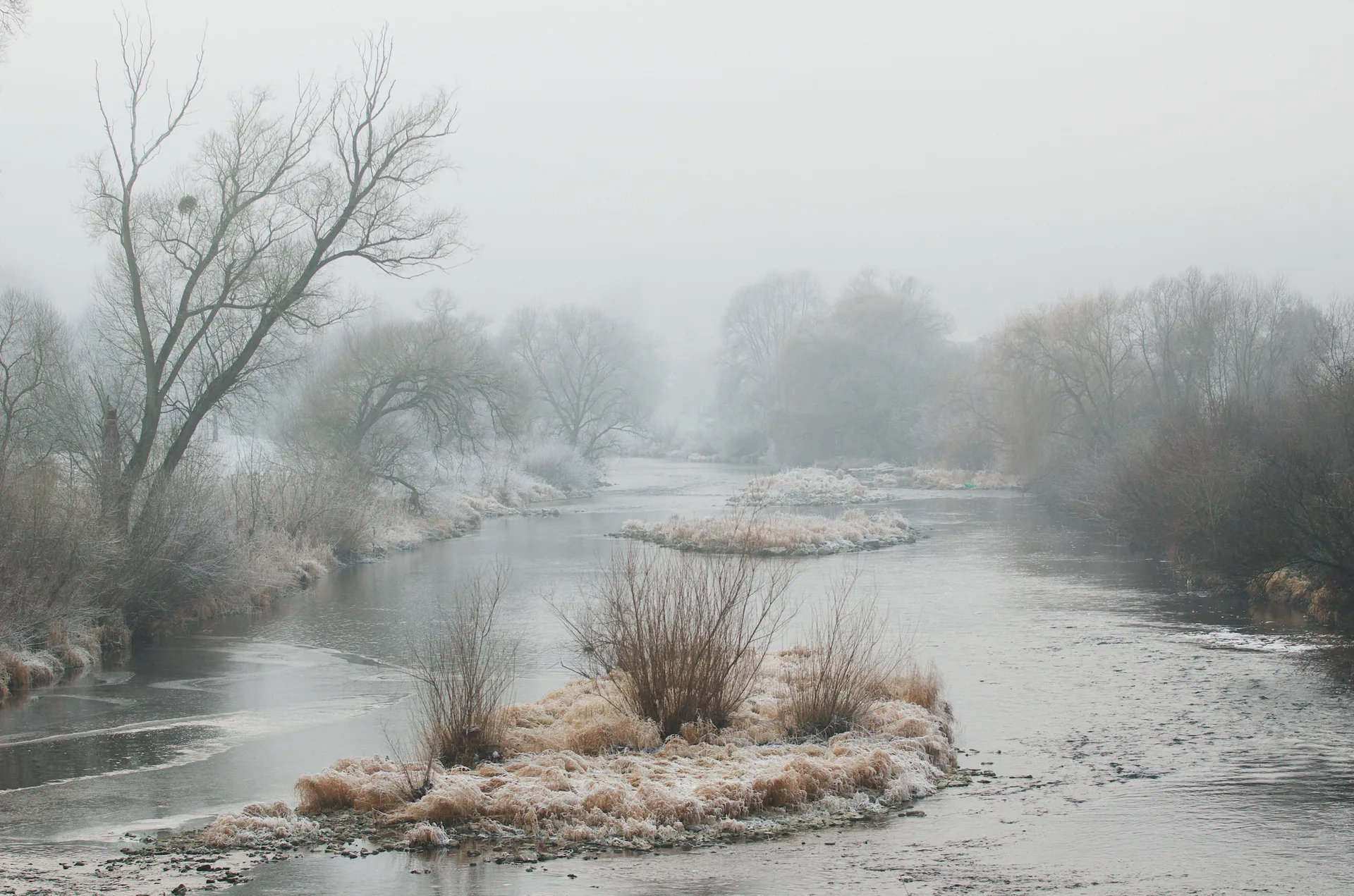
Achtsam durch den Winter – Stille erleben in Hohenlohe und Taubertal
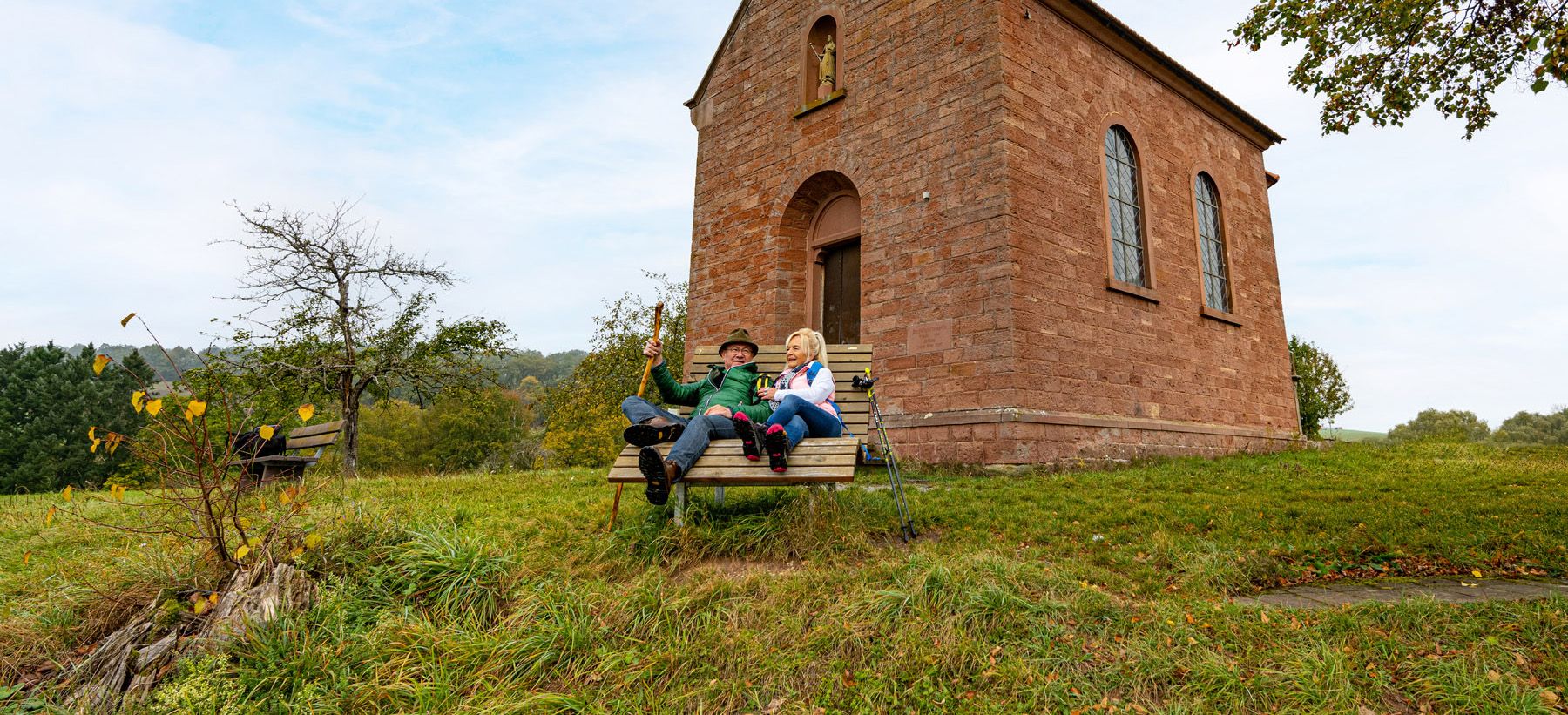
Besinnlichkeit und Ruhe finden – Meditationswege im Lieblichen Taubertal
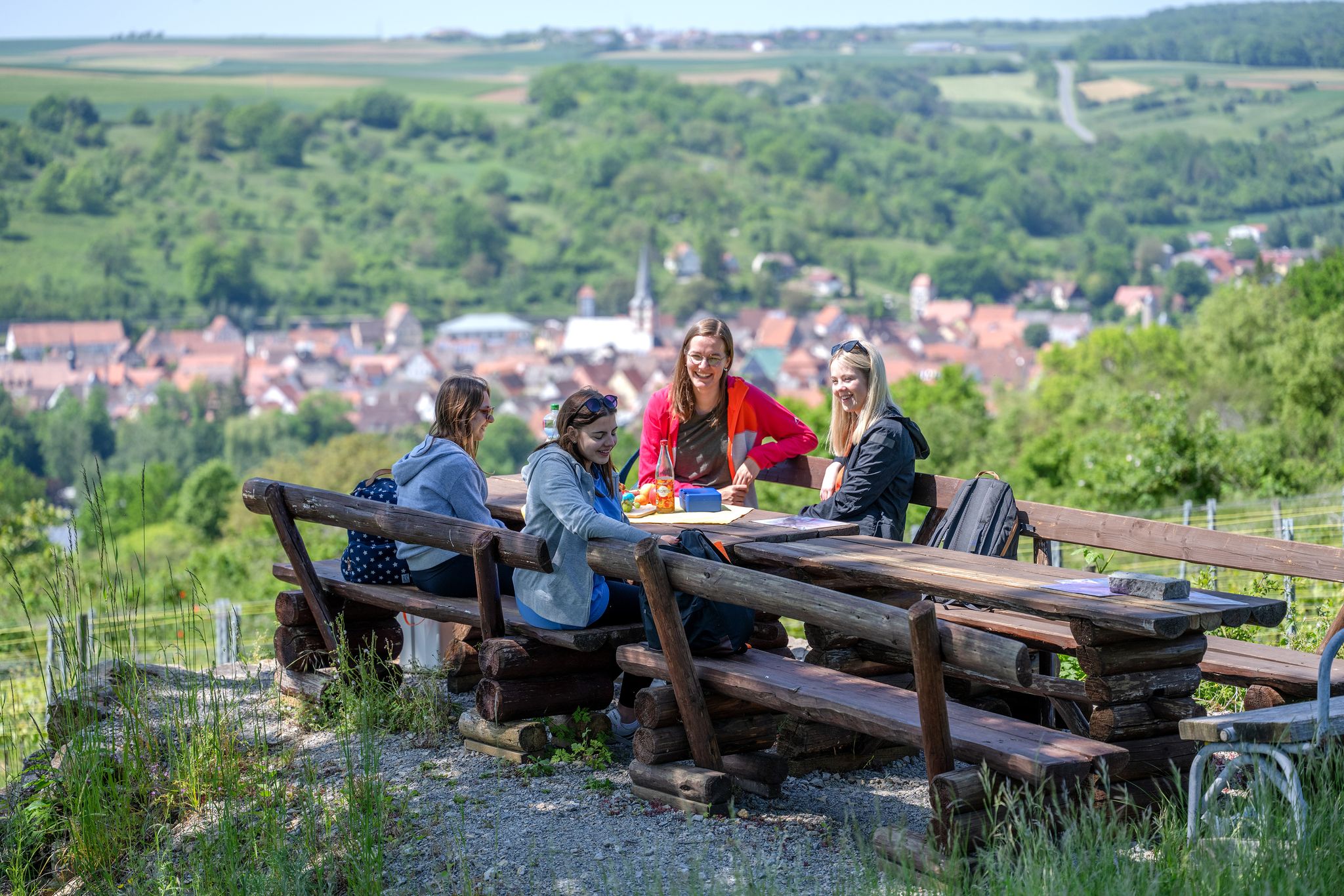
29 Rundwanderwege durch die Ferienlandschaft „Liebliches Taubertal“
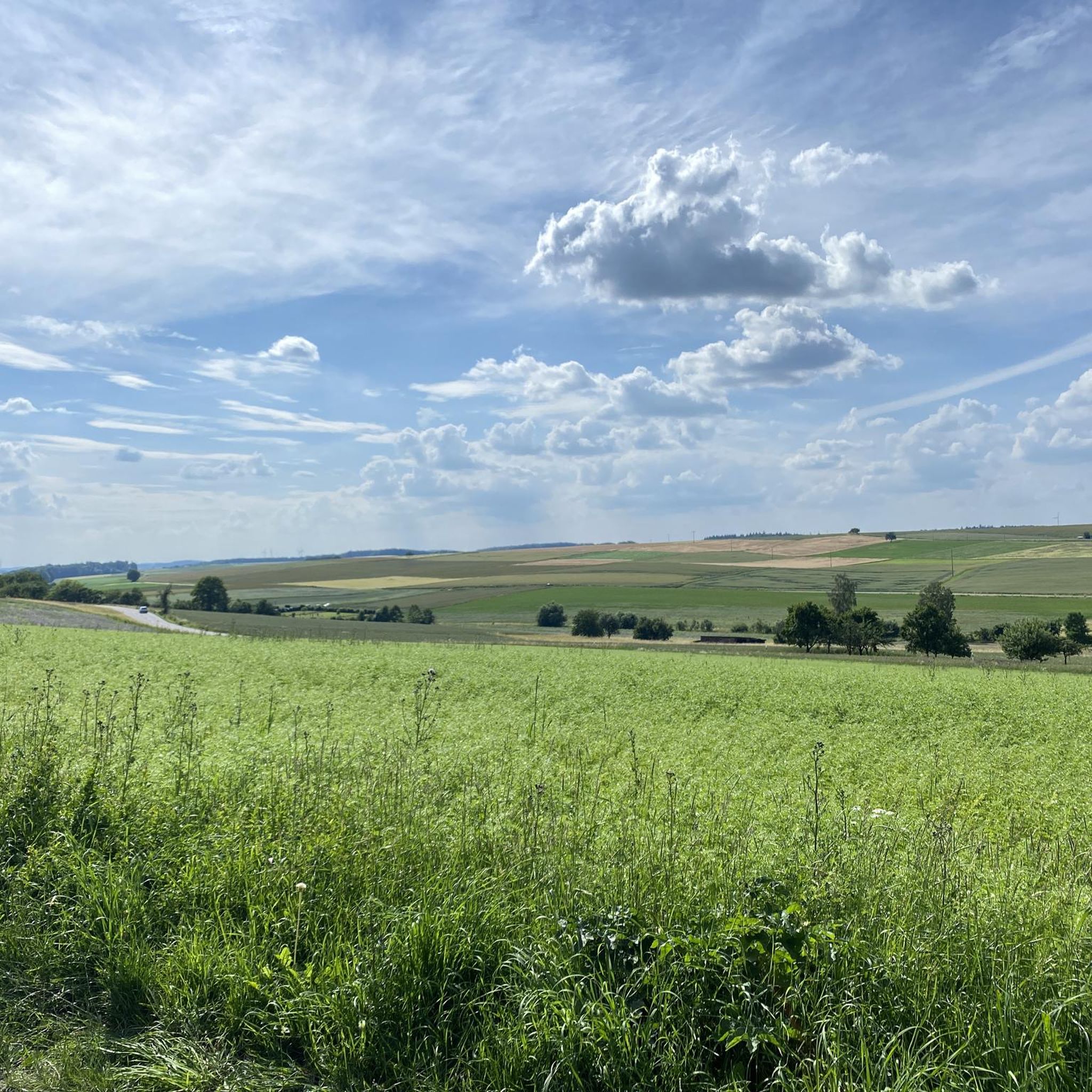
Hiking around Assamstadt
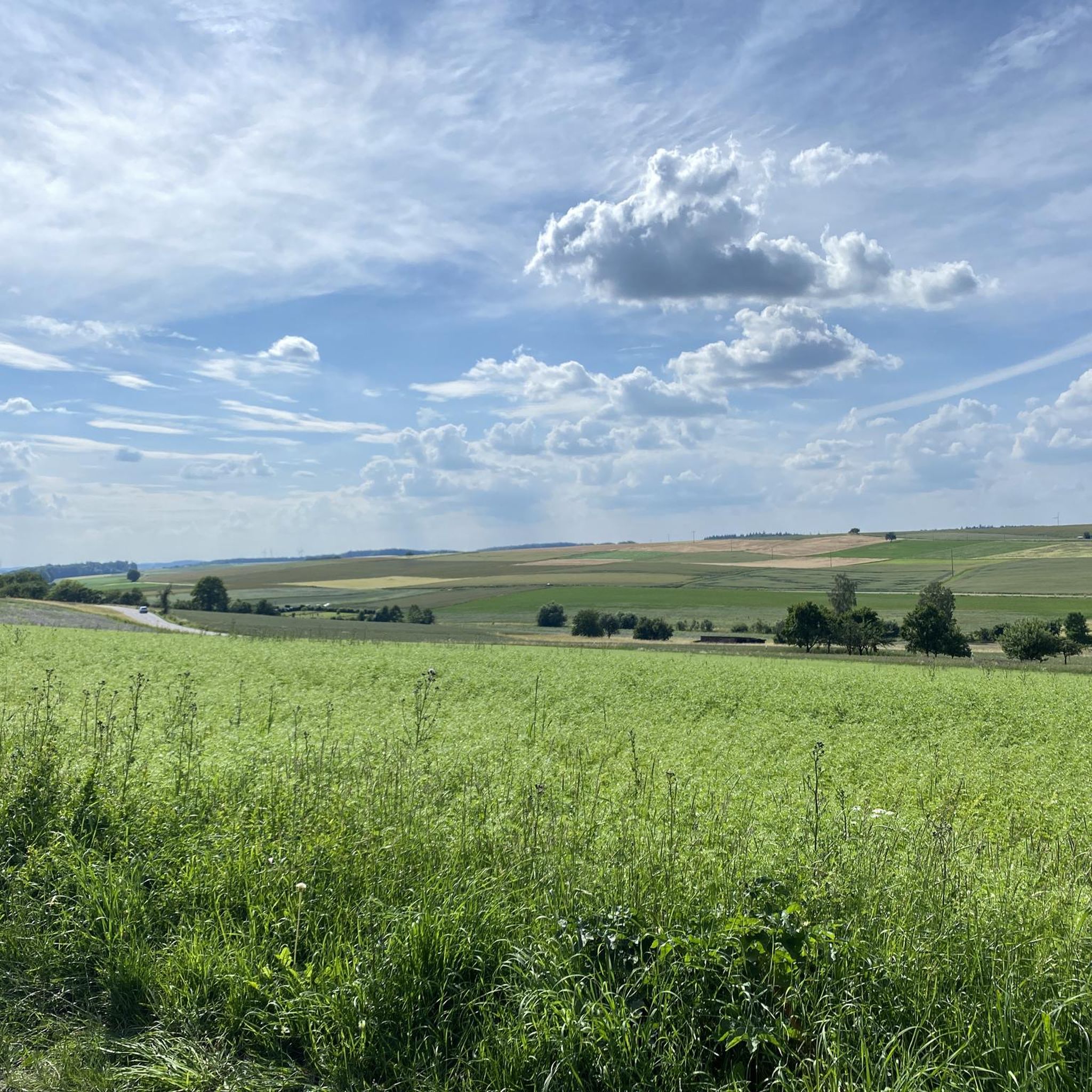
Road Cycling Routes around Assamstadt
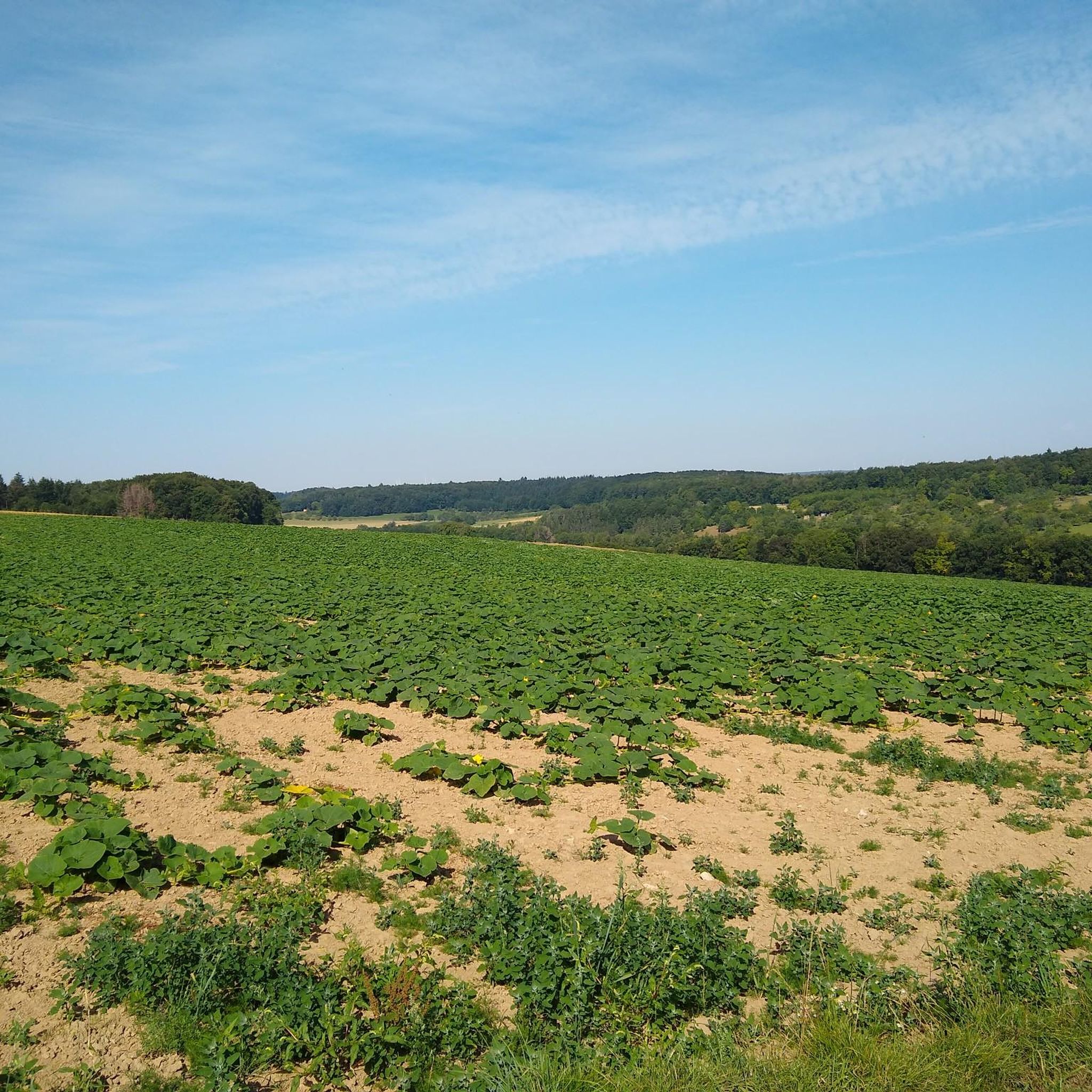
Cycling around Assamstadt
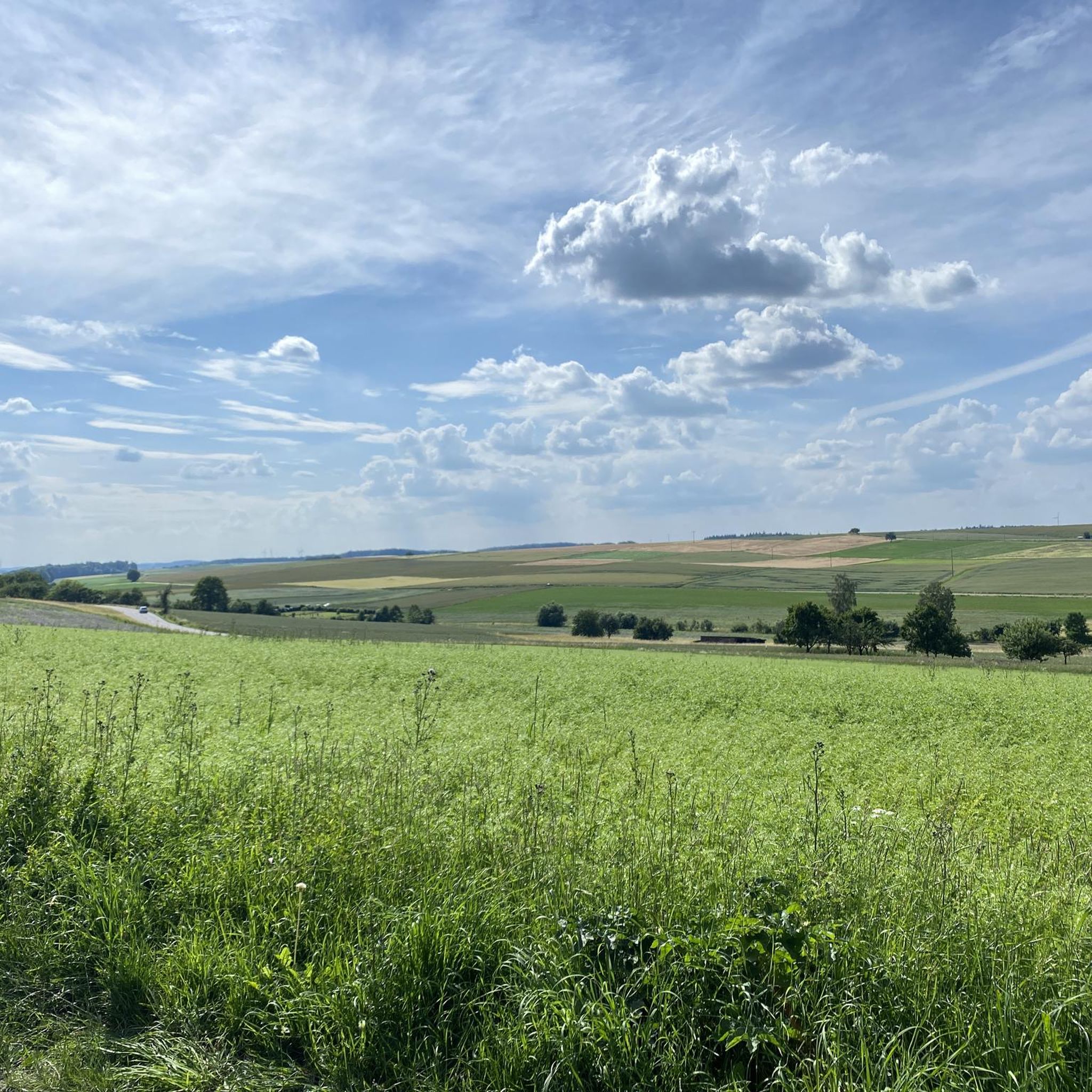
MTB Trails around Assamstadt
Running Trails around Assamstadt

Gravel biking around Assamstadt
Other adventures around Assamstadt


Tips from the Community

The hollow oak near Eberstal, also known as the "Holy Tree," is located about 800 meters south of Eberstal and near the road to Diebach. This centuries-old pedunculate oak, with a trunk circumference of approximately 5 meters, forms a special place of worship in nature. Its hollow trunk is partially open, and inside stands a lovingly decorated Madonna figure, surrounded by flowers, candles, a prayer bowl, and a donation box. Several benches in front of the oak invite visitors to linger.
4
0
The hollow oak near Eberstal, also known as the "Holy Tree," is located about 800 meters south of Eberstal and near the road to Diebach. This centuries-old pedunculate oak, with a trunk circumference of approximately 5 meters, forms a special place of worship in nature. Its hollow trunk is partially open, and inside stands a lovingly decorated Madonna figure, surrounded by flowers, candles, a prayer bowl, and a donation box. Several benches in front of the oak invite visitors to linger.
5
0

Spiritual places: Places of reflection and inner peace. Cultural treasures: Impressive architecture and often beautiful works of art.
0
0
Different landscapes offer new impressions, colors and shapes that stimulate our creativity and imagination.
0
0
Different landscapes offer new impressions, colors and shapes that stimulate our creativity and imagination.
0
0

The existing bench makes it possible to take a lunch break there even on hot days.
0
0

The springs formed the basis for Bad Mergentheim as a spa town and international health resort. The decisive event was the discovery of salty water by a shepherd and his sheep in 1826.
0
0
Three of the four springs, Albertquelle, Karlsquelle and Wilhelmsquelle, are drinking springs based on their mineral composition, whereas the Paulsquelle, which is unsuitable for drinking, is a bathing spring.
0
0
Frequently Asked Questions
What are the main natural features to explore around Assamstadt?
Assamstadt is nestled within an impressive natural landscape, primarily characterized by the scenic Tauber Valley and Jagst Valley. These river valleys offer tranquil settings and extensive trail networks, making the broader natural environment the main attraction for visitors seeking outdoor recreation and natural beauty.
Are there any specific natural monuments worth visiting near Assamstadt?
Yes, several distinct natural monuments are worth exploring. These include the Hollow Oak Shrine, a centuries-old pedunculate oak with a hollow trunk housing a Madonna figure, and the Ringelstaler-Weinhalde Nature Reserve, a rich dry slope region known for its diverse flora, including 20 orchid species. Additionally, the healing springs in Bad Mergentheim, such as Karl's Spring and Wilhelmsquelle, are also recognized as natural monuments.
What kind of outdoor activities can I do near these natural monuments?
The region around Assamstadt is ideal for various outdoor activities, especially cycling and hiking. You can explore the 'Lovely Tauber Valley' via the well-developed Taubertal Cycle Path or enjoy the diverse scenery along the Jagst Valley Cycle Path. For more specific routes, consider gravel biking, mountain biking, or road cycling routes that traverse the area's beautiful landscapes.
Are there family-friendly natural sights around Assamstadt?
Absolutely. The Rose and Japanese Gardens in the Kurpark, Bad Mergentheim are freely accessible and offer a beautifully laid out, well-cared-for environment suitable for families. The healing springs like Karl's Spring and Wilhelmsquelle are also considered family-friendly, often located within pleasant park settings. The Hollow Oak Shrine provides a unique and peaceful spot that can be enjoyed by all ages.
Which natural monuments are wheelchair accessible?
The Rose and Japanese Gardens in the Kurpark, Bad Mergentheim are noted as wheelchair accessible. Additionally, the Wilhelmsquelle, one of the healing springs, is also accessible for wheelchairs, allowing more visitors to enjoy these natural and historical sites.
What is the best time of year to visit the natural areas around Assamstadt?
The Tauber and Jagst Valleys are particularly beautiful during spring and summer when the flora is in full bloom, making it ideal for cycling and hiking. The average July temperatures are 17-18°C, and apple blossoms typically appear between May 5th and 10th. Autumn also offers stunning scenery with colorful foliage. While winter can be quieter, some trails remain accessible for those seeking a serene experience.
Can I find historical sites alongside natural monuments?
Yes, the region beautifully blends natural beauty with historical significance. Karl's Spring and Wilhelmsquelle in Bad Mergentheim are not only natural healing springs but also historical sites, having been discovered in the early 19th century and forming the basis for Bad Mergentheim's spa town status. The Hollow Oak Shrine also represents a unique blend of natural monument and religious heritage.
Are there any nature reserves near Assamstadt?
Yes, the Ringelstaler-Weinhalde Nature Reserve is a significant protected area near Assamstadt. This reserve is a prime example of a rich, structured dry slope region in the Tauber Valley, home to a remarkable diversity of plant and animal species, including 20 orchid species and various endangered animals.
What do visitors enjoy most about the natural monuments and areas around Assamstadt?
Visitors frequently appreciate the serene environment and the opportunity to unwind from daily stress. The diverse landscapes, from river valleys to dry slopes, offer new impressions and stimulate creativity. The well-maintained gardens, like the Rose and Japanese Gardens, and unique spiritual spots like the Hollow Oak Shrine, are often highlighted for their beauty and peaceful atmosphere.
Are there opportunities for easy hikes or walks near the natural monuments?
Yes, the extensive network of hiking and cycling trails around Assamstadt includes many paths suitable for easy walks. The general natural landscape, particularly along the Tauber and Jagst Valleys, offers numerous opportunities for leisurely strolls. The areas around the healing springs and the Kurpark in Bad Mergentheim also provide pleasant, easy walking paths.
Where can I find cafes or accommodation near these natural monuments?
Bad Mergentheim, being a spa town and home to several natural monuments like the healing springs and Kurpark gardens, offers various cafes, restaurants, and accommodation options. Along the Taubertal Cycle Path, you'll find idyllic spots with facilities like Kneipp pools and places to relax, often with nearby villages providing refreshments.
Are dogs allowed on trails and at natural monuments around Assamstadt?
Generally, dogs are welcome on most hiking and cycling trails in the natural areas around Assamstadt, provided they are kept on a leash. Specific rules may apply to nature reserves like Ringelstaler-Weinhalde Nature Reserve, so it's always advisable to check local signage. For specific sites like the Rose and Japanese Gardens, it's best to confirm their pet policy beforehand.
Most popular routes around Assamstadt
Most popular attractions around Assamstadt

Get inspired with the komoot mobile app


Explore more
Extend your search for the best caves by checking out these guides of the top ones around Assamstadt:
