Top 20 Natural Monuments around Forchtenberg
Best natural monuments around Forchtenberg are located in the Hohenlohe district of Baden-Württemberg, a region recognized for its natural heritage. The area features eleven officially designated natural monuments, classified as "flächenhafte Naturdenkmale." These protected sites, typically under 5 hectares, safeguard valuable biotopes, unique flora and fauna, and significant geological formations. Their designation ensures the preservation of diverse landscapes and habitats within the region.
Best natural monuments around Forchtenberg
- The most popular natural monuments is Neusaß Pilgrimage Church and the Heiligenbrünnle…
Last updated: May 11, 2026
Kocher–Jagst Cycle Path
Highlight • Cycleway
Translated by Google •
Tip by

Neusaß Pilgrimage Church and the Heiligenbrünnle (Holy Spring)
Highlight • Religious Site
Translated by Google •
Tip by

Sign up now to discover places like this
Get recommendations on the best single tracks, peaks, & plenty of other exciting outdoor places.
Sign up for free
Kochertal Cycle Path: Sindringen to Ohrnberg
Highlight (Segment) • Cycleway
Translated by Google •
Tip by

Helenenquelle
Highlight • Natural Monument
Translated by Google •
Tip by

Balkon Hohenlohe Viewpoint
Highlight • Viewpoint
Translated by Google •
Tip by

Sign up for free to discover even more natural monuments around Forchtenberg.
Sign up for free
Already have an account?
Start today with a free account
Your next adventure awaits.
Login or Signup
Popular around Forchtenberg
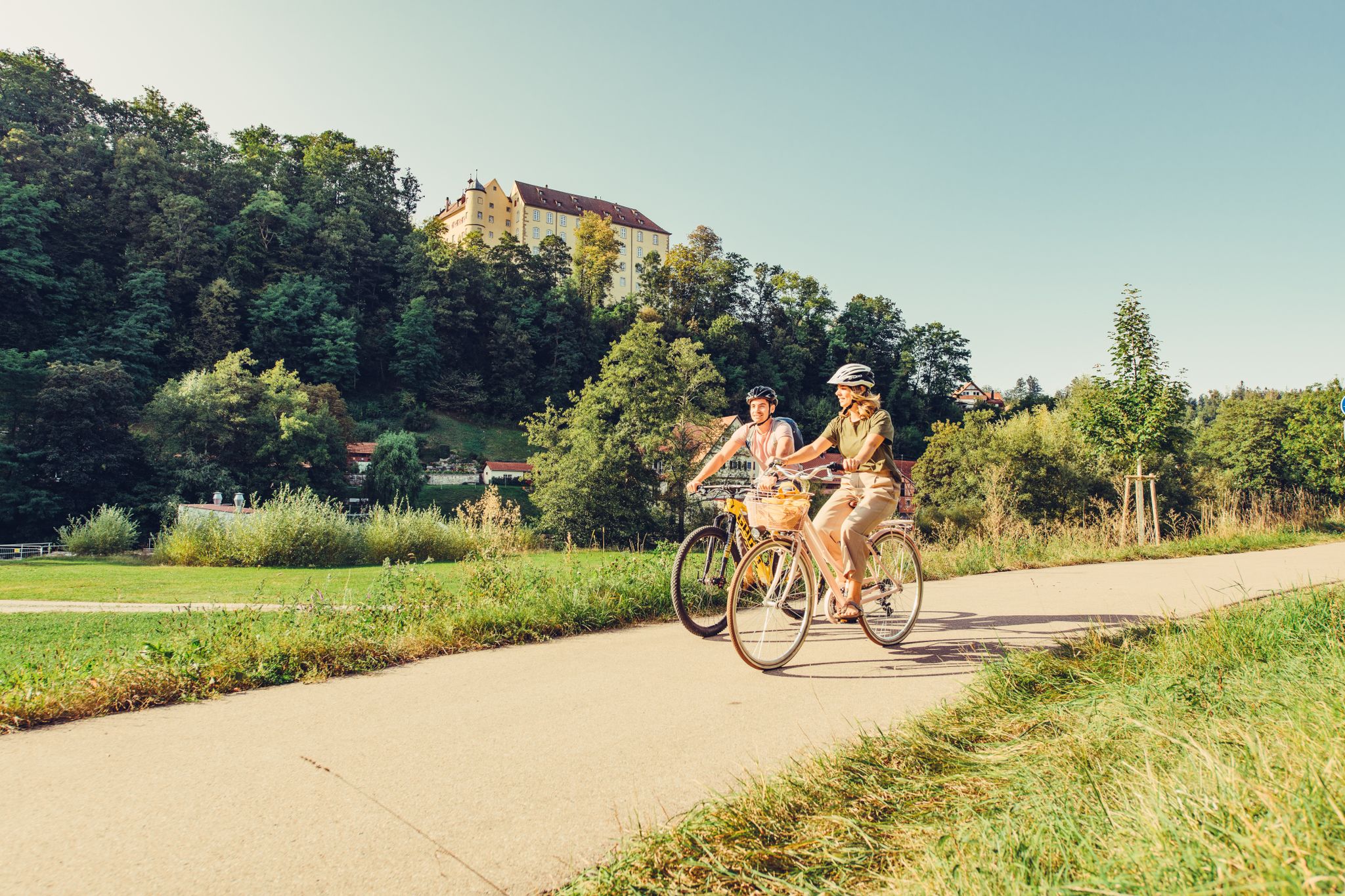
6 stages on the Kocher-Jagst cycle path through southern Germany
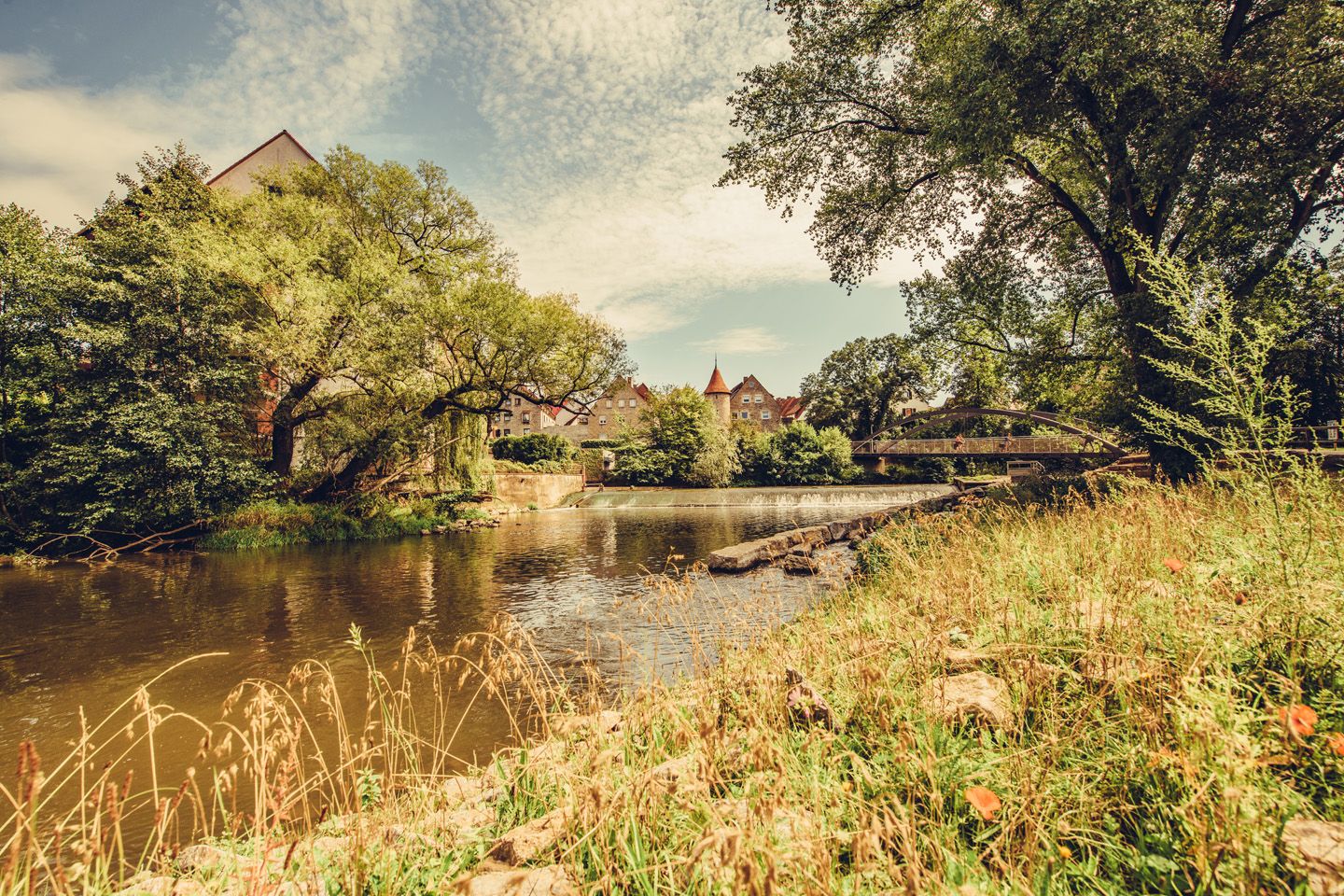
Relaxed river riding in Germany – Kocher-Jagst Cycle Path
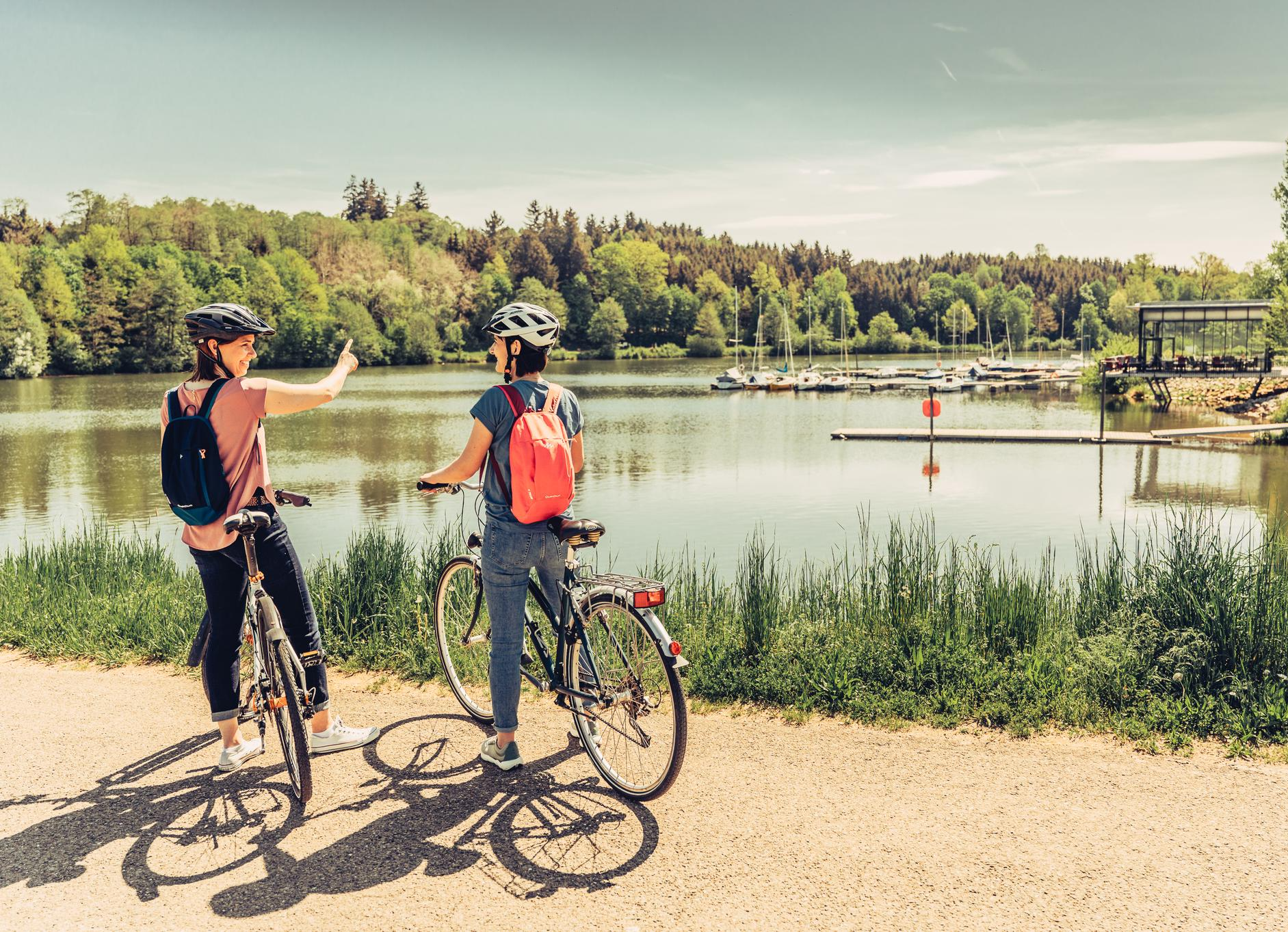
Zwei Flüsse, viele Geschichten – Unterwegs auf dem Kocher-Jagst-Radweg
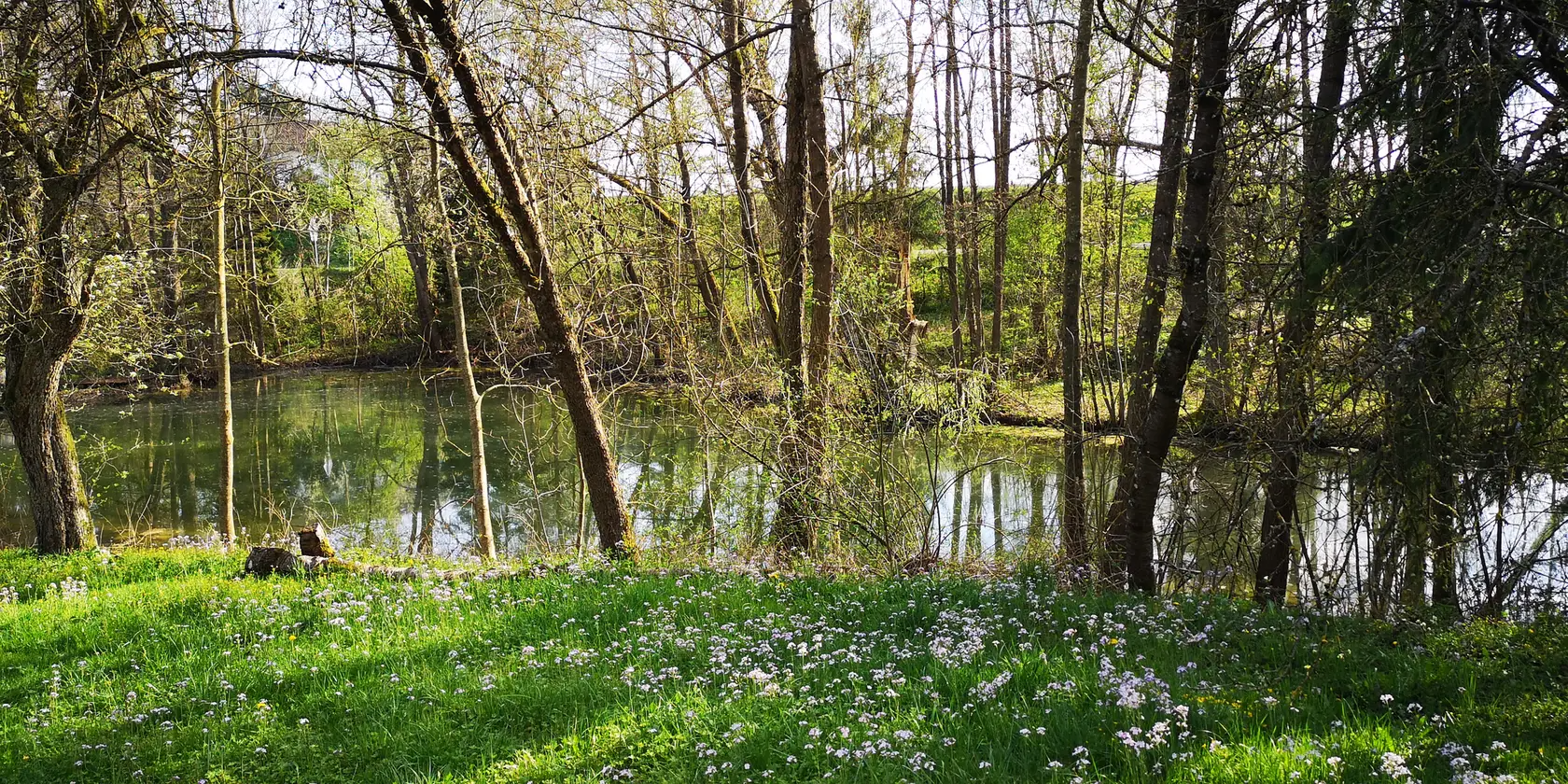
Aktiv in die längeren Tage – Frühlingsradeln im Norden Baden-Württembergs
Cycling around Forchtenberg
Hiking around Forchtenberg
Running Trails around Forchtenberg
MTB Trails around Forchtenberg
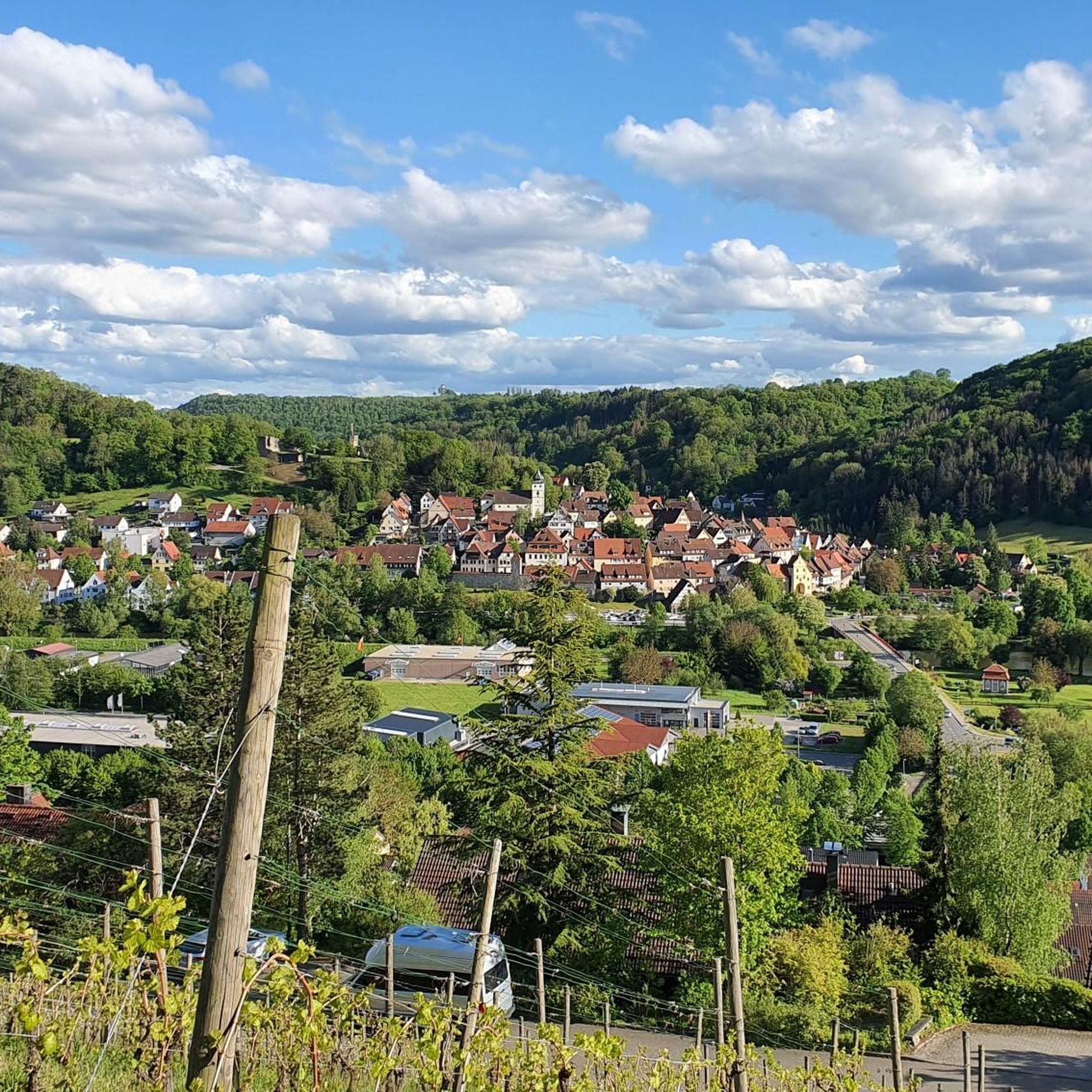
Road Cycling Routes around Forchtenberg
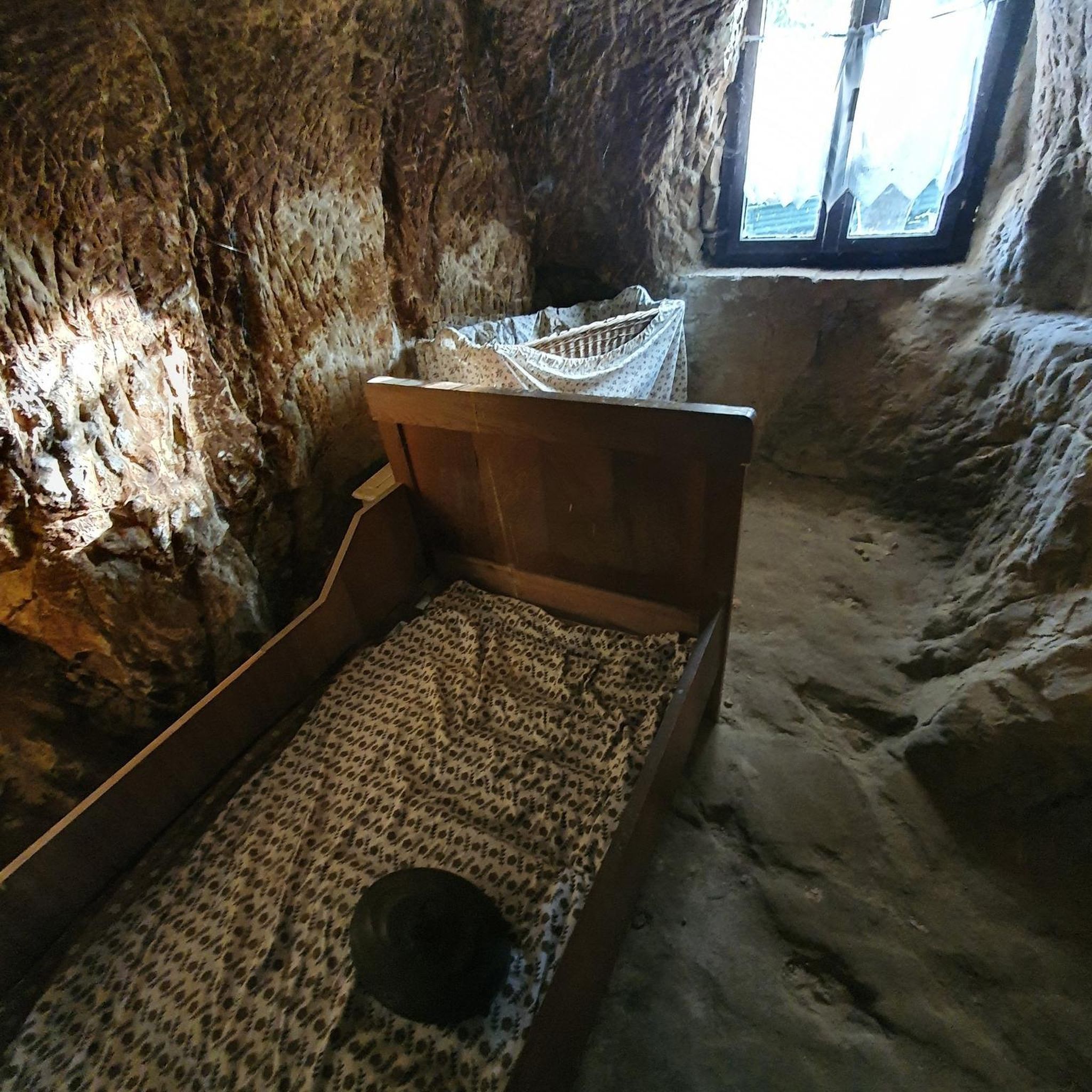
Gravel biking around Forchtenberg
Other adventures around Forchtenberg


Tips from the Community


A linden tree, a forester's lodge, and a chapel form Neusaß above Schöntal Monastery. Historical speculations, stories, and tales give the place its very own significance. It cannot be precisely determined when a chapel has existed in Neusaß. As stated in a booklet on the history of the place, the first reference to a pilgrimage dates back to the year 1395. The chapel itself shows late Gothic features. The pilgrimage tradition has endured to this day.
3
0

This viewpoint truly lives up to its name: like looking out from a balcony, you can see far across the Hohenlohe Plain with its fields, forests, and rolling hills. It's the perfect spot for a short break, a photo, and a moment to catch your breath before continuing your hike.
6
0
The "Vogelhalde Sindringen-Ohrnberg" nature reserve in the lower Kocher valley has been home to one of the largest grey heron colonies in the Stuttgart administrative district for decades. At 216 hectares, the area is unique, being the largest of the 21 nature reserves in the Hohenlohe district.
5
0
Originally built in the 15th century, it was later remodeled in the Baroque style. The church is a destination for numerous pilgrims, especially on the Feast of the Nativity of Mary. Its simple interior exudes tranquility, with a miraculous image of the Virgin Mary as its centerpiece.
10
0

A cycle path to enjoy. Mainly on asphalt with almost no car traffic
1
0

If you want to take a short break to fill up your water bottle and take a bar or gel, this is the place for you. There is also a bench and table at the Helenen spring, but they are often already occupied.
1
0

Frequently Asked Questions
What are some of the most popular natural monuments to visit around Forchtenberg?
Among the natural monuments around Forchtenberg, visitors particularly enjoy the Neusaß Pilgrimage Church and the Heiligenbrünnle (Holy Spring), which combines a historical religious site with a natural spring. Another favorite is the Kupfer Stream, known for its natural Mäandertal valley, and Hofgarten Öhringen, a beautifully landscaped park with old trees and various relaxation areas.
What unique natural features can I expect to see among Forchtenberg's natural monuments?
Forchtenberg's natural monuments are primarily designated as "flächenhafte Naturdenkmale," protecting valuable biotopes and geological formations. You can discover unique features such as the geological formation of the Doline „Galgenloch“ (a sinkhole), various wetlands like the Feuchtgebiet „Schwarzes Seele“, and specific plant habitats such as the Pflanzenstandort „Flatterberg“ or the Pulsatilla-Standort, which protects rare plant species.
Are there family-friendly natural monuments around Forchtenberg?
Yes, several natural monuments are suitable for families. The Neusaß Pilgrimage Church and the Heiligenbrünnle (Holy Spring) offers a peaceful setting. Hofgarten Öhringen is particularly family-friendly, featuring playgrounds, ponds with ducks, and plenty of space to run around. The Helenenquelle also provides a nice resting spot with benches.
What kind of natural monuments are most common in the Forchtenberg region?
The Forchtenberg region is characterized by "flächenhafte Naturdenkmale," which are smaller, protected areas. These commonly include wetlands, such as the Feuchtgebiet „Schwarzes Seele“ and Sulzschlagweiher, specific plant habitats like the Pulsatilla-Standort, and geological formations like the Doline „Galgenloch“. There are also tree rows and small gorges recognized for their ecological or scenic value.
Are there any historical or cultural sites combined with natural monuments in Forchtenberg?
Absolutely. The Neusaß Pilgrimage Church and the Heiligenbrünnle (Holy Spring) is a prime example, featuring a 15th-century church and a Marian grotto alongside a natural spring. Additionally, Hofgarten Öhringen, while a park, has a rich history dating back 300 years and was redesigned with historical preservation in mind.
What outdoor activities can I do near Forchtenberg's natural monuments?
The area around Forchtenberg offers diverse outdoor activities. You can explore numerous hiking trails, such as those found in the Easy hikes around Forchtenberg guide. For cyclists, there are scenic routes like the Kochertal Cycle Path, and you can find more options in the Road Cycling Routes around Forchtenberg guide. Running enthusiasts can also find suitable trails in the Running Trails around Forchtenberg guide.
Are there specific plant habitats designated as natural monuments in Forchtenberg?
Yes, Forchtenberg is home to several designated plant habitats. Notable examples include the Pflanzenstandort „Flatterberg“ and, specifically, the Pulsatilla-Standort, which is protected for its population of *Pulsatilla* (pasqueflower), a potentially rare or protected species. These areas are crucial for biodiversity conservation.
Can I find any water-related natural monuments in the Forchtenberg area?
The region features several water-related natural monuments. These include multiple designated wetlands, such as the Feuchtgebiet „Schwarzes Seele“, and the Sulzschlagweiher (Sulzschlag Pond). The Kupfer Stream is also a significant natural monument, flowing through a protected landscape area.
What do visitors particularly enjoy about the natural monuments in Forchtenberg?
Visitors appreciate the tranquility and natural beauty of the area. Many enjoy the peaceful atmosphere of sites like the Neusaß Pilgrimage Church and the Heiligenbrünnle. The Hofgarten Öhringen is praised for its beautiful landscaping, old trees, and opportunities for relaxation. The Kochertal Cycle Path is noted for being quiet, easy to ride, and offering many interesting spots along the Kocher river.
Are there any natural monuments that offer viewpoints in the Forchtenberg region?
While many natural monuments in Forchtenberg are focused on ecological preservation, some offer scenic spots. The Helenenquelle is a natural monument that also serves as a nice resting place with a view. The Kupfer Stream, flowing through its deep valley, also provides picturesque views of the surrounding forest and landscape.
What is the best time to visit the natural monuments around Forchtenberg?
The natural monuments around Forchtenberg can be enjoyed throughout the year, but spring and autumn are particularly beautiful. In spring, you can witness the blooming of specific plant habitats like the Pulsatilla-Standort, and the wetlands are vibrant with new life. Autumn offers stunning foliage colors, especially along tree-lined paths and gorges. Summer is ideal for longer hikes and cycling, while winter can provide a serene, quiet experience, though some paths might be less accessible.
Most popular routes around Forchtenberg
Most popular attractions around Forchtenberg

Get inspired with the komoot mobile app


Explore more
Extend your search for the best caves by checking out these guides of the top ones around Forchtenberg:
