Top 20 Natural Monuments around Gutenstetten
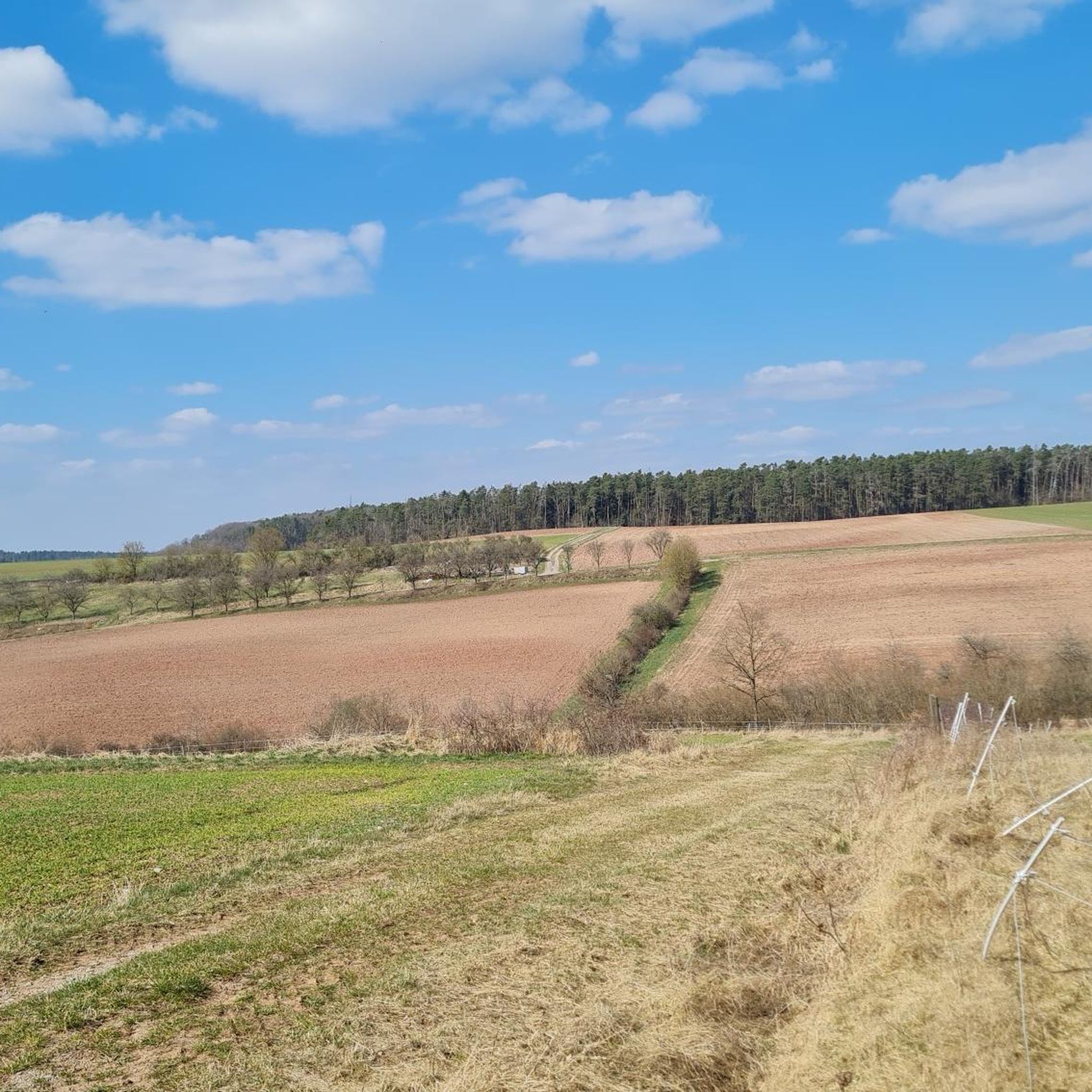
Best natural monuments around Gutenstetten are situated within the broader landscapes of the Steigerwald Nature Park and Frankenhöhe Nature Park. This region features diverse ecosystems, including ancient beech forests, varied woodlands, and river valleys. The area is characterized by its natural beauty, offering a range of geological features and protected natural sites. These natural monuments provide opportunities to experience the local environment.
Best natural monuments around Gutenstetten
- The most popular natural monuments is Pfalzbach Gorge, a gorge that features…
Last updated: May 11, 2026
Pfalzbach Gorge
Highlight (Segment) • Gorge
The Pfalzbach Gorge is located just outside Neustadt an der Aisch. A 7.5 kilometer circular route (marking N3) leads from the fairground over the …
Translated by Google •
Tip by

Wolf's Spring
Highlight • Natural Monument
Translated by Google •
Tip by

Sign up now to discover places like this
Get recommendations on the best single tracks, peaks, & plenty of other exciting outdoor places.
Sign up for free
Stork Nests in Uehlfeld
Highlight • Natural Monument
Translated by Google •
Tip by

Bleaching Pond
Highlight • Lake
Translated by Google •
Tip by

Information board Celtic tree circle
Highlight • Monument
Translated by Google •
Tip by

Sign up for free to discover even more natural monuments around Gutenstetten.
Sign up for free
Already have an account?
Start today with a free account
Your next adventure awaits.
Login or Signup
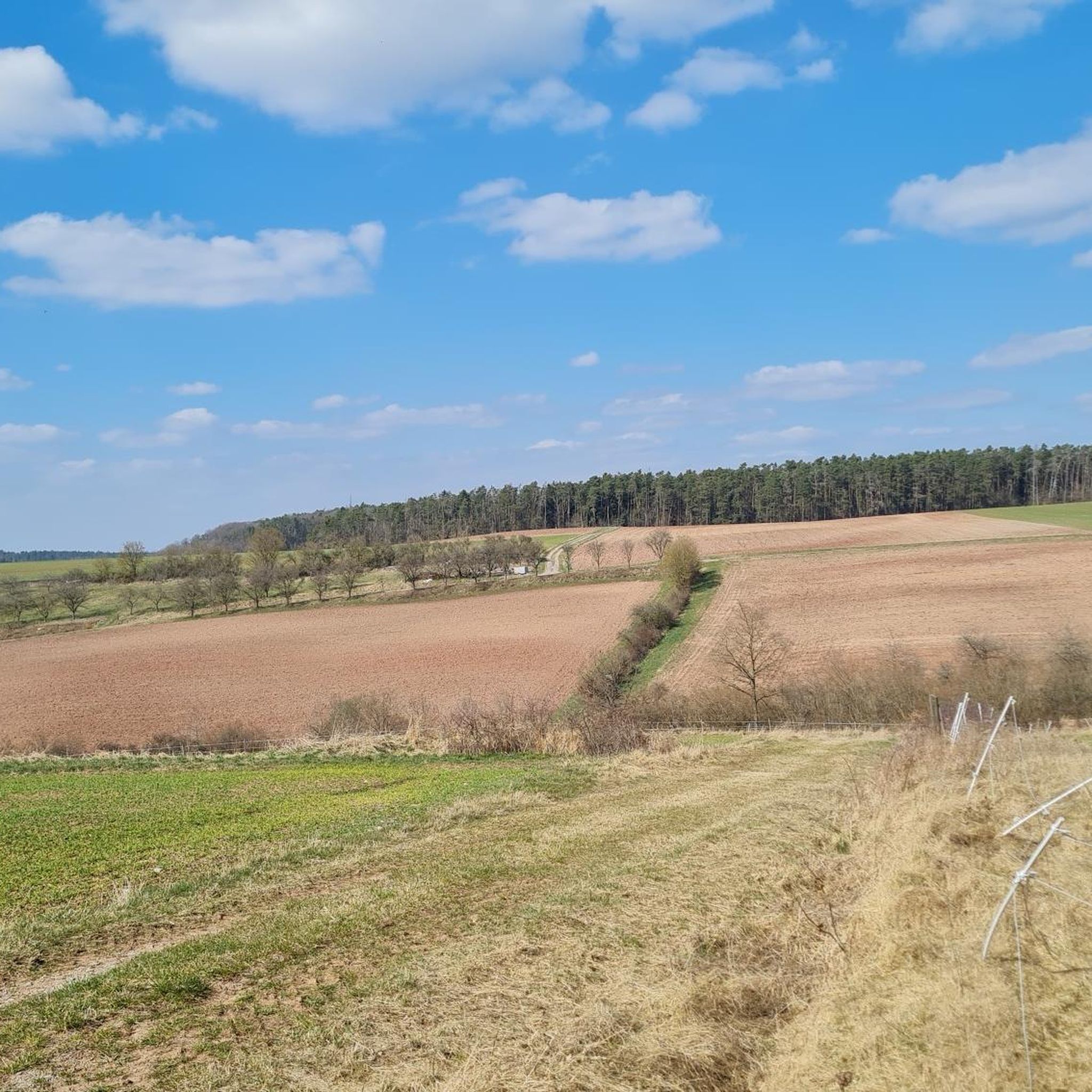
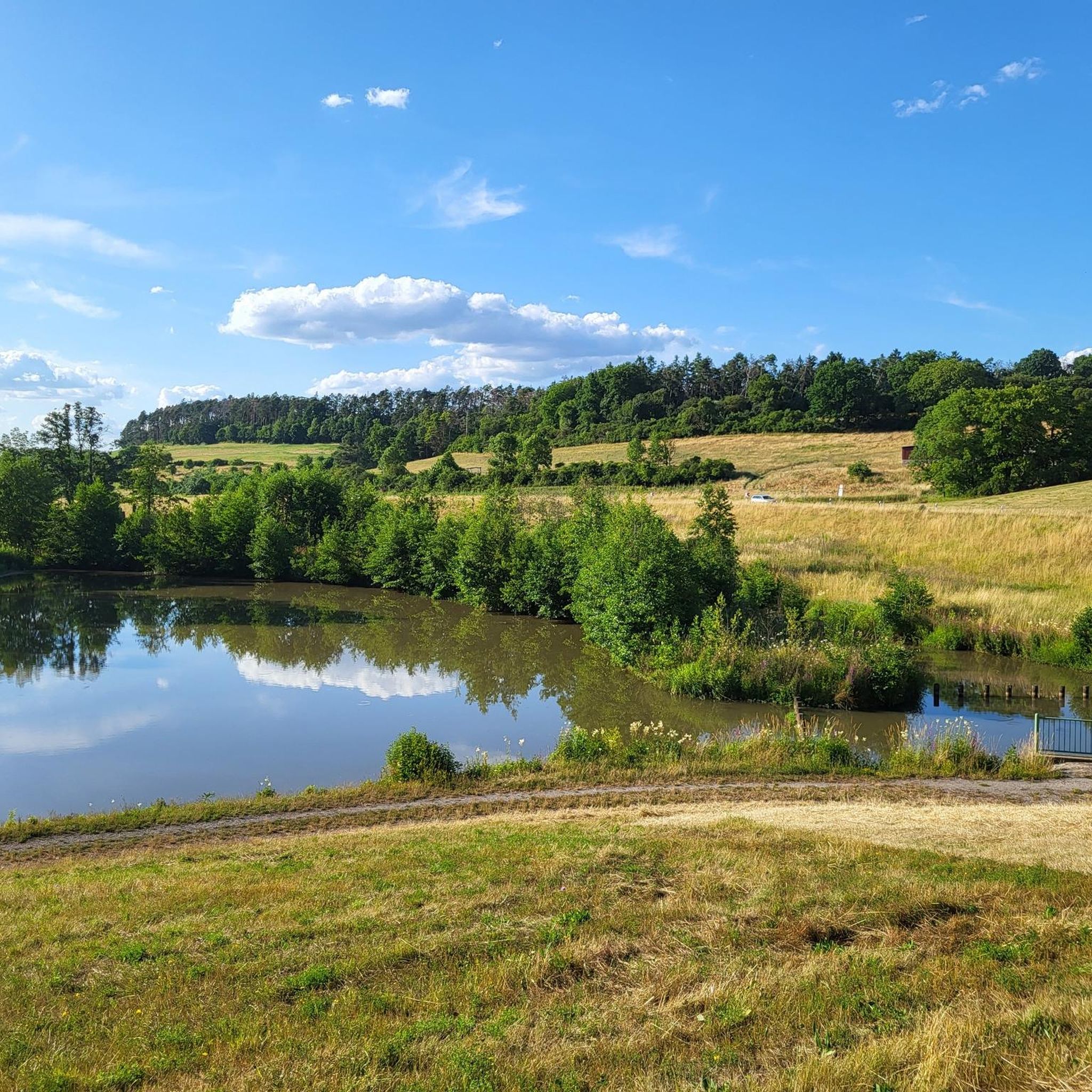
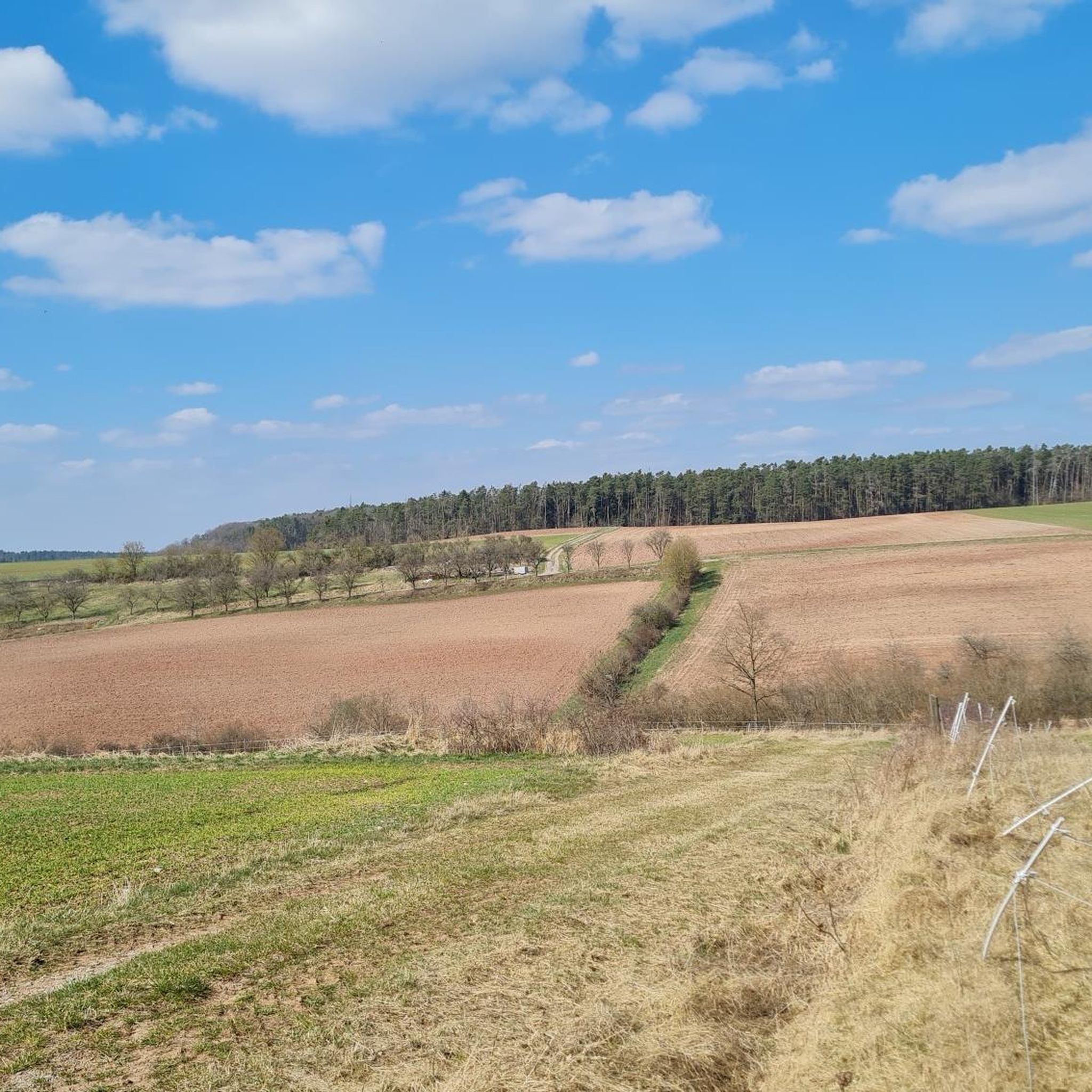
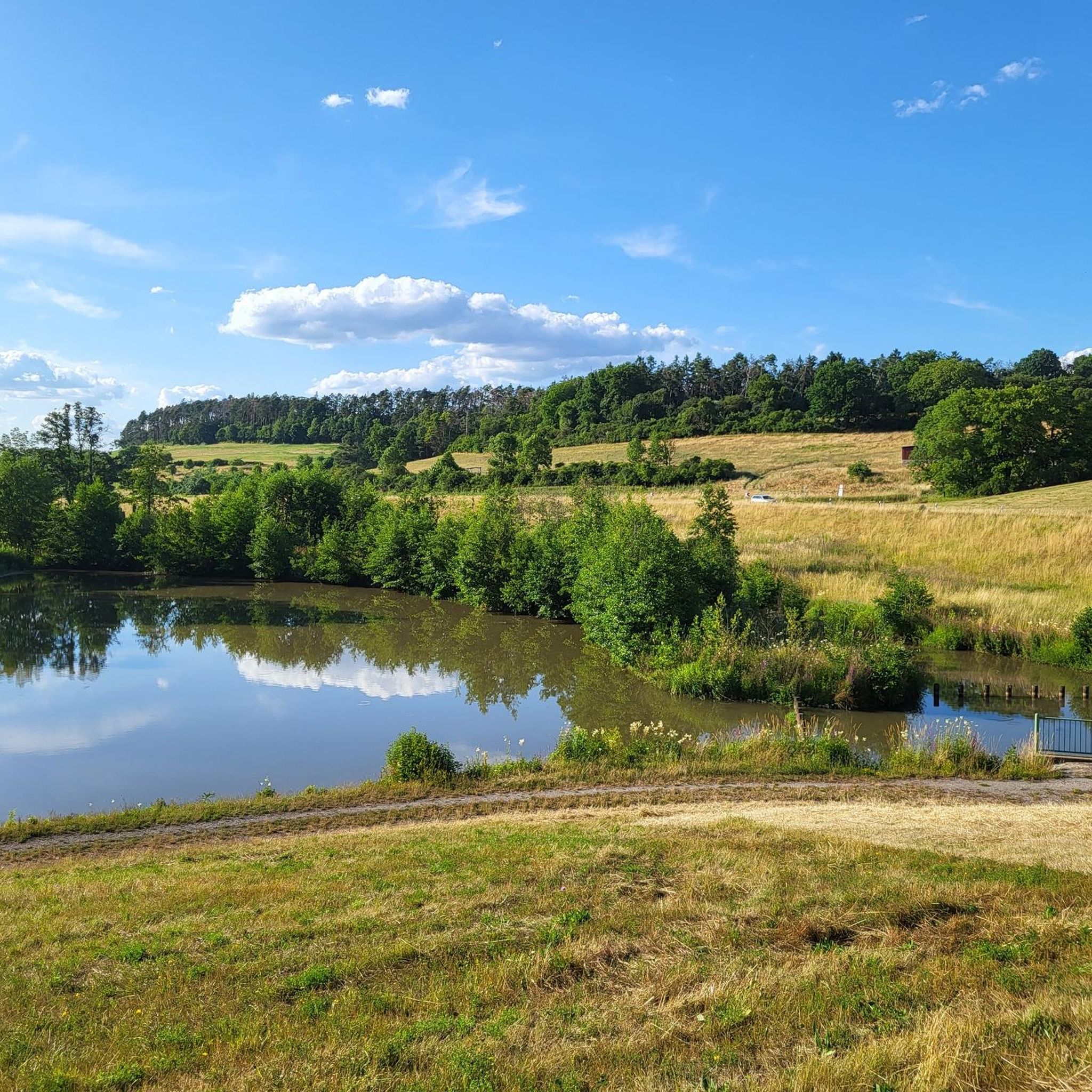

Tips from the Community

In the main town of Uehlfeld alone, there are said to be about 49 nests on the roofs, sensational.
0
0

I think small but beautiful describes it best. It's disappointing at first, but the further you go into the "gorge", the more beautiful it becomes.
2
0
Part of the Münchsteinach nature trail. Great for a little break. Unfortunately, the weather was wet. The mosquitoes 🦟 wanted our blood 😖
2
0

The storks can be observed here for months, from breeding to the first flight of the young storks!
0
0

A very beautiful gorge, natural and beautiful. The mosquitoes loved to eat me though. The stones that were specially placed there in the muddy areas are great and useful. You should definitely walk through it, it's worth it!
2
0

So many occupied nests with young birds
1
0

It was a great experience to see so many storks on the roofs of Ühlfeld, flying fearlessly through the streets, often just above people's heads.
1
0

The Celts had a completely different understanding of their environment than we humans do today. The tree, which had a sacred meaning, was a primal symbol of the immortality of nature. They had also acquired a great deal of knowledge about nature and the environment and lived in harmony with them. The ancient people believed that man had his origins in trees and that man came to life from a tree through divine power. On the one hand, the traditional tree circle represents the gateway to universal Celtic knowledge, and on the other hand, it serves as access to the world of trees and their extraordinary powers and abilities. When it came to trees and plants, the Celts mainly spoke of healing and health-promoting properties. The Celtic tree circle, also known as the tree of life circle, plays an important role in Celtic mythology. The circle was developed 2,000 years ago by Celtic Druids who studied the energetic properties of trees. From their findings, they created a tree calendar in which, according to today's time, each month had around 28 days. In keeping with the seasons, the Celts divided the year into two half-years. The light season was initiated by the oak tree (March 21st) and the dark season by the olive tree (September 23rd). The Celtic tree calendar assigned 18 trees to the different phases of the year, which when combined formed a tree horoscope. The seasonal trees only appear once on a specific date in the Celtic tree circle, while the remaining trees appear twice in the Celtic calendar. For the Celts, each individual tree had a unique meaning and a handful of special properties. These characteristics are transferable to people who were born in the time interval of a particular tree. This goes back to the Celtic belief that humans have their origins in trees. The Celts believed that man came to life from a tree. Therefore, every person has a so-called “birth tree” that reflects their own characteristics and character traits. We are now offering every birth tree in miniature to take with you. Whether as a gift or simply for your own garden, each tree shines with its own uniqueness.
1
0
Frequently Asked Questions
What are some of the most popular natural monuments to visit around Gutenstetten?
Visitors frequently enjoy the Pfalzbach Gorge, known for its 7.5-kilometer circular route through untouched nature and wide views over the Aish valley. Another beloved spot is Wolf's Spring, a tranquil spring in a shady forest valley with benches for resting. The Bleaching Pond, located within a city park, also offers a relaxing spot with views of the Pulverturm and is home to ducks.
Are there family-friendly natural monuments in the Gutenstetten area?
Yes, several natural monuments are suitable for families. Wolf's Spring is particularly noted as family-friendly, offering a beautiful brook where children can build dams. The Bleaching Pond in the city park is also a pleasant spot for families, with seating and a nearby playground. The Old Oak Natural Monument (Fetzelhofen), though now a stump, is secured and serves as a biotope tree, which can be an interesting educational stop.
What kind of natural features can I expect to see around Gutenstetten?
The region around Gutenstetten, nestled within the Steigerwald and Frankenhöhe Nature Parks, offers a diverse range of natural features. You can explore gorges like the Pfalzbach Gorge, tranquil springs such as Wolf's Spring, and serene ponds like the Bleaching Pond. The broader nature parks feature ancient beech forests, mixed woodlands, river valleys, and even dry biotopes, providing varied landscapes and rich biodiversity.
What outdoor activities can I do near these natural monuments?
The area around Gutenstetten is excellent for various outdoor activities. You can find numerous running, mountain biking, and cycling routes. For running, explore routes like the 'Dachsbach Moated Castle – Fork of the Aisch loop' or the 'Country Inn Radlertreff loop from Gutenstetten'. Mountain bikers can enjoy trails such as the 'Herrenweiher Near Tanzenhaid – Hochstraße Singletrack loop'. Cyclists have options like the 'Brauerei Hofmann Pahres – Aisch Bridge in Neustadt loop'. You can find more details on these activities in the Running Trails around Gutenstetten, MTB Trails around Gutenstetten, and Cycling around Gutenstetten guides.
Are there hiking trails near the natural monuments in Gutenstetten?
Yes, hiking is a popular activity. The Pfalzbach Gorge offers a 7.5-kilometer circular route (marking N3) that leads through untouched nature, with sections that can be muddy, so good shoes are recommended. The broader Steigerwald Nature Park also features the 160-kilometer Steigerwald Panorama Trail, guiding hikers through diverse Franconian landscapes and scenic spots. The Frankenhöhe Nature Park includes a 100-kilometer trail along the European Watershed, offering relaxed hiking through secluded paths.
What historical or cultural sites are near the natural monuments?
While focusing on natural beauty, the region also has historical elements. The Ullstadt Sandstone Quarry is a natural monument with historical significance, representing the area's past in stone carving. The Bleaching Pond is located in a city park that was created in 1904, and you can see the Pulverturm (powder tower) and the former Warmbadeanstalt (public bathhouse) from 1909 nearby, offering a glimpse into local history.
What is the best time of year to visit the natural monuments around Gutenstetten?
The natural monuments around Gutenstetten, situated within the Steigerwald and Frankenhöhe Nature Parks, are beautiful year-round. Spring and autumn offer pleasant temperatures for hiking and cycling, with vibrant foliage or blooming flora. Summer is ideal for exploring the shady forest paths, such as those in Pfalzbach Gorge, which are noted to be refreshing on hot days. In winter, if conditions allow, the Bleaching Pond can even be used for ice skating.
Are the natural monuments around Gutenstetten dog-friendly?
Many natural areas and trails in the Steigerwald and Frankenhöhe Nature Parks are generally dog-friendly, allowing you to enjoy the outdoors with your canine companion. Specific natural monuments like Wolf's Spring, with its quiet forest setting, are suitable for walks with dogs. Always ensure dogs are kept on a leash where required and that you clean up after them to preserve the natural environment for everyone.
What do visitors enjoy most about the natural monuments in this region?
Visitors particularly appreciate the tranquility and untouched nature. The circular route through Pfalzbach Gorge is praised for its immersive experience in nature and panoramic views. Wolf's Spring is valued as a peaceful resting spot. The overall sentiment is one of enjoying the diverse ecosystems, from ancient forests to river valleys, and the opportunities for relaxation and outdoor activity away from the bustle.
Are there any unique geological features to observe in the Steigerwald Nature Park?
Yes, the Steigerwald Nature Park, which encompasses part of the Gutenstetten area, is characterized by its varied geology. The Pfalzbach Gorge, for instance, cuts through soft clay deposits, showcasing the geological layers of the Lehrberg strata. The park's landscape includes mountainous settings with numerous small ponds and areas where sandstone is prominent, as evidenced by historical sites like the Ullstadt Sandstone Quarry.
Where can I find parking when visiting natural monuments near Gutenstetten?
For the Pfalzbach Gorge, a recommended parking area is at the festival site (Festplatz) in Neustadt an der Aisch, which serves as a convenient starting point for the N3 circular route. For other natural monuments and trailheads within the broader nature parks, parking is typically available at designated trail entrances or nearby villages. It's advisable to check specific location details for the monument you plan to visit.
Is public transport available to reach natural monuments around Gutenstetten?
While Gutenstetten itself has some public transport connections, reaching specific natural monuments often requires a combination of public transport and walking or cycling. The region's nature parks are generally more accessible by car, but local bus services connect larger towns. For detailed planning, it's best to check local bus schedules to the nearest villages and then plan your route to the natural monument on foot or by bike.
Most popular routes around Gutenstetten
Most popular attractions around Gutenstetten

Get inspired with the komoot mobile app


Explore more
Extend your search for the best caves by checking out these guides of the top ones around Gutenstetten:
