Top 20 Natural Monuments around Irtenberger Wald
Best natural monuments around Irtenberger Wald are located west of Würzburg in the Maindreieck region. This area is recognized as one of Northern Bavaria's most ecologically valuable mixed deciduous forests. It is part of the European Natura 2000 protected area network, offering diverse natural landscapes. The region provides opportunities to experience rich biodiversity and undisturbed forest development.
Best natural monuments around Irtenberger Wald
- The most popular natural monuments is Anna Gorge, a gorge that is well-secured for exploration. It…
Last updated: June 24, 2026
Court Garden at the Würzburg Residence
Highlight • Natural Monument
More information: residenz-wuerzburg.de/deutsch/garten/geschichte.htm
Translated by Google •
Tip by

Veitshöchheim Palace and Rococo Garden
Highlight • Castle
Translated by Google •
Tip by

Sign up now to discover places like this
Get recommendations on the best single tracks, peaks, & plenty of other exciting outdoor places.
Sign up for free
Anna Gorge
Highlight (Segment) • Gorge
Translated by Google •
Tip by

Laichsee in the Steinbach Valley
Highlight • Lake
Translated by Google •
Tip by

Volkenberg Black Pine Forest
Highlight • Forest
Translated by Google •
Tip by

Sign up for free to discover even more natural monuments around Irtenberger Wald.
Sign up for free
Already have an account?
Start today with a free account
Your next adventure awaits.
Login or Signup
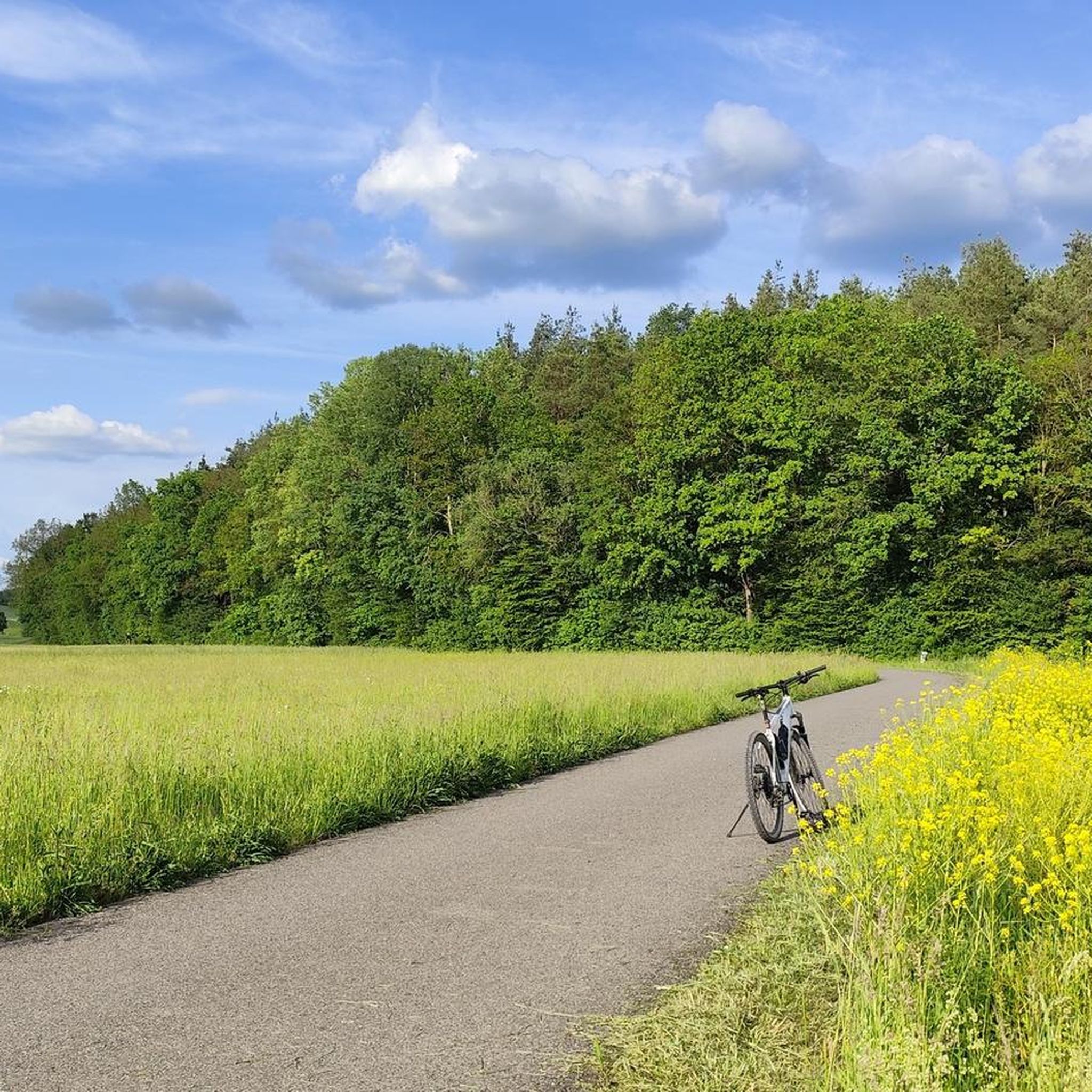
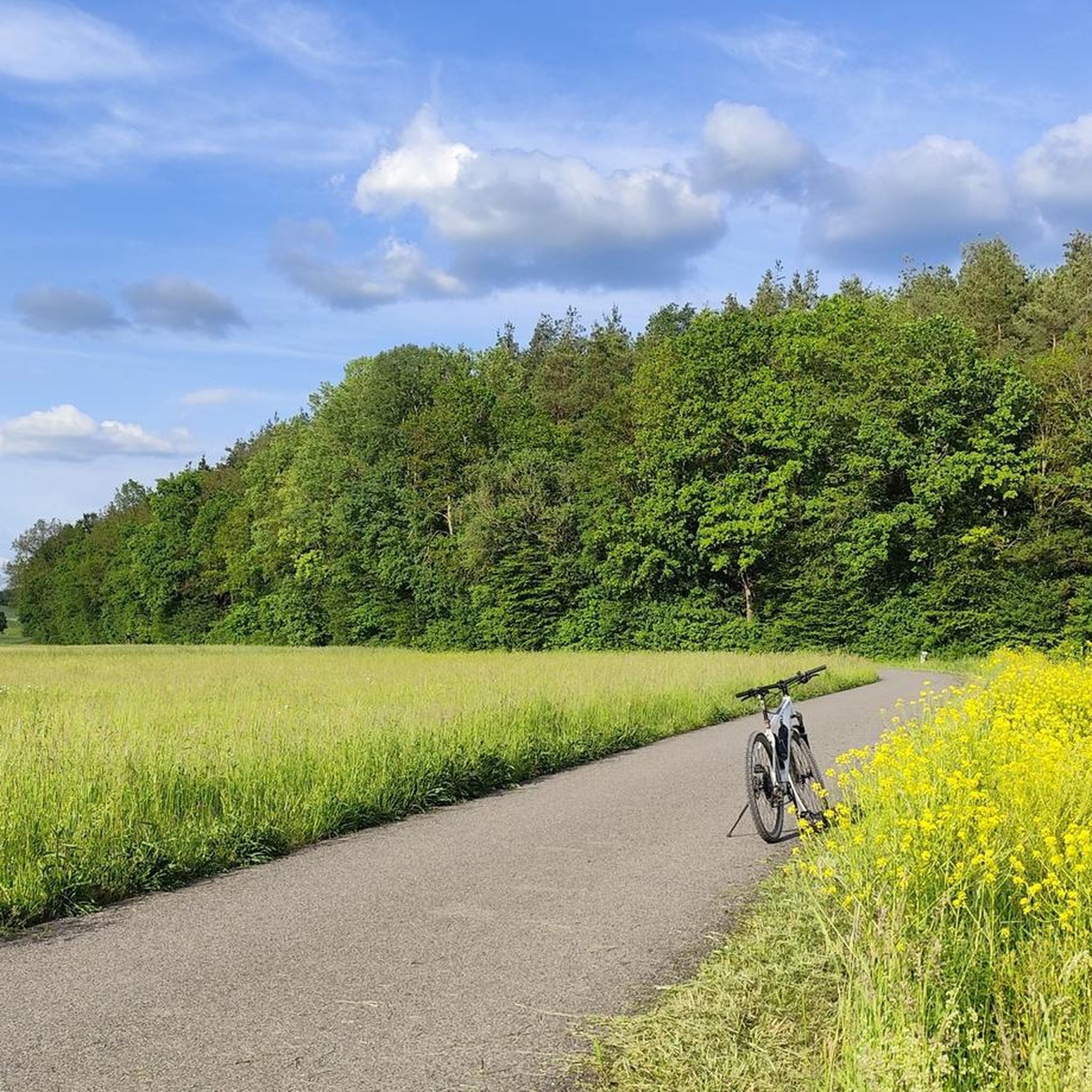
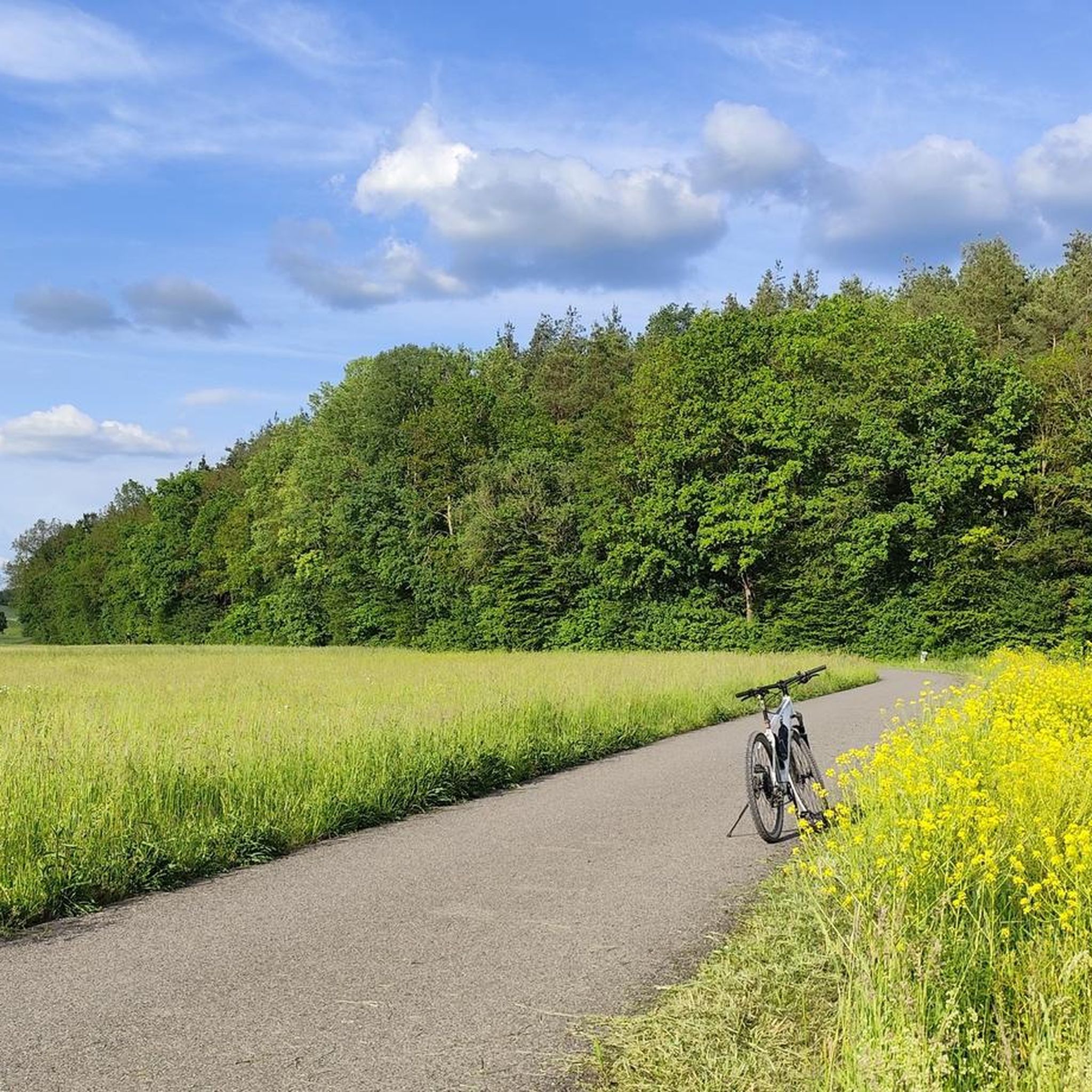
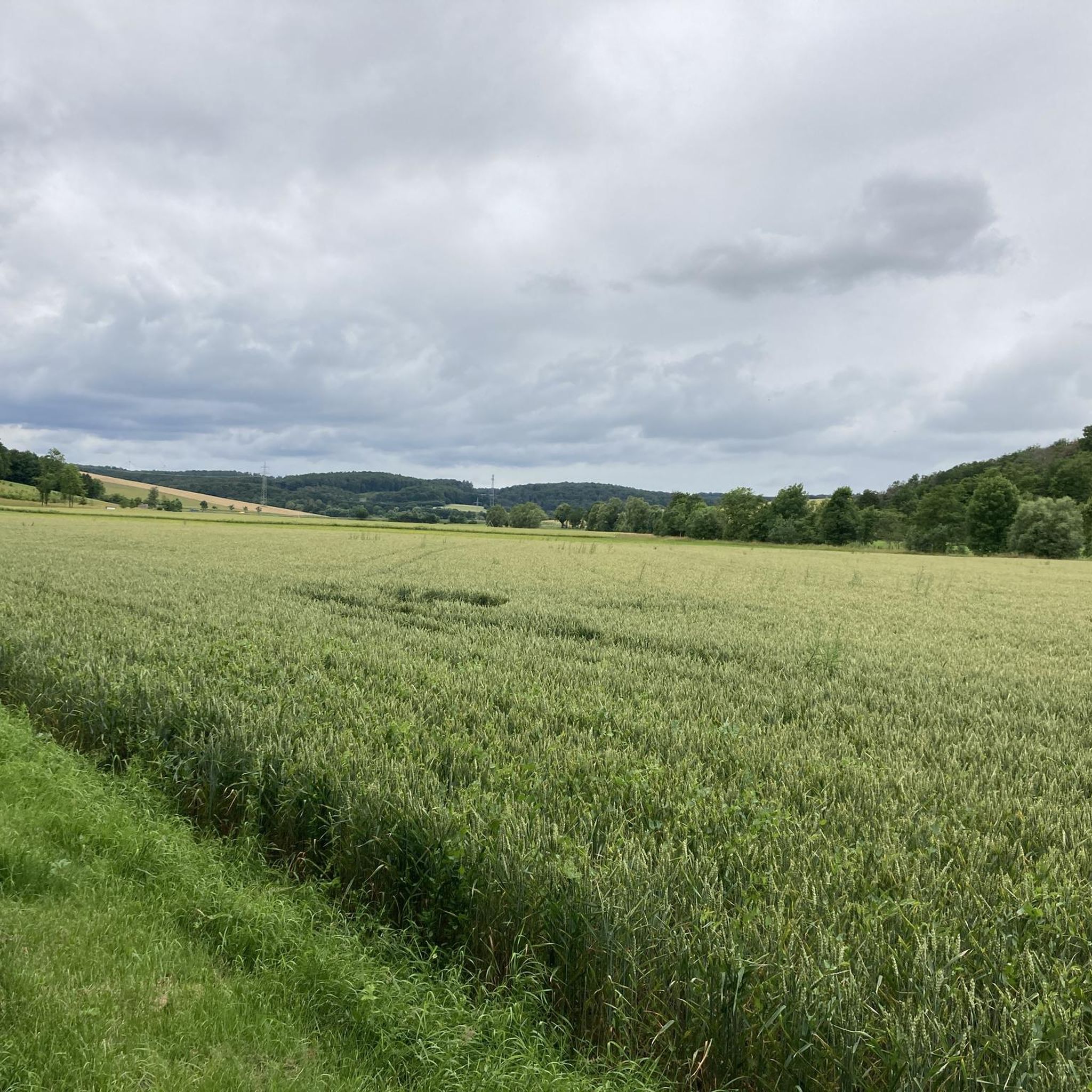
Tips from the Community


Fine gorge, well secured… However, it would be nicer left natural and without an asphalt road
12
2

Veitshöchheim is very beautiful, you have to visit it
2
0

Veitshöchheim is a municipality in the Lower Franconian district of Würzburg and is located on the Main. The town is a former summer residence of the Prince-Bishops of Würzburg, later of the Kings of Bavaria. The palace complex with its Rococo garden is well-known. Veitshöchheim was first mentioned in 779. The parish of Veitshöchheim was donated to the monastery of St. Stephan in 1097 by the Würzburg bishop Emehard. Veitshöchheim Palace was built between 1680 and 1682 under Prince-Bishop Peter Philipp von Dernbach and expanded between 1749 and 1753 by Balthasar Neumann. The construction of the court garden, which belongs to the palace, began in 1702. The parish church of St. Vitus, which still exists today, was consecrated in 1691, and the Veitshöchheim synagogue was built between 1727 and 1730. In 1814, the town finally fell to the state of Bavaria, after only nine years earlier it had become part of the Grand Duchy of Würzburg. The municipality was formed in its current form in the course of the Bavarian administrative reforms in 1818. Veitshöchheim train station with the royal pavilion was built in 1853 and 1854 under Maximilian II of Bavaria. Source: Wikipedia
4
0


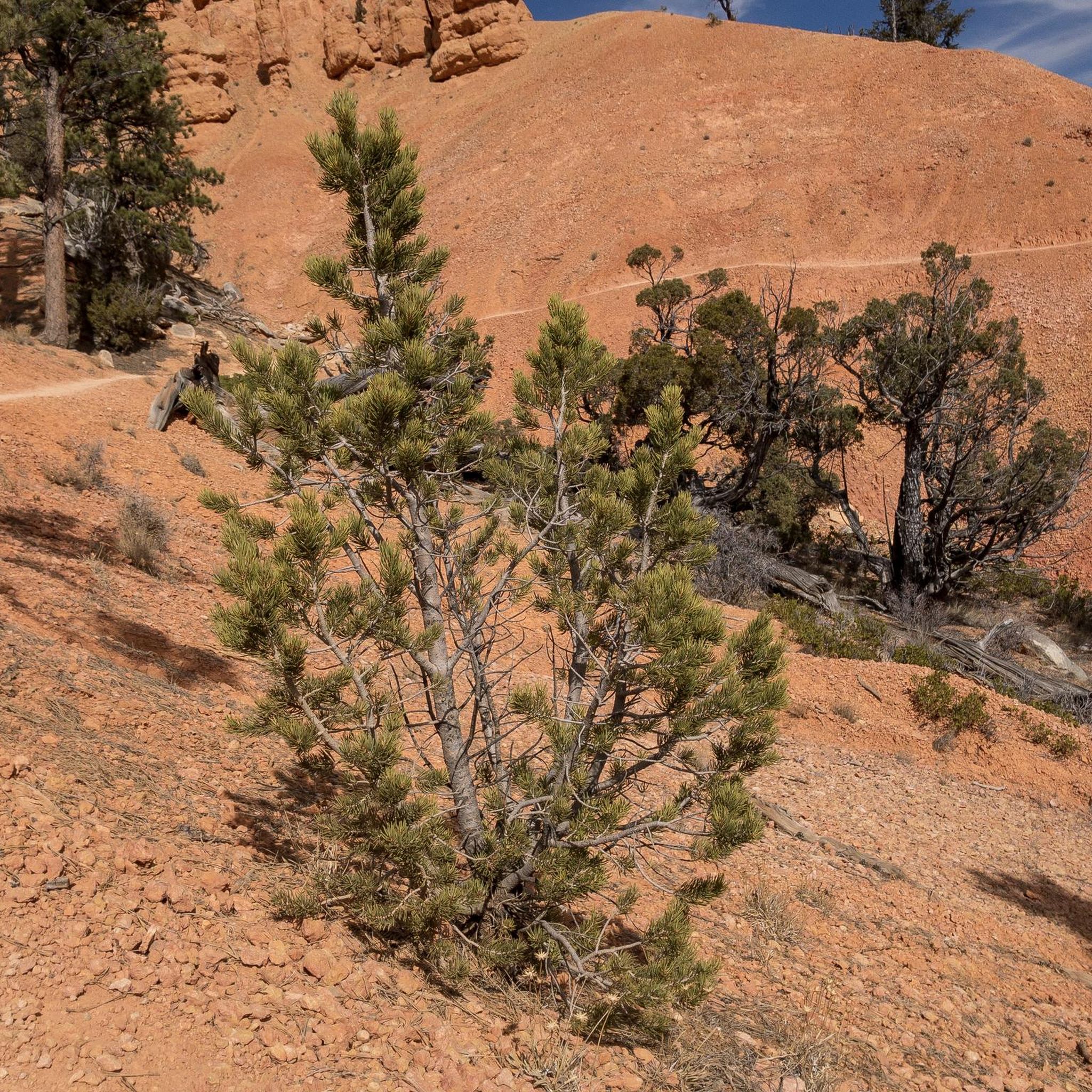
A wonderful, light forest that gives you a holiday feeling. It smells of pine needles, especially when the sun is shining, and is even more beautiful then.
2
0

I simply love the forest. Especially in summer when it smells so good! I hope it stays with climate change for a long time to come! Best way: Black owl 🦉
2
0

Steep climb in the shade with seating, some descents and a memorial plaque
3
0
Frequently Asked Questions
What makes the Irtenberger Wald region unique for natural monuments?
The Irtenberger Wald is recognized as one of Northern Bavaria's most ecologically valuable mixed deciduous forests and is part of the European Natura 2000 protected area network. It offers rich biodiversity, undisturbed forest development, and unique features like the largest quaking bog in Lower Franconia at the Naturschutzgebiet Blutsee-Moor, and Bavaria's first mushroom protection area.
Are there any particularly significant natural forests to explore in the Irtenberger Wald?
Yes, the Naturwald Irtenberger Wald is a declared natural forest, one of Bavaria's largest and most important protected areas. It features old oak and beech stands, an unusual variety of mixed tree species, and offers a unique opportunity to observe undisturbed natural forest development. You can explore it via well-maintained forest paths and designated circular routes like "Wald im Wandel" and "Wald voller Leben".
What is the Naturschutzgebiet Blutsee-Moor and what makes it special?
The Naturschutzgebiet Blutsee-Moor, located in the southeastern part of the Irtenberger Wald, is a low moor featuring the largest *Schwingrasen* (quaking bog) in Lower Franconia. This unique wetland ecosystem is a rare and impressive natural phenomenon, making it a distinctive and valuable site to visit.
Are there family-friendly natural monuments around Irtenberger Wald?
Absolutely. Several natural monuments are suitable for families. You can visit the Anna Gorge, which is well-secured for exploration, or the Volkenberg Black Pine Forest, which offers many paths through its light canopy. The Laichsee in the Steinbach Valley is also a great spot, serving as a spawning ground for toads, with plenty of tadpoles in late May.
What kind of historical or cultural sites can I find among the natural monuments?
The region offers a blend of natural beauty and historical significance. The Court Garden at the Würzburg Residence is a beautifully landscaped garden belonging to the historical Würzburg Residence, providing a place for relaxation and exploration. Additionally, the Veitshöchheim Palace and Rococo Garden is a notable site, known for its stunning garden and historical palace.
What outdoor activities can I do near these natural monuments?
The Irtenberger Wald area is excellent for various outdoor activities. You can find numerous routes for road cycling, touring cycling, and mountain biking. For example, explore the Road Cycling Routes around Irtenberger Wald, enjoy Cycling around Irtenberger Wald, or tackle the MTB Trails around Irtenberger Wald. Many of these routes pass by or through the natural monuments.
Are there specific hiking trails to experience the natural monuments?
Yes, within the Naturwald Irtenberger Wald, there are two designated circular routes: "Wald im Wandel" (Forest in Transition) and "Wald voller Leben" (Forest Full of Life). These trails are enhanced by a "Naturwald-App" that provides information at various points, allowing you to observe undisturbed natural forest development and its rich biodiversity.
What is the best time to visit the natural monuments in Irtenberger Wald?
The Irtenberger Wald offers beauty throughout the year. Spring and summer are ideal for experiencing the lush greenery and diverse flora and fauna, including tadpoles at Laichsee in the Steinbach Valley. Autumn brings vibrant fall colors to the mixed deciduous forests. Even in winter, the forest offers a serene experience, though some areas like the Laichsee are drained during colder months.
What kind of wildlife can I expect to see in the Irtenberger Wald?
The Irtenberger Wald is a crucial habitat for numerous animal and plant species, particularly those adapted to structured, mature deciduous forests. You might encounter species such as Bechstein's bat, middle spotted woodpecker, stag beetle, and collared flycatcher. The presence of multiple Bechstein's bat colonies makes this area particularly significant for the species.
Is there a mushroom protection area in Irtenberger Wald?
Yes, the Irtenberger Wald hosts Bavaria's first mushroom protection area, established in 2019. This approximately one-hectare fenced area, located north of the Blutsee-Moor, is managed to document the long-term development of mushroom communities in near-natural mixed deciduous forests. While access might be restricted for research purposes, its existence highlights the forest's exceptional biodiversity.
What do visitors enjoy most about the natural monuments around Irtenberger Wald?
Visitors appreciate the diverse natural landscapes, from the well-secured Anna Gorge to the serene Laichsee in the Steinbach Valley. The Volkenberg Black Pine Forest is often described as park-like with many paths to explore. The blend of natural beauty with historical sites like the Court Garden at the Würzburg Residence also receives high praise.
Are there any specific viewpoints or scenic spots recommended?
While specific viewpoints are not detailed for every natural monument, areas like the Volkenberg Black Pine Forest offer beautiful paths through a light canopy, providing scenic walks. The Court Garden at the Würzburg Residence also offers changing lines of sight with views of the fortress and vineyards.
Most popular attractions around Irtenberger Wald

Get inspired with the komoot mobile app


Explore more
Extend your search for the best caves by checking out these guides of the top ones around Irtenberger Wald:
