Top 20 Natural Monuments around Geldern
Best natural monuments around Geldern are found in a charming town in the Kleve region of western Germany, offering diverse landscapes and rich biodiversity. The area features notable natural areas, including lowland moor complexes and national parks. Visitors can explore more than 10 natural monuments, providing varied outdoor experiences.
Best natural monuments around Geldern
- The most popular natural monuments is Sandy Plains of Reindersmeer, a unique natural area that originated from sand mining in the 1960s. This former gravel…
Last updated: August 17, 2026
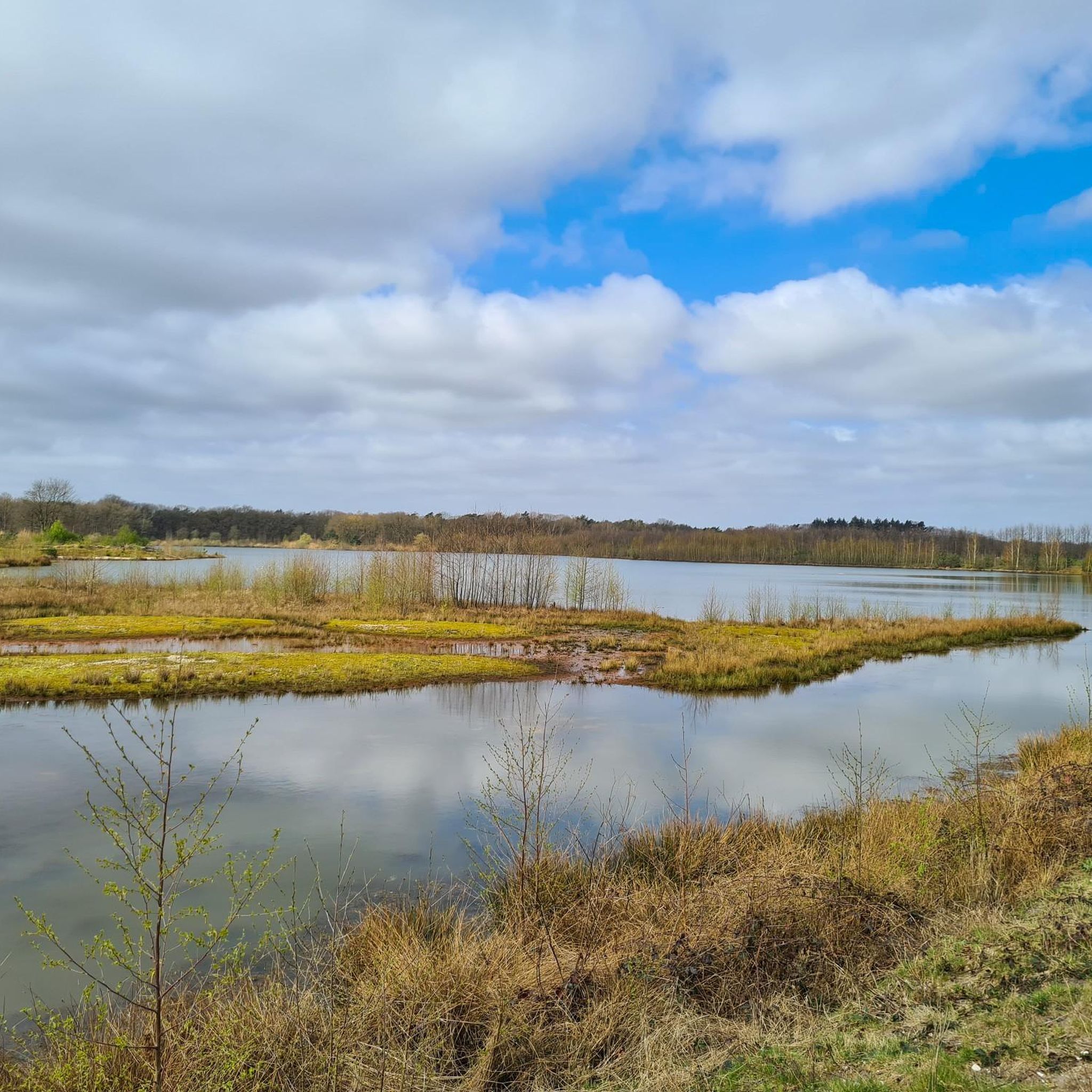
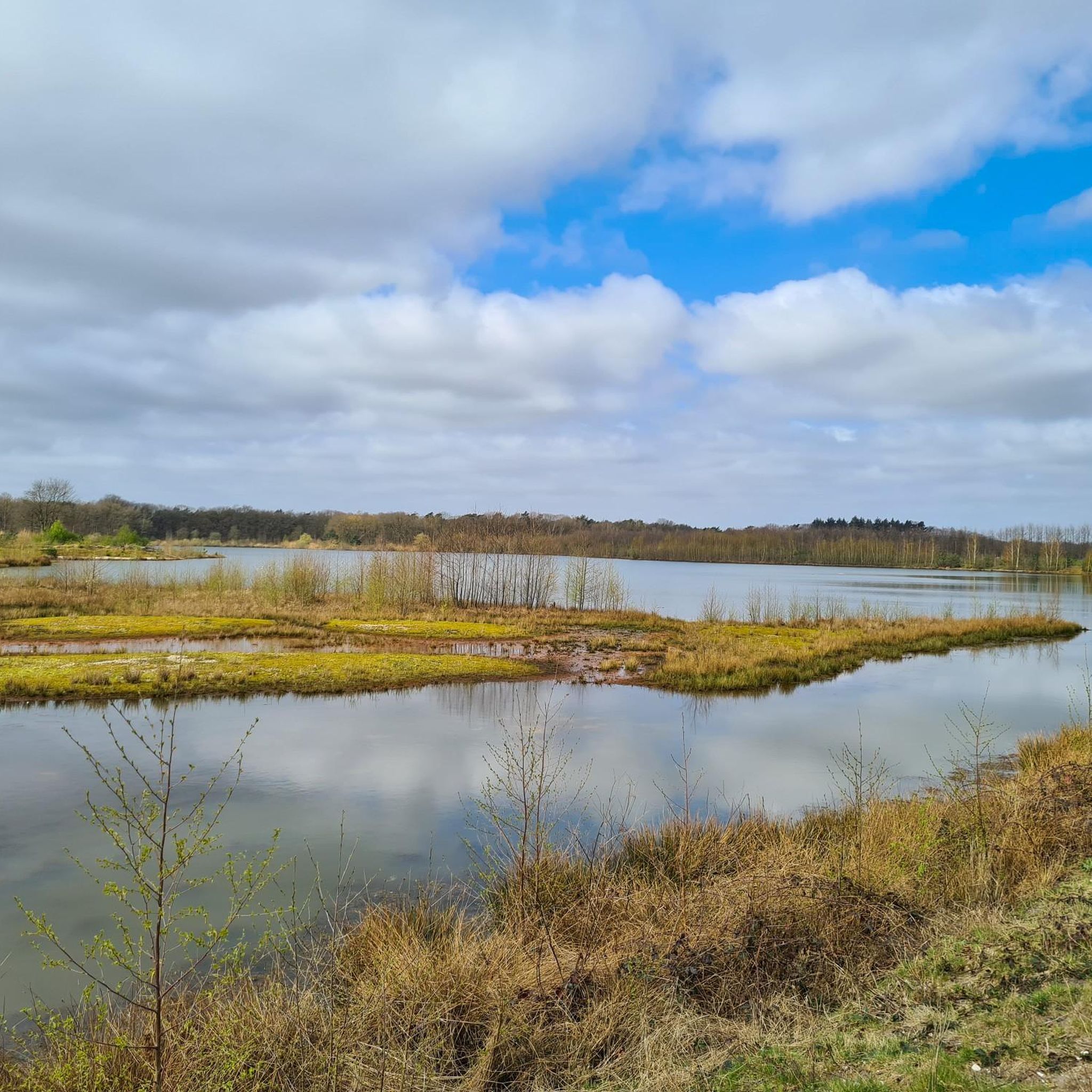
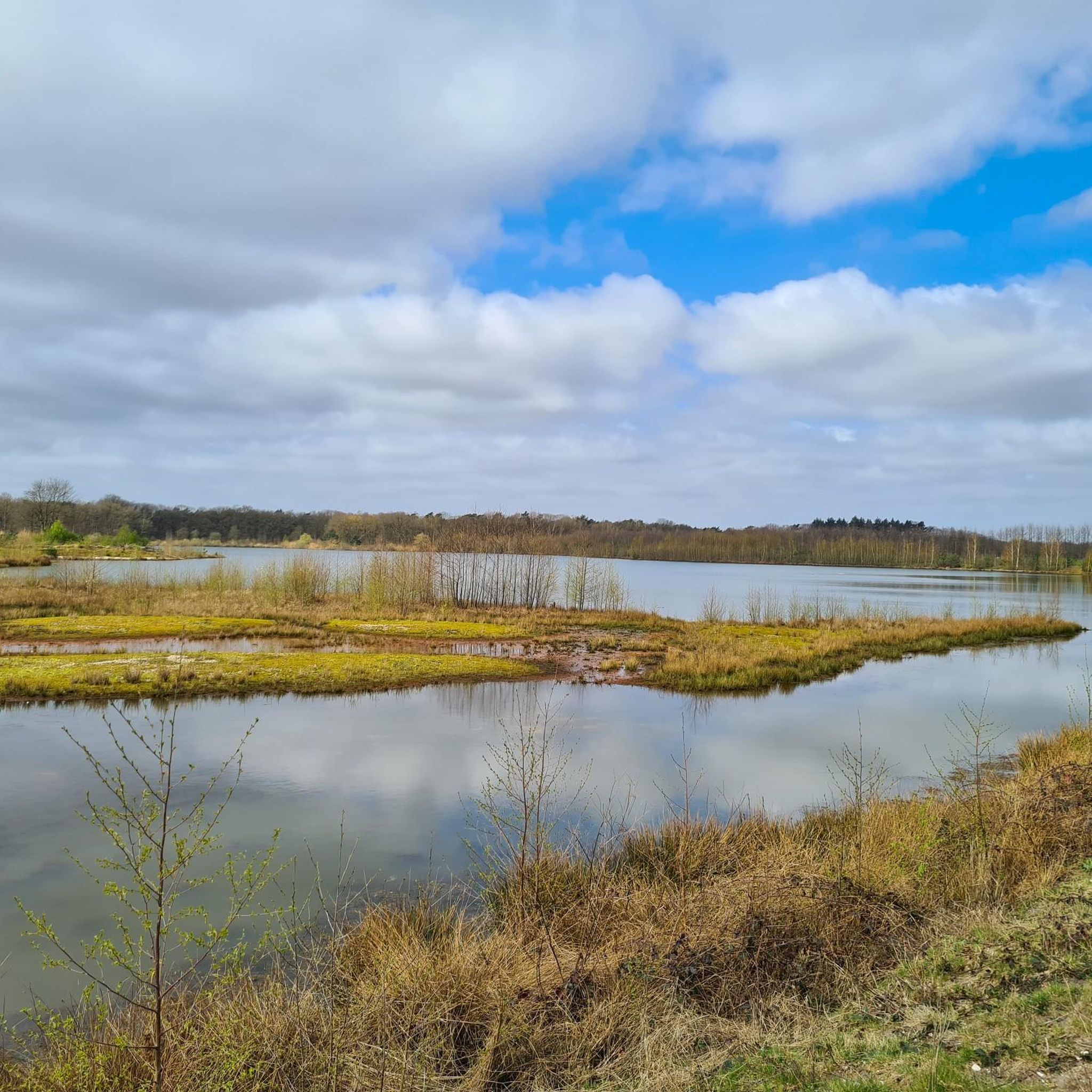
Reindersmeer (Reinders Lake)
Highlight • Lake
Translated by Google •
Tip by

De Maasduinen National Park
Highlight • Natural Monument
Translated by Google •
Tip by

Sign up now to discover places like this
Get recommendations on the best single tracks, peaks, & plenty of other exciting outdoor places.
Sign up for free
Arcen Castle Gardens
Highlight • Castle
Translated by Google •
Tip by

Baroque terraced gardens at Kloster Kamp
Highlight • Historical Site
Translated by Google •
Tip by

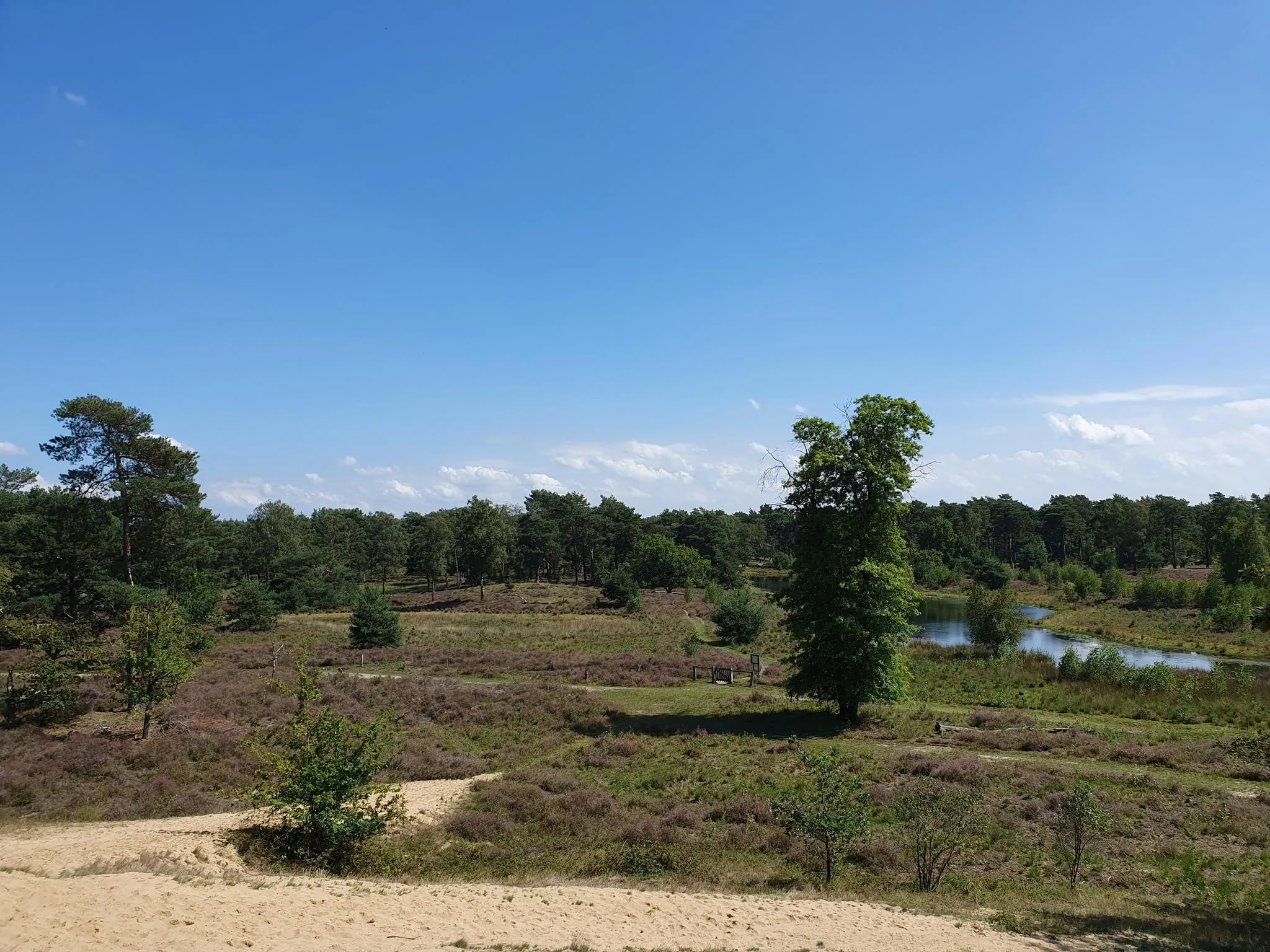
View of the Reindersmeer (De Maasduinen National Park)
Highlight • Viewpoint
Translated by Google •
Tip by

Sign up for free to discover even more natural monuments around Geldern.
Sign up for free
Already have an account?
Start today with a free account
Your next adventure awaits.
Login or Signup


Tips from the Community

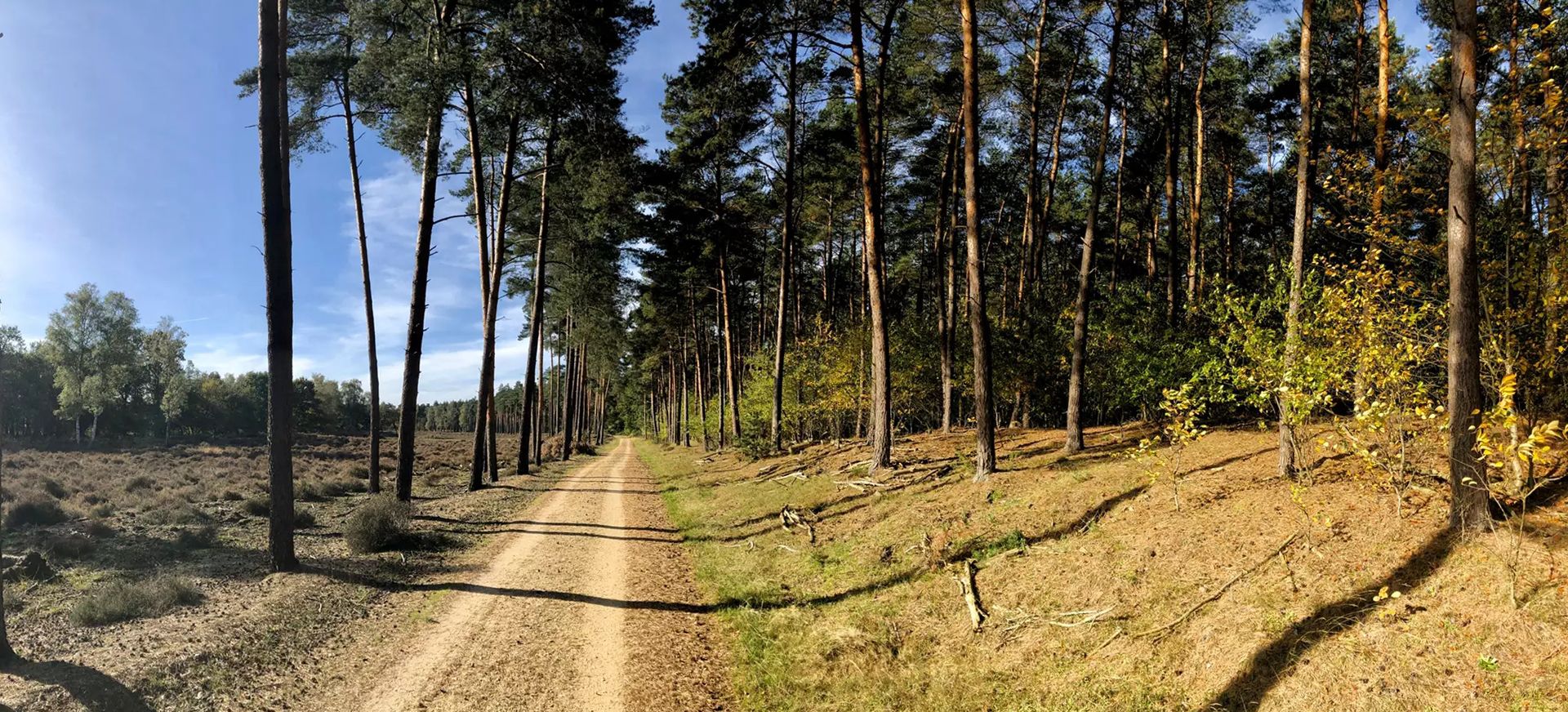
Very varied landscape: heath, forest, sand dunes and lakes. Quiet route, even in high season.
2
2

A wonderful place in sunny weather.
22
2

The magnificent Kamp Monastery in Kamp-Lintfort was founded in 1123 as the first Cistercian monastery in German-speaking countries. Stroll through the beautiful and well-kept terraced gardens and treat yourself to a piece of cake in the lovely donation-based café. The herb garden at the monastery is also definitely worth a visit.
9
0

A very well maintained, beautiful facility.
12
0

A must for every garden fan!
12
0

A detour to the dunes and sandy paths is also worth it. However, rather unsuitable by bike. Here you can only push your bike.
10
0
Beautiful view of the Reindersmeer. There are many benches to relax on at Reindersmeer.
9
0

The Kamp Monastery is situated in a scenic location on the Kamper Berg, which was once an important reform monastery founded by French monks (from 1123). Seminars, guided tours, readings and concerts, a donation café and a monastery shop with exclusive writings and delicacies invite you to explore. The extensive area with the abbey church, treasury and herb garden has a special atmosphere. A particular highlight is the baroque terraced garden. The charming ambience of the monastery also serves as a backdrop for numerous cultural events and open-air events.
13
0
Frequently Asked Questions
What are some of the most popular natural monuments to visit around Geldern?
Among the most popular natural monuments, you'll find the Sandy Plains of Reindersmeer, a unique area formed from sand mining now part of De Maasduinen National Park. Another highly rated spot is De Maasduinen National Park itself, known for its diverse landscapes. Visitors also frequently enjoy Reindersmeer (Reinders Lake) for its scenic views.
Are there family-friendly natural monuments around Geldern?
Yes, several natural monuments are suitable for families. Reindersmeer (Reinders Lake) and the Sandy Plains of Reindersmeer are both considered family-friendly, offering opportunities for easy walks and enjoying nature. The Baroque terraced gardens at Kloster Kamp also welcome families, with beautiful gardens to explore.
What kind of wildlife can I expect to see in the natural monuments near Geldern?
The region's natural monuments, particularly areas like the Naturschutzgebiet Fleuthkuhlen, are rich in biodiversity. You might spot rare breeding birds such as the Water Rail and Little Grebe, and migratory birds like Pintail and White Stork. The area is also home to various amphibians like the Moor Frog, reptiles such as the Grass Snake, and even beavers, which have returned to the protection area since 2015.
What are the best times of year to visit the natural monuments around Geldern?
The natural monuments around Geldern, especially the Naturschutzgebiet Fleuthkuhlen, offer unique experiences throughout the year. Spring and summer are ideal for birdwatching and enjoying the lush flora. Autumn brings beautiful colors to the forests and marshlands. Even in winter, the tranquility and unique landscape of the lowland moor complex can be appreciated, though some paths might be muddy.
Are there hiking trails near the natural monuments in Geldern?
Absolutely. You can find numerous hiking opportunities. For example, the Naturschutzgebiet Fleuthkuhlen features marked walking paths. There are also easy hikes like the "Fleuthkuhlen Nature Reserve – Issumer Fleuth loop" and moderate options such as the "Arcen Historic Centre – Vennen of the Maasduinen loop." You can explore more hiking routes in the Hiking around Geldern guide.
Can I go cycling near the natural monuments?
Yes, cycling is a popular activity. The Naturschutzgebiet Fleuthkuhlen has marked cycling paths, allowing you to explore the unique lowland moor landscape. For more extensive rides, you can find various road cycling routes, including the "Arcen Castle – Arcen Castle and Gardens loop." Discover more cycling options in the Road Cycling Routes around Geldern guide.
What unique natural features can I observe in the Geldern region?
The Geldern region is characterized by diverse natural features. The Naturschutzgebiet Fleuthkuhlen is a significant lowland moor complex with distinctive shallow standing waters known as 'Kuhlen,' formed from historical peat extraction. You'll also find alder marsh forests, wet pastures, and reed beds. The Sandy Plains of Reindersmeer, a former gravel pit, offers a unique landscape now integrated into a national park.
Are there any historical or cultural sites combined with natural beauty?
Yes, the Baroque terraced gardens at Kloster Kamp offer a blend of historical significance and natural beauty. This site, originally a Cistercian monastery founded in 1123, features magnificent, well-kept terraced gardens that can be visited free of charge, along with a herb garden.
What are the parking options for visiting natural monuments in the Geldern area?
For the Naturschutzgebiet Fleuthkuhlen, starting points and parking are available at locations such as the marketplace in Kapellen, near the hospital in Geldern, at the church in Aengenesch, and at Schloss Haag. For the Sandy Plains of Reindersmeer and De Maasduinen National Park, there is often plenty of free parking available, especially near visitor centers.
What makes the Naturschutzgebiet Fleuthkuhlen particularly special?
The Naturschutzgebiet Fleuthkuhlen is a highly significant natural monument due to its unique lowland moor complex and remarkable biodiversity. It features a mosaic of alder marsh forests, wet pastures, and numerous 'Kuhlen' (shallow waters) that support rare and endangered plant species like Saw Sedge and Water Hemlock. It's also a crucial habitat for 85 breeding bird species, 30 dragonfly species, and 11 bat species, making it an important site for ecological conservation and a part of the European Natura 2000 network.
What kind of terrain can I expect on trails around Geldern's natural monuments?
The terrain varies across the natural monuments. In areas like the Naturschutzgebiet Fleuthkuhlen, you'll find mostly flat, marked walking and cycling paths through marshlands and forests. Trails within De Maasduinen National Park can include sections with deep sand, especially in dune areas, so be prepared for varied surfaces.
Most popular routes around Geldern
Most popular attractions around Geldern

Get inspired with the komoot mobile app


Explore more
Extend your search for the best caves by checking out these guides of the top ones around Geldern:
