Top 20 Natural Monuments around Drolshagen
Best natural monuments around Drolshagen offer a blend of natural beauty and historical significance within the Sauerland region. The landscape features forests, reservoirs, and ancient trade routes, providing diverse outdoor experiences. This area is characterized by its rolling hills and water bodies, which contribute to its appeal for hikers and cyclists. Visitors can explore sites that showcase both geological formations and human history.
Best natural monuments around Drolshagen
- The most popular natural monuments is Wegeringhauser Tunnel, a cycle way…
Last updated: September 27, 2026
Wegeringhauser Tunnel
Highlight (Segment) • Cycleway
Translated by Google •
Tip by

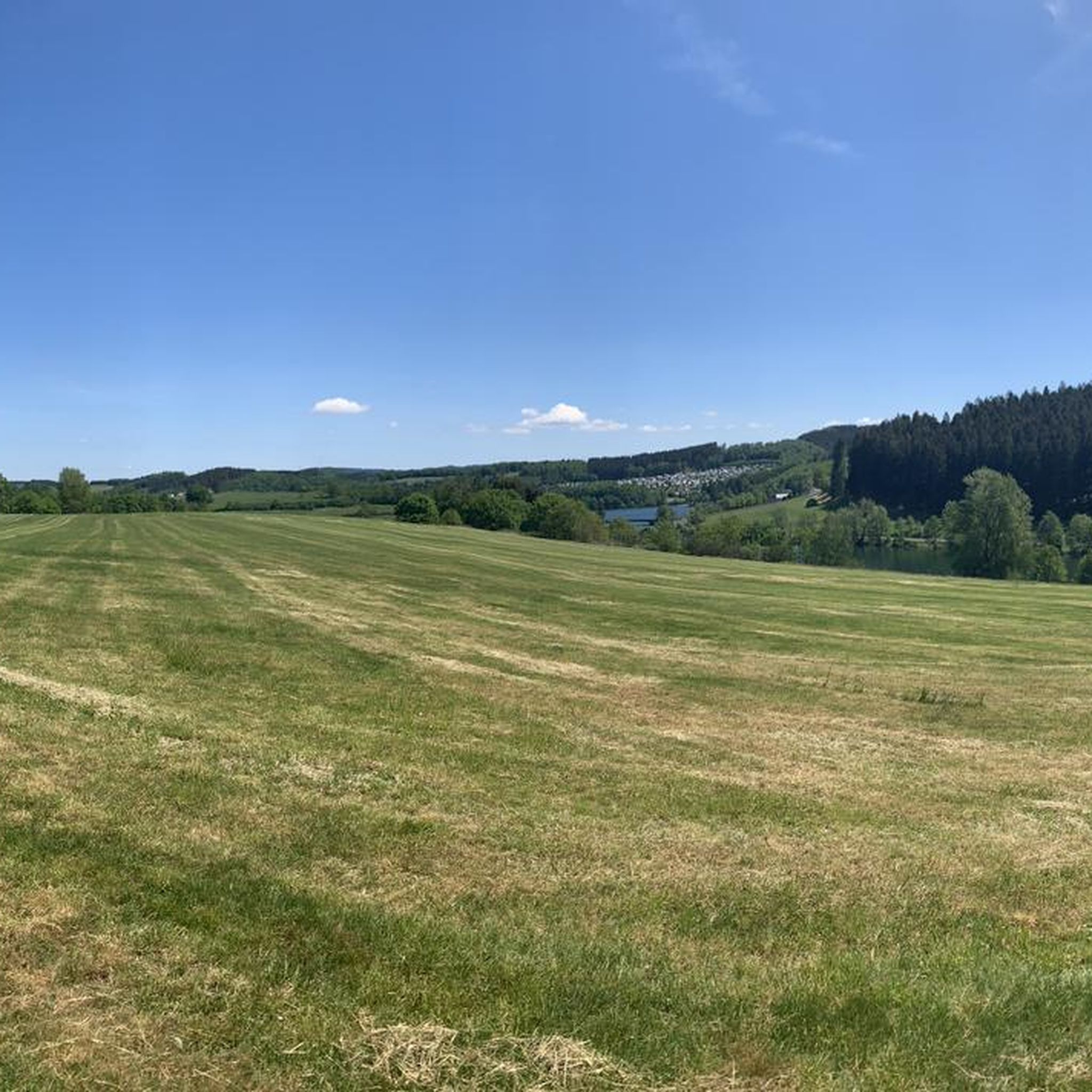
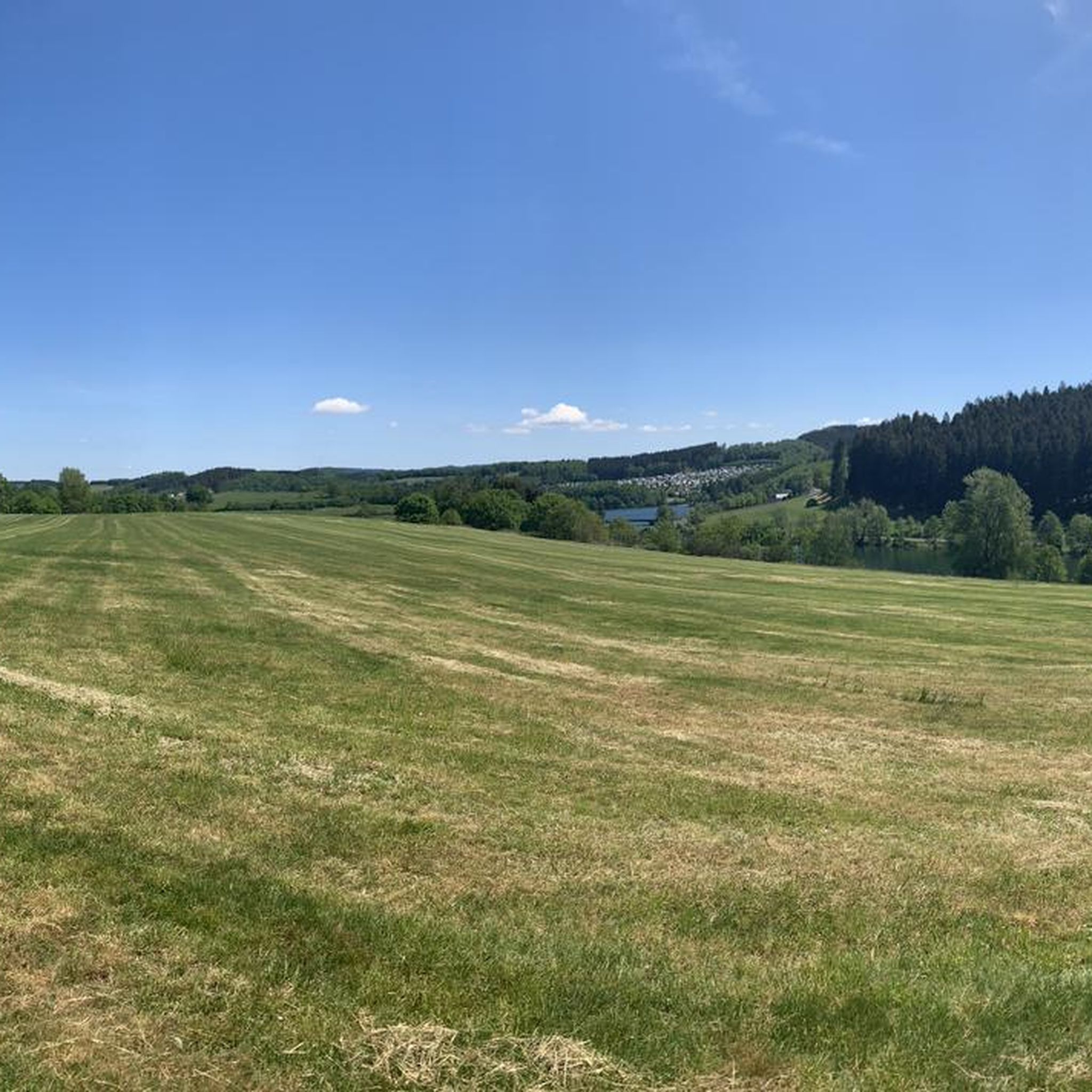
Genkel Reservoir
Highlight • Lake
Translated by Google •
Tip by

Sign up now to discover places like this
Get recommendations on the best single tracks, peaks, & plenty of other exciting outdoor places.
Bigge Dam
Highlight • Monument
Translated by Google •
Tip by

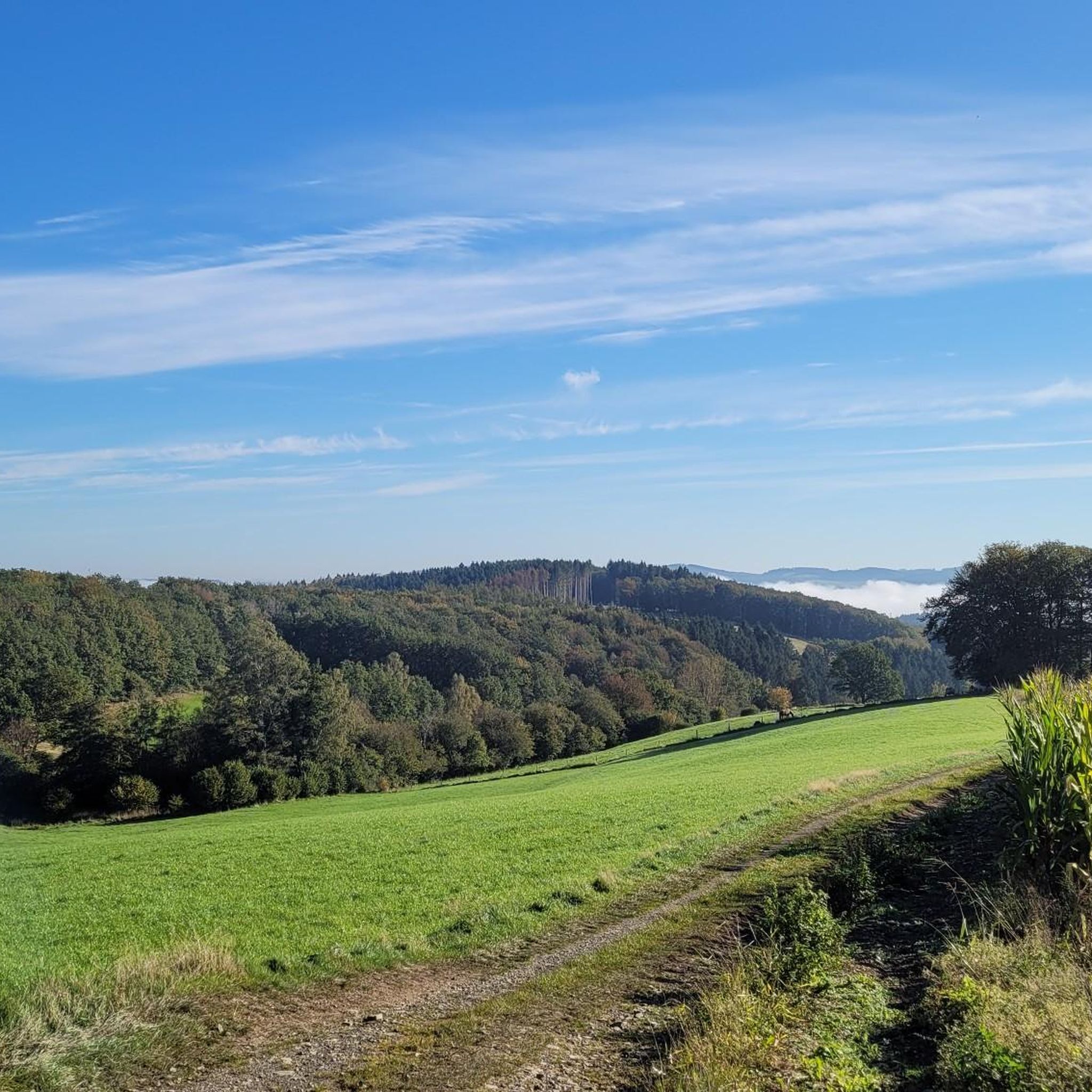
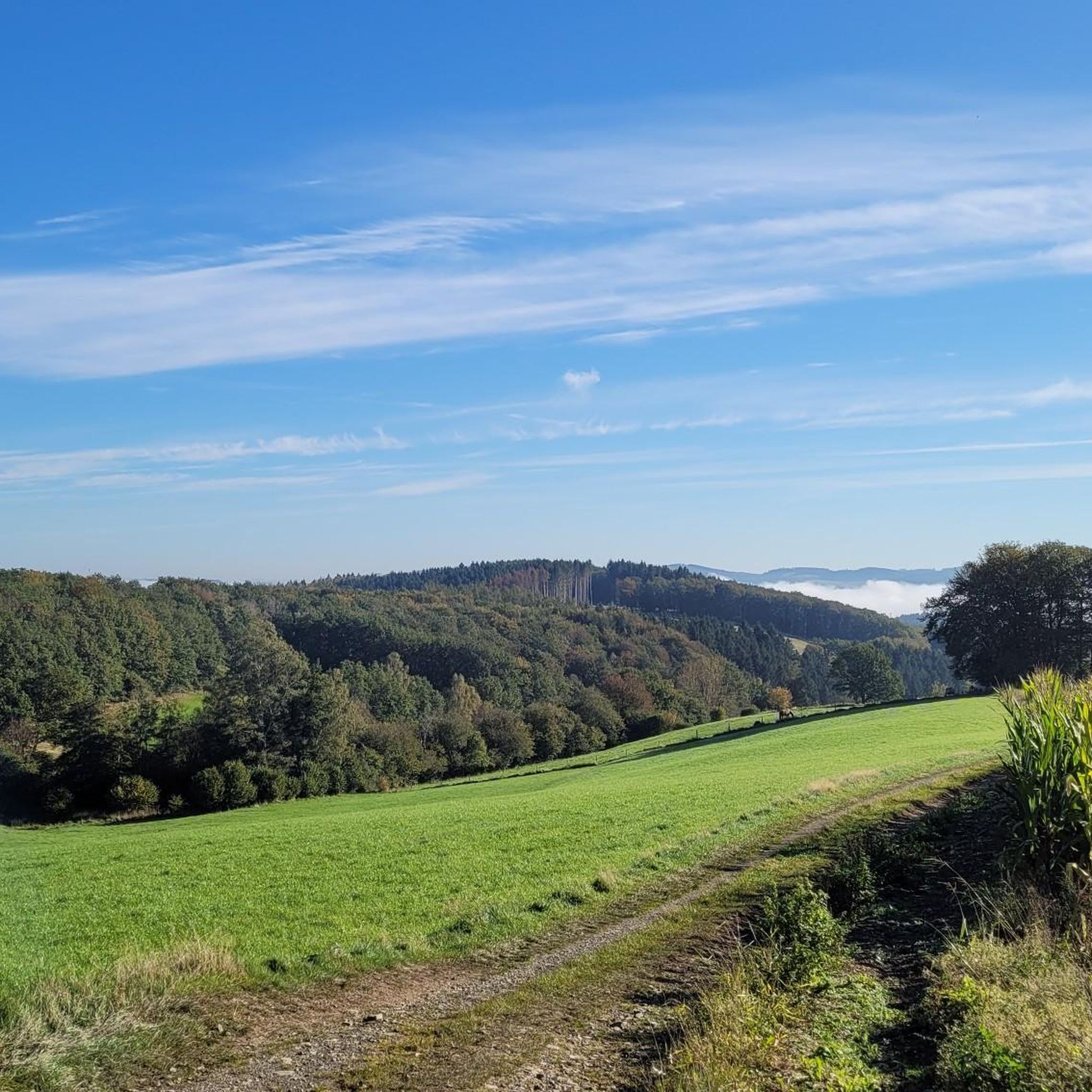
Waldenburg Castle Ruins
Highlight • Castle
Showing Translation
Tip by

Crottorf Castle
Highlight • Castle
Translated by Google •
Tip by

Sign up for free to discover even more natural monuments around Drolshagen.
Already have an account?
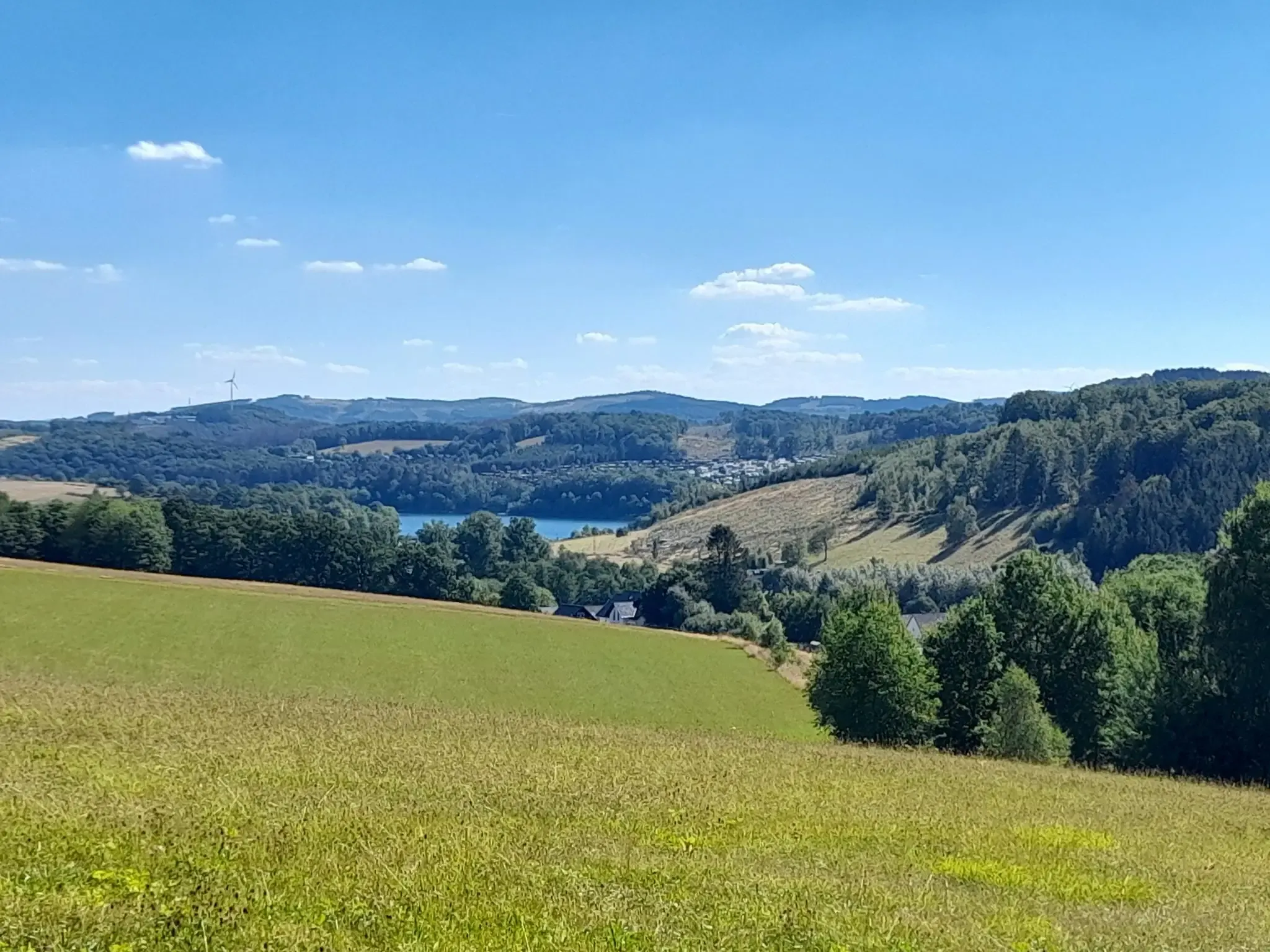
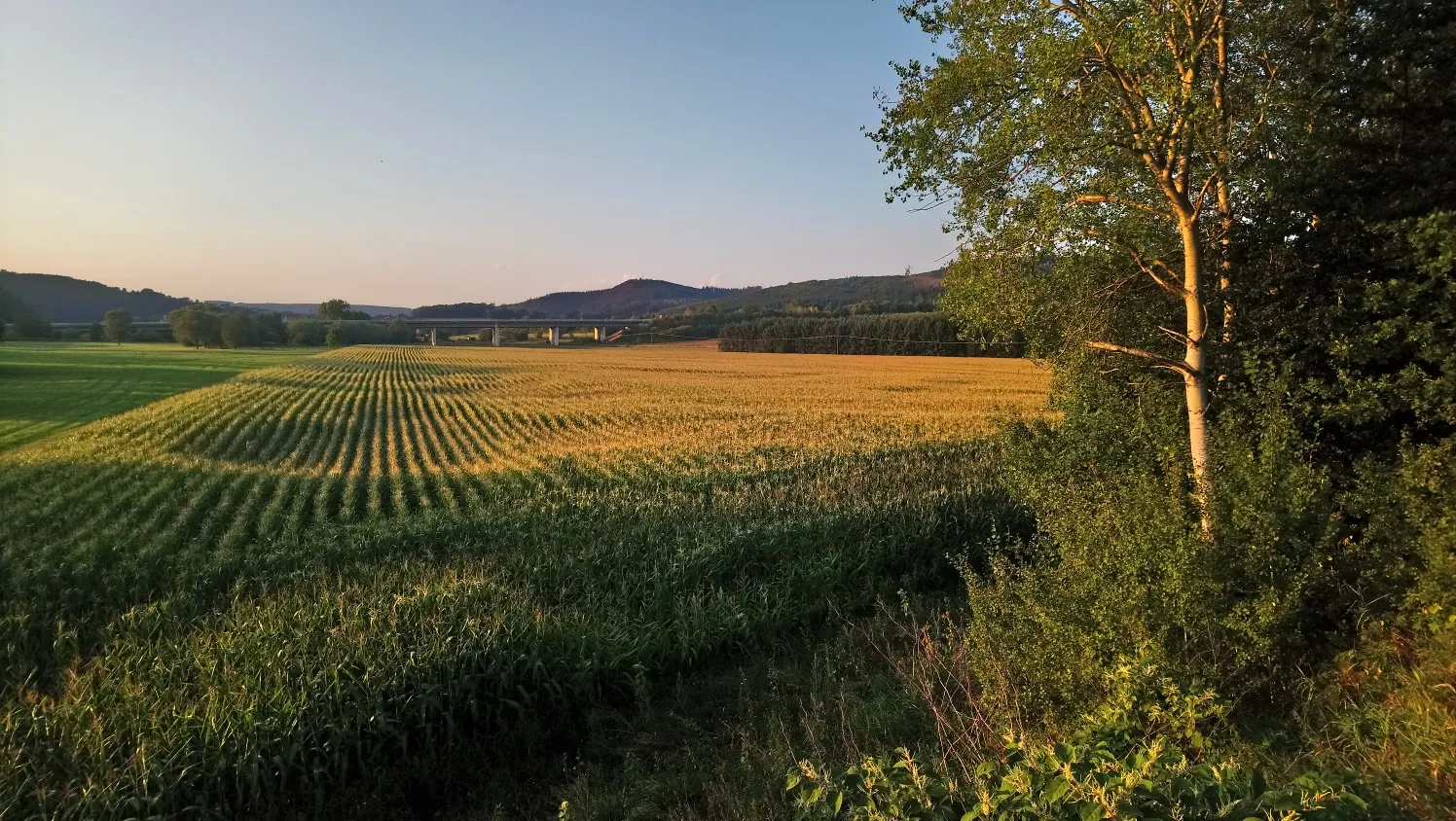
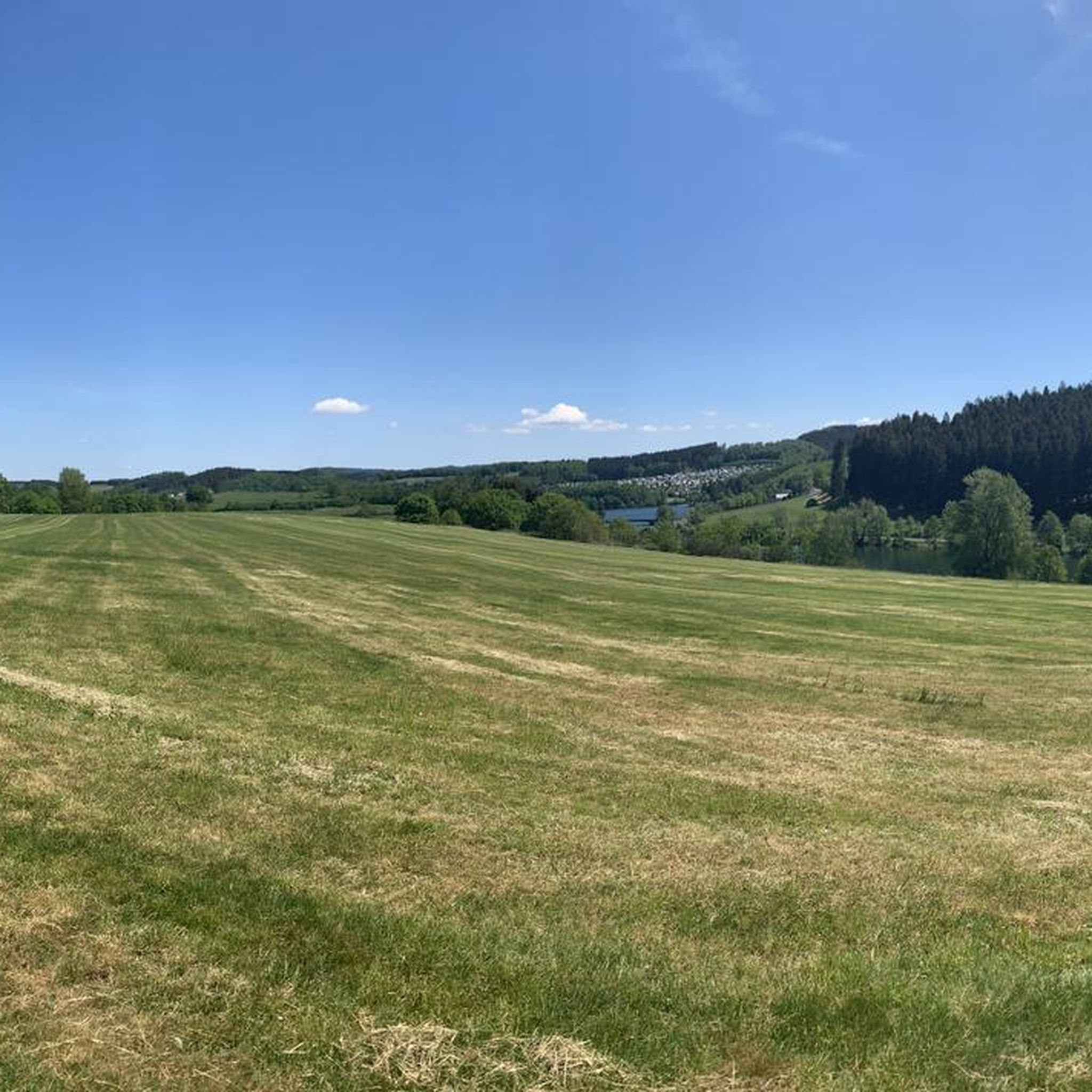


Tips from the Community

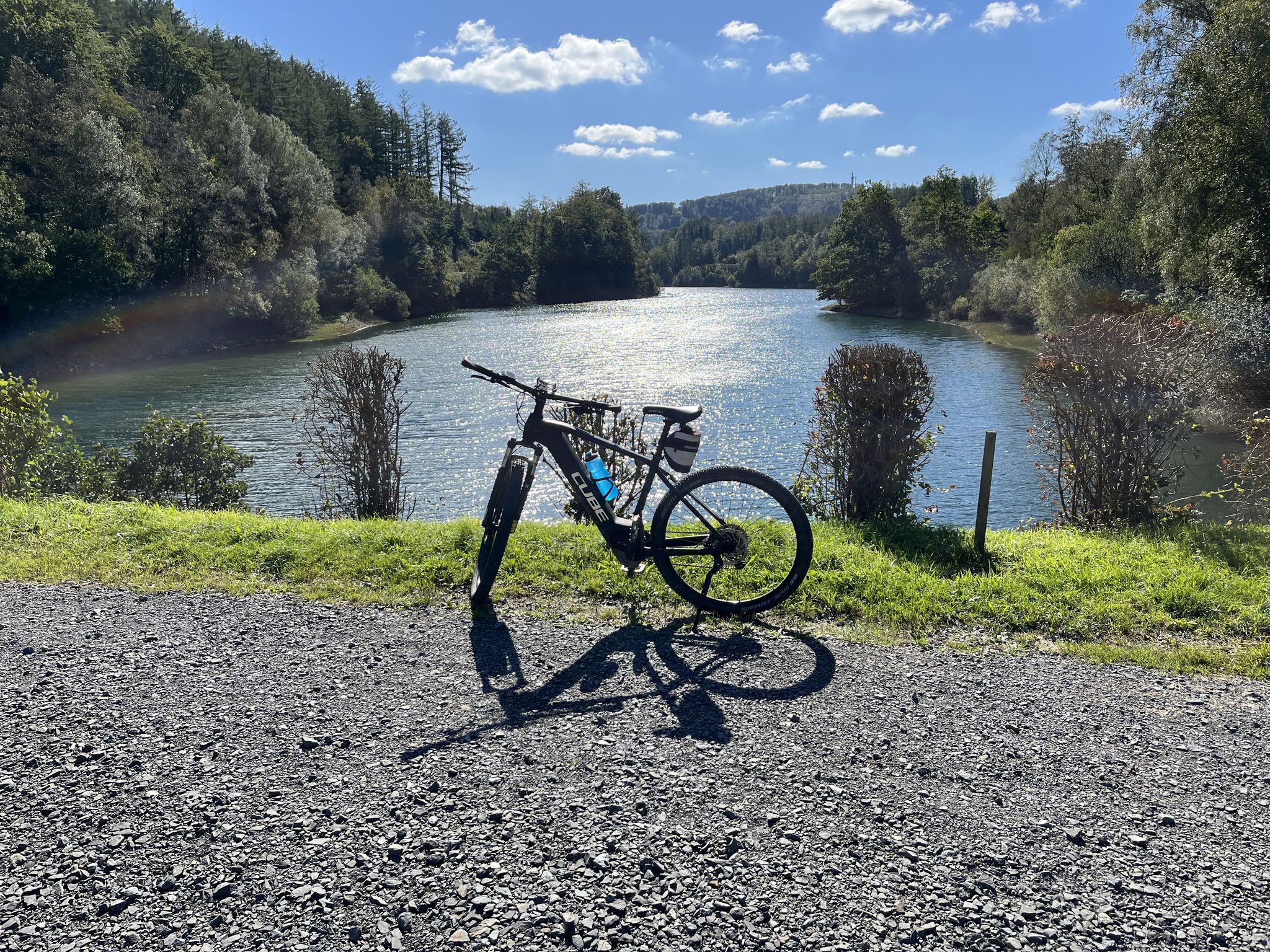
If you don't just love asphalt and if you also like to drive on non-asphalted paths, you can only suggest going around the reservoir (approx. 10km). Again and again there are beautiful views of the lake.
10
0


Very nice dam with great hiking and biking trails.
8
0

A very beautiful lake, nice for running, hiking, cycling .. or just enjoying nature
10
0

The castle ruin Waldenburg is a beautiful little castle ruin in the middle of a great forest. There are also small wooden benches so you can take a rest. There is also an information board to find out more about this ruin.
10
0

... The Waldenburg is the ruin of a hilltop castle near the town of Attendorn in North Rhine-Westphalia, Germany. It is the oldest known structure in the Olpe district and is considered the nucleus of municipal self-government in the region. In the 17th century, the short-lived Kommende Waldenburg of the Teutonic Order was established there. The castle ruin is now located in the Waldenburg nature reserve. ... ... The Waldenburg castle ruin is the oldest non-sacred architectural monument in the Olpe district. It is located above the Waldenburg Chapel and the Biggesee lake. The castle can be reached via the asphalted road in the direction of Bürberg. After about 300 m, a forest path leads across the castle ditches to the ruin. Another forest path starts near the Waldenburg Chapel and initially runs parallel to the dam, but later branches off to the ruin. Coming from Attendorn via the Bigge bridge in the direction of Helden and 50m to the right to Waldenburger Bucht. The ruin is located on a hill directly on the Bigge dam in the Sauerland. Parking is available in Waldenburger Bucht near the Waldenburg Chapel. ...
9
0

The listed Wegeringhausener bicycle tunnel connects Rhineland and Westphalia. At 724 meters, it is the second-longest bicycle tunnel in Germany. But beware: from November to mid-April, the tunnel is closed. Rare, protected bat species overwinter there.
12
0

There are many interesting single trails in the woods around the castle.
7
0
Frequently Asked Questions
What are the most significant natural monuments to visit around Drolshagen?
Beyond the historical site of the Jägerfichte, which marks an ancient trade route, you can explore several notable natural monuments. These include the Wegeringhauser Tunnel, a unique cycle path and bat habitat, the scenic Genkel Reservoir, and the ecologically rich Ebbemoore Boardwalk, known for its protected plants and animals.
Are there any natural monuments with historical significance in the Drolshagen area?
Yes, the site of the Jägerfichte is particularly rich in history. While the original tree was felled, a new one stands at the location, which was a crucial crossroads for two ancient long-distance trade routes: the Römerweg and the Eisenstraße. You can still see the deeply cut tracks, known as 'Schlüsen,' formed by centuries of cart traffic. Additionally, the Wegeringhauser Tunnel is a historical railway tunnel converted into a cycle path, and the Waldenburg Castle Ruins offer a glimpse into the region's past within a nature reserve.
What kind of natural features can I expect to see near Drolshagen?
The Drolshagen area offers a diverse landscape. You'll find expansive forests, significant reservoirs like the Genkel Reservoir, and unique wetland areas such as the Ebbemoore with its boardwalk. The region is characterized by rolling hills and water bodies, providing picturesque views and varied ecosystems.
Are there family-friendly natural monuments or activities around Drolshagen?
Absolutely! The Genkel Reservoir is ideal for families, offering paths for hiking and cycling with beautiful views. Crottorf Castle, while a historical site, also features gardens and surrounding natural areas that are enjoyable for families. The Wegeringhauser Tunnel, when open, provides a unique and easy cycling experience for all ages.
What outdoor activities can I do near these natural monuments?
The region around Drolshagen is excellent for various outdoor activities. You can enjoy cycling on routes like those found in the Cycling around Drolshagen guide, gravel biking with options in the Gravel biking around Drolshagen guide, or running on trails detailed in the Running Trails around Drolshagen guide. Many of these routes pass by or offer views of the natural monuments.
When is the best time to visit the natural monuments in Drolshagen?
The best time to visit largely depends on the specific monument. For instance, the Wegeringhauser Tunnel is closed from November to mid-April to protect hibernating bat species, so plan your visit outside these months if you wish to pass through it. Generally, spring, summer, and early autumn offer pleasant weather for hiking, cycling, and enjoying the scenic beauty of the reservoirs and forests.
Can I find good viewpoints among the natural monuments?
Yes, several natural monuments offer excellent viewpoints. The Genkel Reservoir provides beautiful views of the water and surrounding landscape from its paths. The Waldenburg Castle Ruins are situated on a hill, offering panoramic vistas. The lakes, such as Listersee and Biggesee, also feature numerous scenic spots.
Are there opportunities for wildlife spotting near Drolshagen's natural attractions?
Yes, there are. The Wegeringhauser Tunnel is a significant habitat for protected bat species during winter. The Ebbemoore Boardwalk traverses a nature reserve known for its numerous protected plants, fungi, insects, and animals, offering a chance to observe diverse ecosystems.
What do visitors enjoy most about the natural monuments around Drolshagen?
Visitors frequently appreciate the blend of natural beauty and historical context. The unique experience of cycling through the Wegeringhauser Tunnel, the tranquil paths and views around the Genkel Reservoir, and the peaceful, ecologically rich environment of the Ebbemoore Boardwalk are often highlighted. The historical significance of sites like the Jägerfichte and the ancient trade routes also adds a unique dimension to the experience.
Are there any circular walks or trails around the natural monuments?
Yes, for example, you can enjoy a circular route around the Genkel Reservoir, which is approximately 10 km long and offers continuous beautiful views of the lake. Many other hiking and cycling routes in the region are designed as loops, allowing you to explore the natural beauty and historical sites comprehensively.
What is the Jägerfichte and why is it significant?
The Jägerfichte (Hunter's Spruce/Pine) is a historically significant site near Drolshagen. The original tree, a natural monument, stood for over 120 years before being replanted. It's notable not just for the tree itself, but as a crucial crossroads for two ancient long-distance trade routes, the Römerweg and the Eisenstraße, dating back to the Middle Ages. The deeply eroded 'Schlüsen' (hollow ways) at the site are a testament to centuries of use, making it a unique blend of natural and cultural history.
Most popular routes around Drolshagen
Most popular attractions around Drolshagen

Get inspired with the komoot mobile app


Explore more
Extend your search for the best caves by checking out these guides of the top ones around Drolshagen:
