Top 20 Natural Monuments around Bieberehren
Best natural monuments around Bieberehren are defined by the scenic Tauber and Gollach river valleys. The region features diverse natural elements, including significant geological formations and ecologically important habitats. These landscapes offer opportunities for outdoor activities and a tranquil natural experience. Bieberehren's surroundings are valued for their natural beauty and recreational appeal.
Best natural monuments around Bieberehren
- The most popular natural monuments is Kunigunden Chapel on the Altenberg, a religious building and natural monument known for its ancient lime…
Last updated: May 11, 2026
Kunigunden Chapel on the Altenberg
Highlight • Religious Site
Translated by Google •
Tip by

Kunigundenstein
Highlight • Natural Monument
Translated by Google •
Tip by
Sign up now to discover places like this
Get recommendations on the best single tracks, peaks, & plenty of other exciting outdoor places.
Sign up for free
Nassau Reservoir
Highlight • Lake
Translated by Google •
Tip by

Ottilien Spring in Pfahlenheim
Highlight • Natural Monument
Translated by Google •
Tip by

Celtic rectangular enclosure of Wermutshausen
Highlight • Historical Site
The rectangular ski jump in the forest Hagenholz with a length of 117 respectively. 124 m and a width of 87 respectively. As numerous similar …
Translated by Google •
Tip by

Sign up for free to discover even more natural monuments around Bieberehren.
Sign up for free
Already have an account?
Start today with a free account
Your next adventure awaits.
Login or Signup
Popular around Bieberehren
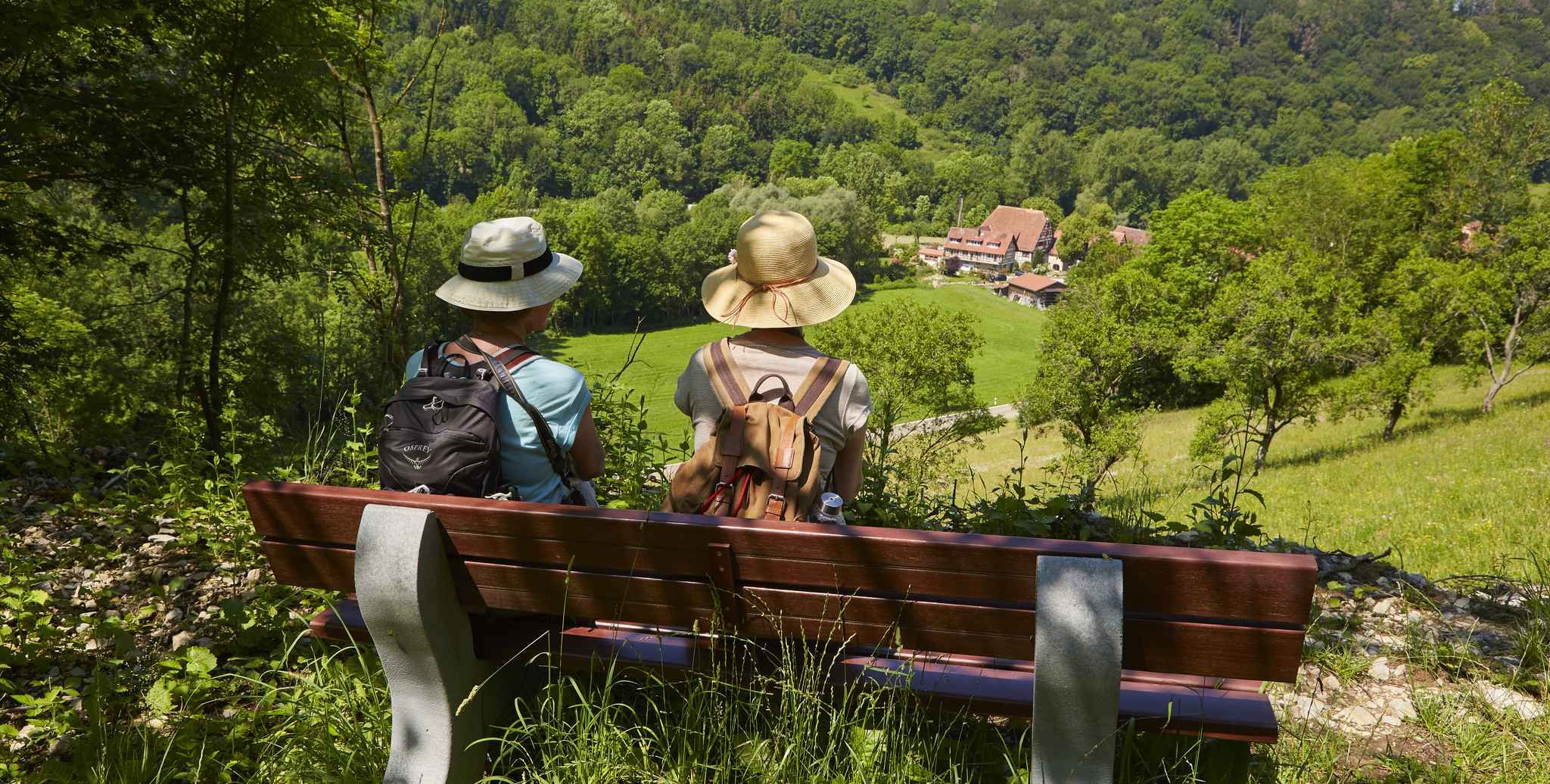
Gentle hills & wide forests – day Tours in the Lovely Tauber Valley
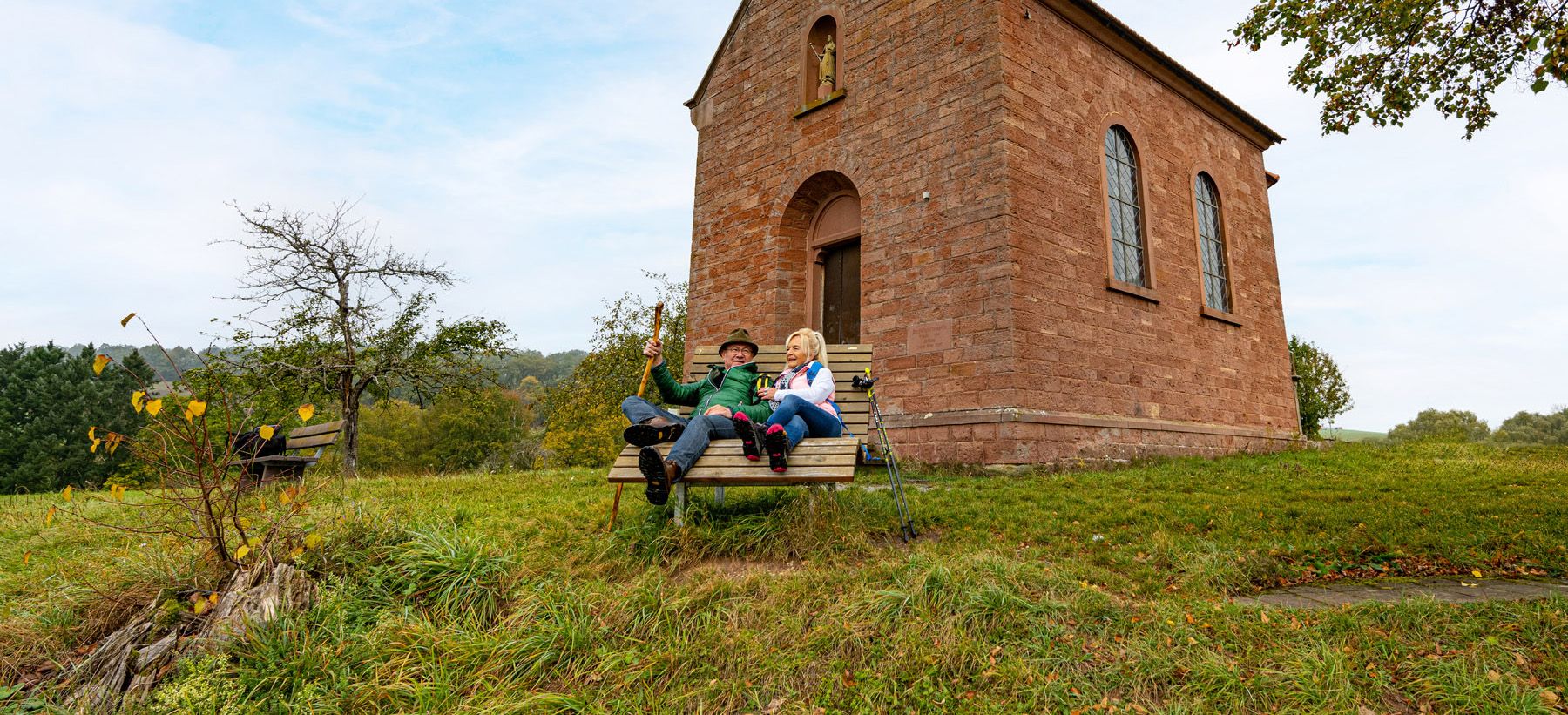
Besinnlichkeit und Ruhe finden – Meditationswege im Lieblichen Taubertal
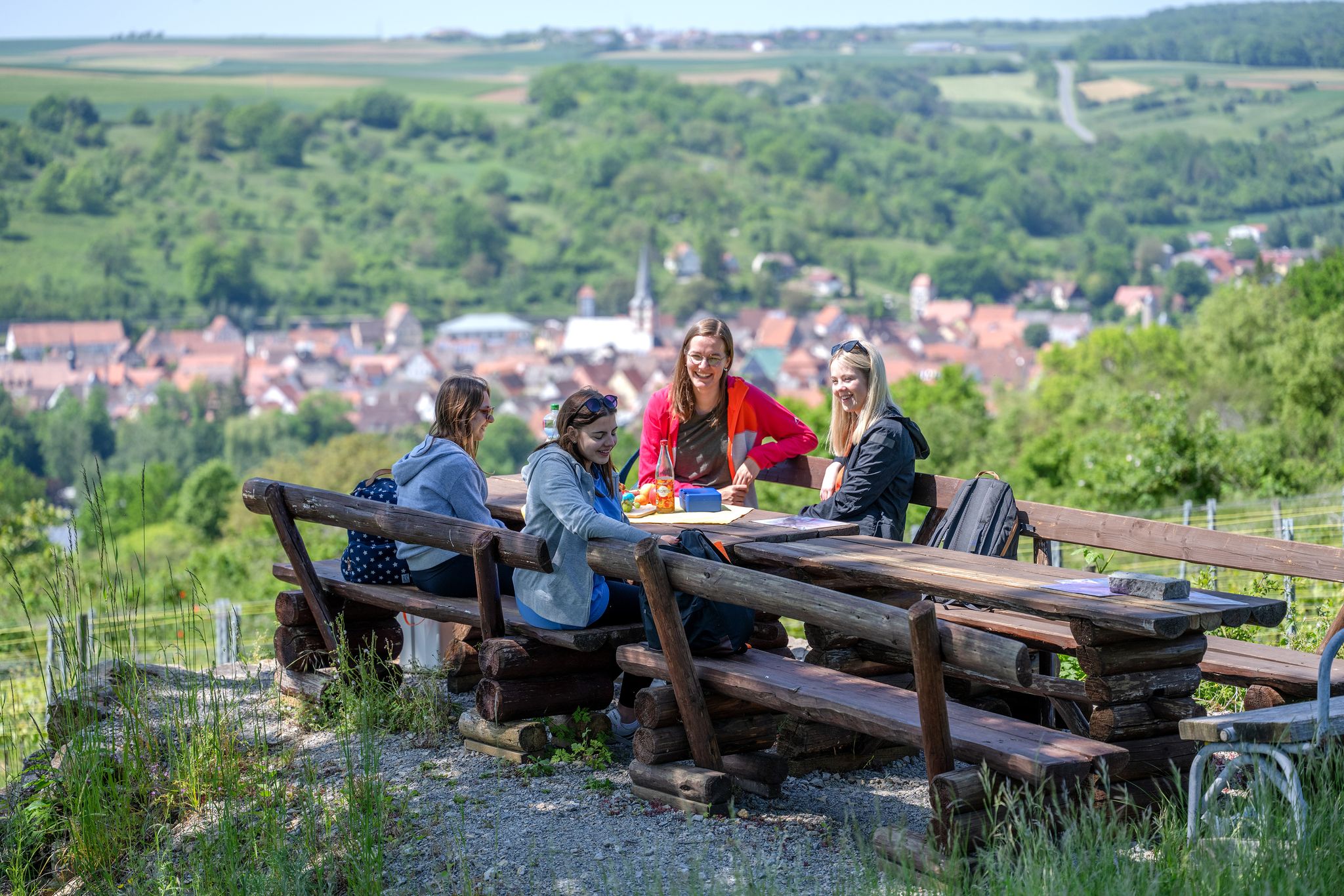
29 Rundwanderwege durch die Ferienlandschaft „Liebliches Taubertal“
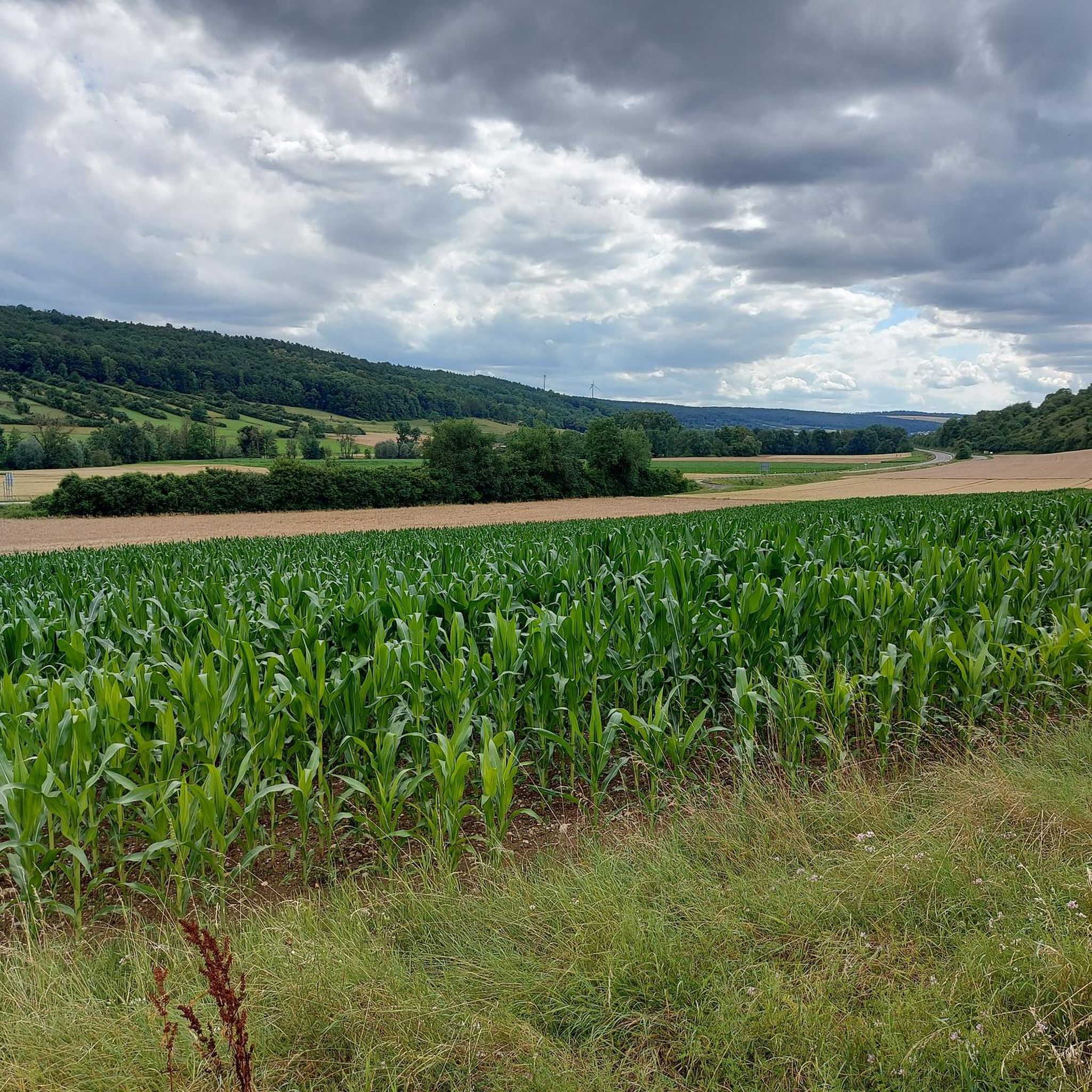
Cycling around Bieberehren
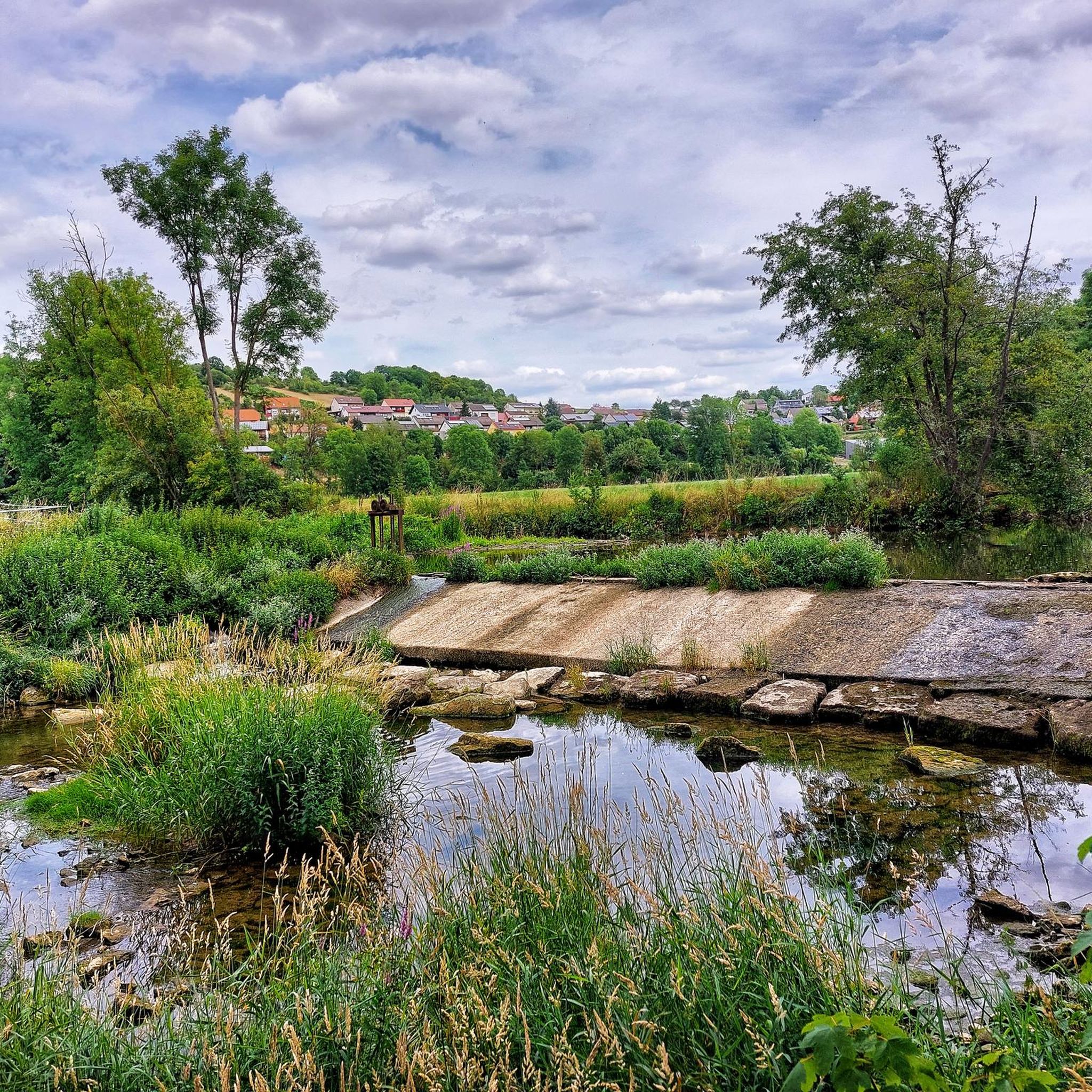
Hiking around Bieberehren
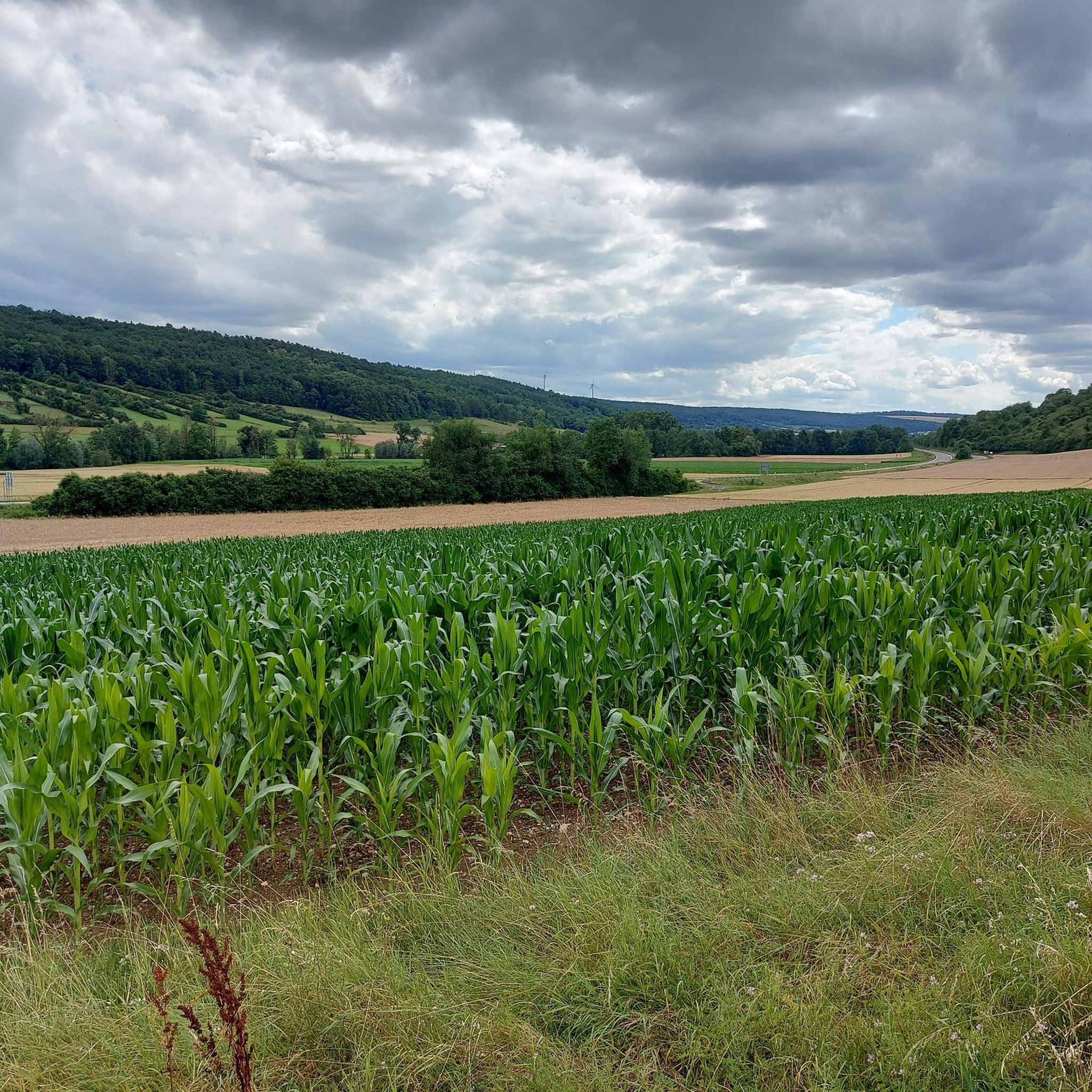
Road Cycling Routes around Bieberehren
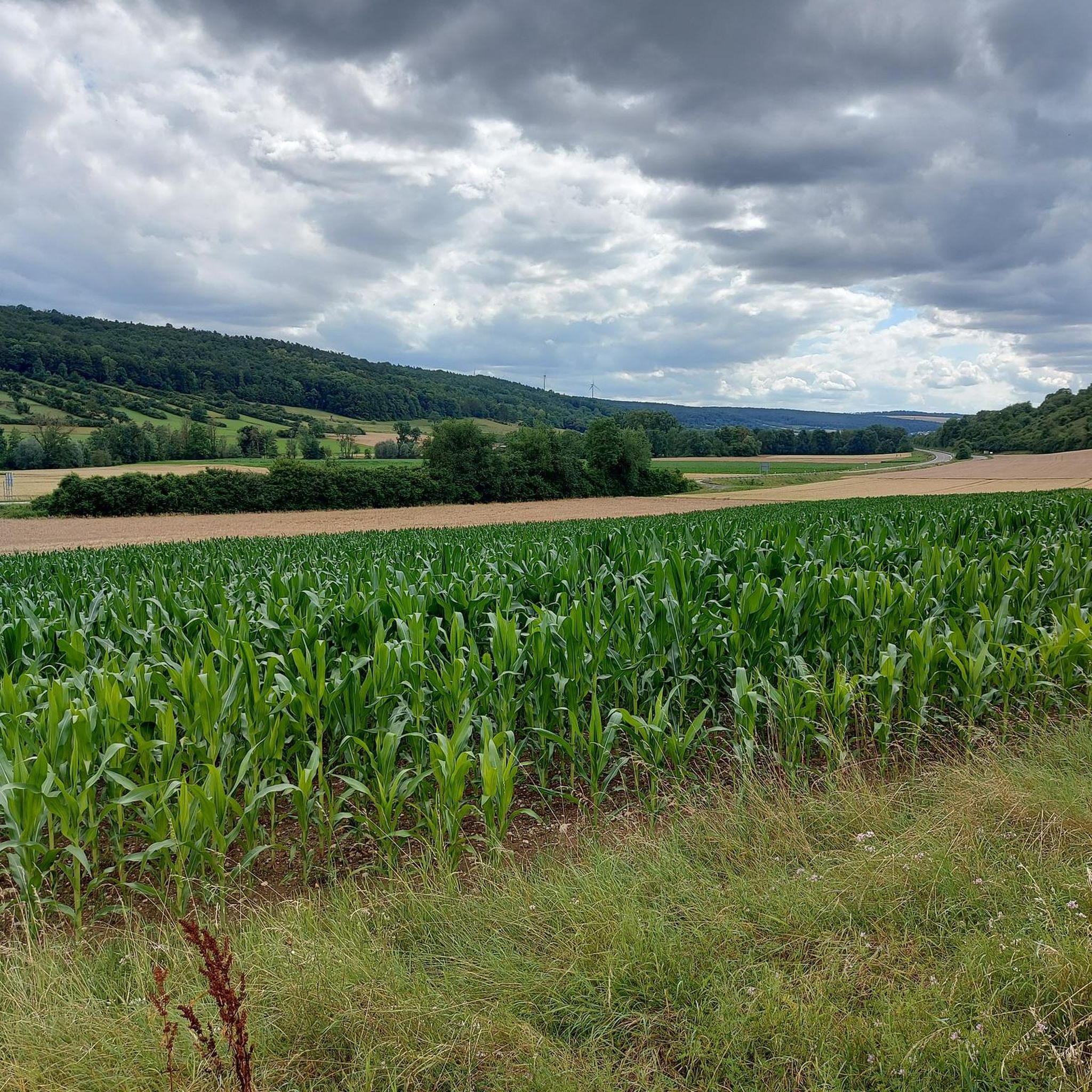
MTB Trails around Bieberehren
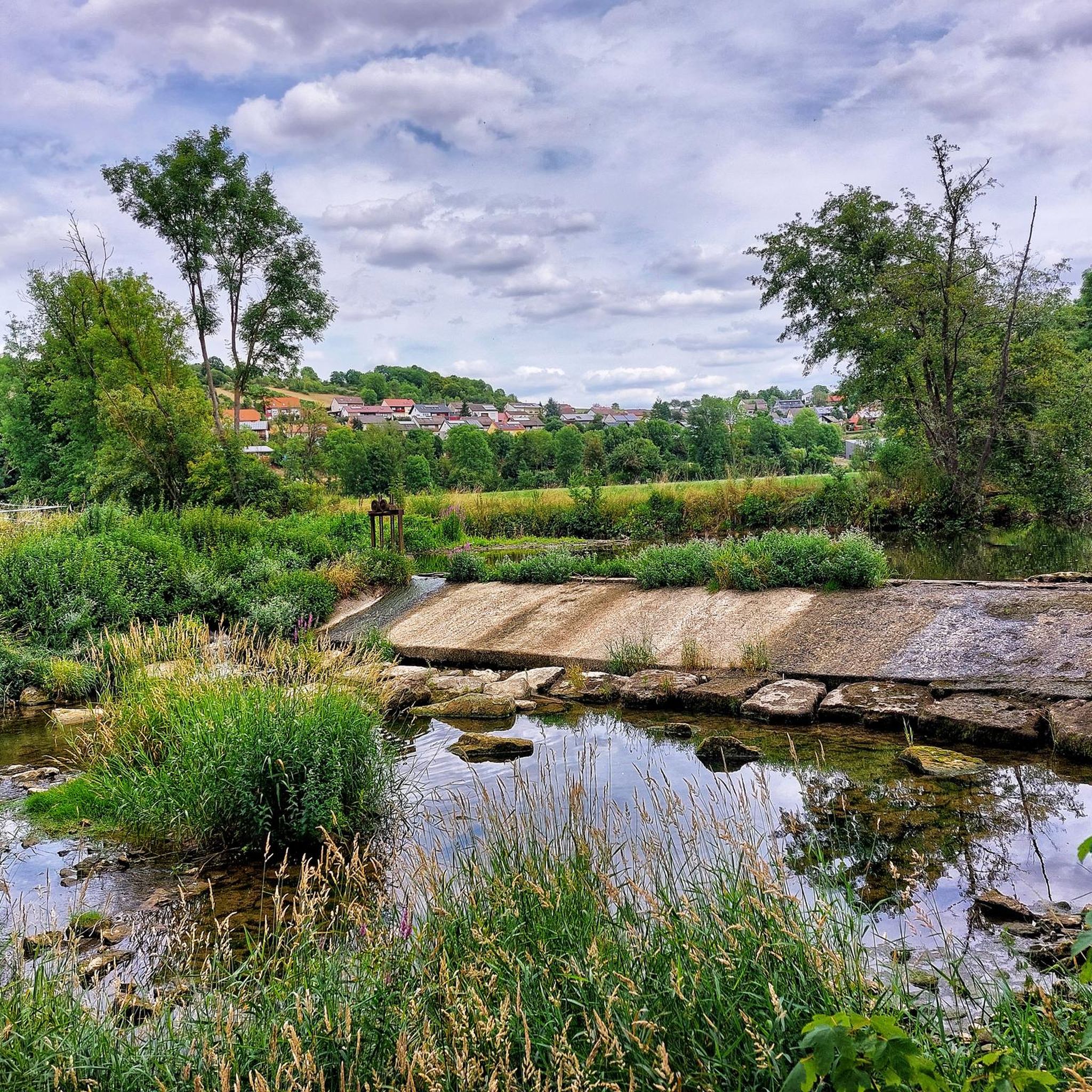
Running Trails around Bieberehren
Other adventures around Bieberehren

Tips from the Community

Relaxed site for a relaxed afternoon by the water
0
0

Beautiful spring, somewhat hidden 🧐
2
0

The Celtic square rampart at Wermutshausen The rectangular rampart in the Hagenholz forest, with a length of 117 or 124 m and a width of 87 or 97 m, belongs, as numerous similar structures show, to the late part of the Celtic period, which is also called the La Tène period. These archaeological monuments, which are particularly common in southern Germany, were built in the 1st or 2nd century BC. Particularly characteristic are the ramparts with a pointed ditch up to 2.5 m deep and the usually significantly raised corners of the ramparts. Although the ditch is now only visible on the surface as a slight depression and the rampart has flattened over the course of thousands of years, this square rampart is a particularly outstanding archaeological monument. As excavations in Bavaria and Württemberg have shown, these ramparts are probably sanctuaries, i.e. enclosures of the sacred area, in the interior of which wooden temples and cult shafts up to 35 m deep were found. The Celtic rampart, which is over 2000 years old, is one of 70 Celtic ramparts in Baden-Württemberg. The field name "Schloßgraben" indicates that people believed for a long time that a castle had once stood here, of which only the ditches are still recognizable. It was only at the end of the 19th century that investigations proved that it was a Celtic building. Today's researchers are of the opinion that the square ramparts could also have been fortified estates. It is probable that there was a connection with the Celtic oppidum in Finsterlohr, about 11 km away as the crow flies, but this cannot be proven, as there are no written records from Celtic times. The nearest settlements were near Kreuzfeld, near Langenburg, near Finsterlor/Burgstall and near Röttingen. There was also a farm near Oberstetten. All settlements had in common that they were usually at the highest point in the area. Settlements in the valleys only emerged during the migration period (from the 3rd century).
1
0


Kunigunde's linden tree "Thousand-year-old" Kunigunde's linden tree ♁⊙ on the west side of the churchyard Right next to the chapel stands the "Thousand-year-old" Kunigunde's linden tree, also named after the saint. According to the legend of the church's founding, it is the same tree in which Kunigunde's veil got caught and the little church was built under her. Since the historical Kunigunde died in 1033, this would confirm the linden tree's age of over 1000 years. The actual age of the tree is highly controversial, however, and very different information can be found in the literature. A dendrological determination of the age of the striking tree is not possible, since its trunk is completely hollow and the core of the trunk is missing. It is often assumed that the linden tree was planted at the same time as the chapel was built, which would make it at least 800 years old. The linden tree itself is a summer linden and a protected natural monument. Over the centuries of its life, its trunk has split into four parts and is completely hollow inside. The remaining remnants of the trunk shell are supported by massive iron rods. To prevent it from breaking apart under the weight of its own crown, a radical pruning is carried out approximately every 25 years - the Kunigundenlinde has been completely decapitated several times in recent decades during renovation work. https://de.wikipedia.org/wiki/Kunigundenkapelle_(Burgerroth)
4
0
After her canonization in 1200, Saint Kunigunde became one of the most popular saints, especially in Franconia. According to legend, the construction of the chapel in Burgerroth can be traced back to her. She had vowed to build three churches and wanted to leave the choice of building sites to divine providence. She let three veils fly from Bamberg Castle: wherever they were found, a church was to be built. One of the veils was carried by the wind to the Old Mountain, where it got caught in a linden tree that still stands there today. The little church was to serve as a parish church for both Burgerroth and the neighboring town of Buch, but the people of Buch felt that the location was too far away. They took the building materials to Buch on their own initiative, but the next day everything was back in its intended place. One carpenter is said to have even laid down on the stones in the evening and woke up on the stones on the Old Mountain the next morning. The people of Buch gave up their resistance and the chapel was built here. Kunigundenstein The saint is said to have prayed at a spot 150 m southeast of the chapel in the direction of Gollach and left her hand, knee and footprints there. https://de.wikipedia.org/wiki/Kunigundenkapelle_(Burgerroth)
4
0
The Kunigunde Chapel, which is dedicated to Kunigunde of Luxembourg, who was particularly revered in the region, was built around 1230 during the heyday of the Staufers. The probable builders are Heinrich von Hohenlohe and his son Konrad von Hohenlohe, who resided in the nearby Brauneck Castle. From 1608 to 1609, extensive repairs and reconstructions were carried out under Prince-Bishop Julius Echter von Mespelbrunn. This reconstruction was intended to consolidate the Counter-Reformation. A stone tablet from 1614 indicates this renovation. In the middle of the 18th century, during the Baroque period, the walls and ceiling were decorated with stucco. In 1762, the current main altar with a depiction of the Holy Family was donated by Thomas Klee from Buch. A final renovation took place around 1900. Regular services, however, only took place on Kunigunde Day (March 3) and on the third day of supplication. After the cemetery had not been used since 1945, the Kunigunden Chapel lost its importance. Excavations were carried out in the chapel from 1961 to 1962 and the subsequent thorough renovation restored it to its current state. https://de.wikipedia.org/wiki/Kunigundenkapelle_(Burgerroth)
4
0
The Kunigunden Chapel near the Auber district of Burgerroth is considered an important late Romanesque building. It was a pilgrimage church and place of worship for the villages of Buch, Burgerroth, Niedersteinach and Brauneck Castle. https://de.wikipedia.org/wiki/Kunigundenkapelle_(Burgerroth)
4
0
Frequently Asked Questions
What unique natural features can I explore around Bieberehren?
Bieberehren is nestled within the scenic Tauber and Gollach river valleys, which are significant natural attractions. You can experience the serene flow of the Tauber River, explore the peaceful Gollach Valley, and discover beautiful forest paths. These areas offer lush vegetation and tranquil surroundings, ideal for appreciating local flora and fauna.
Are there any significant geological formations to see near Bieberehren?
Yes, a notable geological feature is the Kunigundenstein, a weathered shell limestone rock located on the Alter Berg above the Gollach valley. This striking formation is associated with local legends and is an officially recognized natural monument.
What historical natural monuments are there in the Bieberehren area?
The area features several natural monuments with historical significance. The Kunigunden Chapel on the Altenberg is home to an ancient, approximately 1000-year-old lime tree, which is a natural monument itself and tied to local legends. Additionally, the Ottilien Spring in Pfahlenheim is a historic spring with a legend of healing, and the Celtic rectangular enclosure of Wermutshausen is an over 2000-year-old archaeological monument within a forest setting.
Are there family-friendly natural monuments around Bieberehren?
Absolutely. The Nassau Reservoir is a great family-friendly spot, offering a circular path for walking, hiking, and cycling, complete with picnic benches and barbecue areas. The Ottilien Spring in Pfahlenheim is also considered family-friendly, providing a pleasant destination for a walk.
What outdoor activities can I do near these natural monuments?
The region offers a variety of outdoor activities. You can enjoy hiking along the Tauber Valley Panorama Trail or explore the numerous forest paths. Cycling is popular on the Taubertal Radweg, which passes through Bieberehren. There are also hiking routes and running trails available, such as the 'Meditationswanderweg LTM-9 Bieberehrener Picture Book' for hiking or the 'Tauber Weir Bieberehren' loop for running.
What is the best time to visit the natural monuments around Bieberehren?
The natural monuments and river valleys around Bieberehren are beautiful throughout the warmer months, from spring to autumn. Spring brings blooming flora, while summer offers pleasant conditions for cycling and walking. Autumn showcases vibrant foliage, making it an ideal time for scenic hikes. The well-maintained paths make these areas accessible for visitors during these seasons.
Are there easy walking routes to natural monuments in Bieberehren?
Yes, there are several easy walking routes. The Nassau Reservoir features an easy circular path. The Tauber and Gollach valleys also offer picturesque natural scenery ideal for leisurely strolls. For example, the 'Tauber River in Klingen – Creglingen Castle loop' is an easy hiking option.
Can I bring my dog to the trails around Bieberehren's natural monuments?
Many of the natural areas and trails around Bieberehren, including those in the Tauber and Gollach valleys, are generally dog-friendly. It's always recommended to keep dogs on a leash, especially in ecologically sensitive areas or near wildlife, and to clean up after them to preserve the natural environment for everyone.
What do visitors enjoy most about the natural monuments in Bieberehren?
Visitors particularly appreciate the tranquility and scenic beauty of the region. The ancient lime tree at Kunigunden Chapel is a unique highlight, and the Nassau Reservoir is praised for its idyllic setting and opportunities for quiet hours in nature. The overall peaceful atmosphere and the well-maintained paths for various outdoor activities are highly valued.
Are there any viewpoints offering panoramic views of the natural landscape?
The Kunigunden Chapel on the Altenberg is listed as a viewpoint, offering elevated perspectives of the surrounding area. The Kunigundenstein, situated on the Alter Berg above the Gollach valley, also provides a striking natural landmark within a scenic setting.
How accessible are the natural monuments by public transport or car?
Bieberehren is a small community, and while the Taubertal Radweg makes the riverside easily accessible for cyclists, public transport options directly to all natural monuments might be limited. Driving to the vicinity of the natural monuments and then walking or cycling is often the most convenient way to access them. Parking is generally available near trailheads or village centers.
Most popular routes around Bieberehren
Most popular attractions around Bieberehren

Get inspired with the komoot mobile app


Explore more
Extend your search for the best caves by checking out these guides of the top ones around Bieberehren:
