Top 20 Natural Monuments around Jülich
Best natural monuments around Jülich include the Sophienhöhe, a significant reclaimed landscape that rises nearly 300 meters above the flat Jülich countryside. This area, formed from overburden of the Hambach opencast mine, has been transformed into a diverse recreational space with extensive paths. It features a mixed forest and provides panoramic views of the surrounding region. The successful recultivation project has fostered significant biodiversity, making it a prominent natural attraction.
Best natural monuments around Jülich
- The most popular natural monuments…
Last updated: July 8, 2026
Hambach Open-pit Mine Viewpoint
Highlight • Viewpoint
Translated by Google •
Tip by

Höller Horn Observation Tower
Highlight • Viewpoint
Translated by Google •
Tip by

Sign up now to discover places like this
Get recommendations on the best single tracks, peaks, & plenty of other exciting outdoor places.
Sign up for free
Celtic Tree Circle, Sophienhöhe
Highlight • Natural Monument
Translated by Google •
Tip by
Mühlenerft
Highlight • River
Translated by Google •
Tip by

Karlsburg Ruins in the Kammerbusch Landscape Garden
Highlight • Castle
Translated by Google •
Tip by

Sign up for free to discover even more natural monuments around Jülich.
Sign up for free
Already have an account?
Start today with a free account
Your next adventure awaits.
Login or Signup
Popular around Jülich
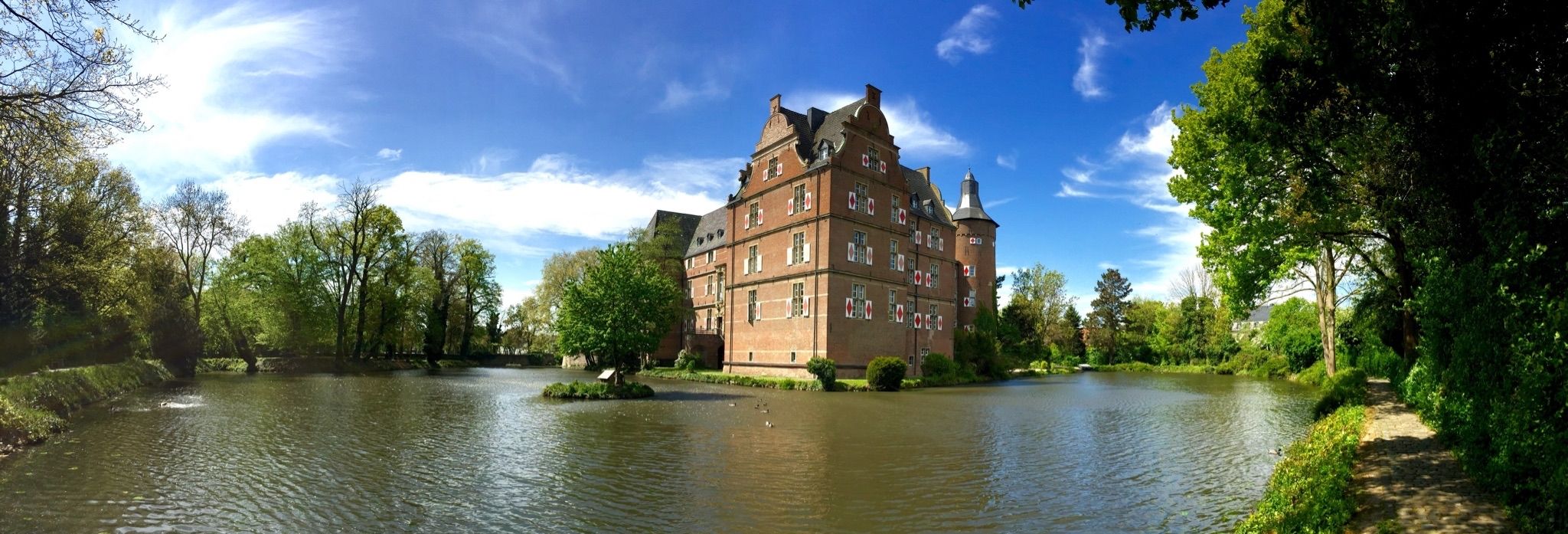
Wasserburgen-Route — A ride through Germany's Castle Country from the Rhine to the Eifel and back
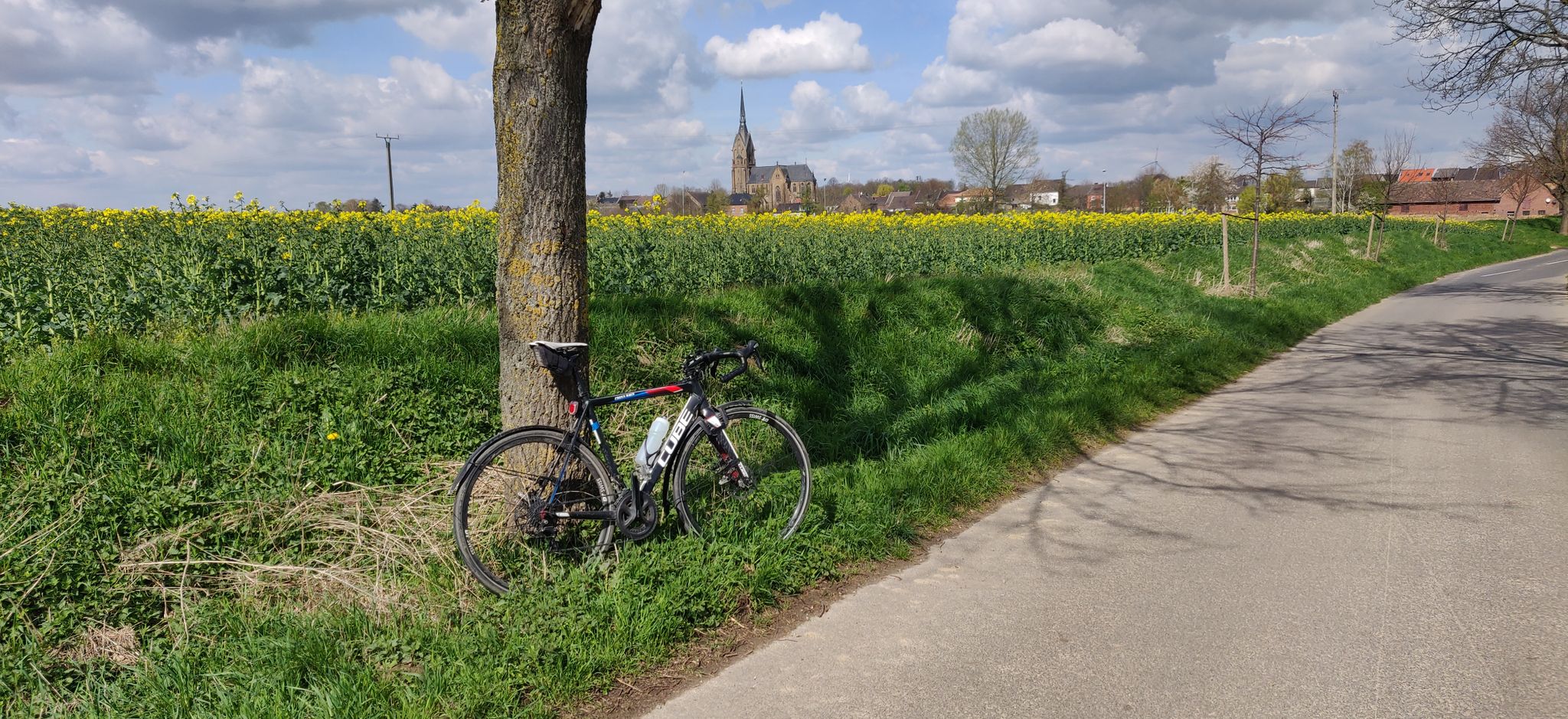
RSC Welldorf 1998 e.V. presents: racing bike tours in Jülicher Börde
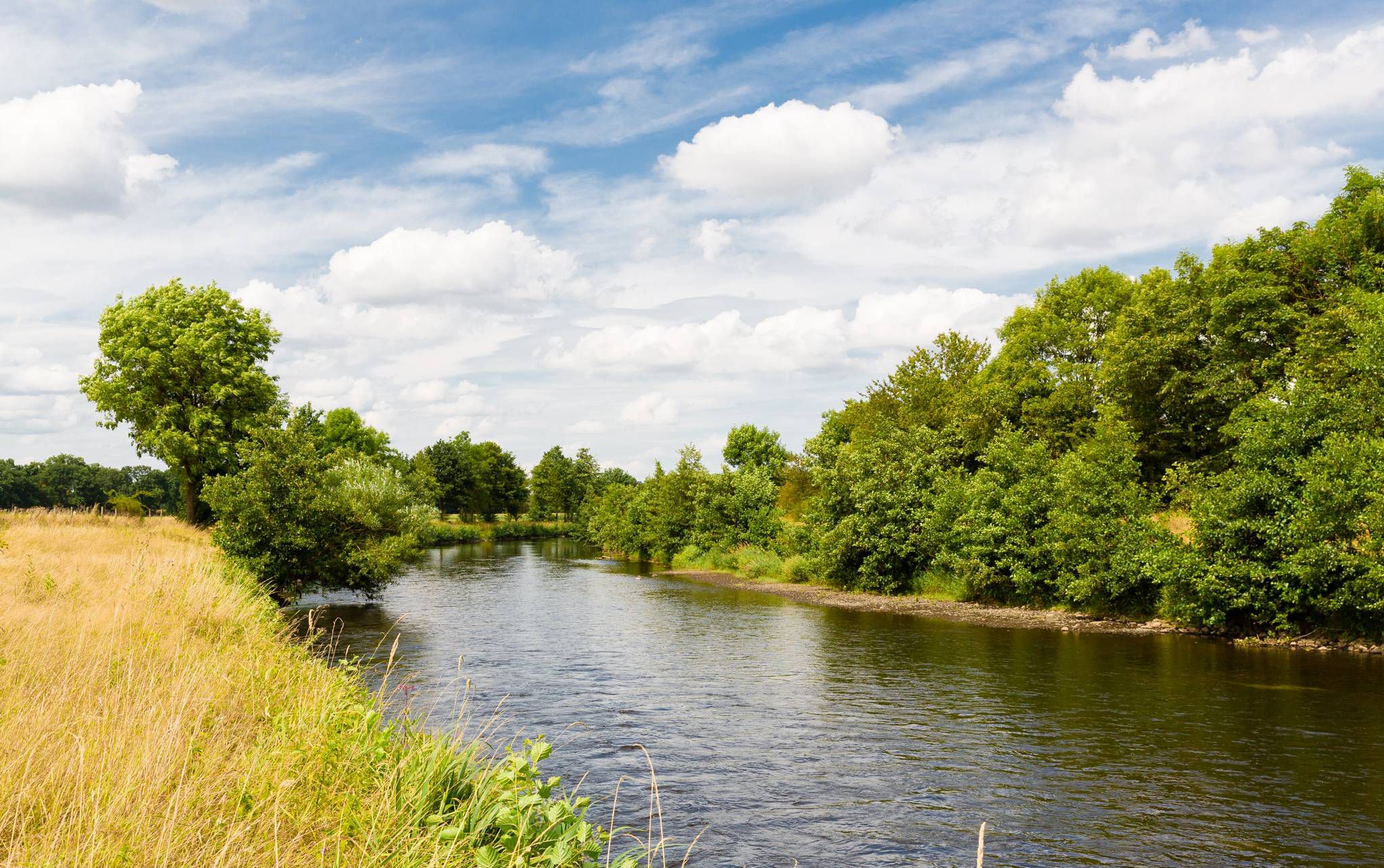
3 days, 3 countries — on the Rur bank cycle path through the Eifel
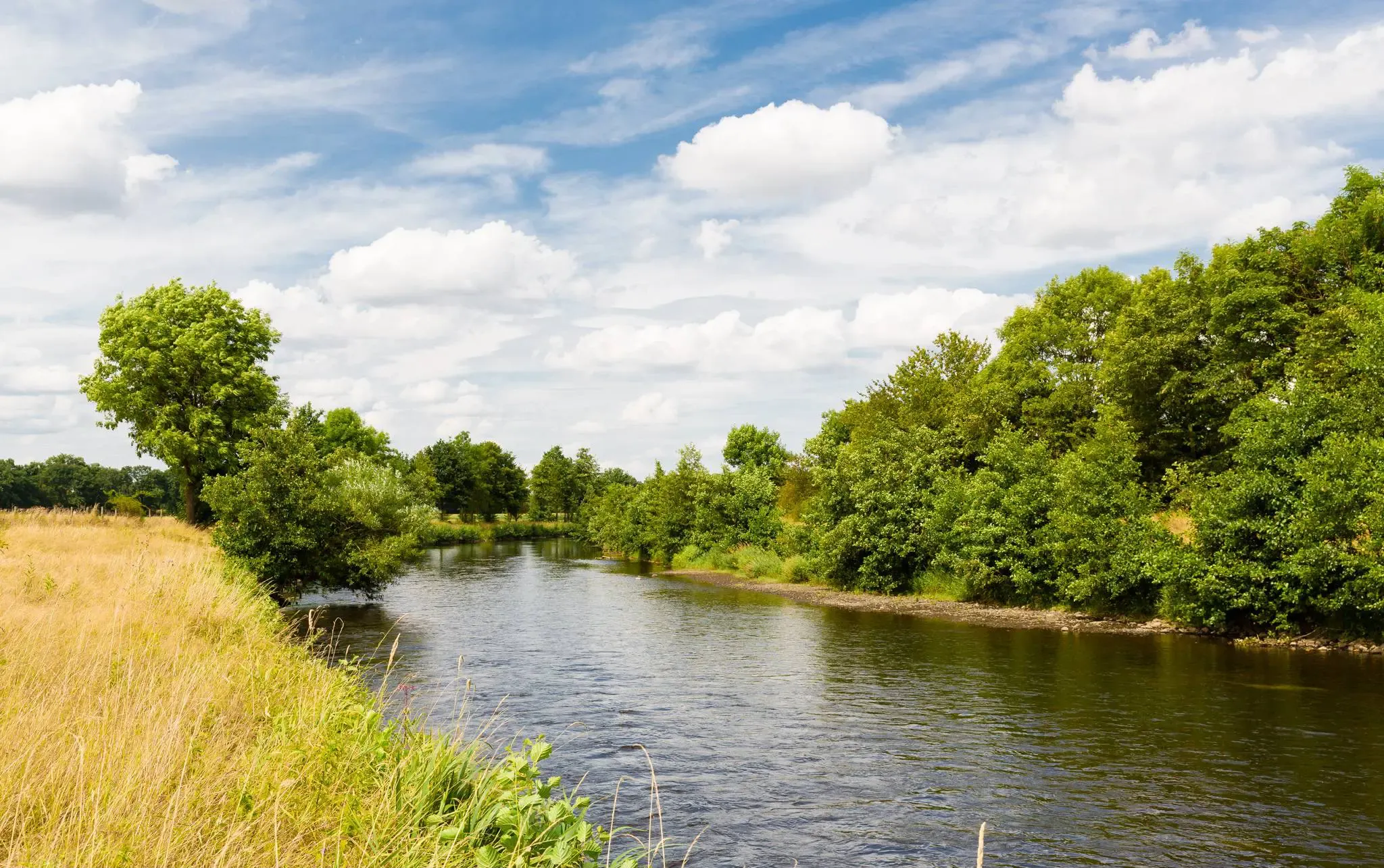
RurUfer-Radweg – 3 Tage, 3 Länder durch die Eifel
Auszeiten im Grünen – Entspannte Wanderungen im Rheinland
Cycling around Jülich
Hiking around Jülich
Road Cycling Routes around Jülich
MTB Trails around Jülich
Running Trails around Jülich
Other adventures around Jülich


Tips from the Community

The tower bears a weather vane inscribed with "Monte Sophia" and, together with the Roman Tower, is one of the prominent viewpoints on the reclaimed Sophienhöhe, which was once used as a spoil heap for the Hambach open-cast mine. The HöllerHorn reaches approximately 291.5 meters above sea level, making it one of the highest points on the Sophienhöhe, but it lies just below the summit level of the Roman Tower (301.8 meters above sea level).
30
0
A sign at the site explains that the Celts considered trees important living beings and attributed special properties to them. The Tree of Life Circle takes up this concept and presents different tree species, each symbolically assigned to a specific time of year, similar to a Celtic tree calendar.
34
0

... as if it didn't already exist, someone has created it again...
9
0
This recently reclaimed section of the Sophienhöhe, an artificially created hill on the edge of the open-cast lignite mine, reaches far back into the history of the European continent and the formerly Celtic-influenced civilization. Those interested in the topic can learn a great deal here about the various tree symbols of Celtic culture.
9
1

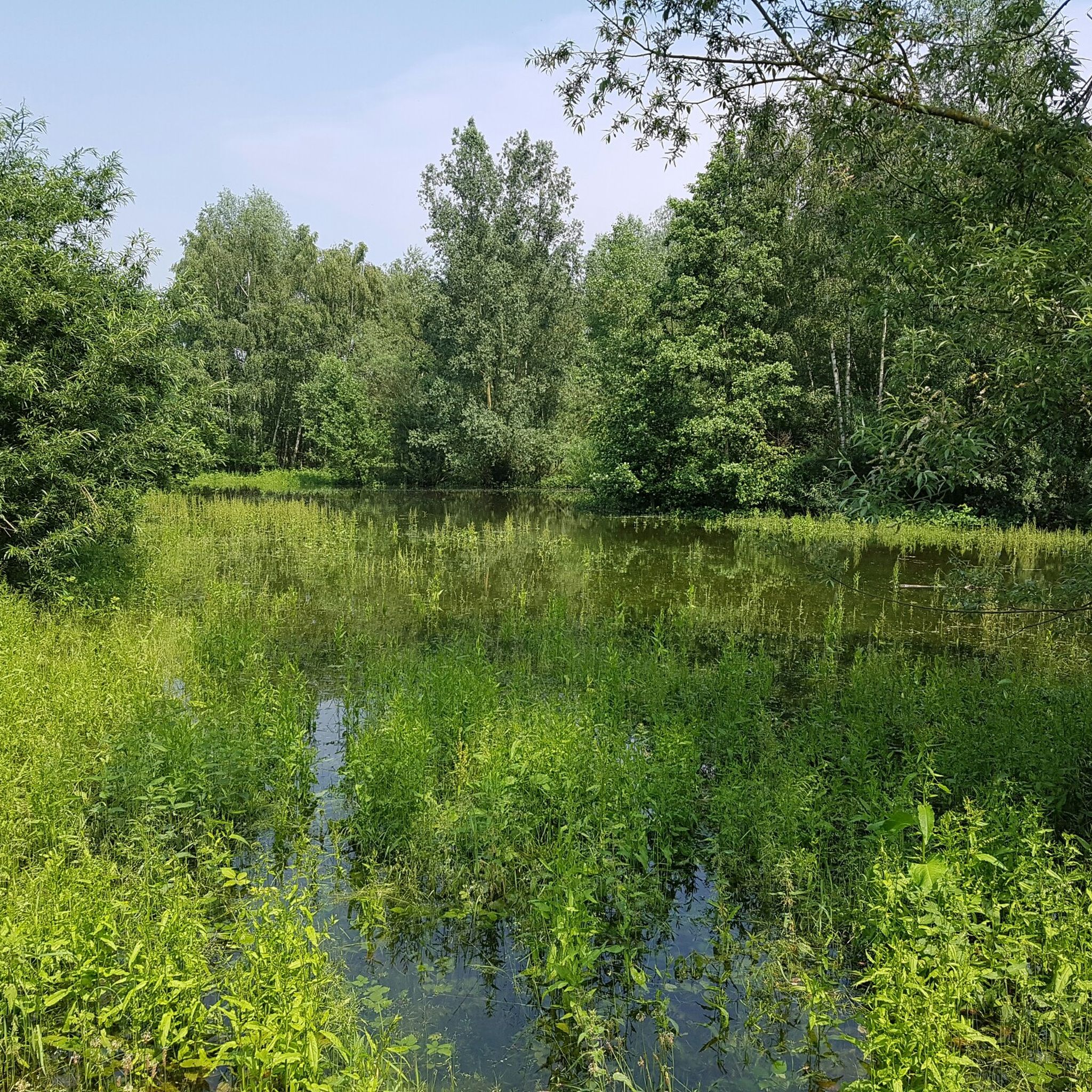
The Mühlenerft was a dead arm for a long time. Only after the open-cast mine was recultivated was it reconnected to the Erft, which had been diverted several times.
0
0

The Hambach opencast mine is one of three remaining active opencast mines in the Rhenish lignite mining area. It is the largest lignite mine in Europe and is located in the middle of the lignite mining area between the municipality of Niederzier and the town of Elsdorf. The Hambach opencast mine was started in 1978 near the Niederzier district of Hambach and is over 350 meters deep. 1.35 billion tons of brown coal are stored beneath its 85 square kilometer mining field. Around 40 million tons of coal are mined every year.
7
0

Large parts of this sandy area still lie fallow today. A wooden tower with a weather vane is set up here, which is modeled on a late medieval winding tower of an ore mine.
12
0

Very beautiful river landscape at Alt-Kaster. The Kasterer Mühlerft branches off the Erft near Bedburg Broich, flows past the Kaster industrial park and the village of Alt-Kaster, around Lake Kaster and then south of the Frimmerdorferhöhe back into the Erft.
7
0
Frequently Asked Questions
What is the Sophienhöhe and why is it considered a natural monument?
The Sophienhöhe is a remarkable artificial mountain near Jülich, formed from the overburden of the Hambach opencast lignite mine. Rising nearly 300 meters, it has been successfully transformed through forestry recultivation into a diverse recreational area with a vibrant ecosystem. Its successful transformation from an industrial scar to a thriving, biodiverse landscape makes it Jülich's most prominent natural attraction, even if not a traditional geological formation.
What kind of activities can I do on the Sophienhöhe?
The Sophienhöhe offers over 100 kilometers of well-maintained paths, perfect for walking, hiking, mountain biking, and horseback riding. You can explore diverse landscapes, enjoy panoramic views from points like the Höller Horn Observation Tower, and discover unique spots like the Celtic Tree Circle or the Sequoia grove.
Are there family-friendly natural monuments around Jülich?
Yes, several natural monuments around Jülich are family-friendly. The Sophienhöhe itself is great for families, offering easy paths and interesting sights like the Celtic Tree Circle and the Sequoia grove. The Mühlenerft river landscape also provides good, easy walks. Additionally, the Karlsburg Ruins in the Kammerbusch Landscape Garden is a historical site within a forest that families can explore.
What kind of wildlife can be found on the Sophienhöhe?
The Sophienhöhe's diverse ecosystem supports a wide array of wildlife. Over 35 years, a mixed forest has grown, creating a habitat for insects, birds, and various game animals. Since June 2024, a herd of Konik wild horses has been introduced to the "Goldene Aue" meadow area to further promote biodiversity through natural grazing.
Where can I find panoramic views of the region?
As the highest elevation in the Jülicher Börde, the Sophienhöhe provides stunning panoramic views. Notable viewpoints include the Höller Horn Observation Tower (291.5 m) and the Römerturm (301.8 m). From the Römerturm, you can see as far as Cologne, Düsseldorf, the Siebengebirge, the Eifel, and the Netherlands.
Are there historical sites integrated into the natural landscapes?
Yes, the Karlsburg Ruins in the Kammerbusch Landscape Garden is a notable example. This historical site features smaller buildings and ruins set within a 19th-century landscape garden, offering a blend of history and nature. The Sophienhöhe also features the Römerturm, a replica of a Roman watchtower.
What are the best times to visit the natural monuments around Jülich?
The Sophienhöhe is enjoyable year-round, with its extensive path network. Spring is particularly beautiful in the Kammerbusch Landscape Garden when rhododendrons are in bloom around the Karlsburg Ruins. The diverse forests and open areas offer different experiences across seasons, from lush greenery in summer to crisp views in autumn and winter.
What outdoor activities and routes are available near these natural monuments?
You can find a variety of outdoor activities. For hiking, explore easy trails like those around Barmener Lake or the Rur Rapids. Cyclists can enjoy road cycling routes such as the "View of Hambach Open-Pit Mine – View of Sophienhöhe loop." Mountain bikers have options like the "Roman Tower on Sophienhöhe – View of the Eifel Valley loop." You can find more details in our guides for easy hikes, road cycling routes, and MTB trails around Jülich.
What is the 'Celtic Tree Circle' on the Sophienhöhe?
The Celtic Tree Circle, Sophienhöhe is a natural monument featuring various tree species, each symbolically assigned to a specific time of year. It reflects the concept of Celtic tree calendars, where Celts attributed special properties to trees. It's a successful example of recultivation in the area.
Are there any river landscapes to explore near Jülich?
Yes, the Mühlenerft offers a beautiful river landscape, particularly near Alt-Kaster. This watercourse feeds and flushes the Kasterer See and is surrounded by forest, including elm trees, which are typical of hardwood floodplain forests. It provides good, easy walks.
What do visitors enjoy most about the natural monuments around Jülich?
Visitors particularly appreciate the successful transformation of the Sophienhöhe from an industrial area into a rich natural and recreational space. The extensive network of paths, the panoramic views from spots like the Höller Horn Observation Tower, and the unique points of interest like the Celtic Tree Circle are frequently highlighted. The blend of nature and historical elements, such as the Karlsburg Ruins, also receives positive feedback.
Most popular routes around Jülich
Most popular attractions around Jülich

Get inspired with the komoot mobile app


Explore more
Extend your search for the best caves by checking out these guides of the top ones around Jülich:
