Top 20 Natural Monuments around Willich
Best natural monuments around Willich showcase the typical Lower Rhine landscape, offering valuable recreational and ecological features. The region features a mix of naturalized lakes, protected stream areas, and historical parks. These areas provide insights into the local biodiversity and natural heritage. Visitors can explore tranquil settings and diverse ecosystems within this densely populated area.
Best natural monuments around Willich
- The most popular natural monuments is Irmgardis Spring, a natural monument located below the Irmgardiskapelle. The water from this…
Last updated: June 24, 2026
Historic Old Town of Linn
Highlight • Historical Site
Translated by Google •
Tip by

Rheydt Palace Park
Highlight • Castle
Translated by Google •
Tip by

Sign up now to discover places like this
Get recommendations on the best single tracks, peaks, & plenty of other exciting outdoor places.
Sign up for free
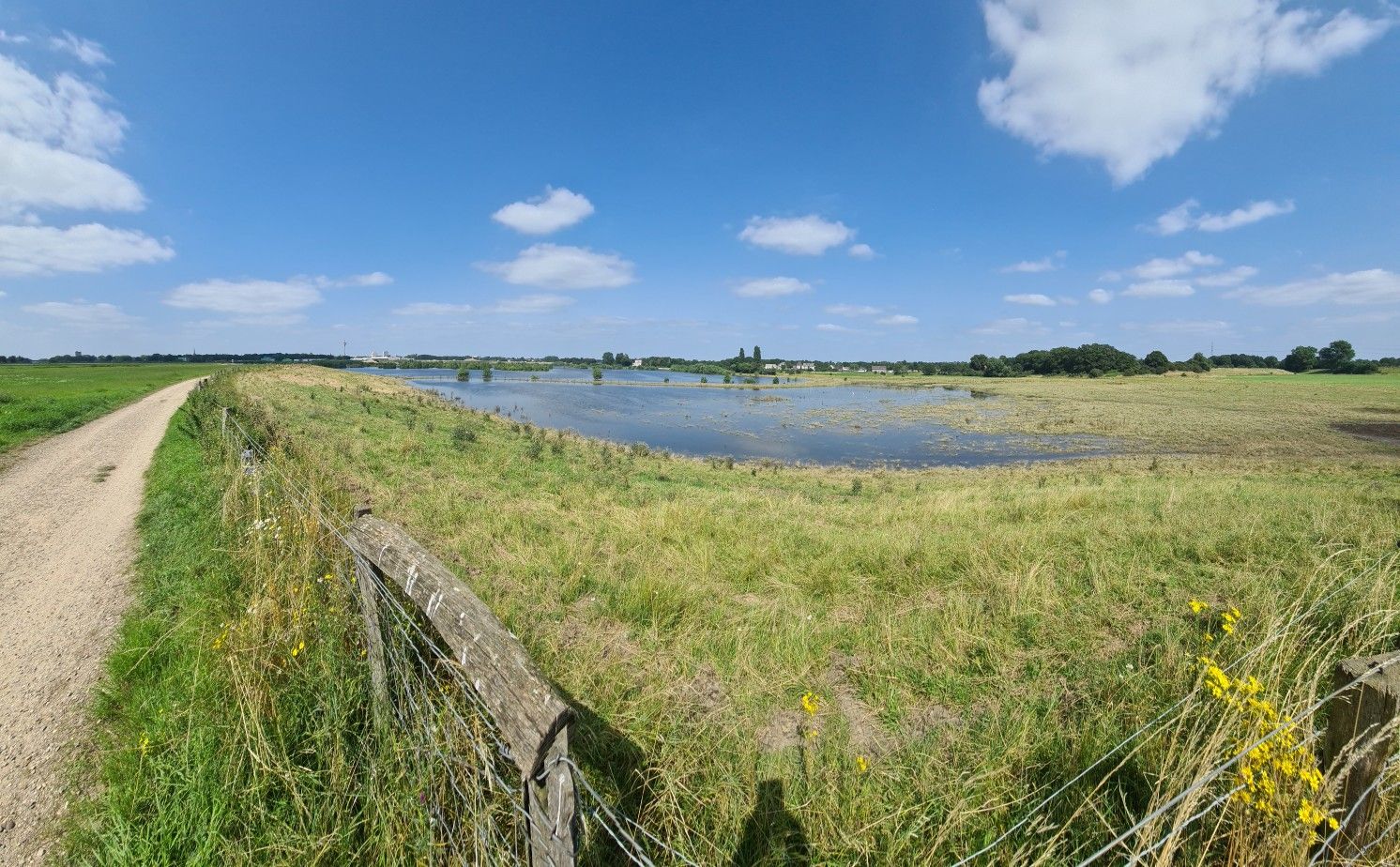
The Buersbach Nature Reserve
Highlight (Segment) • Natural Monument
Translated by Google •
Tip by

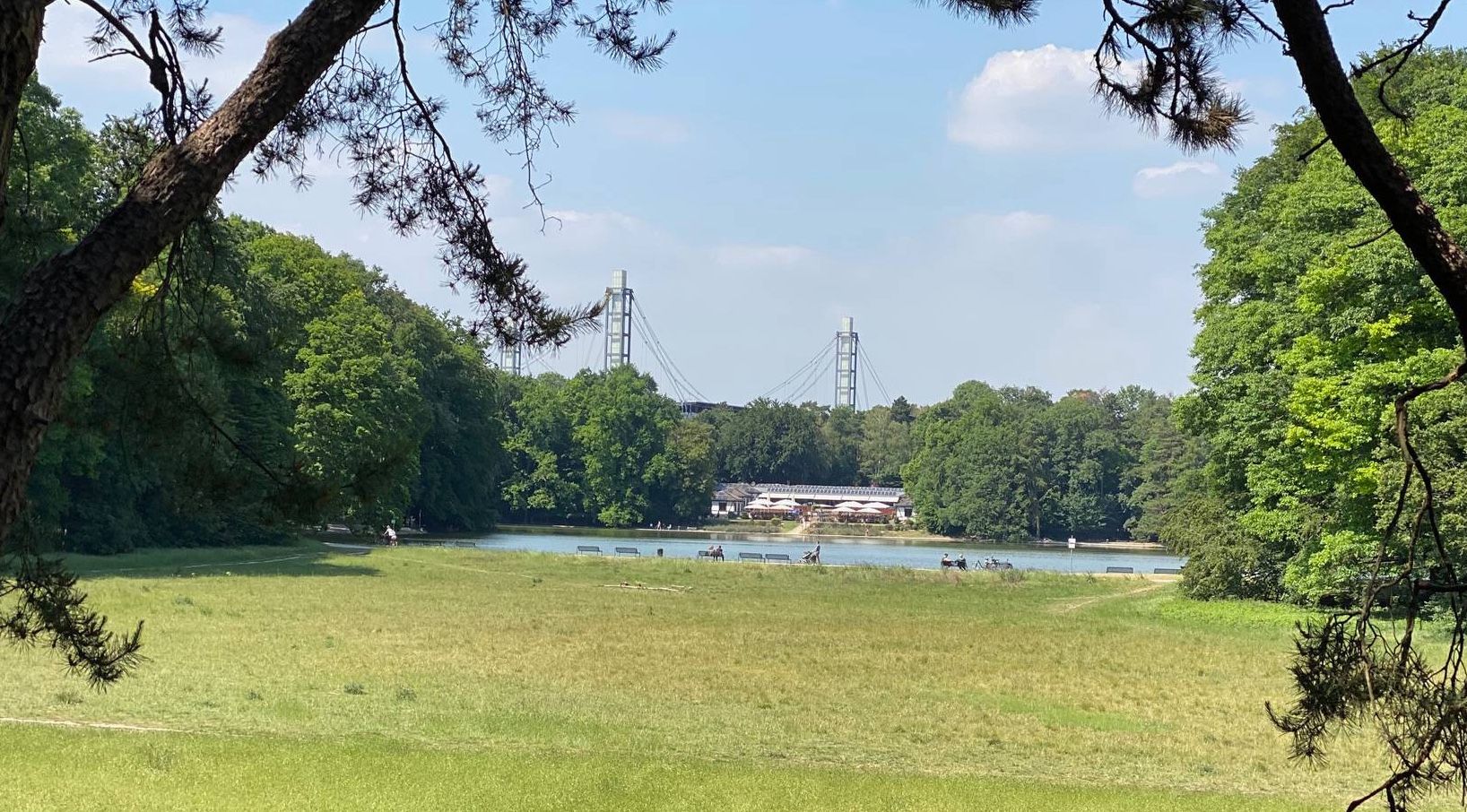
Kaiserpark Krefeld
Highlight • Forest
Translated by Google •
Tip by

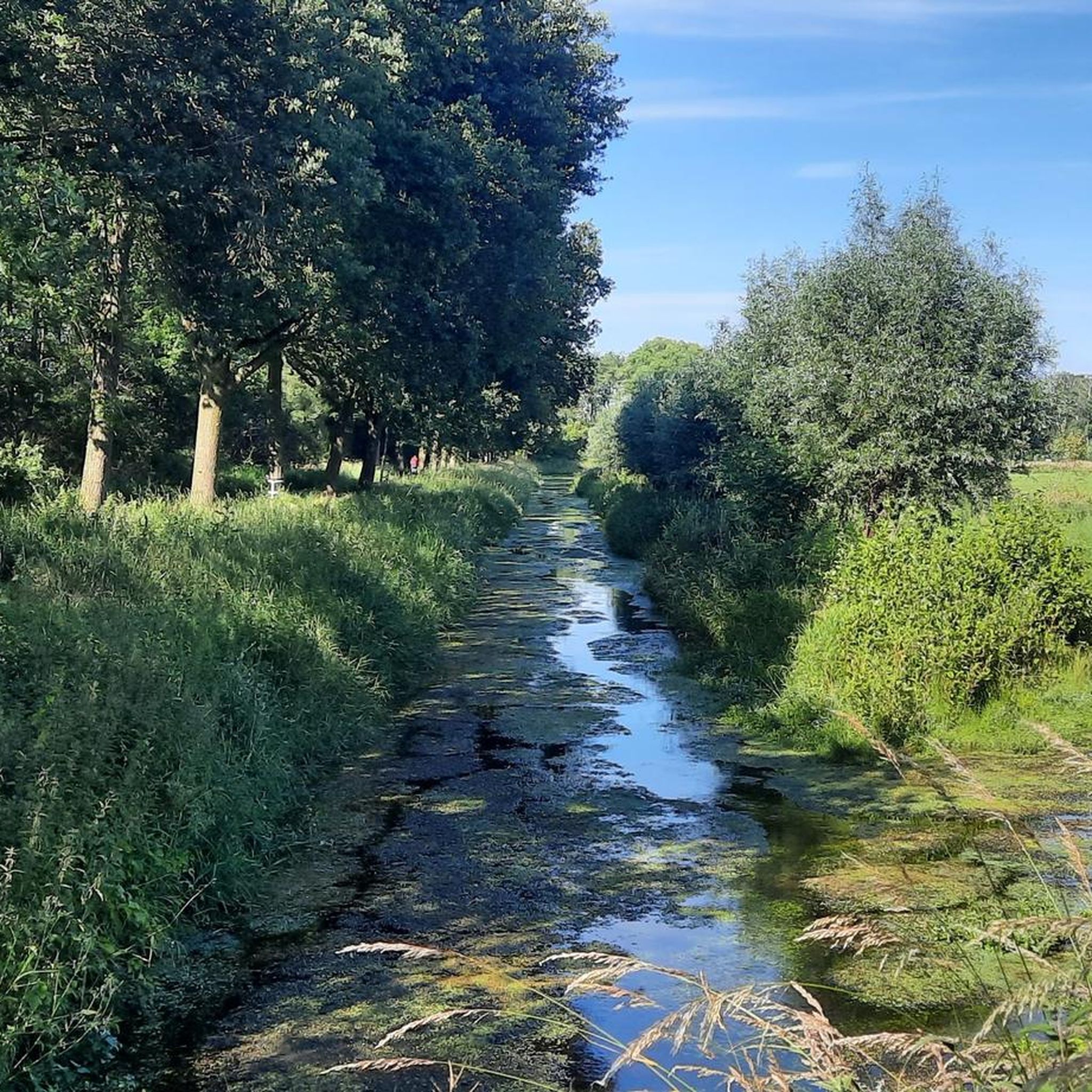
Irmgardis Spring
Highlight • Natural Monument
Translated by Google •
Tip by

Sign up for free to discover even more natural monuments around Willich.
Sign up for free
Already have an account?
Start today with a free account
Your next adventure awaits.
Login or Signup
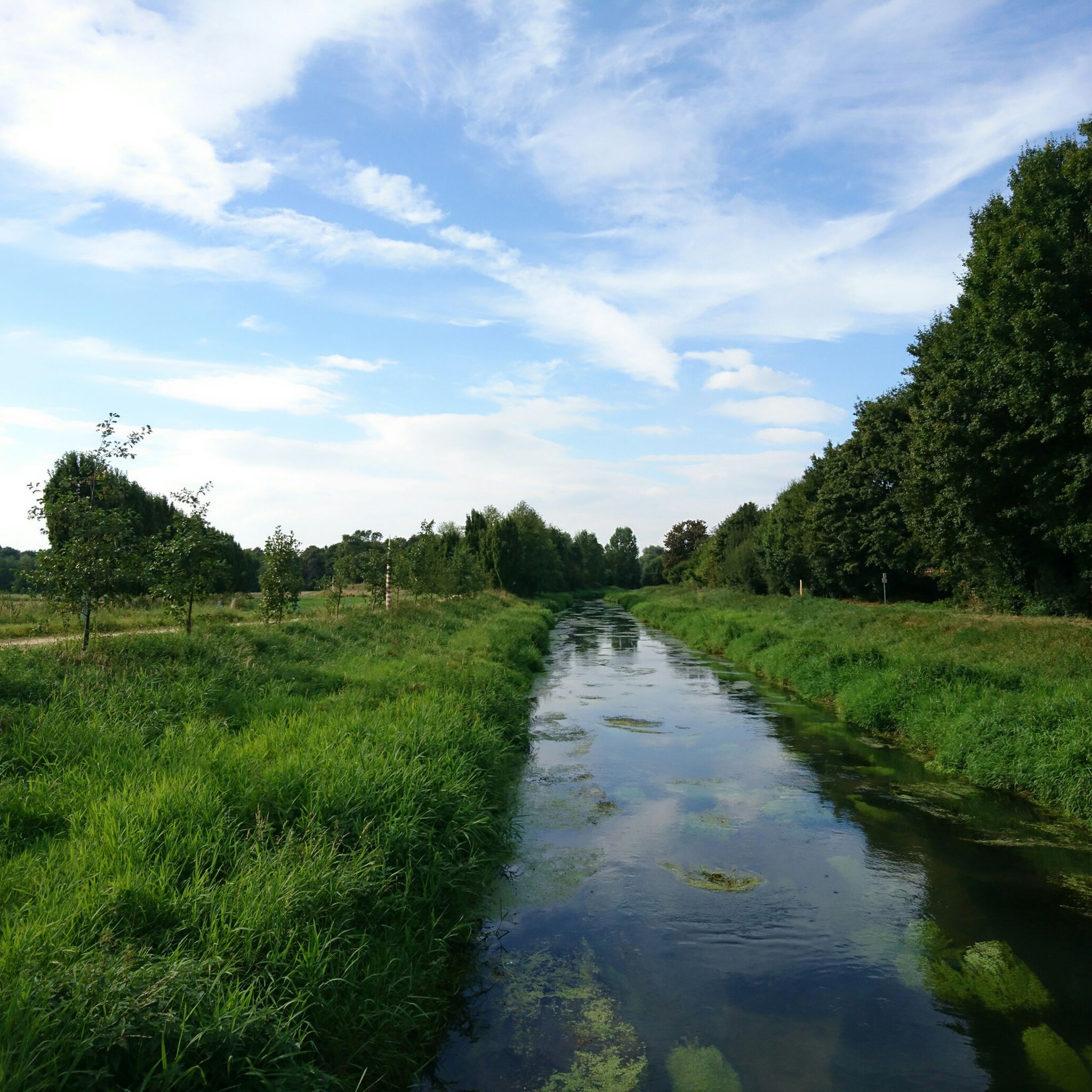
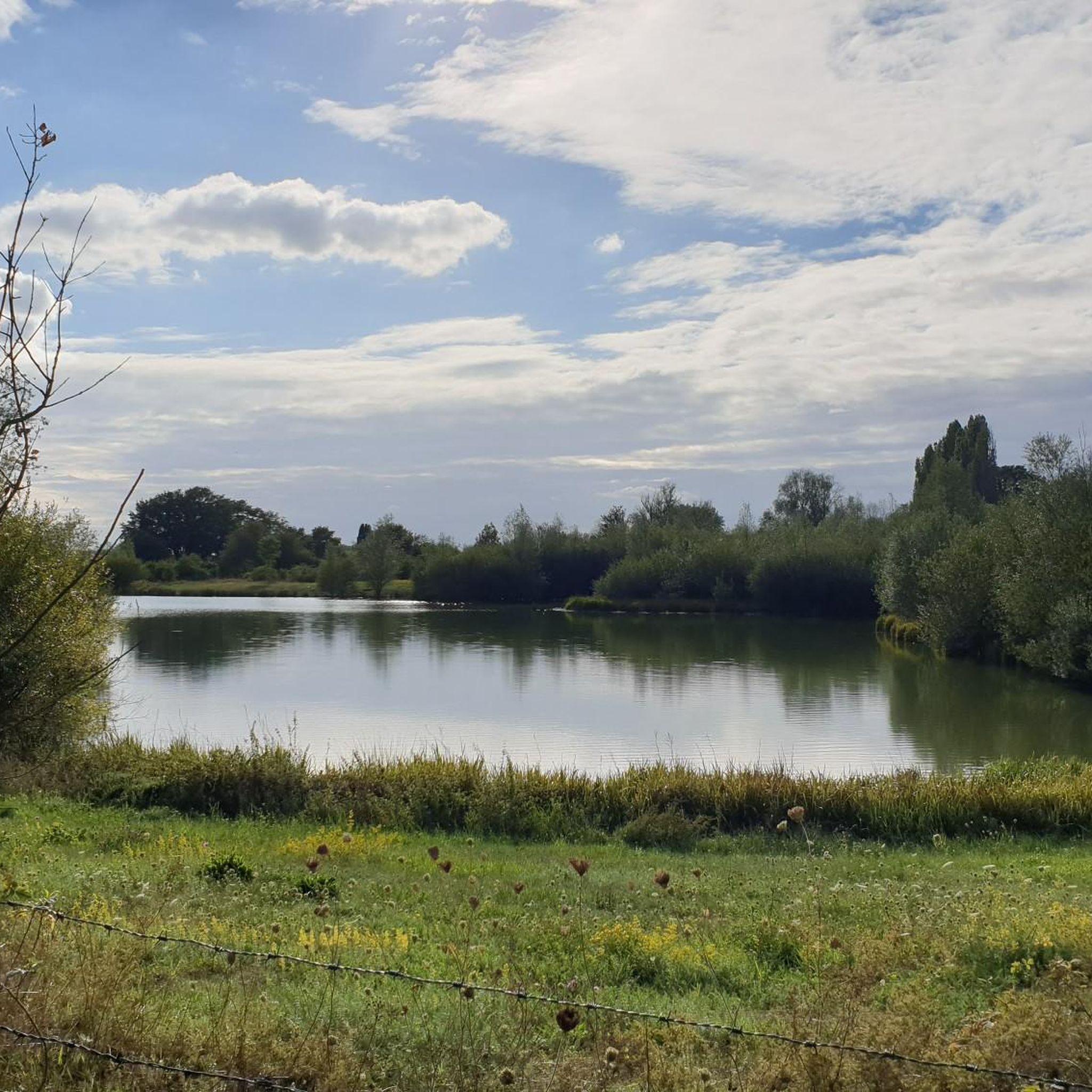
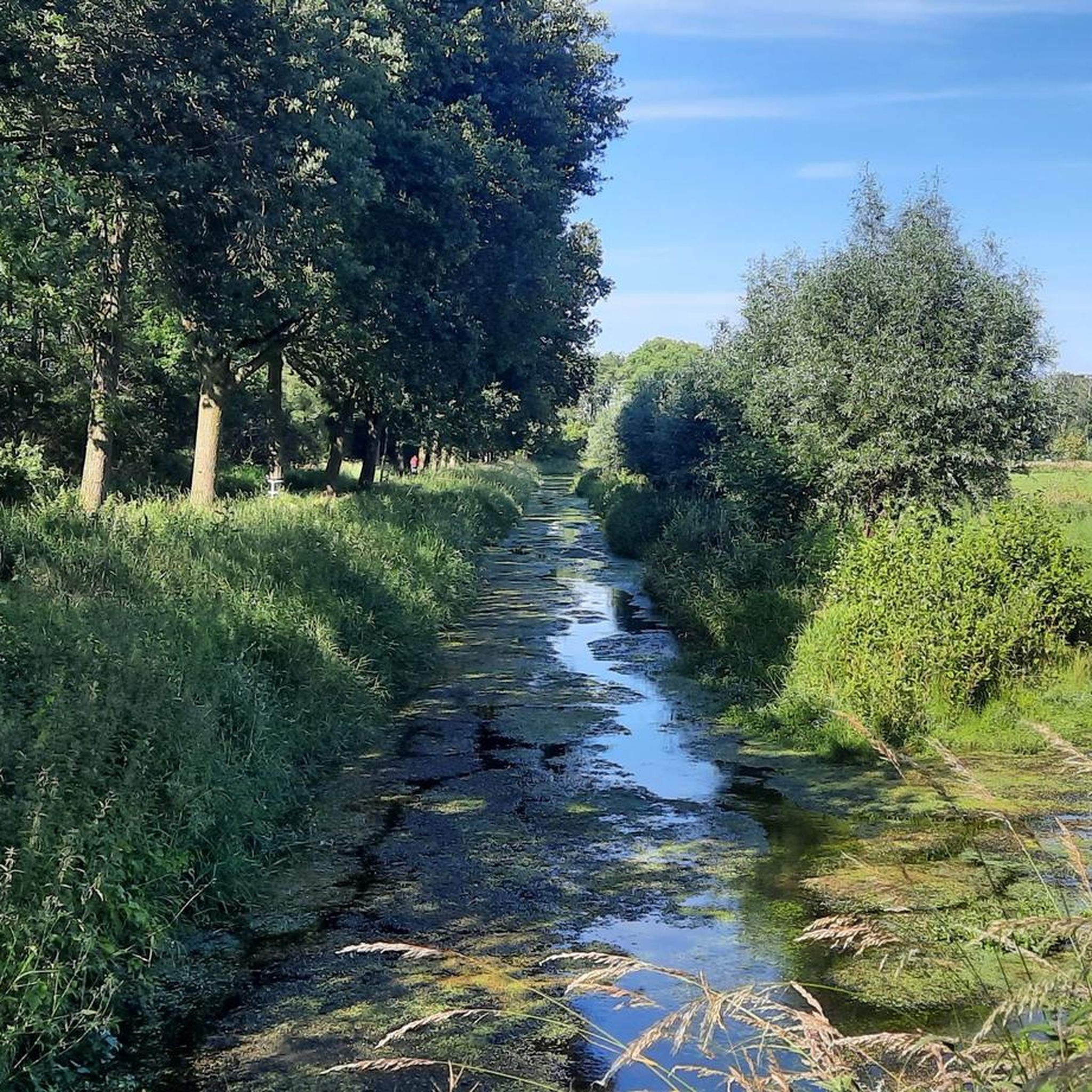
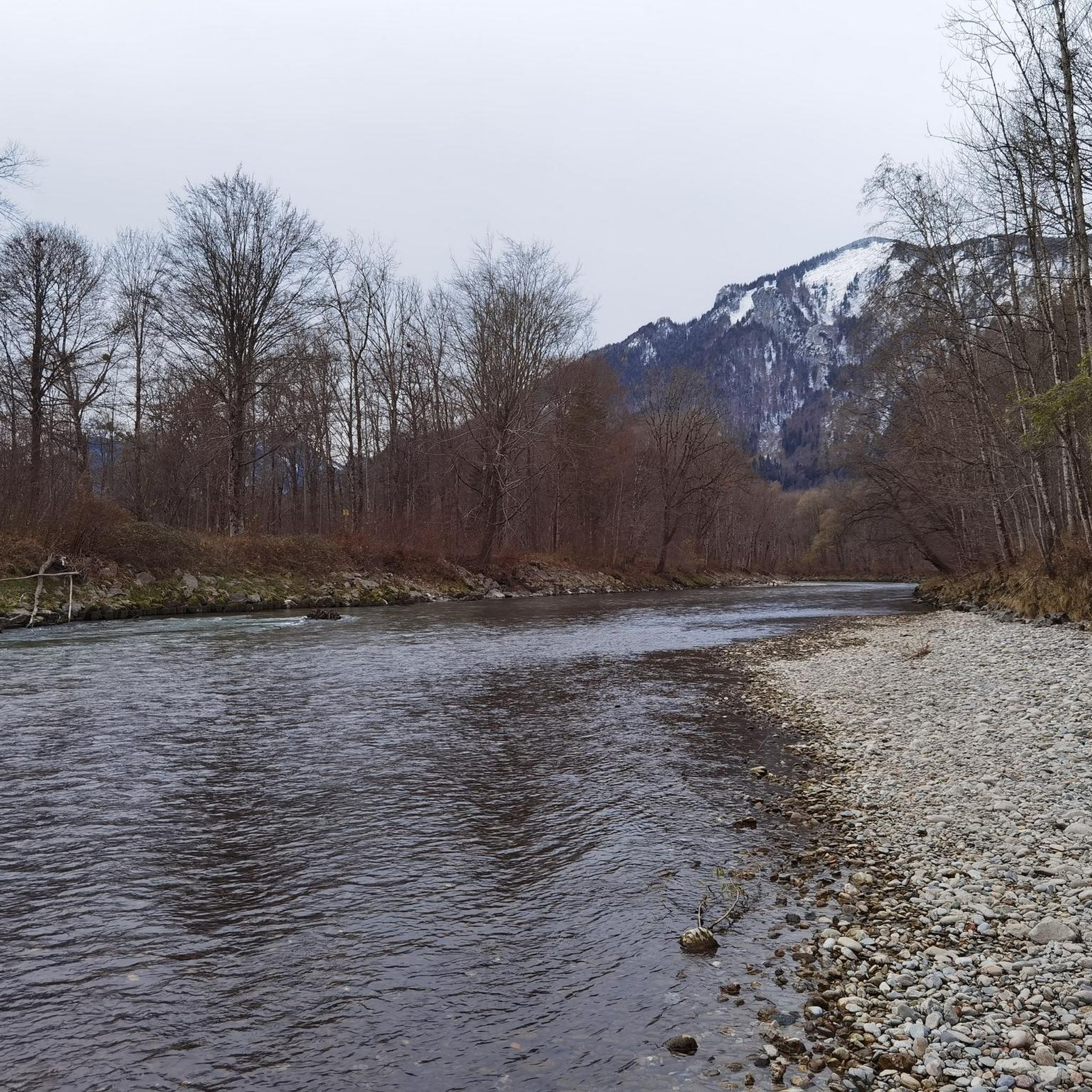


Tips from the Community


Many geese with young on the paths.
3
1

<< Irmgardis von Süchteln >> "The legend: The Irmgardis legend probably originated in the middle of the 14th century. According to it, Irmgardis was a daughter of the Count of Zutphen who, after the death of her parents, renounced all earthly wealth and withdrew into solitude to Süchteln to serve God entirely. She owned the forest near Süchteln with all its accessories, as well as the town of Rees and Aspel Castle. At the end of her life, she bequeathed these properties to the church, namely Rees and Aspel Castle to the Archbishop of Cologne and the forest near Süchteln to the monastery of Saint Pantaleon in Cologne because her brother was abbot there. She was eventually driven out of Süchteln by the envy of spiteful people. However, her stay was long enough for her to reach the first stage of perfection. In order to reach the stage of perfection, she then went to the city of Cologne. There she visited the holy places, served the poor and made three pilgrimages to Rome. From the holy city she brought, among other things, the head of Pope Sylvester to Cologne. When she died, she was buried in the cathedral." CONTINUATION and MORE INFORMATION: https://www.rheinische-geschichte.lvr.de/Persoenlichkeiten/irmgardis-von-suechteln-/DE-2086/lido/57c92a62ed6513.28658346
3
0

The Irmgardis spring is located on the Süchtelner heights. According to tradition, the hermit Irmgardis lived here. She died on September 4th, 1084. Today, in September, the Irmgardis octave takes place. An approximately 11km Irmgardis path also leads from the Irmgardis spring to the Helenen spring in Helenabrunn.
6
0

Beautiful, spacious park with the casemates, a visit is well worth it.
7
0
Beautiful old water castle. There is also a museum and restaurants there.
5
2
Frequently Asked Questions
What types of natural monuments can I find around Willich?
Willich and its surroundings feature a diverse range of natural monuments, showcasing the typical Lower Rhine landscape. You can explore naturalized lakes like Verberger Kull, protected stream areas such as The Buersbach Nature Reserve, and historical springs like Irmgardis Spring. The region also includes green spaces and man-made parks that have become significant natural areas, like Kaiserpark Krefeld.
Are there family-friendly natural monuments in the Willich area?
Yes, several natural monuments around Willich are great for families. Verberger Kull offers a popular viewing platform, perfect for a relaxed outing. The Buersbach Nature Reserve provides idyllic dirt roads suitable for cycling, and Kaiserpark Krefeld is a pleasant green space in the city. The Benches by the renatured Niers at Burgbenden, also known as "Swan Lake," is another lovely spot for families to enjoy.
What historical or cultural significance do some of Willich's natural monuments hold?
Some natural monuments in Willich have rich historical and cultural ties. For instance, the Irmgardis Spring, located below the Irmgardiskapelle, was historically believed to have medicinal properties and is associated with local legends about healing and fertility. Its enclosure dates back to 1663. Additionally, Verberger Kull, while now a naturalized lake, originated from a former brick factory and sand/gravel pit, showcasing the area's industrial past before its natural reclamation.
Can I go hiking near the natural monuments in Willich?
Absolutely! The natural monuments are often integrated into or close to hiking trails. For easy walks, you can explore routes like the "Neersen Castle Gatehouse – Cable Ferry Over the Niers loop from NSG Neersener Bruch" or the "Nierssee Viewing Platform – View of the Cloer loop from NSG Neersener Bruch." You can find more options in the Easy hikes around Willich guide or the broader Hiking around Willich guide.
Are there cycling opportunities around Willich's natural monuments?
Yes, the region offers excellent cycling opportunities. The Buersbach Nature Reserve is particularly noted for its "dream dirt roads" that make cycling very enjoyable. You can find various routes, including MTB trails, in the MTB Trails around Willich guide, which features paths like the "Niers Cycle Path" and routes near the Nierssee.
What kind of wildlife can I expect to see at these natural sites?
The natural monuments around Willich are home to diverse flora and fauna. The Buersbach Nature Reserve is known for its valuable reed and rush stands, characteristic pollard willows, and a rich diversity of bird and amphibian species. At the Benches by the renatured Niers at Burgbenden, you can often spot swans, giving the area its nickname "Swan Lake."
What is the best time of year to visit the natural monuments in Willich?
The natural monuments around Willich can be enjoyed year-round, each season offering a different charm. Spring and summer are ideal for lush greenery, blooming flora, and active wildlife. Autumn provides beautiful fall colors, especially in areas like Kaiserpark Krefeld. Even in winter, tranquil walks are possible, though some facilities like the water supply at Irmgardis Spring are only active during frost-free seasons.
Are there any viewpoints to enjoy the scenery?
Yes, several spots offer great views. Verberger Kull features a popular viewing platform with a bench, perfect for relaxing and taking in the lake scenery. Additionally, the Benches by the renatured Niers at Burgbenden provide a peaceful resting place with views of the Niers River.
Where can I find an official list of natural monuments in the wider Viersen district?
For a comprehensive overview, you can consult the "Liste der Naturdenkmäler im Kreis Viersen" (List of Natural Monuments in the Viersen District). This official resource categorizes natural monuments both within and outside built-up areas, helping you identify other ecologically significant sites in the region. You can often find such lists on local government or environmental agency websites, or through resources like Wikipedia.
What makes the Buersbach Nature Reserve special?
The Buersbach Nature Reserve is remarkable for preserving a characteristic Lower Rhine landscape within a densely populated area. It features the ancient river channel of the Buersbach stream, along with valuable reed and rush stands and typical pollard willows. This reserve serves as an important habitat for a rich diversity of bird and amphibian species, offering visitors a peaceful and idyllic setting to appreciate local flora and fauna.
Can I bring my dog to the natural monuments in Willich?
While many natural areas in Germany are dog-friendly, it's always best to check specific regulations for each reserve or park. Generally, dogs are welcome on trails and in parks, but often need to be kept on a leash to protect wildlife and ensure the comfort of other visitors. Please look for local signage or specific rules for areas like The Buersbach Nature Reserve.
Most popular routes around Willich
Most popular attractions around Willich

Get inspired with the komoot mobile app


Explore more
Extend your search for the best caves by checking out these guides of the top ones around Willich:
