Top 20 Natural Monuments around Rietberg
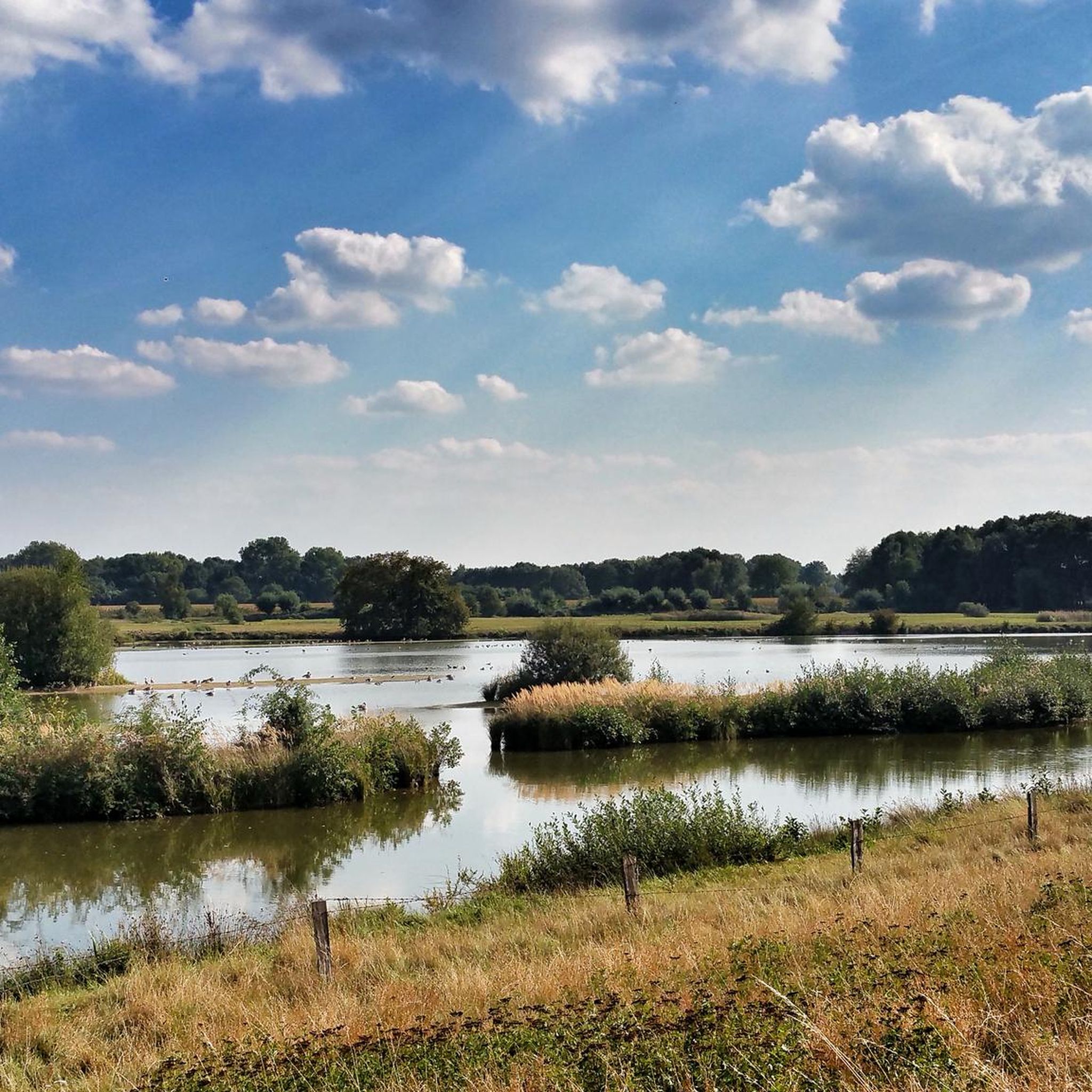
Natural monuments around Rietberg are primarily characterized by their riverine landscapes and extensive wetlands, notably the Ems Floodplain and the Steinhorst Basin. These areas form a significant ecological network, providing crucial habitats for diverse flora and fauna. The region's natural features are centered around the Ems river, which contributes to the high groundwater levels vital for the local ecosystems. Rietberg offers opportunities to explore these protected landscapes and observe their unique biodiversity.
Best natural monuments around Rietberg
- The most popular…
Last updated: June 24, 2026
South Observation Tower at Steinhorster Becken
Highlight • Viewpoint
Translated by Google •
Tip by

Steinhorster Becken Observation Tower
Highlight • Viewpoint
Translated by Google •
Tip by

Sign up now to discover places like this
Get recommendations on the best single tracks, peaks, & plenty of other exciting outdoor places.
Sign up for free
Lippeaue Nature Reserve
Highlight • Natural
Translated by Google •
Tip by

Ölbach Valley Trail in Holter Forest
Highlight (Segment) • Trail
Translated by Google •
Tip by

Rieselfelder Windel Nature Reserve
Highlight • Natural Monument
Translated by Google •
Tip by

Sign up for free to discover even more natural monuments around Rietberg.
Sign up for free
Already have an account?
Start today with a free account
Your next adventure awaits.
Login or Signup
Popular around Rietberg
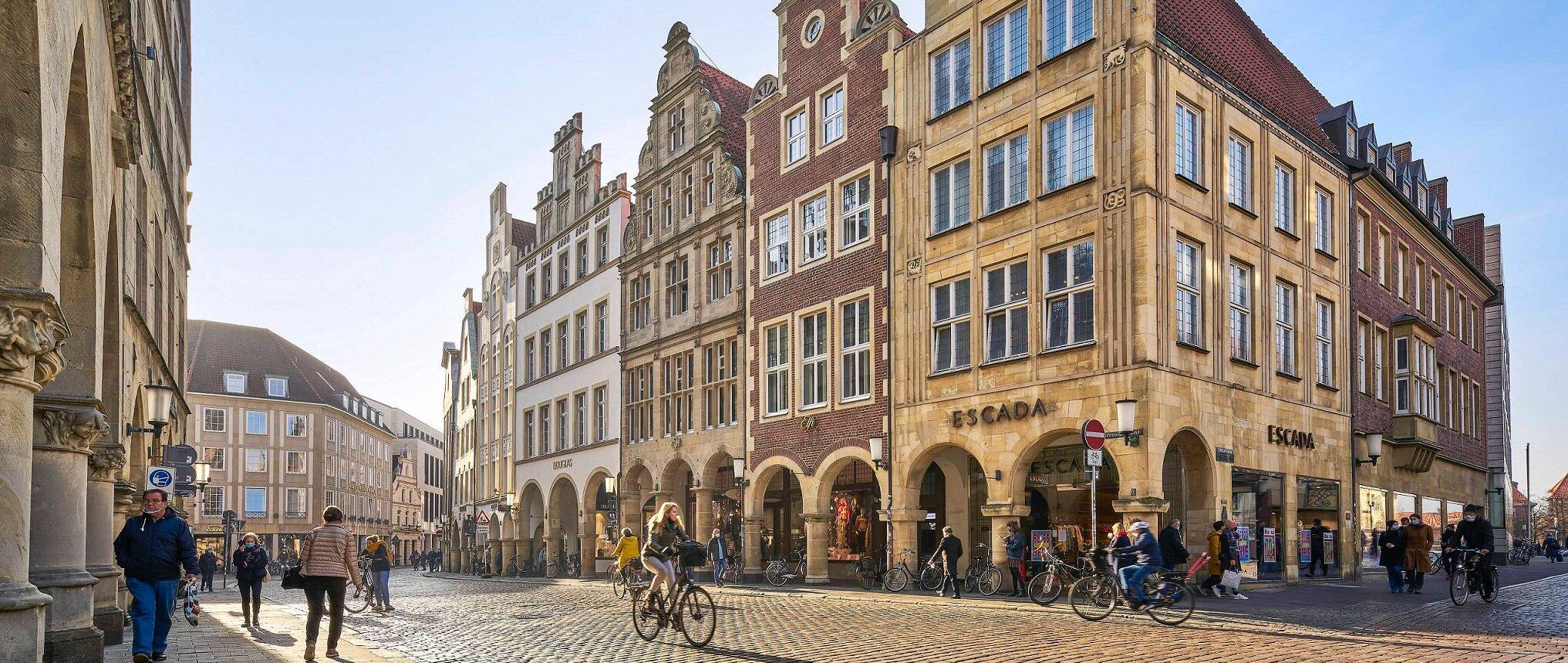
Germany's Westphalian City Tour — linking historic town centres
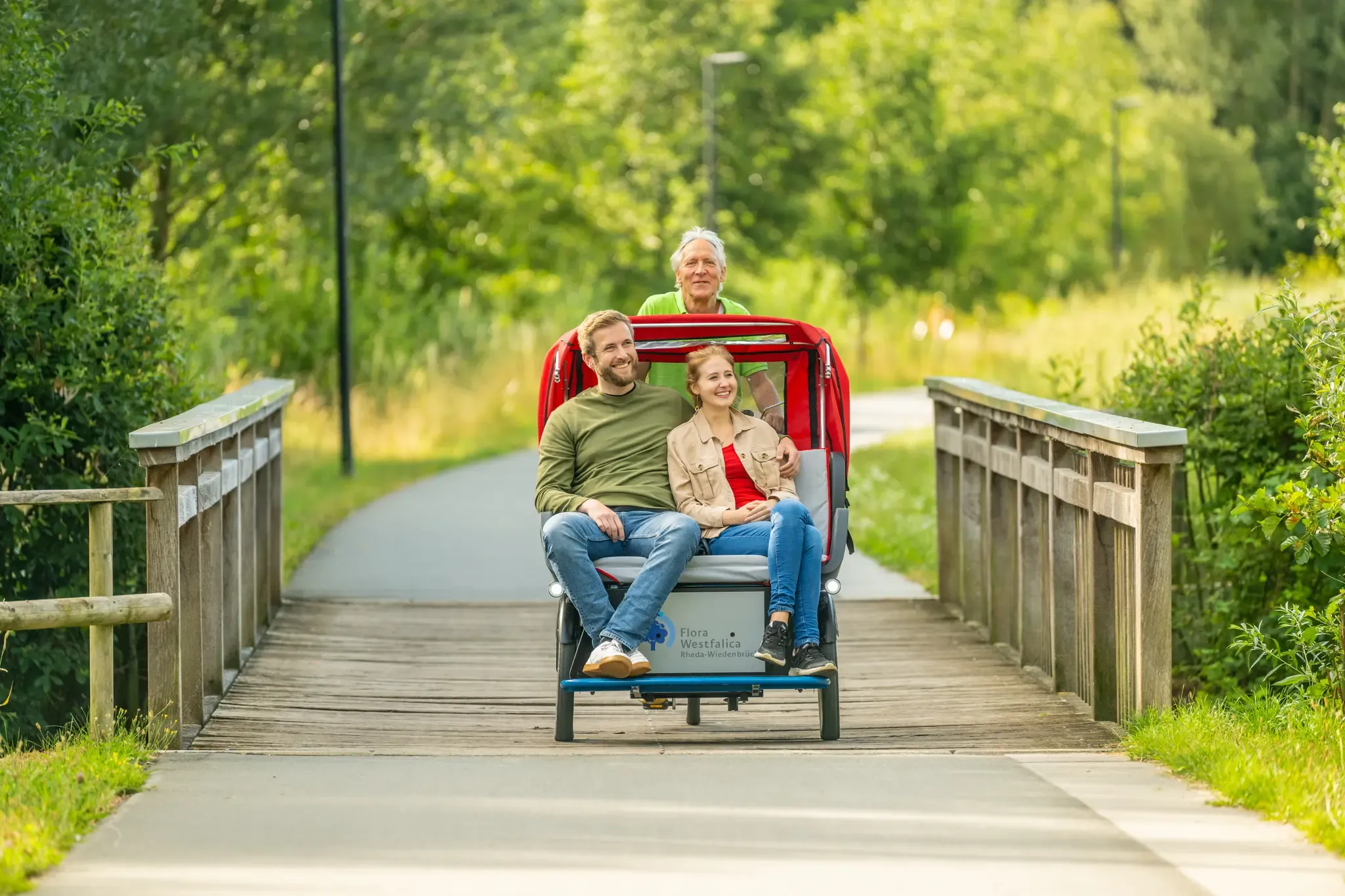
Historic Town Centres cycling route
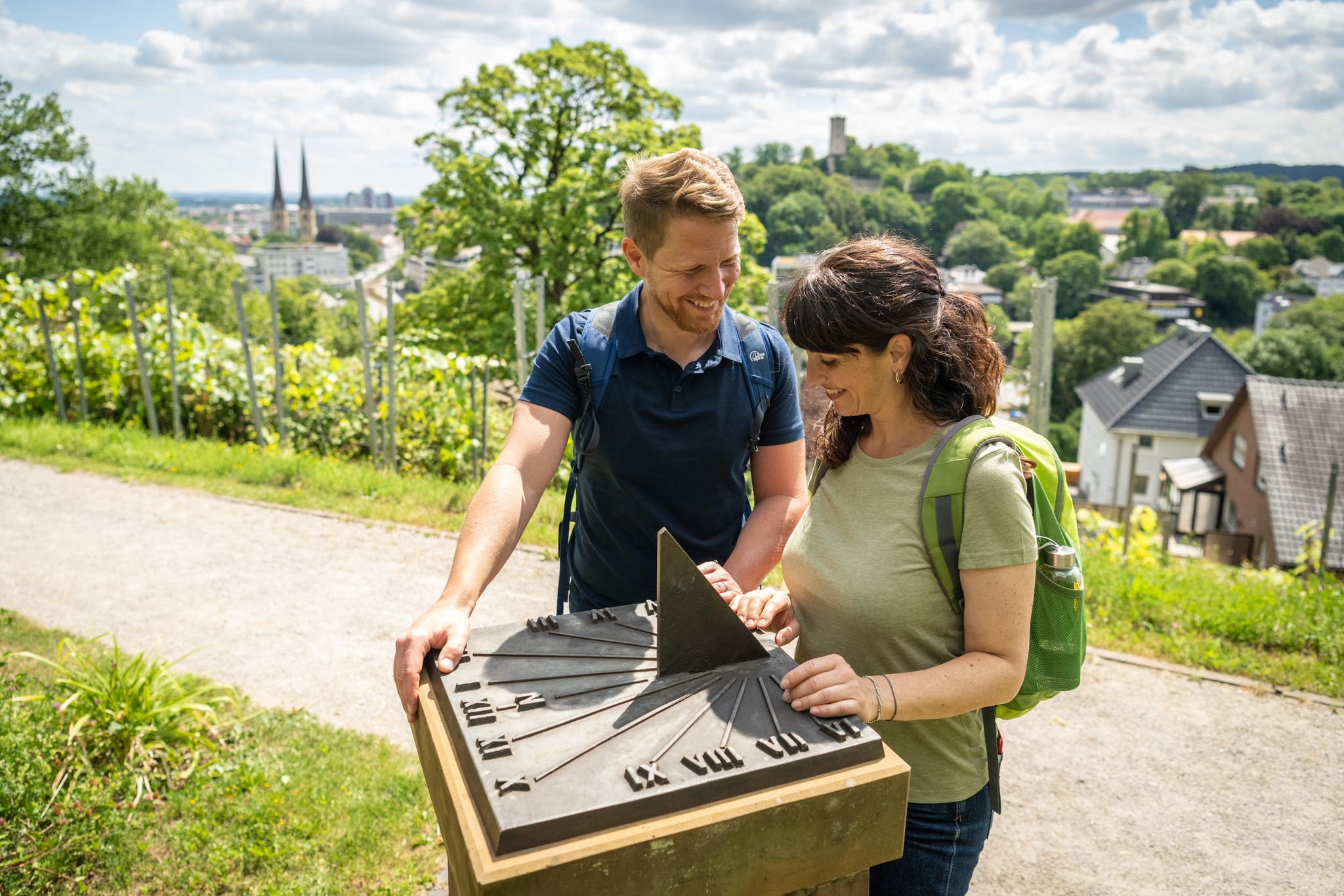
Town, country and river hiking – Germany’s Teutoburg Forest trails
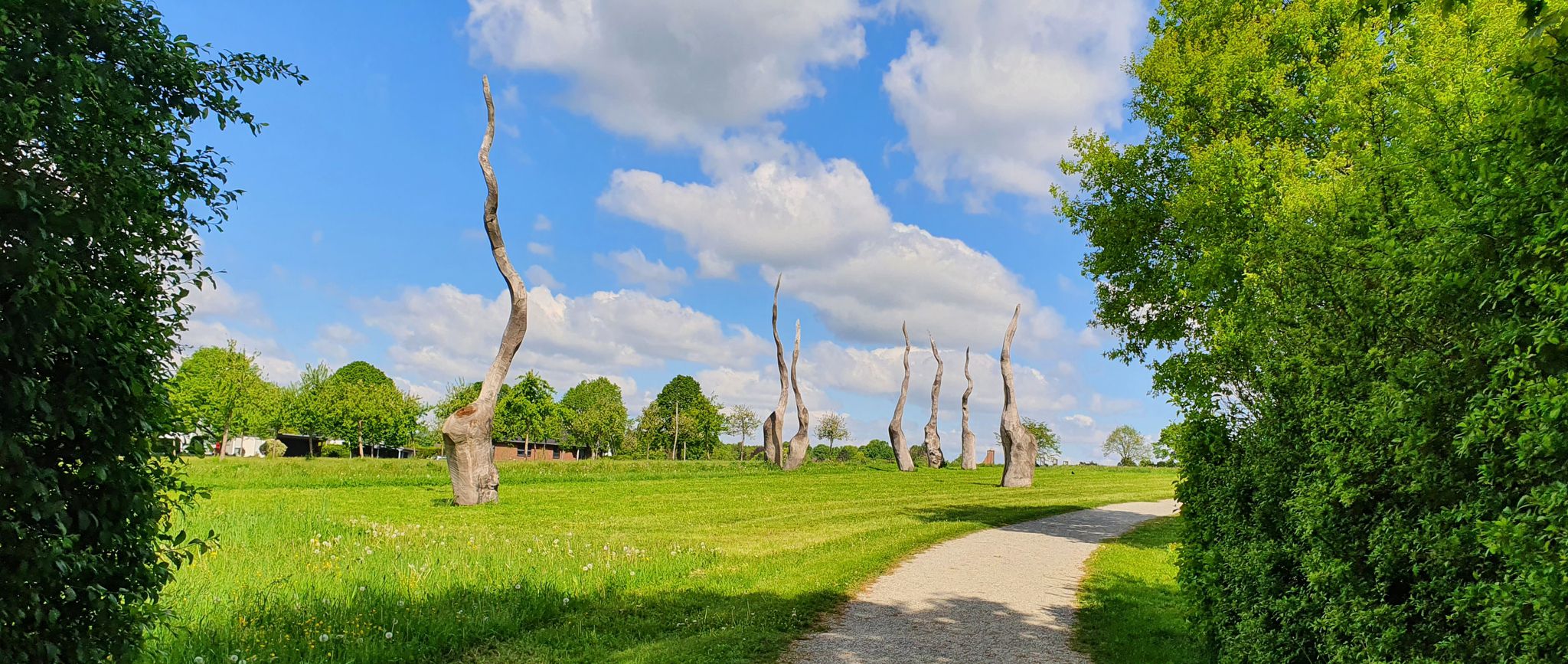
Qualität trifft auf Erlebnis – 5-Sterne-Wandern im Teutoburger Wald
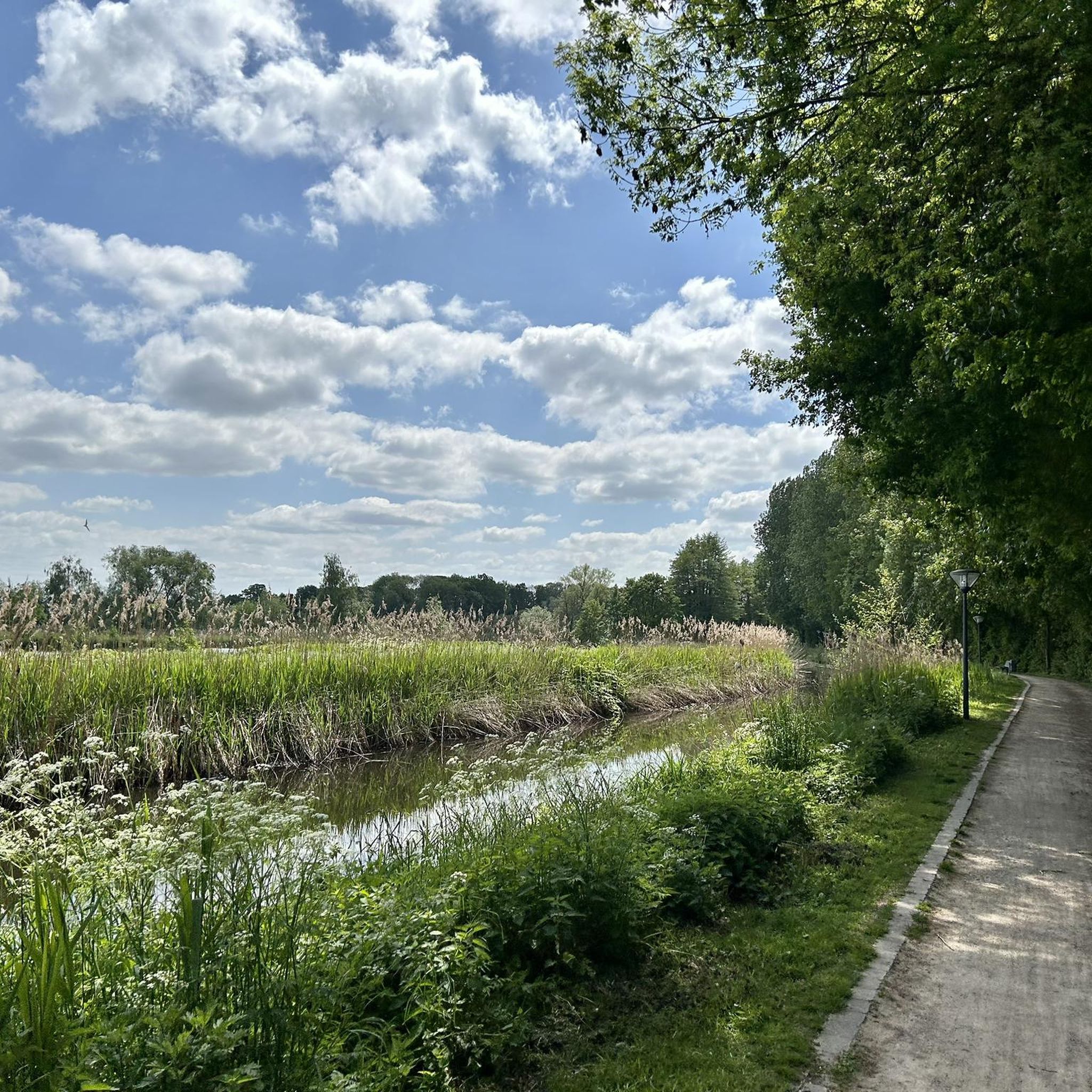
Cycling around Rietberg
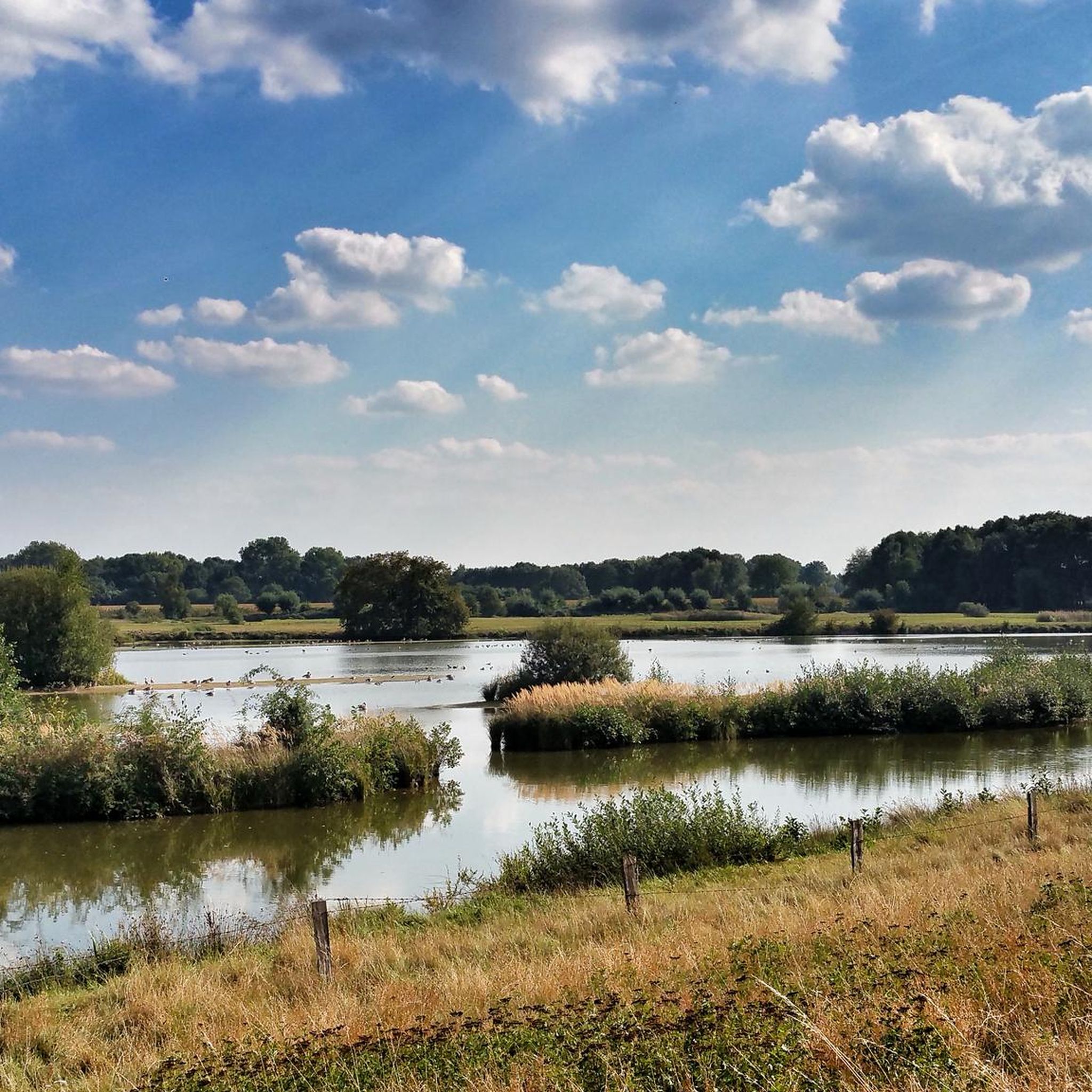
Hiking around Rietberg
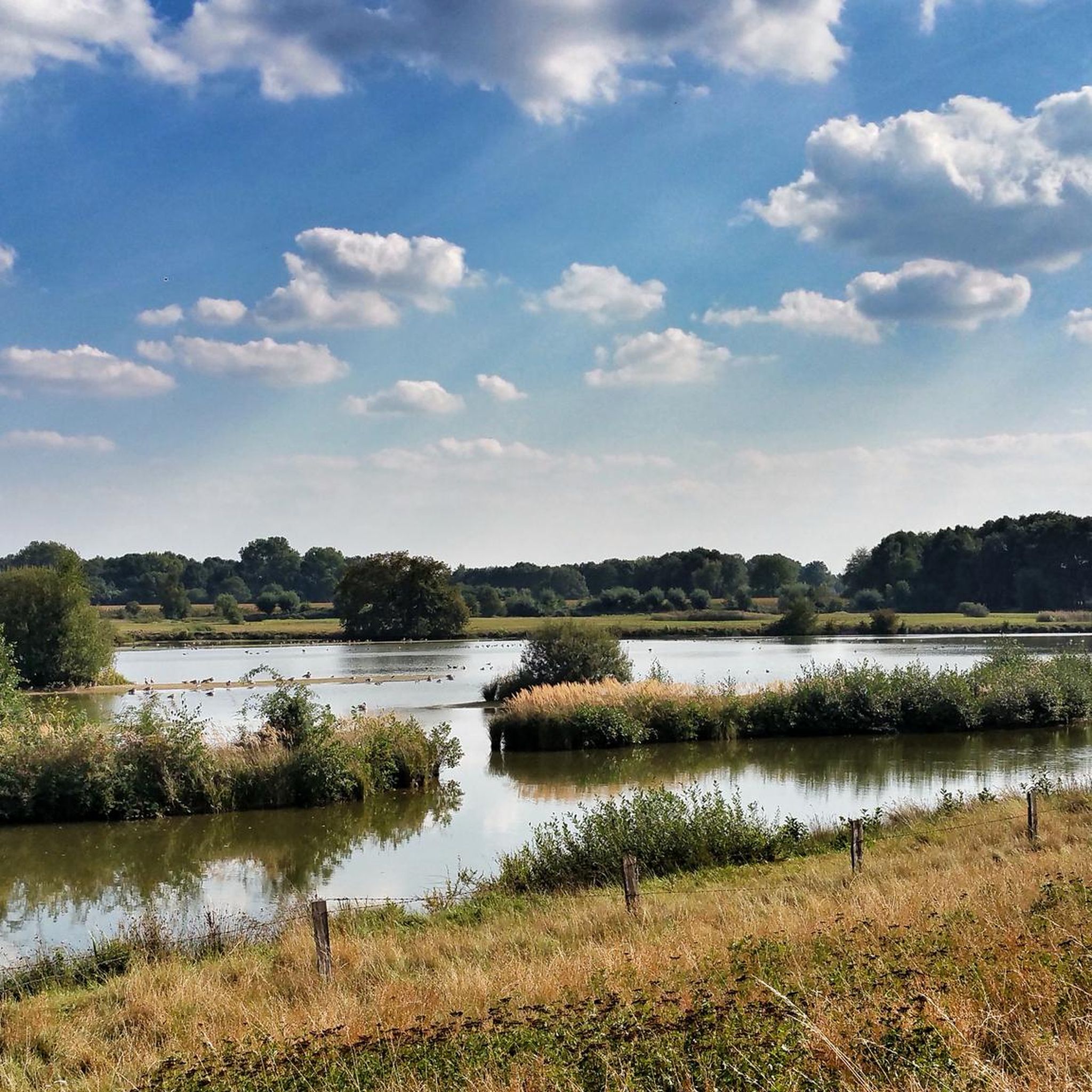
Road Cycling Routes around Rietberg
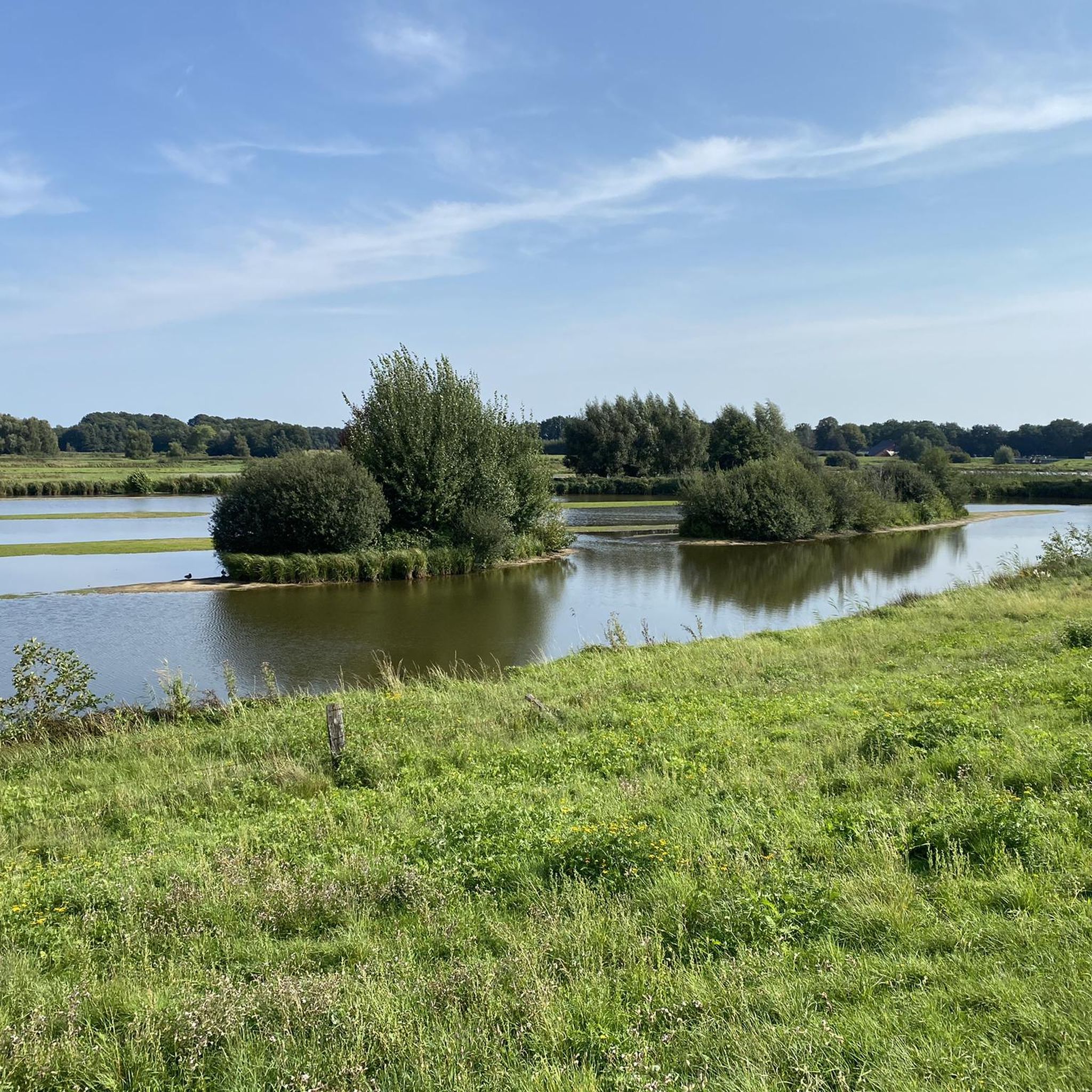
Running Trails around Rietberg
MTB Trails around Rietberg

Gravel biking around Rietberg
Other adventures around Rietberg


Tips from the Community

The Rieselfelder Windel Nature Reserve, with an area of 102.34 hectares, is located in the western part of Bielefeld. It was designated a nature reserve (NSG) in 2014 by a landscape plan. It is the largest private nature conservation project in the greater Bielefeld area, located in the former sewage fields of the Windelsbleiche district, part of the Senne district. It is funded by the Rieselfelder Windel Foundation, a non-profit, dependent nature conservation foundation under the fiduciary management of the Ravensberg Nature Foundation, based in Bünde. The nature reserve includes the Ortmann farmstead and another building, which are not part of the nature reserve. The Gütersloh/Bielefeld Biological Station was established in a barn building at the Ortmann farmstead in 1997. An information center is located in an adjacent building. The southern part of the nature reserve is separated by the Landstraße 788 (state road). Part of the Autobahn 33 borders it to the west. The Schwarzes Venn Nature Reserve borders the area to the west, separated only by a road. The Windel sewage fields are characterized by their diverse biotopes: wet and dry, open and wooded habitats, and the low intensity of land use are responsible for a wide variety of species living there, from bearded reed tits and kingfishers to spadefoot toads and lesser gargoyles to barn owls and little grebes. Two unpaved circular trails, the information center centrally located in the fields, guided tours, activity days, and nature education events for children and young people offer visitors opportunities to experience the sewage fields. The Windel Sewage Field Foundation also collaborates with the Osthusschule Museum.
0
0

A viewing hill with an observation platform was created here in 2008 by the North Rhine-Westphalia Foundation. The vantage point can only be reached by stairs.
2
0

The Holter Wald nature reserve is a large, contiguous forest area on the eastern edge of the Westphalian Bay. With a size of 613.14 ha, it is in the area of the city of Schloss Holte-Stukenbrock in the Gütersloh district. It was placed under protection on October 16, 2008. The Holter Forest is a preferred local recreation area for residents of the surrounding towns and communities and is largely designated as a landscape protection area . It is traversed from east to west by the Senne streams Landerbach (in the north of the Holter Forest), Ölbach (in the center) and Rodenbach (in the south). The subsoil consists almost exclusively of sandy soils, which are typical for the Senne landscape. Therefore, a Senne-typical tree population, consisting of pines, oaks and beeches, predominates. Moisture-loving tree species such as alder and ash can also be found in the immediate vicinity of the banks of streams and water bodies. Source: Wikipedia
4
0

The Lippe is very close to nature and therefore extremely attractive for ornithologists or nature lovers.
4
0

The tornado of May 20th, 2022 raged along there 😫 tearing up and knocking down an awful lot of trees...
3
0

Always worth a visit. All Seasons. Especially the stork's nest in spring is nice to watch.
2
0

A beautiful nature reserve. There are enough paths around it and enough observation points.
1
0

Very nice nature reserve
0
0
Frequently Asked Questions
What are the main natural monuments to explore in Rietberg?
The natural monuments around Rietberg are primarily characterized by their riverine landscapes and extensive wetlands. Key areas include the Rietberger Emsniederung, the Steinhorster Becken, and the Rietberger Fischteiche, which form a crucial ecological network. Other notable sites are the Rieselfelder Windel Nature Reserve and the Holter Wald Nature Reserve.
What makes the natural monuments around Rietberg unique?
The region's natural monuments are unique due to their significant wetland ecosystems, which are vital for biodiversity. The Steinhorster Becken, for instance, is the largest man-made biotope of its kind in North Rhine-Westphalia, successfully combining flood protection with nature conservation. These areas are recognized as European bird sanctuaries, offering crucial habitats for numerous bird species and rare plants.
What kind of wildlife can I expect to see in Rietberg's natural monuments?
The natural monuments, especially the Rietberger Emsniederung and Steinhorster Becken, are renowned for their rich birdlife. You can observe over 82 species of breeding birds, including Eurasian Curlews, Black-tailed Godwits, and Northern Lapwings. White Storks, Whinchats, and Nightingales are also present. Additionally, the areas are home to rare plant species like Yellow Meadow-rue and Bogbean, and various amphibians.
Are there specific viewpoints for observing nature in Rietberg?
Yes, there are dedicated viewpoints to enhance your nature observation experience. The South Observation Tower at Steinhorster Becken offers magnificent views of the basin and its bird population. Another great spot is the Emssee Nature Reserve Observation Tower, which provides a good vantage point for birdwatching, especially along the Emsradweg.
What outdoor activities can I do near the natural monuments in Rietberg?
The natural monuments around Rietberg are ideal for various outdoor activities. You can enjoy long walks and cycling tours through the protected landscapes. For specific routes, consider exploring the easy hikes around Rietberg, such as the 'Hiking loop from Steinhorster Becken'. There are also numerous road cycling routes and running trails that pass through or near these scenic areas.
Are there family-friendly natural monuments around Rietberg?
Many of Rietberg's natural monuments are suitable for families. The South Observation Tower at Steinhorster Becken and the Rieselfelder Windel Nature Reserve are both categorized as family-friendly, offering accessible paths and opportunities for children to observe nature. The Holter Wald Nature Reserve also provides a pleasant environment for family walks and exploration.
What is the best time of year to visit Rietberg's natural monuments?
The natural monuments, particularly the bird sanctuaries like the Rietberger Emsniederung and Steinhorster Becken, are excellent for birdwatching during spring and autumn migration periods. Spring also brings blooming rare plants to the wet meadows. Summer offers pleasant conditions for walking and cycling, while winter can provide unique views of the landscape and overwintering birds, though some paths might be muddy.
Are dogs allowed in the natural monuments around Rietberg?
While the natural monuments are generally welcoming for visitors, specific rules regarding dogs can vary, especially in sensitive conservation areas like bird sanctuaries. It's generally recommended to keep dogs on a leash to protect wildlife, particularly ground-nesting birds and other animals. Always look for local signage regarding dog policies in specific reserves.
What are the difficulty levels of trails in Rietberg's natural monuments?
Many trails around Rietberg's natural monuments are relatively easy, making them accessible for a wide range of visitors. For example, the 'Hiking loop from Steinhorster Becken' is an easy 5.2 km route. The paths through the Rietberger Emsniederung and Holter Wald are generally flat, though some areas might be unpaved or muddy, especially after rain.
Where can I find parking near the natural monuments?
Parking availability varies by location. For popular spots like the Steinhorster Becken, there are often designated parking areas nearby. For other reserves such as the Rietberger Emsniederung or Rieselfelder Windel Nature Reserve, you may find parking at trailheads or nearby villages. It's advisable to check local maps or information boards upon arrival for the most convenient parking options.
What do visitors enjoy most about the natural monuments in Rietberg?
Visitors frequently appreciate the 'unspoiled nature' experience offered by Rietberg's natural monuments. The tranquility of the wetlands, the opportunity for extensive birdwatching, and the serene environment for walks and cycling are often highlighted. The Steinhorster Becken is particularly praised for its magnificent views and thriving ecosystem, while the Rieselfelder Windel is valued for its diverse biotopes and relaxation opportunities.
Are there any man-made structures or historical sites within the natural monuments?
While the focus is on natural beauty, some areas integrate man-made elements that serve conservation or historical purposes. The Steinhorster Becken itself is a significant man-made biotope. Additionally, the Small Ems Weir is a notable man-made structure that is part of the riverine landscape and can be a hiking destination.
Most popular routes around Rietberg
Most popular attractions around Rietberg

Get inspired with the komoot mobile app


Explore more
Extend your search for the best caves by checking out these guides of the top ones around Rietberg:
