Top 20 Natural Monuments around Sülzetal
Best natural monuments around Sülzetal include unique natural saline springs and diverse ecosystems. The region is characterized by its distinct geological features, such as the Sülze Nature Reserve, which supports rare halophytic plant species. These areas offer opportunities to observe specialized flora and the interaction between geology and biology. Visitors can explore these natural sites through integrated hiking and cycling routes.
Best natural monuments around Sülzetal
- The most popular natural monuments is Dornburg Old Elbe, a river area that…
Last updated: May 11, 2026
Domfelsen viewing platform with views over the Elbe and Magdeburg Cathedral
Highlight • Viewpoint
Translated by Google •
Tip by

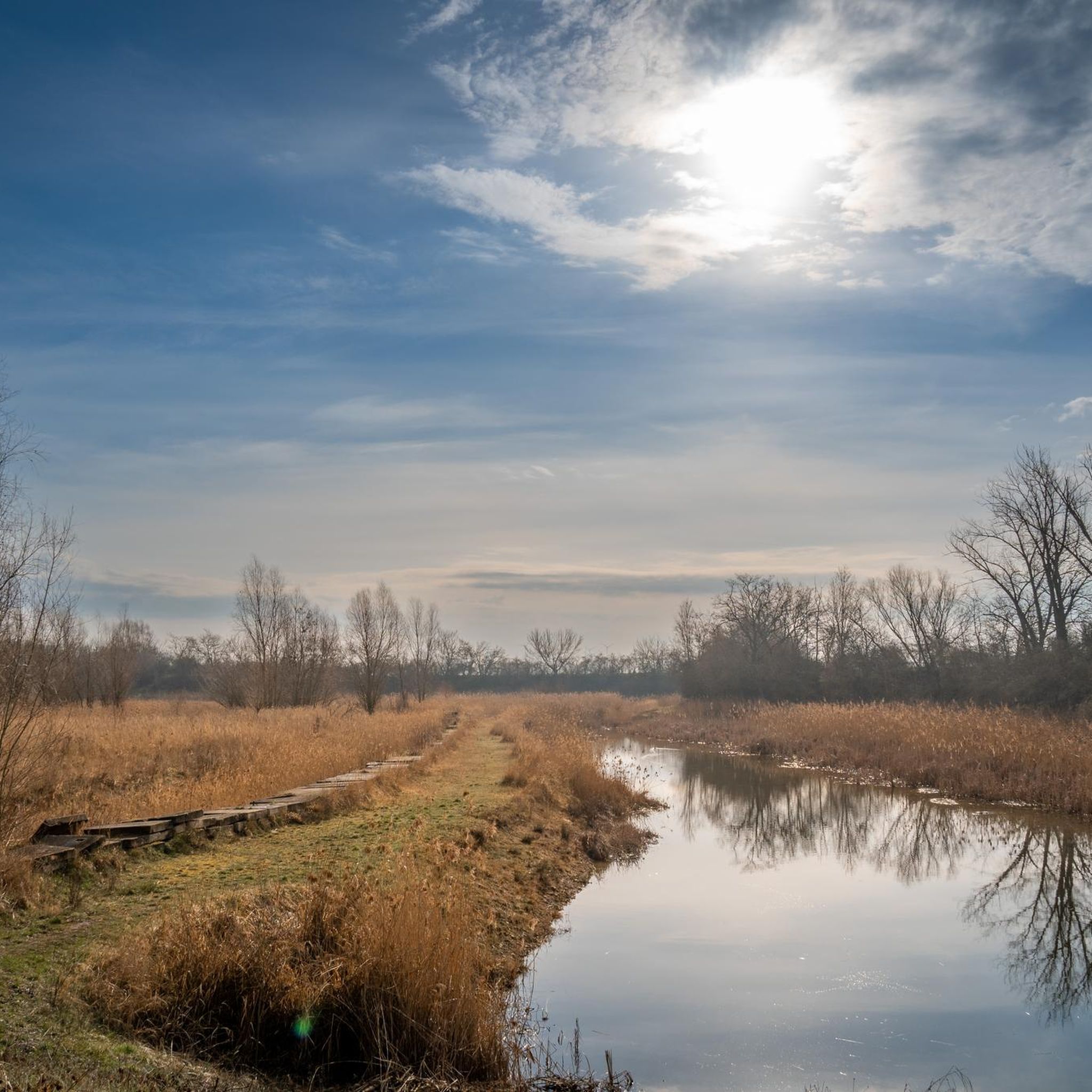
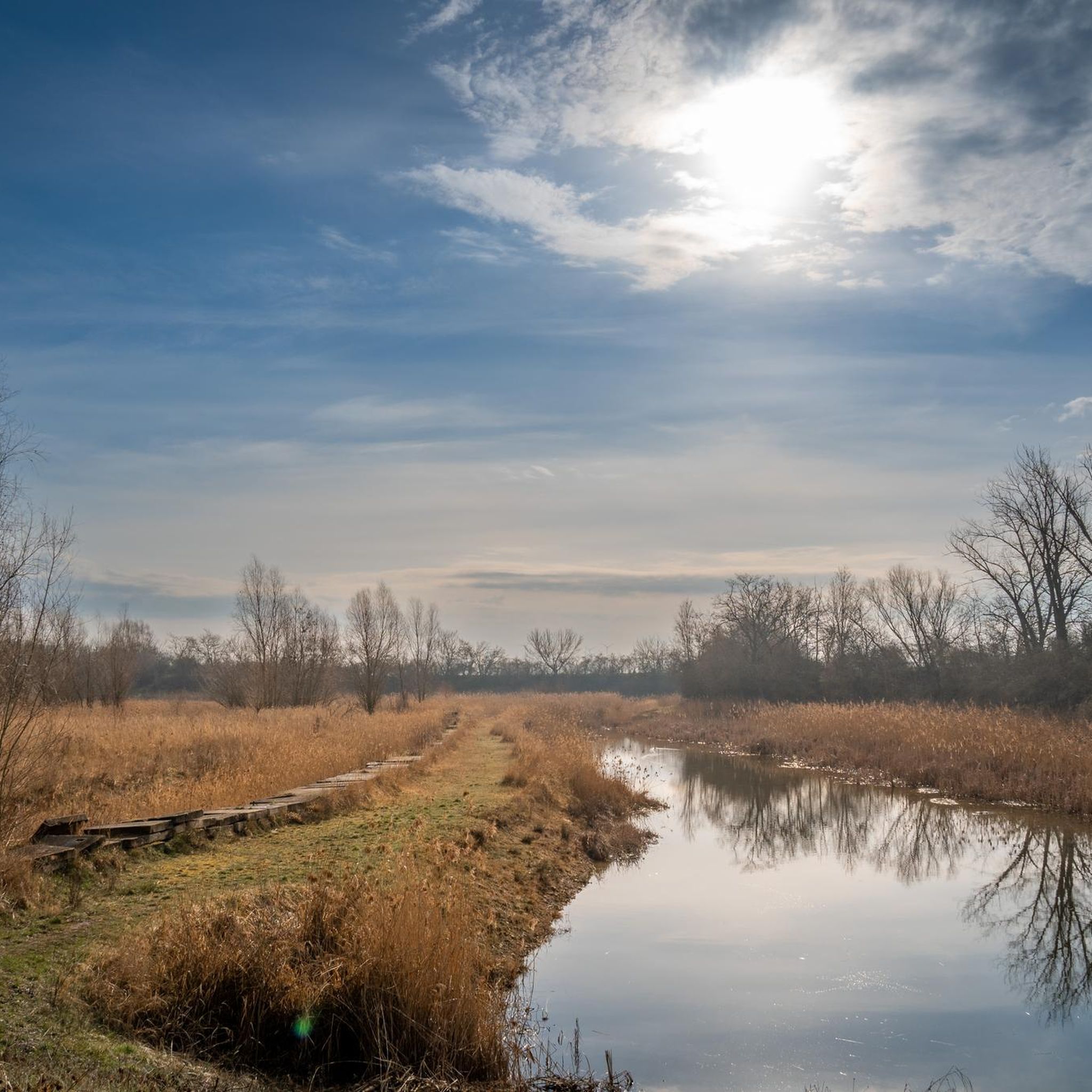
Dornburg Old Elbe
Highlight • River
Translated by Google •
Tip by

Sign up now to discover places like this
Get recommendations on the best single tracks, peaks, & plenty of other exciting outdoor places.
Sign up for free
War memorial in Fürstenwall Park
Highlight • Monument
Translated by Google •
Tip by

Kreuzhorst Nature Reserve
Highlight • Forest
de.m.wikipedia.org/wiki/Kreuzhorst
Translated by Google •
Tip by
Möllenvogtei Garden
Highlight • Historical Site
Translated by Google •
Tip by

Sign up for free to discover even more natural monuments around Sülzetal.
Sign up for free
Already have an account?
Start today with a free account
Your next adventure awaits.
Login or Signup
Tips from the Community

A fantastic stretch of route! Beautiful scenery and excellent cycling infrastructure. Highly recommended!
0
0

This beautiful garden is accessible via the preserved city gate of Magdeburg
2
0
War memorial to wars before the two world wars
2
0
impressive war memorial to wars before the two world wars
2
0

A paradise for ornithologists, too. On the last tour through the Kreuzhorst, there was plenty of birdwatching variety, from red-backed shrikes, hobbies, and golden orioles to ospreys.
0
0

Immediately south of the cathedral you will find the small park at Fürstenwall. This park also dates back to part of the former fortifications of the old town of Magdeburg. The Cleve Bastion used to stand here, which has now been partially uncovered. In addition to the actual Fürstenwall, the park at Fürstenwall is also a result of Magdeburg's fortress history. After the Magdeburg fortress was abolished in the 19th century, the Cleve Bastion was leveled in 1872. The area thus freed up was to be used to commemorate those who died in the wars of 1866, 1870 and 1871 with the "war memorial" erected in 1877. In 1900, garden director Johann Gottlieb Schoch had the green area around the newly created memorial hill designed as a park. The area has remained almost unchanged since then. It has been extensively renovated in recent years, most recently in 2020, including replanting the valuable tree population with flowering shrubs and perennials and renewing paths. Source: https://www.magdeburg.de/B%C3%BCrger-Stadt/Verwaltung-Service/Eigenbetriebe-st%C3%A4dtische-Partner/Stadtgarten-Friedh%C3%B6fe/Park-am-F%C3%BCrstenwall.php?object=tx,557.3705.1&NavID=37.927&La=1
1
0
An imposing monument to Magdeburg's contemporary history stands in the well-kept grounds of the park on Fürstenwall not far from the cathedral. The war memorial, which stands on a hill, commemorates the fallen soldiers of the German War of 1866, the Franco-Prussian War of 1870/71 and the founding of the Empire in 1871. It was ceremoniously inaugurated on September 2, 1877, the seventh anniversary of the capitulation of the French troops and the capture of Napoleon. The monument was erected as part of the redevelopment of the Fürstenwallpark in 1872 by leveling the Cleve Bastion. Source: https://www.magdeburger-news.de/?c=20190118085926&tag=Annett%20Szameitat
1
0

The war memorial was unveiled on 2 September 1877
1
0
Frequently Asked Questions
What makes the natural monuments around Sülzetal particularly unique?
The natural monuments in Sülzetal are unique due to the presence of natural saline springs, especially within the Sülze Nature Reserve. This creates a rare inland ecosystem that supports extraordinary botanical diversity, including salt-loving plants like European Glasswort and Salt Aster, which are typically found in coastal areas.
Are there any specific natural monuments known for their scenic beauty?
Yes, the Sülze Nature Reserve offers seasonal scenic beauty, particularly in early autumn when the European Glasswort transforms into a vibrant dark red, creating a stunning visual display. Another beautiful spot is the Domfelsen viewing platform, which provides wonderful views over the Elbe River and Magdeburg Cathedral.
What kind of plant life can I expect to see in Sülzetal's natural monuments?
Sülzetal is home to a rich collection of salt-loving, or halophytic, plants, especially in the Sülze Nature Reserve. You can observe European Glasswort (Queller), which turns a striking dark red in autumn, Salt Aster, Stielfrüchtige Salzmelde, Großes Flohkraut, and Erdbeerklee (Strawberry Clover).
Are there family-friendly natural monuments to visit around Sülzetal?
Many natural monuments around Sülzetal are suitable for families. For instance, the Dornburg Old Elbe area is considered family-friendly and offers opportunities for observing various animals. The Kreuzhorst Nature Reserve is also appreciated for its peaceful environment, making it a good option for families.
What outdoor activities can I do near these natural monuments?
The Sülze Nature Reserve is integrated into local hiking and cycling routes, offering easily traversable paths. You can find various routes for activities like easy hikes and general hiking around Sülzetal. For more details, explore the easy hikes guide or the general hiking guide for the region.
Are there specific hiking trails that explore the unique saline environment?
Yes, there are several hiking routes that allow you to explore the unique saline environment. For example, the 'Sülldorf Salt Spring – The Sülze Nature Reserve loop' is available in different lengths, starting from Langenweddingen or Sülzetal. You can find these and other options in the hiking guide for Sülzetal.
What is the best time of year to visit Sülzetal's natural monuments?
While enjoyable year-round, visiting in early autumn is particularly rewarding. This is when the European Glasswort in the Sülze Nature Reserve undergoes a striking transformation, turning a vibrant dark red, which significantly enhances the area's picturesque appeal.
Can I find any historical sites among the natural monuments?
Yes, while primarily focused on natural features, some sites offer a blend of natural and historical significance. The Möllenvogtei Garden, for instance, is a historical site dating back to Magdeburg's old town, listed as a garden since 1377, and is considered one of the city's oldest outdoor complexes.
What do visitors enjoy most about the natural monuments in Sülzetal?
Visitors frequently appreciate the tranquility and natural environment, especially in areas like the Kreuzhorst Nature Reserve. The unique opportunity to observe rare plant species and the interaction between geology and biology, particularly at the salt sites, is also highly valued. Many find the old arms of the Elbe, such as Dornburg Old Elbe, to be a true refuge for animals and a great spot for observation.
Are there opportunities for gravel biking near the natural monuments?
Yes, Sülzetal offers opportunities for gravel biking. You can explore routes like 'The Short Track' or 'Bördegravel to the Hohe Holz'. For more gravel biking options and route details, refer to the gravel biking guide for Sülzetal.
What kind of wildlife can be observed in the natural monuments?
The natural monuments, particularly the old arms of the Elbe like Dornburg Old Elbe, serve as a refuge for various animals. These areas are described as a 'true nature and animal paradise,' offering excellent opportunities for wildlife observation.
Most popular routes around Sülzetal
Most popular attractions around Sülzetal

Get inspired with the komoot mobile app


Explore more
Extend your search for the best caves by checking out these guides of the top ones around Sülzetal:
