Top 14 Natural Monuments around Teufenbach-Katsch
Natural monuments around Teufenbach-Katsch offer diverse natural features within the Murau district of Austria. The region presents a blend of geological history, unique ecosystems, and varied landscapes. Visitors can explore a range of natural attractions, from ancient bogs to cascading waterfalls and serene lakes. These natural monuments provide opportunities for outdoor activities and offer insights into the local environment.
Best natural monuments around Teufenbach-Katsch
- The most popular natural monuments is Gragger Gorge Waterfall, a waterfall that features impressive cascading…
Last updated: July 8, 2026
Gragger Gorge Waterfall
Highlight • Waterfall
Translated by Google •
Tip by

Dürnberger Moor
Highlight • Natural
Translated by Google •
Tip by

Sign up now to discover places like this
Get recommendations on the best single tracks, peaks, & plenty of other exciting outdoor places.
Sign up for free
Podoler Teich
Highlight • Lake
Translated by Google •
Tip by

Furtnerteich Lake
Highlight • Lake
Translated by Google •
Tip by

Zeutschach Spring
Highlight • Natural Monument
Translated by Google •
Tip by

Sign up for free to discover even more natural monuments around Teufenbach-Katsch.
Sign up for free
Already have an account?
Start today with a free account
Your next adventure awaits.
Login or Signup
Tips from the Community

The Dürnberg Moor exudes a unique charm and mysterious originality. As a witness to the Ice Age, the moor invites visitors to explore and offers insights into its sensitive habitat. Rare animals and plants, such as the carnivorous sundew, call this area home. From the observation tower, visitors can overlook the moor and its landscape. The Dürnberg Moor is a unique natural gem, a raised bog with a history spanning approximately nine thousand years, dating back to the Ice Age.
0
0
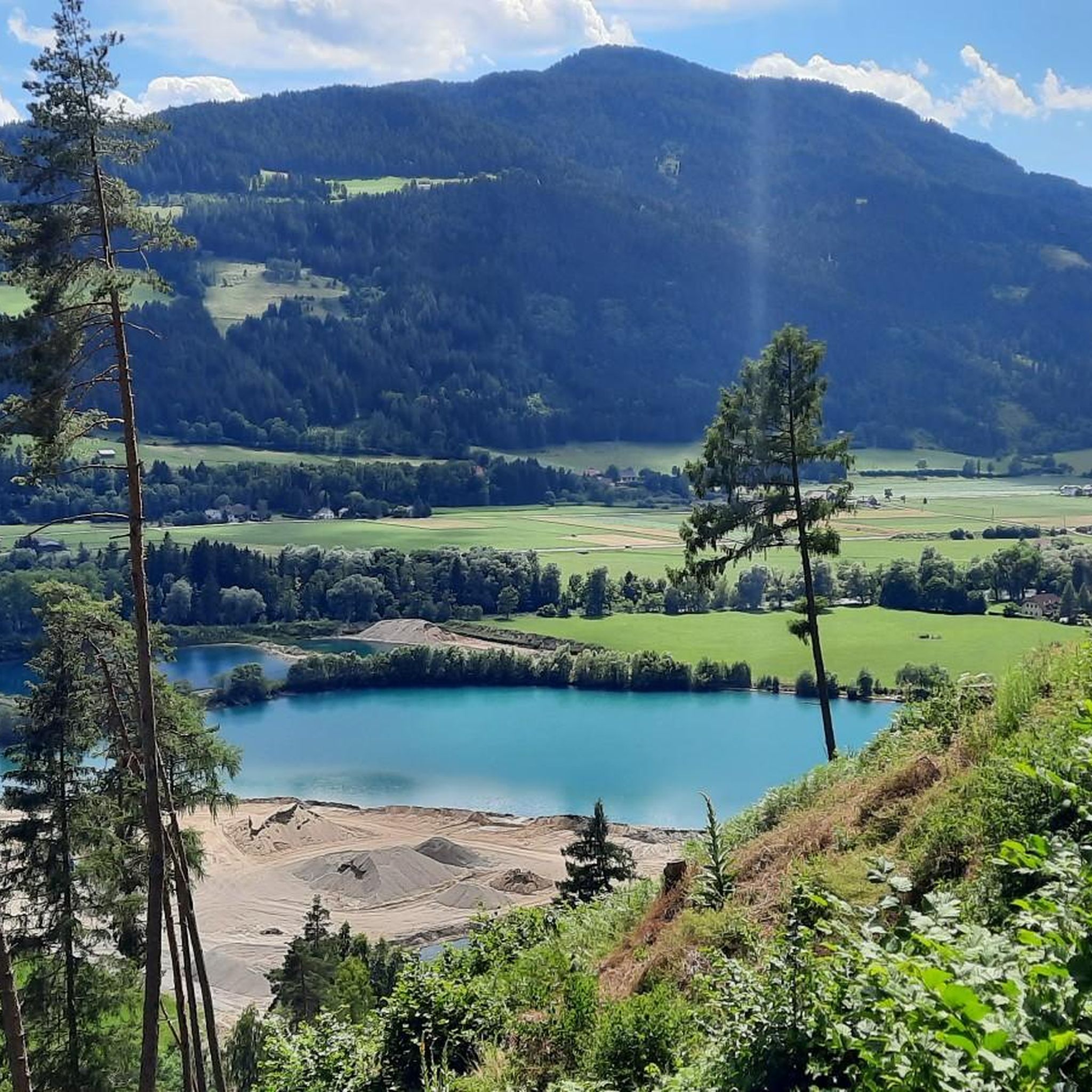
Hidden in the middle of the forest is the Podolerteich pond, an inviting place to relax and unwind. Tall spruce and larch trees reflect on the tranquil water's surface, making this place seem like something out of a fairytale.
0
0
Back to steiermark.com Events Tours Webcams Weather Search          0  Start Plan/Book your vacation Excursion destinations Dürnberger Moor Dürnberger Moor Neumarkt in der Steiermark The Dürnberger Moor exudes a unique charm and mysterious originality. As a witness to the Ice Age, the moor invites visitors to explore and offers insights into its sensitive habitat. Rare animals and plants, such as the carnivorous sundew, make their home here. The observation tower offers a view of the moor and its landscape. The Dürnberger Moor is a unique natural jewel, a raised bog with a history of around nine thousand years dating back to the Ice Age.
0
0

The spring's flow is declining sharply! A company is trying to pump more water upstream from the collecting shafts.
0
0

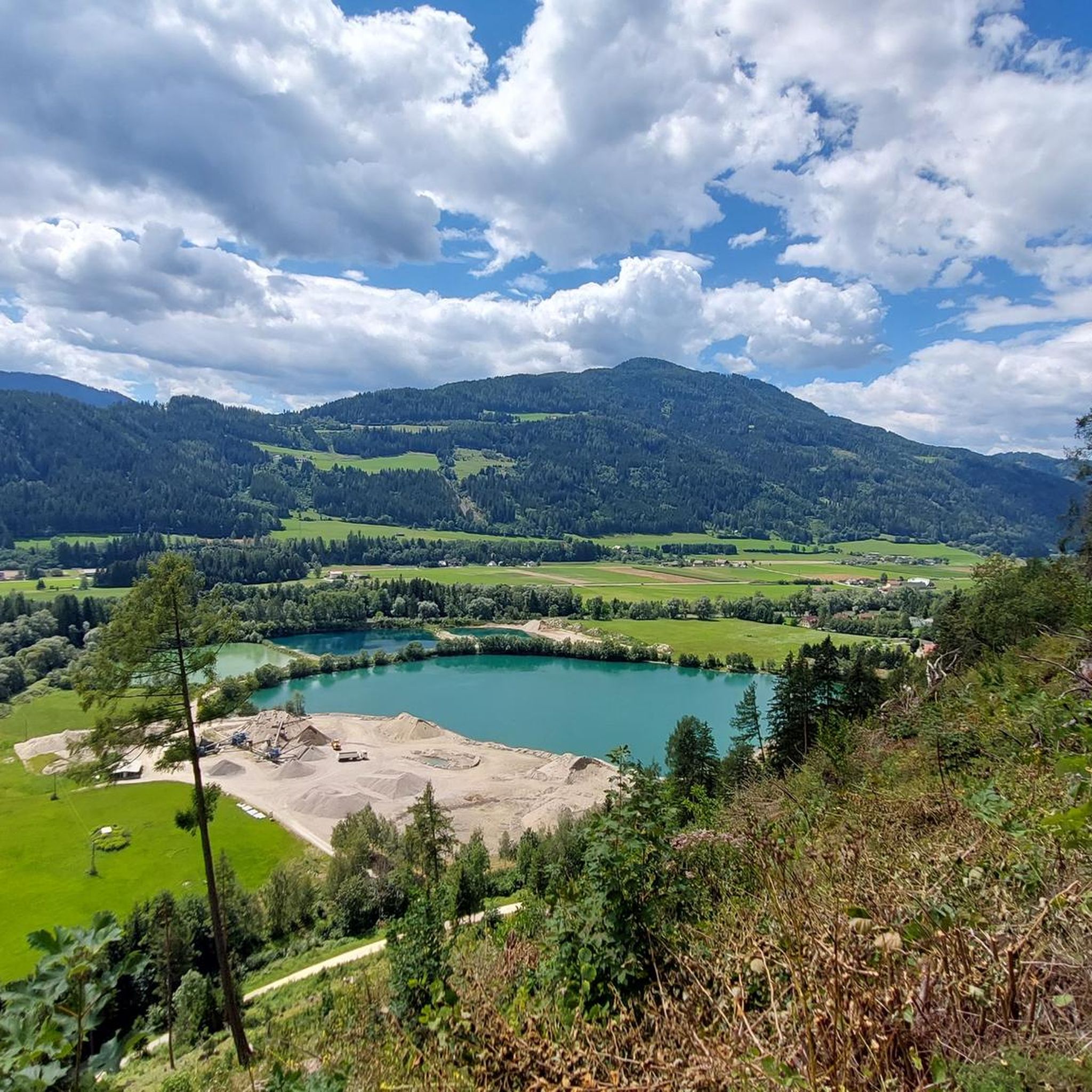
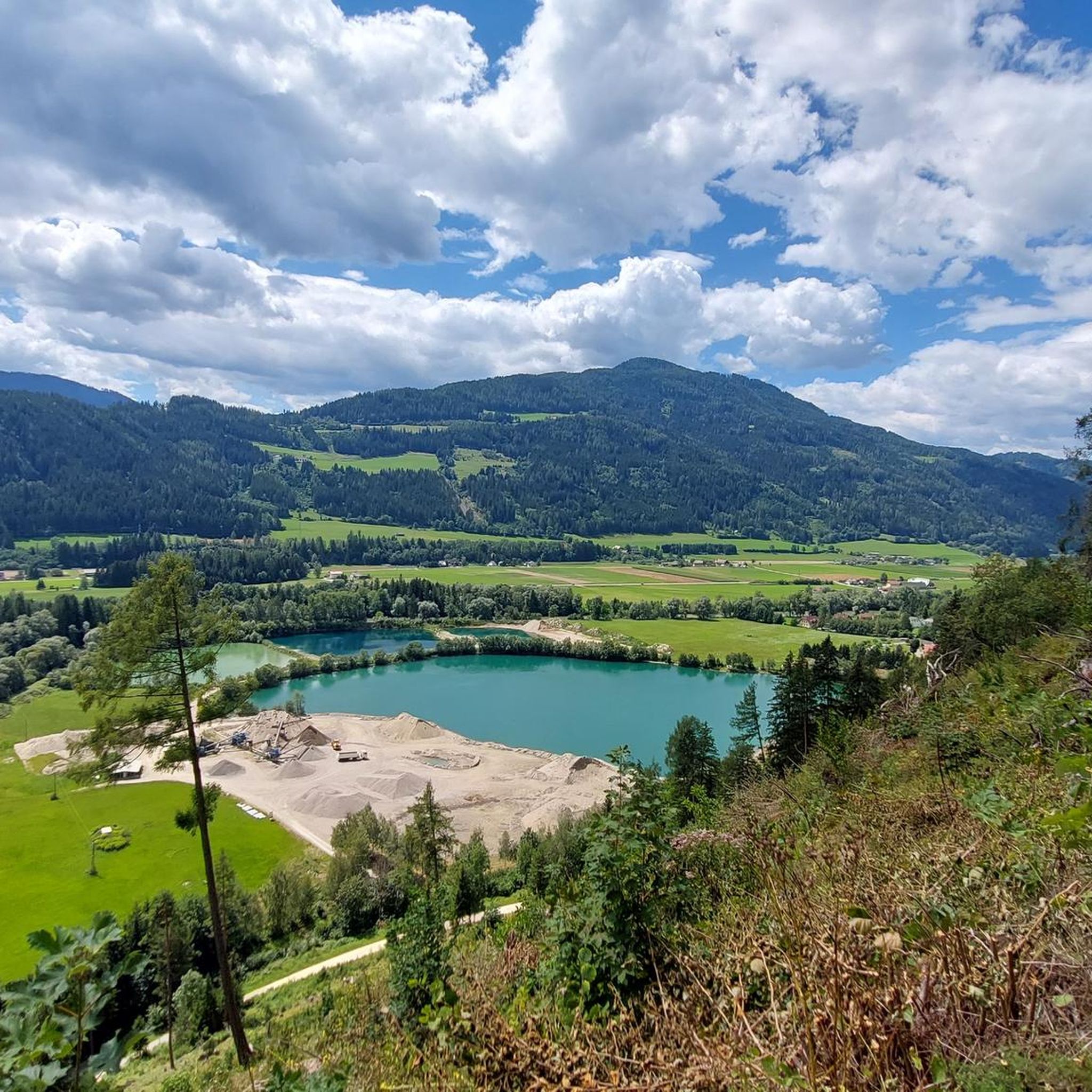
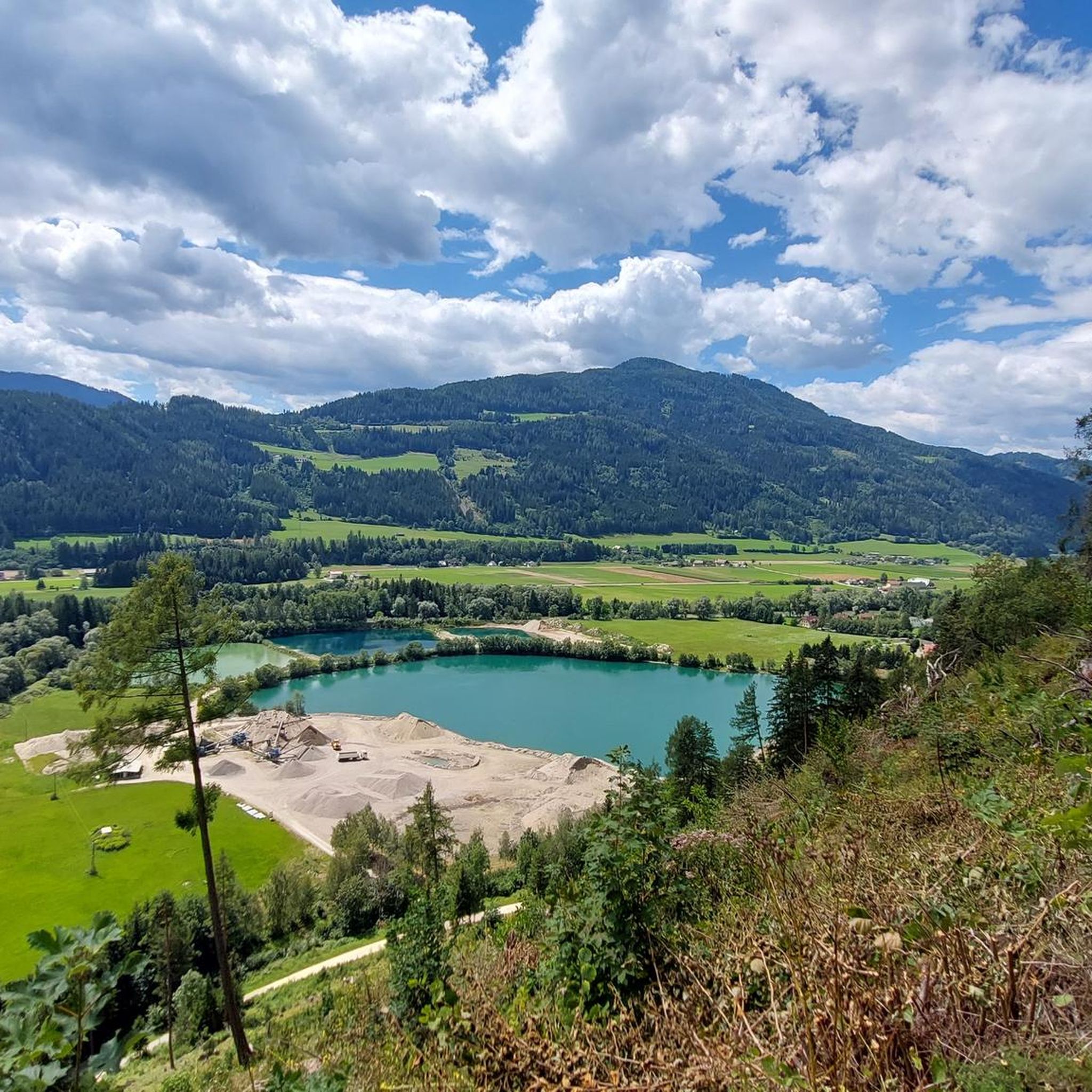
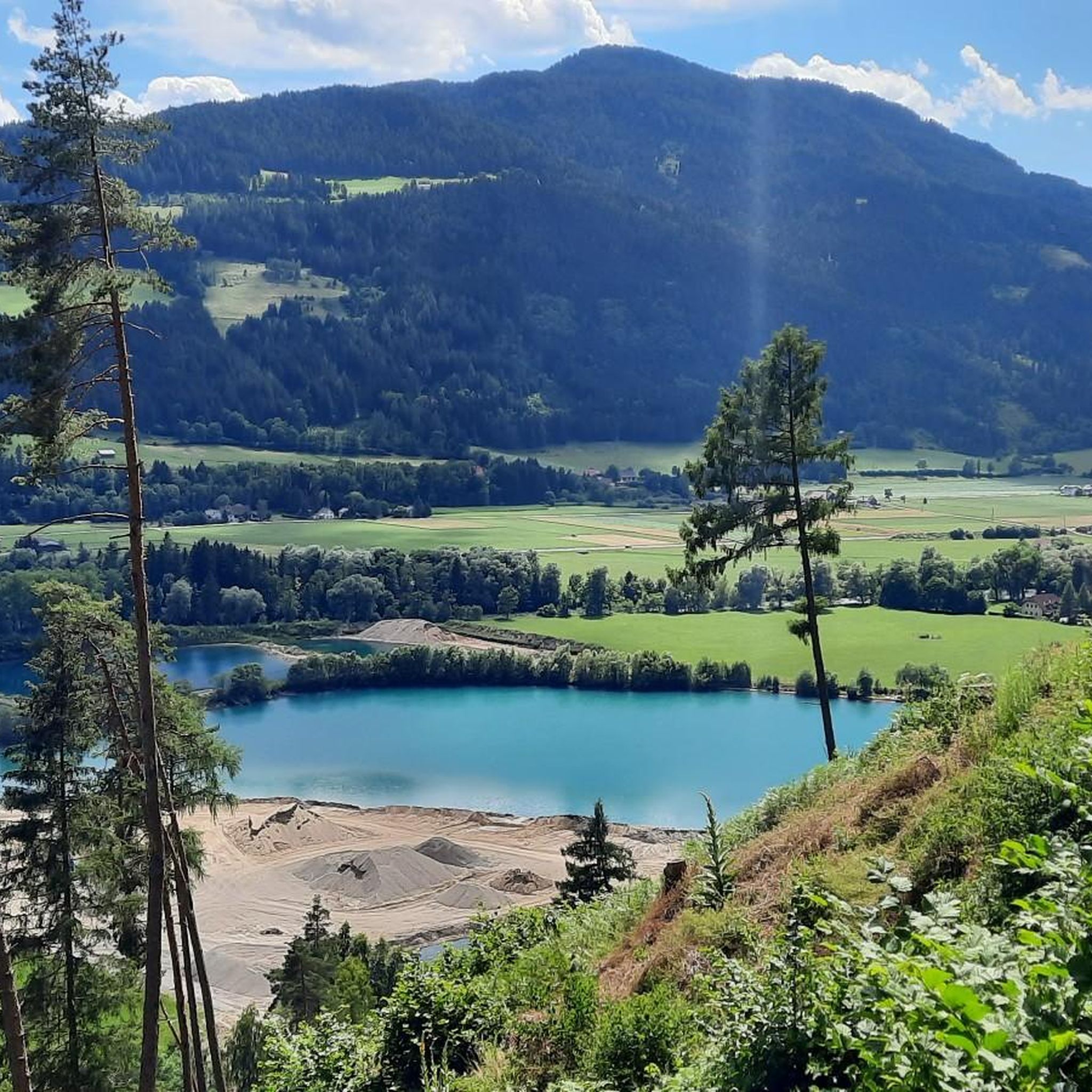
A beautiful little pond that can also be circumnavigated by hiking. In summer, it's perfect for swimming and SUPing.
5
0
It's interesting and beautiful to observe the source here – between 90 and 120 liters per second of pure, oxygen-rich drinking water bubbles out of the ground. The excellent water quality encourages interesting plant growth in and around the source.
3
0
Here you can marvel at the unique cascading waterfall.
3
0

Frequently Asked Questions
What are some unique natural monuments to explore in Teufenbach-Katsch?
Teufenbach-Katsch offers a variety of unique natural monuments. You can visit the Dürnberger Moor, a 12,000-year-old raised bog with rare plants like the carnivorous sundew. Another fascinating spot is the Gragger Gorge Waterfall, known for its impressive cascading waters. Don't miss the Puxer Loch, a striking rock face with cave niches, or "The Giant" in Thajagraben, a whimsical natural sight combining natural elements with local artistry.
Are there family-friendly natural monuments around Teufenbach-Katsch?
Yes, several natural monuments are suitable for families. The path through the Gragger Gorge Waterfall is a great experience for the whole family. The Dürnberger Moor also offers an accessible experience with an observation tower and information boards. Additionally, Podoler Teich and Furtnerteich Lake are noted as family-friendly spots for relaxation and gentle exploration.
What kind of natural features can I expect to see in the region?
The region around Teufenbach-Katsch is rich in diverse natural features. You'll find ancient bogs like the Dürnberger Moor, impressive waterfalls such as the Gragger Gorge Waterfall, and serene lakes like Podoler Teich and Furtnerteich Lake. There are also unique karst springs like Zeutschach Spring and striking rock formations like the Puxer Loch.
Are there any natural monuments with historical significance or local legends?
Absolutely. The Dürnberger Moor is a witness to the Ice Age, with a history spanning approximately nine thousand years. The Puxer Loch, a striking rock face, is shrouded in numerous legends and hints at medieval cave castles that once stood there. "The Giant" in Thajagraben also incorporates local folklore, depicting a giant squeezing water from a stone.
What outdoor activities can I do near these natural monuments?
The area offers various outdoor activities. You can enjoy hiking on trails like the one leading to the Puxer Loch or exploring the Gragger Gorge Waterfall. There are also numerous hiking, cycling, and gravel biking routes available. For more detailed route information, you can explore the guides for hiking, cycling, and gravel biking around Teufenbach-Katsch.
Where can I observe unique wildlife or plants?
For wildlife and plant observation, the Dürnberger Moor is an excellent choice. It's a sensitive habitat home to rare animals and plants, including the carnivorous sundew. The Furtnerteich Lake is also internationally important as a bird sanctuary, with 237 different bird species recorded there.
Are there any natural monuments suitable for swimming or relaxation?
Yes, Furtnerteich Lake is used as a swimming pond in summer. The Podoler Teich is a quiet forest lake perfect for relaxation, especially after exploring the nearby moor. The Zeutschach Spring also offers a peaceful spot to sit and relax by the bubbling, oxygen-rich water.
What do visitors enjoy most about the natural monuments in Teufenbach-Katsch?
Visitors particularly appreciate the impressive cascading waters and family-friendly path at the Gragger Gorge Waterfall. The Dürnberger Moor is valued for its unique charm, historical significance, and the views from its observation tower. The quiet, relaxing atmosphere of Podoler Teich in its beautiful forest setting is also a favorite.
Are there viewpoints offering panoramic scenery?
Yes, several natural monuments provide excellent views. The observation tower at the Dürnberger Moor offers panoramic views of the moor and its surrounding landscape. The Puxer Loch, located approximately 100 meters above the valley floor, also provides impressive vistas. While primarily historical, the hike to the Steinschloss Castle Ruins also offers great views of the valley.
What is the best time of year to visit the natural monuments?
The natural monuments are generally enjoyable throughout the warmer months, from spring to autumn. Spring brings fresh greenery and blooming plants, while summer is ideal for activities like swimming at Furtnerteich Lake. Autumn offers beautiful foliage, especially around forest areas like Podoler Teich. Some sites, like the Dürnberger Moor, can be visited year-round, but specific conditions might vary.
How accessible are the natural monuments by public transport?
While specific public transport details for each monument are not readily available, many natural attractions in the Murau district are best accessed by car, often requiring a short walk or hike from parking areas. It's advisable to check local transport schedules and accessibility for individual sites before planning your visit.
Are there any natural monuments that are considered 'hidden gems'?
While many of the natural monuments are well-known, the Zeutschach Spring could be considered a hidden gem. At first glance, it might appear as a pond, but its natural beauty is revealed by thousands of oxygen pearls bubbling to the surface, showcasing a highly productive karst spring. The whimsical "The Giant" in Thajagraben also offers a unique, less conventional natural experience.
Most popular routes around Teufenbach-Katsch
Most popular attractions around Teufenbach-Katsch

Get inspired with the komoot mobile app


Explore more
Extend your search for the best caves by checking out these guides of the top ones around Teufenbach-Katsch:
