Top 18 Natural Monuments around Reingers
Best natural monuments around Reingers are found within the Waldviertel region of Lower Austria, an area characterized by a serene environment of ponds, forests, rock formations, and moors. The landscape offers diverse natural features for exploration. Reingers serves as a starting point for various hiking routes that lead through forests, meadows, and along streams. The region is known for its extensive forests and tranquil nature, providing opportunities for active exploration.
Best natural monuments around Reingers
- The most popular natural monument…
Last updated: May 11, 2026
Gemeindeau Moor Boardwalk
Highlight • Natural Monument
Translated by Google •
Tip by

Heidenreichstein Moor Shelter
Highlight • Mountain Hut
Translated by Google •
Tip by

Sign up now to discover places like this
Get recommendations on the best single tracks, peaks, & plenty of other exciting outdoor places.
Sign up for free
Höllstein
Highlight • Natural Monument
Translated by Google •
Tip by

Northernmost Point of Austria
Highlight • Natural Monument
Translated by Google •
Tip by
Grasel Cave in Dachsgraben
Highlight • Cave
Translated by Google •
Tip by
Sign up for free to discover even more natural monuments around Reingers.
Sign up for free
Already have an account?
Start today with a free account
Your next adventure awaits.
Login or Signup
Tips from the Community

Question: Can the route also be done by mountain bike?
0
0

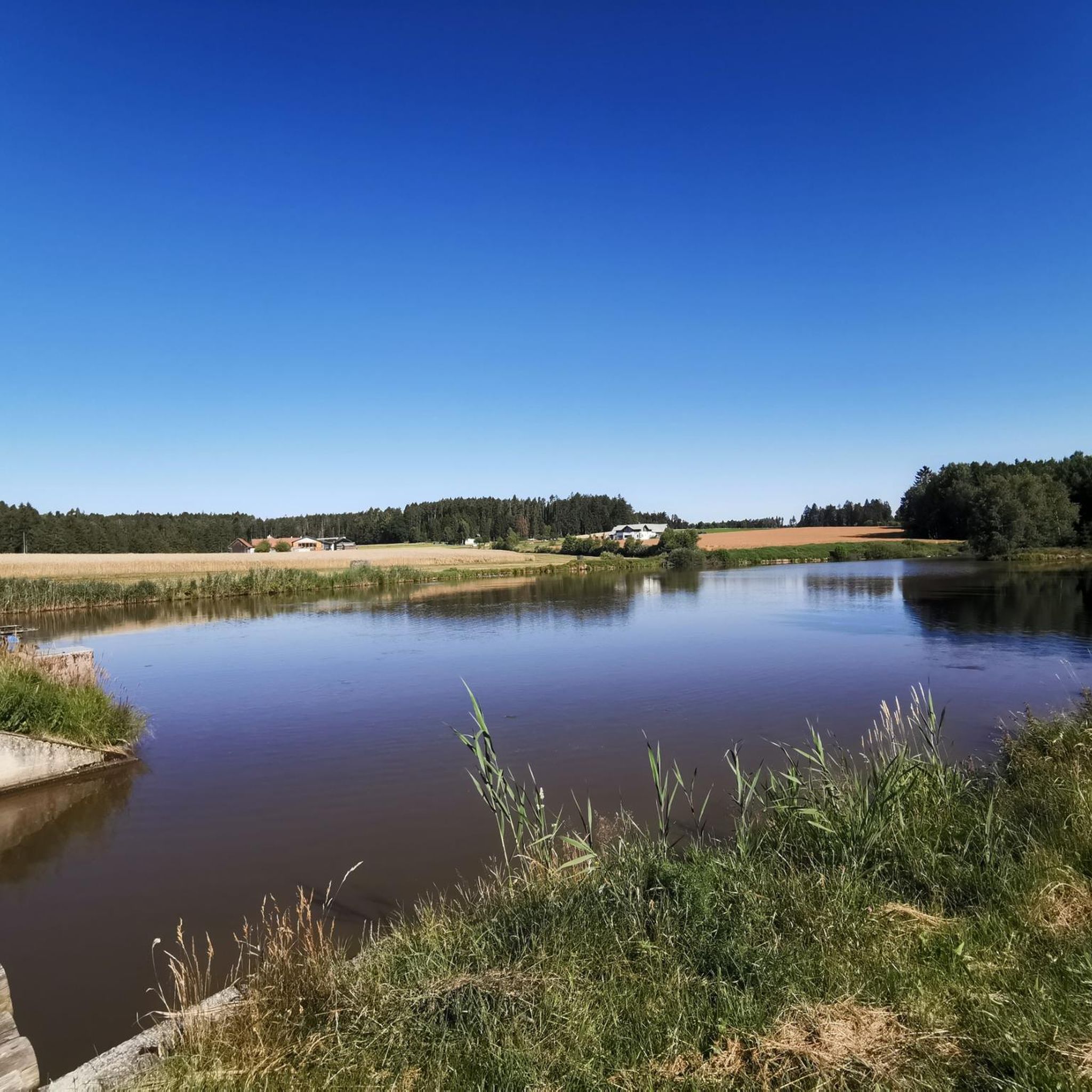
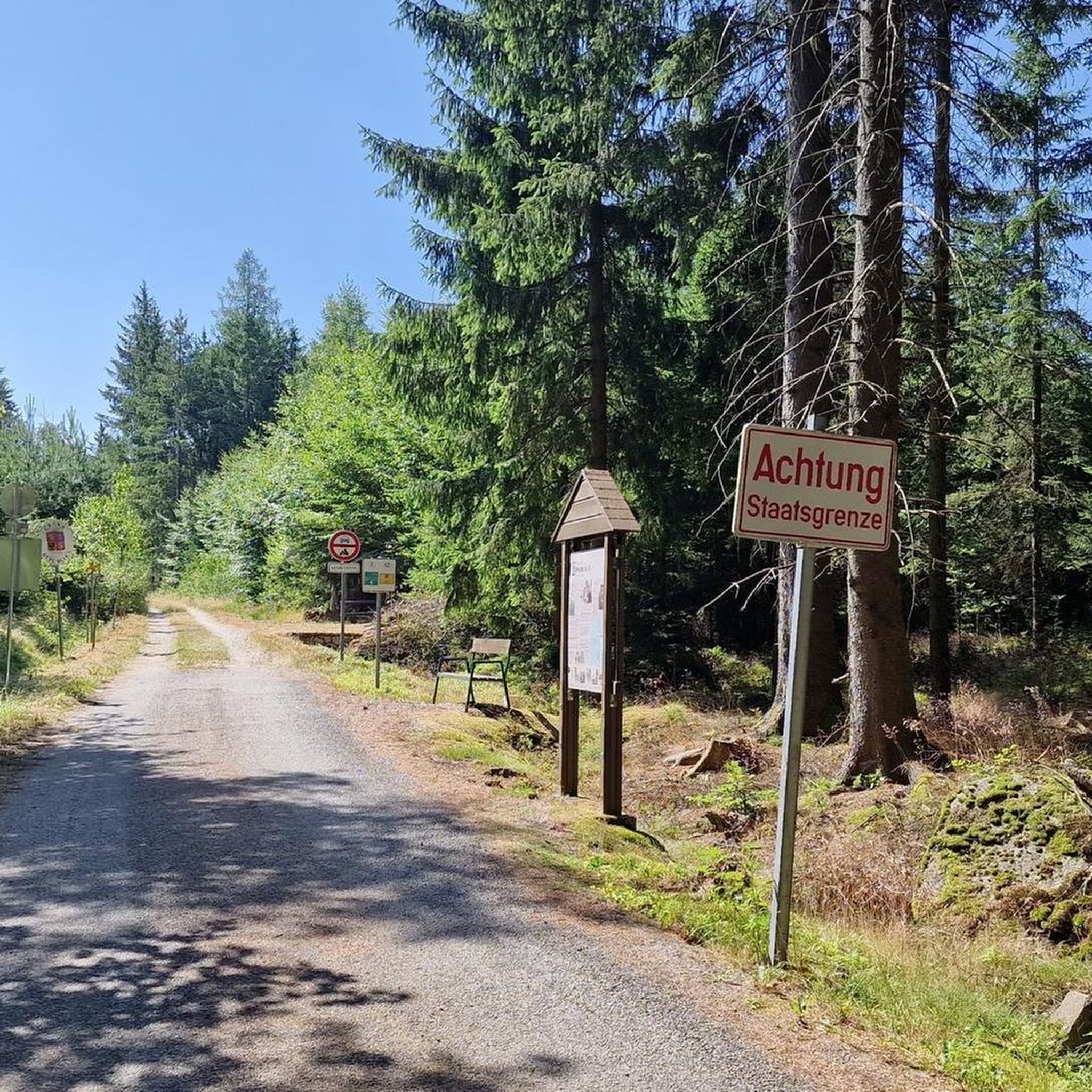
View of the northernmost tip of Austria. Somehow unimportant but then again not, the longer you stay there 🤔
0
0

The path leads through a jungle-like area into the wild and romantic Dachsengraben to the bottom of the ditch. According to legend, the notorious robber chief Grasel lived in a cave hidden in a group of granite along the path. He was certainly no noble fellow and no Robin Hood, as he liked to commit his robberies in simpler houses. By the time he died, Grasel had committed around 200 crimes in the Waldviertel. A wooden club path leads through a small swamp to the isolated Richterteich.
2
0

The heart of the nature park is the raised moor near the town of Heidenreichstein in the northwestern Waldviertel. The open moor areas and the forest on the edge of the Winkelauer Pond bear witness to a vegetation history that goes back more than 10,000 years. Areas of peat moss, sundew and cotton grass give an idea of the original moorland landscape.
2
0
In the nature park, the preservation of the “moor” habitat has the highest priority alongside climate protection. Moors are not characterized by a very large variety of plants and animals, but by relatively few but extremely specialists, such as the northern moss damsel (a type of dragonfly) and the moor frog.
2
0
The footbridge allows visitors to immerse themselves deeply in the vegetation of the raised moor. Hikers in Heidenreichstein have more than 10,000 years of vegetation history stored in the peat at their feet. Peatlands formed in wet hollows and depressions after the last ice age more than 10,000 years ago. They consist of plant residues that accumulate in the wet body of the moor in the absence of air. Therefore, bogs are, in a sense, nature's long-term memory.
4
0
This hiking trail impresses with its beauty and the extensive information on moorland. You should take your time here and enjoy the exciting tour through this impressive landscape.
7
0
Frequently Asked Questions
What unique natural features can I explore around Reingers?
The Reingers area, part of the Waldviertel region, is characterized by diverse natural features. You can explore extensive moorlands, unique granite rock formations, and tranquil forests. Highlights include the Gemeindeau Moor Boardwalk, offering an immersive experience into a unique ecosystem, and the massive granite block known as Höllstein.
Are there any significant moorlands to visit near Reingers?
Yes, the region is renowned for its moorlands. The Gemeindeau Moor Boardwalk provides a 2.8 km path through a unique moorland landscape with extensive information. Additionally, the Heidenreichstein Moor Nature Park, home to the Heidenreichstein Moor Shelter, features a 'Prügelsteg' (boardwalk) allowing deep exploration into the high moor, which is also a nature reserve and bird sanctuary.
Where can I see interesting rock formations around Reingers?
The Waldviertel region is known for its unique rock formations. A notable example is Höllstein, a huge granite block located on the Föhrenbach south of Litschau. Another site with granite formations is the Grasel Cave in Dachsgraben, where granite structures are part of a wild and romantic landscape.
Are the natural monuments around Reingers family-friendly?
Many natural monuments in the area are suitable for families. The Gemeindeau Moor Boardwalk and the Heidenreichstein Moor Shelter within the nature park are considered family-friendly, offering educational experiences and easy walks. The Höllstein and the Northernmost Point of Austria are also accessible for families.
Are there easy hiking trails suitable for beginners around Reingers' natural monuments?
Yes, there are several easy hiking options. For instance, the 'Gemeindeau Moor Boardwalk – Hanging Stone loop from Heidenreichstein' is an easy 6.7 km route, and the 'Höllstein loop from Katastralgemeinde Loimanns' is an easy 6.2 km trail. You can find more easy hikes in the region on the Easy hikes around Reingers guide.
What outdoor activities can I do near the natural monuments around Reingers?
Beyond exploring the natural monuments themselves, the area offers various outdoor activities. You can enjoy hiking on numerous trails, including circular walks. The region is also suitable for road cycling and gravel biking, with guides available for Road Cycling Routes around Reingers and Gravel biking around Reingers.
Are there any historical or cultural aspects associated with the natural monuments?
Yes, some natural sites have historical connections. The Höllstein is near Celtic burial mounds dating back to 400 BC. The Grasel Cave in Dachsgraben is linked to the legend of the notorious robber chief Grasel, who is said to have hidden there in the early 18th century.
What kind of wildlife can I expect to see in the natural monuments around Reingers?
The moorlands, such as the Heidenreichstein Moor Nature Park, are particularly rich in specialized flora and fauna. While not characterized by a large variety, they host unique species like the northern moss damsel (a type of dragonfly) and the moor frog. The area is also a bird sanctuary, offering opportunities for birdwatching.
What is the best time of year to visit the natural monuments around Reingers?
The Waldviertel region, including Reingers, offers a pleasant climate with warm days and cool nights, making it appealing for health and well-being. Spring and autumn are ideal for hiking and exploring the natural landscapes, with pleasant temperatures and vibrant scenery. Summer provides a welcome cool-off in shady forests, while winter offers a different, tranquil experience for those interested in winter hiking.
How long does it typically take to visit the natural monuments?
The duration of your visit depends on the specific monument and your activity. For example, the Gemeindeau Moor Boardwalk is about 2.8 km long, and visitors are encouraged to take their time to enjoy the tour and read the information. Shorter walks to sites like Höllstein or the Northernmost Point of Austria can be done in an hour or two, while exploring the Heidenreichstein Moor Nature Park might take half a day or more, especially if you opt for a guided tour.
Are the trails around the natural monuments dog-friendly?
Many hiking trails in the Waldviertel region are generally dog-friendly, allowing you to explore the natural monuments with your canine companion. However, it's always advisable to keep dogs on a leash, especially in nature reserves like the Heidenreichstein Moor Nature Park, to protect wildlife and ensure a pleasant experience for all visitors.
Is parking available near the natural monuments?
Yes, parking is generally available near popular natural monuments and trailheads in the Reingers area and the broader Waldviertel region. Specific parking information can often be found on local signage or online resources for individual attractions. For instance, the Northernmost Point of Austria is noted as being easily accessible from both sides, implying nearby access points.
Most popular attractions around Reingers

Get inspired with the komoot mobile app


Explore more
Extend your search for the best caves by checking out these guides of the top ones around Reingers:
