Top 16 Natural Monuments around Haslau-Maria Ellend
Best natural monuments around Haslau-Maria Ellend are predominantly located within the Donau-Auen National Park, a vital floodplain ecosystem along the Danube River. This area features diverse flora and fauna, tranquil riverine environments, and extensive paths for hiking and cycling. The region is characterized by its connection to the Danube, including old oxbows, gravel banks, and wooded footpaths. It offers opportunities to observe wildlife and explore preserved natural settings.
Best natural monuments around Haslau-Maria Ellend
- The most popular natural monument is…
Last updated: August 17, 2026
Danube-Auen National Park
Highlight (Segment) • Cycleway
Translated by Google •
Tip by

Southern tip of the Danube Island (Donauinsel)
Highlight • Viewpoint
Translated by Google •
Tip by

Sign up now to discover places like this
Get recommendations on the best single tracks, peaks, & plenty of other exciting outdoor places.
Sign up for free
Donauradweg Gravel Section, Nationalpark Donau-Auen
Highlight • Cycleway
Translated by Google •
Tip by

Orth an der Donau in the Donau-Auen National Park
Highlight (Segment) • Settlement
Translated by Google •
Tip by

Orther Islands
Highlight • Lake
While the first four islands already rise high out …
Translated by Google •
Tip by

Sign up for free to discover even more natural monuments around Haslau-Maria Ellend.
Sign up for free
Already have an account?
Start today with a free account
Your next adventure awaits.
Login or Signup
Popular around Haslau-Maria Ellend
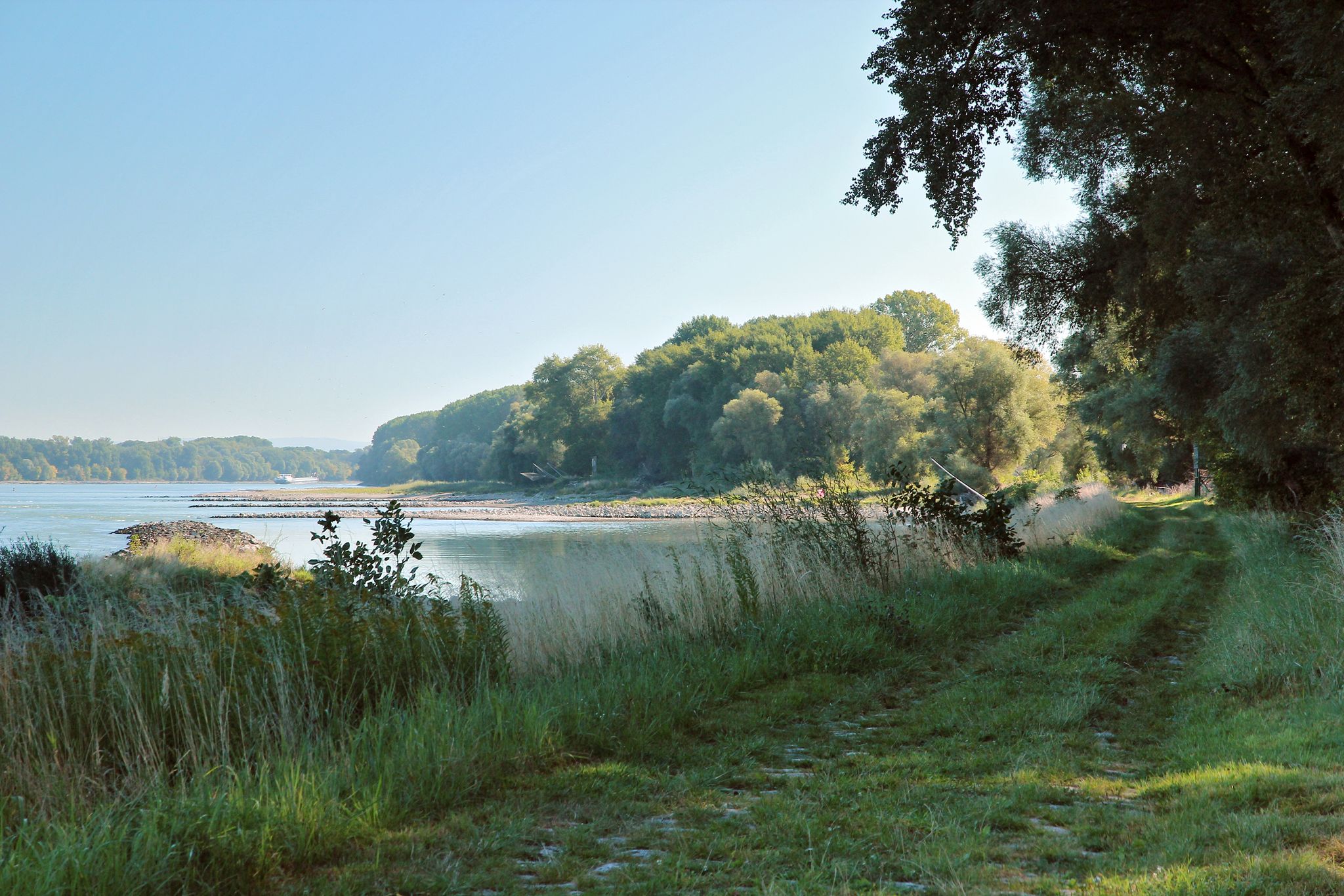
From Vienna to the state border at Hainburg - Tours in the National Park Donau-Auen
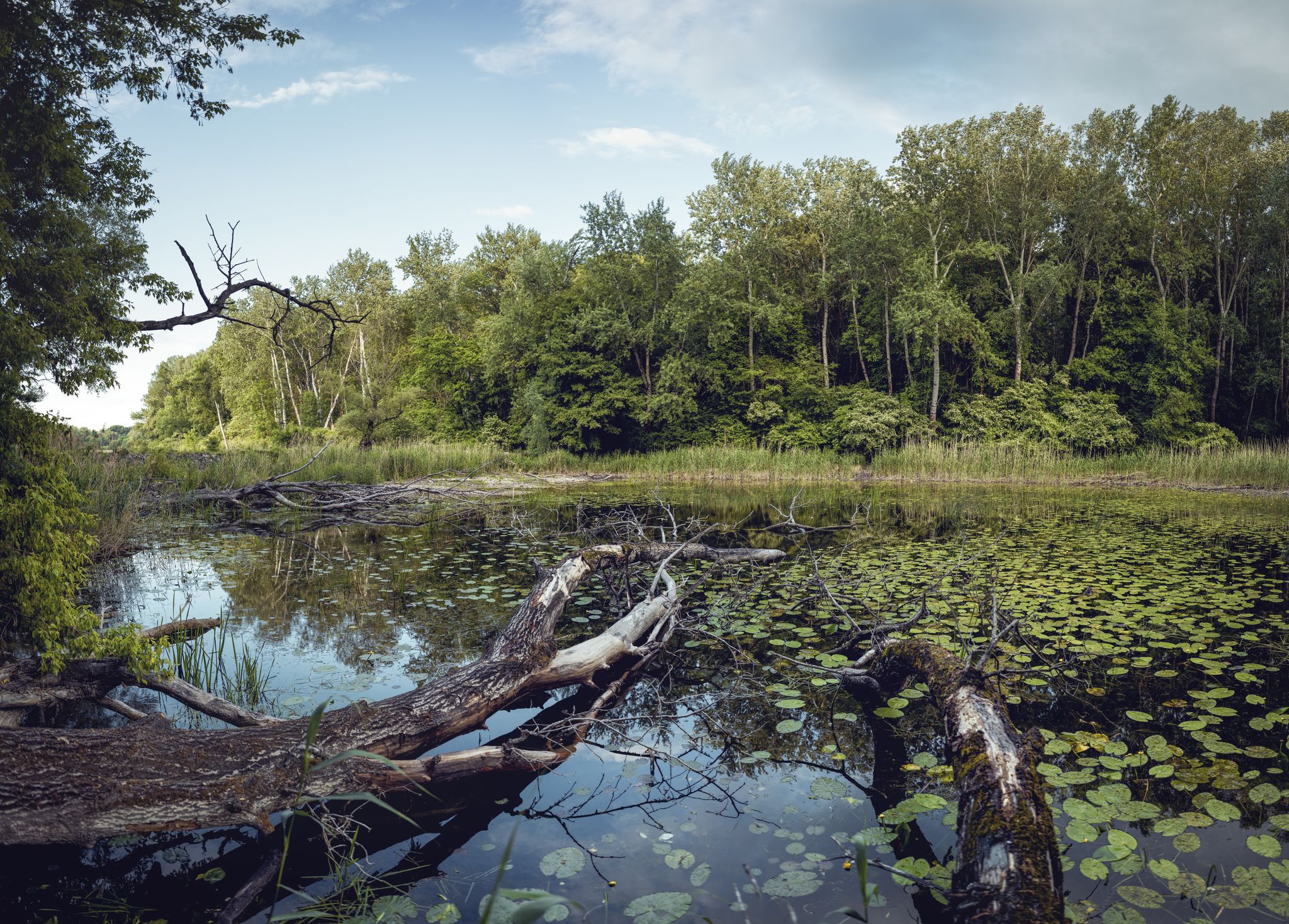
Discover the Donau-Auen National Park
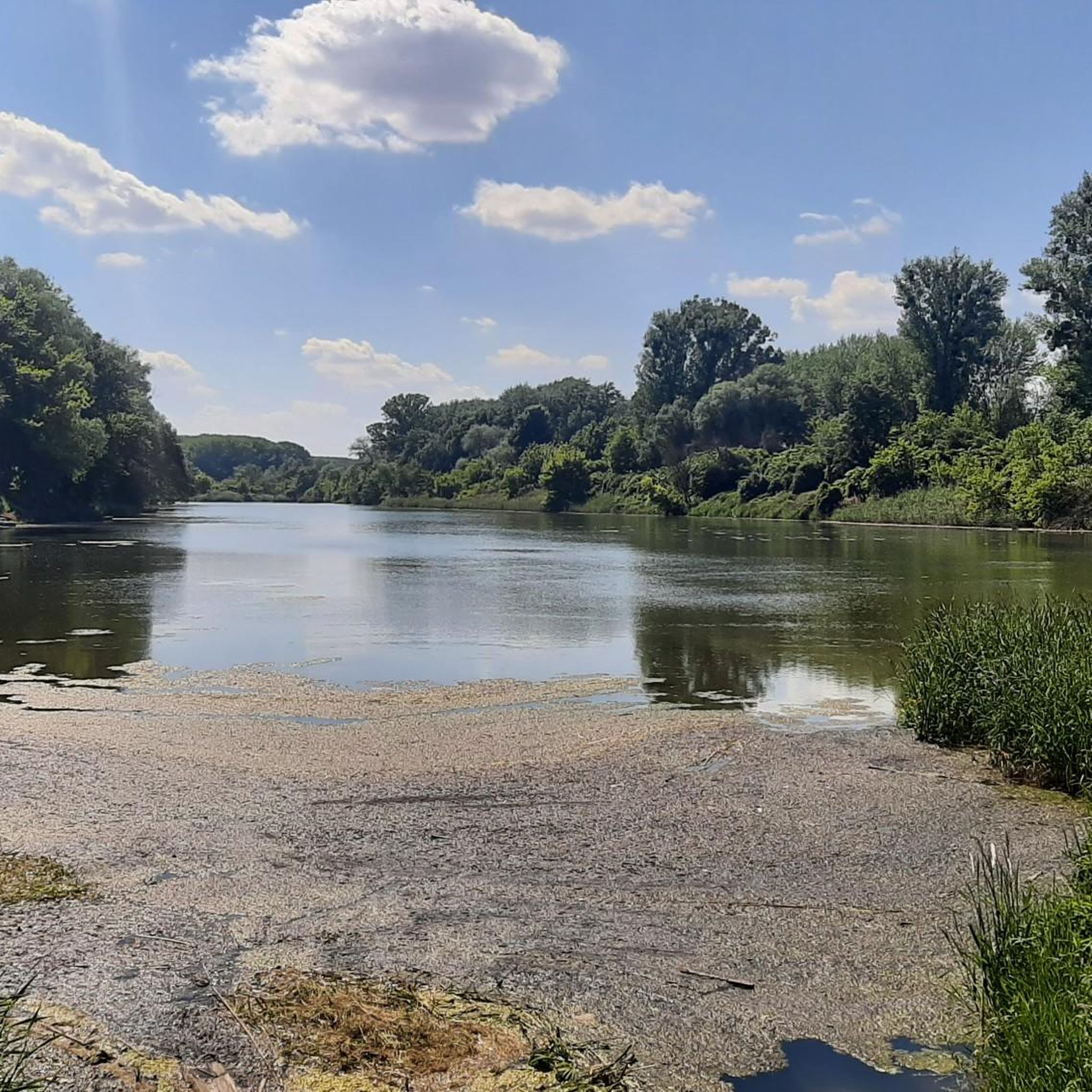
Hiking around Haslau-Maria Ellend
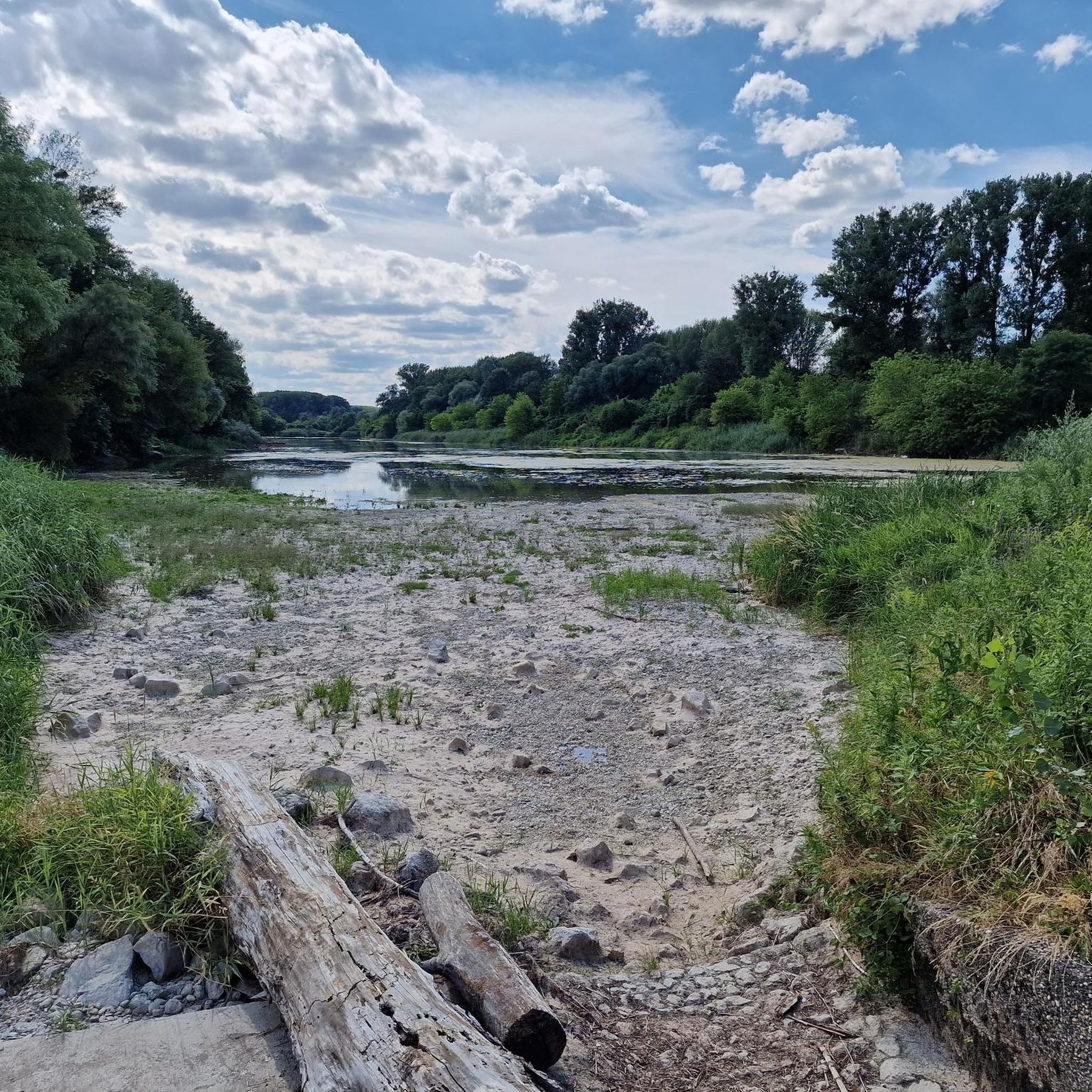
Road Cycling Routes around Haslau-Maria Ellend
Cycling around Haslau-Maria Ellend
Running Trails around Haslau-Maria Ellend
MTB Trails around Haslau-Maria Ellend
Gravel biking around Haslau-Maria Ellend


Tips from the Community

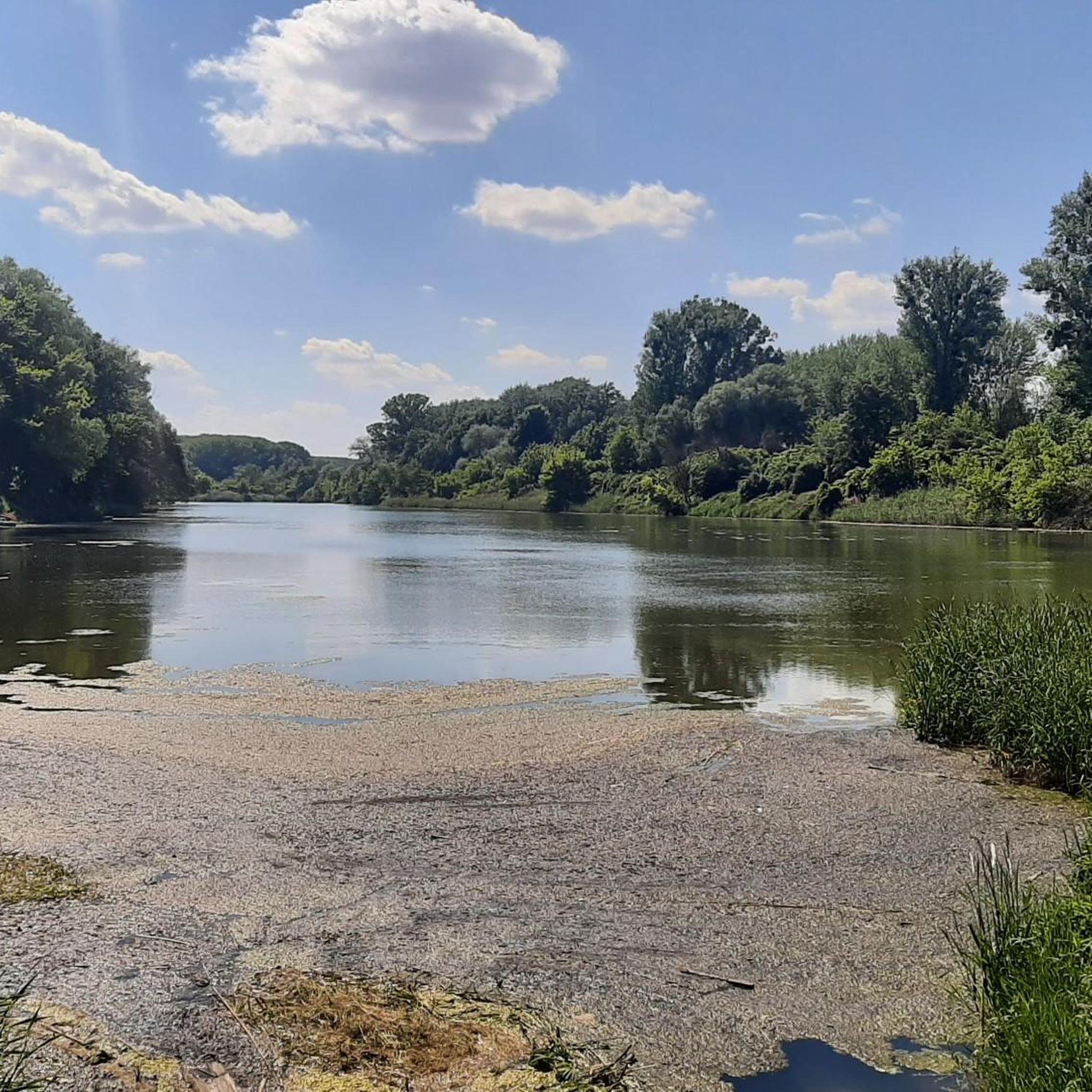
The almost standing body of water offers great photo opportunities with reflections.
0
0

The Danube-Auen National Park is one of the last large, intact floodplain landscapes in Central Europe. It stretches along the Danube between Vienna and Bratislava and covers an area of around 9,600 hectares. The national park protects this unique river landscape, which is characterized by a dynamic interplay of floods, gravel banks, old watercourses and floodplain forests. The national park was created after the successful protests against the construction of a hydroelectric power plant in Hainburg in the 1980s. The protection of the floodplains became a milestone in the Austrian environmental movement. The Danube flows largely unregulated in this section, which means that natural flooding and changes in the course of the river remain possible. This dynamic creates diverse habitats.
2
1

Great cycle paths and beautiful nature
0
1

The Danube-Auen National Park is a 9,600 hectare national park that stretches from Vienna to the mouth of the March in Lower Austria on the border with Slovakia. It is one of the largest, largely intact floodplain landscapes in Central Europe along the Danube. The area is 38 kilometers long and measures barely four kilometers at its widest point.
3
0

Beautiful view of the Orther Islands from the shore path. The islands themselves are difficult to access due to the dense undergrowth.
0
0

EuroVelo 6 always a pleasure
1
0

The Donau-Auen National Park stretches from Vienna to the mouth of the March at the Slovakian border near Bratislava. With a total length of the protected floodplain area of 38 kilometers, the national park is barely 4 kilometers at its widest point, because floodplains are only found in the immediate vicinity of the river. In the north lies the wide plain of the Marchfeld and the protective dam, built in the 19th century, runs through the national park area. In the south, the border is formed by the edge of the Vienna Basin.
4
0
With the founding of the Donau-Auen National Park in 1996, this jewel was placed under international protection. Since then, nature has been able to develop here free of economic constraints and be experienced by guests to the area.
4
0
Frequently Asked Questions
What diverse natural features can I discover around Haslau-Maria Ellend?
The region is rich in natural features, primarily within the expansive Donau-Auen National Park. You can explore the park's vital floodplain ecosystem, tranquil riverine environments, and extensive paths. Specific features include the Old Danube Oxbow at Schönau, known for its abundant wildlife, and the Danube River itself, with its branching tributaries and shallow gravel banks that form natural swimming areas during low water levels. Additionally, the municipality offers beautiful wooded footpaths with views across the Marchfeld plain.
Are there family-friendly natural monuments around Haslau-Maria Ellend?
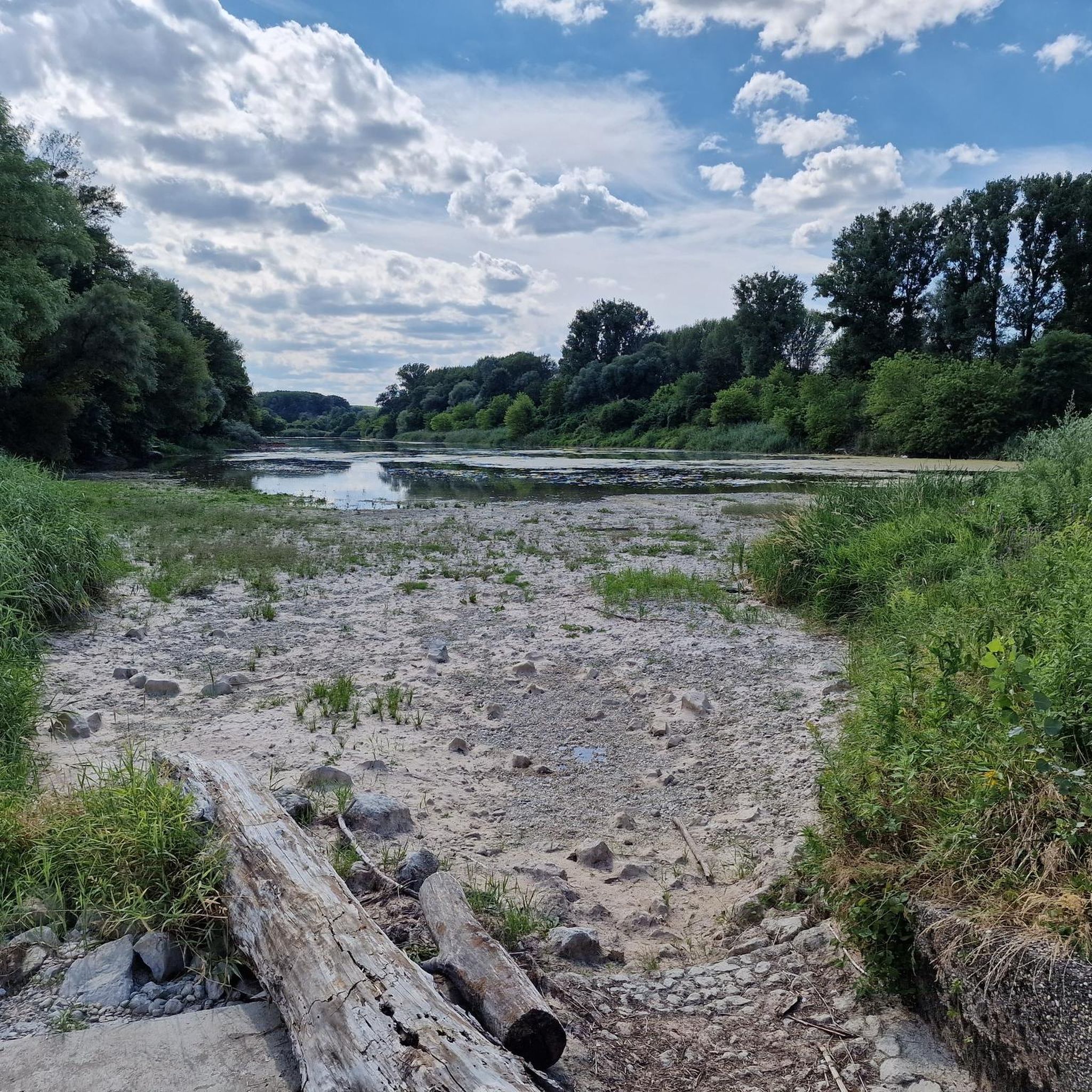
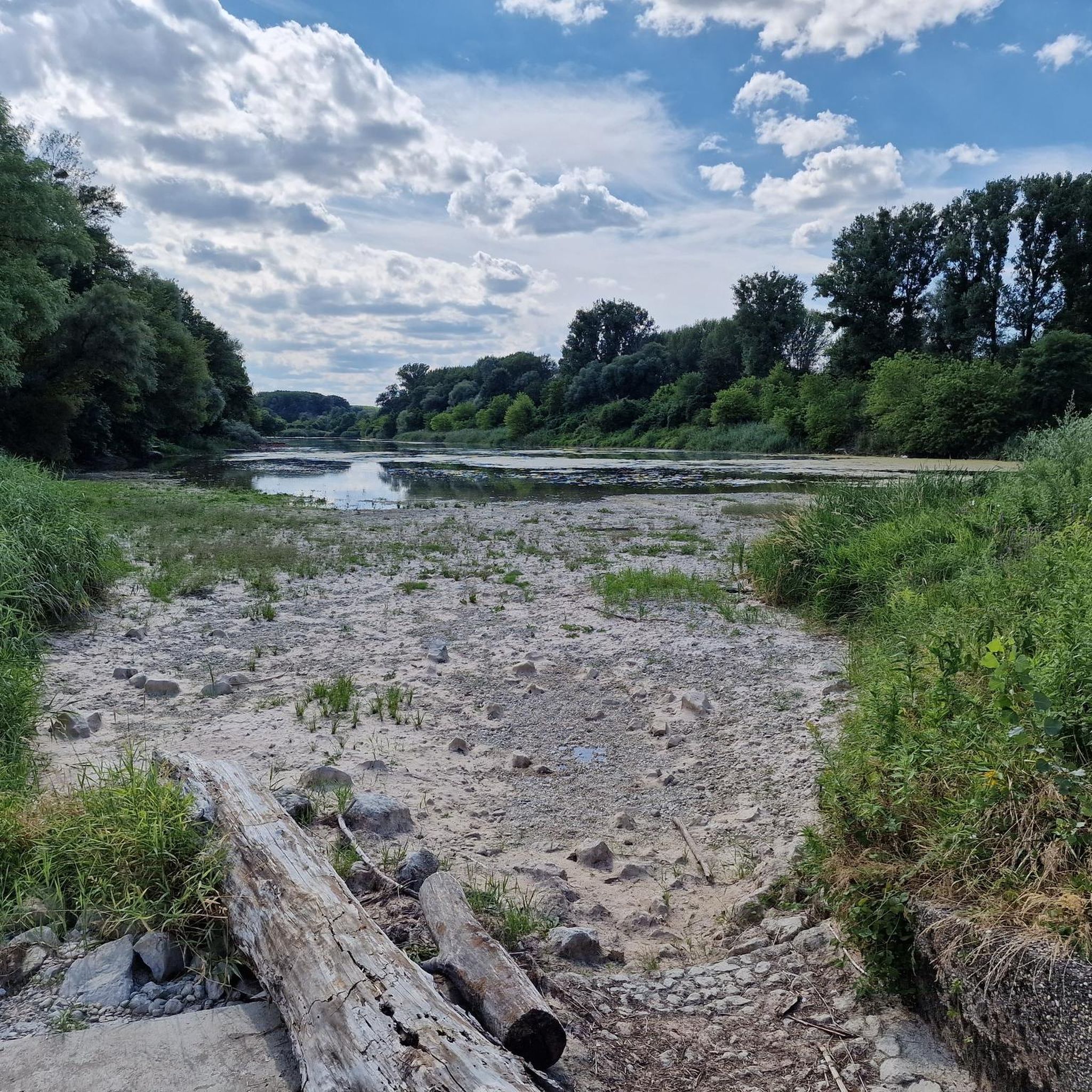
Yes, several natural monuments are suitable for families. The Danube-Auen National Park itself is family-friendly, offering extensive paths for exploration. The Southern tip of the Danube Island (Donauinsel) is a great spot to sit and watch the Danube flow, which can be enjoyable for all ages. The Danube River's gravel banks, especially near Maria Ellend, can also be fun for families during low water levels.
What kind of wildlife can I spot in the natural monuments here?
The Donau-Auen National Park is a prime location for observing diverse plant and animal life. The Old Danube Oxbow at Schönau is excellent for birdwatching, with swans, gray and great egrets, and cranes observable throughout the year. Along the Danube River, you can see traditional fishing huts and, in winter, it becomes a popular overwintering site for ducks from Northern Europe, including pochards, Common Goldeneye ducks, and cormorants. You might also spot animal tracks in the fine river sand.
What outdoor activities can I do near these natural monuments?
The area offers a variety of outdoor activities. The Donau-Auen National Park provides extensive opportunities for hiking and cycling. You can find numerous running trails around Haslau-Maria Ellend, such as the Danube-Auen National Park loop from Haslau - Maria Ellend. For cyclists, there are road cycling routes and gravel biking options, including the Donauradweg Gravel Section, Nationalpark Donau-Auen. You can explore more options on the Running Trails around Haslau-Maria Ellend, Road Cycling Routes around Haslau-Maria Ellend, and Gravel biking around Haslau-Maria Ellend guide pages.
Are there hiking trails near the natural monuments?
Yes, there are many hiking opportunities. The Donau-Auen National Park features well-maintained paths, and the "Regelsbrunner Au" within the park offers designated hiking trails. The municipality of Haslau-Maria Ellend also has beautiful wooded footpaths that provide varied hiking experiences. You can find specific routes like the Danube-Auen National Park loop from Haslau - Maria Ellend on the Running Trails around Haslau-Maria Ellend guide page, which can also be used for walking.
What is special about the Orther Islands?
The Orther Islands are a particularly dynamic habitat within the Donau-Auen National Park. They are known for their self-created primeval forests and serve as wild swimming spots. The Danube River's creative power is evident here, as it forms gravel islands, tears embankments, and pushes driftwood, leading to old channels being refilled with water and benefiting rare animal species like the European pond turtle.
Can I visit historical sites near the natural monuments?
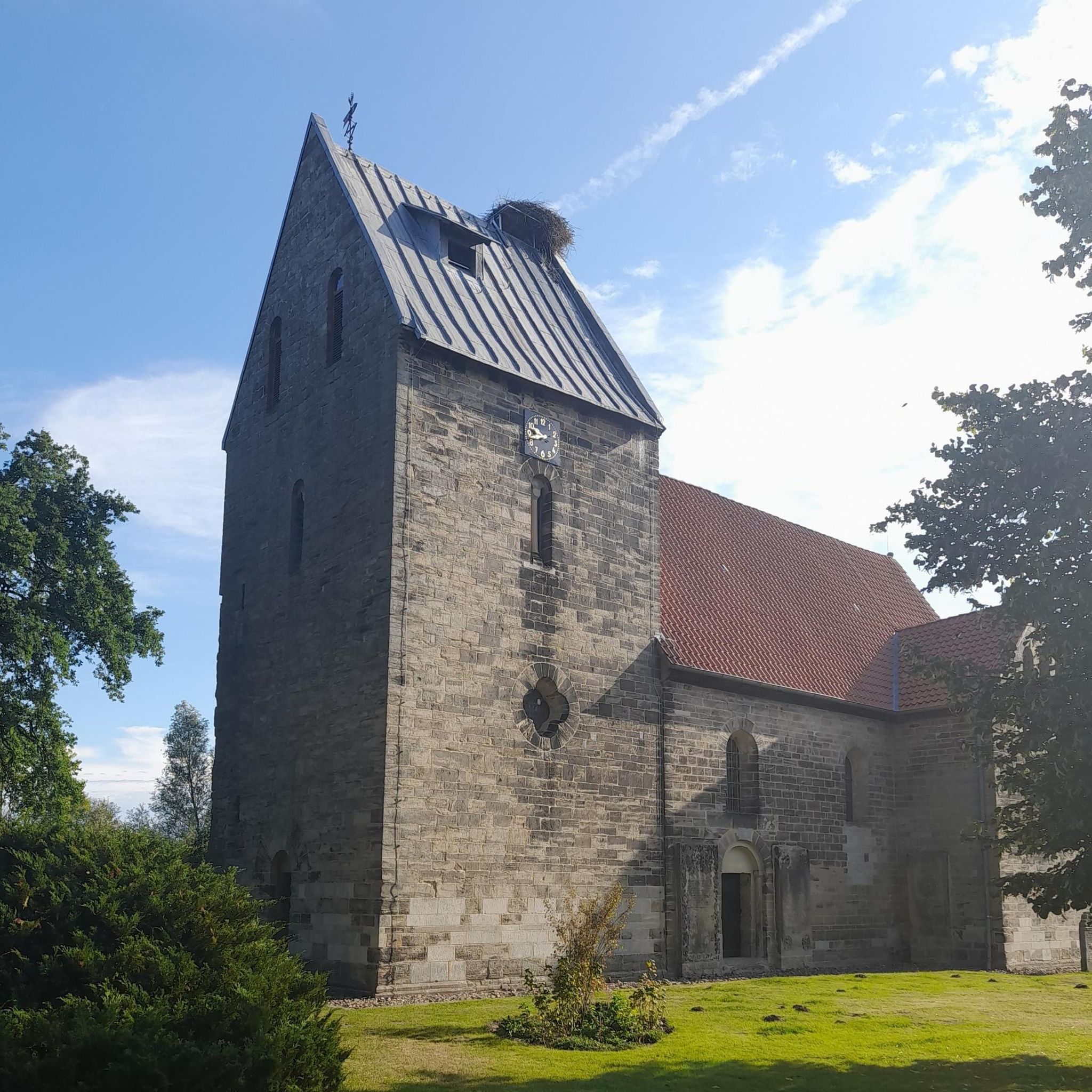
Yes, the area combines natural beauty with historical significance. Orth an der Donau, located within the Donau-Auen National Park, is a settlement with a rich history dating back to 1021. Here you can find Orth Castle, which now serves as the seat and visitor center of the Donau-Auen National Park, as well as the Catholic parish church Orth an der Donau hl. Michael, a former fortified church, and a preserved ship mill.
What do visitors enjoy most about the natural monuments around Haslau-Maria Ellend?
Visitors appreciate the tranquility and natural beauty of the region. Many enjoy the impressive views, such as those from the Southern tip of the Danube Island (Donauinsel), where you can watch the Danube flow. The opportunity to observe diverse birdlife along the Donauradweg Gravel Section, Nationalpark Donau-Auen and the peaceful atmosphere of the floodplain landscapes are also highly valued.
Are there any viewpoints offering scenic vistas?
Yes, the region offers several scenic viewpoints. The Southern tip of the Danube Island (Donauinsel) provides a gigantic view towards Schwechat and the airport. Additionally, the wooded footpaths within the municipality of Haslau-Maria Ellend offer magnificent views across the Marchfeld plain, extending as far as the Matzner Wald forest.
What is the best season to visit the natural monuments in Haslau-Maria Ellend?
The Donau-Auen National Park and surrounding natural monuments offer unique experiences throughout the year. While spring and summer are ideal for hiking, cycling, and enjoying the lush greenery and active wildlife, autumn brings beautiful colors to the floodplains. Winter also has its charm, as the ice-free stretch of the Danube becomes a popular overwintering site for various duck species, offering excellent birdwatching opportunities.
Can I go swimming in the natural monuments around Haslau-Maria Ellend?
Yes, there are opportunities for wild swimming. The Orther Islands are known as inviting wild swimming spots, where the river has deposited colorful pebbles and fine sand. Additionally, the shallow gravel banks along the Danube River, especially near Maria Ellend, can form natural swimming areas during low water levels.
Are there opportunities for cycling within the Donau-Auen National Park?
Absolutely. The Donau-Auen National Park features extensive paths suitable for cycling. A notable route is the Donauradweg Gravel Section, Nationalpark Donau-Auen, which turns off the dam into the national park and offers beautiful views of the meadow landscape. The area is well-suited for relaxed rides with no significant inclines. You can find more cycling options on the Road Cycling Routes around Haslau-Maria Ellend and Gravel biking around Haslau-Maria Ellend guide pages.
Most popular routes around Haslau-Maria Ellend
Most popular attractions around Haslau-Maria Ellend

Get inspired with the komoot mobile app


Explore more
Extend your search for the best caves by checking out these guides of the top ones around Haslau-Maria Ellend:
