Top 20 Natural Monuments around Hörbich
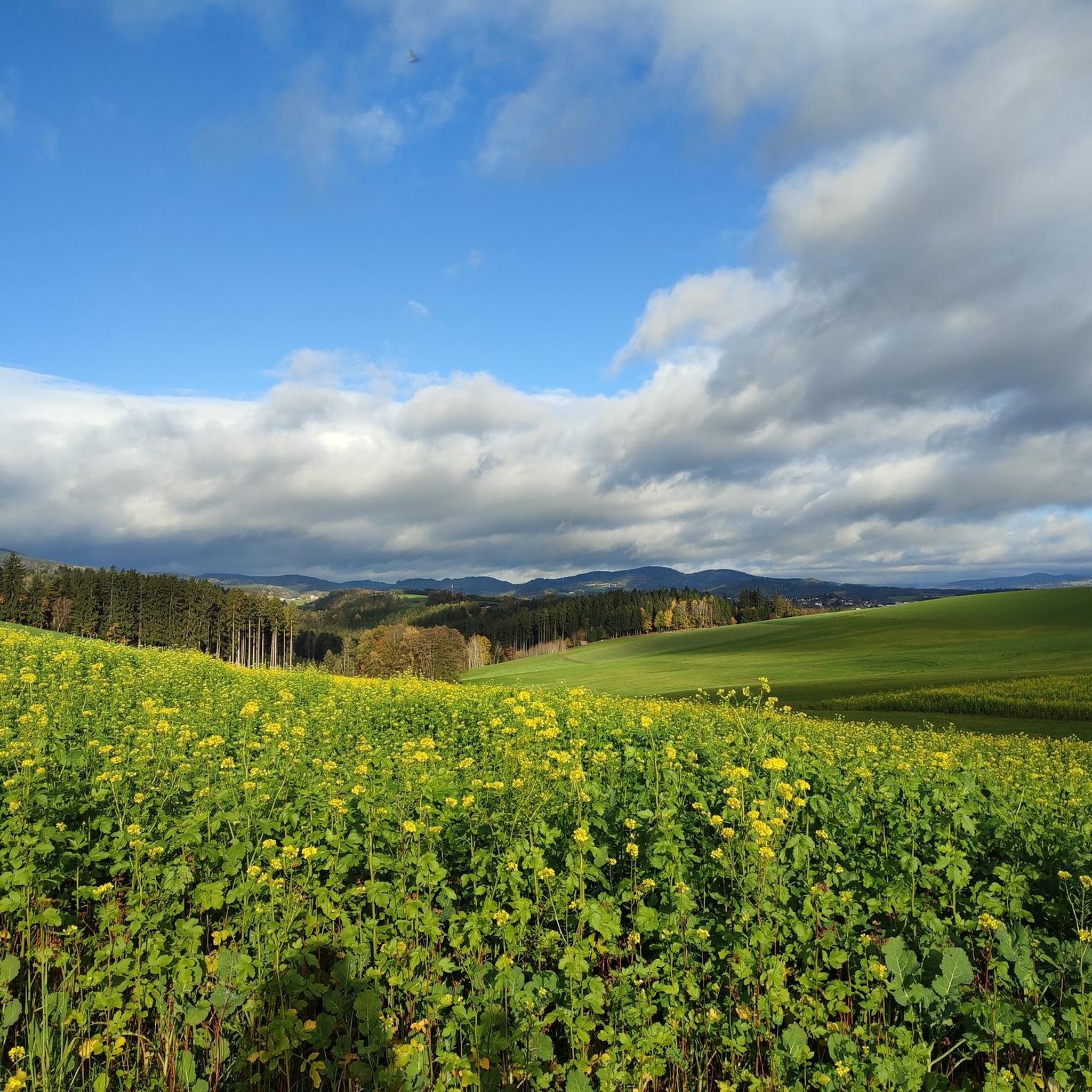
Natural monuments around Hörbich are characterized by the tranquil, unspoiled rural environment of Austria's Rohrbach District. The area features a landscape shaped by the Kleine Mühl River and dramatic topography, including precipitous cliffs. This setting provides opportunities to experience nature within a preserved rural community. Visitors can explore a variety of natural features that contribute to the region's scenic beauty.
Best natural monuments around Hörbich
- The most popular natural monuments is Schlögen Loop, a river feature that is a…
Last updated: June 24, 2026
Schlögen Loop
Highlight (Segment) • River
Translated by Google •
Tip by

Steinerberg Danube Loop 🏞️
Highlight • River
Tip by

Sign up now to discover places like this
Get recommendations on the best single tracks, peaks, & plenty of other exciting outdoor places.
Sign up for free
Eidenberger Lusen Summit
Highlight • Summit
Translated by Google •
Tip by

Cooling stone
Highlight • Viewpoint
A beautiful hike from all sides and a fantastic view
Translated by Google •
Tip by

Granite Experience
Highlight • Natural Monument
Translated by Google •
Tip by

Sign up for free to discover even more natural monuments around Hörbich.
Sign up for free
Already have an account?
Start today with a free account
Your next adventure awaits.
Login or Signup
Tips from the Community


Short climb to push, but it's definitely worth it 🤩
0
0

Beautiful hiking trails and also an experience with the mountain bike
3
0


The Schlögener Loop is a river loop in the upper Danube valley in Upper Austria, about halfway between Passau and Linz (between river kilometers 2186.5 and 2180.5 of the Danube flowing east) and the largest forced meander in Europe. The southern, right bank lies in the municipality of Haibach ob der Donau and its district of Schlögen, after which the loop is named. To the north, the municipalities of Hofkirchen im Mühlkreis with the village of Au and to the far east Niederkappel with the village of Grafenau border the area of the Danube Loop. Source: Wikipedia
8
0
The Schlögener Schlinge is a river meander in the upper Danube valley in Upper Austria, about halfway between Passau and Linz (between river kilometers 2186.5 and 2180.5 of the east-flowing Danube) and the largest forced meander in Europe. The southern, right bank is in the municipality of Haibach ob der Donau and its district Schlögen, after which the loop is named. In the north, the municipalities of Hofkirchen im Mühlkreis with the village of Au and in the far east Niederkappel with the village of Grafenau border in the area of the Danube loop. Source: Wikipedia
2
0

By the way, not a via ferrata, but shorter sport climbing routes.
3
0
The Kühstein 710m The Kühstein, located between Oberpeilstein and Meisingeröd, has become a beautiful destination. Several hiking trails also meet here. The somewhat grim face on the southeast side doesn't stop climbers from practicing on the rocks. Nevertheless, this rock castle has retained its old historical grandeur. Our prehistoric ancestors used the large bowl on the summit for sacrifice. They also came here to select their bards. Five pines adorn the summit level, they are about 140 years old. To the northeast you have a good view of the small Mühltal valley, and you can also enjoy the sunrise. Two ramparts testify to an early castle around 1300 and around 1600 there was a wooden chapel at the foot of the rock. The Kühstein is energetically connected to the nearby Bründlstein. (https://www.muehlviertel.at/oesterreich-poi/detail/430015314/kuehstein.html)
3
0
Frequently Asked Questions
What are the most prominent natural features to explore around Hörbich?
The region around Hörbich is characterized by the tranquil, unspoiled rural environment of Austria's Rohrbach District. Key natural features include the scenic Kleine Mühl River and dramatic topography with precipitous cliffs. You can experience significant river meanders like the Schlögen Loop, known as Europe's largest forced meander, and the Steinerberg Danube Loop 🏞️. Summits like Eidenberger Lusen Summit offer panoramic views.
Are there family-friendly natural monuments or activities in the Hörbich area?
Yes, several natural monuments around Hörbich are suitable for families. The Steinerberg Danube Loop 🏞️ features a car-free bike trail along the river, perfect for a relaxed family outing. The Eidenberger Lusen Summit and Cooling stone are also categorized as family-friendly, offering enjoyable trails and views. Additionally, the Granite Experience is designed to be family-friendly, providing an engaging way to learn about the region's geology.
What kind of hiking trails can I find near the natural monuments around Hörbich?
The Hörbich area offers a variety of hiking trails, ranging from easy to difficult. For example, you can find easy routes like the 'Dorfer Cross – Leitner Cross loop from Putzleinsdorf' or the 'Hörbich Village Chapel loop from Hörbich'. More challenging options include the 'Maria Bründl Chapel – Ameisberg Tower loop from Putzleinsdorf'. You can explore more hiking options in the Hiking around Hörbich guide and the Easy hikes around Hörbich guide.
Are there any historical or cultural sites associated with the natural monuments?
Yes, some natural monuments in the area have historical significance. The Cooling stone, for instance, was an earlier place of sacrifice, with pottery shards, walls, and trenches indicating its ancient use. It also features ramparts from an early castle. The Granite Experience showcases historical rocks and geological features, providing insight into the region's natural and cultural heritage.
What are the best viewpoints to experience the natural beauty of Hörbich?
For breathtaking views, the Schlögen Loop offers dramatic perspectives of the Danube's largest forced meander. The Eidenberger Lusen Summit provides nearly 180-degree views, extending over Wegscheid to the Dreisesselberg massif and beyond. The Cooling stone also offers a wide view of the Kleine Mühl valley, the Bohemian Forest, and the district town of Rohrbach.
Can I go cycling near the natural monuments in Hörbich?
Absolutely. The region is excellent for cycling, especially along the Danube. The Steinerberg Danube Loop 🏞️ is part of the EuroVelo 6 bike trail, offering a car-free and quiet route directly along the river. For gravel biking enthusiasts, there are routes like 'Mosthütte – Haslach an der Mühl loop from Bezirk Rohrbach' and 'View of the Neufelden Reservoir – Mühlschlinge loop from Neufelden'. More cycling routes can be found in the Gravel biking around Hörbich guide.
What is the best time of year to visit the natural monuments around Hörbich?
The natural monuments around Hörbich are generally enjoyable throughout the warmer months, from spring to autumn, when hiking and cycling conditions are most favorable. The lush greenery of spring and the vibrant colors of autumn enhance the scenic beauty of the river landscapes and forested summits. While winter offers a different, serene experience, some trails might be less accessible due to snow or ice.
Are there any natural monuments that are particularly unique to the Hörbich region?
The Hörbich area is particularly known for its impressive river loops and unique geological formations. The Schlögen Loop stands out as the largest forced meander in Europe, a truly remarkable natural phenomenon. The region's granite landscape, highlighted by the Granite Experience, also showcases the unique geological heritage of the Mühlviertel.
What do visitors appreciate most about the natural monuments in Hörbich?
Visitors frequently praise the dramatic views, especially from highlights like the Schlögen Loop, which is considered a top highlight on the Danube. The tranquility and unspoiled nature of the rural environment are also highly valued. Many enjoy the well-maintained trails for hiking and cycling, and the opportunity to experience the Danube up close on car-free paths.
Are there options for accommodation or dining near the natural monuments?
While Hörbich itself is a small, tranquil village, the surrounding Rohrbach District and nearby towns like Lembach im Mühlkreis offer various options for accommodation, cafes, and guesthouses. These establishments provide convenient bases for exploring the natural monuments and enjoying local cuisine after a day of outdoor activities.
Is public transport available to reach the natural monuments around Hörbich?
Information on specific public transport routes directly to every natural monument can vary. However, the Rohrbach District generally has regional bus services connecting villages. For detailed planning, it's advisable to check local public transport schedules for routes to the nearest towns or access points for the natural monuments you wish to visit.
Most popular attractions around Hörbich

Get inspired with the komoot mobile app


Explore more
Extend your search for the best caves by checking out these guides of the top ones around Hörbich:
