Top 20 Natural Monuments around Prellenkirchen
Best natural monuments around Prellenkirchen offer a diverse landscape, characterized by the Spitzerberg Nature Reserve and the unique Blue Quarry. This region in Lower Austria provides insights into local ecology and geology. The area features rock steppes, dry grasslands, and forests, supporting a rich variety of flora and fauna. These natural attractions provide opportunities for nature observation and hiking.
Best natural monuments around Prellenkirchen
- The most popular natural monuments is Devín Castle, a castle that was an important historical…
Last updated: May 11, 2026
Devín Castle
Highlight • Castle
Translated by Google •
Tip by

Danube River Restoration
Highlight • River
Translated by Google •
Tip by

Sign up now to discover places like this
Get recommendations on the best single tracks, peaks, & plenty of other exciting outdoor places.
Sign up for free
Girl With a Fawn Fountain (Fontána Dievča so Srnkou)
Highlight • Monument
Translated by Google •
Tip by

Günther Cave
Highlight • Cave
Translated by Google •
Tip by

Hainburger Au Trail
Highlight • Trail
Translated by Google •
Tip by

Sign up for free to discover even more natural monuments around Prellenkirchen.
Sign up for free
Already have an account?
Start today with a free account
Your next adventure awaits.
Login or Signup

Tips from the Community

Alois Rigele, a master of sculpture and painting, embodies the symbiosis of Classicism and Art Nouveau in his outstanding works. Particularly noteworthy is the figure of "Girl with Deer," which conveys a striking expression of elegance and grace. This sculpture, displayed in Hviezdoslav Square, demonstrates not only Rigele's technical skill but also his ability to capture emotions and the relationship between humans and animals. The meticulous detail and harmonious composition of his works testify to his profound understanding of the human form and nature. In addition to his chamber and figure sculptures, Rigele also created numerous portrait plaques and monuments that vividly bring to life the character and essence of their subjects. However, Rigele's expression extended beyond sculpture—he also left his mark on mural painting, as can be seen in the magnificent choir of the Jesuit Church in Bratislava.
1
0

The renaturation of the Danube near Hainburg, particularly in the Johler Arm area, is one of the most important ecological projects in the Austrian Danube region. The goal was to return the heavily regulated Danube to its natural state and to restore valuable floodplain forest and river habitats. The Johler Arm, a former branch of the Danube near Hainburg, was reconnected to the main stream as part of the project. This reconnection ensures regular water flow through the branch, restoring dynamic river processes such as flooding, sediment relocation, and natural bank formation. As a result, many rare animal and plant species – including fish, amphibians, and waterfowl – benefit from new habitats. The project also improves ecological continuity for migratory aquatic organisms. A landscape-enhanced floodplain landscape was created along the Danube, where the natural diversity of the Danube can once again be seen and experienced – a successful example of near-natural watercourse development in the Danube Floodplains National Park.
0
0

The fountain with a double tank made of white material is decorated in the upper part with a sculpture depicting a sitting girl with a doe. The sculpture is made of reddish stone. On the north side, at the girl's foot, there is an inscription engraved: "A. Rigele 1938, R. Kuhmayer 1942". The sculpture is the work of the famous Bratislava sculptor Alojz Rigele, who, however, did not have time to finish it. After his death, another famous Bratislava sculptor, Robert Kuhmayer, completed it in 1942. The theme of the sculpture was based on a Grimm's fairy tale, and accordingly the name "Braček a sestrichka" (Little Brother and Sister) was also used. https://muop.bratislava.sk/fontana-dievca-so-srnkou/d-2391
0
0

The Güntherhöhle can be reached from the tourist trail via a steep climb in a few minutes. The path is also suitable for active dogs.
2
0

Girl with deer on the big avenue.
1
0
To the west of the Zwergelloch lies the most famous cave in the Hundsheim Mountains, the Güntherhöhle with the bone gap, both of which are parts of what was originally a single cave room. For reasons of cave and bat protection, the entrances had to be closed. To the south of the cave, in the so-called bone gap, fossil remains of the woolly rhinoceros were found. It entered science as the “Hundsheim rhinoceros” (Rhinoceros Stephanorhinus hundsheimensis). Source: www.hundsheim.gv.at/Lebensraum_gemeinde/ Unser_gemeinde/Freizeit_und_Tourismus/Allgemeine_Information/Steinbrueche_und_Hoehlen
5
0

A river and forest setting that pleases. In Italy similar settings are found only in high mountain landscapes. Handsome.
1
0

With a bit of luck you can see kingfishers and beavers!
1
0
Frequently Asked Questions
What are the most notable natural monuments to visit around Prellenkirchen?
The region around Prellenkirchen is rich in natural beauty. Key attractions include the Spitzerberg Nature Reserve, known for its unique Pannonian steppe landscape and diverse ecosystems. Another significant site is the tranquil Blue Quarry, a former industrial site reclaimed by nature. Additionally, you can explore the historical Devín Castle, offering stunning views, and the Hainburger Au Trail, a scenic path through a natural jungle along the Danube.
What kind of unique wildlife and plant species can I expect to see in the natural monuments around Prellenkirchen?
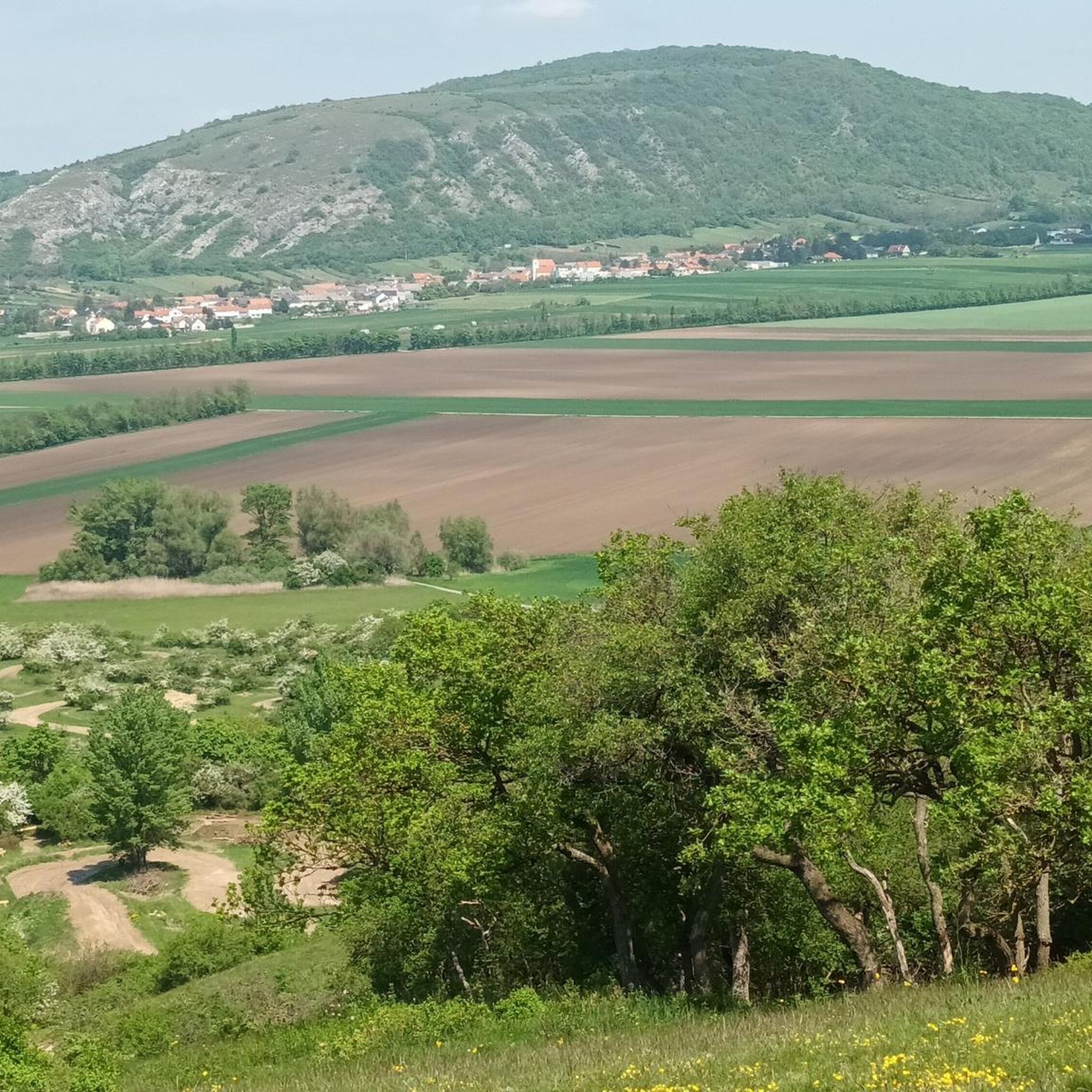
The Spitzerberg Nature Reserve is a biodiversity hotspot, home to rare flora like *Artemisia pancicii*, feather grass, iris, sand iris, and the regionally unique clove pink. The African burning-bush also blooms here in May. For fauna, keep an eye out for the clouded Apollo butterfly and the European ground squirrel. The Danube River Restoration area, particularly the Johler Arm, provides habitats for many rare animal and plant species, including fish, amphibians, waterfowl, and with a bit of luck, kingfishers and beavers.
Are there family-friendly natural monuments or activities in the Prellenkirchen area?
Yes, several natural monuments are suitable for families. The Danube River Restoration area offers a river and forest setting that is family-friendly, providing opportunities to observe wildlife. The Hainburger Au Trail is also a scenic and family-friendly option, perfect for a cooling experience on hot days while exploring a natural jungle.
What historical or geological significance do the natural monuments near Prellenkirchen hold?
The region is rich in both historical and geological significance. Devín Castle was an important historical crossroads, used by the Romans as a military base and now a monument with expositions on Slavic history. Geologically, the Spitzerberg Nature Reserve features steep slopes of limestone and dolomite, creating a unique dry environment. The Günther Cave is scientifically significant, as fossil remains of the woolly rhinoceros (known as the “Hundsheim rhinoceros”) were discovered there.
What outdoor activities can I do near the natural monuments around Prellenkirchen?
The area offers various outdoor activities, especially hiking. You can find numerous trails around the Spitzerberg Nature Reserve, including easy to moderate loops like the 'Spitzerberg Nature Reserve – Kellergasse Prellenkirchen loop'. For more options, explore the Hiking around Prellenkirchen guide or the Easy hikes around Prellenkirchen guide. Gliding and paragliding are also popular activities at the foot of Spitzerberg.
Are there any easy or beginner-friendly hiking trails among the natural monuments?
Yes, there are several easy hiking options. For instance, the 'Spitzerberg Nature Reserve – Kellergasse Prellenkirchen loop' from Edelstal or Prellenkirchen are both rated as easy. These trails allow you to experience the unique landscape of the Spitzerberg Nature Reserve without strenuous climbs. You can find more easy routes in the Easy hikes around Prellenkirchen guide.
What is the best time of year to visit the natural monuments in Prellenkirchen?
Thanks to its Pannonian climate, Prellenkirchen enjoys abundant sunshine and minimal rain, making it pleasant for much of the year. Spring (May) is particularly special for the Spitzerberg Nature Reserve when the rare African burning-bush blooms and many specialized plant varieties are in full display. Summer offers a chance to cool off along the Hainburger Au Trail. Generally, late spring to early autumn provides the best conditions for exploring the outdoor attractions.
Can I bring my dog to the natural monuments and trails in Prellenkirchen?
Many outdoor areas in Prellenkirchen are dog-friendly. For example, the path to the Günther Cave is noted as suitable for active dogs. When visiting nature reserves like Spitzerberg, it's always best to keep dogs on a leash to protect the delicate ecosystems and wildlife.
What do visitors enjoy most about the natural monuments around Prellenkirchen?
Visitors frequently appreciate the diverse landscapes, from the unique Pannonian steppe of Spitzerberg to the serene Blue Quarry. The opportunity to observe rare plant and animal species, such as kingfishers and beavers along the Danube River Restoration, is a major draw. The historical significance of sites like Devín Castle and the cooling experience of the Hainburger Au Trail are also highly valued.
Are there any circular walks that include the natural monuments?
Yes, there are several circular routes available. For instance, you can find circular walks that incorporate the Spitzerberg Nature Reserve, such as the 'Spitzerberg Nature Reserve – Kellergasse Prellenkirchen loop'. The Blue Quarry is also an excellent stop along a circular route from the Kellergasse to the Kellerviertel. For more detailed options, refer to the Hiking around Prellenkirchen guide.
Where can I find parking when visiting the natural monuments?
While specific parking locations for each natural monument are not detailed, areas like Prellenkirchen village and starting points for trails around the Spitzerberg Nature Reserve typically offer parking facilities. It's advisable to check local signage or online maps for designated parking areas near your chosen starting point.
What is the Blue Quarry and why is it worth visiting?
The Blue Quarry is a unique natural attraction near Prellenkirchen, transformed from a former industrial quarry into a peaceful, water-filled oasis. It's worth visiting for its serene and picturesque scenery, offering a tranquil spot for relaxation and birdwatching. Its transformation symbolizes nature's resilience and provides a beautiful view, especially as a stop along circular hiking routes towards Spitzerberg.
Most popular routes around Prellenkirchen
Most popular attractions around Prellenkirchen

Get inspired with the komoot mobile app


Explore more
Extend your search for the best caves by checking out these guides of the top ones around Prellenkirchen:
