Top 20 Natural Monuments around Sankt Johann am Wimberg
Natural monuments around Sankt Johann am Wimberg are found within the Mühlviertel region of Upper Austria, characterized by rolling hills, dense woodlands, and unique granite formations. This landscape provides a rich setting for outdoor activities and exploration. The area features prominent lookout points, geological trails, and historical sites often associated with natural springs. Sankt Johann am Wimberg offers diverse opportunities to connect with the natural beauty of the region.
Best natural monuments around Sankt Johann am Wimberg
- The most popular…
Last updated: July 8, 2026
Sternstein Observation Tower
Highlight • Viewpoint
Translated by Google •
Tip by

Granite Experience
Highlight • Natural Monument
Translated by Google •
Tip by

Sign up now to discover places like this
Get recommendations on the best single tracks, peaks, & plenty of other exciting outdoor places.
Sign up for free
Heiligenwasser Chapel
Highlight • Religious Site
Translated by Google •
Tip by

Heiligwasser Chapel and Holy Spring, Hörleinsödt
Highlight • Religious Site
Translated by Google •
Tip by

Maria Pötsch Pilgrimage Church and Holy Spring
Highlight • Religious Site
There is also a public toilet and a drinking fountain with "holy water"
Translated by Google •
Tip by
Sign up for free to discover even more natural monuments around Sankt Johann am Wimberg.
Sign up for free
Already have an account?
Start today with a free account
Your next adventure awaits.
Login or Signup
Popular around Sankt Johann am Wimberg
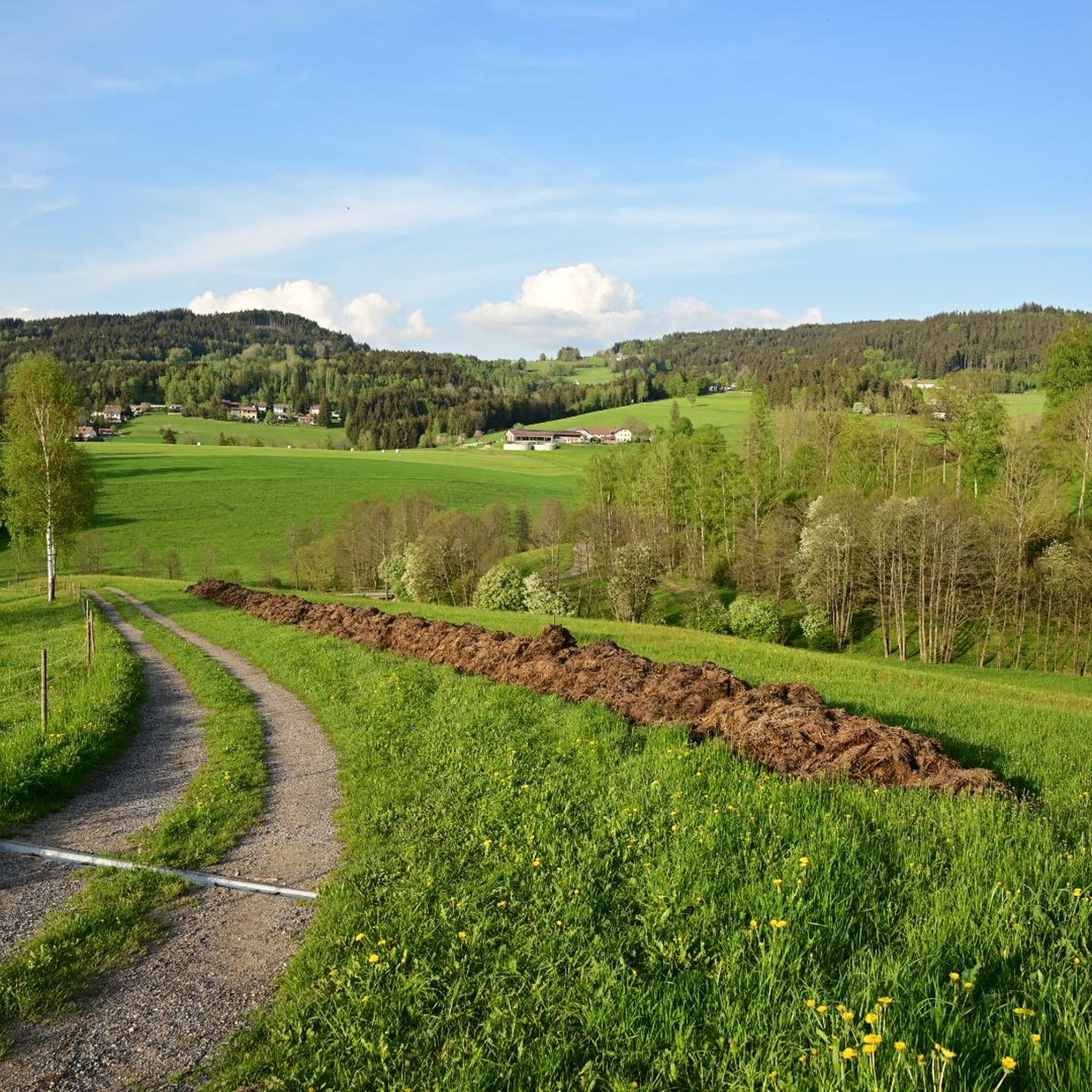
MTB Trails around Sankt Johann am Wimberg
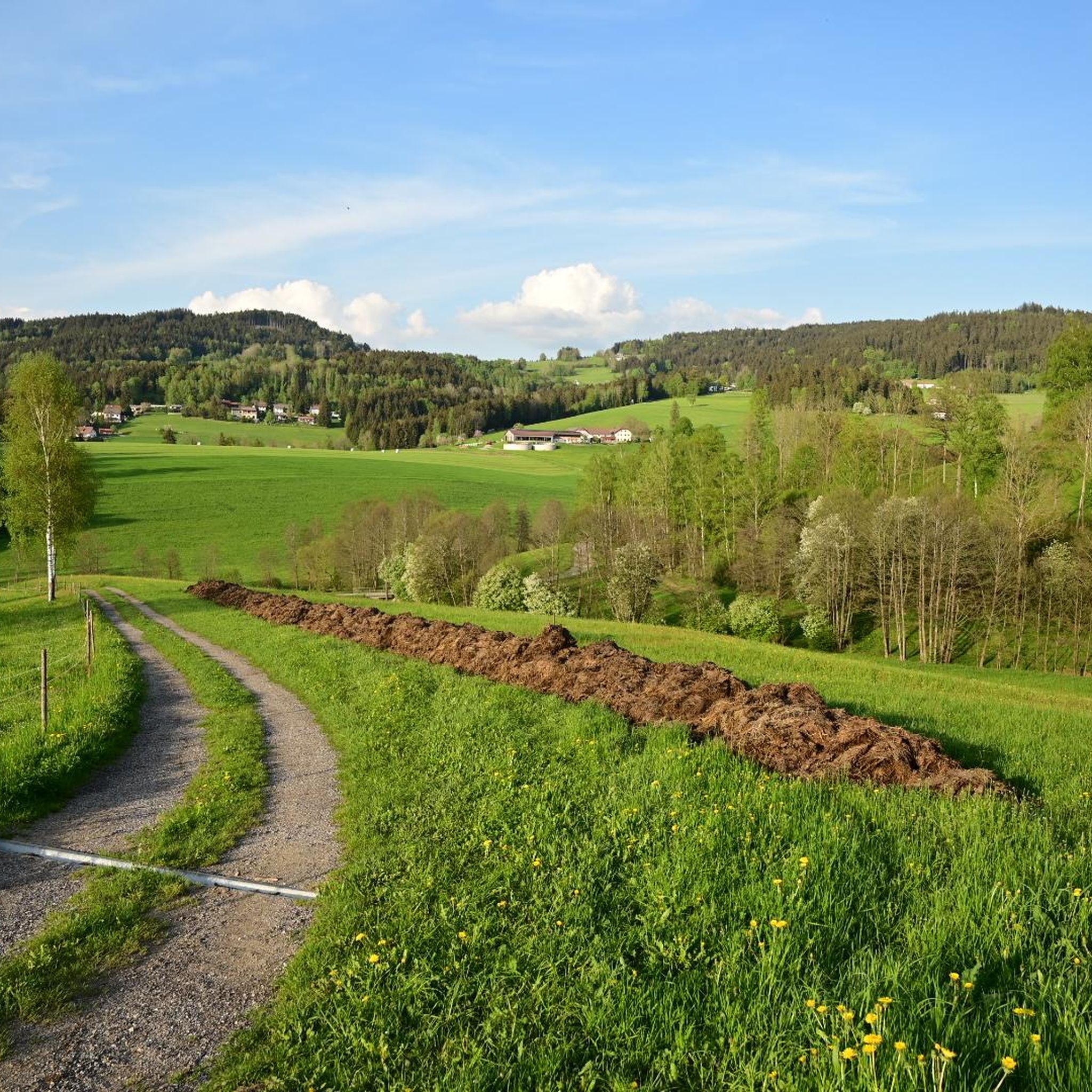
Road Cycling Routes around Sankt Johann am Wimberg
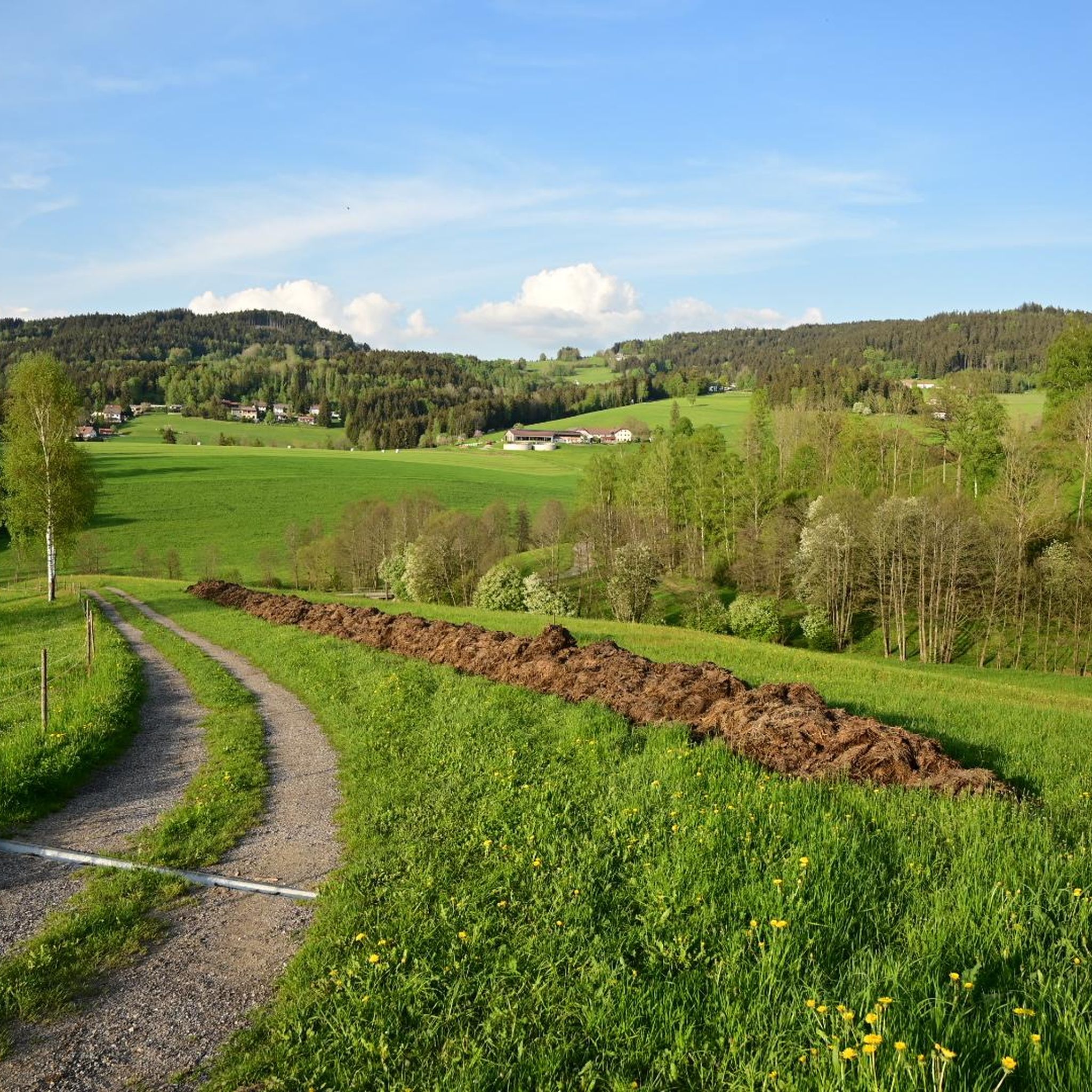
Hiking around Sankt Johann am Wimberg
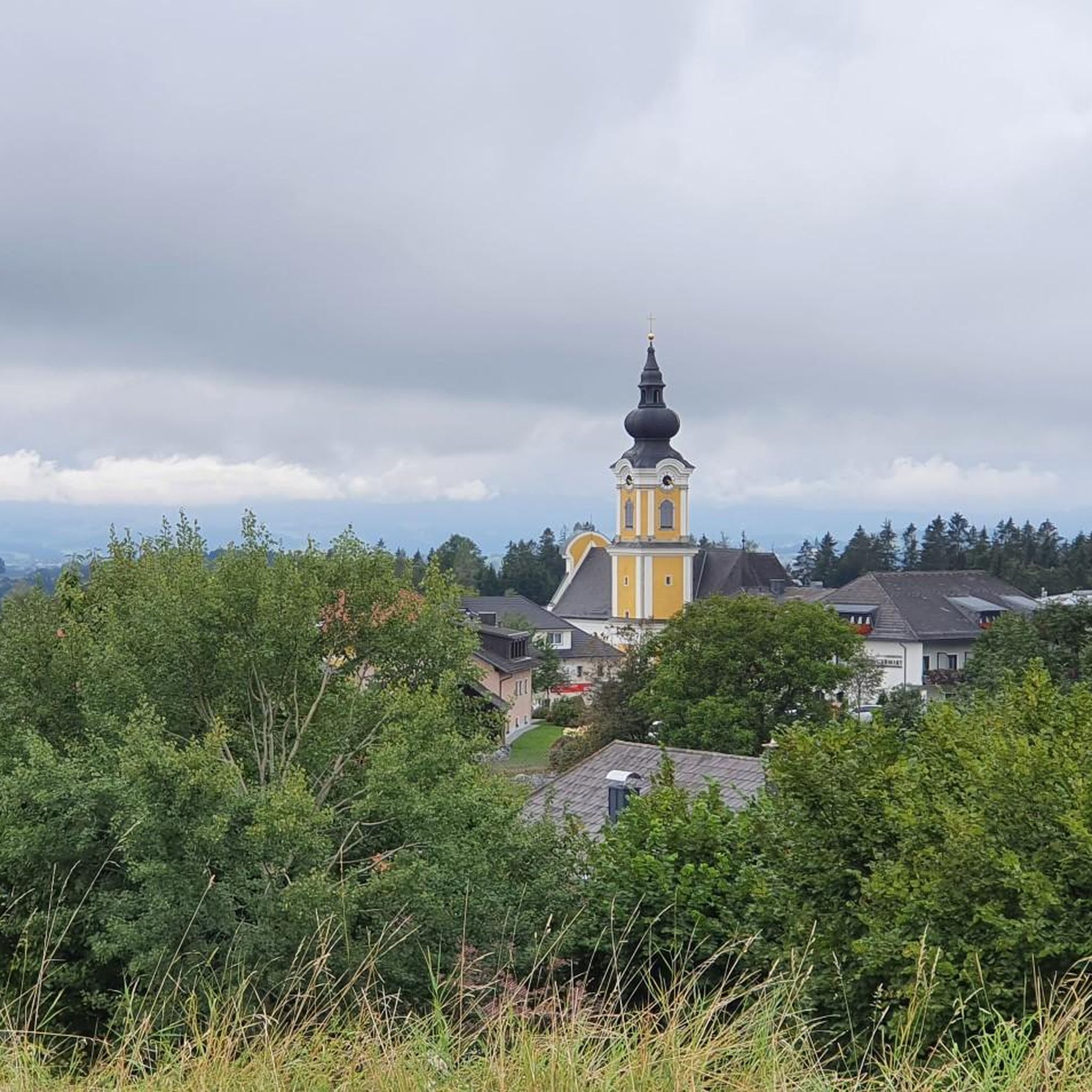
Cycling around Sankt Johann am Wimberg
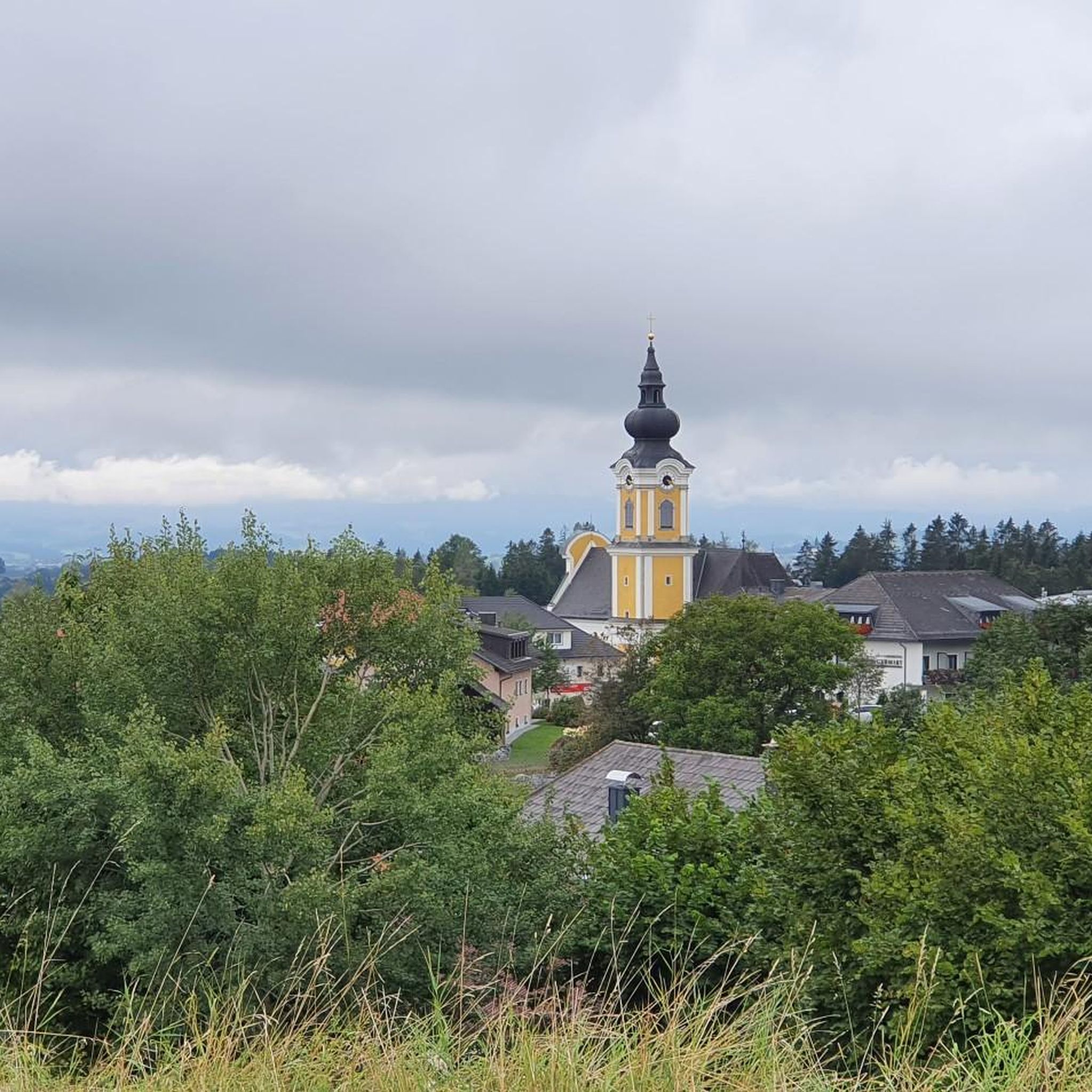
Running Trails around Sankt Johann am Wimberg
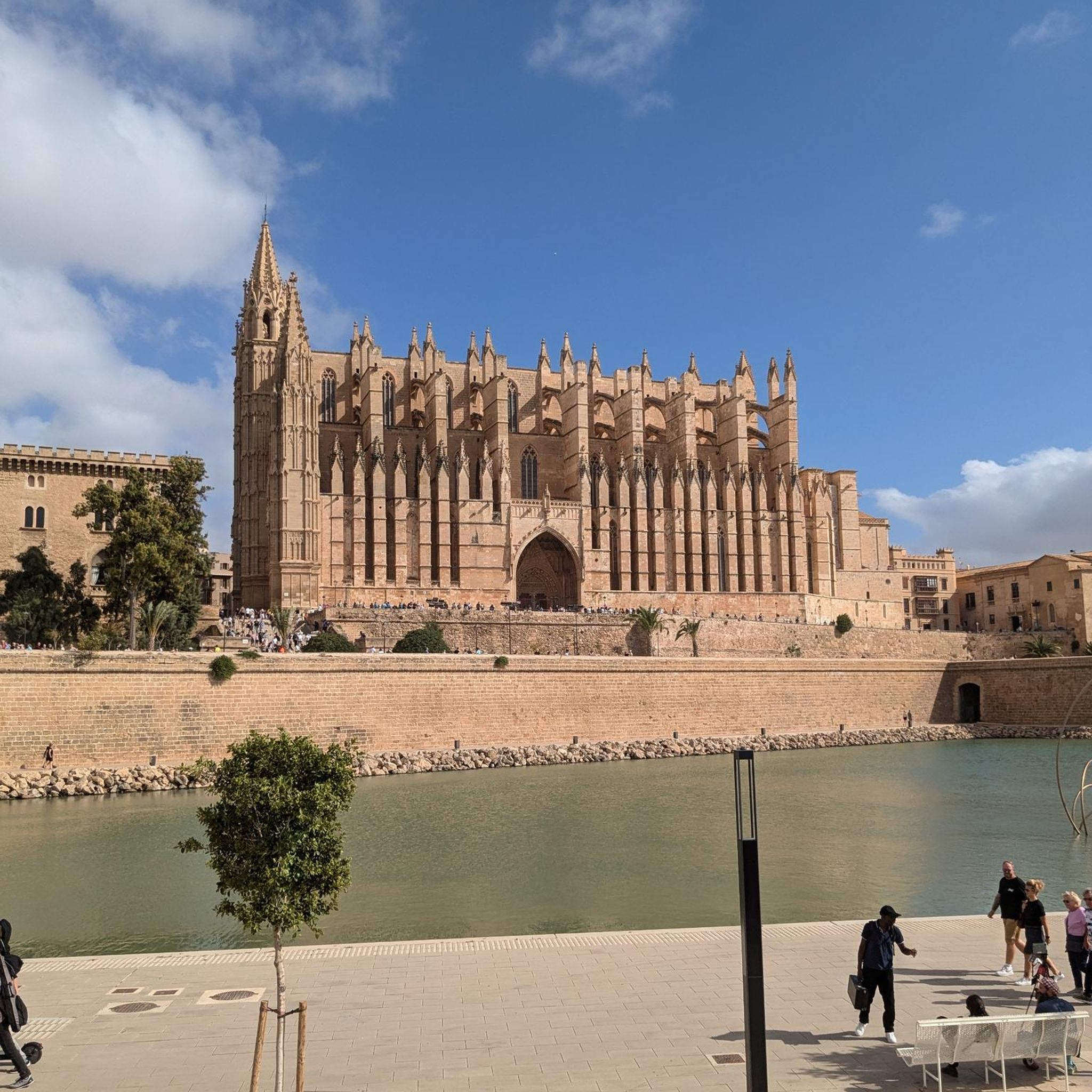
Gravel biking around Sankt Johann am Wimberg
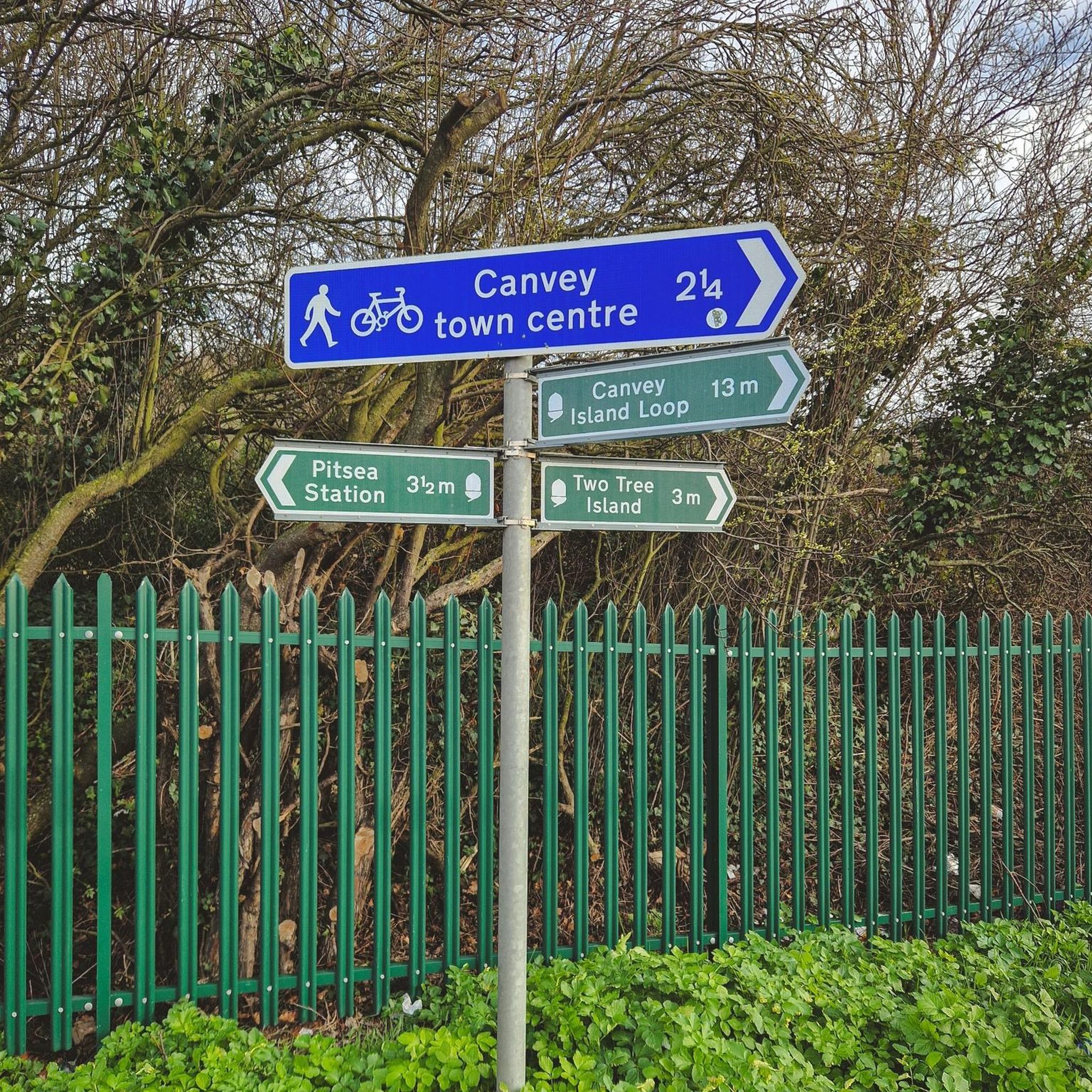
Mountain Hikes around Sankt Johann am Wimberg
Tips from the Community

For 500 years people have been making pilgrimages to the Holy Water Chapel
5
0
Next to the chapel is a fountain fed by water from a spring above. This water is considered by locals and visitors to have healing properties.
5
0
The first chapel was built around 1250, and the current chapel dates back to around 1470. After the chapel fell into disrepair in the 1940s, it was restored by Belgian and French prisoners of war, who did so as a token of gratitude for their safe return from captivity.
5
0
The chapel has a long history dating back to the 13th century.
5
0


Healthy, mineral-rich Mühlviertel water is even bottled here. A grotto dedicated to the Virgin Mary was built at the source, and below it is the chapel with the water dispensers on the steep forest slope.
0
0

A small guest book is available in the chapel. Here you can register directly and also view greetings from the many visitors from near and far.
3
1
The first chapel is said to have been built around 1250 and the current one dates back to around 1470. The legend says: "Many years ago, when people walked from Haslach to Multerberg in Bohemia, they passed a certain place where they heard voices and heard singing (Trinity Song), but could not see anyone. As soon as they passed, voices and the Singing. Leitenmüller had a chapel built at this point. Since then, the mysterious voices have fallen silent." The altar was dedicated to the Holy Trinity. The water (holy water) was said to have supernatural healing powers (eye problems).
3
1
Frequently Asked Questions
What are the most prominent viewpoints among the natural monuments in Sankt Johann am Wimberg?
The region offers several impressive viewpoints. The Sternstein Observation Tower provides expansive views stretching between the Danube and the Bohemian Forest, and on clear days, you can even see the northern limestone Alps. Another significant spot is the Hansberg, a historic lookout point offering panoramic vistas towards the Bohemian Forest and the Alps.
Are there any unique geological features or trails to explore?
Yes, the Granite Experience is a must-see, featuring Austria's largest geological nature trail with over 160 exhibits focusing on granite from the region. The broader Mühlviertel landscape is also characterized by its distinctive granite formations, which you can explore on various hiking trails.
Do any natural monuments have historical or cultural significance?
Absolutely. The Heiligenwasser Chapel is a religious building and natural monument where people have made pilgrimages for 500 years, believing the holy water helps against eye ailments. Similarly, the Maria Pötsch Pilgrimage Church and Holy Spring is another historical site with a spring believed to have healing powers.
Are there family-friendly natural monuments in Sankt Johann am Wimberg?
Many natural monuments in the area are suitable for families. The Granite Experience is particularly family-friendly, offering an engaging geological nature trail. Historical sites like the Heiligenwasser Chapel and Maria Pötsch Pilgrimage Church are also welcoming for families.
What kind of landscape can I expect to see around Sankt Johann am Wimberg?
Sankt Johann am Wimberg is nestled in the picturesque Mühlviertel region, known for its idyllic landscape. You'll encounter rolling hills, dense woodlands, and unique granite formations. Hiking trails often offer breathtaking views of the 'Steinerne Mühl' valley and the borders with Czechia and Bavaria.
Are there hiking trails suitable for different difficulty levels near these natural monuments?
Yes, the region offers a variety of trails. The Höhenweg is a moderate 4.2-kilometer circular trail with rewarding panoramic views. For a more immersive experience, the Kraft-Quelle-Baum Circular Trail is a multi-day hike focused on the healing properties of trees. You can find more hiking options, including easy to moderate mountain hikes, in the Mountain Hikes around Sankt Johann am Wimberg guide.
What outdoor activities can I do near the natural monuments?
Beyond exploring the natural monuments themselves, the area is excellent for various outdoor activities. You can enjoy gravel biking, with routes like the '1000-Meter Spot – Guglwald Iron Curtain Memorial loop'. There are also numerous road cycling routes, such as the 'St. Stefan am Walde - Afiesl – Frymburk (Fridburg) Ferry loop'. For more details, check out the Gravel biking around Sankt Johann am Wimberg guide and the Road Cycling Routes around Sankt Johann am Wimberg guide.
When is the best time to visit the natural monuments around Sankt Johann am Wimberg?
The best time to visit for hiking and enjoying the panoramic views is generally outside of winter. For instance, the Hansberg is ideal for hikers during warmer months. Some facilities, like the Sternstein Observation Tower, are closed in winter (November to March), and the Maria Pötsch pilgrimage church is locked during these months.
Can I visit natural monuments during winter?
While some natural monuments and facilities may be closed or less accessible, winter still offers opportunities. The Hansberg, for example, features a small ski area for winter sports. However, be aware that some observation towers and churches might be closed or locked during the colder months.
What do visitors enjoy most about the natural monuments in this region?
Visitors highly appreciate the stunning panoramic views, especially from spots like the Sternstein Observation Tower. The unique geological insights offered by the Granite Experience are also very popular. Many find the historical and spiritual significance of the healing springs, such as those at Heiligenwasser Chapel, to be a powerful and serene experience.
Are there any circular walks among the natural monuments?
Yes, there are several circular walks. The Höhenweg is a moderate 4.2-kilometer circular trail offering elevated perspectives. The Kraft-Quelle-Baum Circular Trail is a longer, multi-day option dedicated to the theme of 'tree healing'. You can also find various circular routes within the broader hiking guides for the region.
Are there options for dog-friendly hikes near the natural monuments?
The general landscape of the Mühlviertel, with its extensive woodlands and numerous hiking trails, is very suitable for walks with dogs. While specific natural monuments might have their own rules, the surrounding trails like the Höhenweg or sections of the Kraft-Quelle-Baum trail are generally dog-friendly, allowing you and your canine companion to enjoy the natural beauty.
Most popular routes around Sankt Johann am Wimberg
Most popular attractions around Sankt Johann am Wimberg

Get inspired with the komoot mobile app


Explore more
Extend your search for the best caves by checking out these guides of the top ones around Sankt Johann am Wimberg:
