Top 7 Natural Monuments around Kematen an der Ybbs
Best natural monuments around Kematen an der Ybbs offer diverse opportunities for outdoor recreation in the Ybbstal valley. The region features a landscape characterized by the Ybbs river, forests, and rolling terrain. Visitors can explore various natural features, including trails, natural springs, and scenic viewpoints. This area provides a setting for experiencing the local environment through activities like hiking and cycling.
Best natural monuments around Kematen an der Ybbs
- The most popular natural monuments is Turkish Fountain at Sonntagberg,…
Last updated: August 17, 2026
Turkish Fountain at Sonntagberg
Highlight • Monument
Translated by Google •
Tip by

Jakobsbrunnen
Highlight • Natural Monument
Translated by Google •
Tip by

Sign up now to discover places like this
Get recommendations on the best single tracks, peaks, & plenty of other exciting outdoor places.
Sign up for free
Schneerosenweg Kematen
Highlight • Trail
Translated by Google •
Tip by

Wanglsteig Theme Trail
Highlight • Trail
Translated by Google •
Tip by
Panorama Viewpoint Mostviertler Höhenstraße
Highlight • Viewpoint
Translated by Google •
Tip by

Sign up for free to discover even more natural monuments around Kematen an der Ybbs.
Sign up for free
Already have an account?
Start today with a free account
Your next adventure awaits.
Login or Signup
Tips from the Community

This does not appear to be Jacob's Well, as the year 1999 found on the well does not match Jacob's Well.
10
0

The Mostviertel Höhenstraße has several such panoramic spots to offer
1
0

Really a good idea and great guidance.
1
0

The Wanglsteig Felsen on the Berghausweg is at the end of the Wanglsteig Trail. The trail can only be ridden downhill, at least if you're organic like me.
0
0

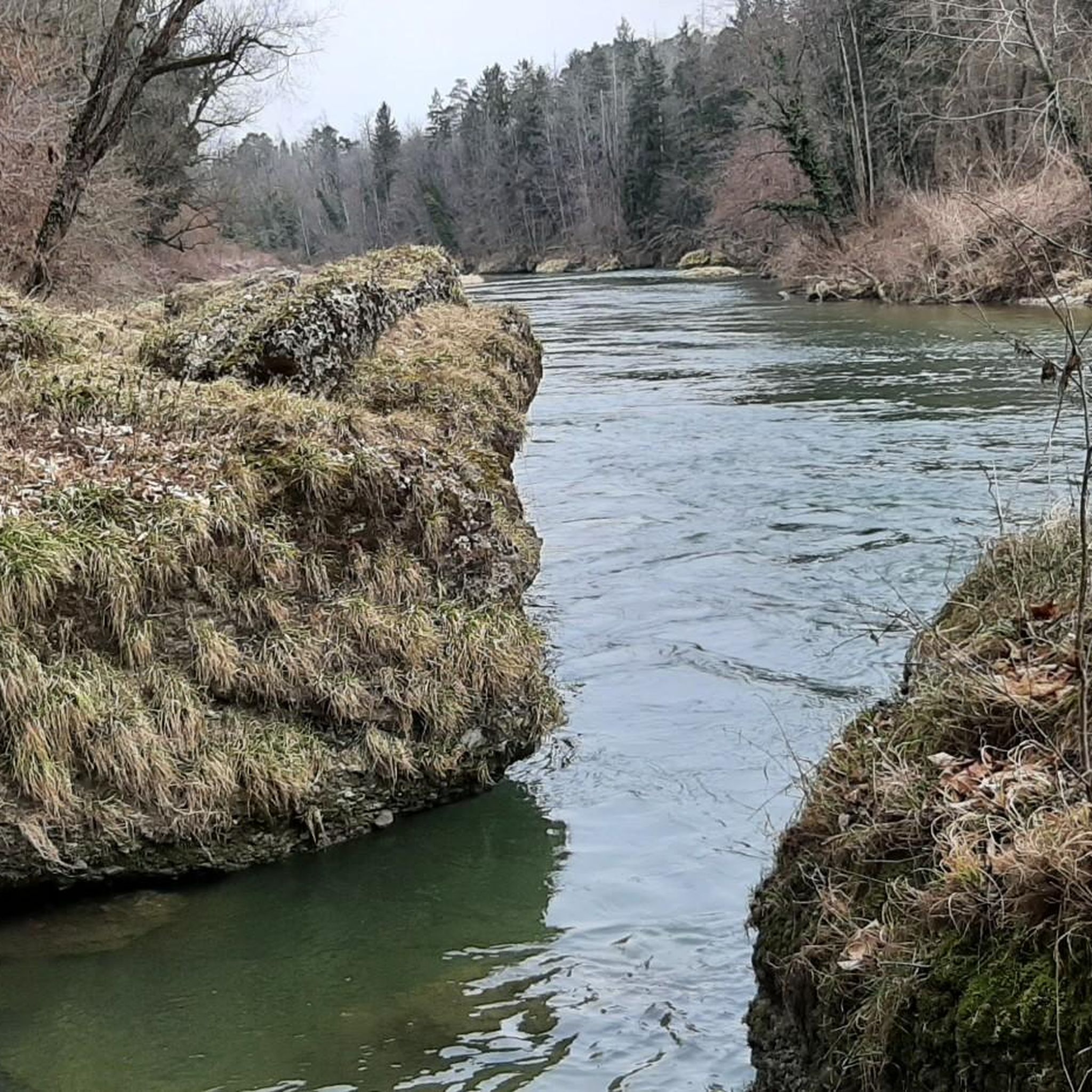
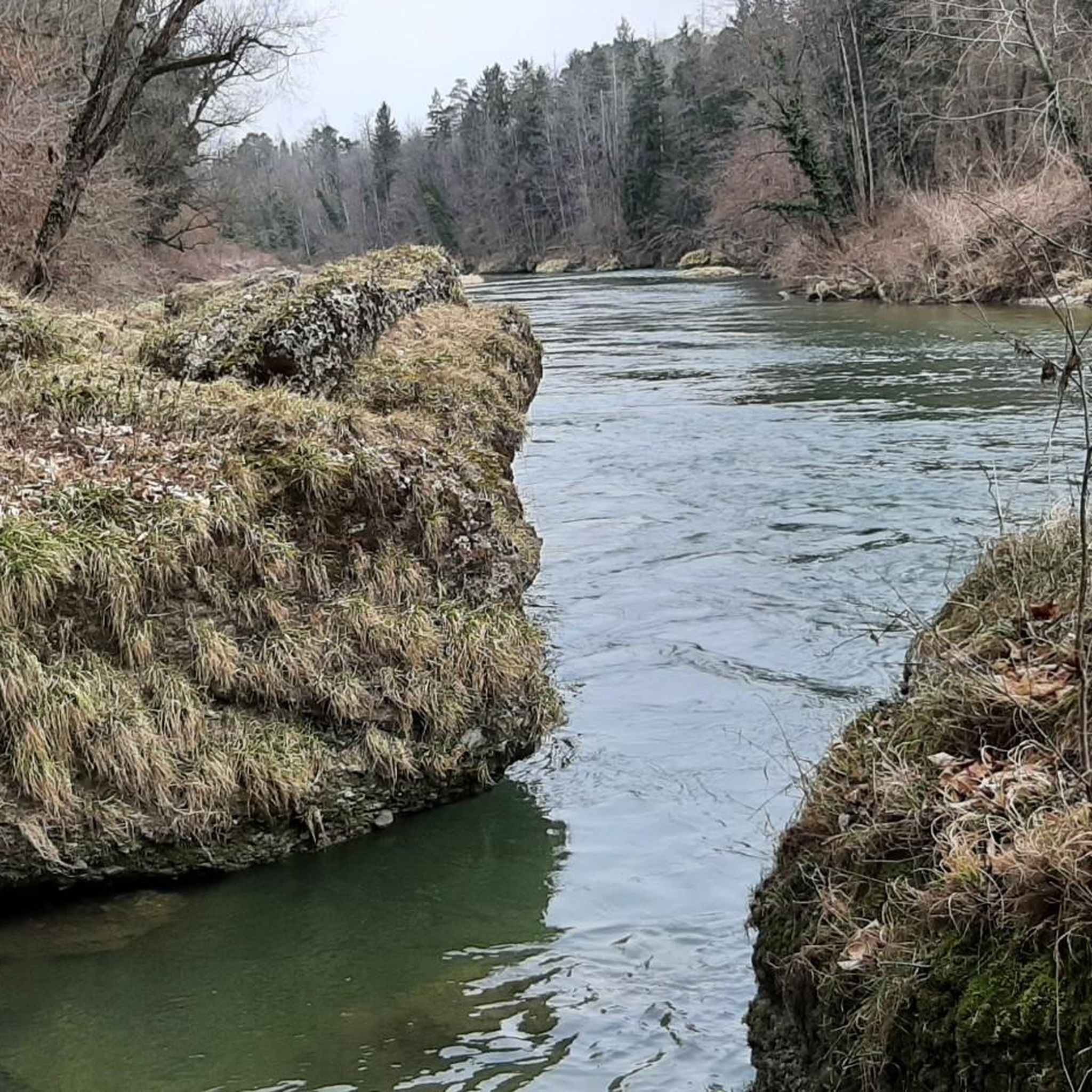
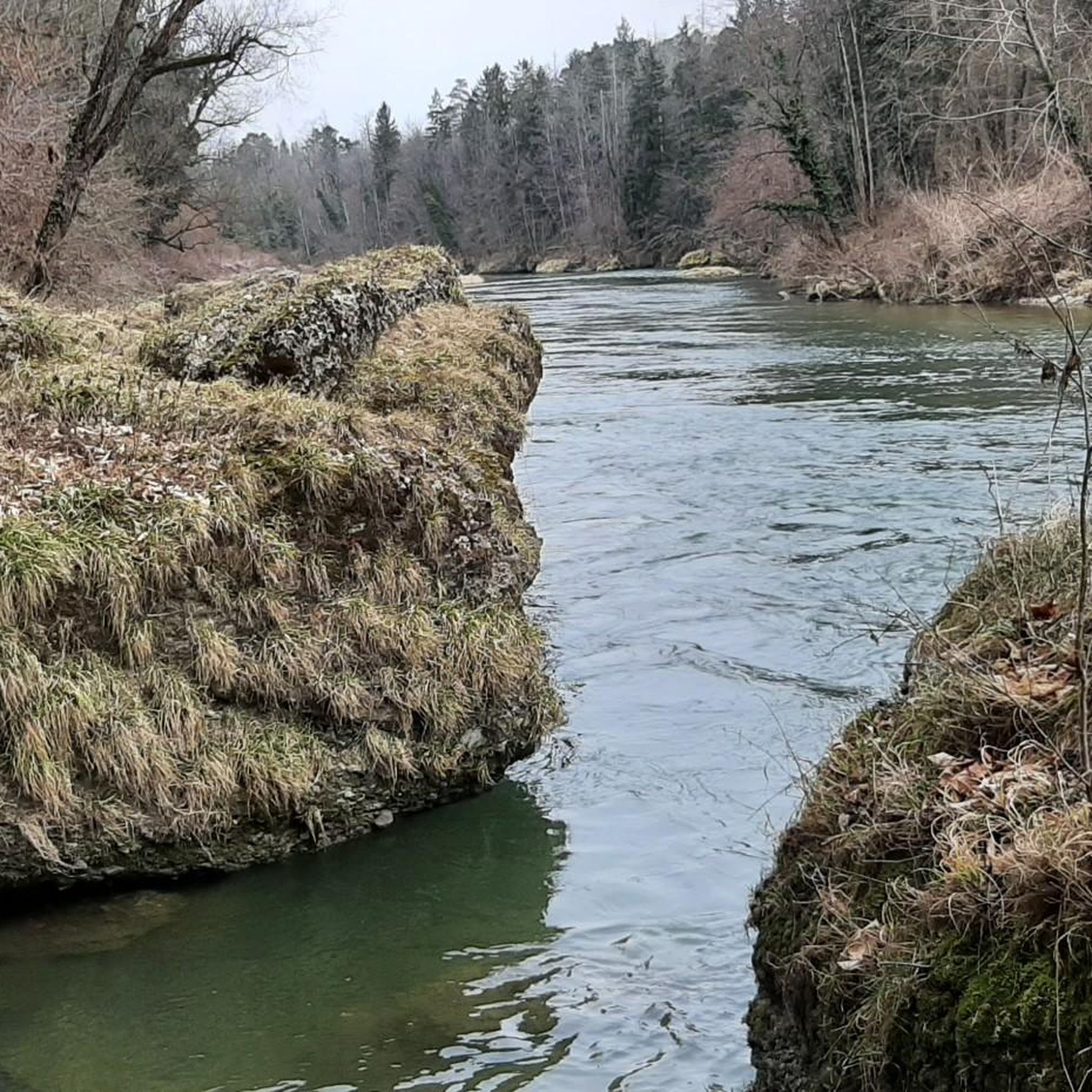
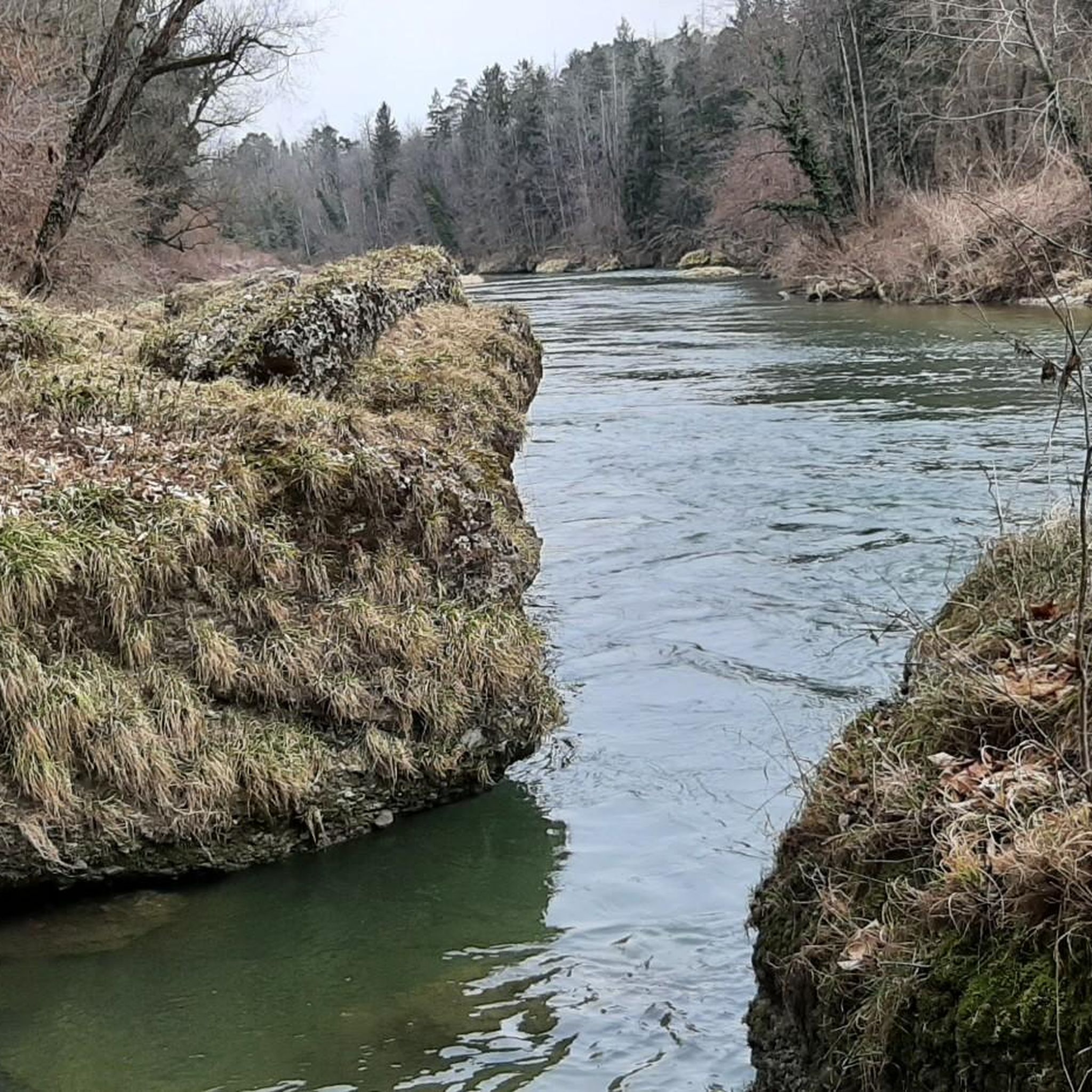
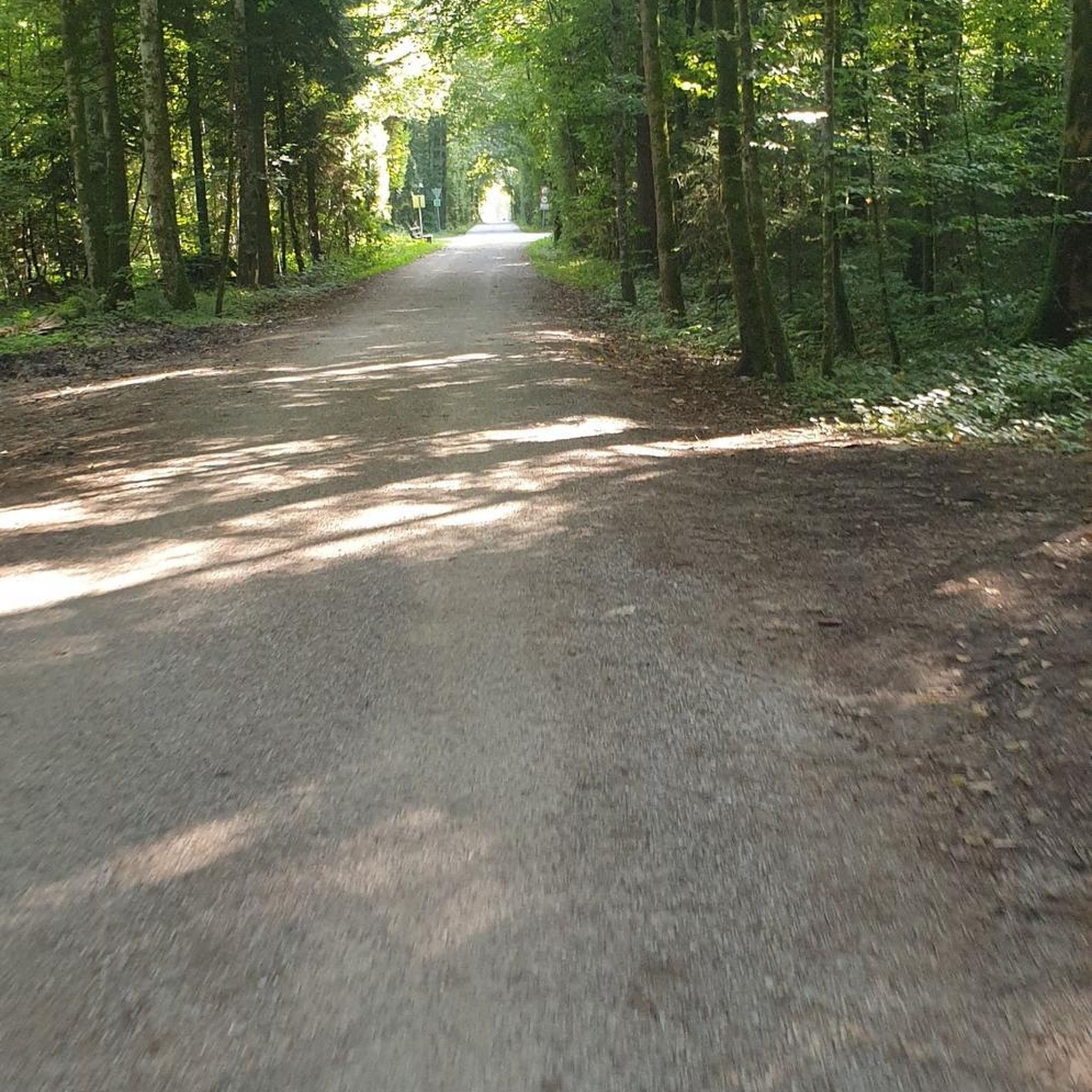
Many snow roses bloom along the path, but it is also very nice to hike along the Ybbs.
2
0

The `Jakobsbrunnen`, west of Amstetten, outside the city area, is owned by the Amstetten Association. Above the fountain there is a cross with the picture `Jesus and the Samaritan`. At the bottom of the picture you can read: `Dedicated by Rosina Lichtenschopf 1896.` A well-tended footpath, preserved by the Beautification Association, leads to this spring.
6
0
The "Turkish miracle" occurred near the fountain in 1529. When Vienna was first sieged by the Ottomans, a horde marched through the Ybbstal, pillaging and murdering. They also rode up to the sanctuary to plunder it. Many people were hiding in the church and feared for their lives. Where the spring rises, the horses shied away and sank deep into the muddy ground. ... They went on their knees ... Fear and horror seized the riders and they returned to the valley. The event was told over the centuries and written down by a Steyrer in 1740. The baroque well chapel, built in 1745, is usually closed, but the interior design with fresco, statue and basin can be seen through an iron grille. The source outlet is on the back of the statue of the Virgin Mary, behind a walled parapet. For the Assumption of Mary, people meet on Sonntagberg at the Türkenbrunnen. Various brass bands have been making music there in the tree shade for 30 years.
1
0

Ingenious part, a slightly different orientation aid
1
0
Frequently Asked Questions
What kind of natural monuments can I expect to find around Kematen an der Ybbs?
The region around Kematen an der Ybbs offers a variety of natural attractions, often intertwined with local history and recreational opportunities. You'll discover natural springs like the Jakobsbrunnen, scenic trails such as the Schneerosenweg Kematen, and viewpoints like the Panorama Viewpoint Mostviertler Höhenstraße. Some sites, like the Turkish Fountain at Sonntagberg, are man-made structures built around significant natural springs with historical importance.
Are there any historical natural monuments in the area?
Yes, the Turkish Fountain at Sonntagberg is a notable example. While a baroque well chapel built in 1745, it marks the site of a natural spring and a historical event from 1529, often referred to as the 'Turkish miracle.' This blend of natural spring and historical narrative makes it a unique monument.
Are there hiking trails suitable for exploring the natural monuments?
Absolutely. The Schneerosenweg Kematen is an approximately 10 km long trail known for its blooming snowdrops in winter and is also great for hiking along the Ybbs river. Another option is the Wanglsteig Theme Trail, which offers forest paths and viewpoints. For easier walks, you can find several routes around Kematen an der Ybbs, including loops around the Ybbs Natural Swimming Area. You can explore more options in the easy hikes guide.
Can I go cycling near the natural monuments in Kematen an der Ybbs?
Yes, the region is very cyclist-friendly. The Ybbstal Cycle Path, built on a former railway embankment, offers pleasant rides through natural landscapes with minimal ascents. You can also find various cycling and gravel biking routes around Kematen an der Ybbs, including those that pass by scenic points. For detailed routes, check out the cycling guide or the gravel biking guide for the area.
What other outdoor activities are available near Kematen an der Ybbs's natural attractions?
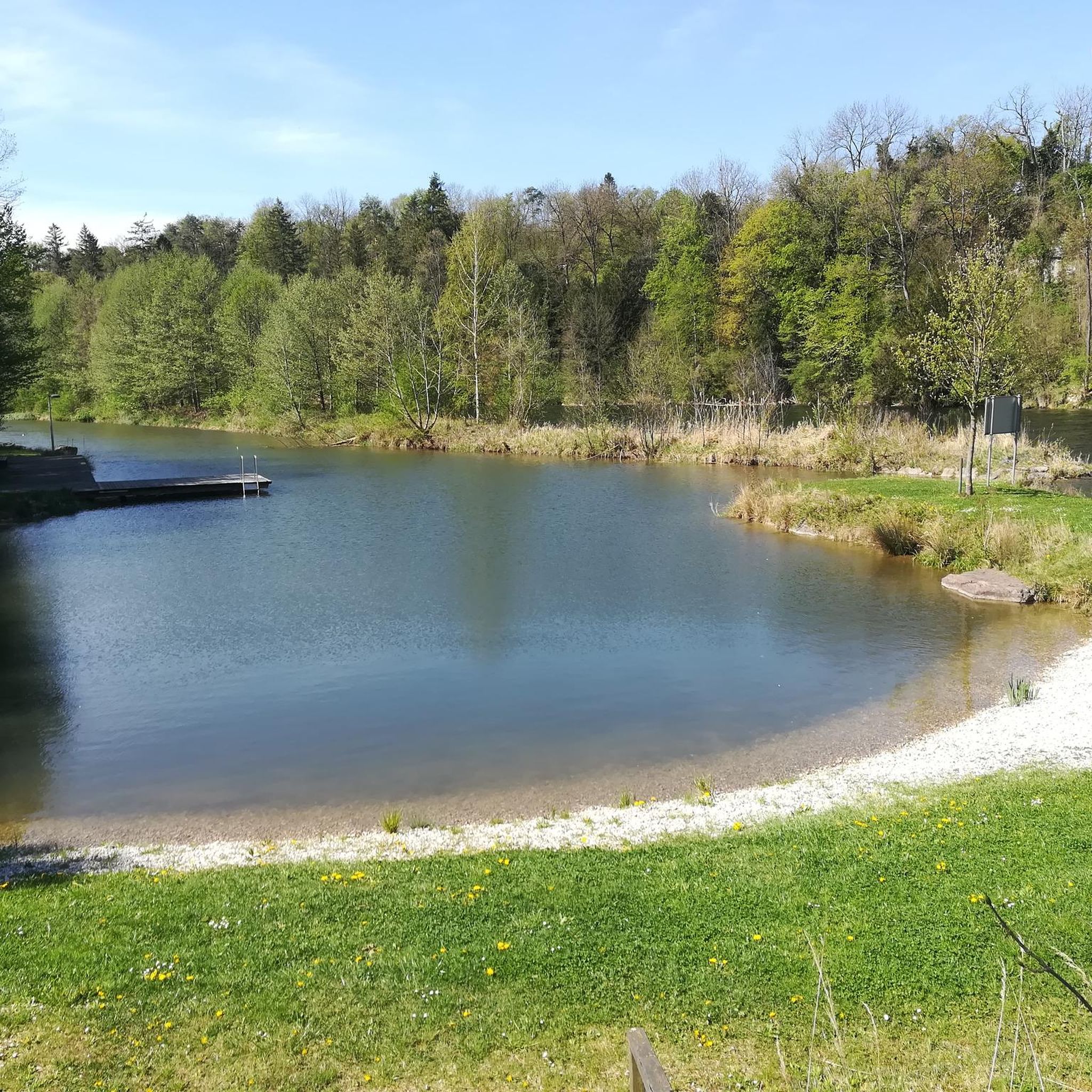
Beyond hiking and cycling, Kematen an der Ybbs offers the Ybbsnaturbad Kematen, an idyllic natural swimming area perfect for relaxation, especially with its state-awarded water playground. There's also a nature-oriented bike parkour designed to foster environmental awareness among mountain bikers, particularly children, utilizing the natural topography of the Ybbs riverbank.
Are there family-friendly natural monuments or activities?
Many natural sites in the area are suitable for families. The Jakobsbrunnen features a well-tended footpath, and the Schneerosenweg Kematen is a family-friendly hiking trail. The Panorama Viewpoint Mostviertler Höhenstraße is also considered family-friendly. Additionally, the Ybbsnaturbad Kematen offers a water playground, and the Naturnaher Bike Parcours is designed for children and families.
What is the best time of year to visit the natural monuments around Kematen an der Ybbs?
The best time depends on your interests. The Schneerosenweg Kematen is particularly attractive in winter when thousands of snowdrops bloom along its path. Spring and autumn offer pleasant temperatures for hiking and cycling, while summer is ideal for enjoying the Ybbsnaturbad and other water-based activities. The natural beauty of the Ybbstal valley can be appreciated year-round.
Are the natural monuments easily accessible?
Many of the natural attractions and monuments in Kematen an der Ybbs are designed for accessibility. Trails like the Schneerosenweg and the Ybbstal Cycle Path are generally well-maintained. The Ybbsnaturbad is seamlessly integrated into the riverbank landscape, offering recreational access. While specific accessibility details for each site vary, the region emphasizes gentle tourism and provides options for different mobility levels.
Where can I find parking when visiting these natural sites?
While specific parking locations for each natural monument are not detailed, Kematen an der Ybbs is generally well-equipped for visitors. Look for designated parking areas near popular trailheads, swimming areas, and viewpoints. It's advisable to check local signage upon arrival or consult local tourism information for the most convenient parking options.
Are there any unique natural features or hidden gems to discover?
Beyond the well-known spots, the region holds several unique natural features. The Jakobsbrunnen, with its spring and historical cross, offers a tranquil experience. The Wanglsteig Theme Trail provides a unique forest experience with its rock formations. The Ybbsnaturbad itself, with its integration into the river landscape and raft ferry connection, is a special natural oasis.
What makes the natural monuments around Kematen an der Ybbs special?
The natural monuments around Kematen an der Ybbs are special due to their close connection to the Ybbs river, the unique seasonal beauty of trails like the Schneerosenweg Kematen, and the blend of natural springs with local history, as seen at the Turkish Fountain at Sonntagberg. The region's commitment to integrating natural spaces with recreational facilities, like the Ybbsnaturbad and the nature-oriented bike parkour, also sets it apart.
Are there options for circular walks around the natural monuments?
Yes, there are several options for circular walks. The Schneerosenweg Kematen is a trail that can be enjoyed as part of a loop. Additionally, the easy hikes guide for Kematen an der Ybbs features several circular routes, including loops around the Ybbs Natural Swimming Area, offering diverse natural experiences.
Most popular routes around Kematen an der Ybbs
Most popular attractions around Kematen an der Ybbs

Get inspired with the komoot mobile app


Explore more
Extend your search for the best caves by checking out these guides of the top ones around Kematen an der Ybbs:
