Top 20 Natural Monuments around Pierbach
Best natural monuments around Pierbach are found within the picturesque Mühlviertel region of Upper Austria, an area known for its distinctive granite landscape and natural beauty. The municipality of Pierbach is situated on the Große Naarn River, offering pristine river landscapes and impressive granite formations. This region provides opportunities for exploring unique geological features and connecting with the natural environment.
Best natural monuments around Pierbach
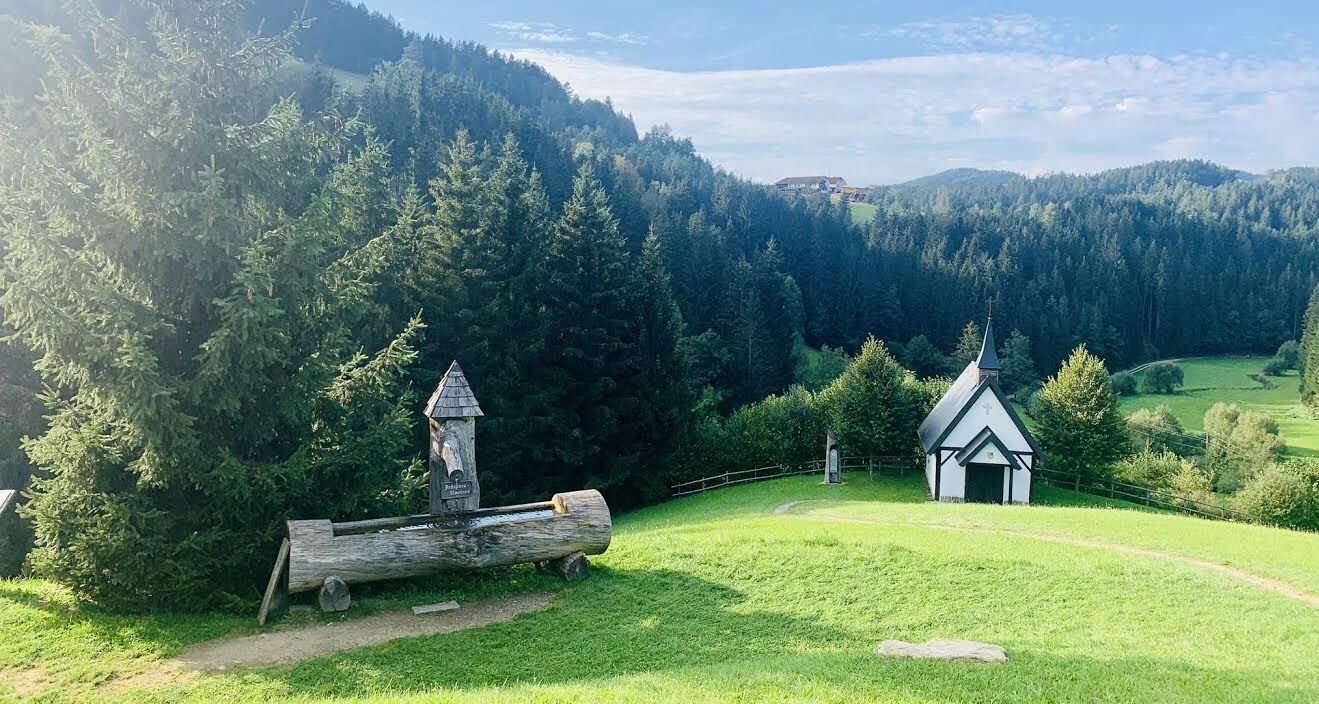
- The most popular natural monument is Johannesbrunnen and Engelskapelle in Pierbach, a religious building…
Last updated: June 24, 2026
Weltstein
Highlight • Natural Monument
Translated by Google •
Tip by

Schwammerlstein
Highlight • Natural Monument
Translated by Google •
Tip by

Sign up now to discover places like this
Get recommendations on the best single tracks, peaks, & plenty of other exciting outdoor places.
Sign up for free
Johannesbrunnen and Engelskapelle in Pierbach
Highlight • Religious Site
Above all, the path there is a very beautiful section.
Translated by Google •
Tip by
Herrgottssitz Rock Formation
Highlight • Natural Monument
Translated by Google •
Tip by

Herzogreitherfelsen
Highlight • Viewpoint
Translated by Google •
Tip by
Sign up for free to discover even more natural monuments around Pierbach.
Sign up for free
Already have an account?
Start today with a free account
Your next adventure awaits.
Login or Signup

Other adventures around Pierbach

Tips from the Community


Beautiful rock formation, short climbing section possible.
0
0

Wonderful circular hike away from the hustle and bustle in the hilly Mühlviertel landscape. The legend of the devil (information board at the summit cross) is really brilliant, a clever farmer😜
2
1

Such rock formations are more commonly found further north in the Mühlviertel region. A great destination for a day trip that is easy to reach or can be explored via a beautiful circular hiking trail: https://www.komoot.com/de-de/tour/2058392409
2
2
When scrambling up, using good ropes and ladders, you should definitely be free from vertigo. The climb is definitely worth it for the fantastic view. A beautiful summit cross with a book awaits you up here.
2
0

Beautiful hike along the Johannesweg
0
0

An impressive piece of nature with almost 360-degree views of the Mühlviertler Alm and the Alps. 😍⚜️☀️ Be sure to wear sturdy shoes if you want to climb there.🥾
2
1
A great granite stone with a summit cross. This place of power offers the opportunity to rest and pause. If you want to go up to the summit cross, a good hiking shoe with a firm grip is highly recommended.
1
0
Frequently Asked Questions
What are the most popular natural monuments around Pierbach?
Visitors frequently enjoy the Johannesbrunnen and Engelskapelle in Pierbach, a serene spot considered a place of power with a refreshing fountain. Another favorite is Weltstein, a summit offering panoramic views. The Schwammerlstein is also highly regarded for its impressive rock formation and views towards All Saints' Day.
What unique natural features can I explore in the Pierbach area?
The region around Pierbach, part of the Mühlviertel, is characterized by distinctive granite landscapes. You can find impressive granite formations, such as the 'rocking stone' known as the Schwammerling in Rechberg, which resembles an oversized mushroom. Another fascinating feature is the Bucklwehluck'n in St. Thomas am Blasenstein, a split granite block with ancient traditions associated with it. Pierbach itself is situated on the Große Naarn River, offering pristine river landscapes and rocky areas.
Are there family-friendly natural monuments to visit near Pierbach?
Yes, several natural monuments are suitable for families. The Johannesbrunnen and Engelskapelle in Pierbach is tagged as family-friendly, offering a peaceful setting for a picnic. The Weltstein summit is also a family-friendly destination, providing a wonderful circular hike with scenic views.
What outdoor activities can I do near the natural monuments?
The area around Pierbach offers a variety of outdoor activities. You can find numerous hiking trails, including easy routes like the 'Start of the Johannesweg – Pierbach Village Center loop' or more challenging options such as the 'Jakobskirche Schönau – Herrgottssitz Rock Formation loop'. Cycling is also popular, with routes like the 'Rechberg Bathing Lake – Ruttenstein Shelter loop'. For more details on routes, you can explore the Running Trails around Pierbach, Easy hikes around Pierbach, and Cycling around Pierbach guides.
What do visitors enjoy most about the natural monuments in the Pierbach region?
Visitors particularly appreciate the tranquility and natural beauty of the area. Many find places like the Johannesbrunnen and Engelskapelle to be wonderful spots for meditation and relaxation. The panoramic views from summits like Weltstein and the unique geological formations like Schwammerlstein are also highly valued. The blend of natural exploration with local legends, such as those associated with the Herrgottssitz Rock Formation, adds to the experience.
Are there any natural monuments with historical or cultural significance?
Yes, the region combines natural beauty with historical elements. The Johannesbrunnen and Engelskapelle in Pierbach is a religious building and natural monument, considered a place of power. The Herrgottssitz Rock Formation, the highest point in Schönau, is a legendary shell stone believed to have been a place of worship and sacrifice, and later a site for secret Protestant gatherings during the Counter-Reformation. The Bucklwehluck'n in St. Thomas am Blasenstein also has ancient traditions of healing and cleansing associated with it.
What is the best time of year to visit the natural monuments around Pierbach?
The Mühlviertel region, including Pierbach, is beautiful throughout the year. Spring and autumn offer pleasant temperatures for hiking and exploring the granite formations and river landscapes, with vibrant foliage in autumn. Summer is ideal for enjoying the clear streams and outdoor activities. While specific winter tips for natural monuments are not provided, the landscape can be picturesque under snow, though some trails might be more challenging.
Can I find easy hiking trails to natural monuments near Pierbach?
Yes, there are easy hiking options available. For example, the 'Start of the Johannesweg – Pierbach Village Center loop' is an easy route that can lead you to the Johannesbrunnen and Engelskapelle. Other easy hikes can be found in the Easy hikes around Pierbach guide, which includes routes like the 'Ruttenstein Shelter – Ruins of Ruttenstein Castle loop'.
Are dogs allowed on trails to the natural monuments?
While specific regulations for each natural monument are not detailed, generally, dogs are welcome on most hiking trails in the Mühlviertel region, provided they are kept on a leash and owners clean up after them. It's always advisable to check local signage or specific monument rules upon arrival.
Where can I find panoramic viewpoints among the natural monuments?
Several natural monuments offer excellent viewpoints. The Weltstein summit provides a wonderful circular hike with expansive views. The Schwammerlstein also offers impressive views towards All Saints' Day. For a truly breathtaking experience, the Herzogreitherfelsen offers an incredibly great view, though it requires sure-footedness and caution during the climb.
Are there any hidden natural gems or less-known spots worth discovering?
Beyond the most popular sites, the broader Mühlviertel region holds many hidden natural gems. The Naturpark Mühlviertel formally designates 13 extraordinary natural features as monuments, including the unique Schwammerling and Bucklwehluck'n. Exploring the numerous hiking paths will lead you to various impressive granite formations and pristine river landscapes along the Große Naarn River, offering a chance to discover less-traveled spots.
What is the typical duration for exploring these natural monuments?
The duration varies depending on the monument and the chosen activity. A visit to a single monument like the Johannesbrunnen and Engelskapelle might take an hour or two for a leisurely stop and picnic. Hikes to summits like Weltstein or Herrgottssitz Rock Formation can range from a couple of hours to half a day, depending on the starting point and trail difficulty. Longer circular routes or combining multiple sites could easily fill a full day.
Is public transport available to reach the natural monuments around Pierbach?
While Pierbach is nestled in a rural region, public transport options might be limited directly to every natural monument. It's generally recommended to use a combination of public transport to reach Pierbach or nearby larger towns, and then proceed by car, bicycle, or on foot to the specific natural monuments. Checking local bus schedules for the Mühlviertel region in advance is advisable for planning your journey.
Most popular routes around Pierbach
Most popular attractions around Pierbach

Get inspired with the komoot mobile app


Explore more
Extend your search for the best caves by checking out these guides of the top ones around Pierbach:
