Top 20 Natural Monuments around Schweiggers
Best natural monuments around Schweiggers are found in the Waldviertel region, offering insights into the area's geology, hydrology, and unique natural features. This market town is home to significant geographical points, including the source of a major river and a segment of the Central European watershed. Visitors can explore diverse landscapes characterized by granite formations and unique ecosystems. The region provides opportunities to connect with nature and observe distinct natural phenomena.
Best natural monuments around Schweiggers
- The most popular natural…
Last updated: June 24, 2026
Blockheide Observation Tower
Highlight • Viewpoint
Translated by Google •
Tip by

Schrems High Moor
Highlight • Natural Monument
Translated by Google •
Tip by

Sign up now to discover places like this
Get recommendations on the best single tracks, peaks, & plenty of other exciting outdoor places.
Sign up for free
Underwater Realm Aquariums
Highlight • Structure
Translated by Google •
Tip by

Waldviertel Stone Pyramid
Highlight • Monument
Translated by Google •
Tip by

Bründlkirche and Lourdes Grotto
Highlight • Religious Site
Translated by Google •
Tip by

Sign up for free to discover even more natural monuments around Schweiggers.
Sign up for free
Already have an account?
Start today with a free account
Your next adventure awaits.
Login or Signup
Tips from the Community

The old cult object, a statue of the Virgin with Child, has now been displaced by the construction of a Lourdes grotto and a statue of Our Lady of Lourdes. To the left of the grotto stands Saint Francis of Assisi in a semicircular niche. The statue depicts the saint in his characteristic brown habit, accompanied by an ox. He carries a crozier and holds a book, referring to his role as a religious role model and founder of an order. In the ivy-covered Lourdes grotto stands a statue of the Virgin of Lourdes. She wears a white dress with a blue sash. To the right of the grotto stands Saint Florian in a semicircular niche. He is depicted as a Roman soldier with armor, a cloak, and a spear.
0
0

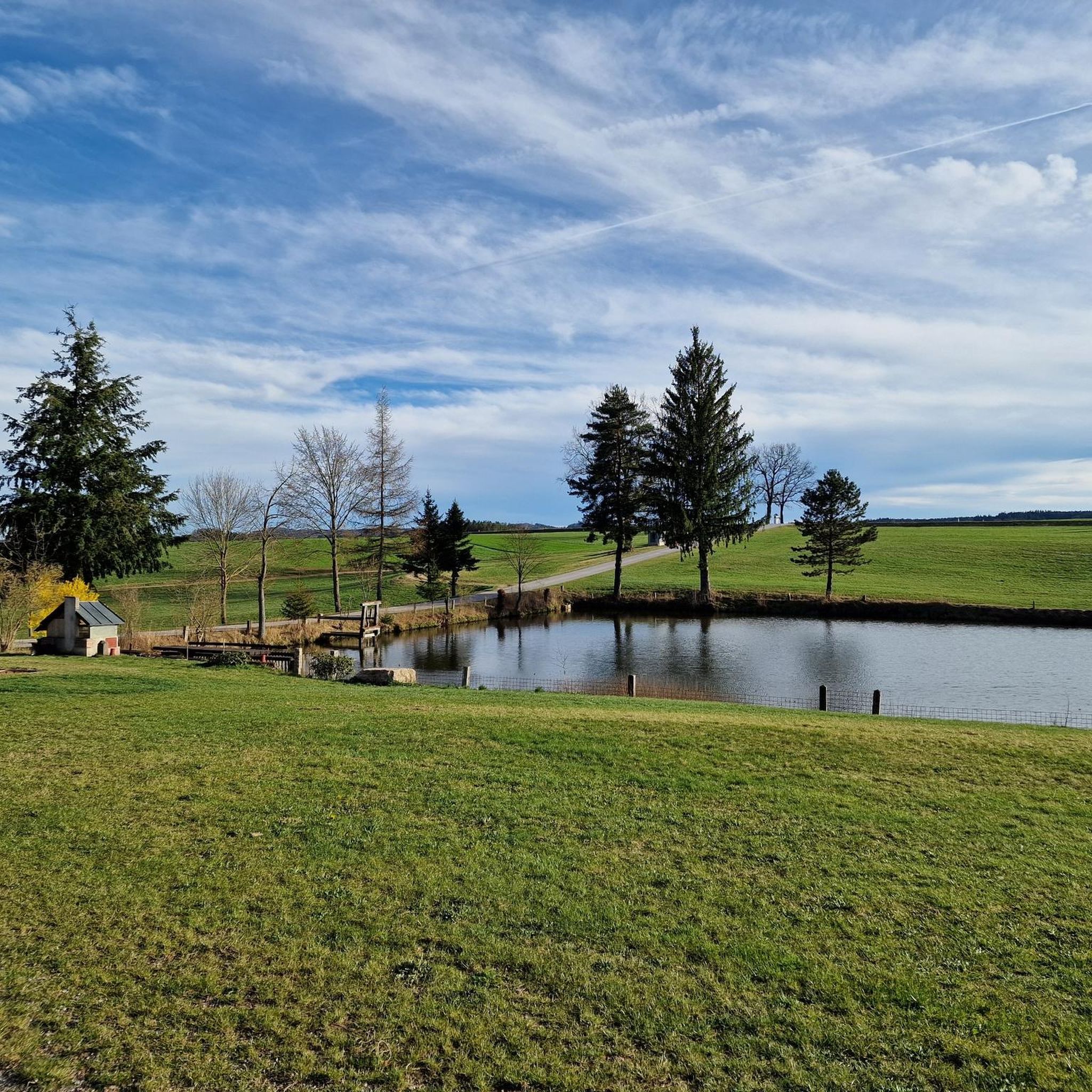
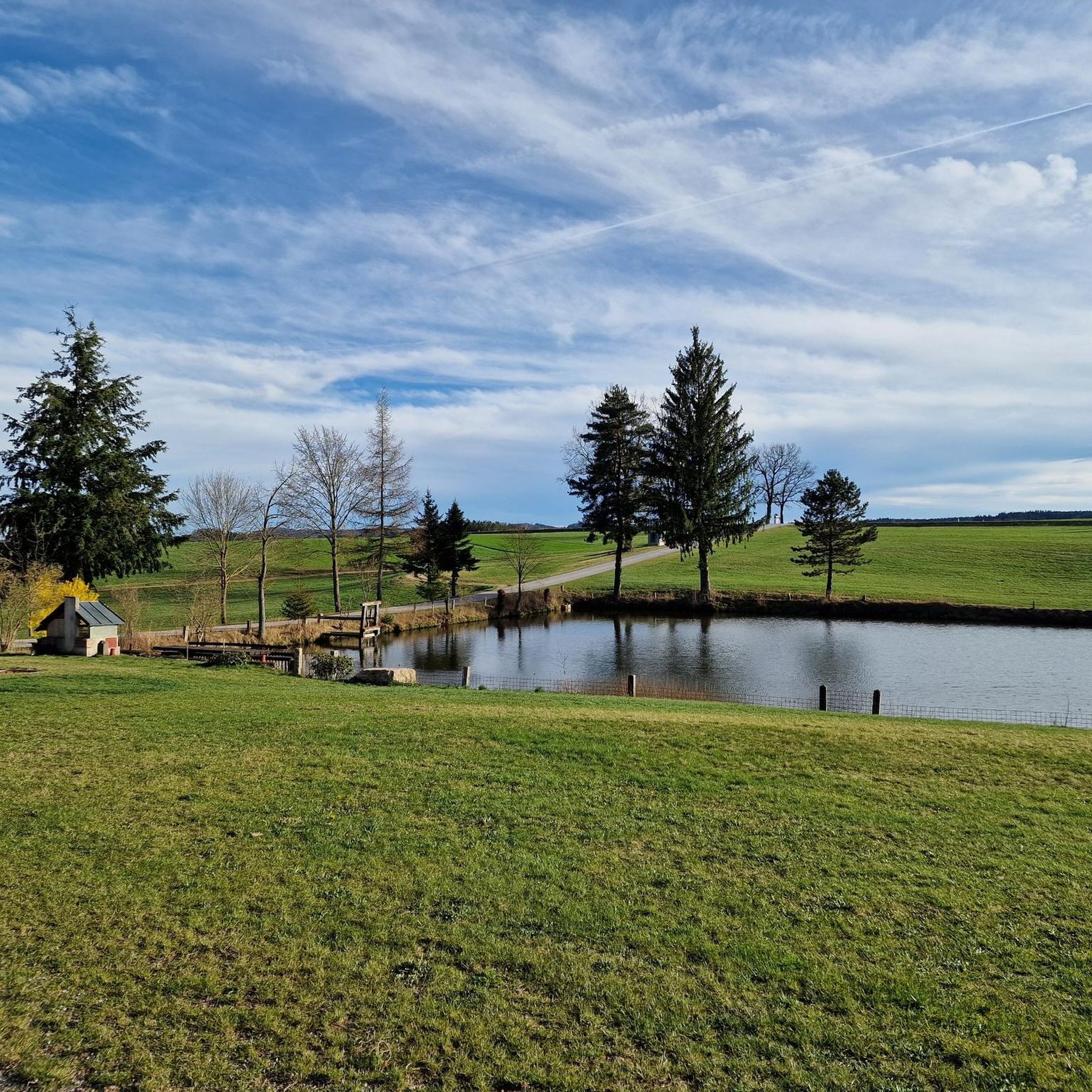
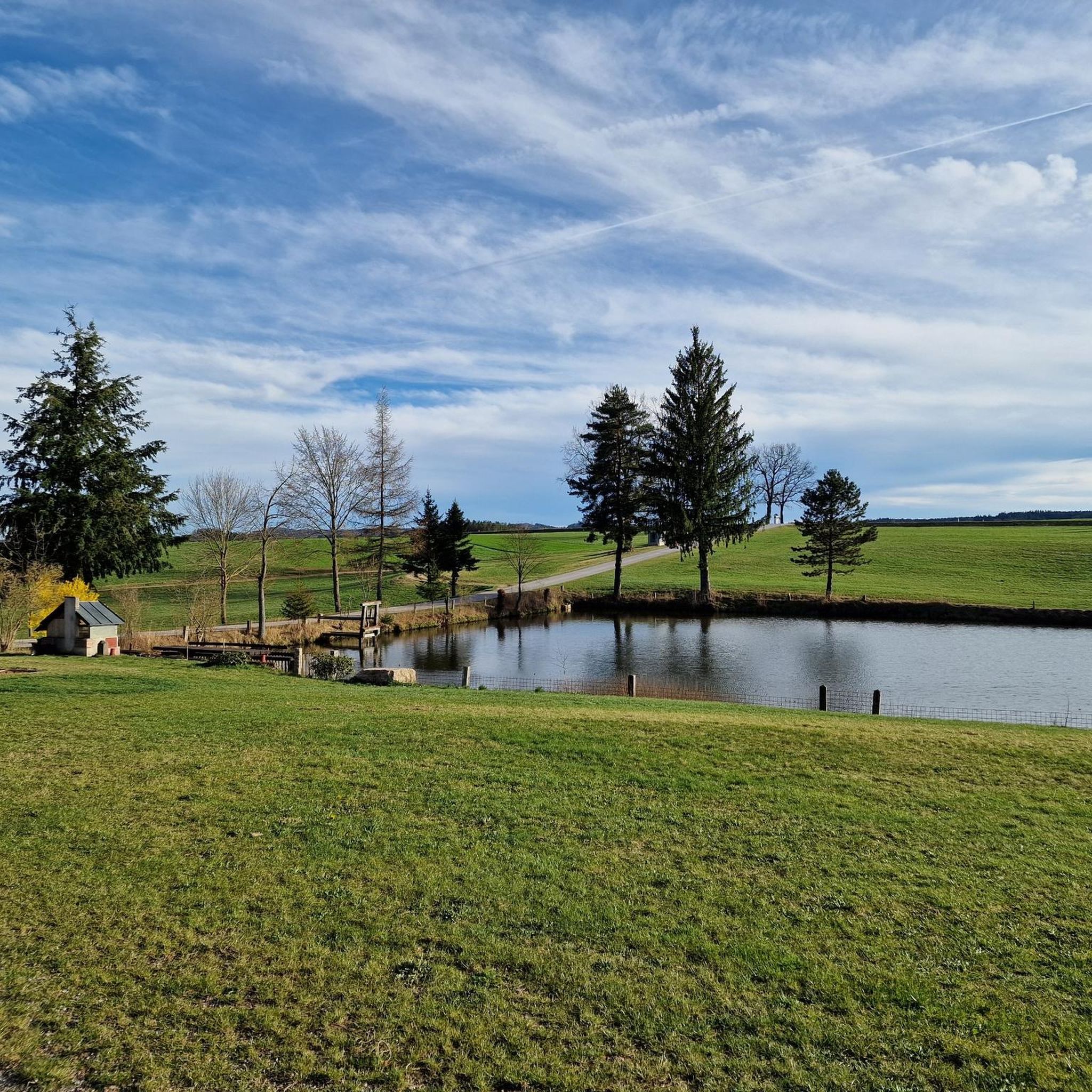
If you are quiet, you might be lucky enough to observe some amphibians here.
0
0

According to the information board, it's the only stone pyramid in Europe. See the pictures for more information.
0
0

A wooden chapel has been documented here at the Bründl since 1770 - this was replaced by a stone building in 1846 and expanded in 1896.
0
0

Since the forest is quite dense, the best view is from the platform!
1
0

Educational exhibition, we found the aquariums to be a bit small.
1
0

On the eastern slope of the mountain that once supported the parish church and possibly also the castle of Zwettl, today's Propsteiberg, rises a very rich spring, of which the legend tells us that a long time ago shepherds found a statue of the Virgin Mary in the water of the spring . Originally a wayside shrine was built, then a marterl, which was then replaced by a wooden chapel. The spring, which was considered to have healing properties, attracted ever larger groups of pilgrims, so that in 1846 a brick chapel with a tin roof was built. The number of pilgrim groups making pilgrimages to the spring continued to increase, so that Pastor Anton Trajer decided to build a church near the spring. Actively supported by many donors and sponsors, it was built in 1896/97 and ceremoniously consecrated on July 18, 1897. A nave with a facade tower was built in front of the old chapel, which now formed the presbytery of the new church. A Lourdes grotto was created under the wide porch resulting from the church's construction.
0
0
The only stone pyramid in Central Europe is a mystery! Powerhouse?
0
0
Frequently Asked Questions
What unique natural monuments can I explore in Schweiggers?
Schweiggers offers several unique natural monuments. You can visit the Felsengruppe "Frauenbichl" near Streitbach, known for its step-like granite blocks and a distinctive "Schalenstein" where water collects. Another significant site is the Thayaquelle, the principal source of the Thaya River, marked by a spring stone since 1973. Additionally, the Wasserscheide provides panoramic views and marks the Central European watershed.
Are there any natural monuments with historical or folklore significance in the region?
Yes, the Felsengruppe "Frauenbichl" is steeped in local history and folklore, with various legends having evolved around its unique geological formations over centuries. Another site with historical context is the Waldviertel Stone Pyramid, an archaeological puzzle with geomantic positive lines, and the Bründlkirche and Lourdes Grotto, a religious site built around a spring with reputed healing powers.
What geological features can I expect to see among the natural monuments?
The natural monuments around Schweiggers showcase diverse geological features. You'll find impressive granite formations, such as the step-like blocks at Felsengruppe "Frauenbichl" and the massive granite boulders at Blockheide Observation Tower. The region also features unique ecosystems like the mystical high moor landscape of Schrems High Moor, once the largest bog in Lower Austria.
Are there hiking opportunities near the natural monuments in Schweiggers?
Absolutely. The area around Schweiggers is excellent for hiking. You can find routes like the "Watershed Power Place – Thaya Spring loop from Schweiggers" or the "Watershed Power Place – Meridian Stone at Siebenlinden loop from Schweiggers." For more hiking options, explore the Hiking around Schweiggers guide.
What other outdoor activities can I do around Schweiggers' natural monuments?
Beyond hiking, Schweiggers offers opportunities for running and mountain biking. There are various running loops, such as those starting from Katastralgemeinde Sallingstadt or Schweiggers itself. For mountain biking, you can find routes like the "Thaya Spring – Grünbach Kneipp Facility loop from Schweiggers." Check out the Running Trails around Schweiggers and MTB Trails around Schweiggers guides for detailed routes.
Are there family-friendly natural monuments in the Schweiggers area?
Yes, several natural monuments are suitable for families. The Schrems High Moor offers an accessible experience through its mystical landscape. The Blockheide Observation Tower area features themed trails with slight differences in altitude, making it enjoyable for all ages. Additionally, the Underwater Realm Aquariums provide an educational and engaging experience about local aquatic life, including otter feedings.
Where can I see the source of a major river in Schweiggers?
You can visit the Thayaquelle, the principal source of the Thaya River, located in Schweiggers at an elevation of 657.5 meters above sea level. This significant hydrological point has been marked by a spring stone since 1973 and offers a chance to witness the humble beginnings of a river that eventually flows into the Black Sea.
Is there a place to observe a significant geographical division in Schweiggers?
Yes, Schweiggers is home to a segment of the Central European Wasserscheide (Watershed). This site, located on a hill between Schweiggers, Schwarzenbach, and Brunnhöf, divides the Danube (Black Sea) and Elbe (North Sea) river systems. From this elevated position, you can enjoy expansive panoramic views of the catchment areas of the Thaya, Kamp, and Lainsitz rivers.
Is there a place that marks a specific meridian in Schweiggers?
The Meridianstein bei Siebenlinden is a notable monument that precisely marks the course of the 15th meridian east of Greenwich. Designed by artist Prof. Willi Engelmayer, it features seven vertical holes allowing observers to trace the meridian's path. You can find more information about this unique blend of art and science at lower-austria.info.
What do visitors enjoy the most about the natural monuments around Schweiggers?
Visitors particularly appreciate the mystical and scenic impressions offered by sites like the Schrems High Moor, often compared to national parks in Sweden. The Blockheide Observation Tower is loved for its beautiful landscape determined by massive granite blocks and the unique wobbling stones. Many also enjoy the educational aspects and otter feedings at the Underwater Realm Aquariums.
What is the best time of year to visit the natural monuments around Schweiggers?
The natural monuments around Schweiggers can be enjoyed throughout the year, with each season offering a different experience. Spring and autumn are ideal for hiking and exploring the landscapes due to pleasant temperatures and vibrant colors. Summer allows for full enjoyment of outdoor activities, while winter can offer a serene, snow-covered beauty, especially in areas like the high moor.
Are the natural monuments around Schweiggers suitable for dog walking?
Many natural areas and trails around Schweiggers are suitable for dog walking, especially the numerous hiking routes that traverse the region's natural monuments. It's generally recommended to keep dogs on a leash, particularly in nature reserves or areas with wildlife, to ensure the safety and enjoyment of all visitors and the protection of the natural environment.
Most popular routes around Schweiggers
Most popular attractions around Schweiggers

Get inspired with the komoot mobile app


Explore more
Extend your search for the best caves by checking out these guides of the top ones around Schweiggers:
